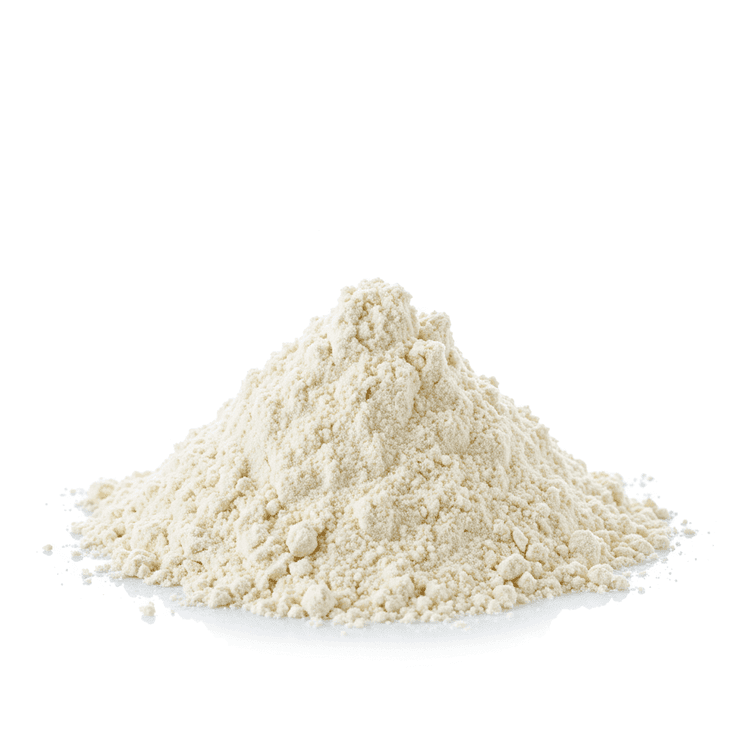
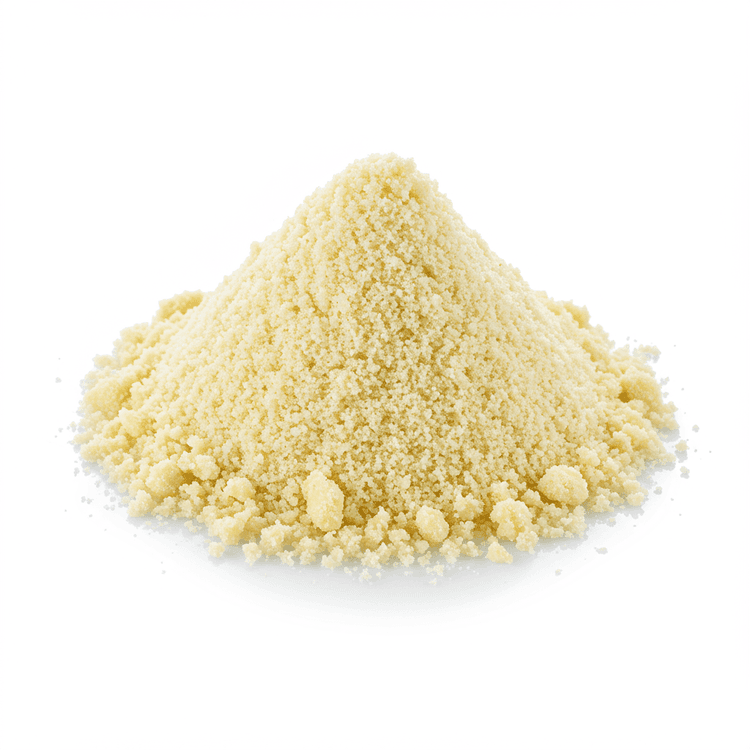
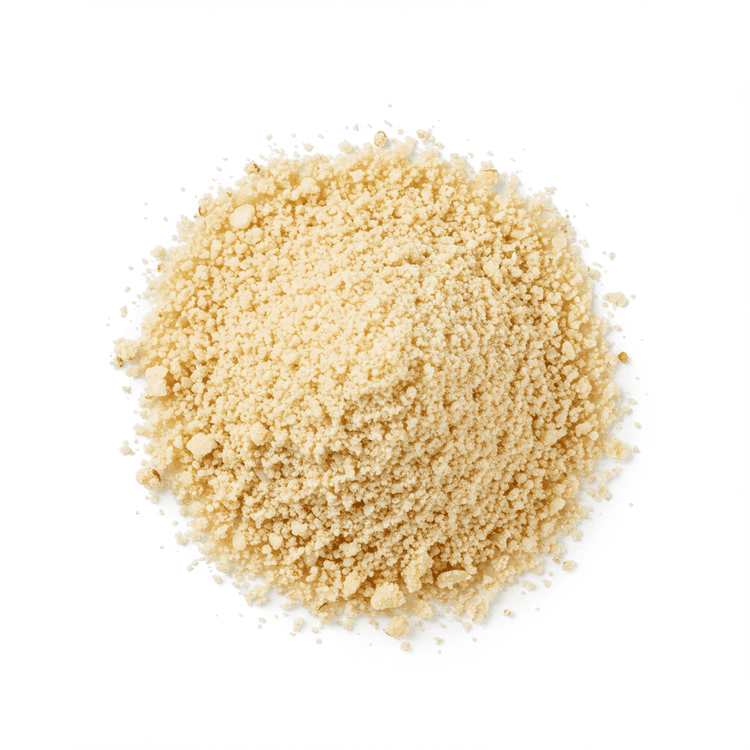
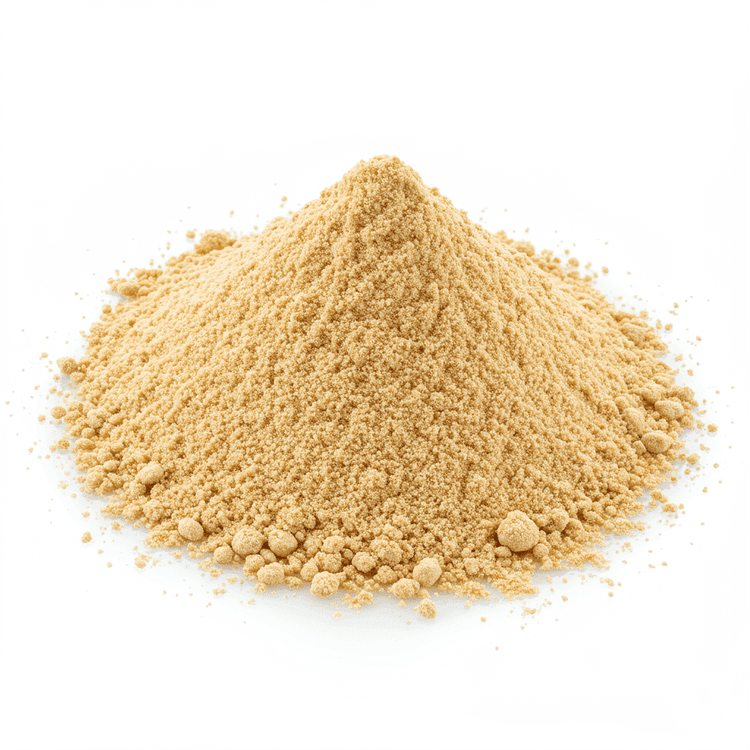
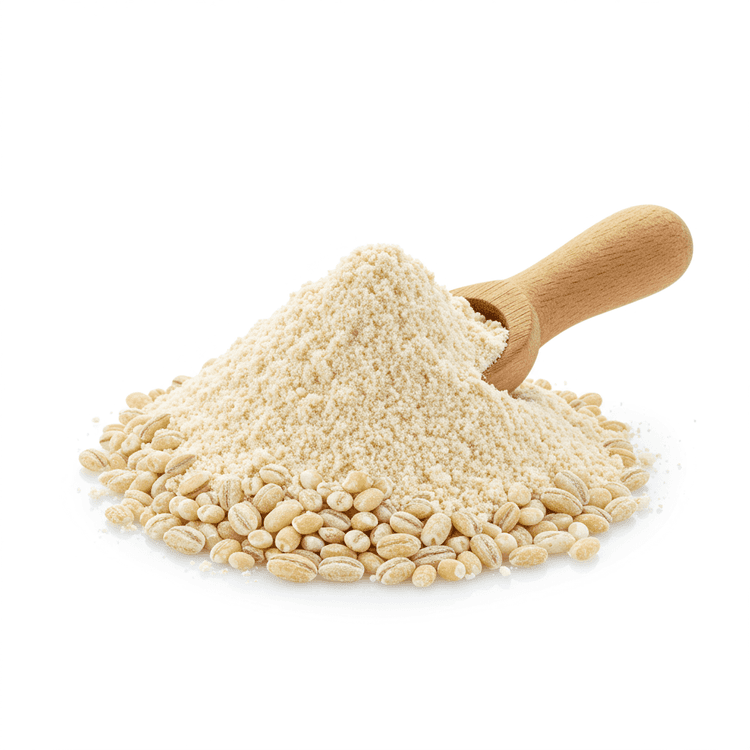
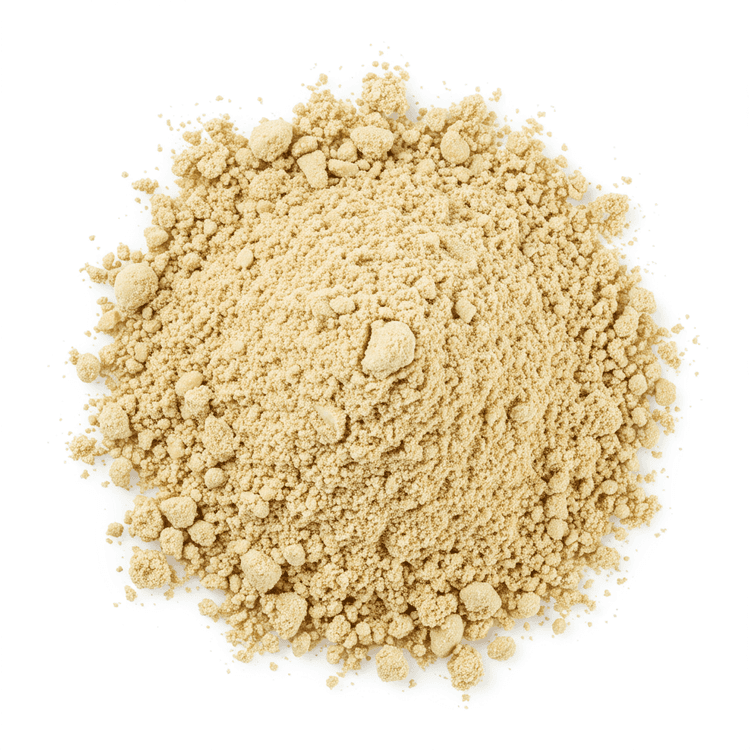
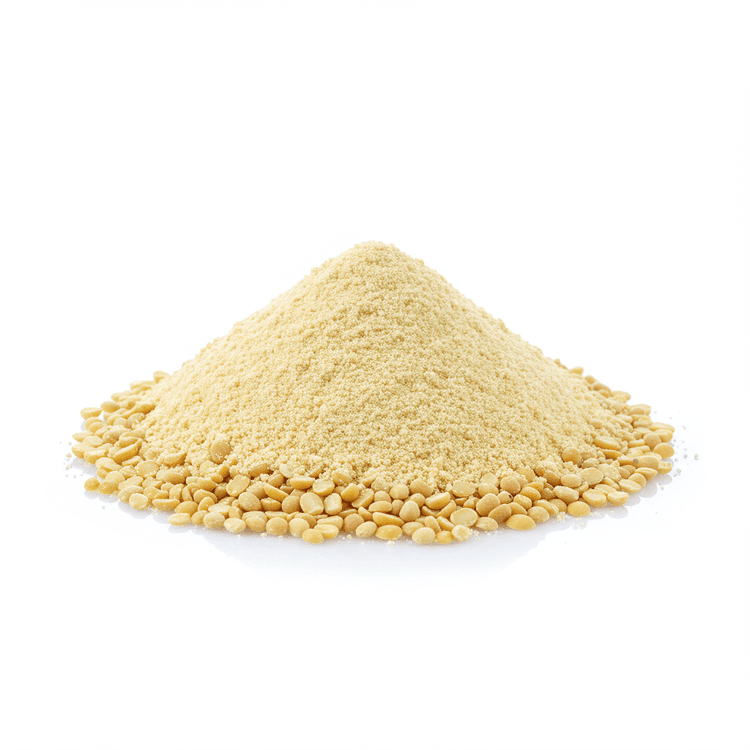
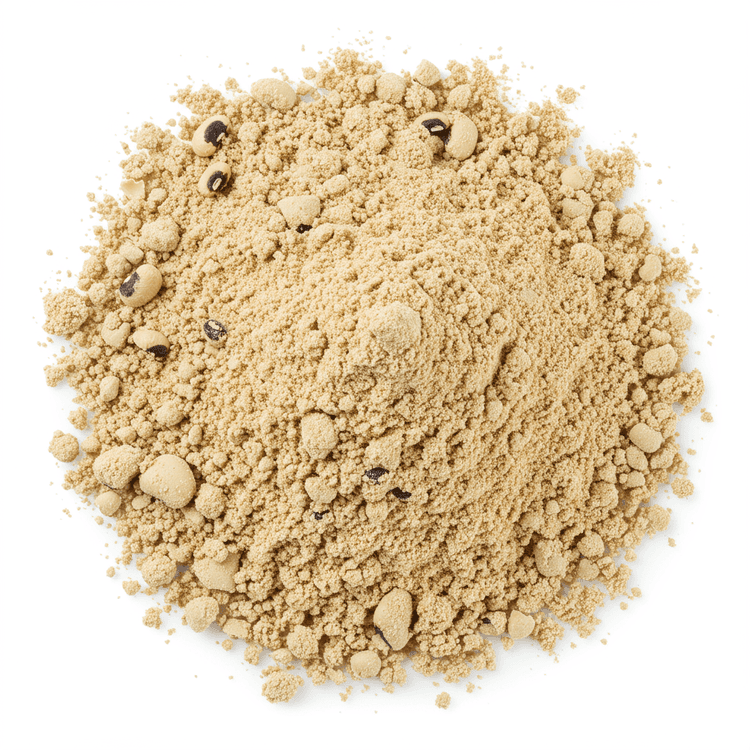
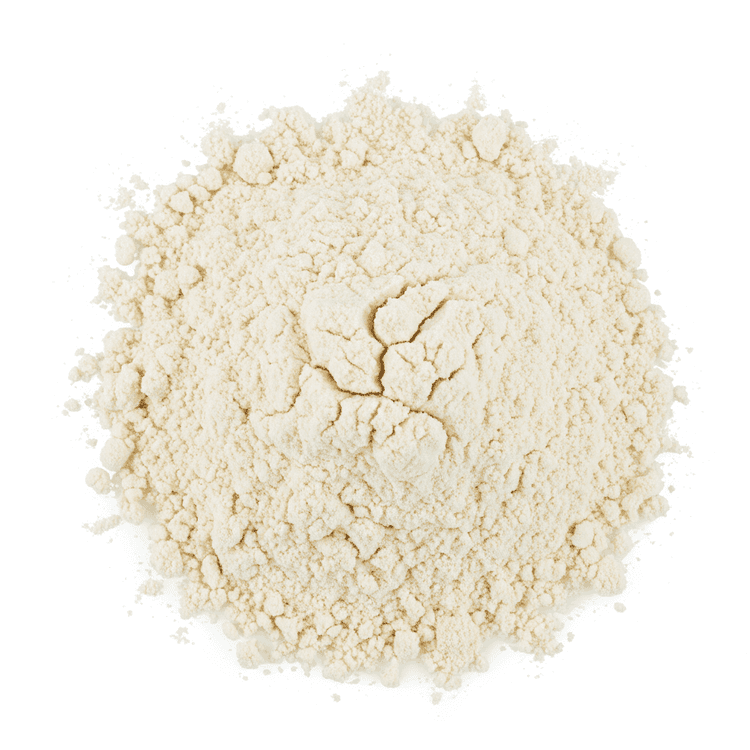
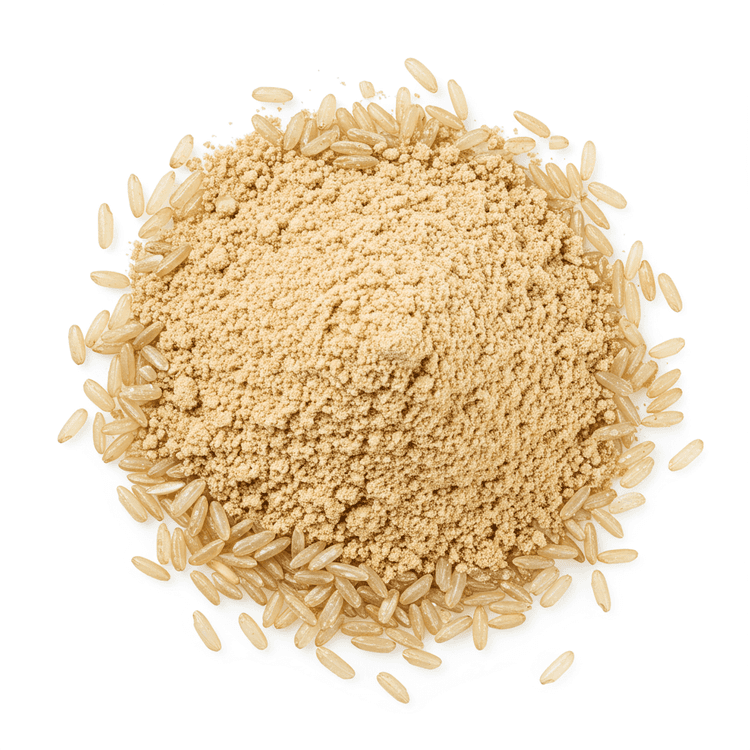
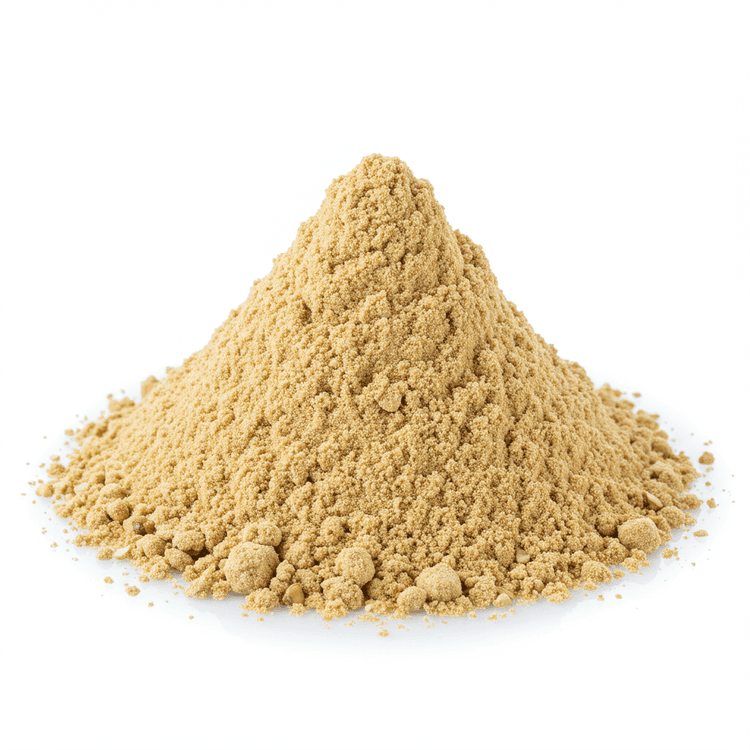
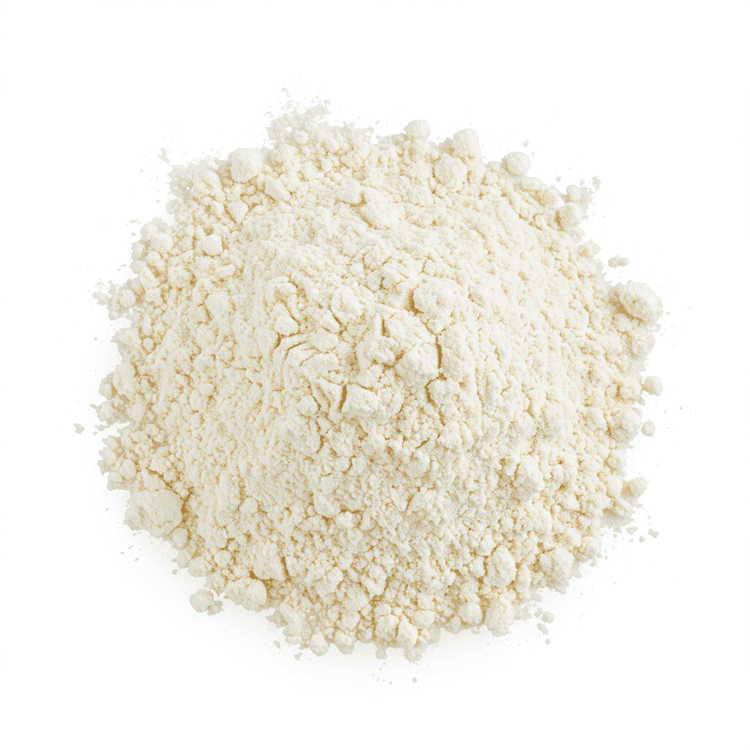
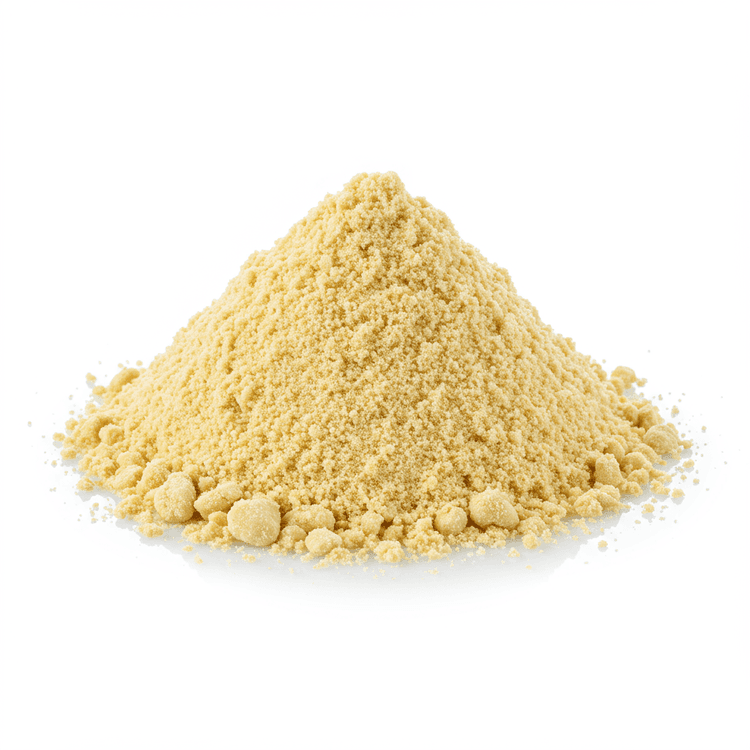
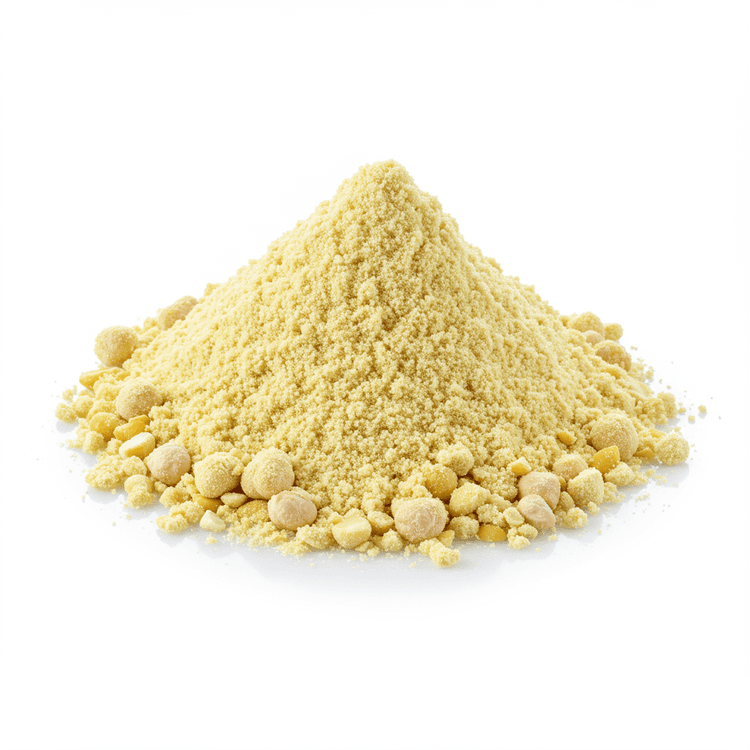
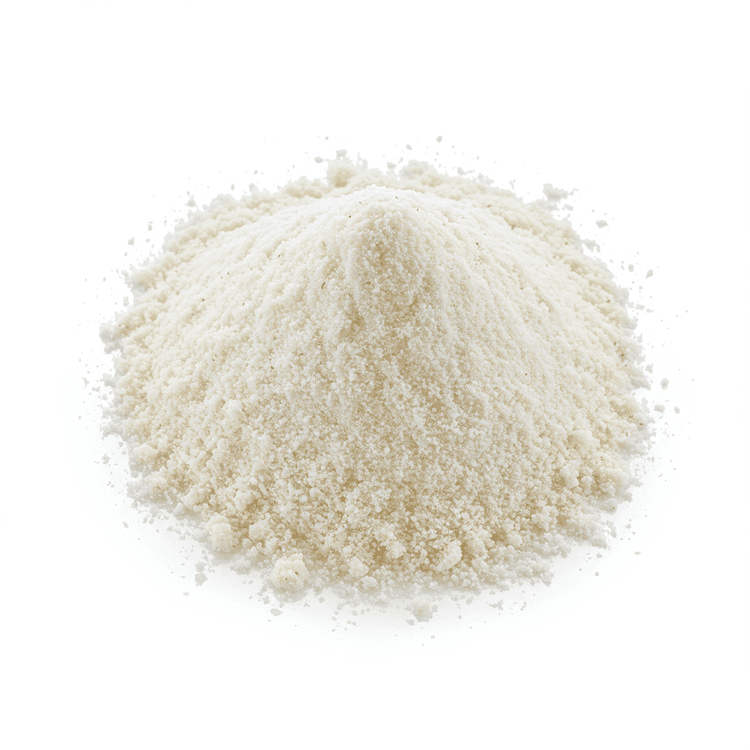
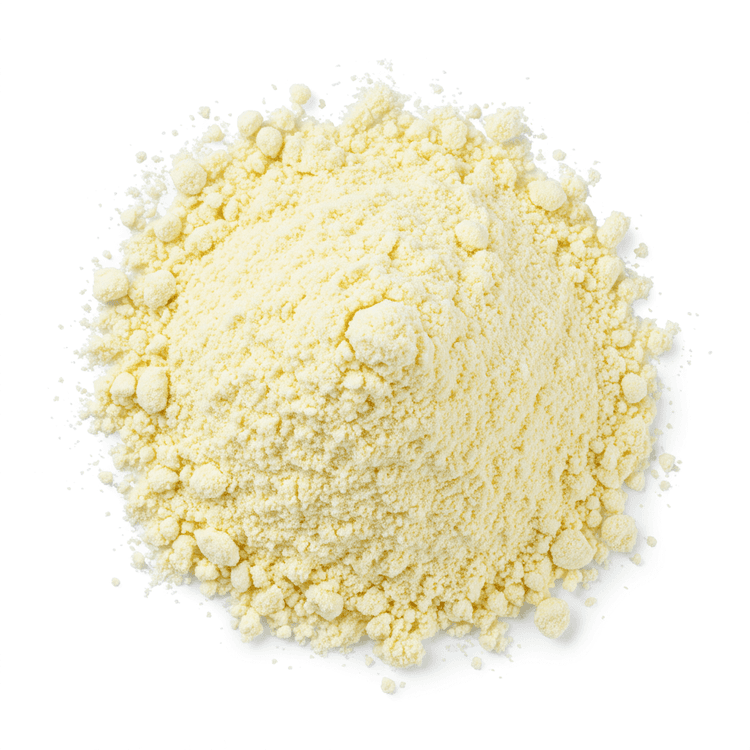
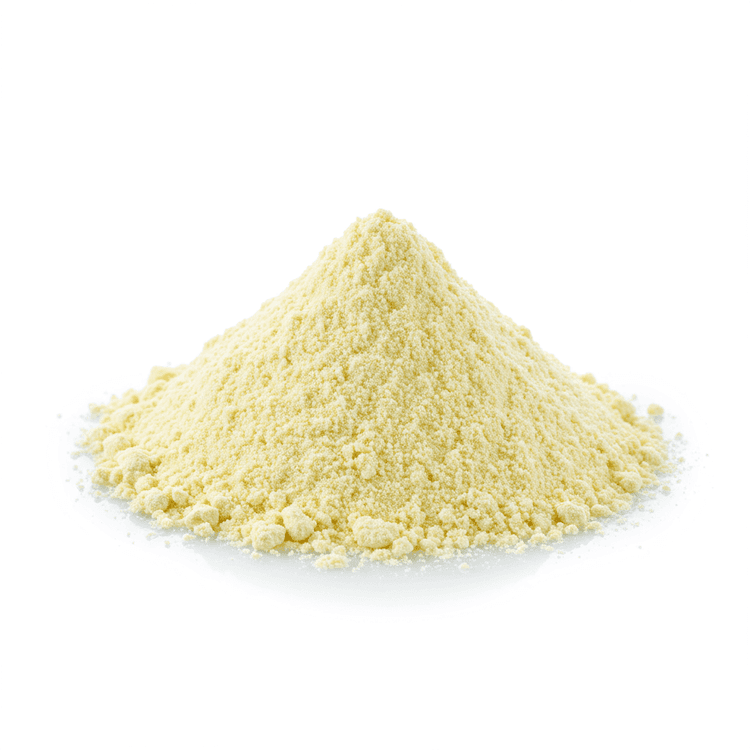
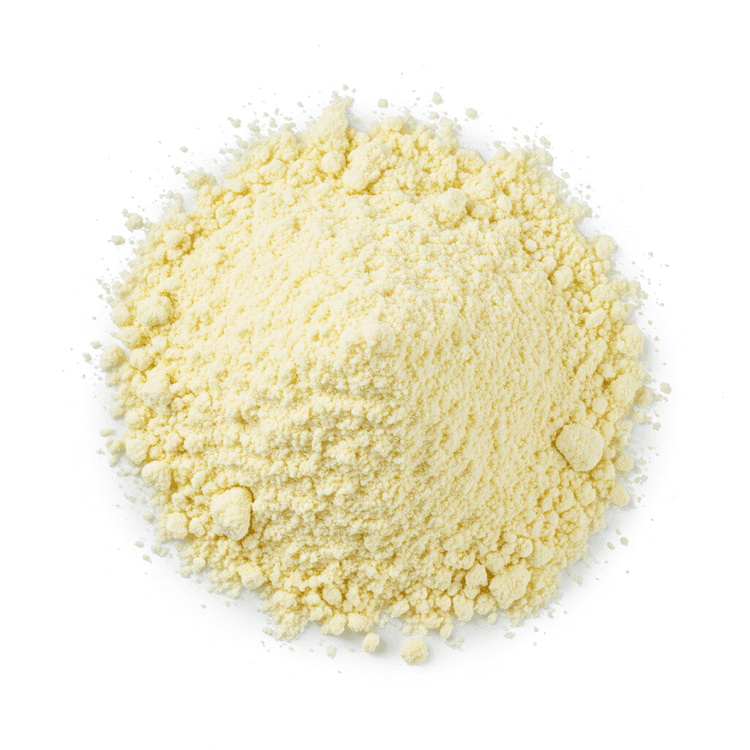
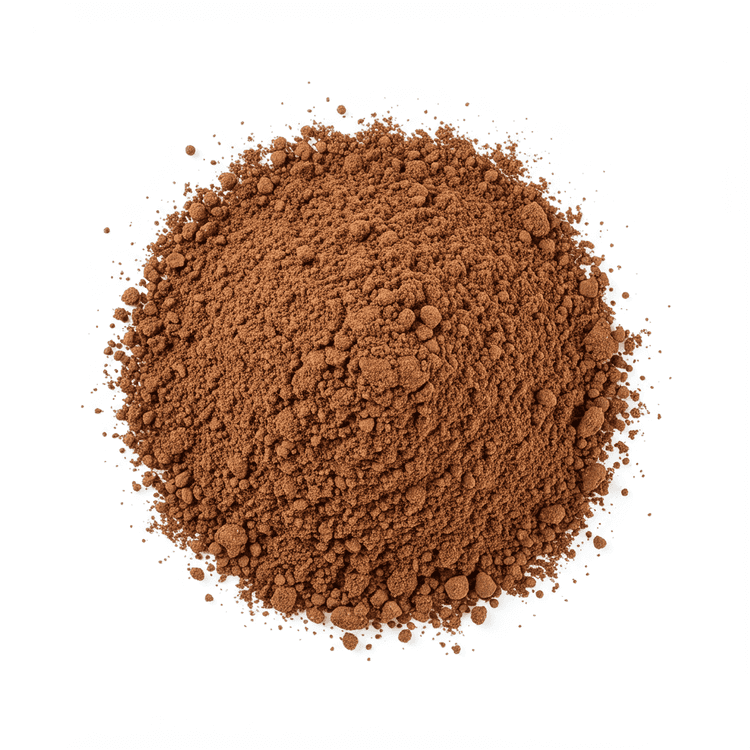
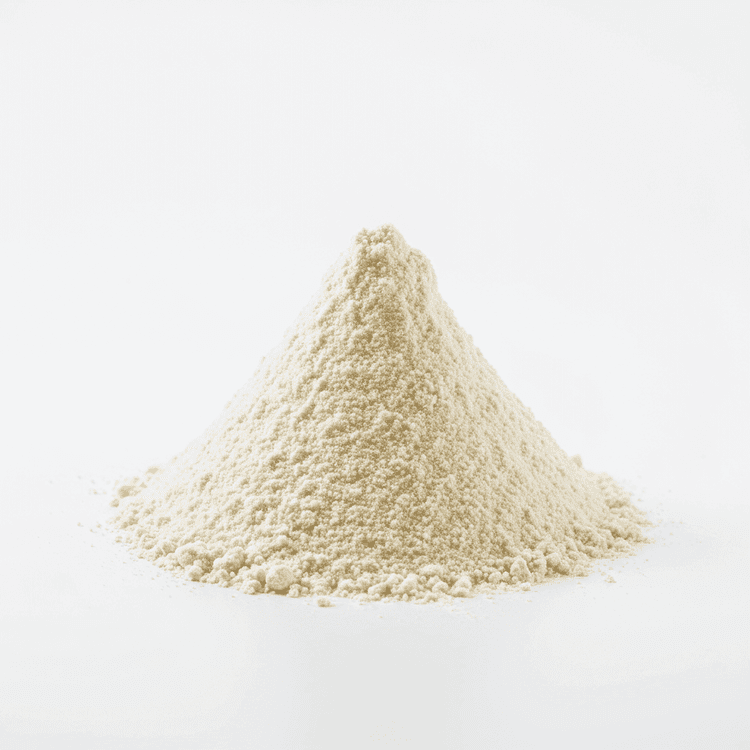
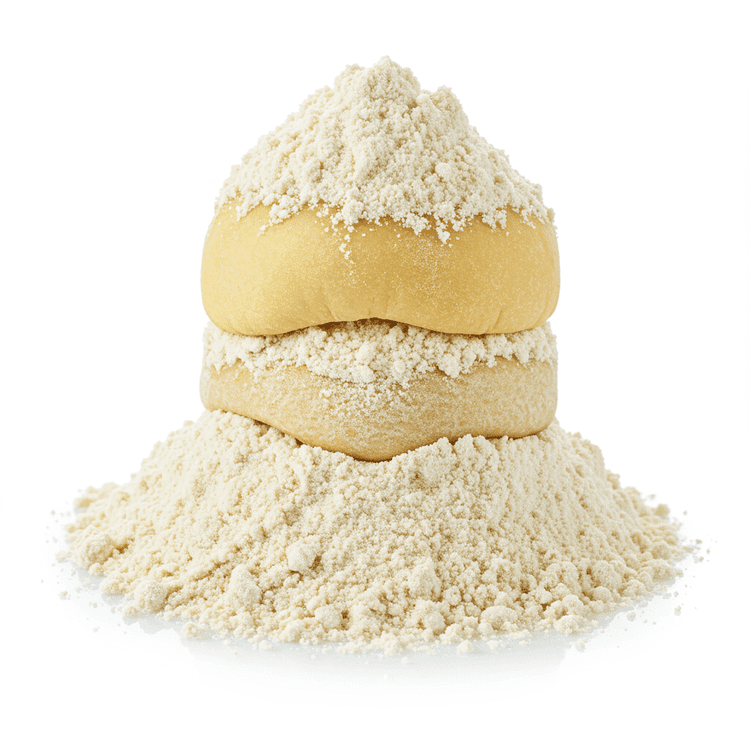
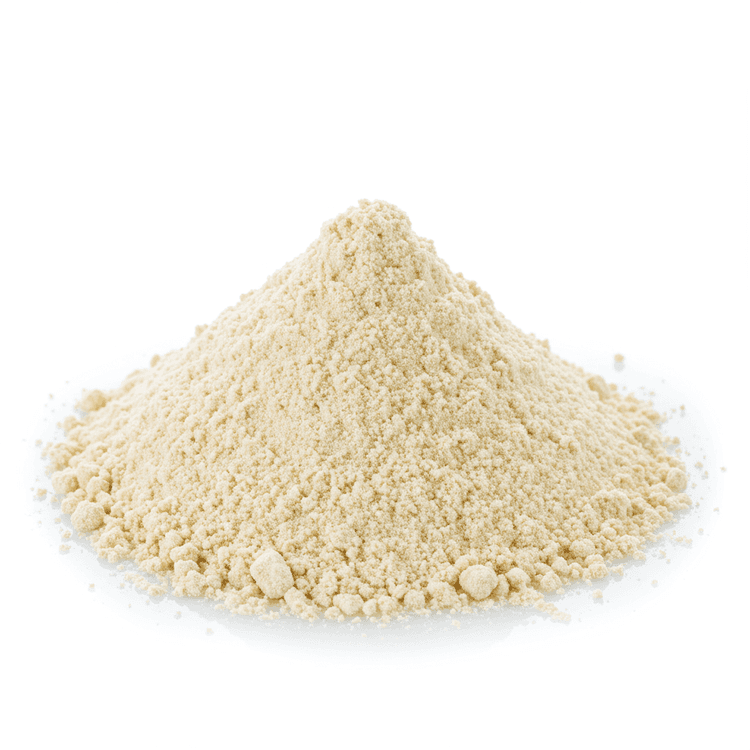
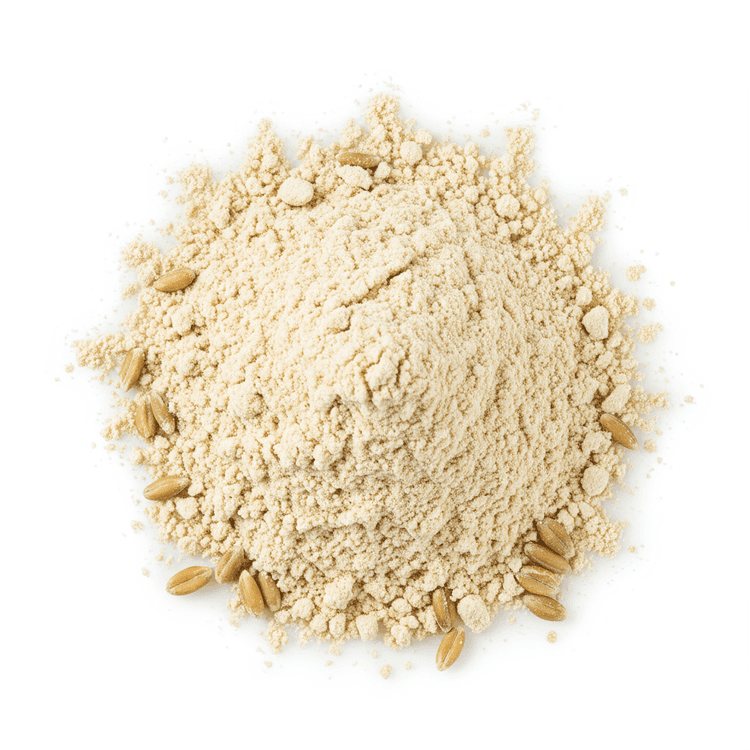
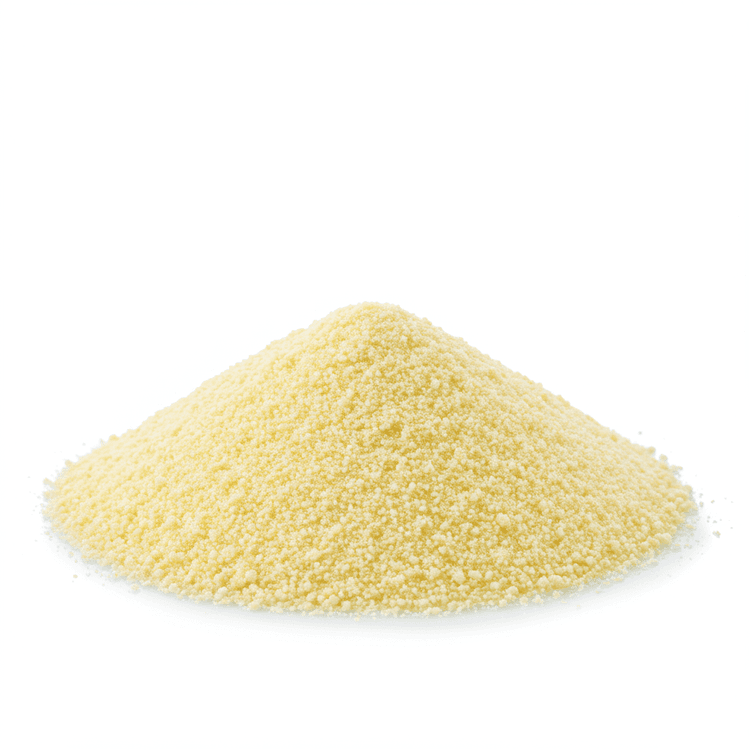
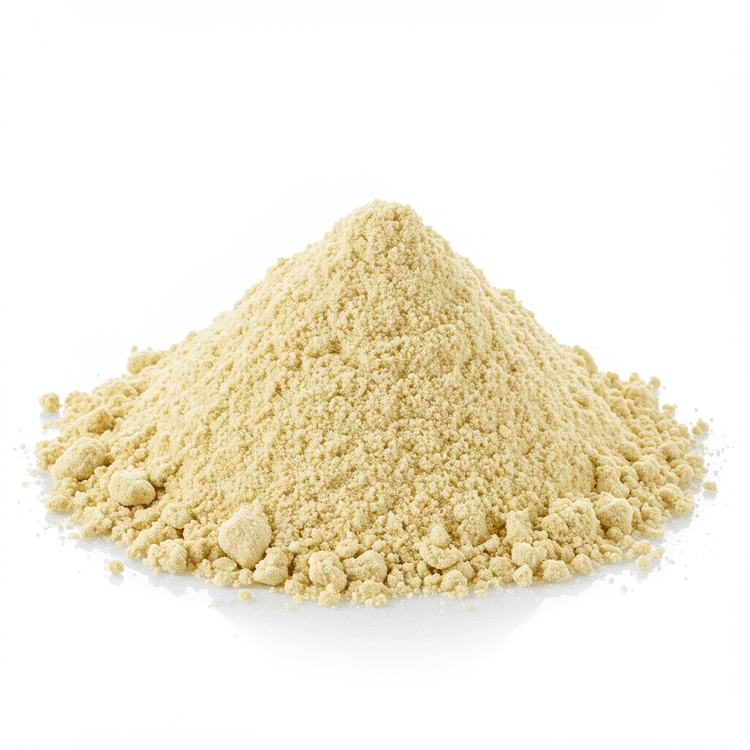
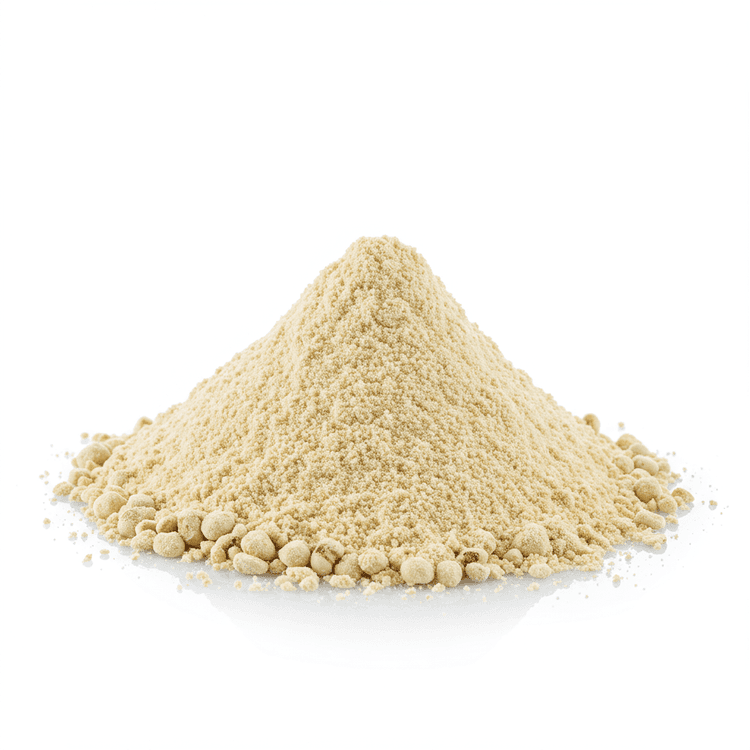
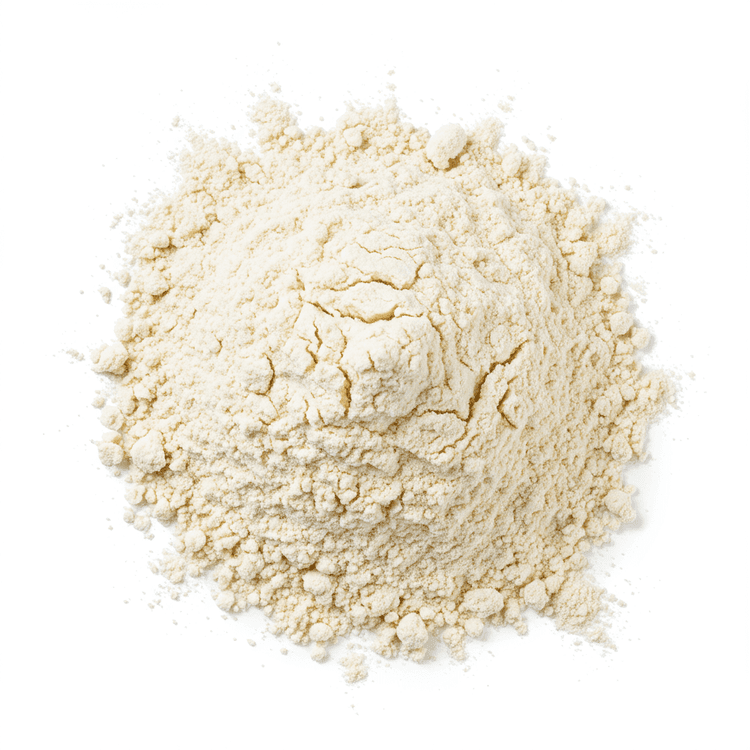
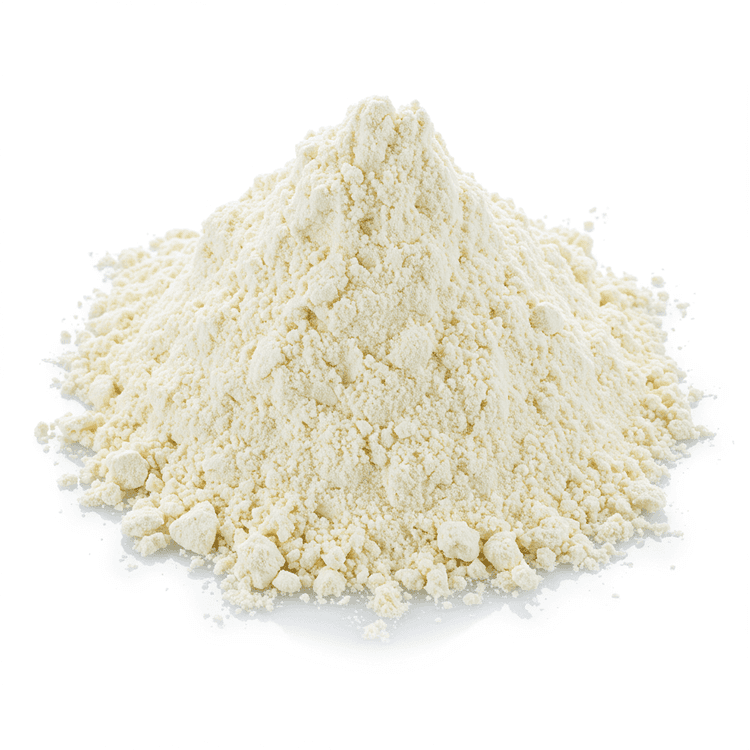
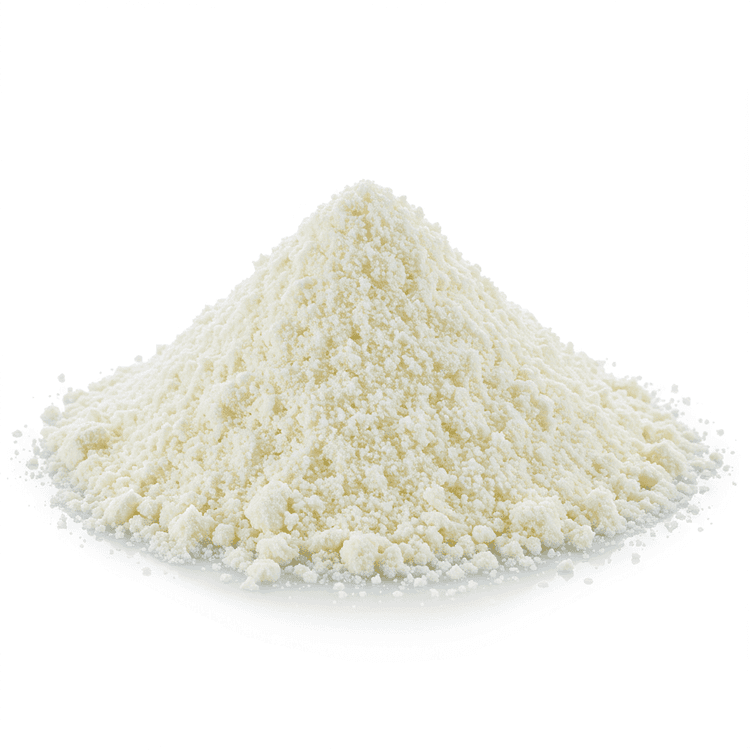
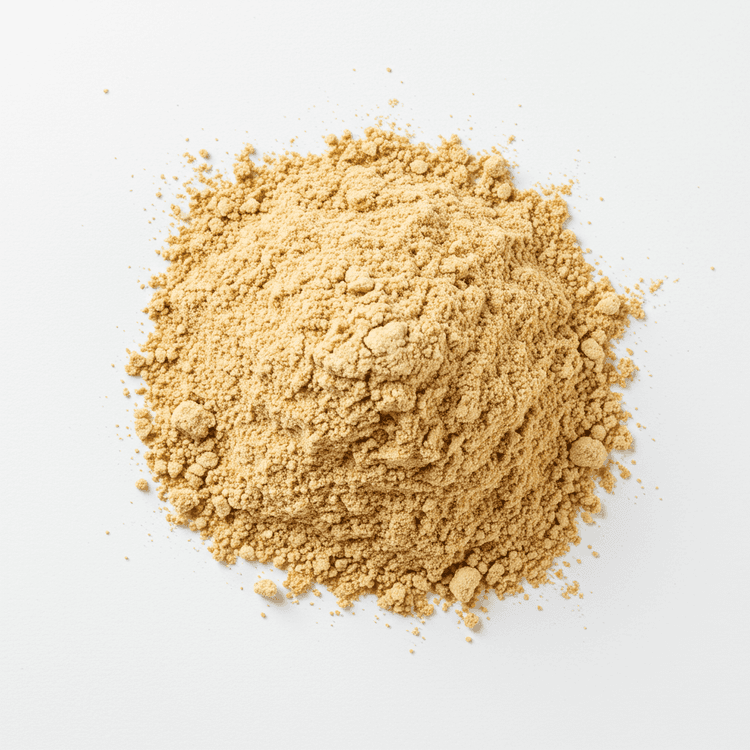
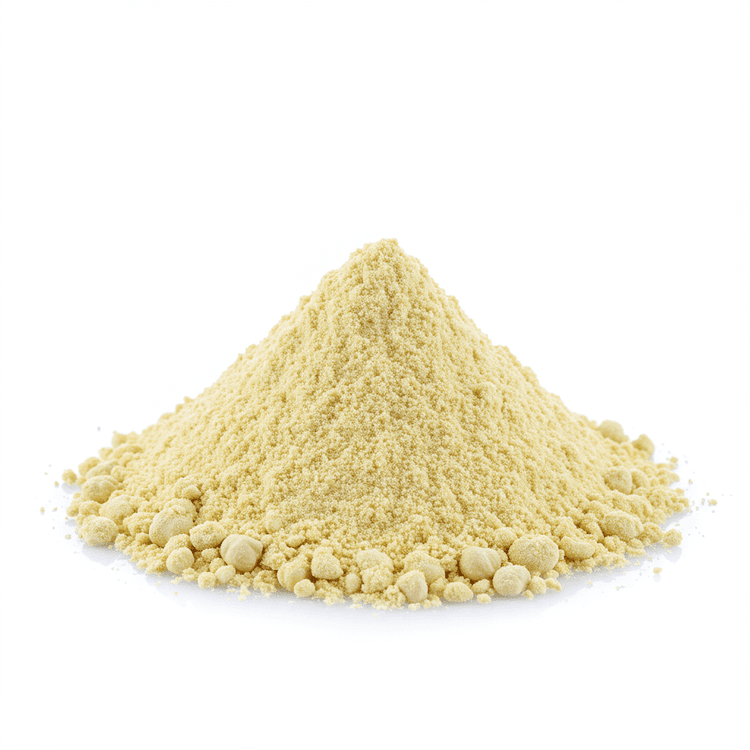
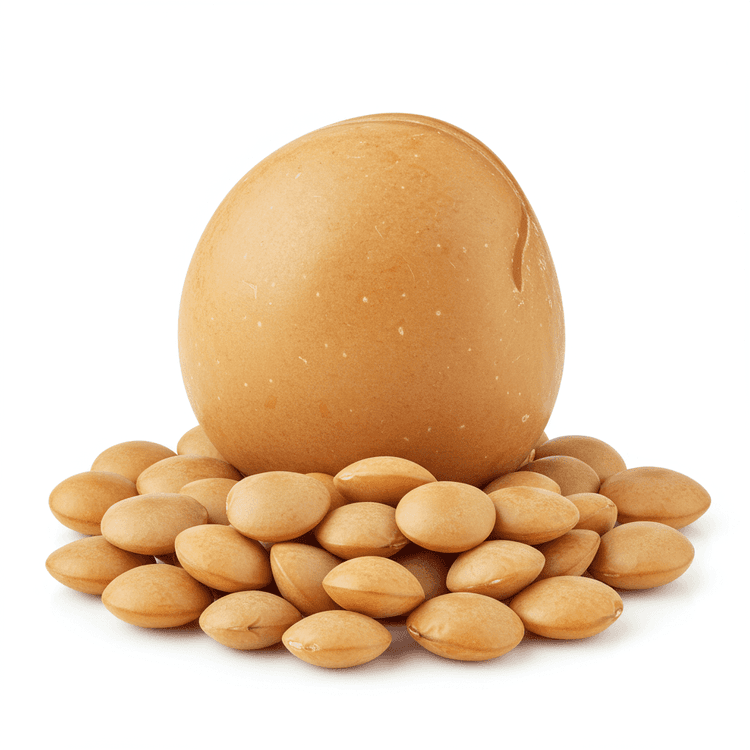
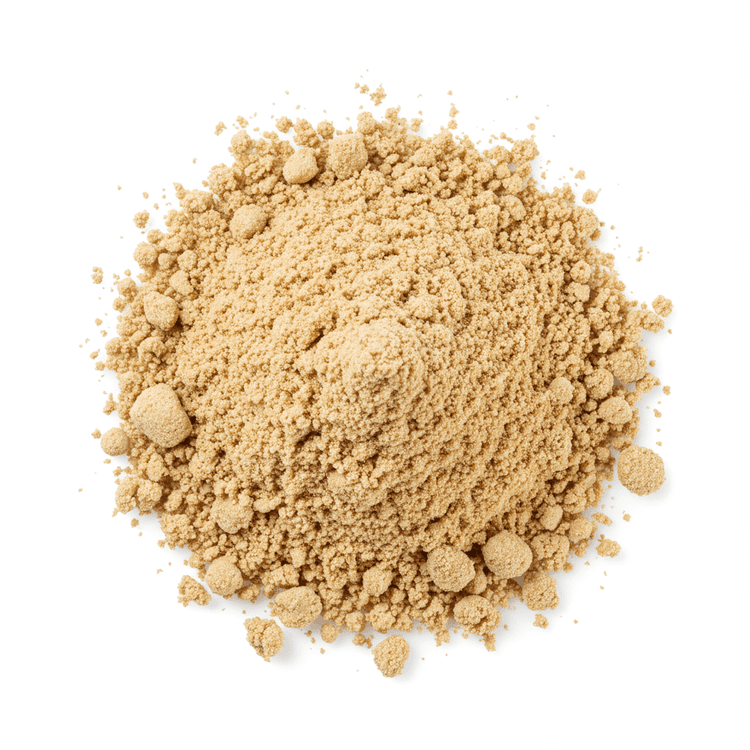
Flour, a pantry staple across the globe, is more than just a base for bread and pastries. It's a diverse category of finely ground powders derived from grains, nuts, seeds, and even vegetables, each offering a unique nutritional profile and culinary application. Understanding the nuances of different flour types can significantly elevate your cooking and contribute to a more balanced and health-conscious diet.
From the familiar all-purpose flour, predominantly made from wheat, to gluten-free alternatives like almond flour, coconut flour, and rice flour, the variety is astounding. Wheat flours, depending on their milling process and protein content, are categorized into various types, including bread flour (high protein for chewy textures), pastry flour (low protein for tender baked goods), and whole wheat flour (containing the entire grain kernel, offering more fiber, vitamins, and minerals). These variations impact the structure, texture, and overall nutritional value of your creations. Whole wheat flour, in particular, is an excellent source of fiber, promoting digestive health and satiety. It also provides essential B vitamins, iron, and magnesium, vital for energy production and overall well-being.
Beyond wheat, gluten-free flours are gaining popularity, catering to dietary needs and offering unique flavor profiles. Almond flour, made from ground almonds, is rich in healthy fats, vitamin E, and magnesium, lending a subtly nutty flavor and moist texture to baked goods. Coconut flour, derived from dried coconut meat, is high in fiber and healthy fats, adding a slightly sweet taste and absorbent quality, requiring adjustments to liquid ratios in recipes. Rice flour, a common ingredient in Asian cuisine, comes in white and brown varieties, with brown rice flour providing more fiber and nutrients. These gluten-free options offer exciting possibilities for those with sensitivities and provide diverse nutritional benefits.
In the culinary world, flour is incredibly versatile. Wheat-based flours are the foundation for countless breads, cakes, cookies, and pastries. They're also used to thicken sauces, create roux for soups, and provide structure to pasta. Gluten-free flours can be used in similar ways, often requiring the addition of binding agents like xanthan gum or guar gum to mimic the properties of gluten. Almond flour shines in macarons and delicate cakes, while coconut flour adds richness to muffins and pancakes. Rice flour is essential for making noodles, dumplings, and tempura batter.
Flour plays a vital role in a balanced diet by providing carbohydrates, a primary source of energy. Whole grain flours, like whole wheat and brown rice flour, offer the added benefits of fiber, which aids digestion, regulates blood sugar levels, and promotes heart health. Certain flours, like almond flour, contribute healthy fats, crucial for brain function and hormone production. Choosing a variety of flours allows you to diversify your nutrient intake and explore new flavors and textures in your cooking. Opting for less processed options like whole wheat flour or unbleached flour can further enhance the nutritional value of your meals. By understanding the characteristics and benefits of different flour types, you can make informed choices that support your health and culinary aspirations, crafting delicious and nourishing dishes for yourself and your loved ones. Ultimately, flour isn't just an ingredient; it's a building block for a world of culinary possibilities and a contributor to a well-rounded, healthy lifestyle. ||
Flour are an essential part of a healthy diet, providing a wide range of nutrients and health benefits. Explore our collection of flour ingredients.