Flavorings are the unsung heroes of the culinary world, transforming ordinary dishes into extraordinary taste experiences. More than just additions, flavorings play a crucial role in enhancing our enjoyment of food, influencing our appetite, and even contributing to our overall well-being. From the humble pinch of salt to the complex bouquet of a spice blend, these ingredients bring depth, character, and excitement to every meal.
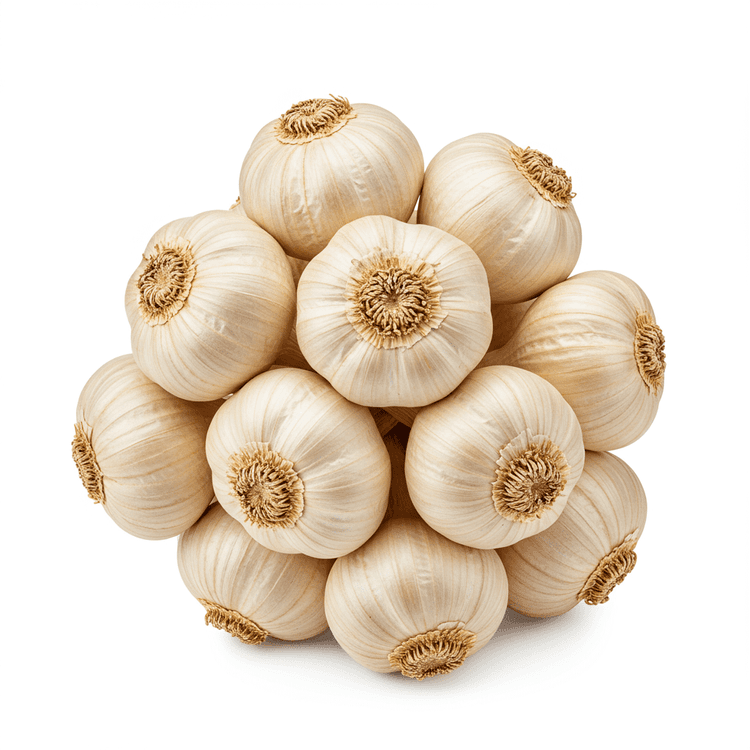
One of the primary reasons we use flavorings is to stimulate our senses. They can make food more palatable, encouraging us to eat a wider variety of foods and, consequently, obtain a more balanced nutritional intake. Spices like turmeric, for example, contain curcumin, a powerful antioxidant with anti-inflammatory properties. Herbs such as basil and oregano are rich in vitamins and minerals, including vitamin K, vitamin A, and manganese. Even seemingly simple flavorings like garlic and onions offer significant health benefits, boasting compounds like allicin that support cardiovascular health and immune function. Consider the zest of citrus fruits like lemons and limes: they’re packed with vitamin C and contribute refreshing, vibrant flavors to both sweet and savory dishes.
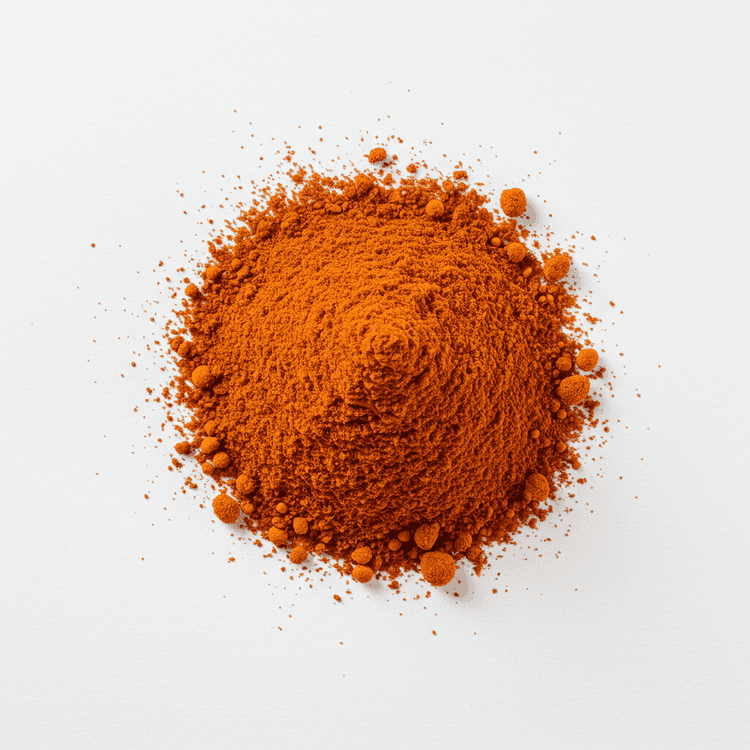
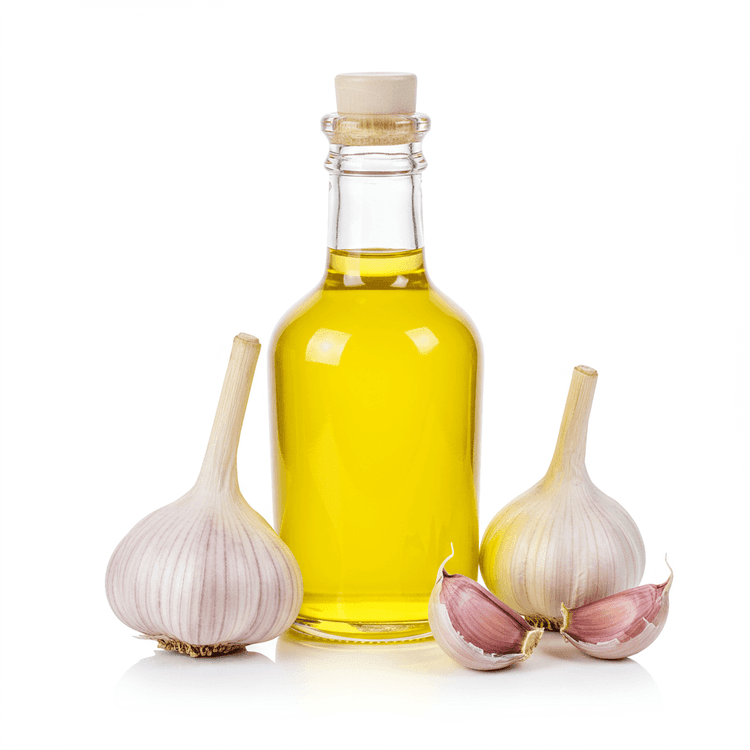
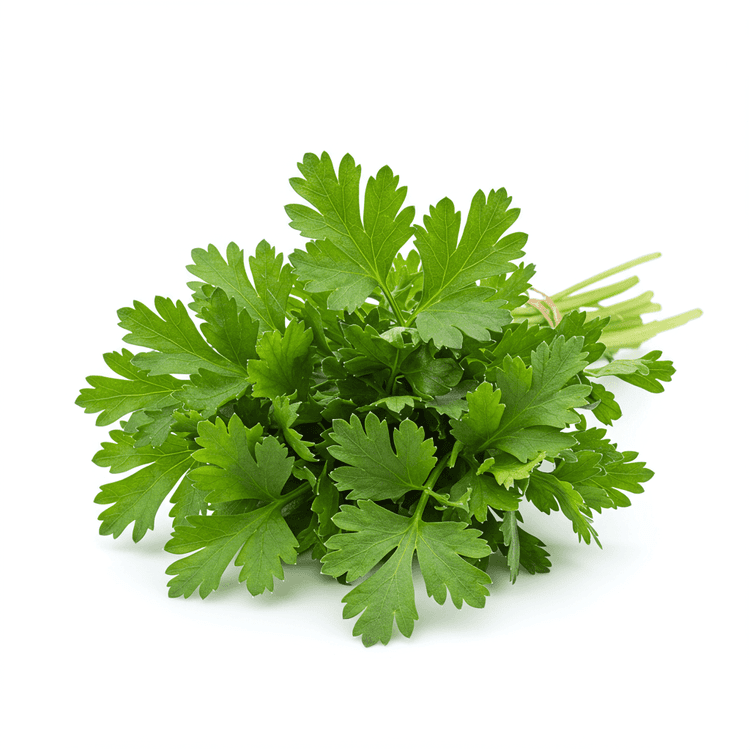
Flavorings encompass a vast array of ingredients, each with its unique profile and culinary application. Salt, a fundamental flavoring, is crucial for electrolyte balance and nerve function, though moderation is key. Herbs and spices, whether fresh or dried, add aromatic complexity to sauces, soups, stews, and marinades. Think of the fragrant warmth of cinnamon in apple pie, the pungent kick of ginger in stir-fries, or the earthy notes of cumin in chili. Vinegars, with their acidic tang, brighten salads, pickles, and sauces. Oils, infused with herbs or chilies, lend richness and flavor to everything from roasted vegetables to grilled meats. Extracts, like vanilla and almond, provide concentrated bursts of flavor to baked goods and desserts. Mustards, from Dijon to whole-grain, offer a sharp and savory counterpoint to fatty foods and grilled meats.
The importance of flavorings in a balanced diet often goes unnoticed. By using a diverse range of flavorings, we can reduce our reliance on excessive salt, sugar, and unhealthy fats to make food appealing. Herbs and spices are often calorie-free or very low in calories, making them an excellent way to add flavor without adding to our waistlines. They also encourage us to explore different cuisines and cooking styles, further broadening our nutritional horizons. A diet rich in diverse flavorings is often a diet rich in antioxidants, vitamins, and minerals, contributing to better overall health and well-being. Embracing the world of flavorings is not just about making food taste better; it’s about creating a more enjoyable, nutritious, and sustainable approach to eating.
In short, the proper and diversified use of flavorings enables healthier, more appealing eating habits and increases the overall enjoyment of meals. They encourage exploration and balance within one's diet, moving away from a reliance on simple, potentially unhealthy options for satisfaction. ||
Flavoring are an essential part of a healthy diet, providing a wide range of nutrients and health benefits. Explore our collection of flavoring ingredients.