We use cookies on this website to ensure its proper functioning and to improve the quality of our services. Cookie Policy

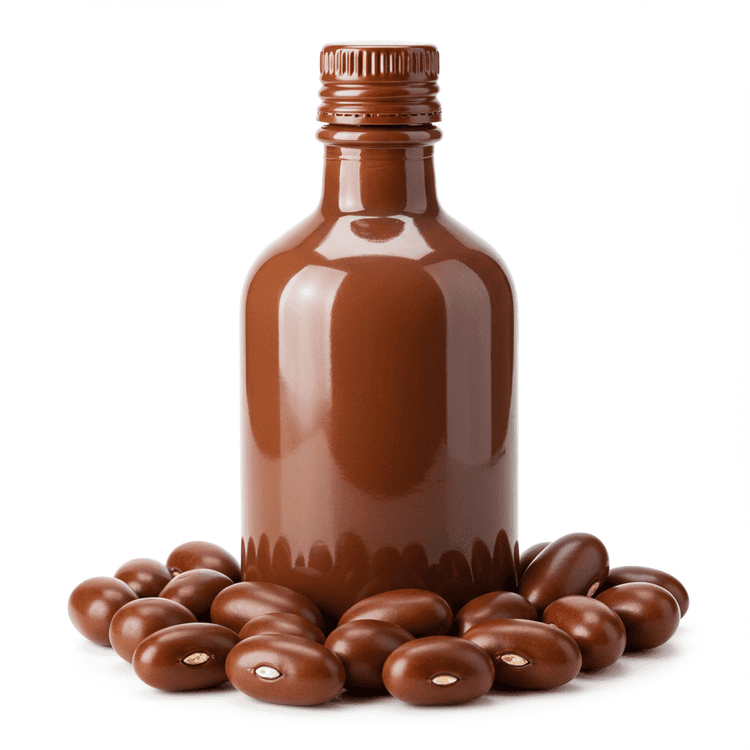
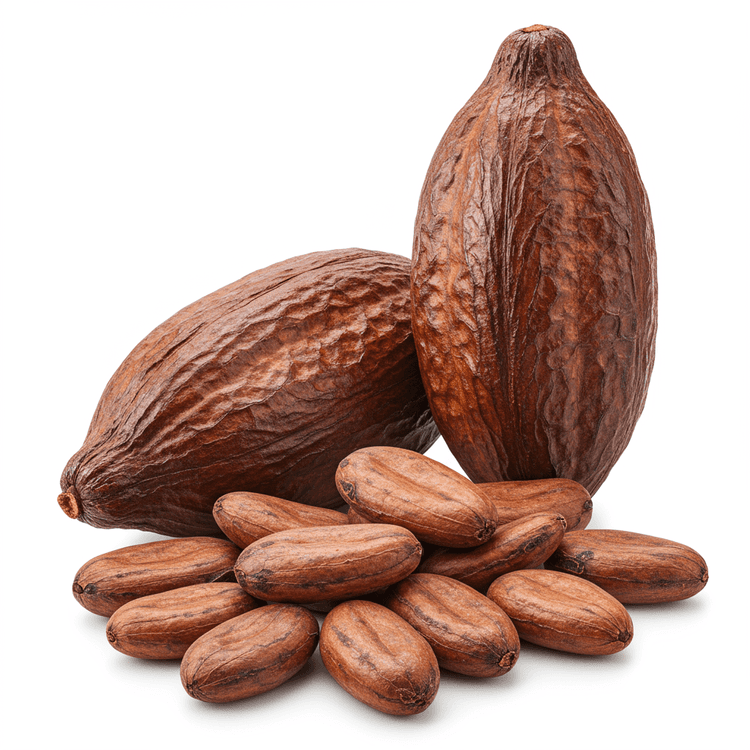
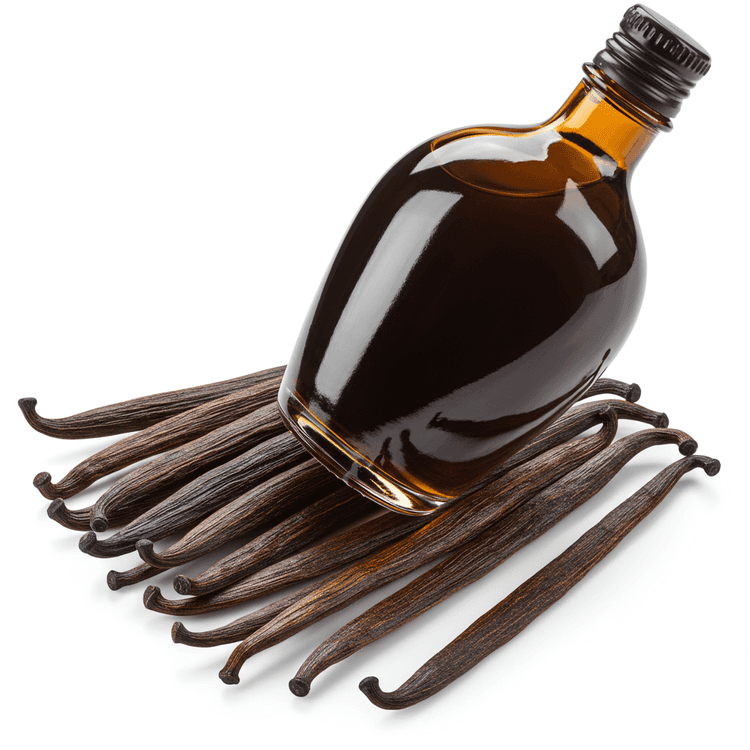
Chocolate extract is a concentrated liquid flavoring derived from cocoa beans, offering a potent chocolate flavor without the added sweetness or bulk of solid chocolate. Its deep, rich, and slightly bitter aroma translates into an intensely chocolatey taste when used sparingly in baking and desserts. The extract is typically a dark brown liquid and can be found in most grocery stores. It's a versatile ingredient ideal for enhancing chocolate desserts or adding a chocolate note to non-chocolate recipes. Use real chocolate extract made with cacao beans for the best results.
Most chocolate extracts are made by steeping crushed cacao beans in alcohol (much the way vanilla extract is made), which pulls out the beans' aromatic oils and leaves you with a thin, pourable liquid rather than a thick paste. On its own, straight from the bottle, it smells wonderfully of dark chocolate but tastes surprisingly bitter and boozy — it's not meant to be eaten by the spoonful. The magic happens once it hits a batter, cream, or hot drink, where a scant teaspoon deepens and rounds out whatever chocolate is already in the recipe. Think of it as a background note, a way to make cocoa taste more like cocoa.
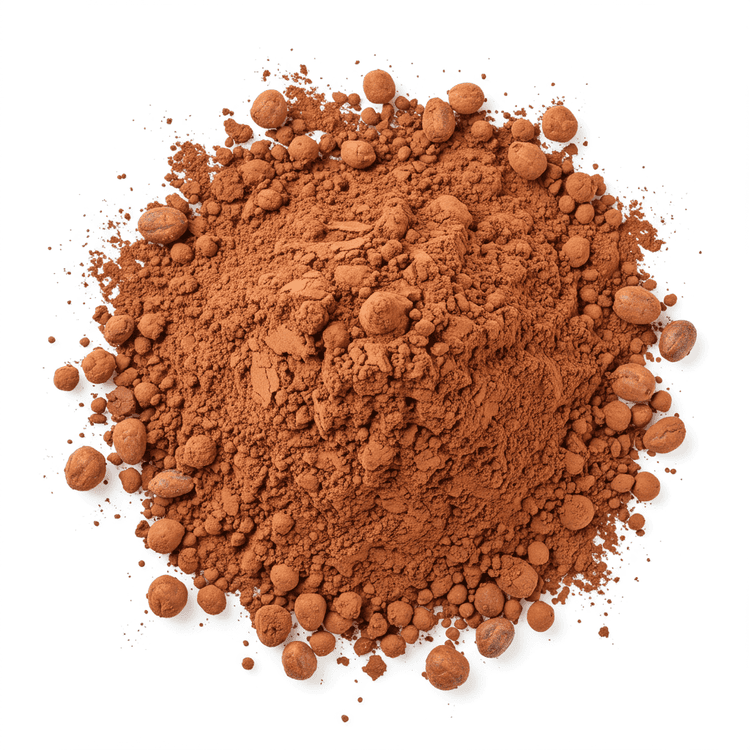
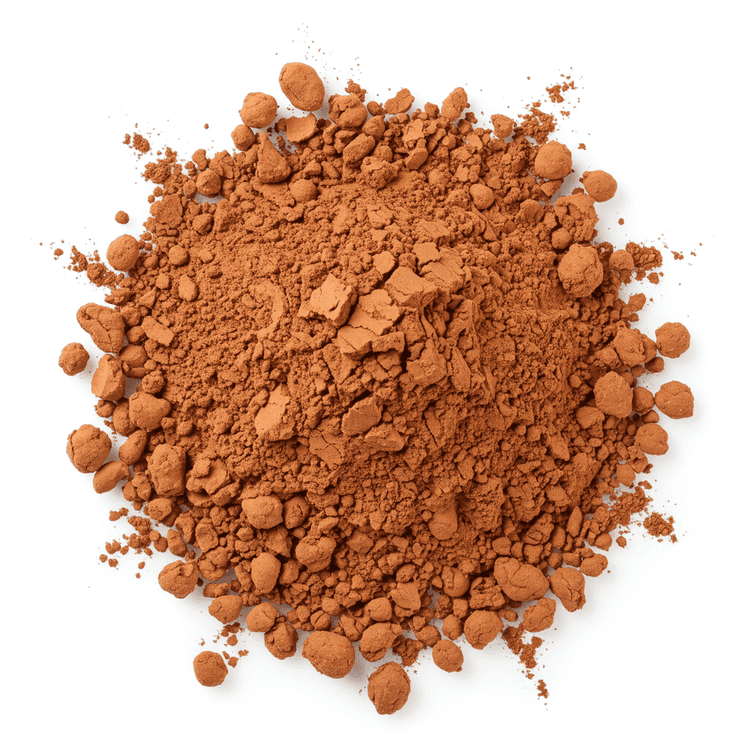
Because it carries flavor but almost no substance, chocolate extract behaves very differently from cocoa powder or melted chocolate. It won't add color, body, or fat, so it can't replace those ingredients — but it can amplify them without throwing off a delicate ratio. Cooks reach for it when they want more chocolate presence but can't afford to add more dry or solid ingredients, like in a light mousse, a thin glaze, or a cup of coffee.
Save recipes from anywhere, and get answers, swaps, and help as you cook.


Available now for early access users.