
Top 45 Prawn Recipes: Curries, Garlic Prawns, Rice and More
Updated July 2, 2026 · Curated by Chefadora
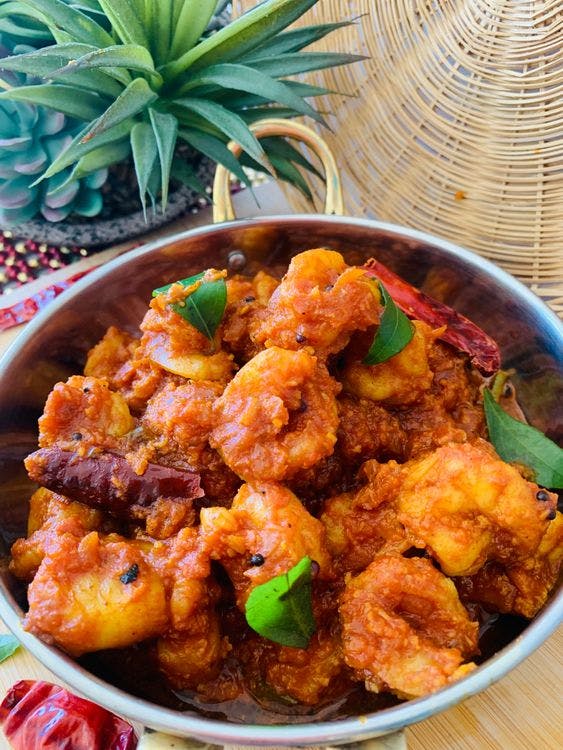
Prawn recipes reward speed more than almost any other seafood — a shellfish that goes from perfectly tender to tough and rubbery in the space of a minute or two of overcooking. This collection spans rich coastal curries, garlic and butter prawns cooked hot and fast, prawns folded into rice, noodles and pasta from across Asia, and a wide range of starters, salads and snacks, so there is a version here for a five-minute dinner or a proper weekend spread.
What separates a great prawn dish from an average one usually comes down to two things: not overcooking the prawns, and not overwhelming their natural sweetness with too much else happening in the pan. Prawns cook in a couple of minutes at most once they hit real heat, curling into a loose C-shape when done and tightening into an O when overcooked — a visual cue worth learning, since it works regardless of the recipe, the cuisine, or whether you are simmering, searing or steaming them.
The four clusters here reflect how differently prawns get used: simmered into curries where they finish cooking gently in a sauce, seared hard in garlic and butter for a fast plate, folded into rice and noodle dishes that pull from Goan, Thai, Chinese and other coastal traditions, and turned into starters, salads, fritters and snacks that showcase them on their own. Between the four, there is a version here for almost any night of the week.
Use this as a working reference rather than a single read-through. Every recipe links through to full ingredients and method on Chefadora, and the guides below cover what actually decides whether prawns come out tender and sweet or tough and bland — buying and prepping them, timing the cook correctly, building a curry that does not overpower them, and storing leftovers safely.
Prawn Curries
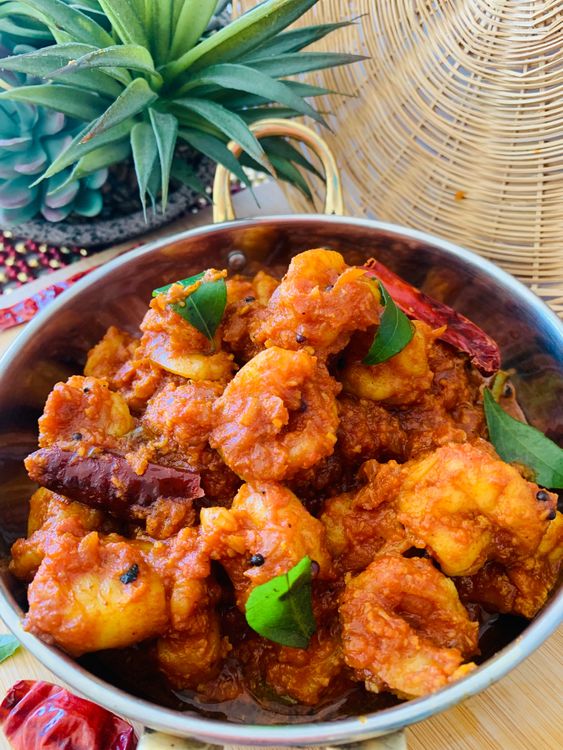
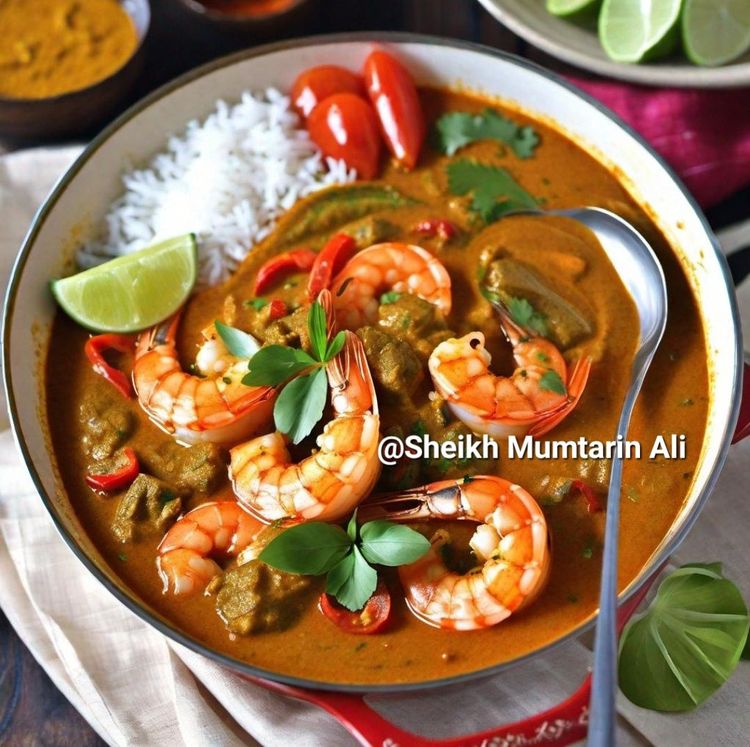
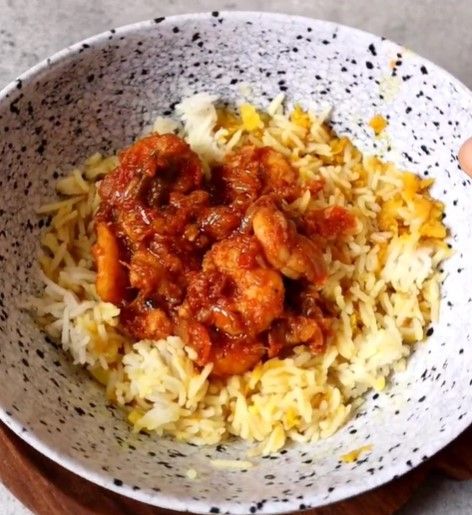
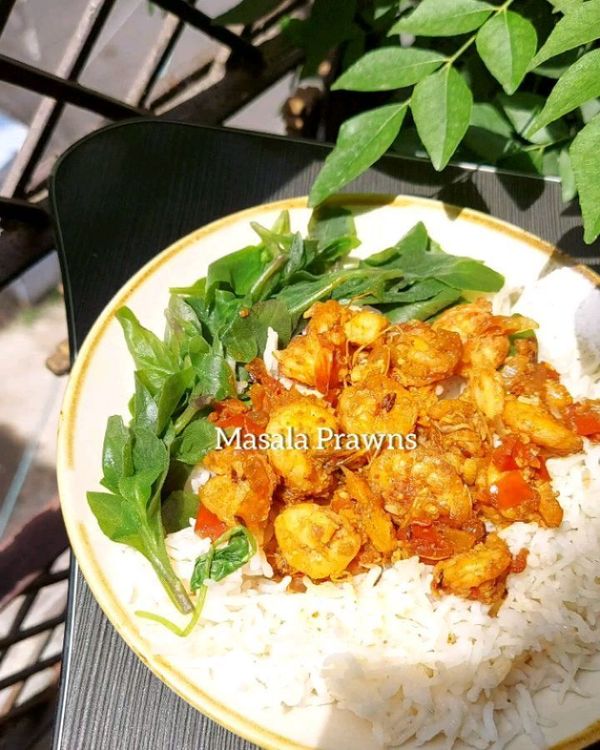
Prawn curries sit at the coastal heart of this collection, drawing on Goan, Keralan, Bengali and Konkani traditions that each build a different base but follow the same underlying rule — the sauce is finished before the prawns ever go in. Vindaloo brings a sharp, vinegar-forward heat from Goa, prawn malai curry leans on coconut milk for something sweeter and gentler, and the Konkani-style curry rice here shows how naturally prawns pair with a coconut base built for spooning over rice. Masala-style versions, built on the standard onion-tomato foundation used across Indian cooking, sit alongside these regional specialities and prove the format is flexible as long as the sequencing stays the same. Because prawns need only a few minutes of heat, the real work in this cluster happens before they arrive — reducing the sauce, balancing acidity against richness, and getting the spice level right while there is still time to correct it. Add the prawns last, simmer just until they turn opaque, and take the pan off the heat immediately rather than leaving it on low to keep warm, which is the fastest way to turn a good curry rubbery. Standouts here include Coconut Prawn Masala and Prawns Vindaloo (Goan Style Tangy & Spicy Prawn Curry), plus Prawn Malai Curry.

- Indian
- Gluten-Free
- Lunch


- Pescatarian
- Main Course

- Malaysian
- Pescatarian
- Lunch

- Indian
- Pescatarian
- Dinner

- Goan
- Pescatarian
- Dinner
- Indian
- Pescatarian
- Dinner
- Indian
- Pescatarian
- Lunch
Garlic, Butter & Stir-Fried Prawns
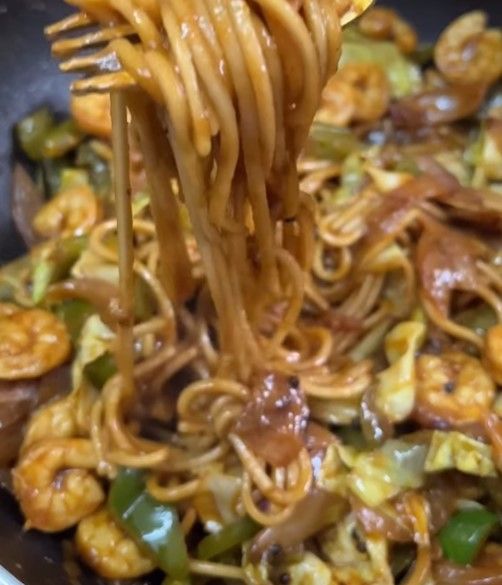
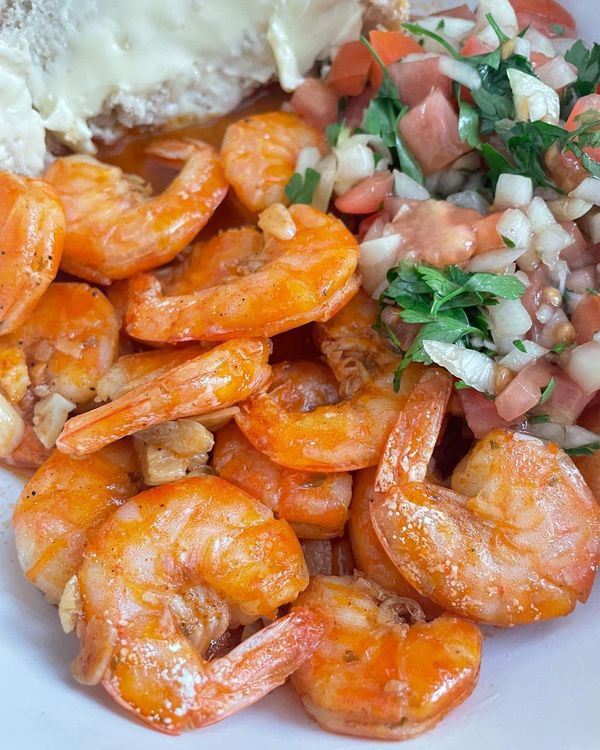
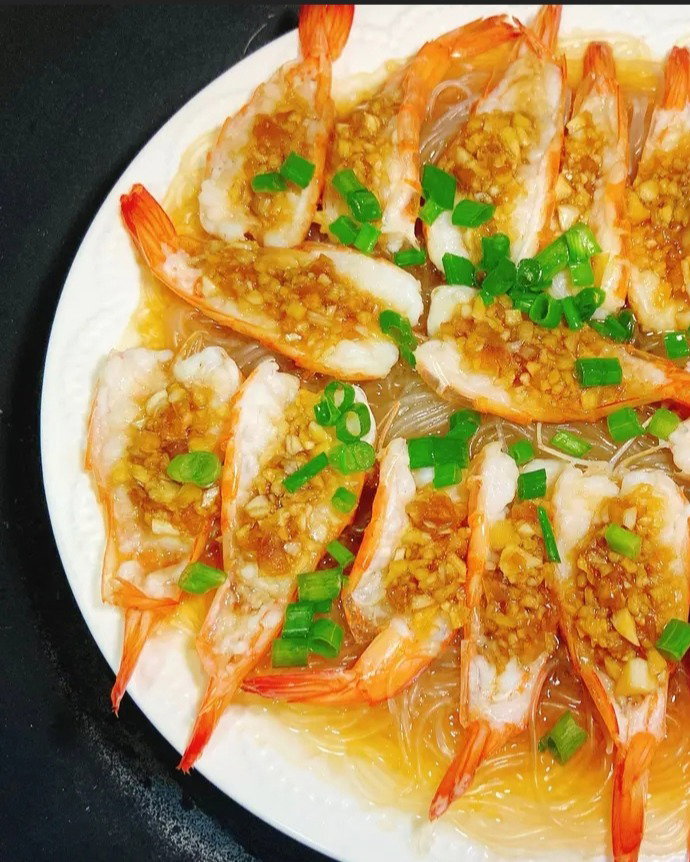
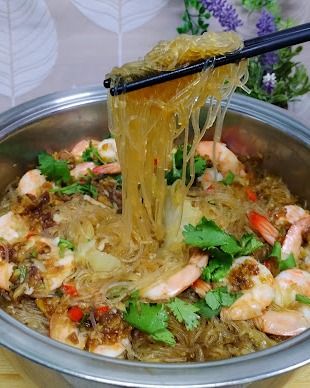
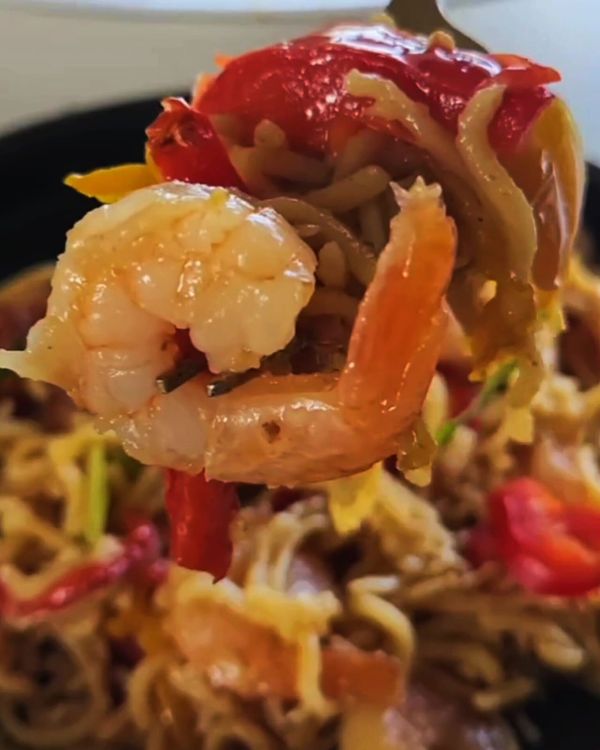
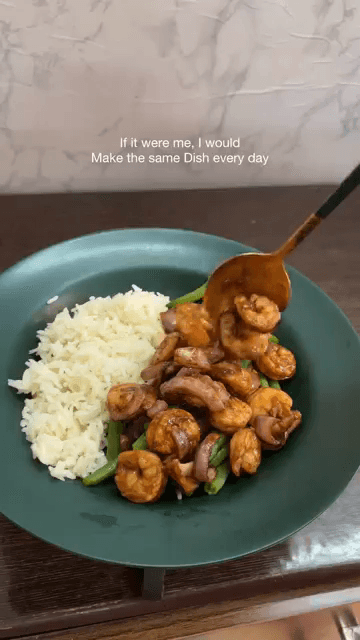
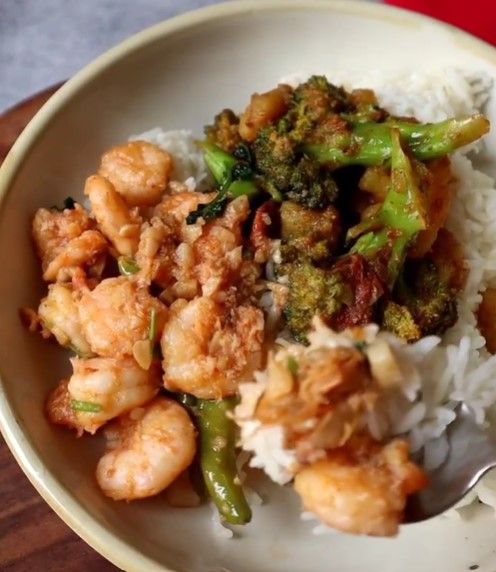
This cluster is about prawns cooked hot, fast and simply, with garlic, butter, soy or ginger doing most of the talking rather than a built-up sauce. Garlic and butter prawns are the anchor recipe here, and the technique — gently melting garlic into butter before the prawns go in, then basting them as they sear — carries across the soy garlic and ginger garlic variations too, each swapping the exact seasoning while keeping the same hot, quick cook. Steamed prawns with garlic vermicelli takes a gentler route, letting steam rather than a hard sear cook the prawns while garlic infuses the accompanying noodles, and the stir-fried version shows the same aromatics working at wok heat instead. What unites everything in this group is timing discipline: garlic burns bitter in seconds if the pan runs too hot for too long, and prawns overcook just as fast, so both need constant attention rather than a set-it-and-check-later approach. These are largely five-to-ten-minute dishes once prepped, which makes this cluster the fastest route to a finished plate on this whole page. Standouts here include Garlic & Butter Prawns and Steamed Prawns with Garlic Vermicelli, plus Prawn and Glass Noodles with Garlic Shallot sauce in one pot.
- Pescatarian
- Lunch

- Gluten-Free
- Main Course
- Asian
- Pescatarian
- Lunch

- Asian
- Pescatarian
- Side Dish
- Asian
- Pescatarian
- Dinner

- Nepalese
- Pescatarian
- Appetiser

- Fusion
- Pescatarian
- Lunch
- Seafood
- Pescatarian
- Dinner
Prawn Rice, Noodles & Pasta
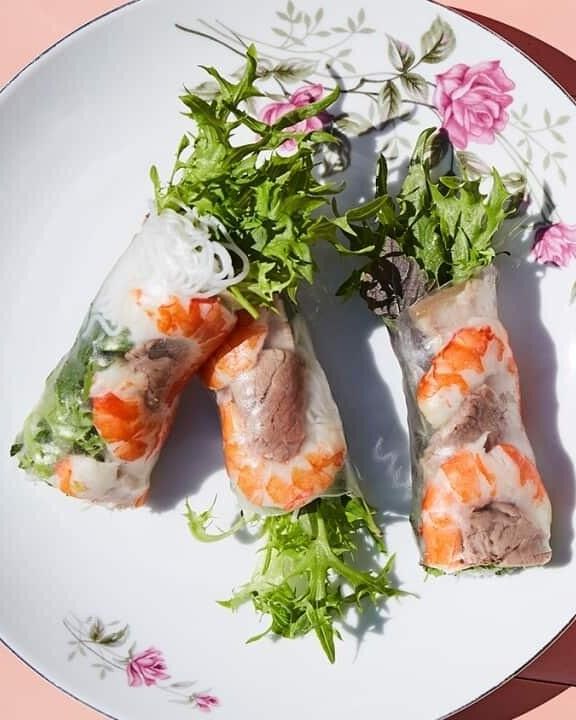
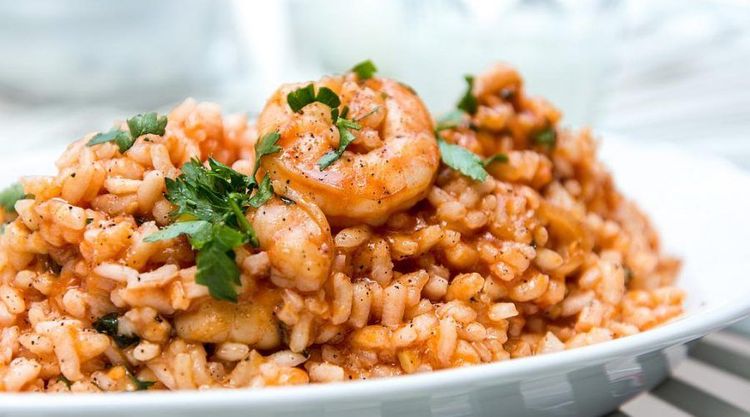
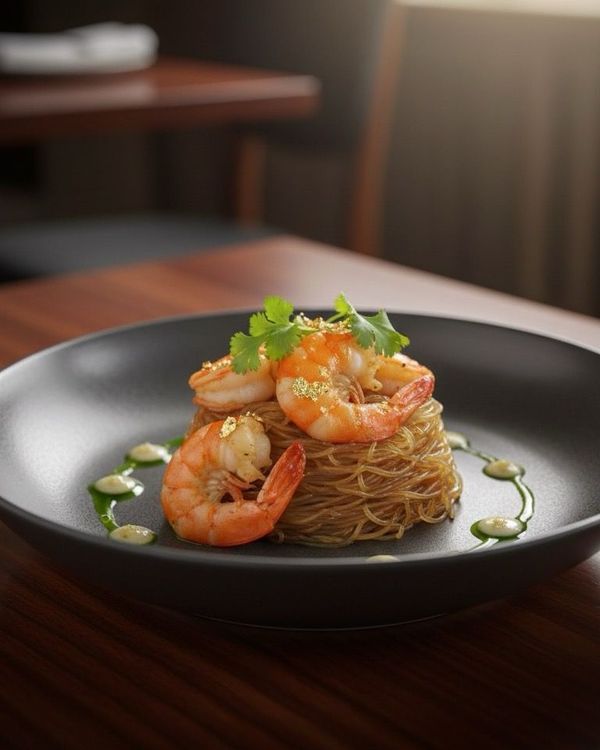
Prawns fold naturally into rice and noodles because they cook in roughly the same time it takes to heat through already-cooked grains or reheat noodles in a hot pan, which is exactly what this cluster leans on. Fried rice, pulao, pulao-style Konkani and Mangalorean rice dishes, and a proper Italian-leaning risotto all sit here alongside noodle dishes pulling from Thai, Chinese and Vietnamese traditions — peanut chilli oil noodles, glass noodle stir-fries and a comforting shrimp congee among them. The common technique across nearly all of them is to cook the prawns briefly on their own first, then fold them through the rice or noodles right at the end, so they do not overcook while the starch finishes absorbing flavour. Risotto and congee are the exceptions, since their slow, stirred cooking method means prawns go in only in the final few minutes once the rice has mostly finished releasing its starch. Whichever style you are making, resist stirring prawns in too early just because the rest of the dish still needs time — hold them back and add them last. Standouts here include Peanut Chilli Oil Noodles with King Prawns and Shrimp Vegetable Congee (Picky Eater Friendly), plus Raviolo Spirale with Cod, Prawn Bisque & Trout Roe.


- Asian
- Pescatarian
- Dinner

- Gluten-Free
- Main Course


- Pescatarian
- Main Course

- Goan
- Pescatarian
- Dinner

- Pescatarian
- Main Course

- Pescatarian
- Main Course
- Vietnamese
- Non-Vegetarian
- Appetiser
- Mediterranean
- Pescatarian
- Dinner

- Chinese
- Non-Vegetarian
- Lunch


- Fusion
- Pescatarian
- Dinner
Prawn Starters, Salads & Snacks
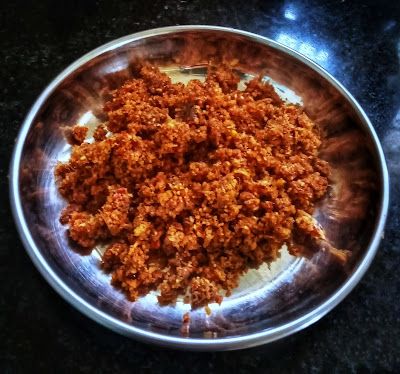
This is the broadest cluster on the page, gathering everything that showcases prawns on their own rather than folded into a bigger dish — cutlets, fritters, pickles, salads, tostadas and a few standout party dishes like the restaurant-style prawns lollipop. Salads here pull in bold, contrasting elements — green papaya, pomelo, warm cheese — that play off the prawns' sweetness rather than competing with it, while fried and battered preparations like the cutlets, fritters and battered prawns lean into contrast of a different kind: a crisp, seasoned exterior against tender flesh inside. Pickled and dried preparations, including the dried prawns powder here, take prawns in an entirely different direction, concentrating their flavour into something meant to be used sparingly as a seasoning rather than eaten as the main event. Because most of these are quick-cooking or no-cook preparations, this cluster is the best place to look for starters and small plates that come together fast, and many double easily as party food since they are naturally portioned and eaten by hand. Standouts here include Prawns Thecha Cutlet | Maharashtrian Prawn Cutlet and Thai Prawn Poke Bowl, plus Balsamic Glazed Prawns .

- Indian
- Dairy-Free
- Appetiser
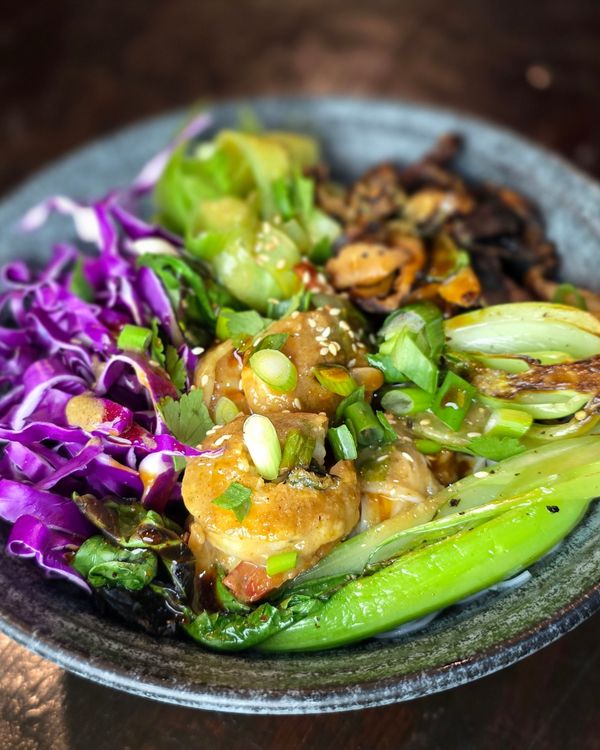

- Thai
- Pescatarian
- Lunch
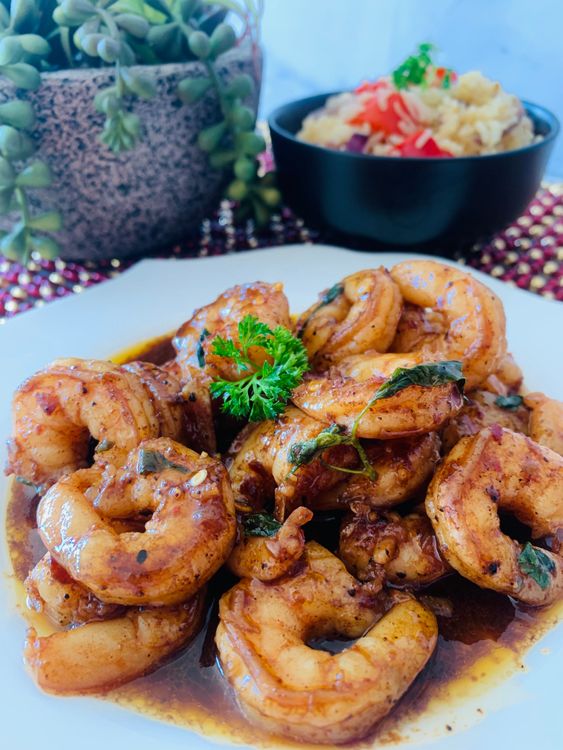
- Italian
- Pescatarian
- Lunch
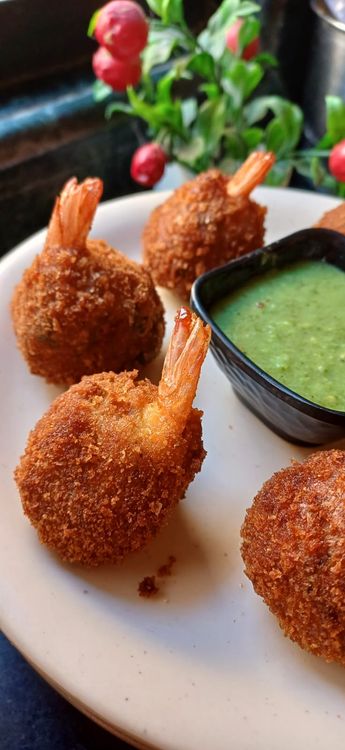
- Indian
- Pescatarian
- Appetiser
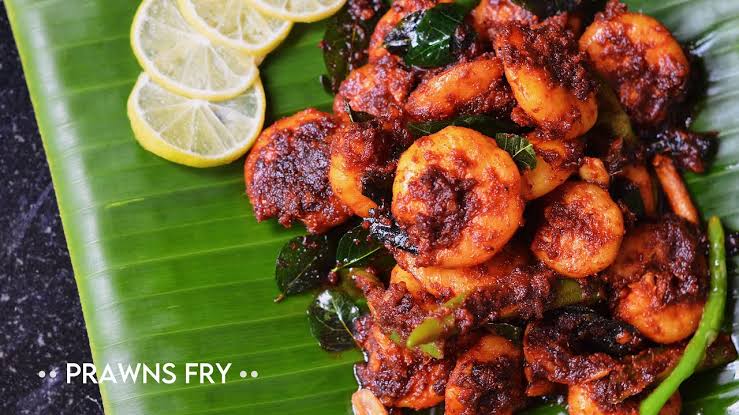
- Pescatarian
- Lunch
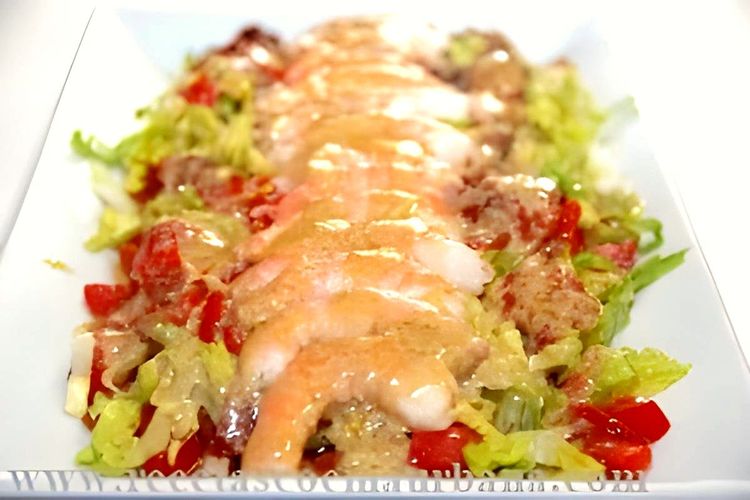
- Mediterranean
- Pescatarian
- Lunch
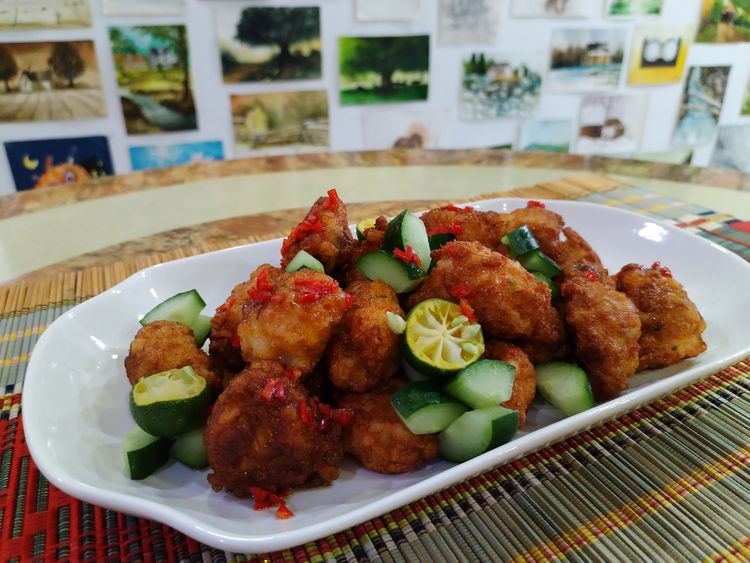
- Chinese
- Pescatarian
- Lunch
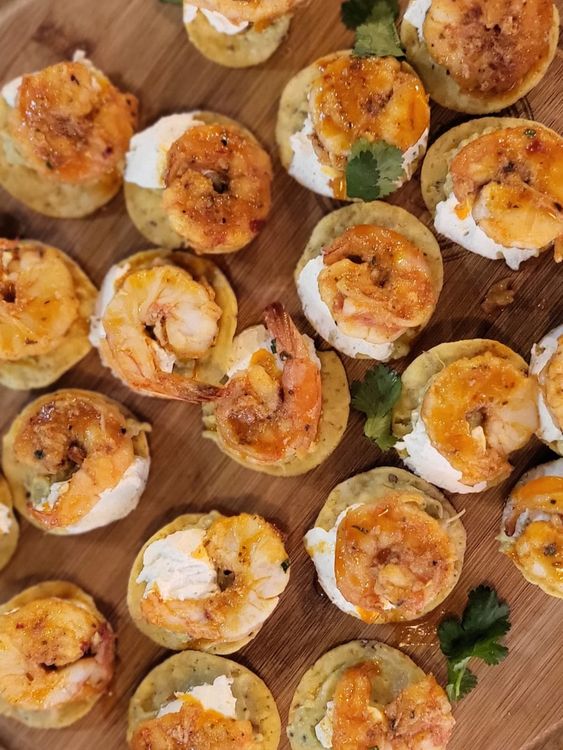
- Mexican
- Pescatarian
- Appetiser

- Vietnamese
- Non-Vegetarian
- Main Course
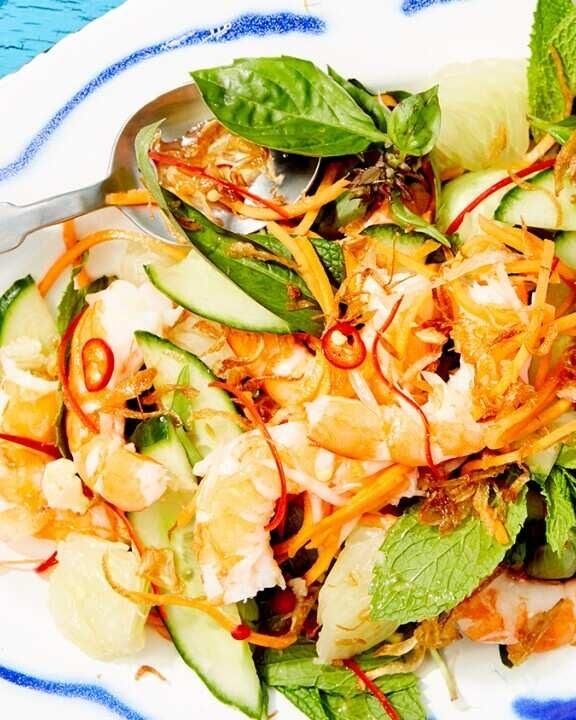
- Vietnamese
- Pescatarian
- Side Dish
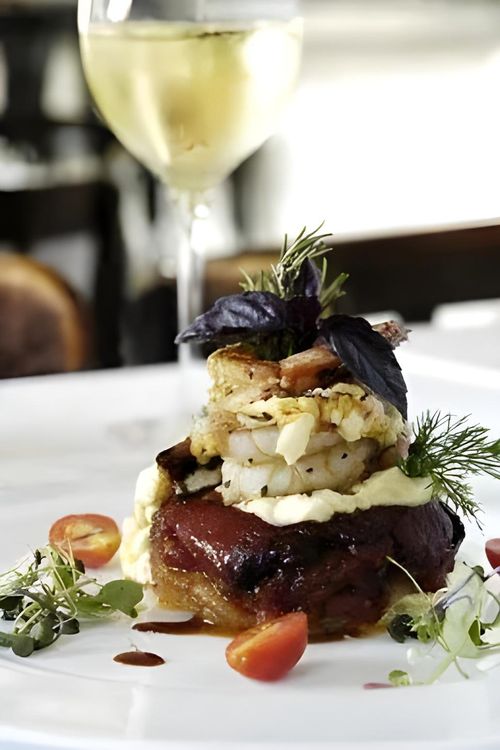
- Fusion
- Pescatarian
- Dinner
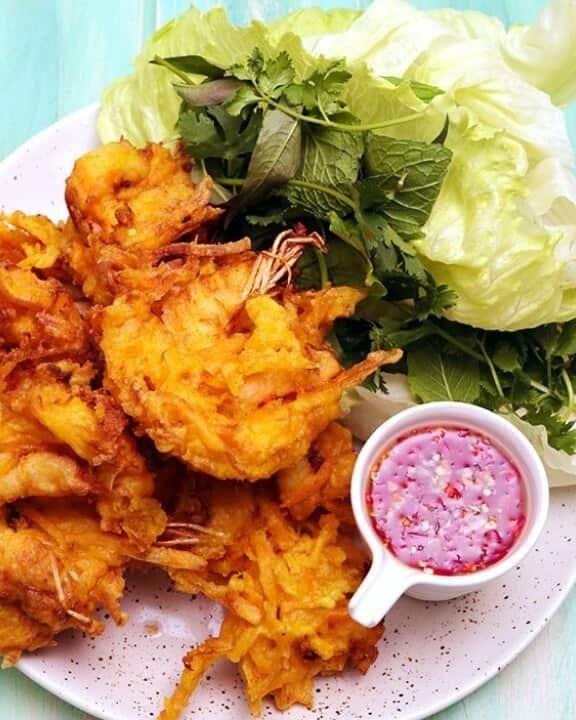
- Vietnamese
- Gluten-Free
- Snack

- Indian
- Pescatarian
- Side Dish

- Indian
- Dairy-Free
- Appetiser
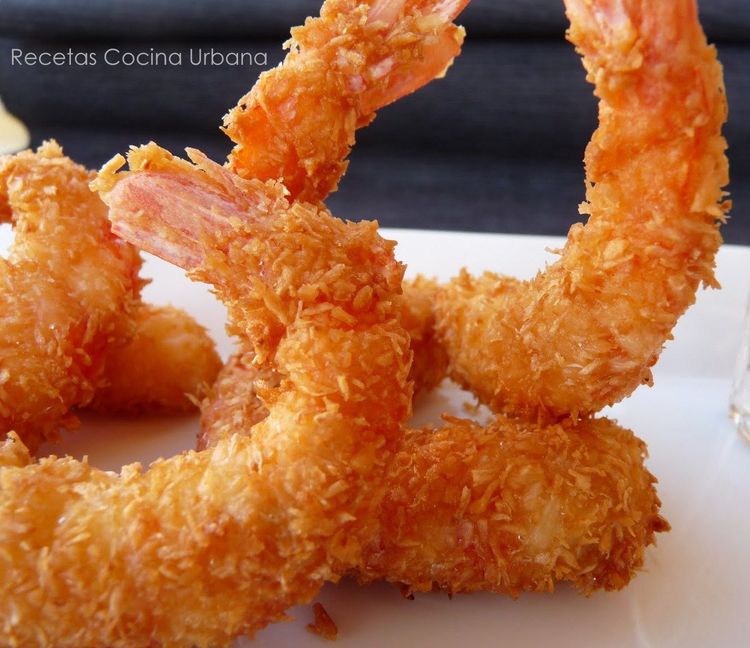
- Spanish
- Pescatarian
- Appetiser
More Prawn Favourites
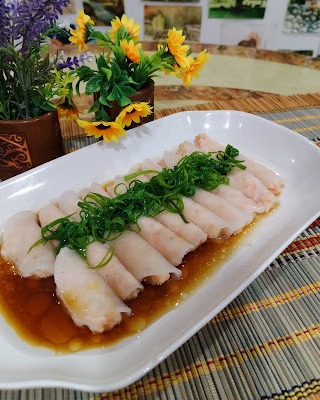
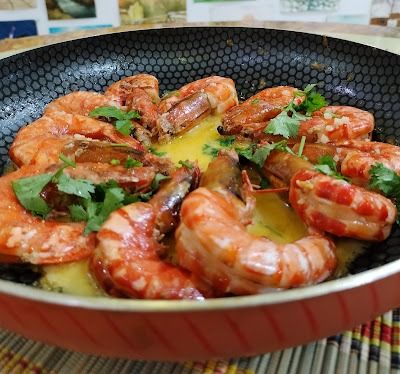
A few more dishes worth a place in your rotation — same techniques, different results. Standouts here include Pad Thai Prawn and Scallion oil radish slices stuffed with shrimp paste, plus Tangy Tiger Prawn with Shaoxing Wine.
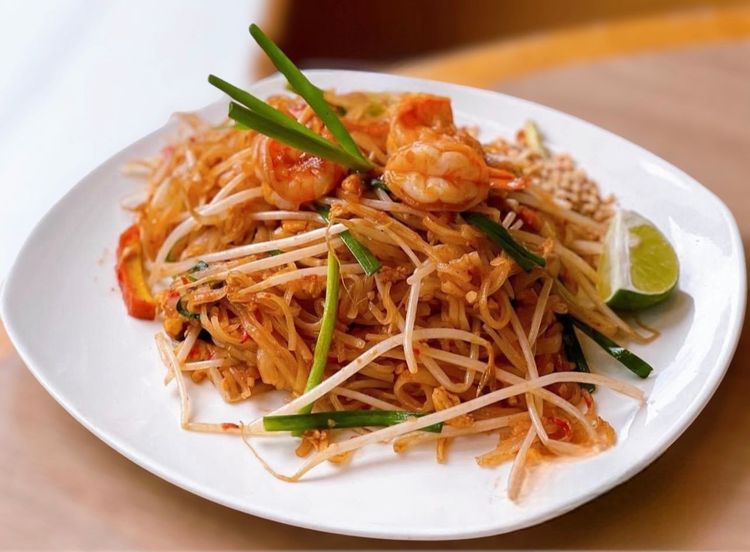
- Thai
- Non-Vegetarian
- Lunch
- Chinese
- Pescatarian
- Dinner
- Asian
- Non-Vegetarian
- Lunch

- Mediterranean
- Pescatarian
- Dinner
- Indian
- Pescatarian
- Side Dish
Buying and Prepping Prawns
Fresh prawns should smell faintly of the sea, not fishy or ammonia-like, with firm flesh and shells that are not slimy or discoloured. Frozen prawns are a genuinely good option year-round and often fresher than the 'fresh' counter, since they are typically frozen at sea shortly after catch — just thaw them gently in the fridge overnight or under cold running water, never at room temperature.
Deveining removes the dark digestive tract running along the back, which is not harmful but can taste gritty and looks unappetising in a finished dish. Run a small knife along the curve of the back, lift the vein out, and rinse. Peeling before or after cooking is a matter of preference — shell-on prawns hold more flavour and moisture during cooking, while peeled prawns are faster to eat and better for folding into rice or noodles.
Pat prawns thoroughly dry before they go anywhere near hot oil, since surface moisture is what causes spitting and stops a good sear from forming. If a recipe calls for marinating, keep it brief — fifteen to twenty minutes is usually enough, since the delicate flesh does not need long exposure to acid or salt the way tougher cuts of meat do, and can turn mushy if left too long.
Timing the Cook So Prawns Stay Tender
Prawns are done the moment they turn from translucent grey to opaque pink and curl into a loose C-shape — usually two to three minutes over direct high heat for medium prawns, and even less for smaller ones. Watch them rather than the clock, since size and pan temperature both shift the timing more than a recipe's stated minutes can fully account for.
In curries, add prawns in the last few minutes of cooking, once the sauce is fully built and simmering, then cook just until they turn opaque before taking the pan off the heat entirely. The residual heat of the sauce will finish them through in the time it takes to plate, so pulling the pan slightly early is safer than leaving it a minute too long.
For stir-fries, noodles and fried rice, cook the prawns separately first and set them aside, then fold them back in right at the end once everything else is hot and ready. This two-stage approach — a technique used throughout Chinese and Southeast Asian cooking — keeps the prawns from turning rubbery while the rest of the dish finishes cooking around them.
Balancing Garlic, Butter and Bold Sauces
Garlic and butter are the most reliable pairing for prawns because they are strong enough to stand up to the shellfish's sweetness without masking it entirely. The classic method is to melt butter with a generous amount of finely chopped or sliced garlic over medium heat until fragrant but not browned, then add the prawns and cook them hot and fast, spooning the garlic butter over them as they go.
Soy, ginger and chilli-based sauces work the same way — built separately or bloomed briefly in the pan before the prawns go in, rather than dumped in raw at the end, so the flavours have a moment to come together. Because prawns cook so fast, there is limited time for a sauce to develop in the pan alongside them, so it pays to have aromatics and sauces at least partly prepared before the prawns hit the heat, with everything measured out and within reach.
In curries, the same rule applies at a larger scale: build the full sauce, get the seasoning and consistency right, and only then add the prawns. Coconut milk, tamarind and tomato all pair well with prawns because their acidity or richness balances the natural sweetness, but they need to be reduced and balanced on their own first — the prawns are the last five minutes of the dish, not the base it is built on.
Storing and Reheating Prawn Dishes
Raw prawns keep one to two days in the fridge at most, tightly wrapped or in an airtight container on ice if possible — they spoil faster than most other proteins. If you are not cooking them within that window, freeze them instead, ideally in their shells, which protects the flesh better than peeled prawns during freezing, and keeps them fresher for up to three months.
Cooked prawn dishes keep two to three days in the fridge, though the prawns themselves will continue to firm up slightly over that time regardless of how gently they were originally cooked. Curries and sauced dishes hold up better than dry-fried or grilled prawns, which can turn noticeably tougher after a day in the fridge, so plan to eat those the same day if you can.
Reheat prawn dishes gently and briefly — a quick warm-through in a pan or a short burst in the microwave is enough, since any extended reheating cooks the prawns further on top of their original cooking. If a curry or noodle dish is otherwise fine to reheat longer for the sauce or noodles, consider adding freshly cooked prawns back in rather than reheating the original ones twice.
Pro Tips from the Test Kitchen
- Watch for the C-shape, not the clock — prawns curled into a loose C are done; a tight O means they have overcooked.
- Pat prawns completely dry before searing so they brown in hot fat instead of spitting and steaming.
- Add prawns to curry only in the last few minutes, once the sauce is fully built and simmering.
- Cook prawns separately in stir-fries and fold them back in at the end so they do not toughen while the rest of the dish finishes.
- Marinate prawns briefly — fifteen to twenty minutes is plenty; longer exposure to acid can turn the flesh mushy.
- Buy shell-on prawns and devein along the back with a small knife for extra flavour during cooking.
- Melt garlic into butter gently over medium heat before adding prawns; browned garlic turns bitter fast.
- Thaw frozen prawns overnight in the fridge or under cold running water, never at room temperature.
- Build curry sauces to full flavour and consistency before the prawns go in — they are the last step, not the base.
- Reheat cooked prawn dishes briefly and gently; extended reheating cooks the prawns a second time and toughens them.
Frequently Asked Questions
How do I know when prawns are cooked?
Prawns turn from translucent grey to opaque pink or white and curl into a loose C-shape when properly cooked, usually within two to three minutes over high heat. If they curl tightly into an O-shape, they have overcooked and will taste rubbery. Watching the shape and colour is more reliable than timing alone, since prawn size and pan heat both affect how fast they cook.
Should I buy fresh or frozen prawns?
Frozen prawns are often the better choice, since they are typically frozen shortly after catch and stay reliably good, while 'fresh' prawns at a counter may already be several days old. Thaw frozen prawns gently in the fridge overnight or under cold running water rather than at room temperature, which encourages bacterial growth and affects texture.
Do you need to devein prawns?
It is not strictly necessary for food safety, since the dark vein is the digestive tract rather than anything harmful, but most cooks remove it for texture and appearance — it can taste slightly gritty and looks unappealing in a finished dish. Run a small knife along the curved back, lift it out, and rinse before cooking.
How long do prawns take to cook?
Most prawns cook in two to three minutes over direct high heat, whether searing, grilling or adding to a simmering curry. Larger prawns take slightly longer, smaller ones less. Because the window between perfectly cooked and rubbery is so narrow, it is worth watching them closely rather than relying on a recipe's stated time alone.
What pairs well with prawns besides garlic and butter?
Coconut milk, tamarind, chilli, lime, ginger and soy all work well, largely because their acidity or richness balances the natural sweetness of the shellfish rather than fighting it. Coastal cuisines across India, Thailand, Vietnam and southern China all lean on these same pairings in different combinations, which is part of why prawns adapt so easily across cuisines.
Can you cook prawns from frozen?
You can, though thawing first gives more even results and better browning, since ice crystals release extra water that can steam the prawns instead of searing them. If cooking from frozen directly into a curry or soup, add a minute or two to the cooking time and expect a slightly looser sauce from the extra released liquid.
Why did my prawns turn out rubbery?
Almost always overcooking. Prawns have very little connective tissue and cook through in minutes, so any extended time in a hot pan, oven or simmering sauce tightens the proteins and squeezes out moisture. Adding prawns at the very end of cooking, rather than at the start, is the single most effective fix.
Are prawns healthy?
Prawns are low in fat and high in protein, along with selenium and vitamin B12, making them a lean option compared with many other proteins. They are relatively high in dietary cholesterol, though current research suggests this has less impact on blood cholesterol than once believed for most people. Preparation matters most — grilled or curried prawns are leaner than heavily battered and fried versions.
Can you reuse prawn shells?
Yes, and it is worth doing — prawn shells make an excellent quick stock, simmered for twenty to thirty minutes with aromatics like onion, garlic and a bay leaf, then strained. That stock adds real depth to prawn curries, bisques and noodle broths, and freezes well for whenever the next prawn dish comes around.
What size prawns should I buy for curry versus stir-fry?
Medium to large prawns work best in curries and rice dishes, since they hold their texture through the simmer and are satisfying to bite into. Smaller prawns suit stir-fries, fried rice and noodle dishes, where they cook almost instantly and distribute more evenly through the dish rather than dominating each bite.
Every recipe in this collection shares the same underlying rule: prawns cook fast, so the rest of the dish — the curry base, the garlic butter, the noodles or rice — needs to be ready before they go anywhere near the heat. Get that sequencing right and the difference between a tender prawn dish and a rubbery one comes down to a minute or two of attention rather than any complicated technique.
Start with whichever cluster suits tonight — a quick garlic prawn sear, a coastal curry, or a noodle bowl — and build up from there. Save your favourites to a Chefadora cookbook as you go; this page is built to be the prawn reference you keep coming back to rather than a list you read once.
Related
- Prawn
- Seafood
- Curry
- Asian
- Rice
- Shellfish
- Dinner
Popular Searches
- Best prawn recipes
- Easy prawn recipes
- Quick prawn recipes
- Healthy prawn recipes
- Simple prawn recipes
- Homemade prawn recipes
- Delicious prawn recipes
- Popular prawn recipes
- prawn recipe
- prawn curry
- garlic prawns
Marnirni-apinthi Building, Lot Fourteen,
North Terrace, Adelaide, South Australia, 5000
Australia
