
Top 35 Pakora Recipes: Bread, Vegetable, Lentil and Paneer Fritters
Updated July 2, 2026 · Curated by Chefadora
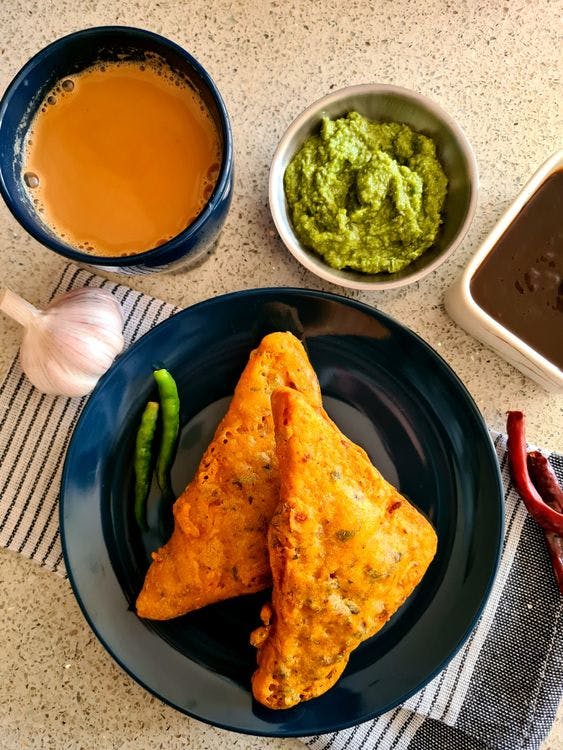
Pakora recipes turn a simple gram-flour batter into the snack most of India reaches for the moment it starts raining — sliced bread, chopped onion, spinach leaves or cubes of paneer dipped and dropped into hot oil until the outside shatters and the inside stays soft. This collection gathers the range worth knowing: bread pakora for speed, vegetable and onion fritters for everyday snacking, lentil-based pakora for a heartier crunch, and paneer, chicken and kadhi versions where the pakora becomes closer to a main dish.
The formula behind almost every pakora is the same — a batter of besan (gram flour) seasoned with turmeric, chilli and ajwain, thick enough to coat whatever goes into it, and oil hot enough to seal the crust the moment the batter hits it. Small adjustments to that ratio, and to the oil temperature, are what separate a greasy, soggy pakora from a genuinely crisp one.
Below you will find four groups built around what goes into the batter rather than how it is served: bread-based pakoras that fry fast and feed a crowd, vegetable and onion fritters that use up whatever is in the fridge, lentil pakoras with a rougher, more textured bite, and paneer or chicken versions substantial enough to anchor a plate rather than sit beside one.
Use this as a working reference rather than a single read-through. Every recipe links to full ingredients and steps on Chefadora, and the guides further down cover the parts that decide whether a pakora turns out crisp or oily — batter consistency, oil temperature, and how to keep a big batch crunchy while you fry the rest.
Bread Pakora
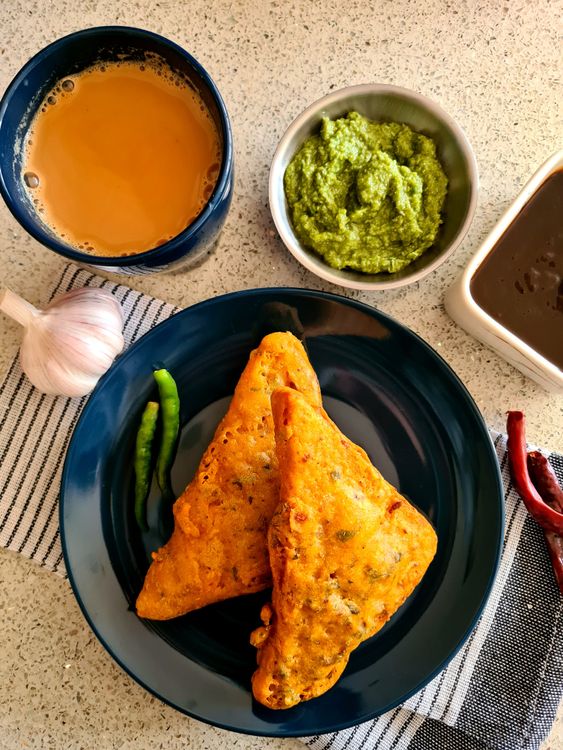
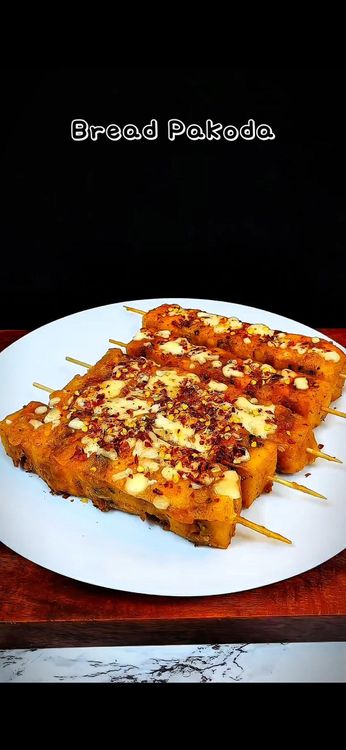
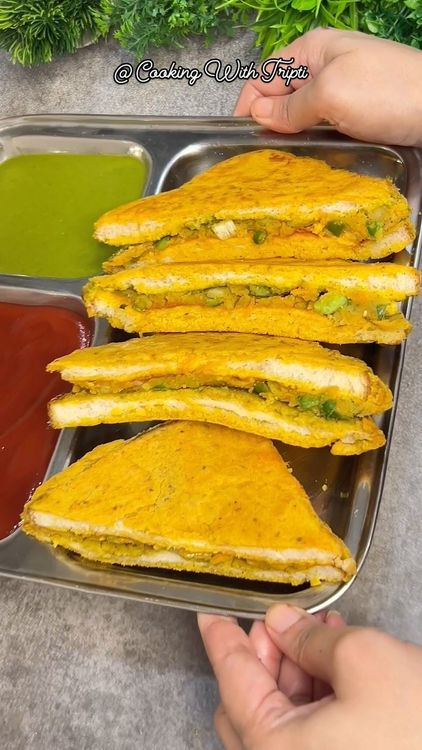
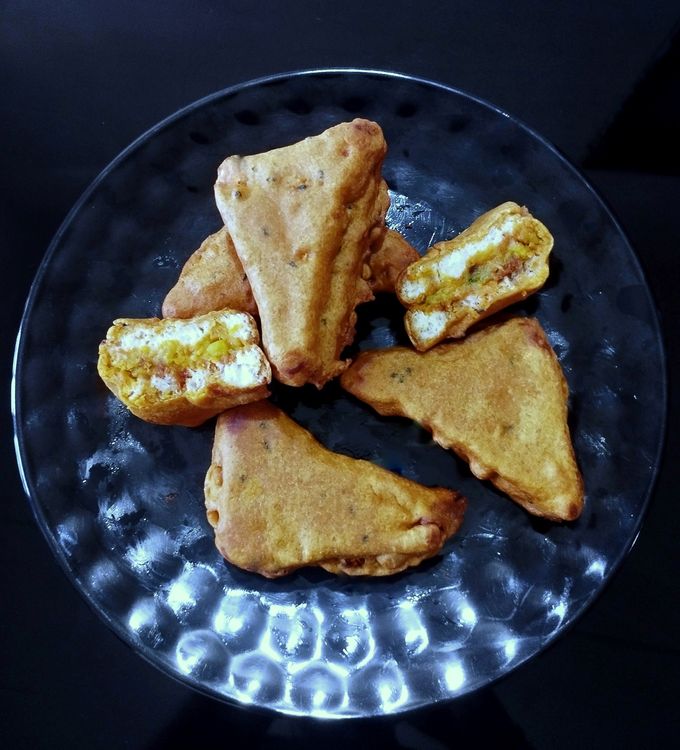
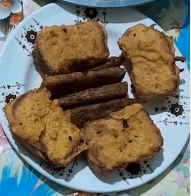
Bread pakora is the fastest route from empty plate to hot snack — sliced bread dipped straight into a spiced besan batter, or sandwiched around a spiced potato filling first, then fried until the crust turns deep gold and shatters at the first bite. Because bread already has structure, it fries faster than raw vegetables and needs a slightly thicker batter to get a good, even coating rather than a thin, patchy one. Stuffed versions, with a mashed potato or paneer filling between two slices, take a little more care: trim the crusts if you like a neater bite, press the filling in thin and even so it cooks through in the time the bread takes to crisp, and seal the edges firmly with a dab of batter before frying so nothing leaks out into the oil. Plain dipped bread pakora is quicker still and forgiving enough for a first attempt at frying — cut slices into triangles, dip fully so no dry corners are left uncoated, and fry until deep golden on both sides. Serve immediately with chutney and hot chai; bread pakora loses its crunch faster than most other varieties once it cools. Standouts here include Bread Pakora and Bread Pakoda, plus Cheesy Bread Pakora.

- Indian
- Vegan
- Breakfast

- Indian
- Vegan
- Snack
- Indian
- Vegetarian
- Appetiser
- Indian
- Vegan
- Snack

- Vegetarian
- Snack
- Indian
- Vegetarian
- Snack
- Indian
- Vegan
- Appetiser
Vegetable & Onion Fritters
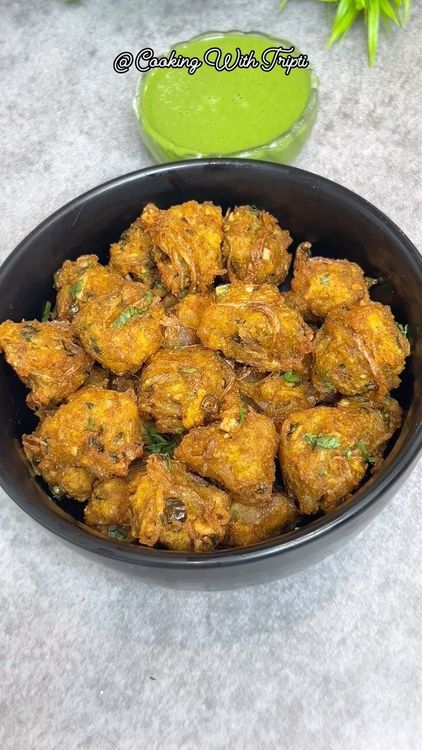
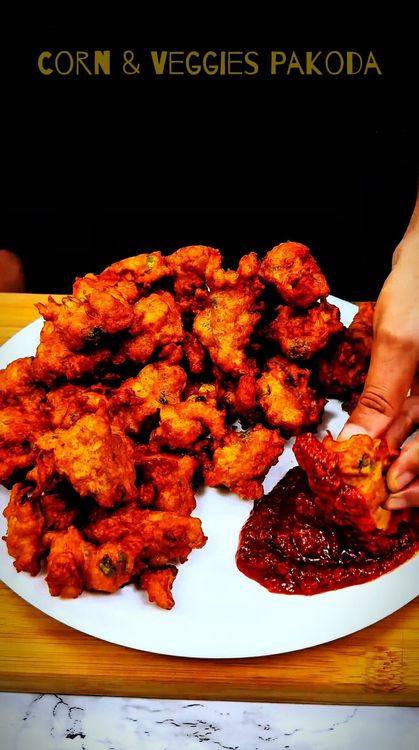
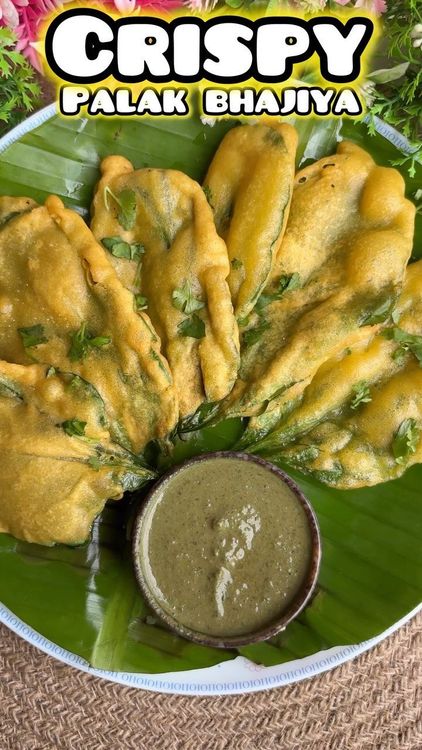
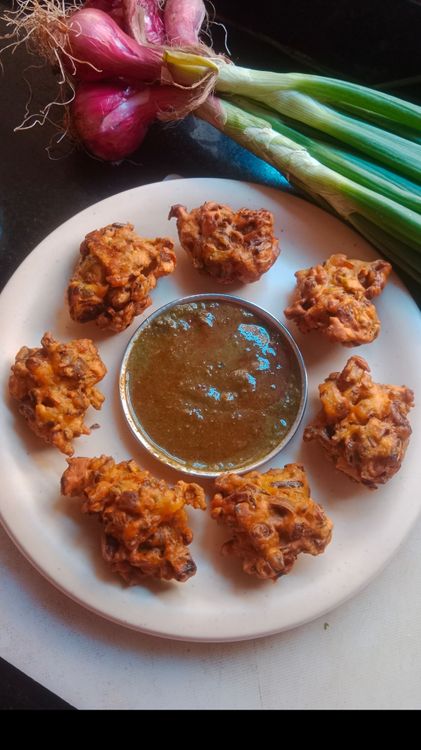
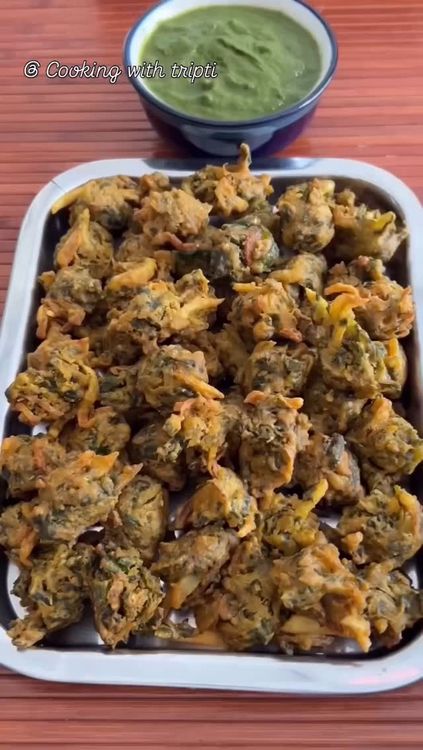
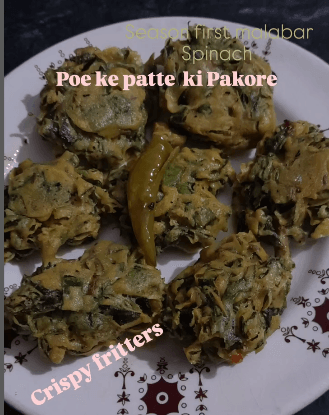
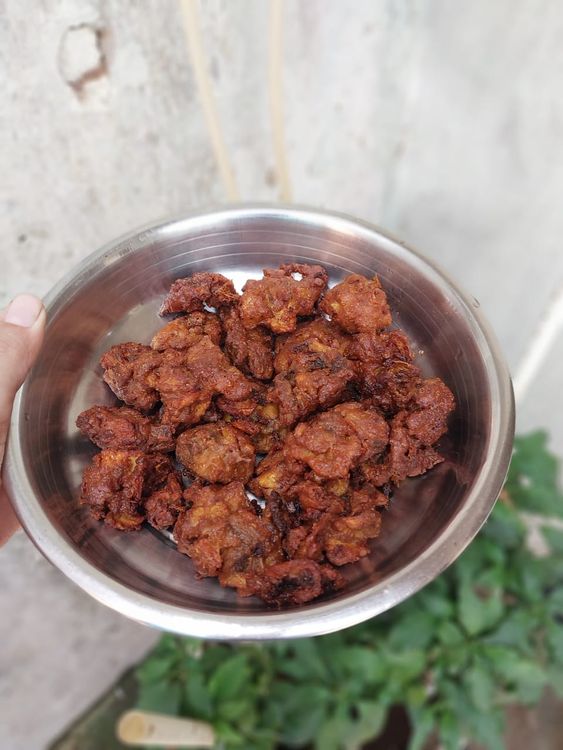
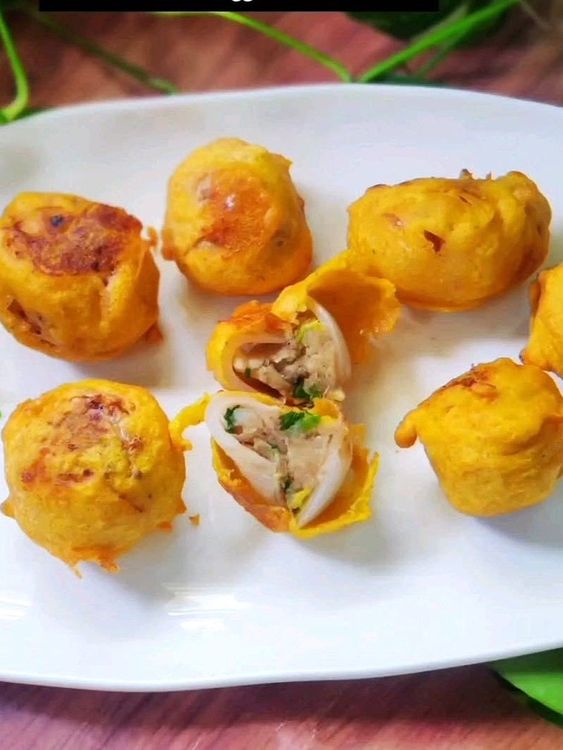
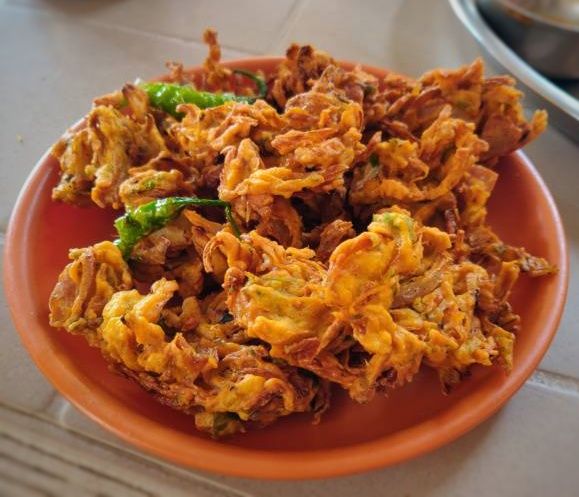
Vegetable and onion fritters are the most improvised branch of the pakora family — whatever is in the fridge, from thinly sliced onion to spinach leaves, shredded cabbage or corn kernels, gets folded into a spiced besan batter and fried in spoonfuls. Onion pakora is the benchmark: thin half-moons of onion salted briefly to draw out moisture, then mixed with just enough batter to bind rather than drown them, so the finished fritter is mostly onion with a thin, crisp coating. Leafy versions like spinach or palak pakora work a little differently — whole or torn leaves are dipped individually into a thinner batter rather than mixed through a bowl, so each leaf keeps its shape and crisps into something closer to a chip. Cabbage, corn and pumpkin flower fritters sit somewhere between the two, chopped small enough to bind easily but still substantial enough to bite into. The main technique across this cluster is managing moisture: vegetables that release water once salted or once mixed with batter will thin it out if you are not careful, so add batter gradually and check consistency as you go rather than dumping vegetables and batter together all at once. Standouts here include Crispy Corn and Veggies Pakoda and Monsoon Special Spinach Fritters (Palak Pakoda), plus Spring Onion Fritters.
- Indian
- Vegetarian
- Appetiser

- Indian
- Vegetarian
- Appetiser

- Indian
- Vegetarian
- Snack
- Indian
- Vegetarian
- Snack

- Indian
- Vegetarian
- Appetiser
- Indian
- Vegan
- Appetiser
- Indian
- Vegetarian
- Appetiser

- Indian
- Vegan
- Snack
- Indian
- Vegan
- Appetiser
Lentil & Dal Pakora
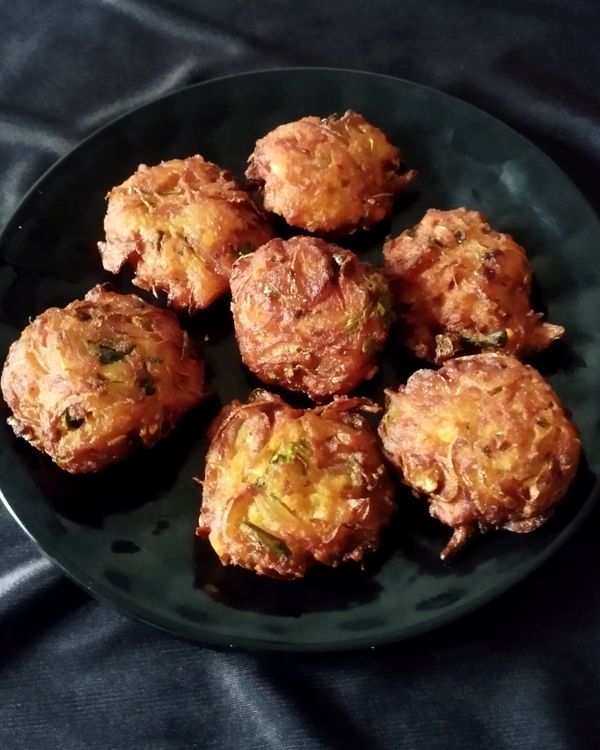
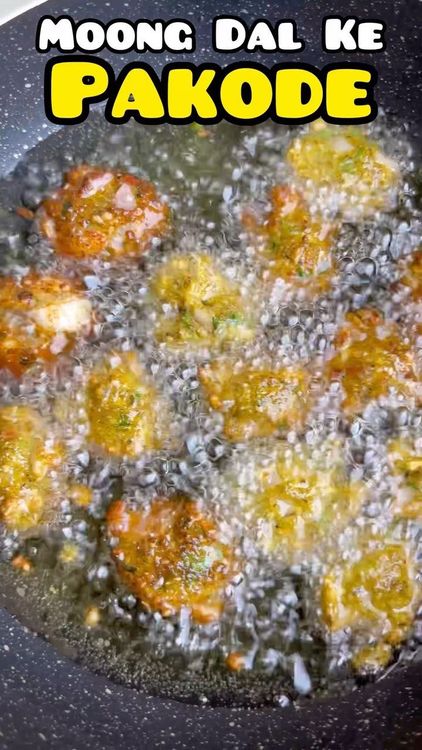
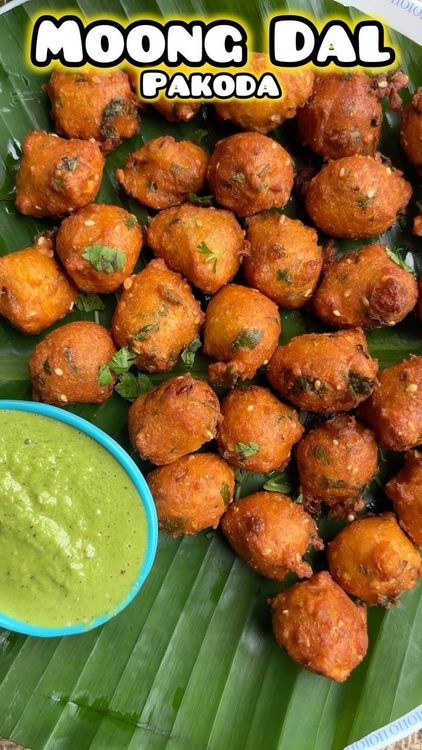
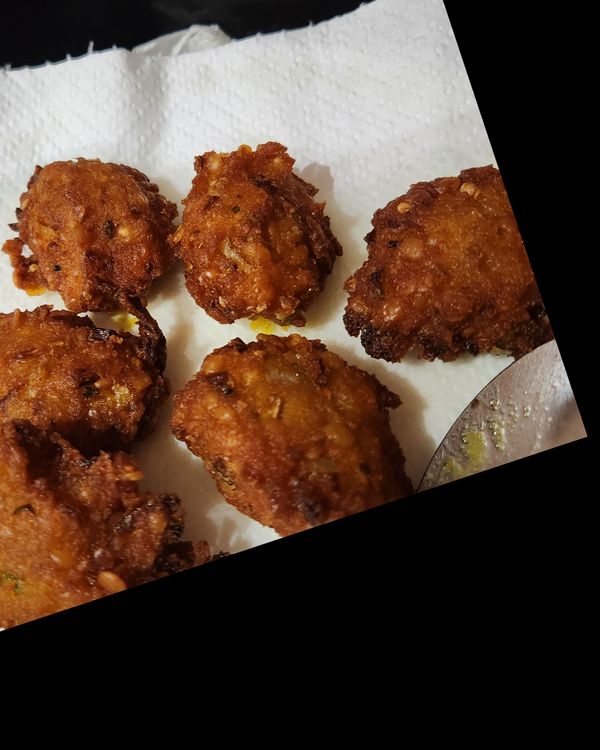
Lentil pakoras trade the smooth besan batter of most fritters for coarsely ground, soaked dal, which gives them a rougher, more substantial bite and a slightly nutty flavor from the lentils themselves. Yellow moong dal is the most common base, soaked for a few hours until soft enough to grind but not so long it turns mushy, then blitzed with minimal water to a thick, coarse paste rather than a smooth batter. Because the base is ground lentils rather than a batter mixed with vegetables, these pakoras hold their shape a little differently in the oil — they spread less and fry into denser, chunkier pieces that stay crisp for longer after frying than a besan-based fritter. Ginger, green chilli, cumin and a handful of chopped coriander are usually worked through the ground dal before frying. Peyaju, the Bangladeshi version made with red lentils and onion, follows the same principle with its own spice profile. Across this whole cluster, the grinding consistency matters more than in most other pakoras — too smooth and you lose the texture that makes lentil pakora distinct, too coarse and the fritters fall apart in the oil. Standouts here include Dal Pakoda / Lentil Fritters and Moong Dal Pakoras, plus Crispy and Spicy Moong Dal Pakoras.
- Indian
- Vegan
- Appetiser
- Indian
- Vegan
- Appetiser
- Indian
- Vegan
- Appetiser
- Bangladeshi
- Vegan
- Appetiser
Paneer, Chicken & Kadhi Pakora
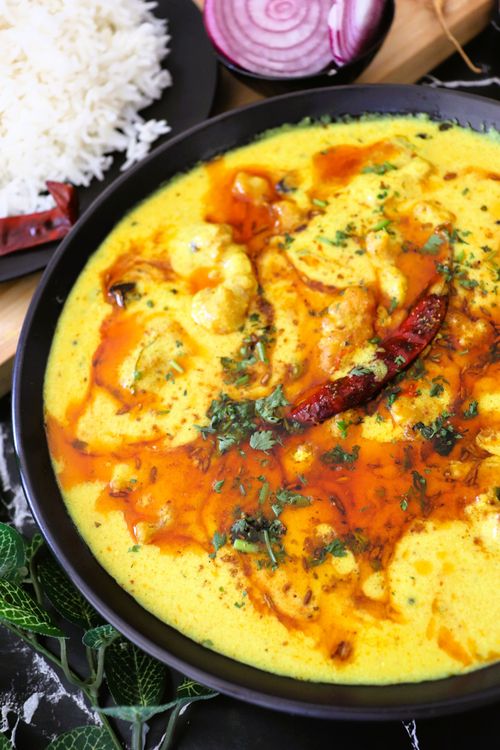
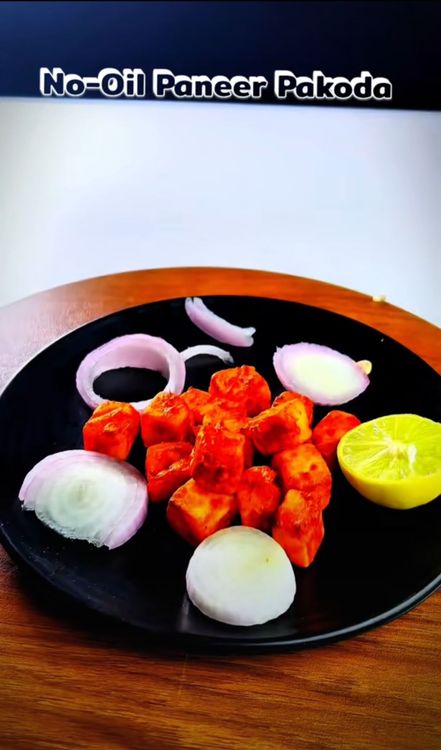
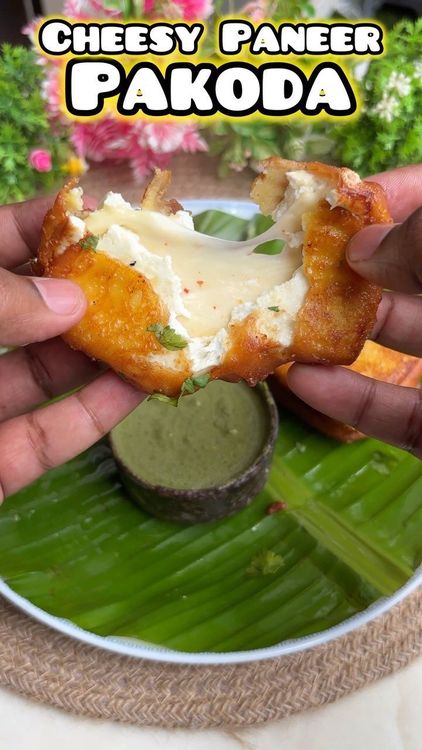
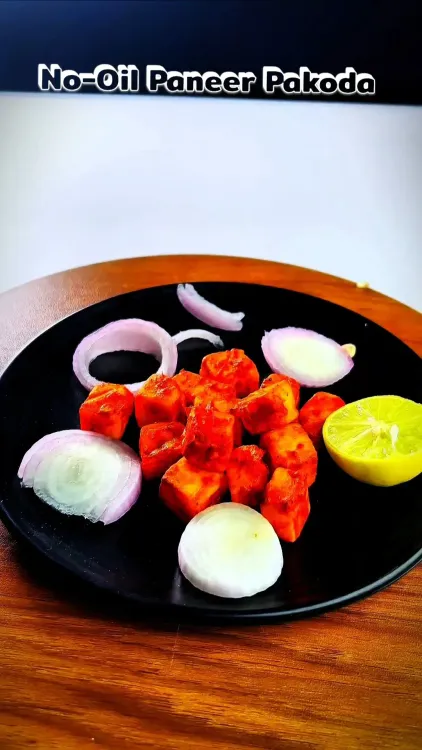
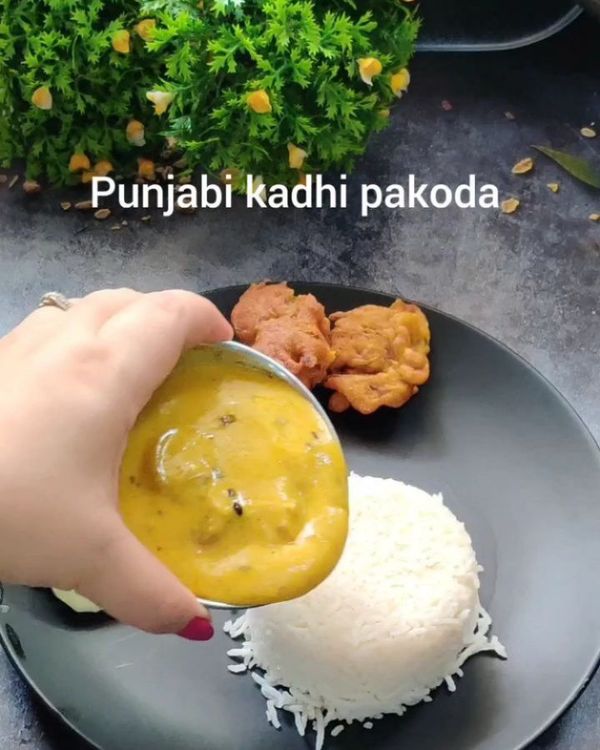
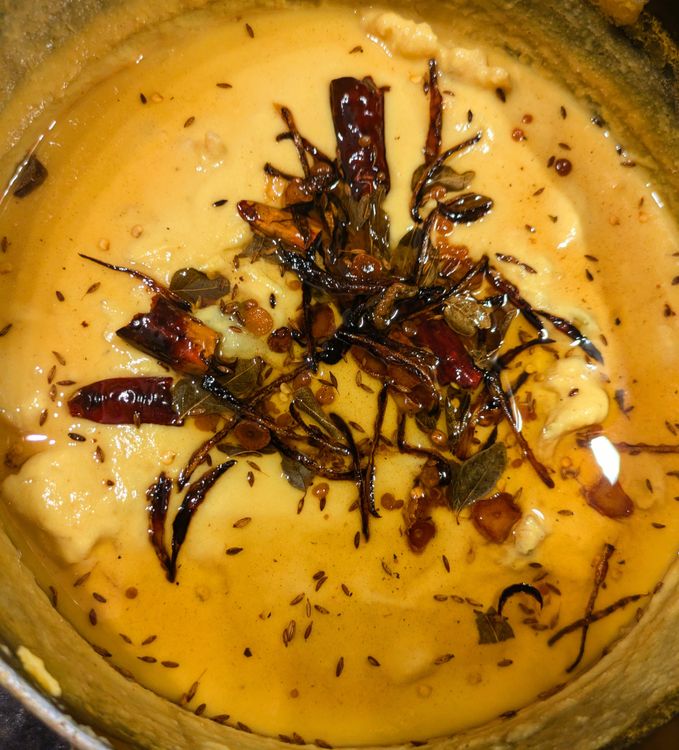
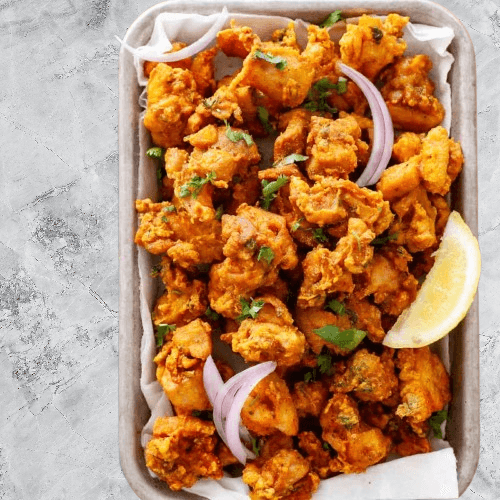
This cluster covers the pakoras substantial enough to anchor a meal rather than sit beside one. Paneer pakora coats cubes of fresh cheese in a spiced besan batter and fries them until the outside crisps while the paneer inside stays soft — a shorter fry than most other pakoras, since paneer only needs to warm through rather than cook. Chicken pakora follows a similar logic with a yogurt-based marinade first, which tenderizes the meat and helps the batter cling. Kadhi pakora is the odd one out: instead of being served crisp, these pakoras are made specifically to be dropped into a simmering yogurt-and-besan kadhi, where they soften and soak up the tangy gravy. Because of that, kadhi pakoras are usually fried slightly firmer and denser than a snacking pakora, so they hold their shape rather than disintegrating once they hit the simmering liquid. Across all three, a short marinade before battering — yogurt and spices for chicken and paneer — adds flavor through the ingredient itself rather than relying on the batter alone, and patting marinated pieces dry before dipping keeps the coating from turning patchy in the fryer. Standouts here include Punjabi Kadhi Pakora- A Tasty & Flavourful Dish and Paneer Pakoda, plus Cheesy Paneer Pakoda.
- Punjabi
- Vegetarian
- Lunch
- Indian
- Vegetarian
- Appetiser
- Indian
- Vegetarian
- Snack
- Indian
- Vegetarian
- Appetiser
- Indian
- Vegetarian
- Lunch
- Indian
- Vegetarian
- Lunch
- Indian
- Gluten-Free
- Appetiser
More Pakora Favourites
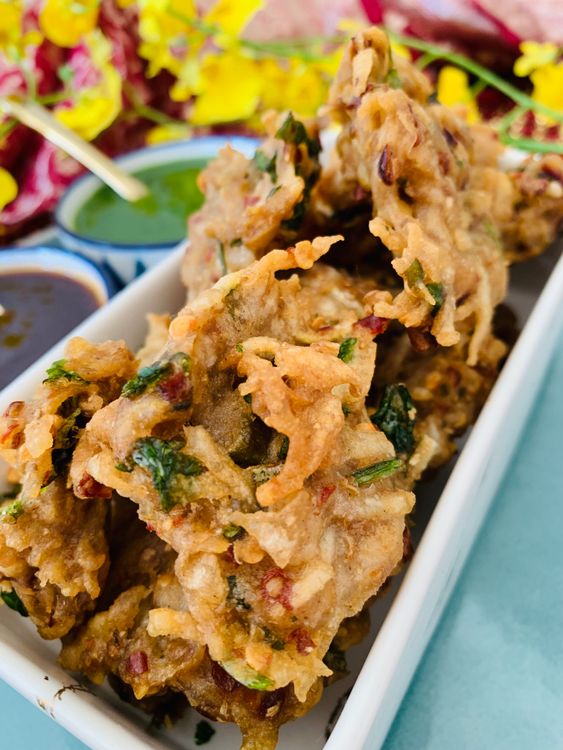
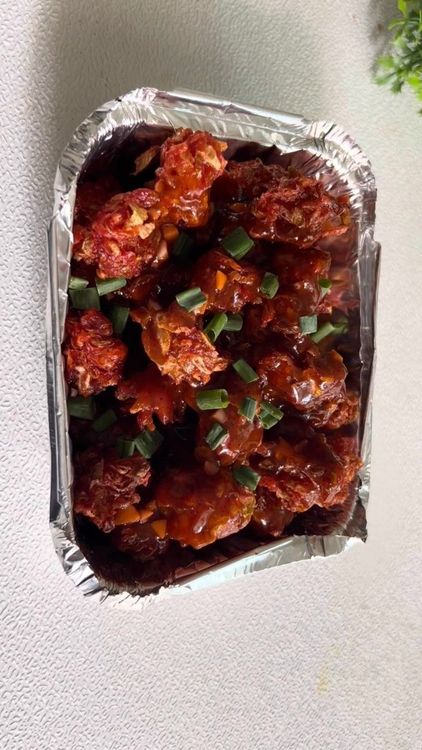
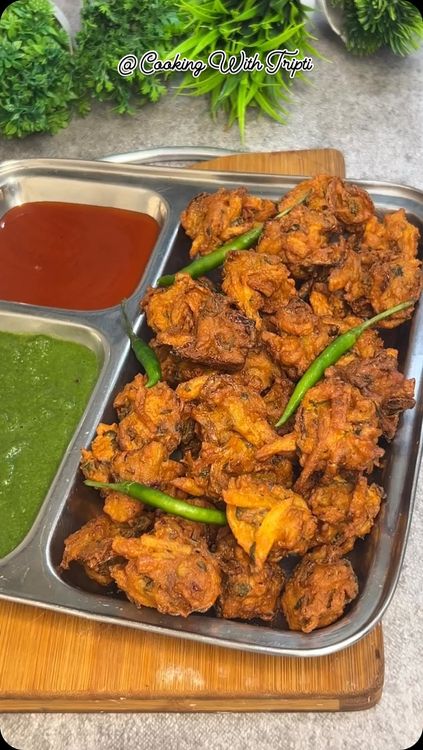
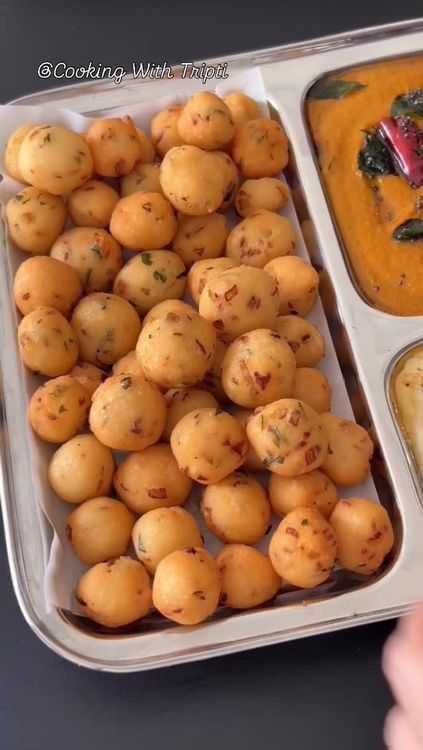
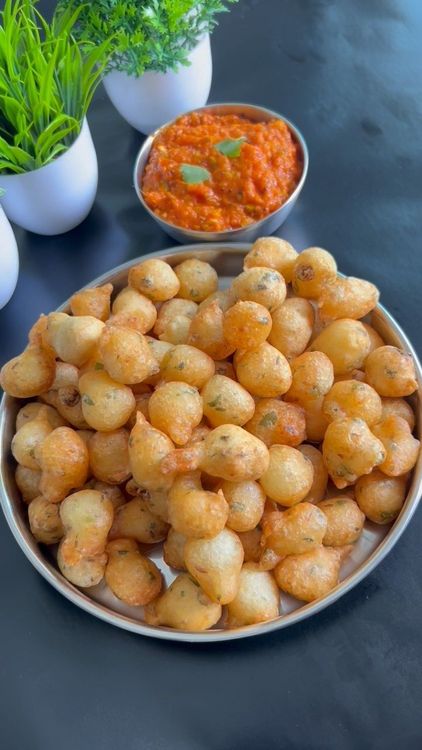
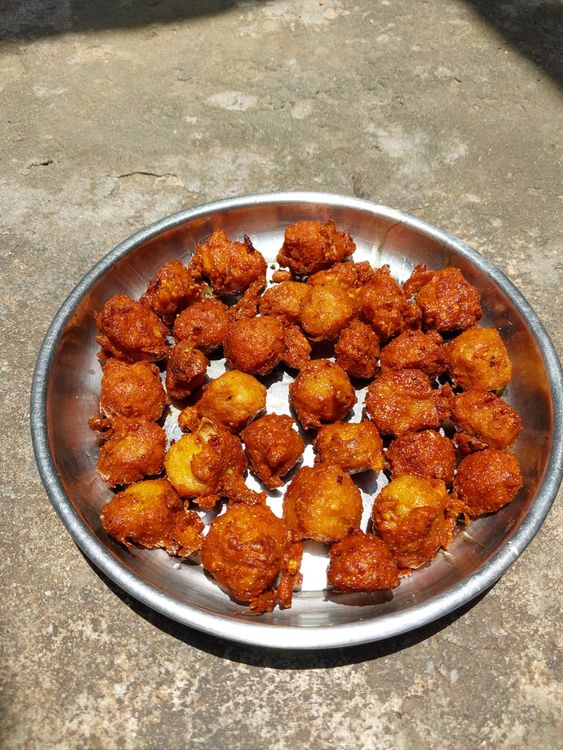
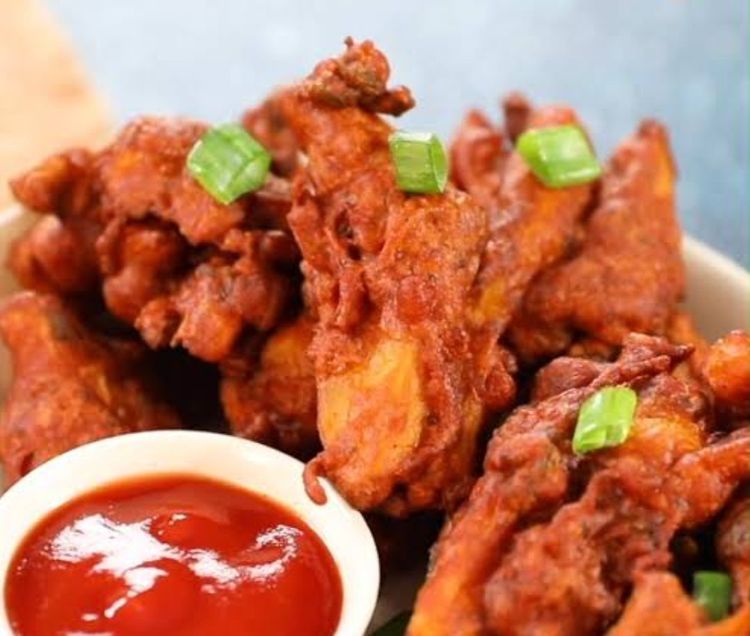
A few more dishes worth a place in your rotation — same techniques, different results. Standouts here include Aloo Lachha Pakoda and Chinese Pakoda with Chutney, plus Monsoon Special Pakoda Recipe.
- Indian
- Vegan
- Appetiser
- Indo-Chinese
- Vegan
- Snack
- Indian
- Vegetarian
- Appetiser
- Indian
- Vegetarian
- Appetiser
- Indian
- Vegan
- Snack
- Indian
- Vegetarian
- Appetiser
- Indian
- Vegan
- Appetiser
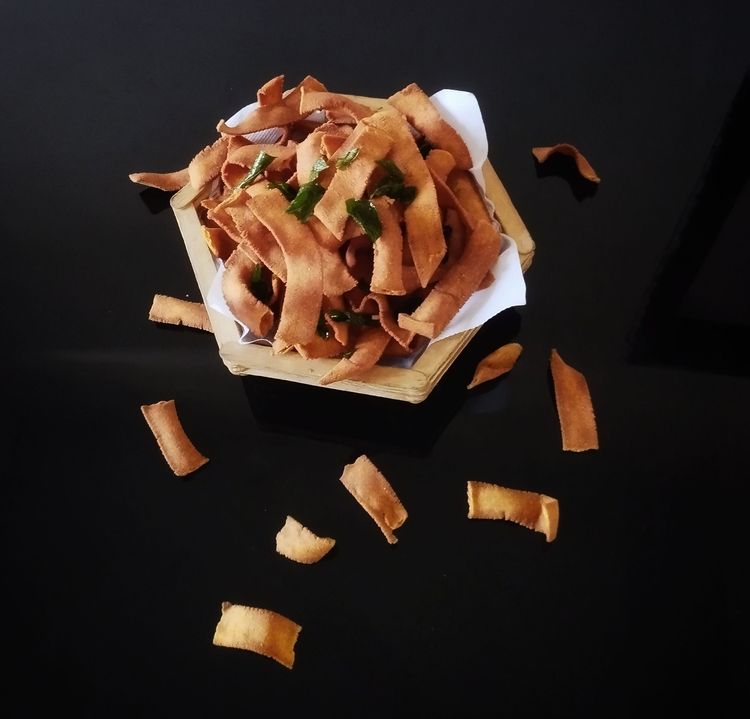
- South Indian
- Vegan
- Snack
Getting Besan Batter Right
Besan (gram flour) batter is the base of almost every pakora, and its consistency matters more than any spice you add to it. Aim for a batter about as thick as pancake batter — thick enough to coat the back of a spoon in a solid layer, but loose enough to drip off rather than sit like paste. Too thin and the coating slides off in the oil; too thick and the pakora fries into a dense, doughy lump. If the batter still feels too thick after resting, whisk in water a teaspoon at a time rather than in larger splashes, since it is far easier to loosen a thick batter gradually than to rescue one that has gone too thin.
Whisk the batter well to knock out lumps, and let it rest for ten to fifteen minutes before frying — this lets the gram flour hydrate fully and gives a noticeably crisper result than frying immediately. A pinch of rice flour or cornflour mixed into the besan is a common trick for extra crunch, since rice flour fries up crisper and holds that crispness longer than gram flour alone.
Season the batter itself, not just the vegetables — turmeric for color, red chilli powder for heat, and a pinch of ajwain (carom seeds) which both flavors the batter and is traditionally believed to make fried food easier to digest. A little baking soda or a spoon of hot oil whisked into the batter just before frying also lightens the texture, giving a puffier, less dense pakora.
Frying for a Crisp, Non-Greasy Result
Oil temperature is the single biggest factor in whether a pakora turns out crisp or greasy. Heat oil to around 170-180°C (340-355°F) — hot enough that a drop of batter sizzles and rises immediately, but not so hot that the outside browns before the inside cooks. Test with one piece first rather than guessing, and adjust the heat before committing a full batch.
Fry in small batches and do not crowd the pan. Too many pakoras at once drops the oil temperature sharply, and the batter absorbs oil while it waits for the temperature to recover rather than sealing quickly. Give each piece space to float and turn on its own, and turn occasionally for even color rather than leaving one side down the whole time.
Drain fried pakoras on a wire rack rather than paper towels where possible — a rack lets steam escape from underneath, keeping the base crisp, while paper towels trap moisture against the bottom and soften it. If you are frying a large batch ahead of serving, keep finished pakoras in a low oven on a rack rather than stacked in a covered dish, which steams them soft.
Prepping Vegetables and Fillings
Slice or chop vegetables evenly so they cook through at the same rate as the batter crisps — onions in thin half-moons, spinach leaves left whole or roughly torn, potato in thin rounds for bread pakora fillings. Salt vegetables like onion and cabbage lightly ahead of time and let them sit for a few minutes; this draws out moisture that would otherwise thin the batter once mixed in. A julienne or fine dice, rather than large chunks, also helps vegetables cook through fully in the short time a pakora spends in hot oil, so err on the side of cutting things smaller rather than larger.
For stuffed versions like bread or onion pakora, keep fillings well-drained and not overly wet — excess moisture is the main reason a filling leaks out during frying or the batter turns soggy around it. Press stuffed pieces gently to seal the edges before they go into the oil, and fry them seam-side down first so the seal sets before it is turned.
For paneer and chicken pakora, a short marinade in yogurt and spices before battering adds flavor all the way through rather than just on the surface, and helps the batter cling better to a smooth-sided ingredient like paneer. Pat marinated pieces dry before dipping into the batter — extra surface moisture dilutes the coating and leads to patchy, uneven frying.
Serving and Keeping Pakoras Crisp
Pakoras are at their absolute best within minutes of coming out of the oil, so time the frying for just before serving rather than well ahead. If you must fry in advance, undercook slightly on the first fry and give them a quick second fry in hot oil right before serving — this is the same double-fry logic used for good French fries and works just as well here.
Serve with something to cut the richness: green chutney, tamarind chutney or a simple ketchup for bread and vegetable pakora, and a hot cup of chai alongside almost always. Kadhi pakora is the exception, served already submerged in a tangy yogurt gravy rather than kept crisp, so cook those pakoras slightly firmer than usual since they will soften once they hit the kadhi.
Leftover pakoras rarely reheat well in a microwave, which turns them soft and slightly rubbery. Reheat instead in an air fryer or a hot oven for five to seven minutes, which restores most of the original crunch. Avoid stacking pakoras while they cool, since trapped steam between pieces is what softens a crisp batch fastest.
Pro Tips from the Test Kitchen
- Rest besan batter for 10-15 minutes before frying — it hydrates fully and fries noticeably crisper.
- Test oil temperature with one pakora first; it should sizzle and rise immediately without browning too fast.
- Fry in small batches so the oil temperature does not drop and the batter does not soak up excess oil.
- Mix a little rice flour or cornflour into besan batter for extra crunch that lasts longer.
- Salt onions or cabbage ahead of time and let them sit briefly to release moisture before mixing into batter.
- Drain fried pakoras on a wire rack, not paper towels, so steam escapes and the base stays crisp.
- Whisk a spoon of hot oil into the batter just before frying for a lighter, puffier pakora.
- Pat marinated paneer or chicken dry before battering so the coating does not turn patchy.
- Reheat leftover pakoras in an air fryer or hot oven, not a microwave, to bring back the crunch.
- For kadhi pakora, fry them slightly firmer than usual since they will soften once added to the gravy.
Frequently Asked Questions
How do you make pakora batter crispy?
Keep the batter the consistency of pancake batter, rest it for 10-15 minutes before frying to let the gram flour hydrate, and fry in oil around 170-180°C. Mixing in a little rice flour or cornflour also helps, since it crisps up more and holds its crunch longer than gram flour alone. Avoid crowding the pan, which drops the oil temperature and softens the coating.
Why are my pakoras soggy?
The most common causes are oil that is not hot enough, overcrowding the pan, or batter mixed too thin. If the oil temperature drops, the batter absorbs oil instead of sealing quickly, which leads to a greasy, soft result. Also drain finished pakoras on a wire rack rather than paper towels or a covered dish, both of which trap steam and soften the crust.
What is the best oil for frying pakora?
A neutral oil with a high smoke point works best — sunflower, vegetable or peanut oil are all common choices. Avoid oils with a strong flavor of their own, like olive oil, which can clash with the spiced batter and also has a lower smoke point that is easier to overheat and burn.
Can pakora batter be made ahead of time?
The dry besan mix can be prepared ahead, but the wet batter is best mixed just before frying, since it thins out and loses its crisping power the longer it sits, especially once salted vegetables release water into it. If you must prepare ahead, keep the batter slightly thicker than usual and adjust the consistency again right before frying.
How do you keep pakoras crispy for a party?
Fry slightly ahead using a light first fry, then give them a quick, hot second fry just before serving — this restores crunch the same way double-frying works for chips. Keep finished pakoras uncovered on a wire rack in a low oven rather than stacked in a dish, since stacking traps steam and softens the batch quickly.
What can I use instead of gram flour (besan) for pakora?
Rice flour or a mix of rice flour and cornflour can substitute in a pinch and actually produce an extra-crisp texture, though the flavor and slightly nutty taste of besan will be missing. Chickpea flour blends are the closest match if you are avoiding besan specifically for texture reasons rather than a chickpea allergy.
Is pakora the same as bhaji or fritter?
They are closely related terms for the same category of dish — vegetables or other ingredients dipped in a spiced batter and deep-fried. Pakora and bhajiya are used fairly interchangeably across Indian regions, while fritter is simply the English term for the same style of cooking, though it covers a wider range of cuisines beyond Indian food.
How do you make pakora without a deep fryer?
A heavy pan or wok with two to three inches of oil works just as well as a dedicated deep fryer, as long as you monitor the temperature with a thermometer or the drop-of-batter test. For a lighter version, pakoras can also be air-fried or baked, though the texture will be noticeably less crisp than deep-frying.
Why do pakoras fall apart in the oil?
Batter that is too thin, or a filling that is too wet, is usually the cause. Make sure vegetables like onion or cabbage are well-drained after salting, and check the batter coats the back of a spoon in a solid layer before frying. For stuffed pakoras, press the seams gently closed and fry seam-side down first so it sets before flipping.
What is the difference between pakora and vada?
Pakora is typically a vegetable or protein dipped in a wet besan batter and fried, while vada is usually made from a ground lentil batter shaped by hand — like medu vada — without a separate vegetable coated inside it. Lentil pakoras sit closest to vada in texture, though the shaping and batter method still differ.
Every pakora on this page comes back to the same two things: a batter mixed to the right consistency and oil hot enough to seal it fast. Master those, and it barely matters whether you are frying sliced bread, a handful of spinach, or cubes of paneer — the technique carries across the whole category.
Pick one from each cluster to try this week — a quick bread pakora, a vegetable fritter, something lentil-based and a paneer or kadhi version — and keep the guides above bookmarked for the next rainy afternoon. Save your favorites to a Chefadora cookbook so this stays the pakora reference you return to.
Related
- Pakora
- Indian
- Snacks
- Fried
- Vegetarian
- Tea-time
- Monsoon
Popular Searches
- Best pakora recipes
- Easy pakora recipes
- Quick pakora recipes
- Healthy pakora recipes
- Simple pakora recipes
- Homemade pakora recipes
- Delicious pakora recipes
- Popular pakora recipes
- pakora recipe
- vegetable pakora
- how to make pakora
Marnirni-apinthi Building, Lot Fourteen,
North Terrace, Adelaide, South Australia, 5000
Australia
