
Top 35 Beef Stew Meat Recipes: Stews, Soups, Slow-Cooker and More
Updated June 29, 2026 · Curated by Chefadora
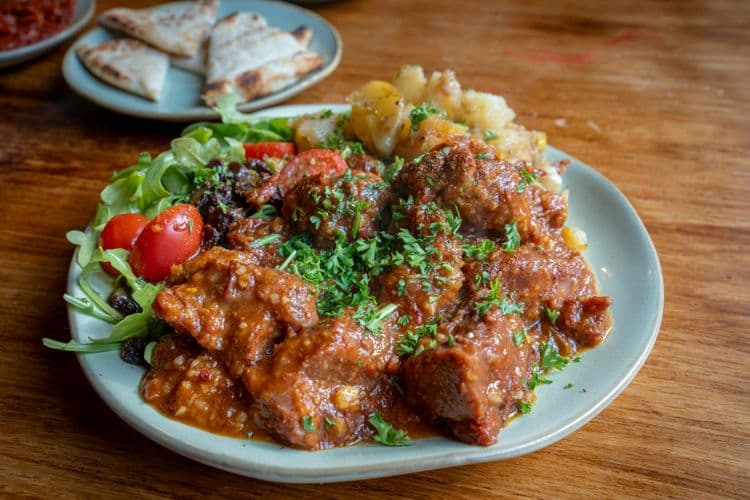
Beef stew meat recipes are the backbone of cold-weather cooking: pre-cut cubes of chuck and other hardworking cuts that reward patience with deep, beefy flavor and meltingly tender texture. What you buy in those plastic-wrapped trays is usually shoulder, the muscle that does the most work on the animal, which is exactly why it is laced with collagen and connective tissue. Cook it fast and it fights back; cook it slow and that same tissue dissolves into silk. The recipes below are chosen to show that range rather than ten versions of the same brown stew.
The defining rule of stew meat is that it has two speeds and nothing in between. A quick sear over a rip-roaring pan builds the browned crust that flavors the whole pot, but the cube itself stays tough until you commit to a long, gentle braise. Anything in the middle, a brisk twenty-minute simmer, gives you grey, chewy, disappointing meat. Almost every recipe here is built around respecting that, searing hard for color, then dropping to a bare bubble for an hour or more so the collagen has time to melt.
You will find four clusters. Classic stews and braises are the heart of the page, from Irish Guinness stew to French bourguignon and Hungarian goulash. Soups and chili stretch the same cubes into brothy, spoonable comfort. The slow-cooker and Instant Pot group covers hands-off and pressure-fast dinners. And the global and skillet cluster takes stew meat somewhere unexpected, into stroganoff, curry, stir-fries and quick beef tips.
Treat this as a working reference. Each recipe links to full ingredients and steps on Chefadora, and the guides below cover the decisions that actually determine whether your beef turns out tender and rich or tough and bland. How to choose and trim the meat, how to get a real sear without steaming it, how to build a braising liquid that thickens into gravy, and how to fix the stew that came out chewy or thin.
Classic Beef Stews & Braises
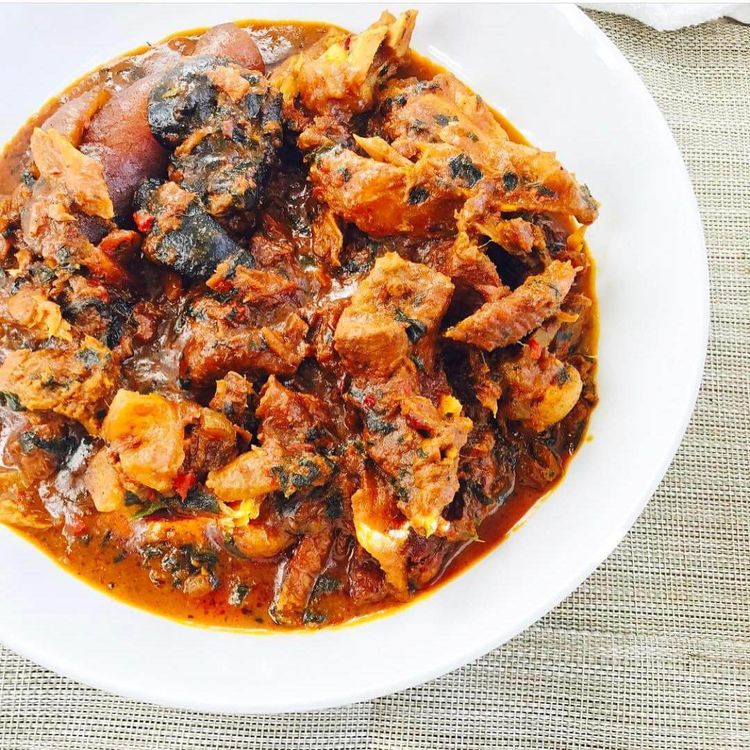
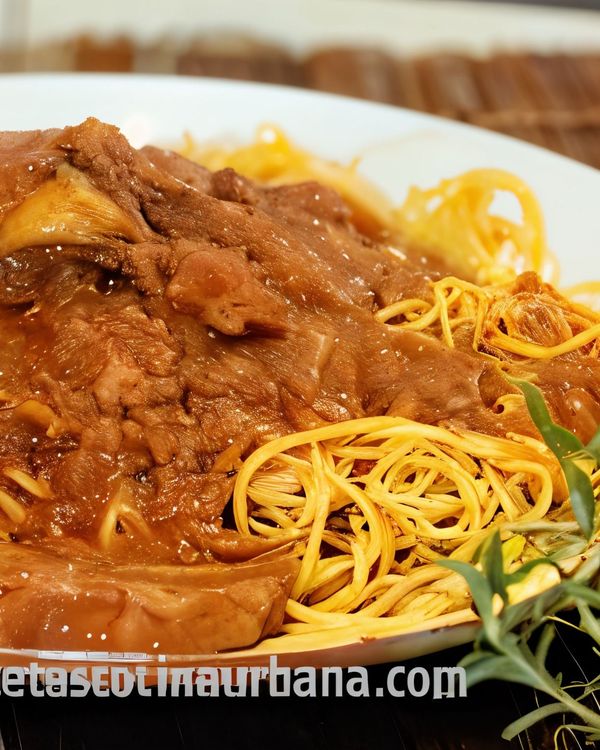
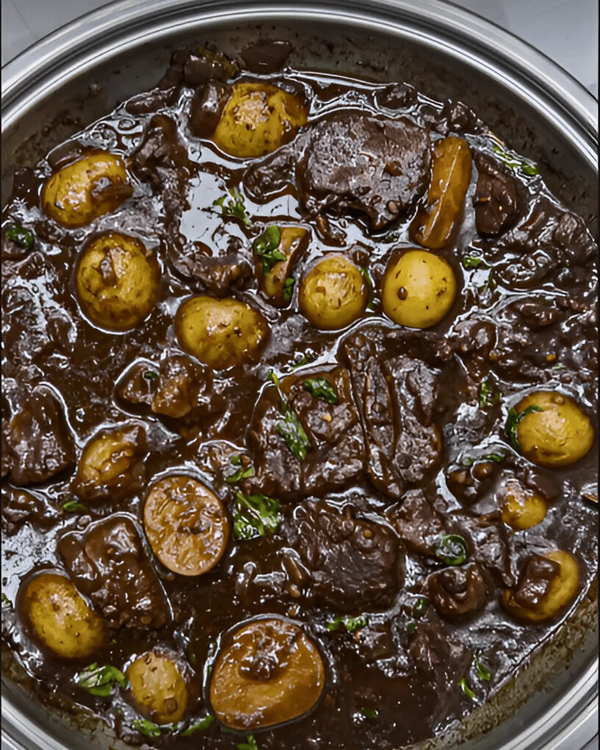
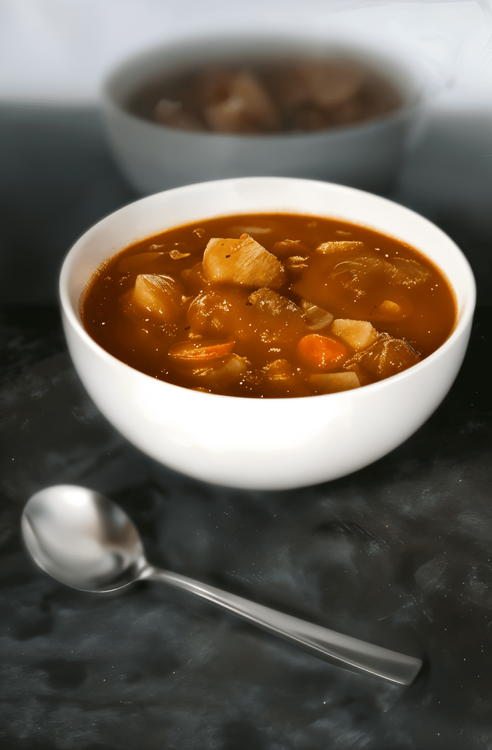
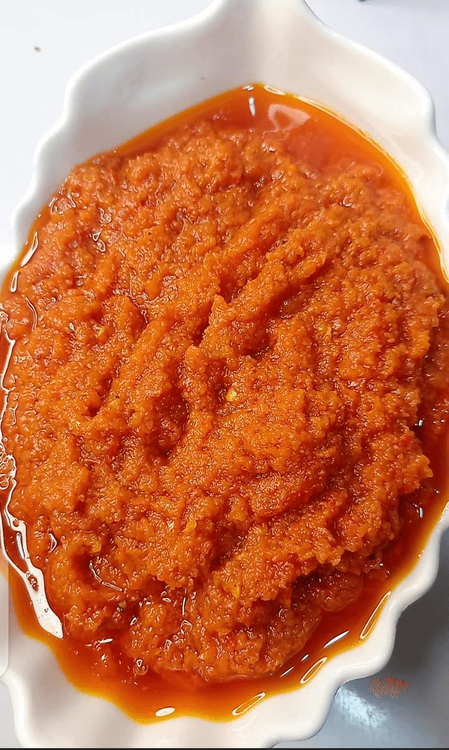
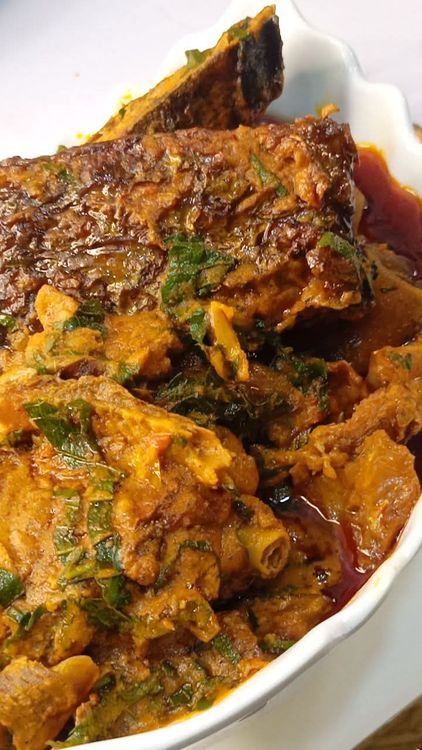
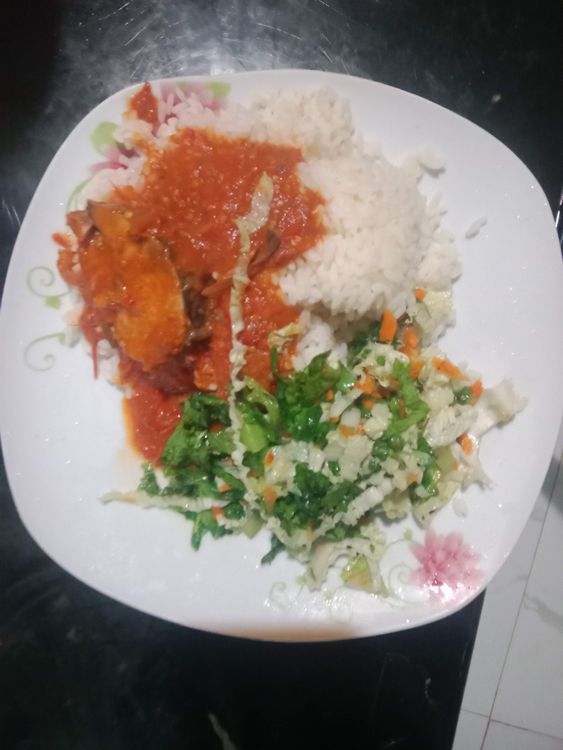
This is the cluster stew meat was created for, and the one worth learning first. The whole arc is sear hard, then braise slow, and almost everything good about a stew comes from respecting both halves. Get a heavy pot ripping hot, brown the cubes in unhurried batches so each one builds a deep crust rather than steaming grey in a crowded pan, then deglaze the fond with wine or stock and scrape every browned speck back into the pot. From there you sweat aromatics, stir in tomato paste until it darkens, return the beef, and bring it to the laziest possible simmer. The single most common mistake is impatience: a hard boil or a rushed twenty-minute cook leaves the collagen un-melted, so the meat is tough and chewy. Give it ninety minutes to three hours at a bare tremble, on the stove or in a low oven, until a cube crushes against the side with a spoon. Whether you are building Irish Guinness stew, French bourguignon, or Hungarian goulash, that rhythm never changes, only the liquid and the spices do. Standouts here include Beef Stew and Ofada stew and rice, plus Banga Stew (Ofe Akwu).
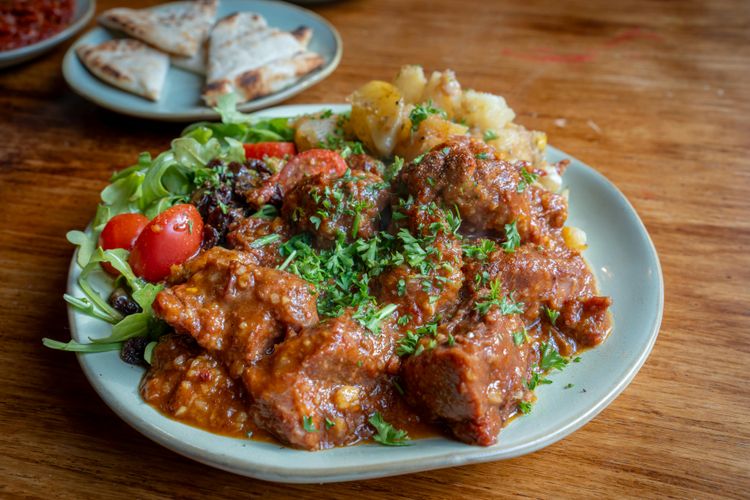
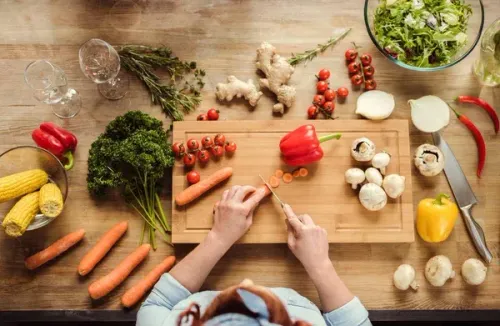
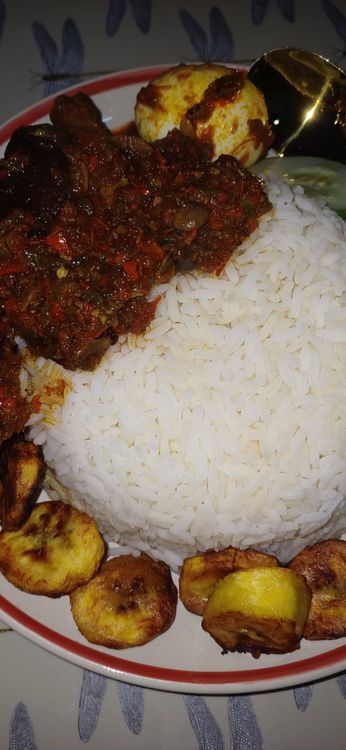
- Nigerian
- Non-Vegetarian
- Main Course

- Nigerian
- Non-Vegetarian
- Lunch
- Spanish
- Non-Vegetarian
- Lunch
- American
- Non-Vegetarian
- Dinner
- International
- Non-Vegetarian
- Lunch


- Non-Vegetarian
- Dinner
- Zimbabwean
- Non-Vegetarian
- Dinner


- American
- Gluten-Free
- Dinner
- Pakistani
- Non-Vegetarian
- Lunch
- International
- Non-Vegetarian
- Lunch

- Non-Vegetarian
- Dinner
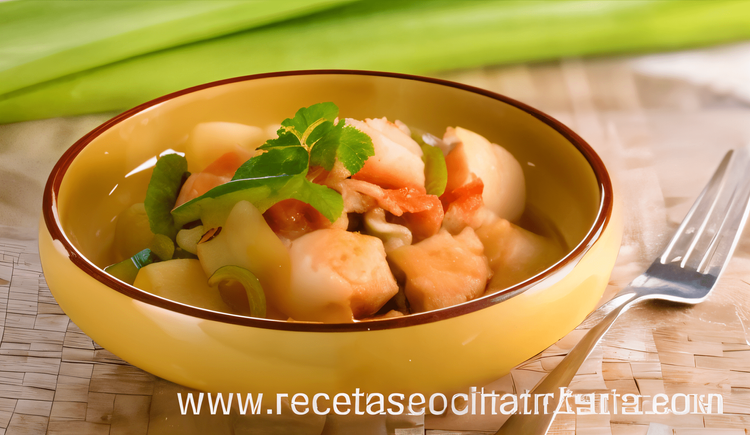
- Latin American
- Pescatarian
- Lunch
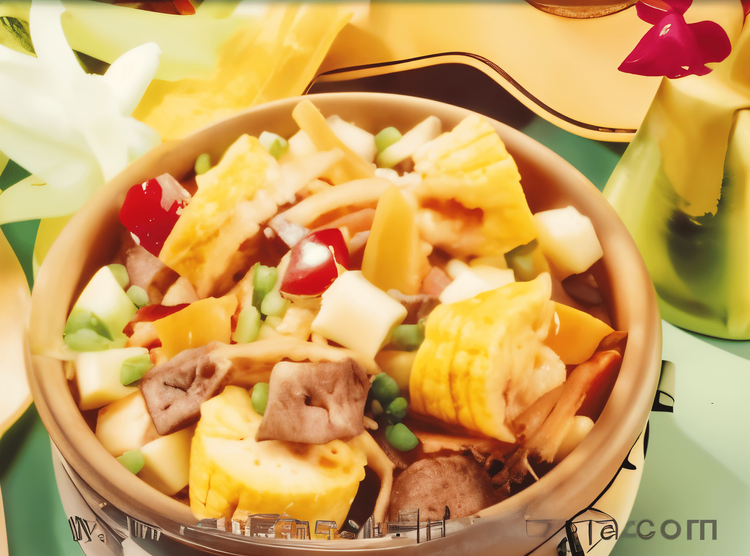
- International
- Non-Vegetarian
- Lunch
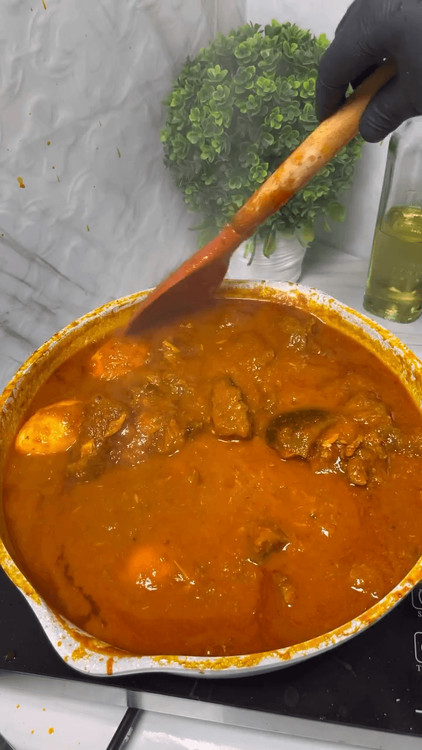

- Ghanaian
- Non-Vegetarian
- Dinner
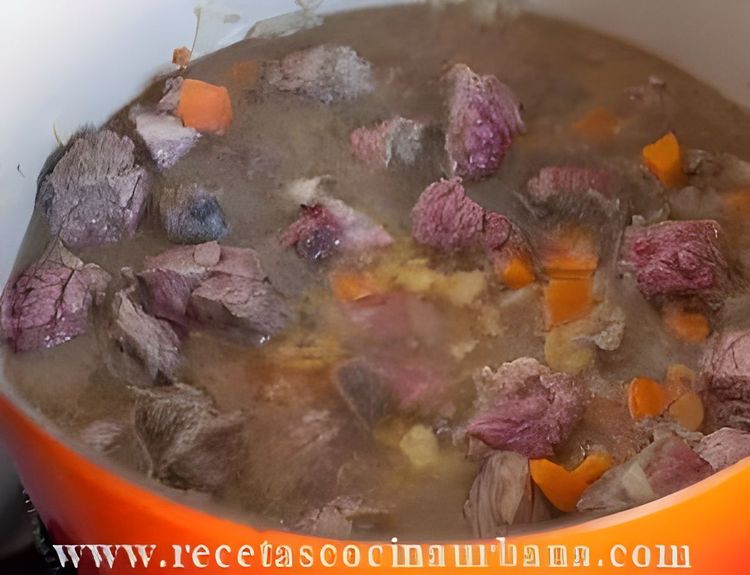
- Colombian
- Non-Vegetarian
- Lunch

- Non-Vegetarian
- Dinner
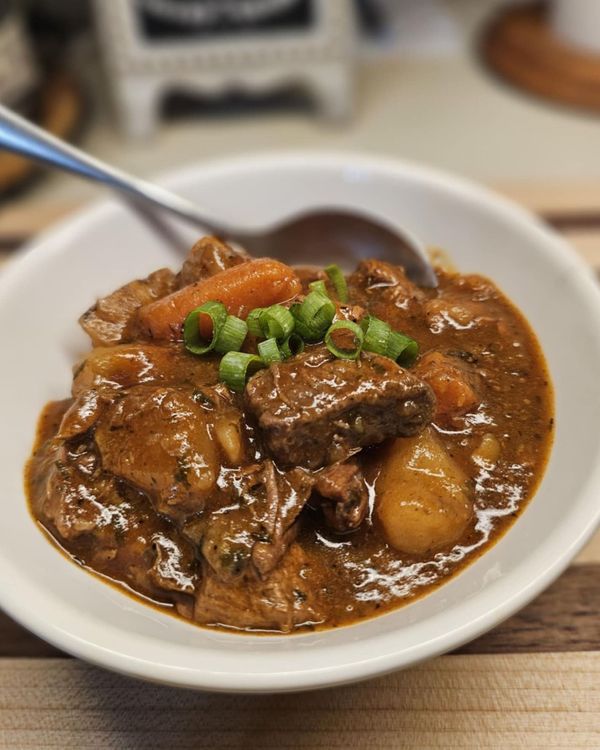
- American
- Gluten-Free
- Lunch
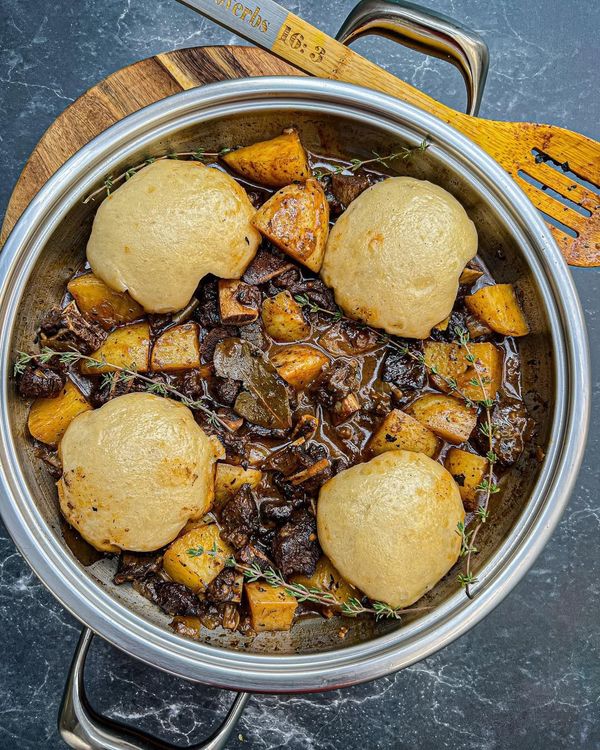
- American
- Non-Vegetarian
- Dinner
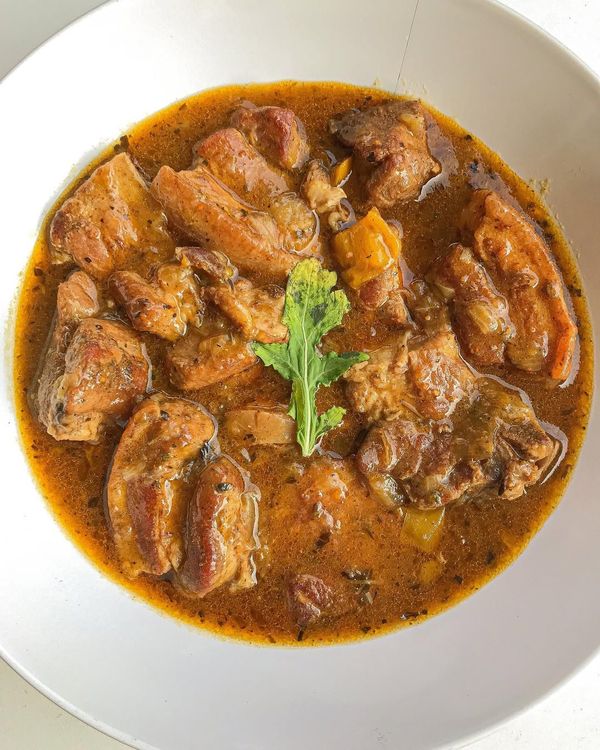
- American
- Non-Vegetarian
- Dinner
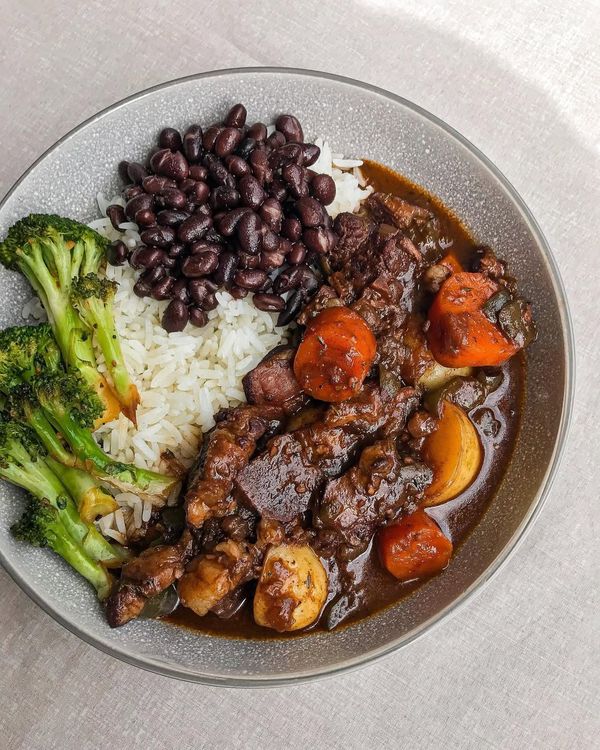
- Mediterranean
- Non-Vegetarian
- Dinner
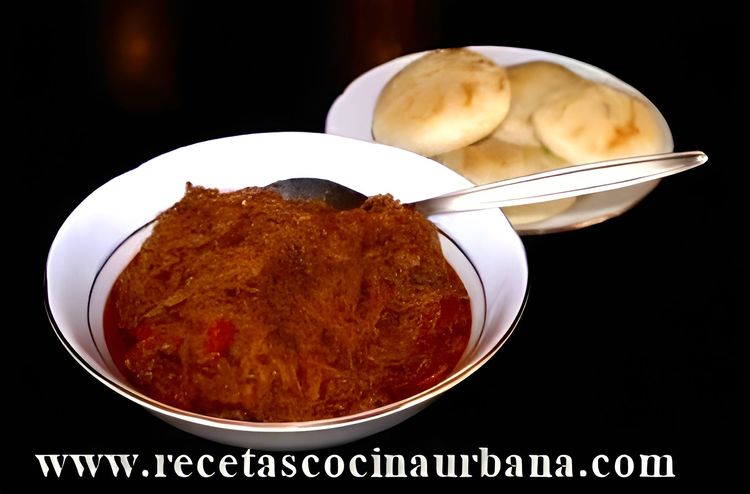
- Venezuelan
- Non-Vegetarian
- Lunch
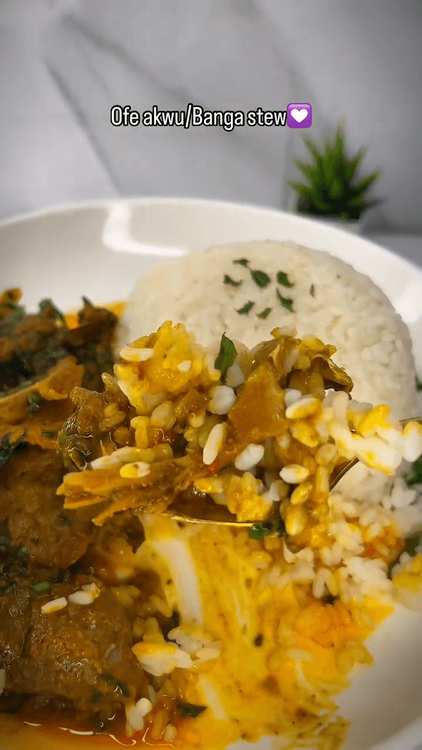

- Nigerian
- Non-Vegetarian
- Main Course
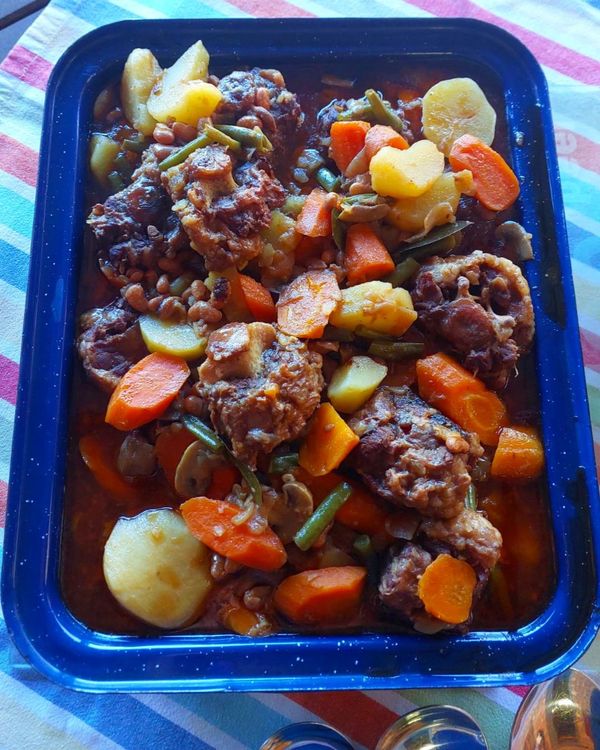

- South African
- Non-Vegetarian
- Dinner
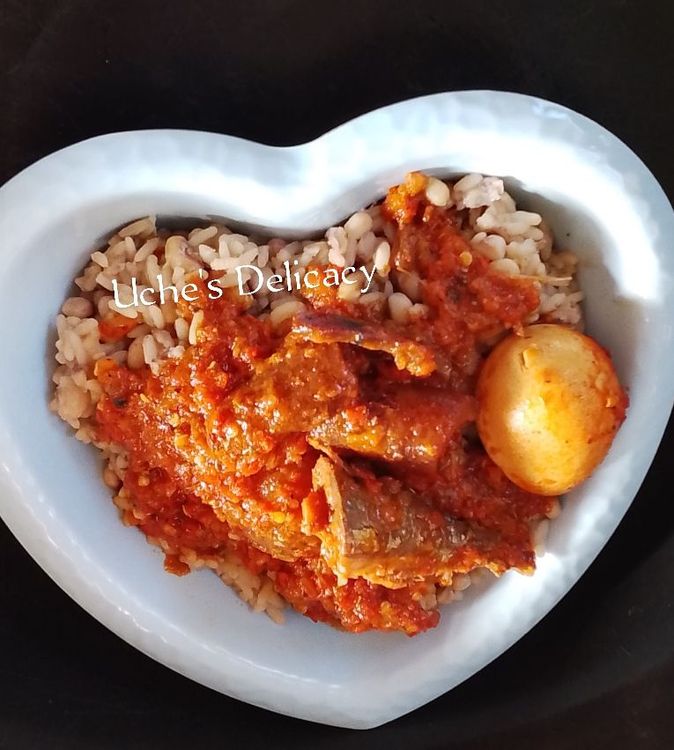
- Nigerian
- Non-Vegetarian
- Breakfast
- African
- Non-Vegetarian
- Lunch
- Nigerian
- Non-Vegetarian
- Lunch
- South African
- Non-Vegetarian
- Lunch

- Nigerian
- Non-Vegetarian
- Main Course
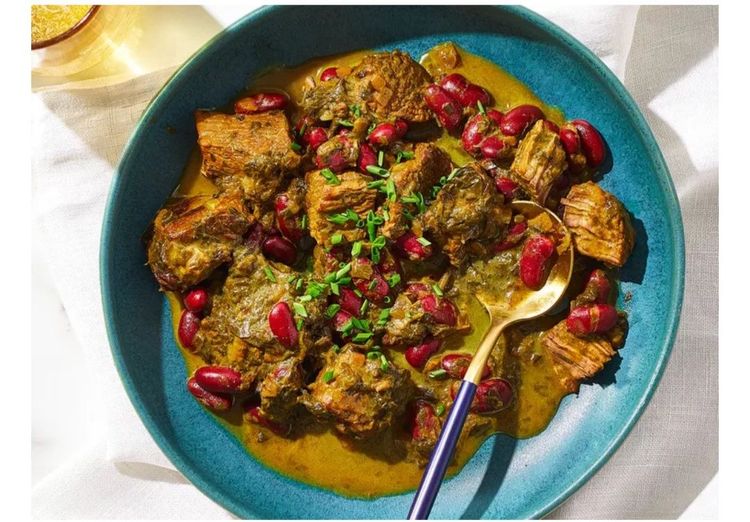
- Persian
- Non-Vegetarian
- Dinner
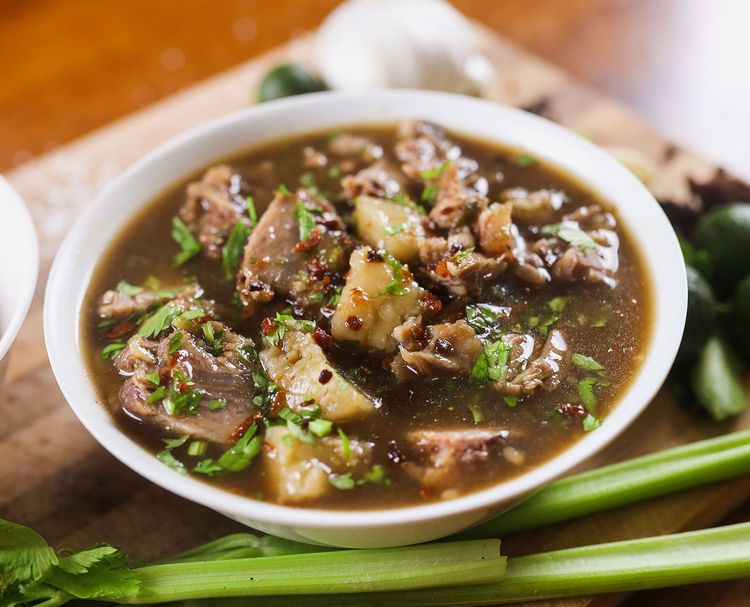

- Filipino
- Non-Vegetarian
- Lunch
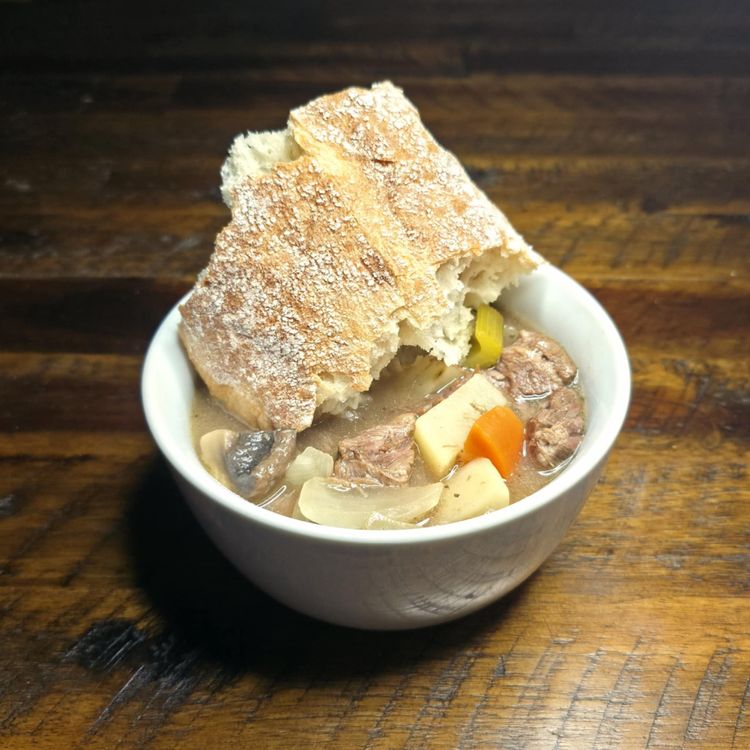

- American
- Non-Vegetarian
- Dinner
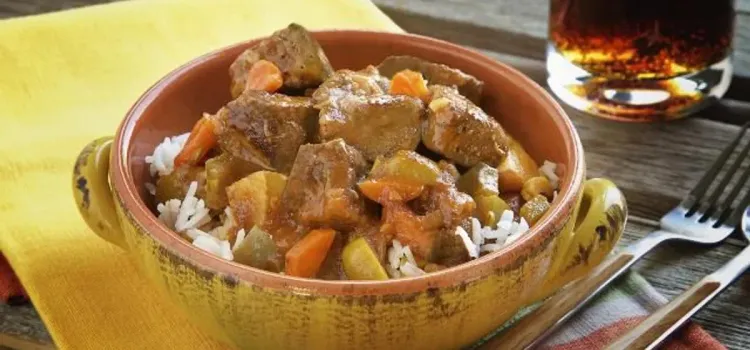
- American
- Non-Vegetarian
- Dinner
- African
- Non-Vegetarian
- Lunch
Choosing, Trimming and Cutting Stew Meat
The best stew meat is chuck, cut from the shoulder. It carries the most connective tissue and intramuscular fat, which is precisely what melts into a glossy, full-bodied gravy over a long cook. Pre-cut "stew meat" in trays is convenient but often a mix of trim from different muscles, some of which never tenderize evenly. When you can, buy a whole chuck roast and cube it yourself, so every piece behaves the same way in the pot. Bottom round and brisket also work; lean cuts like sirloin do not, because they dry out before the tissue softens.
Cut the meat into generous, even chunks, roughly an inch and a half to two inches. Cubes that are too small overcook and shred into stringy bits before the rest is done, and they lose the satisfying bite that makes stew worth eating. Even sizing matters more than exact size, since uniform pieces brown and braise at the same rate. Trim off thick, hard exterior fat and silver skin, but leave the marbling inside the muscle alone, that fat is your friend and bastes the meat from within as it cooks.
Dry the cubes thoroughly with paper towels before they go anywhere near heat, and season them with salt at least fifteen minutes ahead if you have the time. Surface moisture is the single biggest enemy of a good sear, because wet meat steams and turns grey instead of building a crust. Salting early draws moisture out and then back in, seasoning the meat deeper than a last-second sprinkle ever could. Bring the cubes close to room temperature so the pan does not crash in heat the moment they land.
Searing for Flavor, Not Steaming
Browning is where most of a stew's flavor is born, through the Maillard reaction that turns the surface of the meat deep brown and savory. Use a heavy pot, a Dutch oven is ideal, and get a thin film of oil genuinely smoking-hot before the first cube goes in. The meat should sizzle aggressively on contact. If it goes in quietly, the pan is too cool and you will boil the beef in its own juices rather than crust it.
Sear in batches, and resist the urge to rush it. A crowded pot traps steam and drops the temperature, so the cubes weep liquid and stew grey instead of browning, the most common mistake by far. Leave space between the pieces, let each side develop a dark crust undisturbed before turning, and accept that this takes three or four rounds for a full pot. It is tedious, but it is non-negotiable, and the browned bits left behind are pure concentrated flavor.
Those browned bits, the fond stuck to the bottom of the pot, are gold. After the last batch comes out, pour in a splash of wine, stock or even water and scrape the base with a wooden spoon while it bubbles, lifting every speck into the liquid. This deglazing step folds all that hard-won flavor back into the braise. Skip it and you have wasted the searing entirely, leaving the best part scorched onto the metal.
Building a Braise That Thickens Into Gravy
A good braise is layered. After deglazing, sweat your aromatics, onion, carrot, celery, garlic, in the rendered fat until soft and lightly caramelized, then stir in tomato paste and let it darken for a minute to lose its raw edge. This builds a savory, faintly sweet foundation before any liquid goes in. Return the beef, add just enough stock or wine to nearly cover, tuck in herbs like thyme and bay, and bring it to a bare, lazy simmer rather than a hard boil.
Thickening can happen three ways, and the choice shapes the dish. Toss the seared cubes in flour before browning, or stir flour into the aromatics to make a quick roux, for a classic thick stew. Alternatively, let time and reduction do the work, simmering uncovered toward the end so the liquid concentrates naturally. For a last-minute fix, whisk a cornstarch slurry into the bubbling pot. Whatever route you take, the gelatin released by the melting collagen also thickens the gravy and gives it that lip-coating body you cannot fake.
Then the only ingredient left is time. Hold the braise at the gentlest possible simmer, on the stovetop or in a low oven around 160C/325F, for at least ninety minutes and often two to three hours, until a cube crushes easily against the side of the pot with a spoon. Do not let it boil hard, which seizes the muscle fibers and squeezes out moisture even as the collagen melts, leaving meat that is somehow both tough and dry. Low and slow is the entire game.
Make-Ahead, Storage and Troubleshooting
Beef stew is one of the great make-ahead dishes because it genuinely improves overnight. As it rests, the flavors meld and deepen, and chilling lets the fat rise and solidify so you can lift it off cleanly the next day for a cleaner, richer result. Cook it a day before you plan to serve it whenever you can. It keeps three to four days in the fridge and freezes beautifully for up to three months, though waxy potatoes can go grainy when frozen, so add them fresh on reheating if you mind the texture.
If your stew came out tough, the answer is almost always more time, not less. Undercooked chuck is chewy because the collagen has not finished melting, so return it to a low simmer and give it another thirty to sixty minutes; it will come good. If the liquid is too thin, fish out the meat and vegetables and reduce the sauce hard, or whisk in a cornstarch slurry. If it is too greasy, skim the surface, or chill and lift the fat cap. A flat-tasting stew usually just needs salt and a splash of acid, a little vinegar or wine, to wake it up.
Reheat stew gently, on the stovetop over low heat with the lid ajar, stirring now and then so the bottom does not catch. A splash of stock loosens it if it has thickened in the fridge. Avoid a rolling boil on the reheat, which can toughen meat that was perfectly tender the night before. Serve it with crusty bread, mashed potato, egg noodles or rice to catch the gravy, and finish with fresh parsley for a little lift against all that long-cooked richness.
Pro Tips from the Test Kitchen
- Buy a whole chuck roast and cube it yourself when you can — pre-cut trays mix muscles that tenderize at different rates.
- Cut even 1.5–2 inch chunks; pieces too small shred into stringy bits before the rest is done.
- Pat the cubes bone-dry and salt them ahead — surface moisture steams the meat grey instead of searing it.
- Get the oil genuinely smoking before the first cube; it should sizzle hard on contact.
- Sear in batches with space between pieces — a crowded pot traps steam and ruins the crust.
- Always deglaze the fond with wine or stock and scrape it up; that browned crust is pure flavor.
- Hold the braise at a bare simmer, never a hard boil, which squeezes meat dry even as it cooks.
- Give it time: chuck needs 90 minutes to 3 hours until a cube crushes against the pot with a spoon.
- Tough stew means undercooked — return it to a low simmer for another 30–60 minutes rather than giving up.
- Make it a day ahead; the flavor deepens overnight and the chilled fat lifts off clean.
Frequently Asked Questions
What is the best cut for beef stew meat?
Chuck, from the shoulder, is the gold standard. It is rich in collagen and marbling that melt during a long braise into a glossy, full-bodied gravy and meltingly tender meat. Pre-cut "stew meat" trays are convenient but often blend several muscles that cook unevenly, so buying a whole chuck roast and cubing it yourself gives the most reliable result. Brisket and bottom round work too; lean cuts like sirloin dry out.
Why is my beef stew meat tough?
Almost always because it has not cooked long enough. Chuck is full of tough connective tissue that only turns tender once the collagen melts, which takes a low, slow braise of an hour and a half to three hours. If your meat is chewy, do not add heat — return it to a gentle simmer for another 30 to 60 minutes and it will come good. Boiling hard makes it worse, seizing the muscle and squeezing out moisture.
Do you have to brown stew meat before stewing?
You should, even though it adds a step. Searing the cubes in a smoking-hot pan builds a deep brown crust through the Maillard reaction, and that browned flavor carries through the entire pot. The fond left stuck to the base, lifted by deglazing with wine or stock, is some of the best flavor in the dish. Skipping the sear gives a paler, flatter stew, even if the meat still turns tender.
How long does beef stew meat take to cook?
On the stovetop or in the oven, plan on at least 90 minutes and often two to three hours at a bare simmer, until a cube crushes easily against the side of the pot. In a slow cooker it is six to eight hours on low. In an Instant Pot, roughly 35 minutes at high pressure with a natural release. The test is always texture, not the clock — the meat is done when it surrenders to a spoon.
Can you cook beef stew meat in a slow cooker?
Absolutely, and it is one of the easiest ways to do it. Sear the cubes first for flavor, then load them into the slow cooker with aromatics, liquid and herbs and cook six to eight hours on low or three to four on high. The long, even, low heat is ideal for melting collagen. Add quick-cooking vegetables like peas toward the end, and thicken the sauce with a slurry at the finish if needed.
How do you thicken beef stew?
Three reliable ways. Toss the cubes in flour before searing, or stir flour into the aromatics as a roux, for a classic thick stew. Or simmer the pot uncovered toward the end so the liquid reduces and concentrates. Or whisk a cornstarch slurry (cornstarch mixed with cold water) into the bubbling stew at the last minute. The gelatin from the melting collagen also thickens the gravy naturally, giving it a lip-coating body.
Can I use beef stew meat for chili?
Yes, and cubed chuck makes a heartier, more rustic chili than ground beef. Sear the cubes, then simmer them long and slow in the chili base with tomatoes, beans and spices until they turn spoon-tender, usually two to three hours. Because chili carries plenty of liquid, the meat braises beautifully. Many cooks cut the cubes a little smaller for chili so each spoonful gets a generous bite of beef.
Should beef stew be cooked covered or uncovered?
Mostly covered, to hold in moisture and keep the temperature even and gentle during the long braise. Toward the end, you can take the lid off and let it simmer uncovered for the last 20 to 30 minutes if you want the liquid to reduce and thicken into a richer gravy. In the oven, a covered Dutch oven gives the most even, hands-off cook. Just keep the simmer lazy throughout, not a hard boil.
Can you freeze beef stew?
Yes, beef stew freezes very well for up to three months, and many cooks make a double batch for exactly that reason. Cool it fully, then freeze in airtight portions. One caveat: waxy potatoes can turn grainy or mealy after freezing, so if texture matters to you, leave them out and add fresh potatoes when you reheat. Thaw in the fridge overnight and warm gently on the stovetop, loosening with a splash of stock.
What can I make with beef stew meat besides stew?
Plenty. The same cubes make brothy soups, thick chili, slow-cooker dinners, and pressure-cooker meals. Cut smaller or braised first, they go into beef stroganoff, curry, stir-fries, tacos, kebabs and quick beef tips over rice or noodles. The rule is the same as for stew: either sear and braise it long and slow, or slice it thin and cook it fast. The unforgiving middle ground is what makes chuck chewy.
The thread through every recipe here is the same simple truth: stew meat has two speeds, fast and slow, with nothing good in between. Sear it hard for flavor, then braise it long and gentle until the collagen melts, and the same humble cubes become Irish stew, French bourguignon, smoky chili, creamy stroganoff or a fragrant curry. Master the few moves in the guides, choose well, sear properly, build the braise, and give it time, and tough chuck turns reliably tender.
Pick three to cook over the next couple of weeks: a classic Dutch-oven stew, a hands-off slow-cooker dinner, and something that takes the meat somewhere unexpected. Save your favorites to a Chefadora cookbook, then work through the rest as the weather turns. This page is built to be the beef stew meat reference you actually come back to.
Related
- Beef
- Stew
- Comfort Food
- Slow Cooker
- One Pot
- Braised
- Dinner
- Winter
Popular Searches
- Best beef stew meat recipes
- Easy beef stew meat recipes
- Quick beef stew meat recipes
- Healthy beef stew meat recipes
- Simple beef stew meat recipes
- Homemade beef stew meat recipes
- Delicious beef stew meat recipes
- Popular beef stew meat recipes
- meat stews recipes
- beef stew with stew meat
- slow cooker recipes with beef stew meat
Marnirni-apinthi Building, Lot Fourteen,
North Terrace, Adelaide, South Australia, 5000
Australia
