
Top 30 Pasta Recipes: Salads, Creamy, Tomato and Baked
Updated June 22, 2026 · Curated by Chefadora
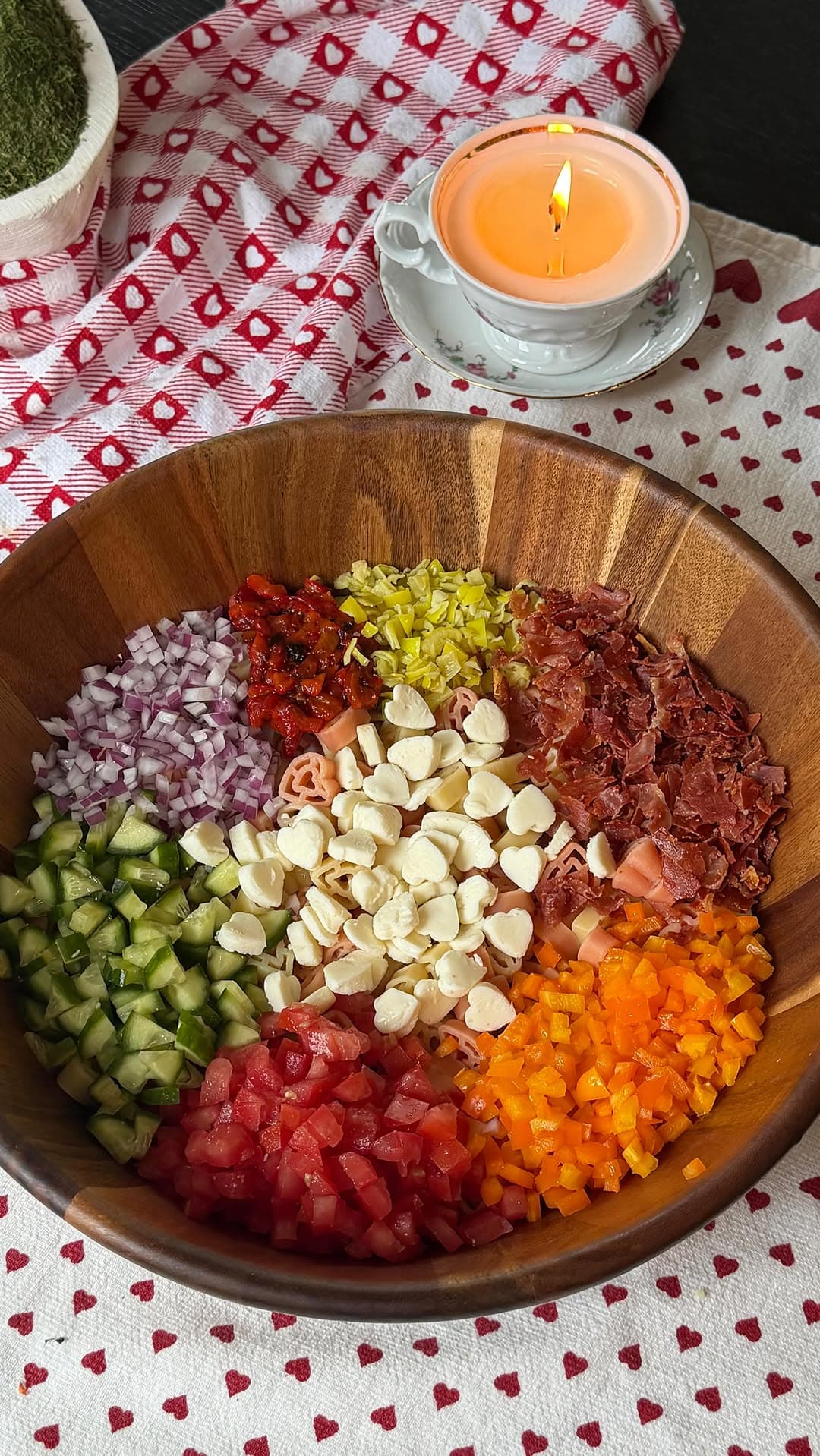
Pasta recipes are the busiest weeknight workhorse in any kitchen, and the dishes below show how much range a box of dried pasta really has — cooling pasta salads, silky creamy and white-sauce dishes, deep red-sauce classics, comforting baked pastas, and the spicy desi versions that are weeknight staples across India. Rather than one sauce repeated, this is a working spread across the whole pasta world.
Almost everything good about pasta comes down to two things most home cooks underuse: salting the cooking water properly, and saving some of it. Water seasoned like the sea is the only chance to season the pasta itself from the inside, and a mug of that starchy water is the secret to a sauce that turns glossy and clings to every strand instead of sliding off.
You will find the collection grouped into clusters — pasta salads, desi and fusion, baked and stuffed, creamy and white-sauce, and tomato and red-sauce. Each leans on the same fundamentals, then takes them in a different direction, from a cold, dressed salad to a bubbling, cheese-topped bake.
Treat this as a working reference. Each recipe links to full ingredients and steps on Chefadora, and the guides below cover what actually decides whether pasta is restaurant-good or stodgy — cooking it properly, the pasta-water trick, matching shapes to sauces, and getting pasta salads and make-ahead bakes right.
Pasta Salads
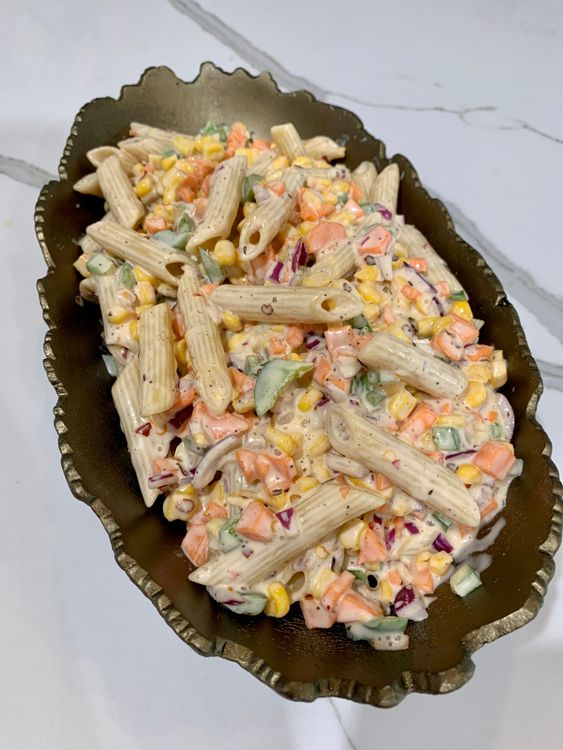
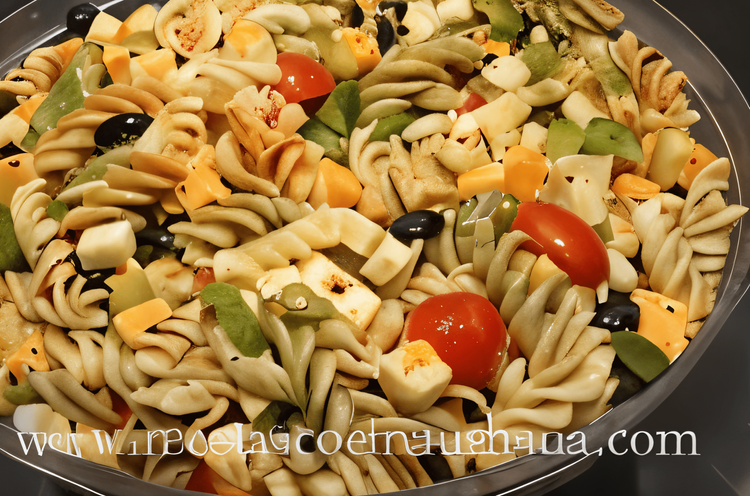
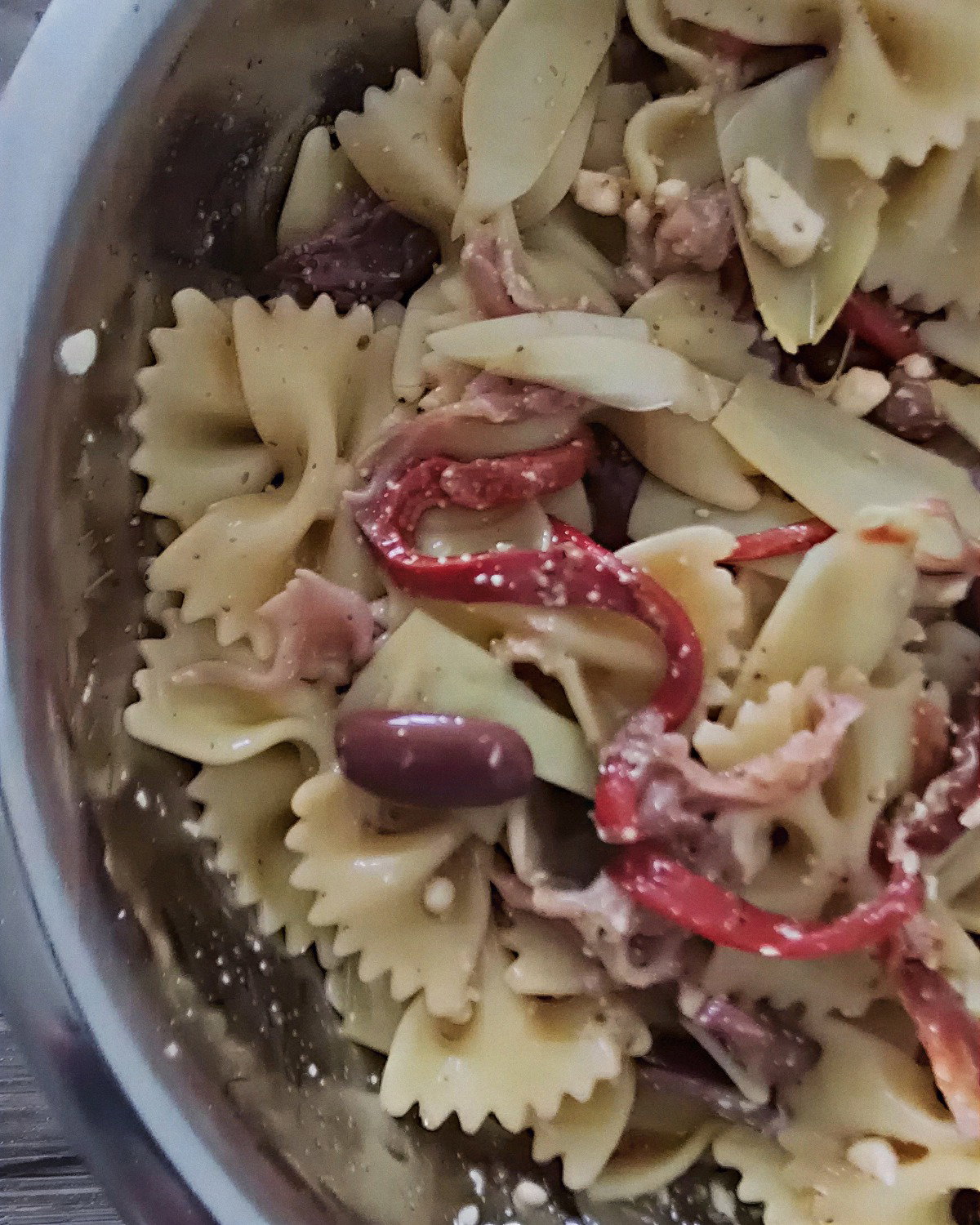
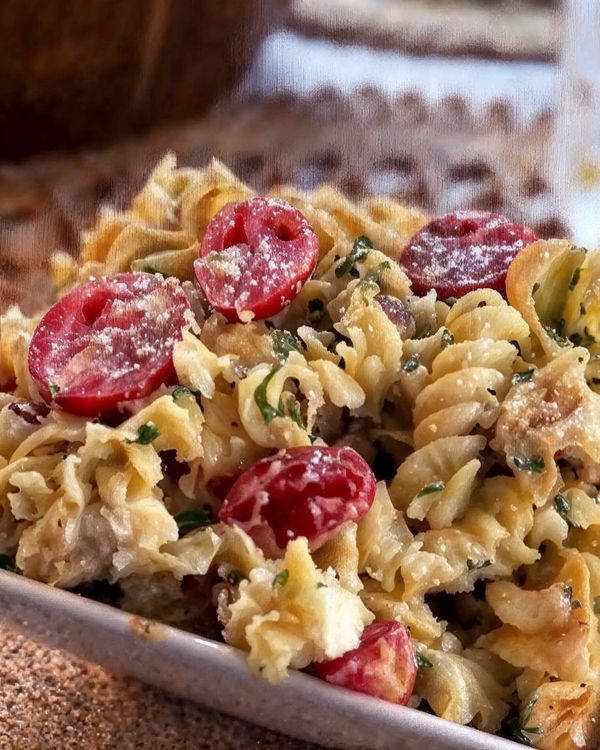
Pasta salad is the most-searched pasta dish of all, and getting it right is mostly about details people skip. Cook the pasta a touch past al dente, since it firms up as it cools and you want it tender rather than chalky cold. Rinse it under cold water to stop the cooking and wash off surface starch so the salad does not turn gluey, then toss it with a little oil or some of the dressing while still warm so it absorbs flavour rather than sitting bland. Short, ridged or twisty shapes — fusilli, rotini, penne, farfalle — hold dressing and catch bits far better than long strands. Dress it generously, because pasta drinks up dressing as it chills and a salad that tasted perfect warm can be dry once cold; hold a little back to refresh it before serving. Balance creamy and vinaigrette styles with acid and salt, add crunchy vegetables and something savoury like olives, feta or tuna, and let it rest so the flavours meld. Standouts here include Italian Chopped Pasta Salad and Corn & Pasta Salad , plus Pasta Salad.


- Italian
- Non-Vegetarian
- Lunch

- Continental
- Vegan
- Appetiser
- International
- Non-Vegetarian
- Lunch

- Non-Vegetarian
- Lunch
- American
- Non-Vegetarian
- Lunch
Desi & Fusion Pasta
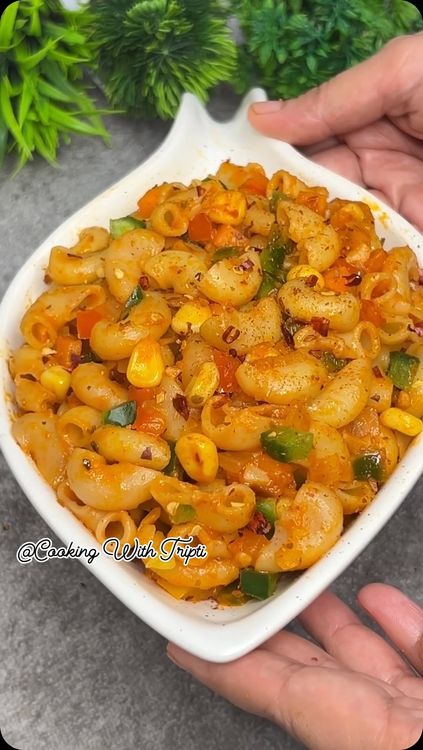
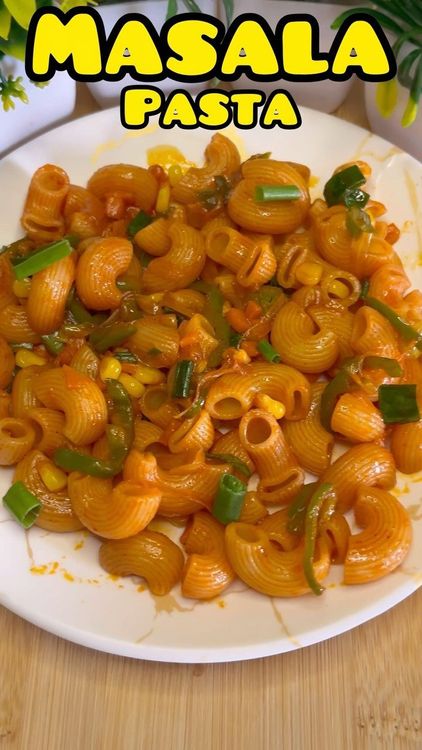
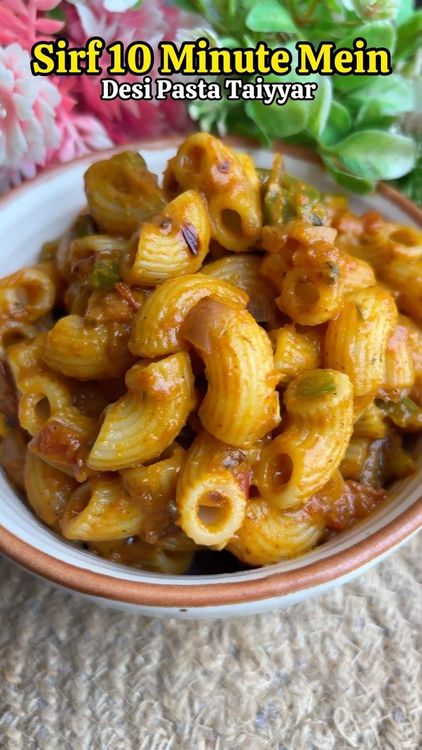
Desi and fusion pasta is the gloriously unfussy Indian take on the Italian staple, and it is some of the most popular weeknight cooking around. The idea is simple: treat pasta like any other base for a punchy masala. Saute onions, ginger, garlic and green chilli, add tomatoes and a hit of spice — garam masala, red chilli, a little ketchup or schezwan sauce for the Indo-Chinese leaning versions — then toss the cooked pasta through so every piece is coated. The result is saucy, spicy and ready in well under fifteen minutes. The trick is to keep the pasta itself properly cooked and salted, so the masala enhances it rather than masking gummy, bland noodles, and to add a splash of pasta water or milk to bring the sauce together. Finish with coriander and a little cheese if you like. This is comfort food that does not pretend to be authentic Italian, and it does not need to be. Standouts here include Desi Macroni Pasta Recipe and Instant Masala Pasta in 10 Minutes, plus Desi Pasta Ready in Just 10 Minutes.

- Indian
- Vegetarian
- Lunch

- Indian
- Vegan
- Lunch
- Indian
- Vegetarian
- Lunch
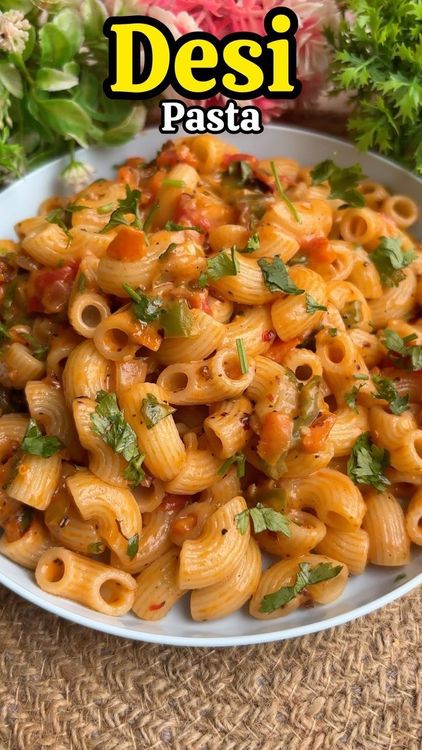
- Indian
- Vegetarian
- Lunch
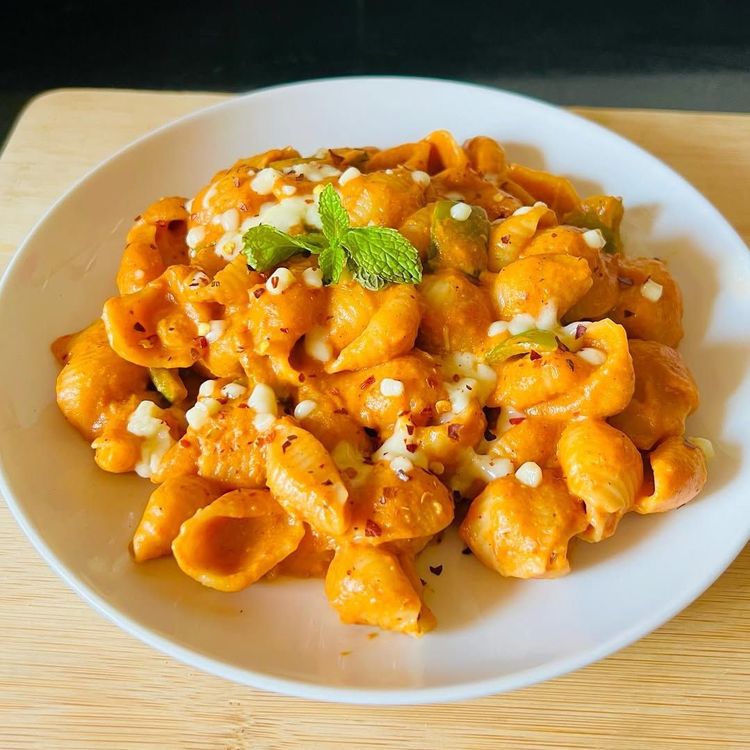
- Indian
- Vegetarian
- Lunch
Baked & Stuffed Pasta
Baked and stuffed pastas are the make-ahead crowd-pleasers — lasagne, stuffed shells, baked ziti, cannelloni and creamy pasta bakes. The key difference from a stovetop pasta is that it keeps cooking in the oven, so you undercook it first: boil it a couple of minutes short of al dente (or use no-boil sheets), because mushy baked pasta starts with over-boiled pasta. Keep the assembly a little saucier than feels right, since the pasta absorbs liquid as it bakes and a dry bake is a sad one; a layer of sauce on the bottom of the dish stops sticking. Cover with foil for most of the bake so it heats through without drying, then uncover at the end to brown and bubble the cheese on top. Let it rest ten minutes out of the oven before cutting, so the layers set and you get clean portions rather than a collapse. These reheat beautifully, which makes them ideal for feeding a crowd or prepping ahead. Standouts here include Stuffed Pasta Shells and Creamy Vegan Green Vegetable Pasta Bake, plus Easy Pasta and Meatball Casserole.


- Italian
- Vegetarian
- Dinner
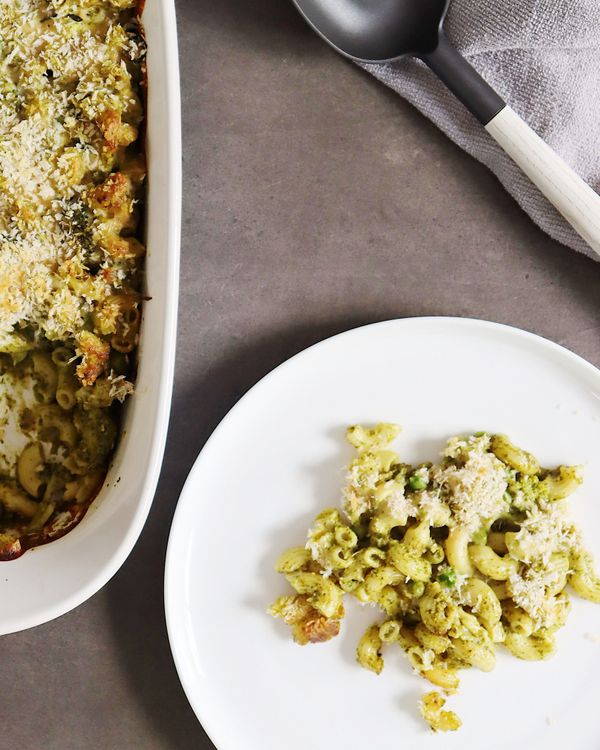
- Italian
- Vegetarian
- Lunch
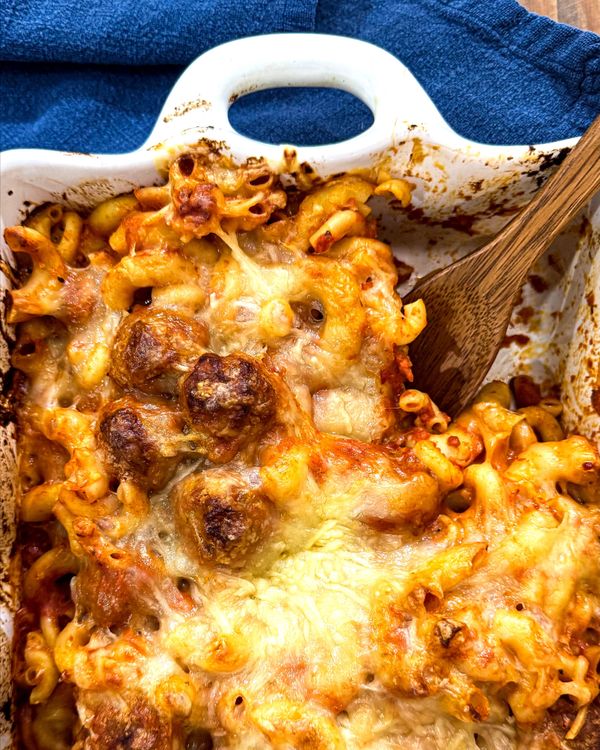

- American
- Non-Vegetarian
- Dinner
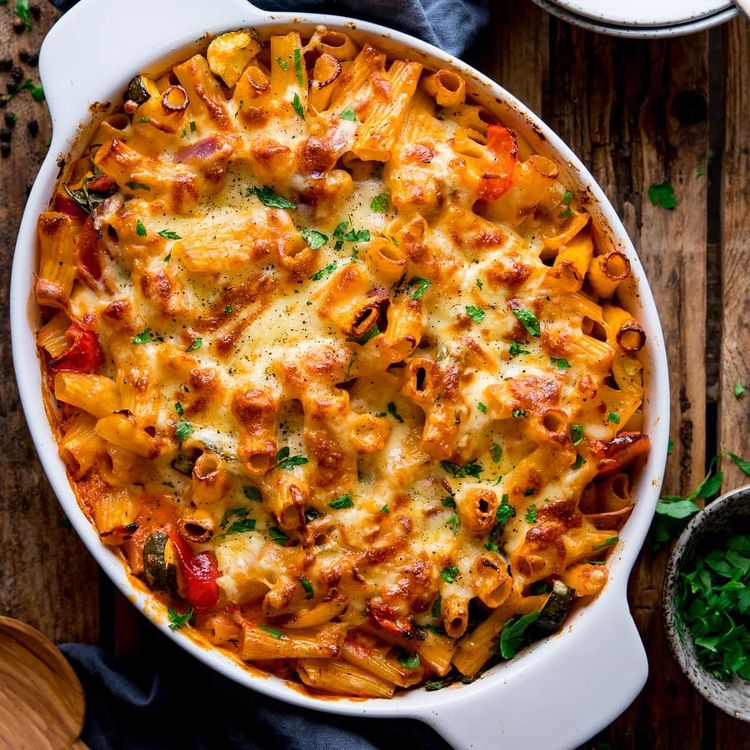
- Italian
- Vegetarian
- Dinner
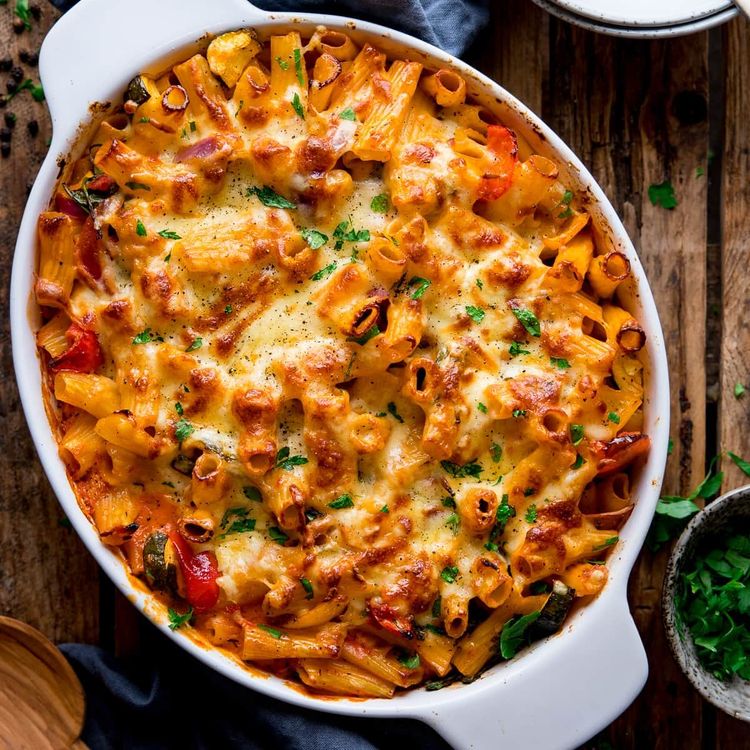
- Italian
- Vegetarian
- Dinner
Creamy & White-Sauce Pasta
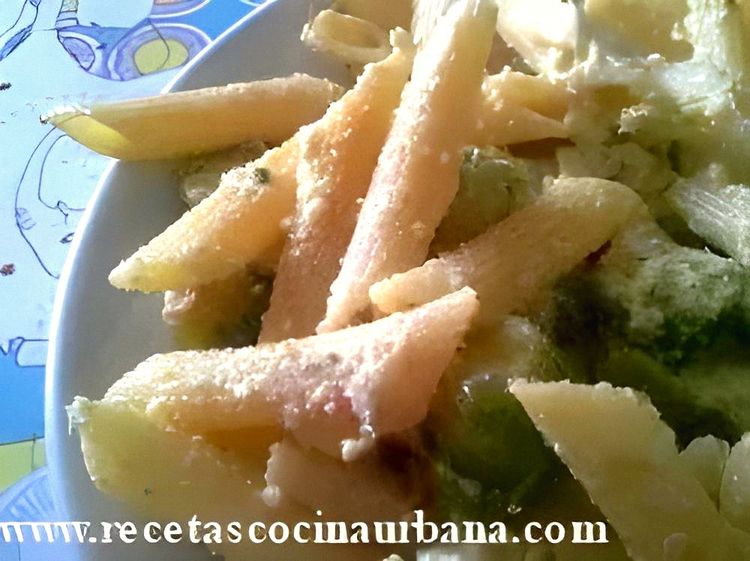
Creamy and white-sauce pastas are pure comfort, from alfredo and carbonara to vodka, garlic-parmesan and Tuscan-style sauces. The single most important technique here is using starchy pasta water: a ladle of the cloudy, salted water you cooked the pasta in emulsifies fat and cheese into a glossy, clinging sauce instead of a greasy or grainy one. Finish the pasta in the sauce for the last minute or two rather than just spooning sauce on top, tossing vigorously so everything comes together. For cheese-based sauces, take the pan off direct high heat before adding the cheese so it melts smoothly rather than seizing into clumps; the same goes for cream, which can split at a hard boil. Season carefully, since parmesan and pasta water both bring salt. The classic mistakes are draining away all the pasta water and drowning the dish in cream; a good creamy pasta is silky and coats the strands lightly, not swimming in sauce. Standouts here include Creamy Gochujang Tempeh Pasta with Tofu Cream and Roasted Tomato Burrata Pasta with Chicken, plus Pasta alla Vodka.


- Vegan
- Dinner
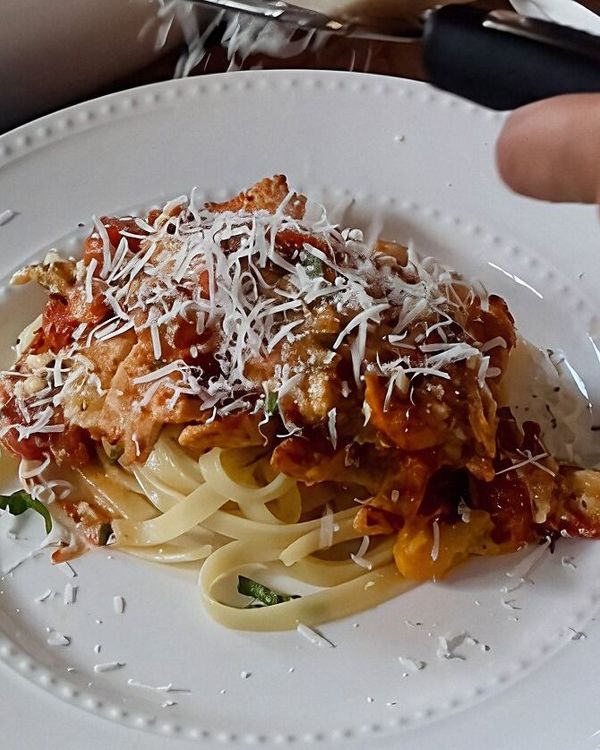
- Italian
- Non-Vegetarian
- Lunch


- Italian
- Vegetarian
- Dinner

- Italian
- Non-Vegetarian
- Dinner
- Italian
- Eggetarian
- Lunch
Tomato & Red-Sauce Pasta
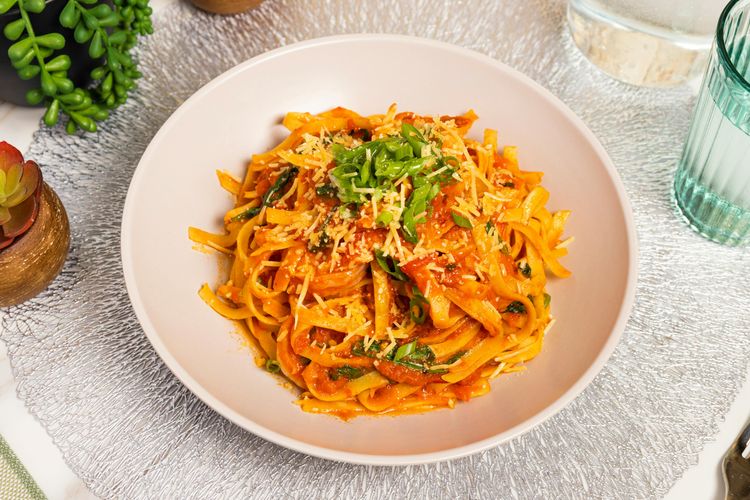
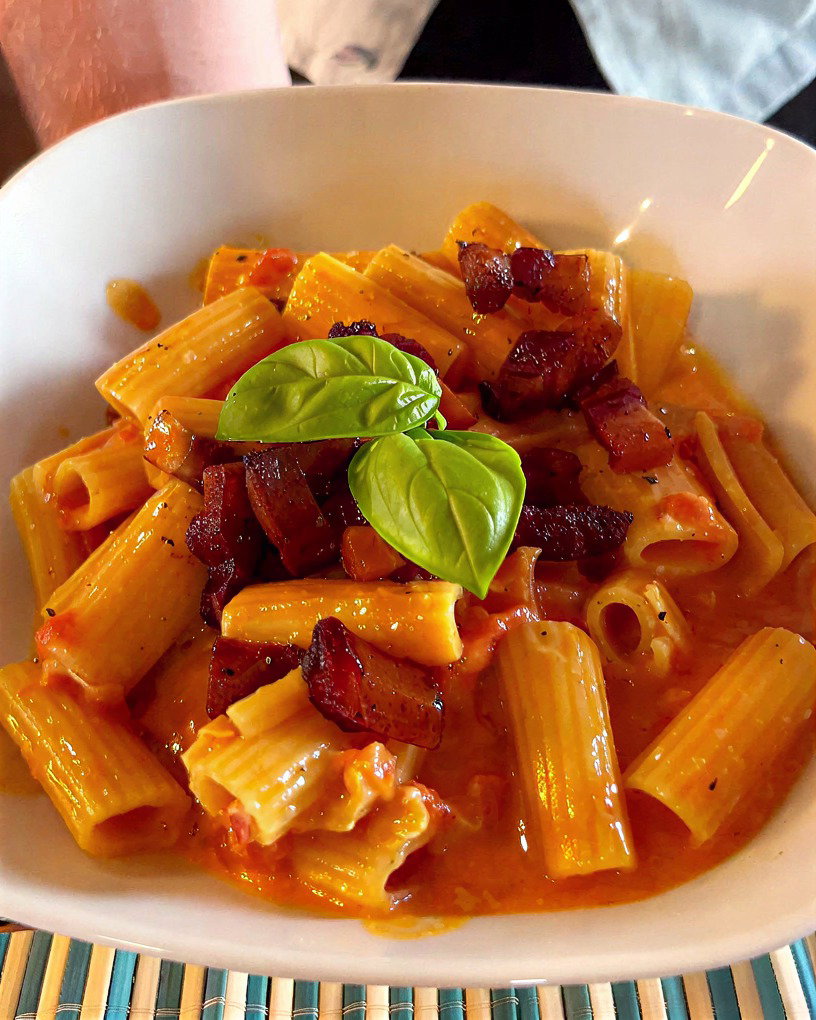
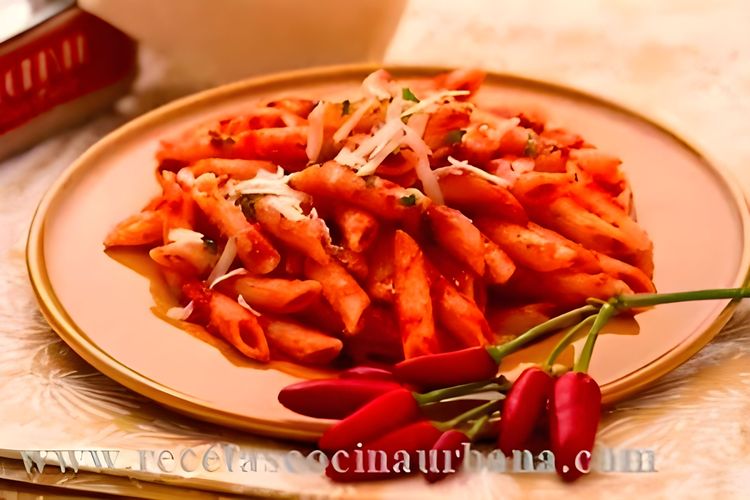
Red-sauce pasta is the backbone of Italian home cooking, and a great one comes from patience rather than a long ingredient list. Whether it is a quick marinara, a slow Bolognese, a fiery arrabiata or a simple tomato-and-garlic sauce, the move is to build flavour in the pan: soften garlic or onion gently in good oil without browning it harshly, then let the tomatoes cook down until they lose their raw, tinny edge and turn sweet and jammy. A pinch of sugar can round out acidic tinned tomatoes, and a splash of pasta water loosens the sauce to the right cling. Finish the pasta in the sauce so it soaks up flavour, and save fresh basil or herbs for the very end so they stay fragrant. The frequent error is under-cooking the sauce so it tastes sharp and watery, or boiling it so hard it turns to paste; a steady, unhurried simmer is what develops the deep, balanced flavour. Standouts here include Pasta with Tomato and Dill Sauce and Pasta Aglio e Olio (Garlic and Oil), plus Pasta al Zozzona.
- Italian
- Vegetarian
- Dinner


- Italian
- Vegan
- Dinner

- Non-Vegetarian
- Dinner
- Italian
- Vegetarian
- Lunch
More Pasta Favourites
Beyond the big sauce families, pasta opens up into endless directions, and this group gathers the dishes that do not fit a single category — garlic-and-oil aglio e olio, pesto tosses, one-pan dinners, fresh handmade pasta and seasonal specials. They all rest on the same fundamentals that govern every pasta dish: salt the cooking water like the sea, cook to al dente, save a mug of starchy water before draining, and finish the pasta in its sauce so the two become one. Choosing your next cook is mostly about time and mood: a five-minute aglio e olio or pesto toss on a busy night, a fresh-pasta project or a slow-built sauce when you have the afternoon. Match the shape to the sauce — chunky sauces want shapes with ridges and hollows to catch them, delicate ones want long strands — and taste as you go. Build a handful of reliable favourites, then branch out one dish at a time. Standouts here include Pasta Dough and Pasta & Bean Sauce, plus Pasta with Eggplant and Garlic.
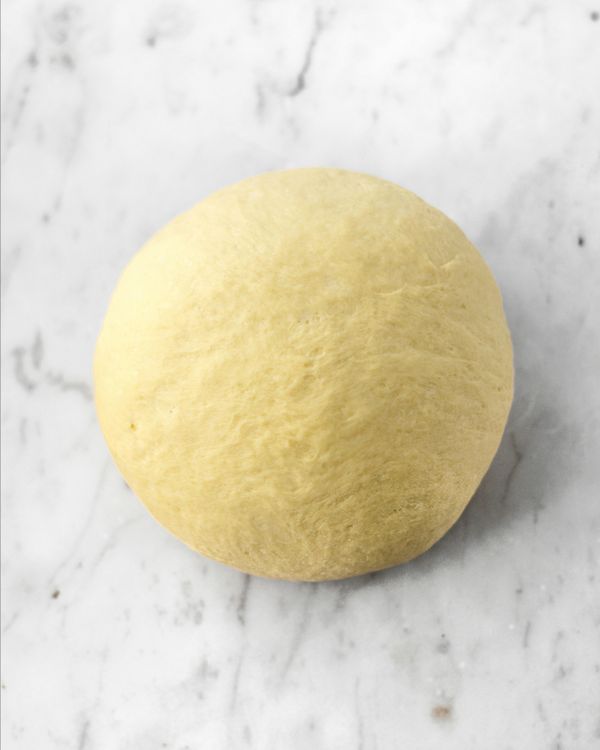

- Italian
- Eggetarian
- Lunch
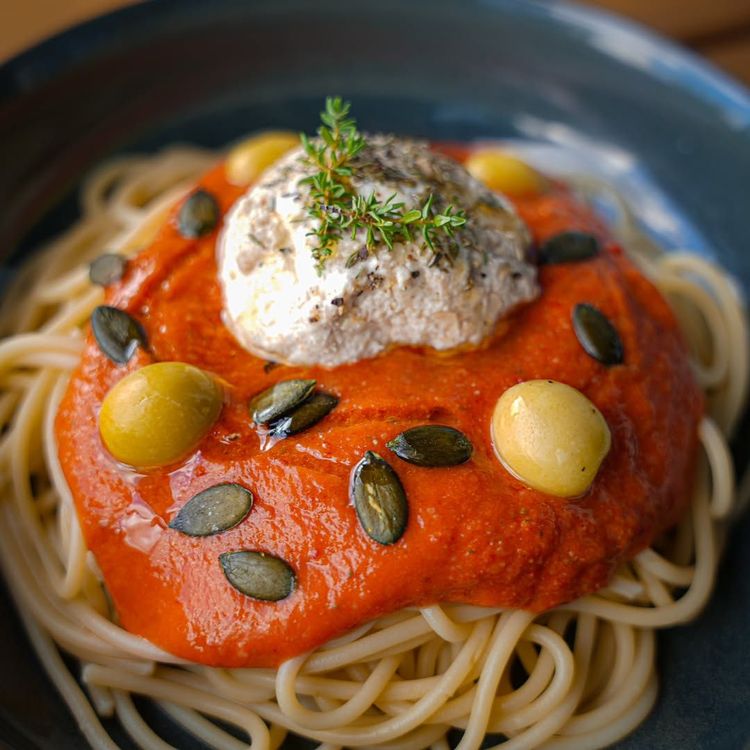
- French
- Vegetarian
- Lunch
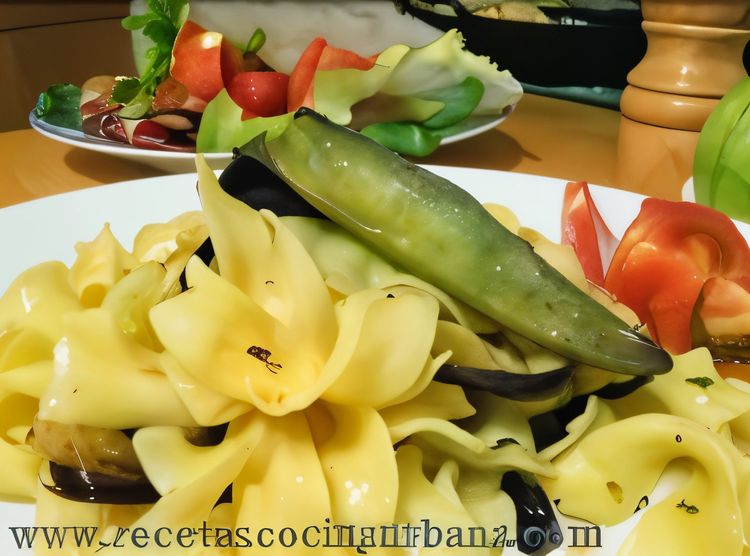
- Mediterranean
- Vegan
- Lunch
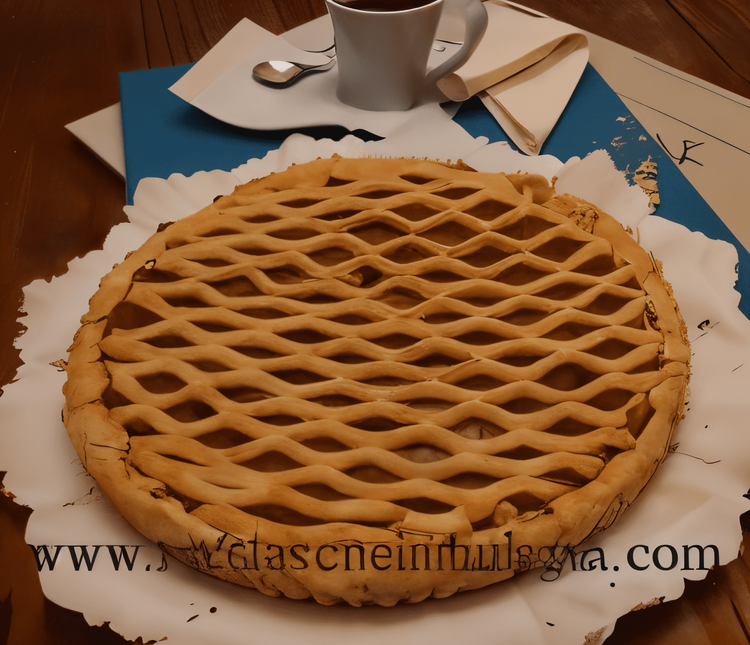
- Argentinian
- Eggetarian
- Snack
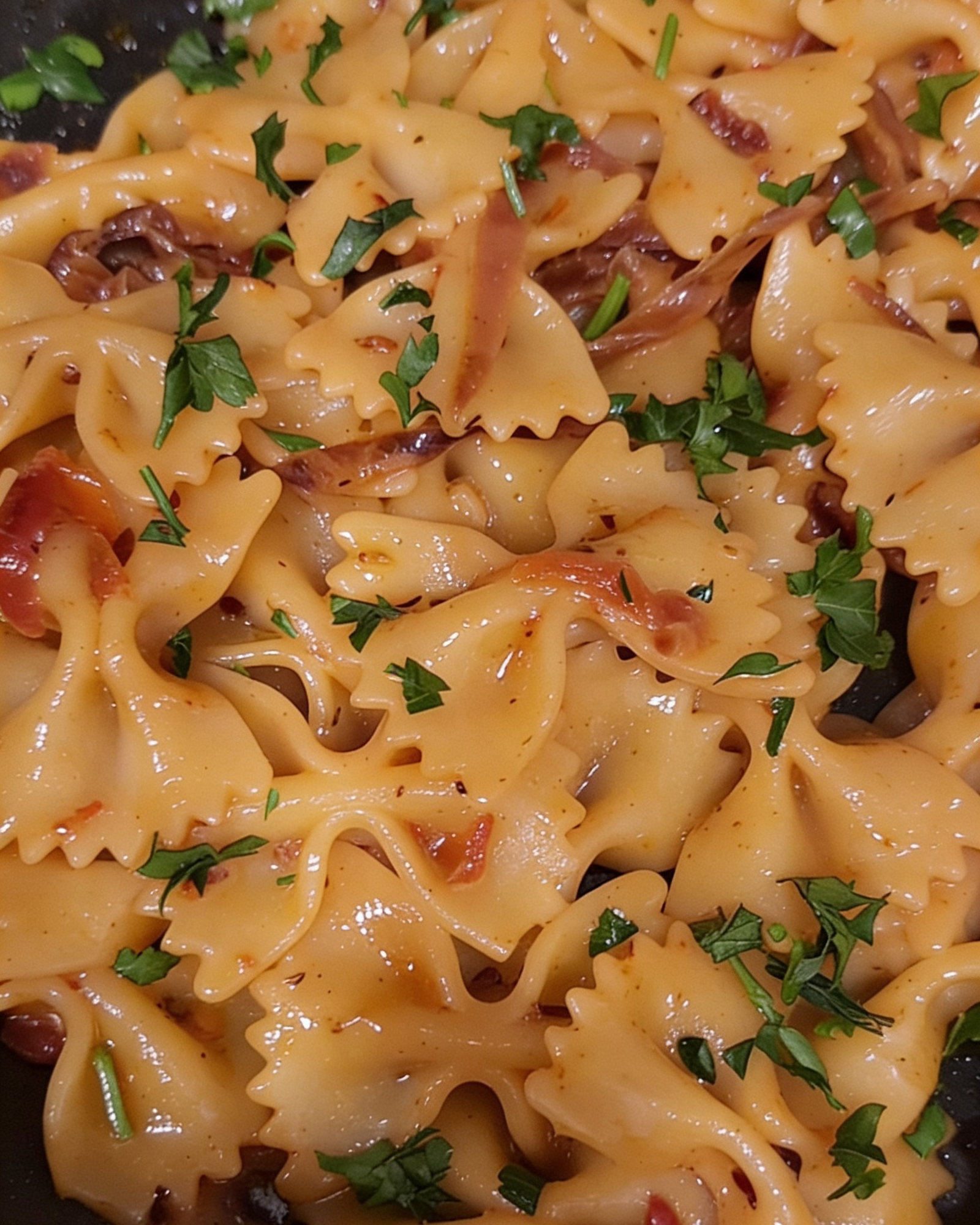
- Vegetarian
- Lunch
Cooking Pasta: Salt, Water and Al Dente
Use plenty of water and salt it generously — it should taste like seawater. This is the only point at which you season the pasta itself, and under-salted water gives bland pasta no sauce can fully rescue. A big pot of water also keeps the temperature up when the pasta goes in and stops it clumping, so do not crowd it into a small pan.
Cook to al dente — tender with a slight bite at the centre — and start tasting a minute or two before the packet time, since you can always cook longer but never un-cook. If the pasta will finish in a hot sauce or go into the oven, pull it even earlier, because it keeps cooking. Stir in the first couple of minutes so it does not stick.
Do not add oil to the water (it just coats the pasta and stops sauce clinging) and do not rinse pasta destined for a hot sauce, since the surface starch helps the sauce grip. The exception is pasta salad, where rinsing cold is exactly what you want to stop the cooking and keep the salad from going gluey.
The Pasta-Water Trick
Before you drain, scoop out a mugful of the cloudy, starchy cooking water. That starch is liquid gold: stirred into a sauce, it emulsifies fat and cheese into a silky, glossy coat that clings to the pasta instead of pooling at the bottom of the bowl. It is the single biggest difference between a home pasta and a restaurant one.
Finish the pasta in the sauce rather than plating it and spooning sauce on top. Drain the pasta a touch early, add it to the pan with the sauce and a splash of pasta water, and toss over heat for a minute or two so the starch works its magic and the pasta soaks up flavour. Add more water a little at a time until the sauce coats but does not drown.
For cheese and cream sauces, lower the heat before adding the cheese so it melts smoothly instead of seizing, and use the pasta water to loosen and emulsify. For tomato sauces, it thins a too-thick reduction without diluting flavour. Keep the mug nearby until the dish is plated, because the perfect consistency is a splash away.
Matching Shapes to Sauces
Pasta shape is not just looks — it changes how the dish eats. The old rule holds: chunky, hearty sauces want shapes with ridges, hollows and nooks to trap them (penne, rigatoni, fusilli, shells), while smooth or delicate sauces suit long strands (spaghetti, linguine, tagliatelle) that the sauce can coat evenly.
Light oil- and seafood-based sauces cling beautifully to long, thin pasta; rich meat ragus love wide ribbons like pappardelle that can carry them; and small shapes (orzo, ditalini) are made for soups and salads. Baked dishes want sturdy shapes — ziti, rigatoni, shells — that hold structure through the oven rather than collapsing.
You do not need a cupboard of twenty shapes, but keeping one long (spaghetti), one short ridged (penne or fusilli) and one for baking covers nearly everything. When a recipe specifies a shape, there is usually a reason, but a sensible swap within the same family works fine.
Pasta Salads and Make-Ahead
Pasta salad rewards a few specific moves. Cook the pasta slightly past al dente, because it firms up cold and chalky pasta ruins a salad, then rinse it under cold water to halt the cooking and rinse off gluey starch. Toss it with a little dressing while still warm so it drinks in flavour rather than sitting bland.
Dress pasta salad more generously than seems necessary, since the pasta keeps absorbing dressing as it chills; a salad that was perfect warm is often dry by the time it is cold. Hold a little dressing back and toss it through again just before serving to refresh it. Add tender herbs and crisp vegetables late so they stay bright.
Baked pastas are the other great make-ahead: assemble them a day in advance, keep them saucy, and bake (adding a few minutes from cold). Both salads and bakes feed a crowd and improve as the flavours meld, which makes the pasta clusters here some of the most practical batch-cooking on the site.
Pro Tips from the Test Kitchen
- Salt the cooking water like the sea — it is the only way to season the pasta itself.
- Save a mug of starchy pasta water before draining; it makes sauces silky and clinging.
- Finish the pasta in the sauce for a minute or two rather than spooning sauce on top.
- Cook to al dente and pull it early if it will cook more in sauce or the oven.
- Do not add oil to the water; it just stops the sauce from sticking.
- For pasta salad, cook slightly past al dente and rinse cold to stop the cooking.
- Dress pasta salad generously — it drinks up dressing as it chills.
- Match shape to sauce: ridges and hollows for chunky sauces, strands for smooth ones.
- Lower the heat before adding cheese so the sauce melts smoothly instead of seizing.
- Undercook pasta for bakes — it keeps cooking in the oven, and keep the assembly saucy.
Frequently Asked Questions
How much salt should I add to pasta water?
Enough that the water tastes distinctly of salt — roughly a tablespoon per several litres, often described as "salty like the sea." This is the only stage at which the pasta itself gets seasoned, so under-salting leaves bland pasta that no amount of sauce fully fixes. The pasta only absorbs a fraction of the salt, so most goes down the drain; do not be timid.
Should you rinse pasta after cooking?
Usually no. The starch on the surface of just-drained pasta helps the sauce cling, so rinsing it away gives you a slippery dish where the sauce slides off. The exception is pasta salad: there you do rinse under cold water, both to stop the cooking and to wash off starch so the cold salad does not turn into a gluey clump.
What is the pasta-water trick?
Before draining, you scoop out a mug of the starchy, salted cooking water and use it to finish the sauce. Stirred in as you toss the pasta in the pan, the starch emulsifies fat and cheese into a glossy, clinging sauce and loosens anything too thick. It is the simplest technique that most separates restaurant pasta from a dry, sauce-on-top home version.
How do you keep pasta from sticking?
Use plenty of well-salted water so the pasta has room to move, stir it in the first couple of minutes when the surface starch is gummiest, and do not overcook it. You do not need oil in the water — it mainly stops sauce sticking later. If you are not saucing immediately, toss the drained pasta with a little oil or sauce so it does not clump as it sits.
What pasta shape goes with which sauce?
As a rule, chunky and hearty sauces want shapes with ridges and hollows to catch them — penne, rigatoni, fusilli, shells — while smooth or delicate sauces suit long strands like spaghetti and linguine. Wide ribbons such as pappardelle carry rich meat ragus, small shapes suit soups and salads, and sturdy tubes hold up in baked dishes.
How do you make a good pasta salad?
Cook the pasta slightly past al dente, rinse it cold to stop the cooking and remove gluey starch, then toss it with some dressing while still warm so it absorbs flavour. Use a short, ridged shape, dress it generously since it soaks up dressing as it chills, and add crisp vegetables, herbs and something savoury. Let it rest so the flavours meld, then refresh with reserved dressing before serving.
Can you make pasta ahead of time?
Yes, in a few ways. Pasta salads and baked pastas (lasagne, baked ziti, stuffed shells) are designed for it and often taste better the next day. For saucy stovetop pastas, slightly undercook the pasta, toss with a little oil, and reheat gently with a splash of water or extra sauce. Cooked plain pasta keeps a few days in the fridge and revives in hot water or sauce.
Why is my pasta sauce watery or not clinging?
Usually the sauce was not finished with the pasta, or there was no starchy pasta water to bind it. Drain the pasta early, add it to the sauce in the pan with a splash of the cooking water, and toss over heat so the starch emulsifies everything into a glossy coat. For tomato sauces, also make sure you cooked them down enough; a thin, raw-tasting sauce just needs more time.
How do you make Indian-style (desi) pasta?
Treat pasta as the base for a masala. Saute onions, ginger, garlic and green chilli, add tomatoes and spices such as garam masala and red chilli (plus ketchup or schezwan sauce for the Indo-Chinese style), then toss the cooked, salted pasta through with a splash of pasta water or milk to bring it together. Finish with coriander and cheese. It is fast, saucy, spicy comfort food and hugely popular on weeknights.
How long should you cook pasta?
To al dente — tender with a slight bite — which is usually a minute or two less than the packet time, so start tasting early. If the pasta will keep cooking in a hot sauce or bake in the oven, pull it earlier still, since it continues to soften. The only sure test is tasting a piece; the clock and the packet are starting points, not the final word.
The thread through every pasta recipe here is the same: salt the water well, cook to al dente, save that starchy water, and finish the pasta in its sauce. Master those and salads, creamy and red-sauce classics, bakes and quick desi pastas all come together with the glossy, clinging sauce and proper seasoning that separate great pasta from merely fine.
Pick a few to cook this week — a cold pasta salad, a creamy bowl and a quick desi pasta — and save your favourites to a Chefadora cookbook. Then work through the rest; this page is built to be the pasta reference you keep coming back to.
Related
- Pasta
- Pasta salad
- Italian
- Creamy
- Quick & easy
- Weeknight
- Vegetarian
Popular Searches
- Best pasta recipes
- Easy pasta recipes
- Quick pasta recipes
- Healthy pasta recipes
- Simple pasta recipes
- Homemade pasta recipes
- Delicious pasta recipes
- Popular pasta recipes
- pasta salad recipes
- creamy pasta
Marnirni-apinthi Building, Lot Fourteen,
North Terrace, Adelaide, South Australia, 5000
Australia
