
Top 30 Chicken Recipes: Curries, Tikka, Fried and One-Pot
Updated June 22, 2026 · Curated by Chefadora
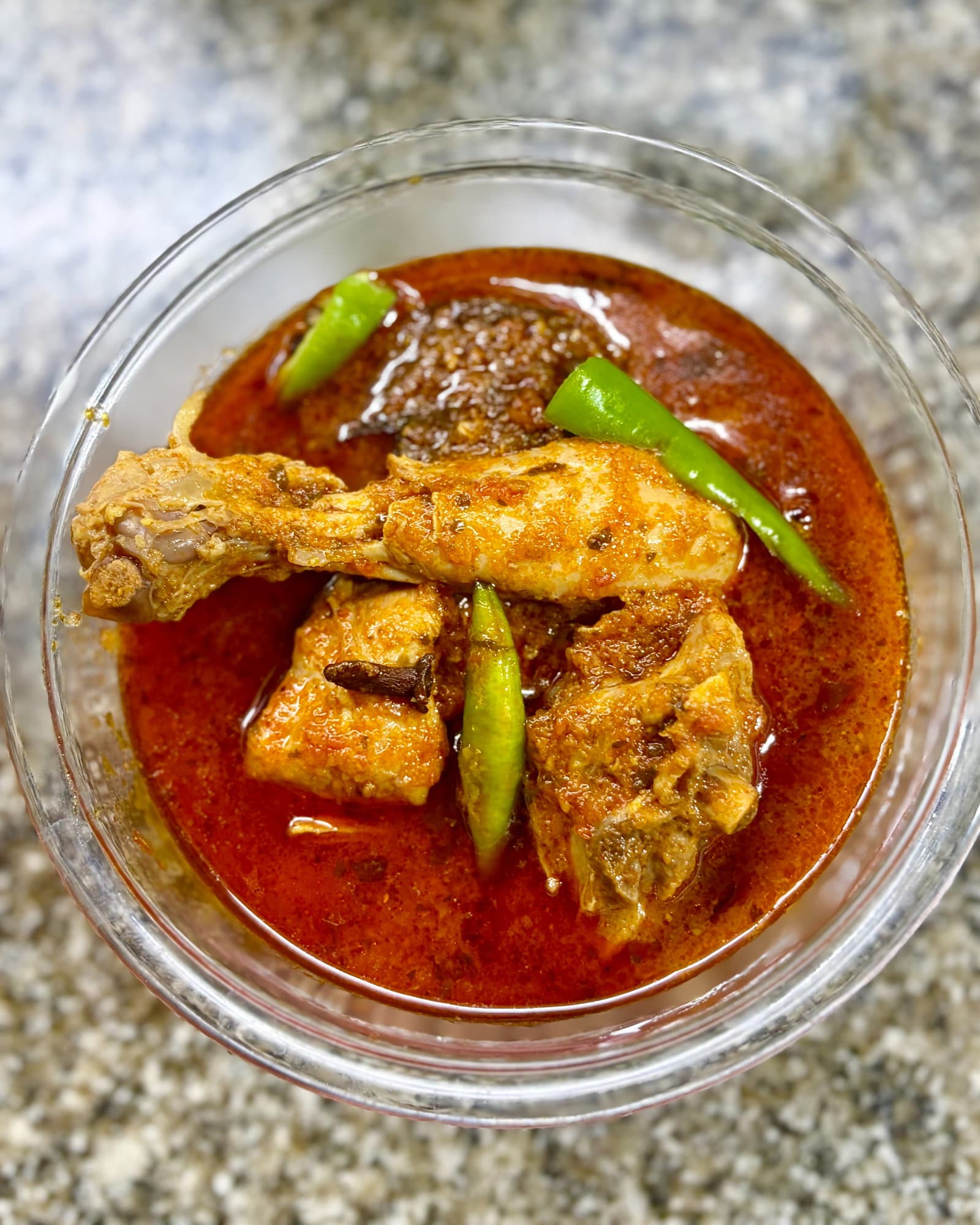
Chicken recipes are the backbone of home cooking the world over, and the dishes below show just how far one ingredient stretches — rich Indian curries, charred tikka and tandoori, crispy fried chicken, rice bowls and biryani, and quick sandwiches and wraps. Rather than ten versions of the same dinner, this is a working spread across cuisines and techniques, all built on the same handful of fundamentals.
What ties great chicken cooking together is understanding the cut and protecting the moisture. Thigh is forgiving and stays juicy through curries and grilling; breast is leaner and dries out fast if you overcook it. Almost every problem people have with chicken — dry, bland, rubbery — comes down to either the wrong cut for the method or a few minutes too long over the heat.
You will find the collection grouped into clusters — curries and gravies, tikka and grilled, fried and crispy, rice bowls and biryani, and sandwiches and wraps. Each leans on the same core moves: season in layers, choose the cut to match the cooking time, and cook to temperature rather than by the clock.
Treat this as a working reference. Each recipe links to full ingredients and steps on Chefadora, and the guides below cover what actually decides whether chicken turns out juicy and flavourful or dry and dull — choosing cuts and handling it safely, brines and marinades, building a curry, and the grilling, frying and roasting methods.
Chicken Curries & Gravies
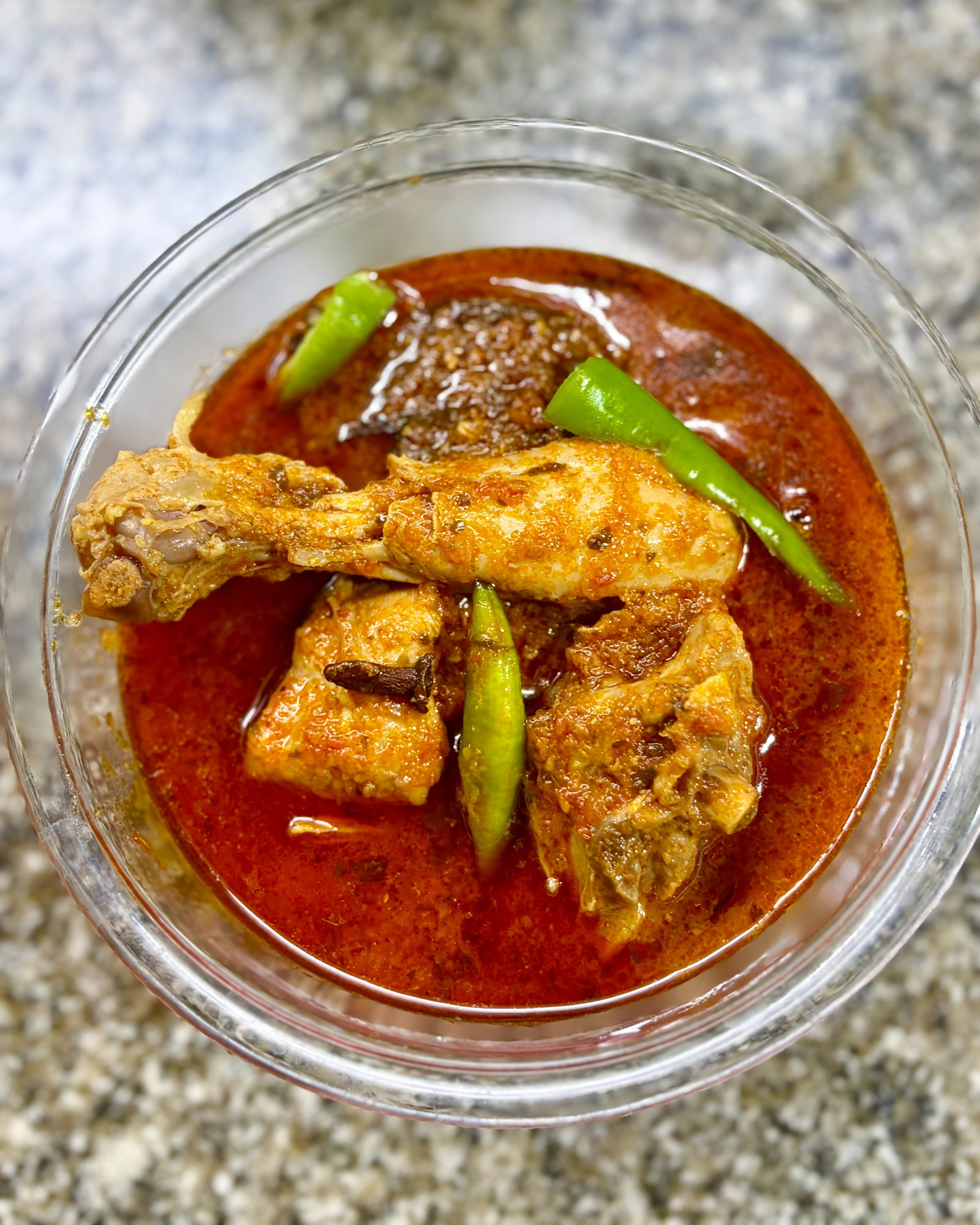
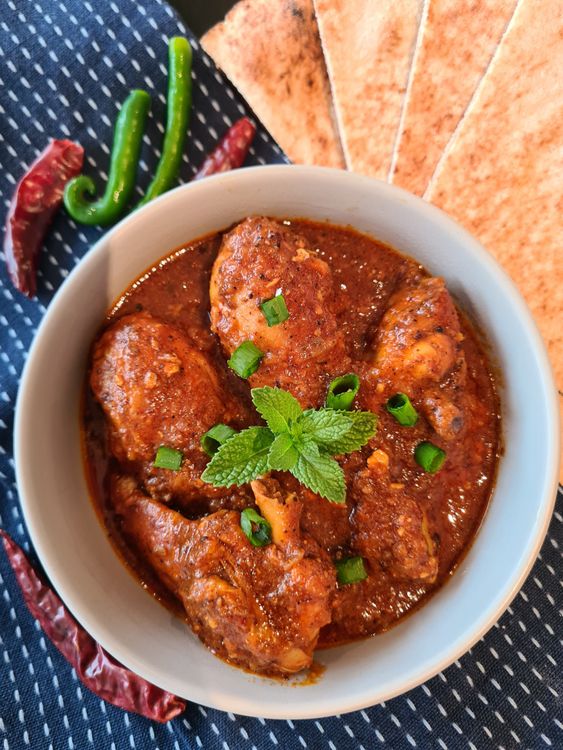
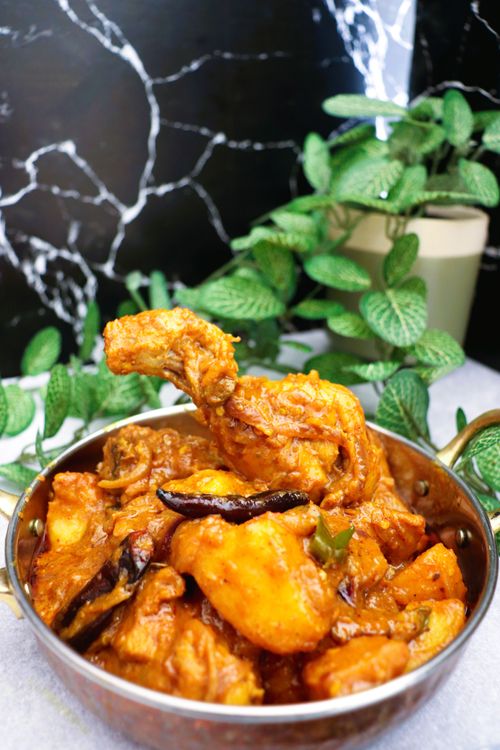
A great chicken curry is built in layers, and the biggest mistake home cooks make is rushing the base. Cook your onions down properly until soft and golden, bloom the ginger, garlic and whole spices in hot fat so they smell cooked rather than raw, and reduce the tomatoes until the oil glistens at the edges before the chicken ever goes in. Bone-in pieces reward this style most, giving the gravy depth and staying juicier than breast through a long simmer. Add the chicken, coat it in the masala, then let it cook gently rather than at a hard boil, which toughens the meat and can split a creamy sauce. From a Goan vindaloo to a Bengali kosha to a simple ghee roast, the spice routes differ but the rhythm is the same: build the base, simmer with patience, and finish with something bright or rich — a squeeze of lime, a swirl of cream, or a scatter of fresh coriander — off the heat. Standouts here include One-Pot Chicken Curry (Pressure Cooked) and Chicken Vindaloo, plus Easy Chicken Kosha (Kosha Murgir Mangsho) – Bengali-Style Curry.

- Non-Vegetarian
- Lunch
- Indian
- Non-Vegetarian
- Lunch
- Bengali
- Non-Vegetarian
- Lunch
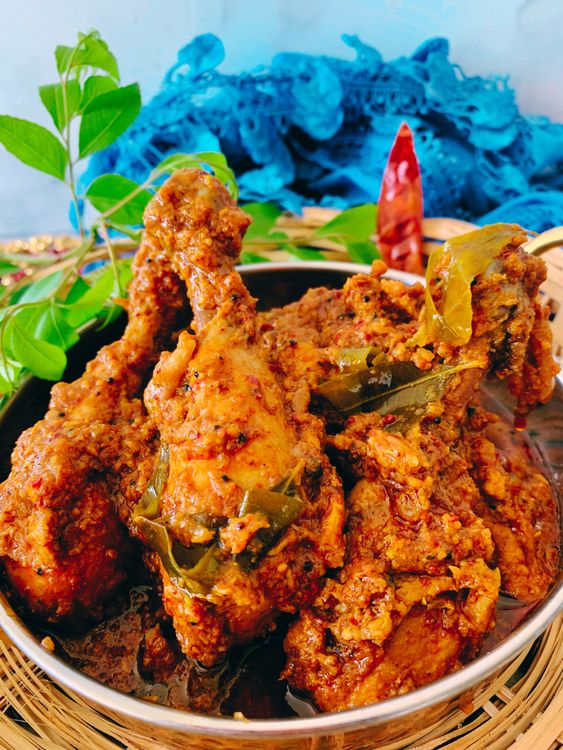
- Indian
- Non-Vegetarian
- Lunch
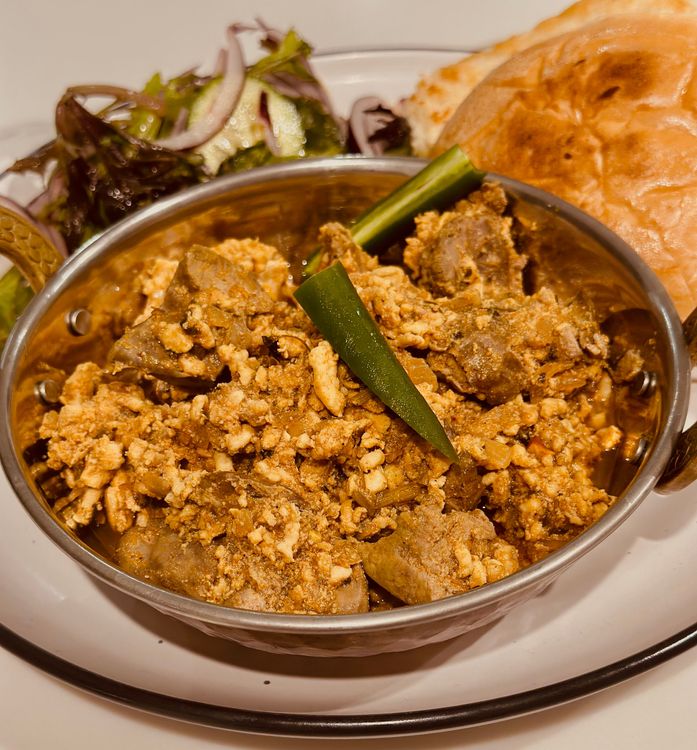
- Indian
- Non-Vegetarian
- Lunch
Tikka, Tandoori & Grilled
Grilled and tandoori-style chicken is all about the marinade and the char. A thick, hung-yogurt marinade does double duty: the acidity and enzymes tenderize the meat while the yogurt clings and helps build that blistered, smoky crust under high heat. Give it time, at least an hour and ideally overnight, and do not skimp on the ginger-garlic, chilli and the little oil that helps it char. Cook it hot and fast, whether on a grill, in a tandoor, under a broiler or in an air fryer, and resist constant flipping so a proper crust can form. The classic error is pulling the chicken too late and drying it out; thighs are far more forgiving than breast, and a thermometer beats guesswork every time. Finish tikka and grilled pieces with a squeeze of lemon, a dusting of chaat masala and a few thin onion rings while everything is still sizzling, so the tang and salt cling to the charred edges. Standouts here include Chicken Wings- Sweet, Spicy n Garlicky and Chicken Teriyaki, plus Chicken Banjara Drumsticks.
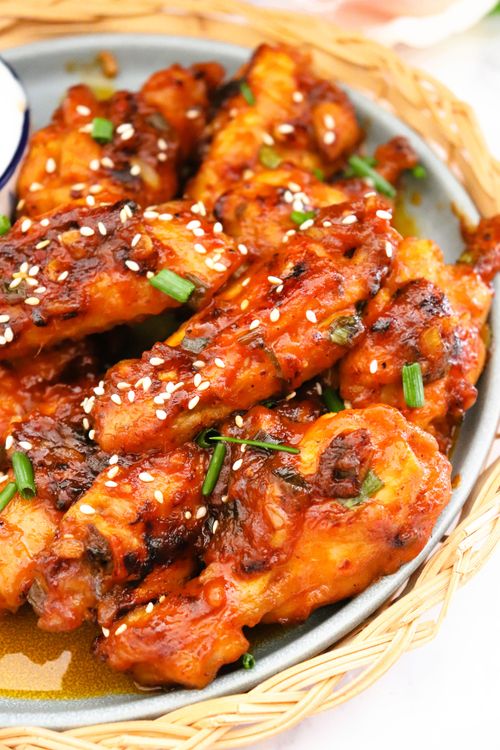
- Asian
- Non-Vegetarian
- Appetiser
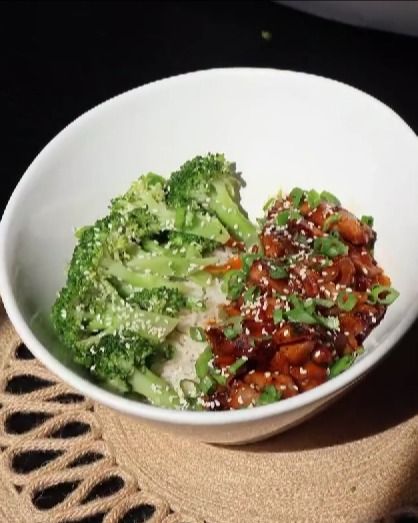

- Japanese
- Non-Vegetarian
- Lunch
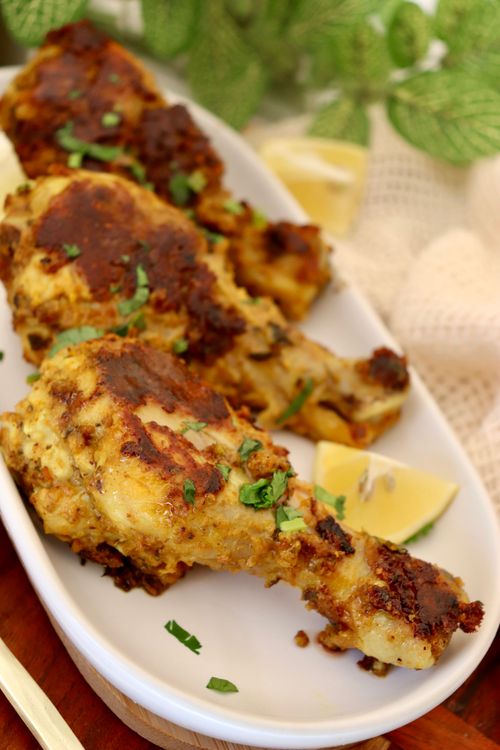
- Indian
- Gluten-Free
- Lunch
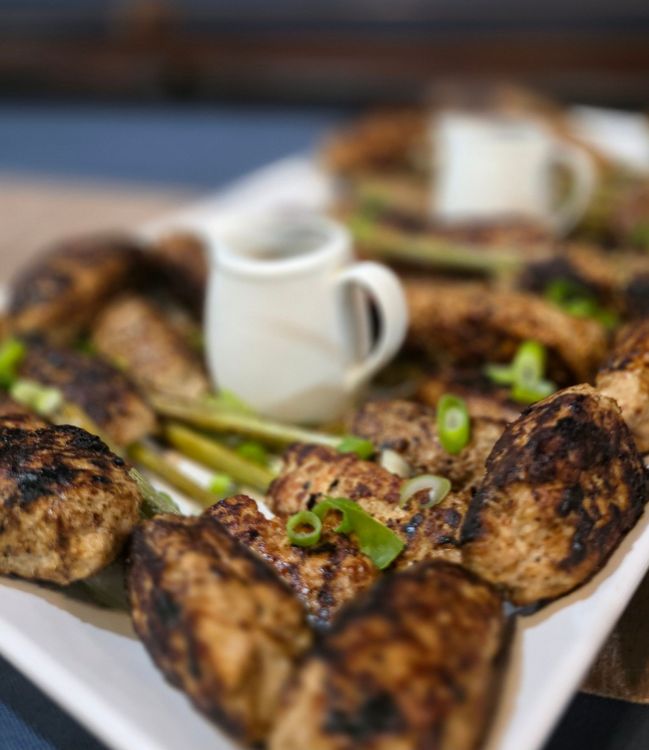

- Southeast Asian
- Non-Vegetarian
- Dinner
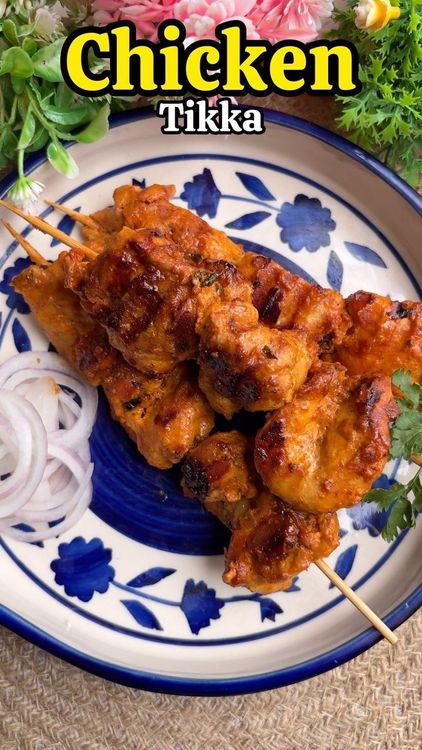

- Indian
- Non-Vegetarian
- Lunch
Fried & Crispy Chicken
Crispy fried chicken lives and dies on two things: a dry, well-seasoned coating and properly hot oil. Pat the chicken dry, season it in stages, and dredge firmly so the crust grips — whether you are building a Western buttermilk-and-flour crust, an Indo-Chinese cornflour batter, or a parmesan crumb for a parm. Hold the oil steady around 170 to 180C; too cool and the coating drinks oil and goes greasy, too hot and the outside burns before the inside cooks through. Fry in small batches so the temperature does not crash, and rest the pieces on a rack rather than paper so steam escapes and they stay crunchy. For baked or air-fried versions, a spritz of oil over the coating is what turns it golden. The frequent slip is crowding the pan and skipping the rest; give each piece room and a minute to drain, and the crust stays shatteringly crisp. Standouts here include Chicken Parmigiana and Chicken Parm Sandwich, plus Chicken Parmesan.
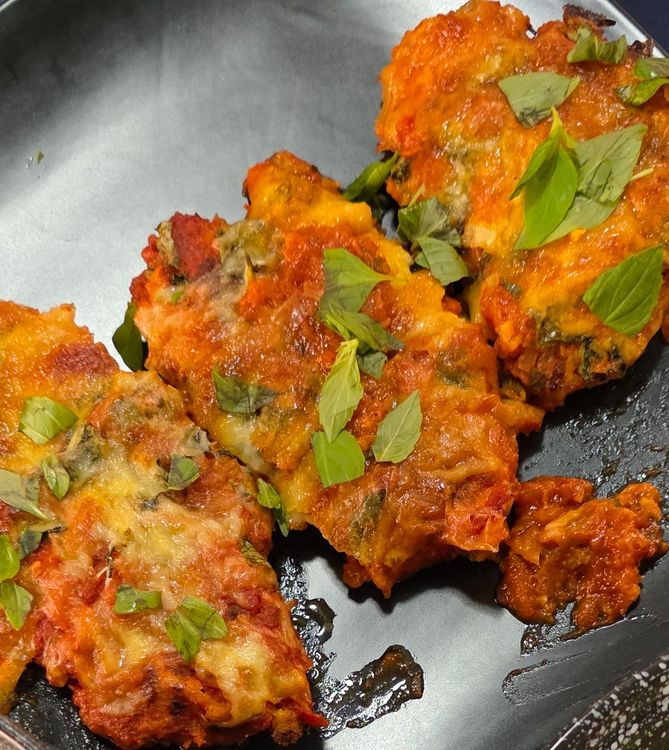
- Italian
- Non-Vegetarian
- Lunch


- Italian
- Non-Vegetarian
- Dinner
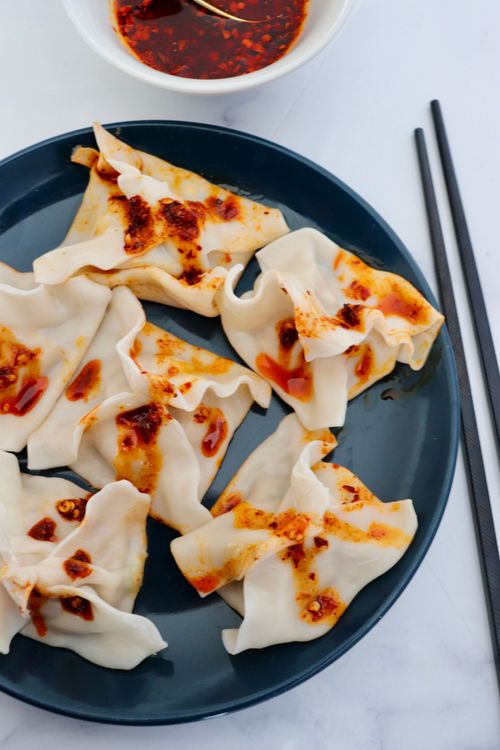
- Chinese
- Non-Vegetarian
- Appetiser


- Italian
- Non-Vegetarian
- Dinner
Chicken Rice, Bowls & Biryani
When chicken anchors a bowl of rice you get some of the most satisfying one-dish cooking around, from a layered biryani to a quick teriyaki rice bowl to a comforting chicken-and-rice soup. The principle across all of them is to cook the chicken and the rice so each is at its best, then bring them together. For biryani, par-cook the rice to about seventy percent and layer it over the marinated, partly-cooked chicken so it finishes gently on a low dum. For rice bowls, sear or roast the chicken separately and pile it over fluffy, seasoned rice with a punchy sauce and something fresh on top. The usual mistake is boiling the rice to mush or letting the chicken dry out in the name of one-pot convenience; treat the two components with the attention they each need and the dish comes together far better. A squeeze of acid and a scatter of fresh herbs at the end lift the whole bowl. Standouts here include Chicken Street Corn Rice Bowl and Chicken Pot Pie, plus Chicken Burrito Bowl.


- Non-Vegetarian
- Main Course


- Non-Vegetarian
- Main Course
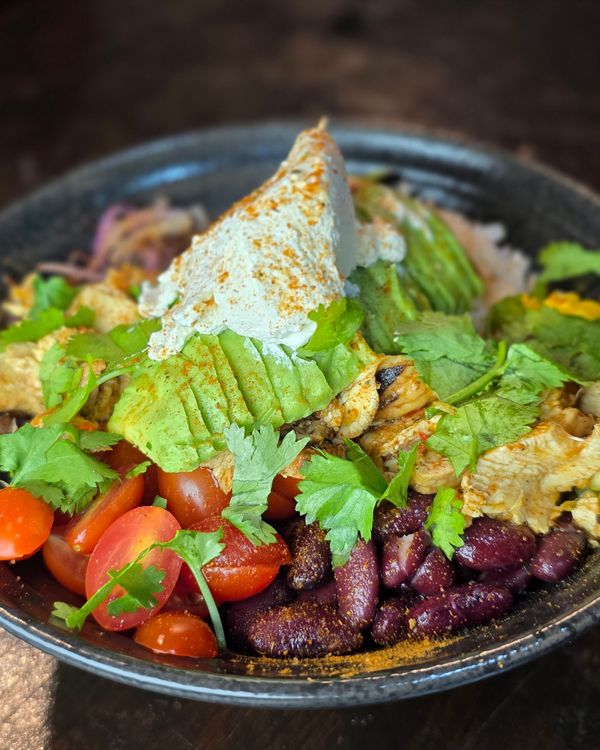
- Mexican
- Non-Vegetarian
- Lunch
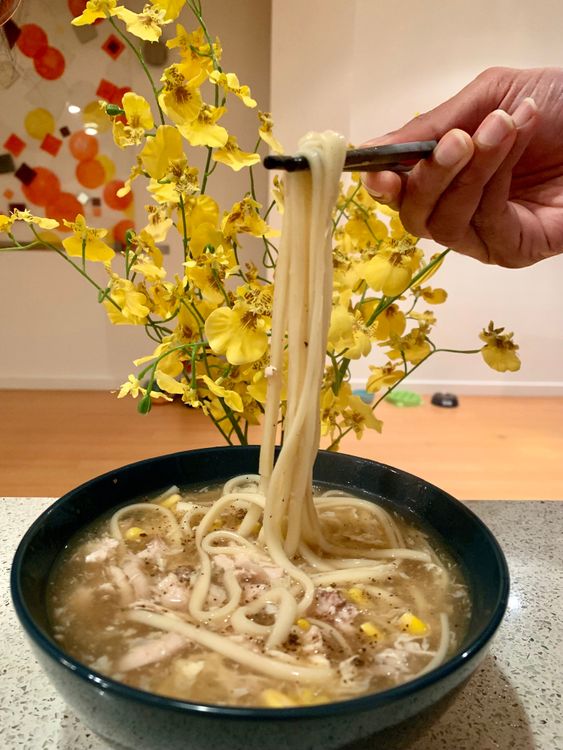
- Chinese
- Non-Vegetarian
- Appetiser
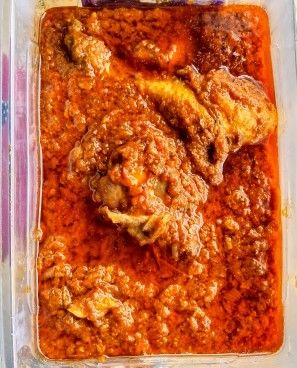

- Nigerian
- Non-Vegetarian
- Main Course
Sandwiches, Wraps & Tacos
Chicken between bread or folded into a wrap is weeknight cooking at its most useful, and the difference between good and great is moisture and contrast. Keep the chicken juicy — whether it is shredded from a poached breast, sliced off a grilled thigh, or crisp-fried for a parm or a katsu sando — and balance it with something crunchy and something tangy so each bite has texture and lift. Warm the bread or flatbread briefly so it folds without cracking and does not go soggy under the filling. For shawarma, gyro and taco styles the marinade carries the flavour, so lean into the spice and finish with a bright sauce, a yogurt-garlic drizzle, a squeeze of lime, a quick slaw. The common error is overstuffing, which makes everything slide out and turns the bread to mush; keep fillings tidy, sauces controlled, and assemble just before eating so nothing wilts. Standouts here include Chicken Tortilla Wraps and Chicken Gyro, plus Chicken Tacos.
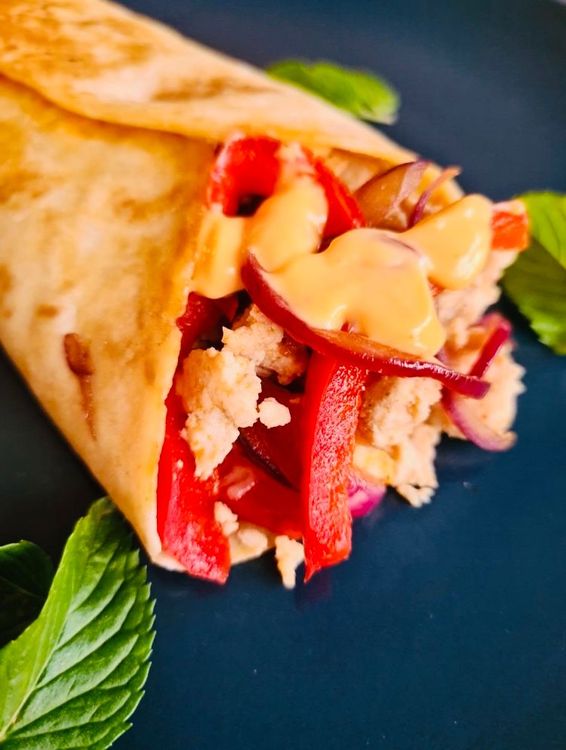
- Non-Vegetarian
- Breakfast
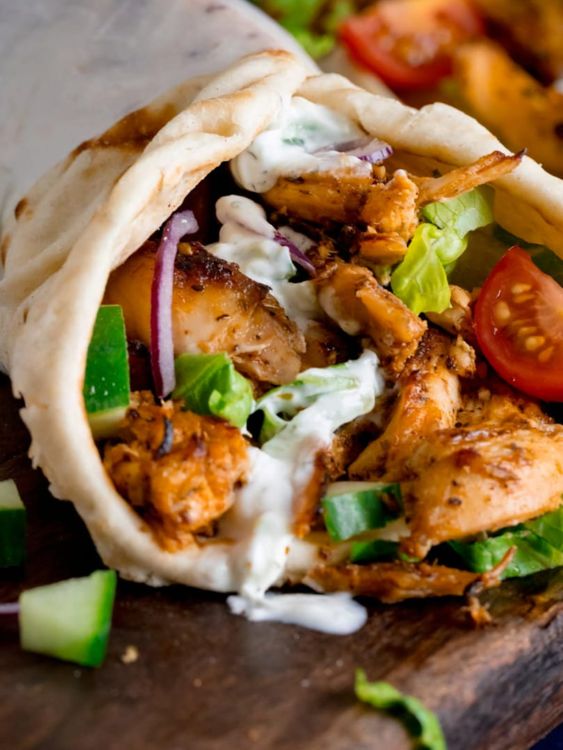
- Greek
- Nut-Free
- Lunch
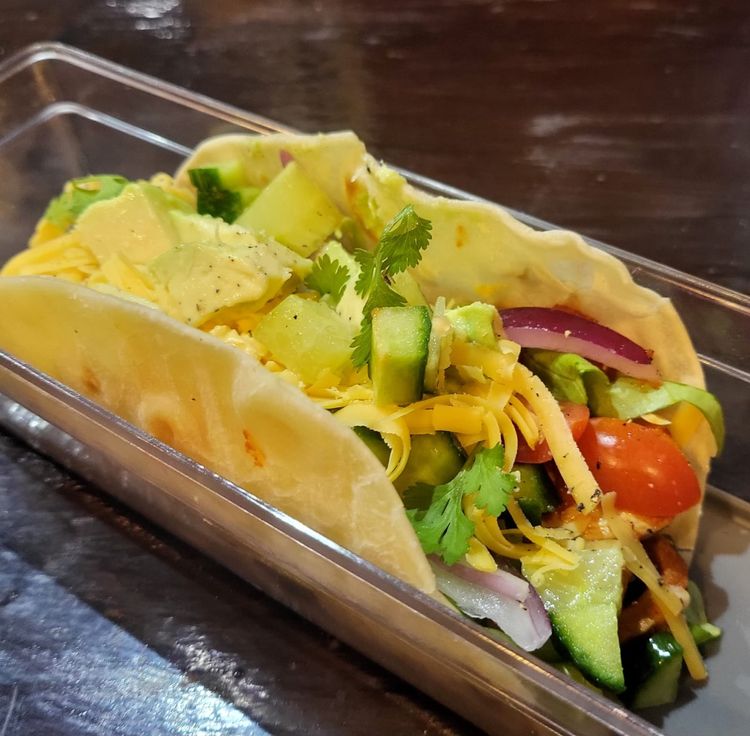
- Mexican
- Non-Vegetarian
- Lunch

- Non-Vegetarian
- Street Food


- Non-Vegetarian
- Lunch
More Chicken Favourites
Once the core techniques are in hand, chicken opens up into almost endless directions, and this group gathers the ones that do not fit neatly elsewhere — from meatballs and keema to stews, bakes and global one-offs. They all rest on the same fundamentals you already know: choose the right cut for the cooking time, keep the meat from drying out, and season in layers rather than only at the end. Picking your next cook is mostly about matching effort to the evening: a quick fry or tray bake on a busy night, a slow-built stew or a layered bake when you have time to spare. Pay attention to internal temperature rather than the clock, since breast and thigh behave very differently, and let cooked chicken rest a few minutes so the juices settle. Think of this as the natural next step after the staples, the recipes that quietly earn a regular spot once you have tried them. Standouts here include Chicken Saute and Chicken Pudina, plus CHEESY CHICKEN FINGERS.
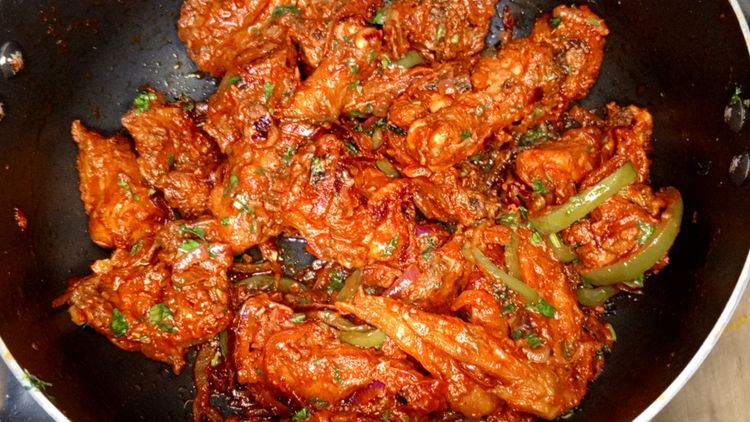
- African
- Non-Vegetarian
- Lunch
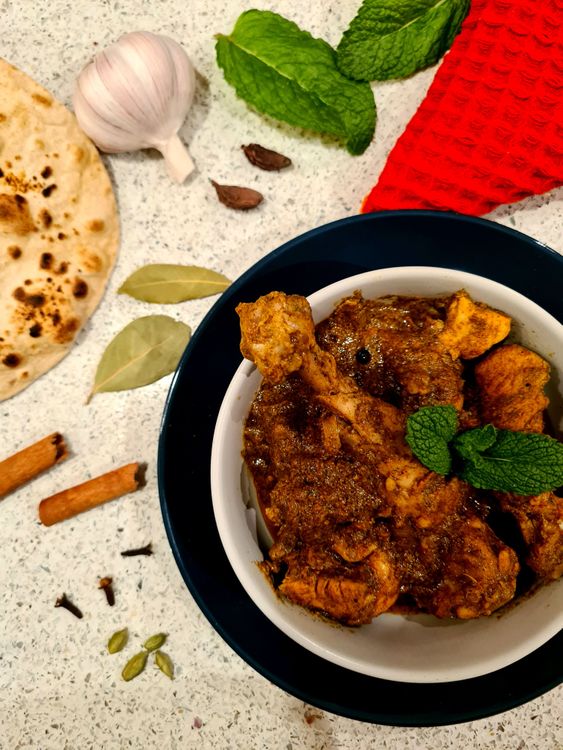
- Indian
- Non-Vegetarian
- Lunch
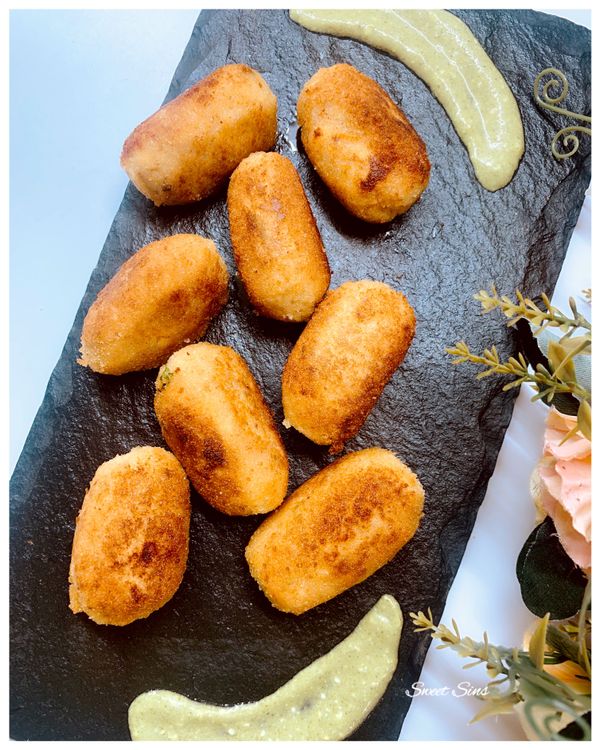

- Indian
- Non-Vegetarian
- Snack
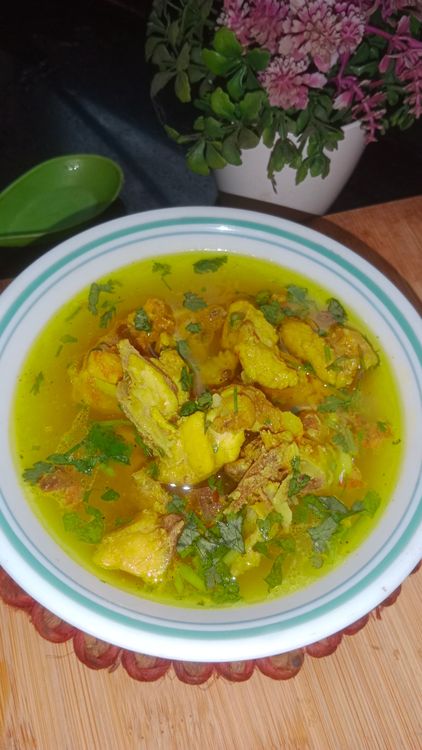

- Indian
- Non-Vegetarian
- Dinner

- Gluten-Free
- Main Course
Choosing Cuts and Handling Chicken Safely
Match the cut to the method. Bone-in, skin-on thighs and drumsticks are the most forgiving — they stay juicy through long curries, roasting and grilling and are hard to overcook. Boneless breast is leaner and quicker but unforgiving; it suits fast, gentle cooking and benefits from pounding to an even thickness so it cooks uniformly. Wings are for grilling and frying, and a whole bird rewards roasting.
Handle raw chicken safely. Keep it cold until you cook it, use a separate board and knife, and wash your hands and surfaces after contact. Skip rinsing raw chicken under the tap — it does not remove bacteria and just splashes them around the sink. Marinate in the fridge, never on the counter, and discard any marinade that touched raw meat unless you boil it first.
The single most reliable tool is an instant-read thermometer. Chicken is safely cooked at an internal 74C/165F; pull it a couple of degrees early and let carryover finish it, because the temperature keeps climbing as it rests. Guessing by time alone is what leads to either underdone centres or dried-out meat, since pieces vary so much in thickness.
Keeping Chicken Juicy: Brines and Marinades
A brine is the surest route to juicy chicken, especially for lean breast. Even a quick thirty-minute soak in salted water (or a wet brine with sugar and aromatics) helps the meat hold moisture as it cooks. For a faster version, simply salt the chicken well and let it sit uncovered in the fridge for an hour or more — a dry brine that seasons deeply and crisps the skin.
Marinades add flavour and, when they contain acid or yogurt, a little tenderizing. Yogurt-based marinades are ideal for tikka and tandoori because they cling and char beautifully; oil-based ones carry fat-soluble spice flavour. Give marinades time — an hour minimum, overnight for the best results — but do not leave highly acidic marinades on too long, as they can turn the surface mushy.
However you season it, dry the surface before it hits the heat. A wet surface steams and refuses to brown, so pat marinated chicken just-tacky rather than dripping. And always rest cooked chicken for a few minutes before cutting, so the juices redistribute instead of running out onto the board.
Building a Chicken Curry
Most great chicken curries start the same way: onions cooked down slowly until soft and golden, ginger and garlic bloomed in the fat, and whole and ground spices toasted until fragrant so they taste cooked rather than raw. Then tomatoes (or yogurt, or coconut) reduced until the oil separates at the edges — the visual cue that the base is properly cooked. Rushing this stage is the biggest reason a home curry tastes flat.
Bone-in pieces give the best curry, adding body to the gravy and staying juicy through the simmer. Brown the chicken in the masala to coat it, then cook it gently — a steady simmer, not a hard boil, which toughens the meat and can split a cream- or yogurt-based sauce. Add just enough liquid to cook it through; a curry should cling, not drown.
Finish with balance and freshness off the heat. A squeeze of lime or a splash of vinegar lifts a rich gravy, a little cream or cashew paste rounds it, kasuri methi crushed between the palms adds aroma, and fresh coriander brightens the top. Curries also improve overnight as the spices meld, so they make excellent make-ahead meals.
Grilling, Frying and Roasting
For grilling and tandoori, cook hot and fast and let a crust form before turning. Thighs forgive the high heat; breast needs a closer eye. Two-zone cooking helps on a grill — sear over direct heat, then finish over indirect so the inside cooks through without the outside burning. Baste in the last few minutes rather than the first, so sugary marinades do not scorch.
For frying, hold the oil at 170 to 180C and cook in small batches so the temperature stays up; a dry, firmly-pressed coating and a rest on a rack keep it crisp. For roasting a whole bird or pieces, start hot to brown, then let it cook through, and rest it well before carving. An air fryer crisps wings and pieces beautifully with little oil.
Whatever the method, the finish line is temperature, not colour or time. Pull chicken at 74C/165F, rest it, and only then cut. The combination of the right cut, a brine or marinade, and a thermometer is what consistently turns out chicken that is browned outside and juicy within.
Pro Tips from the Test Kitchen
- Use a thermometer: chicken is done at 74C/165F. Pull it a touch early and let it rest.
- Thigh forgives overcooking; breast does not — match the cut to the method.
- Brine lean breast (even 30 minutes in salted water) to keep it juicy.
- Do not rinse raw chicken — it spreads bacteria without removing them.
- Pat the surface dry before cooking so it browns instead of steaming.
- Cook curry chicken at a gentle simmer, not a hard boil, to keep it tender.
- Marinate tikka in thick hung yogurt overnight for the best char and tenderness.
- Fry at a steady 170–180C in small batches so the coating crisps instead of soaking oil.
- Reduce the curry base until the oil separates before adding the chicken — that is the flavour cue.
- Rest cooked chicken a few minutes before cutting so the juices stay in the meat.
Frequently Asked Questions
What temperature should chicken be cooked to?
An internal 74C/165F, measured at the thickest part with an instant-read thermometer, is the safe target. Pull the chicken a degree or two early and let it rest, because carryover heat keeps the temperature climbing for a few minutes. Cooking to temperature rather than by the clock is the single best way to avoid both underdone centres and dried-out meat, since pieces vary so much in size.
How do you keep chicken breast from drying out?
Three things: brine or salt it ahead, pound it to an even thickness so it cooks uniformly, and cook it to temperature, not time, pulling it at 74C/165F and resting it. Breast is lean and overcooks fast, so gentle, watchful cooking matters. For curries and stews, thigh is a more forgiving choice that stays juicy through a long simmer.
Should you wash chicken before cooking?
No. Rinsing raw chicken does not remove bacteria — cooking does — and the splashing spreads them around your sink and worktop. Just pat the chicken dry with paper towels (which also helps it brown), and focus on safe handling: a separate board, clean hands and surfaces, and cooking to the right internal temperature.
Is thigh or breast better for curry?
Thigh, in most cases. Bone-in thigh stays juicy and tender through the long, gentle simmer a curry needs, and it adds body and flavour to the gravy. Breast can dry out and turn stringy in a curry unless you add it late and watch it closely. For grilling and quick pan dishes, breast works well; for anything slow and saucy, reach for thigh.
How long should you marinate chicken?
At least an hour for flavour, and overnight for the best results with yogurt- or spice-based marinades, which tenderize as well as season. Avoid leaving chicken in a highly acidic marinade (lots of lemon or vinegar) for more than a few hours, as the acid can turn the surface mushy. Always marinate in the fridge, never at room temperature.
How do you get crispy fried chicken?
Start with a dry surface and a firmly-pressed, well-seasoned coating, then fry in oil held steady at 170 to 180C. Too cool and the crust soaks up oil and goes greasy; too hot and it burns before the inside cooks. Fry in small batches so the temperature does not crash, and rest the pieces on a wire rack, not paper, so steam escapes and they stay crunchy.
What are the most popular chicken dishes?
Across cuisines: butter chicken, chicken tikka masala, chicken curry and tandoori chicken lead the Indian table; fried chicken, chicken parmesan and grilled chicken are Western staples; and teriyaki, shawarma, biryani and chicken wings span the globe. This collection covers curries, grilled and tandoori, fried and crispy, rice bowls and biryani, and sandwiches and wraps.
Can you cook chicken from frozen?
You can, but it takes roughly fifty percent longer and cooks less evenly, so it suits stews, soups and the oven more than grilling or frying. For the best texture, thaw chicken fully in the fridge first. Never thaw it on the counter, where the surface warms into the bacterial danger zone while the centre is still frozen.
How do you make chicken curry taste restaurant-style?
Build the base properly: cook the onions down until deeply golden, bloom the spices in fat, and reduce the tomatoes until the oil separates. Use bone-in chicken, simmer gently, and finish with the restaurant touches — a little cream or cashew paste for body, kasuri methi for aroma, and a final tempering or a squeeze of lime. Letting it rest, even overnight, deepens the flavour.
What sides go well with chicken?
It depends on the dish: curries want rice, naan or roti and a cooling raita; grilled and tandoori chicken pair with mint chutney, sliced onion and lemon; fried chicken loves slaw and fries; and rice bowls come complete on their own. A fresh salad or pickled onions adds the acidity that cuts through richer preparations.
The thread through every chicken recipe here is the same: pick the cut to suit the method, protect the moisture with a brine or marinade, season in layers, and cook to temperature rather than the clock. Get those right and curries, grilled tikka, crispy fried chicken and one-pot rice dishes all come out juicy, browned and full of flavour.
Pick a few to cook this week — a rich curry, a plate of grilled tikka and something quick — and save your favourites to a Chefadora cookbook. Then work through the rest; this page is built to be the chicken reference you keep coming back to.
Related
- Chicken
- Curry
- Tikka
- Grilled
- High protein
- Dinner
- Non-veg
Popular Searches
- Best chicken recipes
- Easy chicken recipes
- Quick chicken recipes
- Healthy chicken recipes
- Simple chicken recipes
- Homemade chicken recipes
- Delicious chicken recipes
- Popular chicken recipes
- chicken curry
- chicken tikka
Marnirni-apinthi Building, Lot Fourteen,
North Terrace, Adelaide, South Australia, 5000
Australia
