
Top 25 Milkshake Recipes: Chocolate, Fruit, Nutty and Wholesome Shakes
Updated July 2, 2026 · Curated by Chefadora

Milkshake recipes are the simplest kind of indulgence: cold milk blended with fruit, chocolate or nuts until thick, smooth and just sweet enough. This collection covers the full range — rich chocolate and coffee shakes, nutty badam and pistachio versions, fresh fruit milkshakes and a set of dry-fruit and wholesome shakes built to double as a filling snack — rather than sticking to one or two familiar flavours.
Learning how to make a milkshake properly comes down to a handful of small decisions: how cold your ingredients are, how much ice versus milk you use, and how long you blend. Get those right and almost any combination of fruit, chocolate or nuts turns into something thick and genuinely creamy rather than thin and watery, which is the single most common milkshake mistake home cooks run into.
Below are four clusters: chocolate and coffee shakes for a classic dessert-style treat, badam, almond and pistachio milkshakes for something richer and nuttier, fresh fruit milkshakes built around whatever is in season, and dry-fruit and wholesome shakes that lean into nutrition as much as flavour. Many of these swap in dates, jaggery or dried fruit for refined sugar, making them easy to adapt for kids or a lighter everyday drink. A good number of recipes here also double as breakfast or a post-workout drink, since a milkshake can carry real protein and fibre just as easily as it carries sugar.
Treat this page as a working reference for milkshake technique as much as a list of flavours to try. Every recipe links through to full ingredients and method on Chefadora, and the guides below cover what actually decides whether a milkshake turns out thick and smooth or thin and separated — how to chill your ingredients, how much ice to use, how to blend for the right consistency, and how to build in extra nutrition without losing flavour.
Chocolate & Coffee Milkshakes
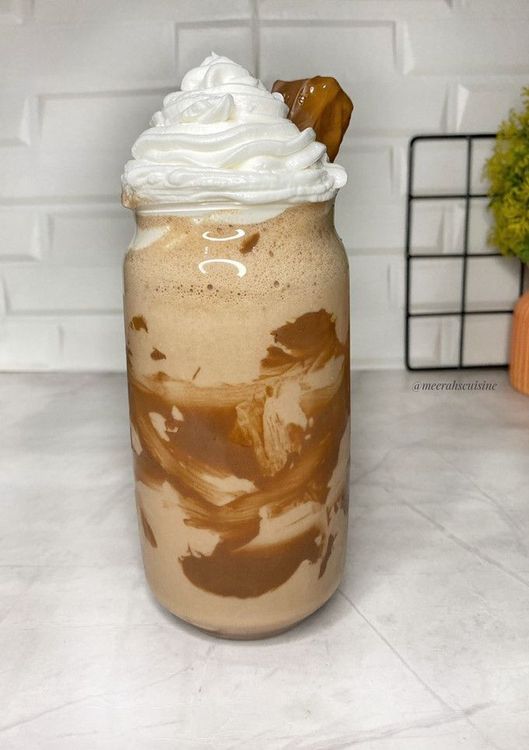
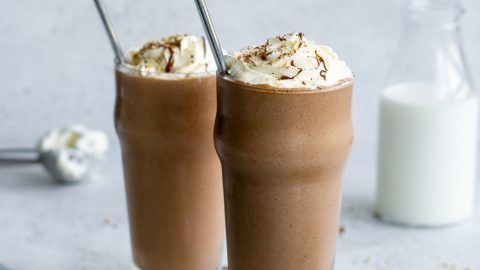
Chocolate and coffee milkshakes are the classic dessert-style shake, built on cocoa powder, melted chocolate or brewed coffee blended with cold milk and ice cream or frozen banana for body. The main thing that separates a good chocolate milkshake from a flat one is using real cocoa or good chocolate rather than a thin, overly sweet syrup, which tends to taste watered-down once it is diluted by milk and ice — cocoa powder in particular gives a deeper, more genuine chocolate flavour for less added sugar. Coffee milkshakes, including versions built around a chocolate bar, work the same way: brewed coffee or espresso, cooled first so it does not melt your ice or ice cream on contact, blended in alongside milk and a sweetener. A pinch of salt in either style sharpens the flavour and makes the sweetness read as more balanced rather than one-note. These shakes lean toward dessert more than the fruit or wholesome clusters on this page, and they are the ones most worth reaching for when you want something that genuinely feels indulgent rather than merely refreshing. Standouts here include KitKat Coffee Milkshake and Chocolate Milkshake, plus Simple and Easy Chocolate Milkshake.


- American
- Vegetarian
- Beverage

- American
- Vegetarian
- Snack

- American
- Vegetarian
- Beverage
- American
- Vegetarian
- Snack
Badam, Almond & Pistachio Milkshakes
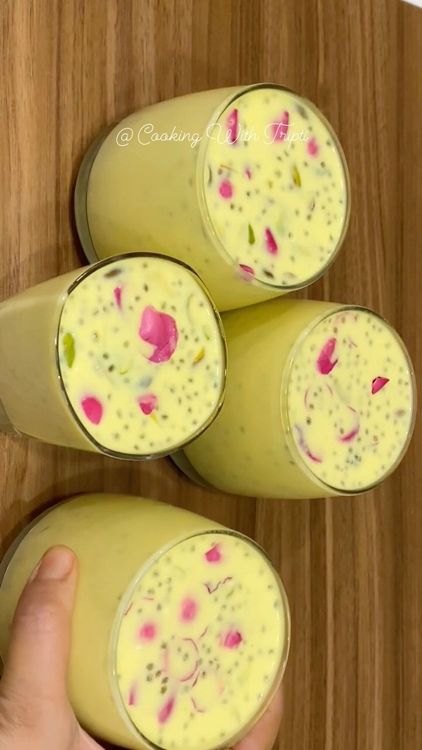
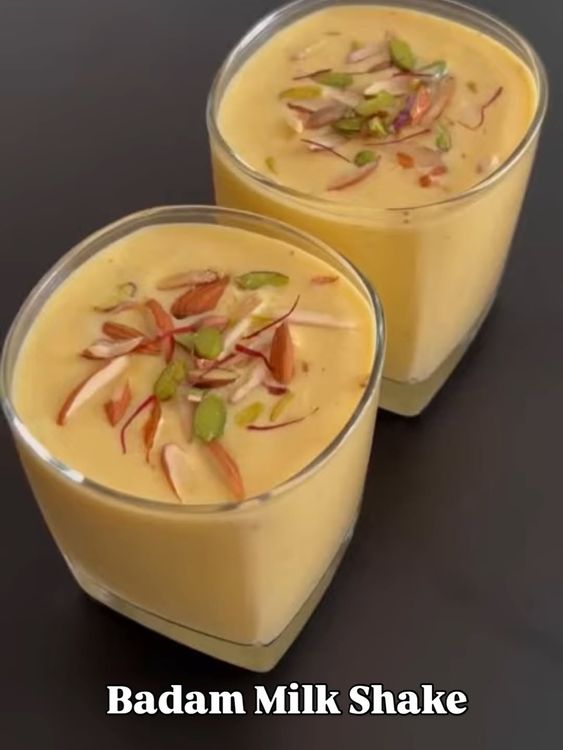
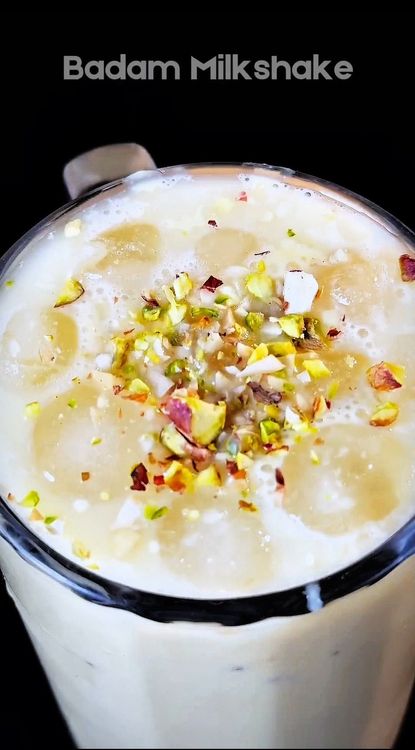
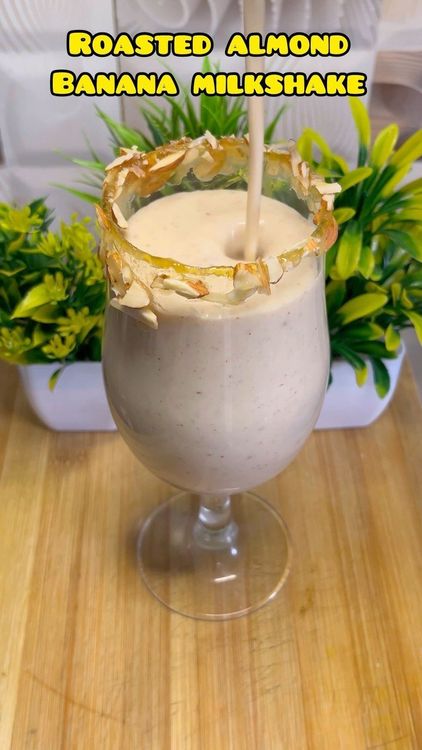
Badam, almond and pistachio milkshakes bring a distinctly Indian take to the nutty milkshake, built on soaked, blended nuts rather than a nut butter or syrup, which gives a naturally rich, slightly grainy-in-a-good-way texture once properly blended. Soaking almonds and pistachios for several hours or overnight before blending is the single step that makes the biggest difference here — unsoaked nuts blend unevenly and can leave a gritty residue no matter how powerful your blender is, while soaked nuts break down smoothly and release more of their flavour into the milk. Many recipes in this cluster also include a custard base or a touch of saffron and cardamom, closer in spirit to a chilled dessert than a straightforward fruit shake, and they are often served at celebrations or as a rich treat rather than an everyday cooler. Roasted almond and banana combinations show up here too, pairing the nuttiness of badam with banana's natural thickness and sweetness. These are the milkshakes to reach for when you want something that feels closer to a dessert in a glass, with genuine nutritional substance from the nuts themselves alongside the indulgence. Standouts here include Refreshing Pistachio and Basil Seed Milkshake and Creamy Badam Custard Milkshake, plus Classic Badam Milkshake Recipe.

- Indian
- Vegetarian
- Snack
- Indian
- Vegetarian
- Snack
- Indian
- Vegetarian
- Snack
- International
- Vegetarian
- Beverage
Fruit Milkshakes
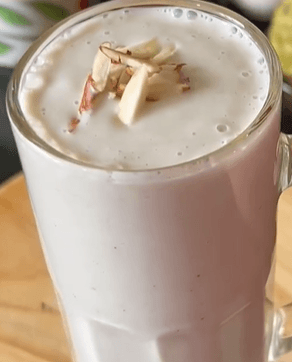
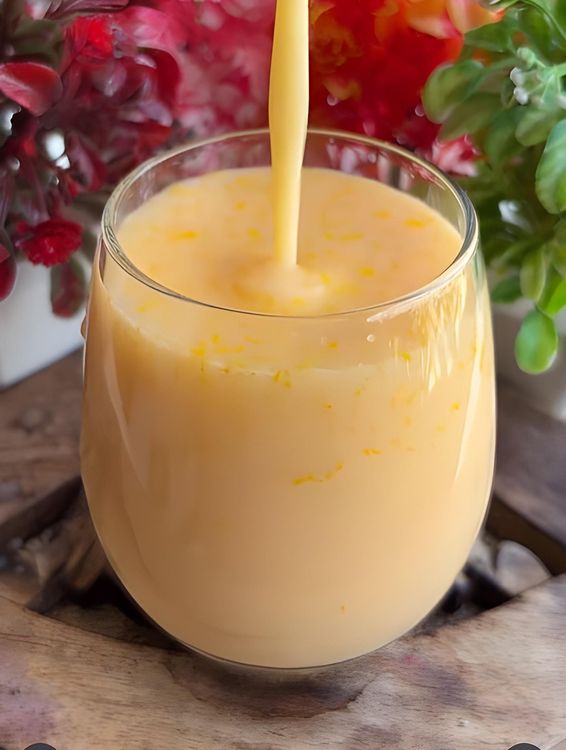
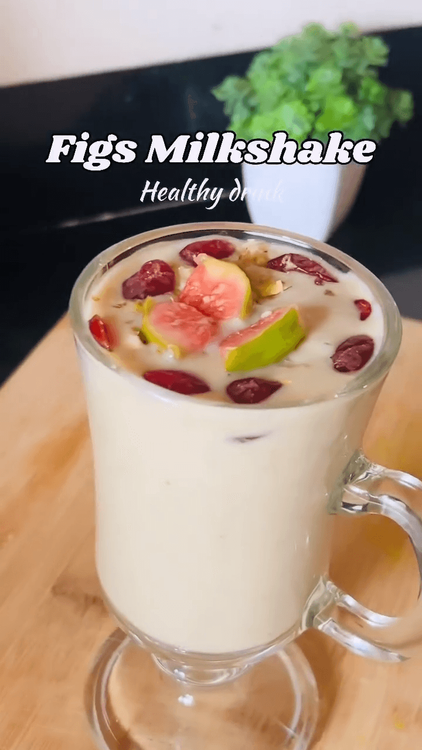
Fruit milkshakes are the broadest and most seasonal cluster here, spanning everything from a classic strawberry shake to custard apple, chikoo and even melon versions that make the most of whatever fruit is ripe and in season. The technique stays consistent across all of them: chilled or frozen fruit blended with cold milk and a modest amount of sweetener, tasting and adjusting as you go since ripe fruit varies considerably in natural sweetness from one batch to the next. Softer, juicier fruit like strawberry blends almost instantly, while fruit like chikoo or custard apple benefits from being mashed or puréed first to break down any fibrous bits before it goes into the blender with everything else. Banana shows up across several of these recipes too, less as the star flavour and more as a natural thickener that smooths out the texture of tarter or waterier fruit. Because fruit milkshakes lean on the fruit itself for both flavour and sweetness, they are naturally more forgiving to make lighter or healthier than a chocolate or ice-cream-based shake, without losing the cold, thick, genuinely refreshing quality that makes a milkshake a milkshake in the first place. Standouts here include Custard Apple Milkshake No Sugar, No Milk and Strawberry Royale | Seasonal Shake, plus Viral Sitaphal (Custard Apple) Milkshake.
- Indian
- Vegan
- Snack


- International
- Vegetarian
- Dessert
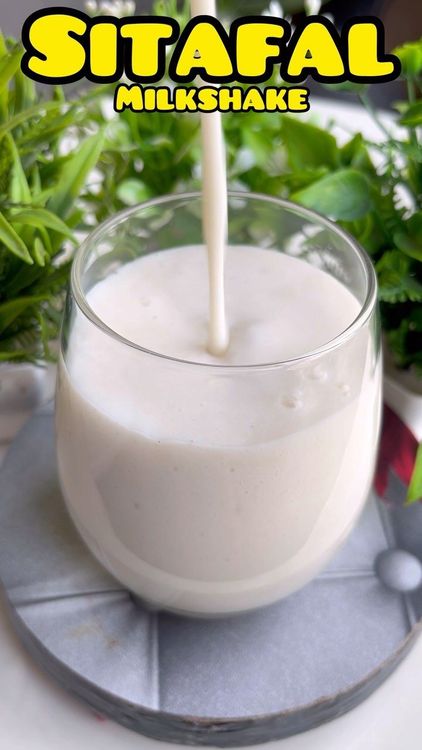
- Indian
- Vegetarian
- Beverage
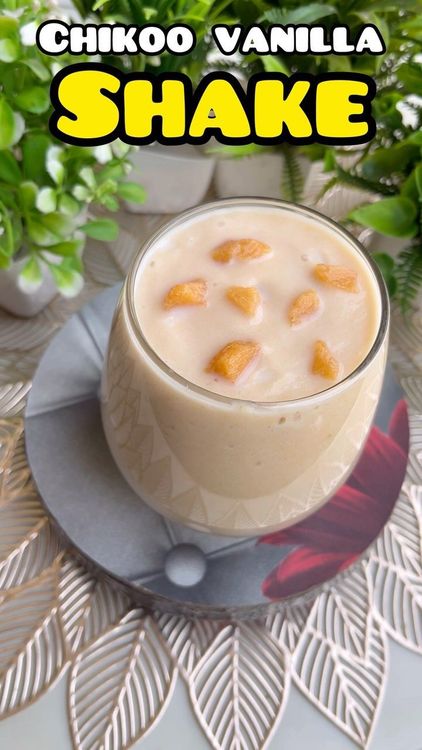
- Indian
- Vegetarian
- Beverage
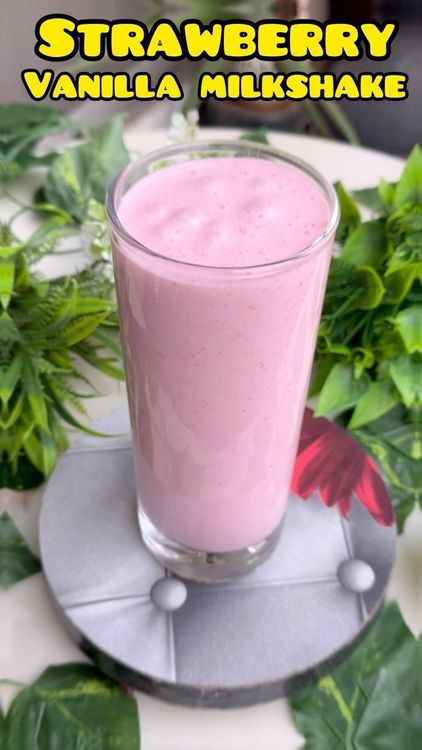
- American
- Vegetarian
- Beverage
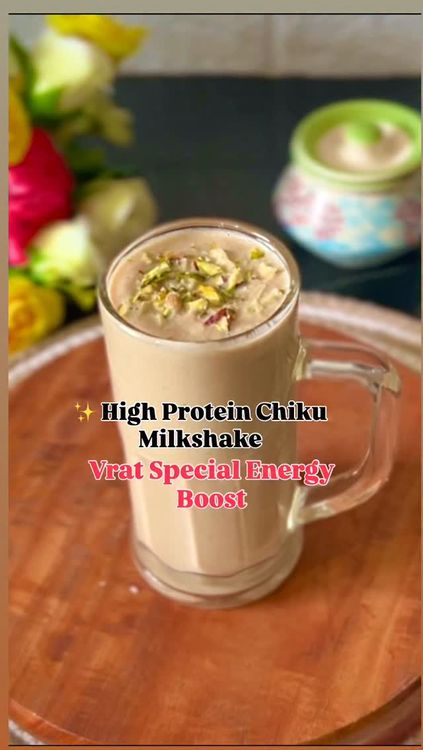
- Indian
- Vegetarian
- Breakfast
- Indian
- Vegetarian
- Snack
- Healthy
- Vegetarian
- Snack
- Middle Eastern
- Vegetarian
- Snack
Dry Fruit & Wholesome Milkshakes
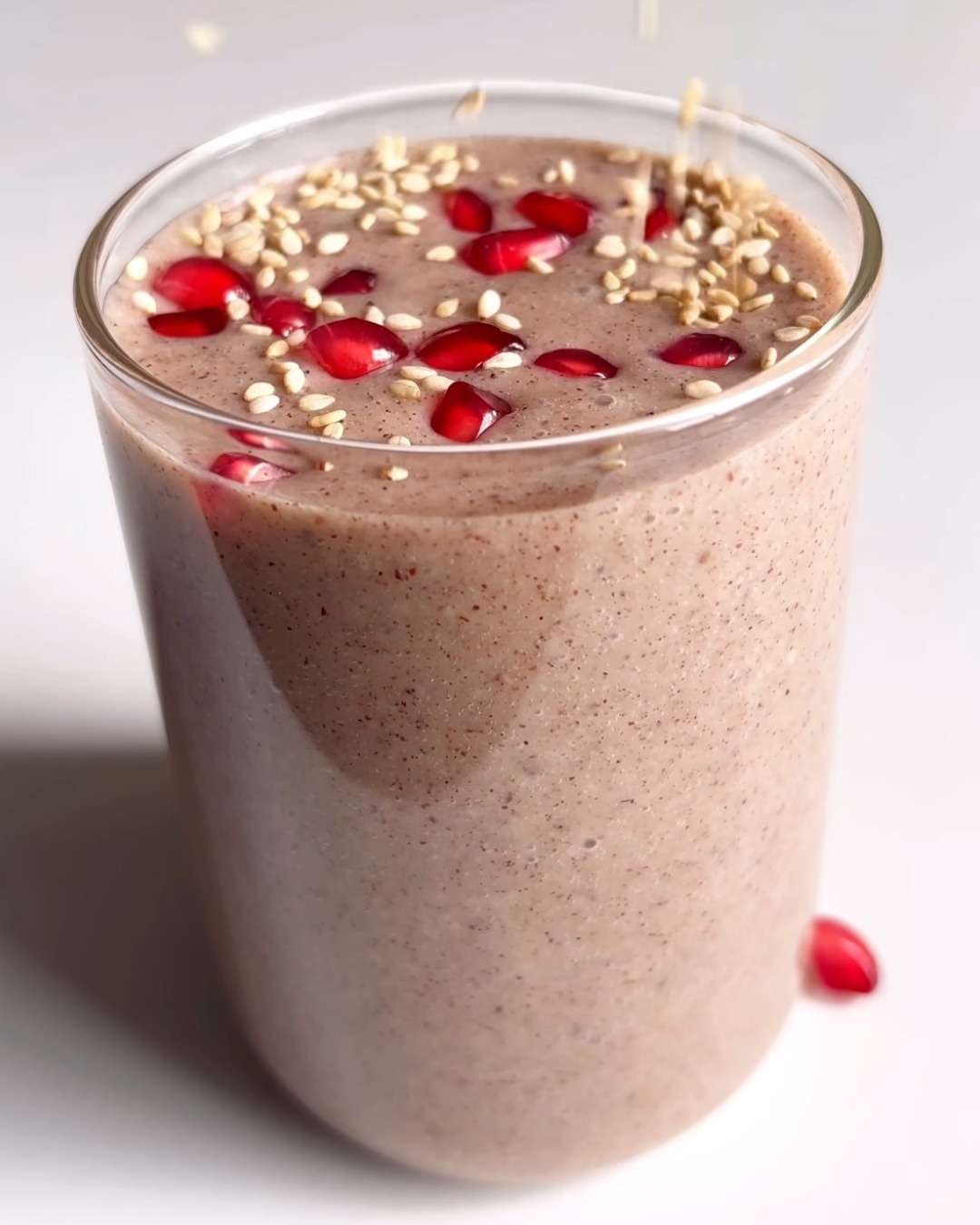
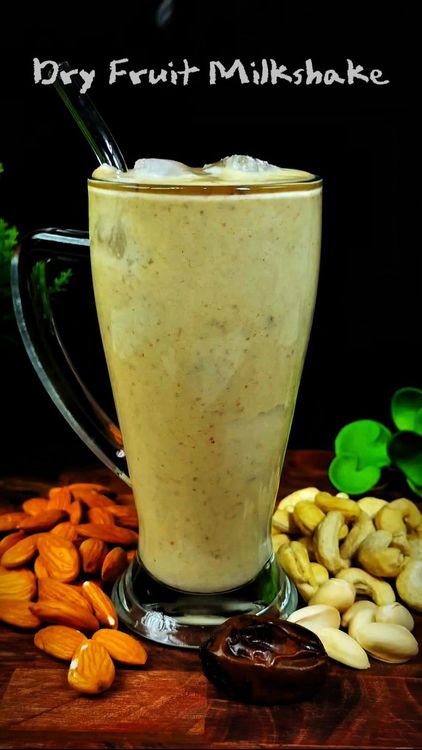
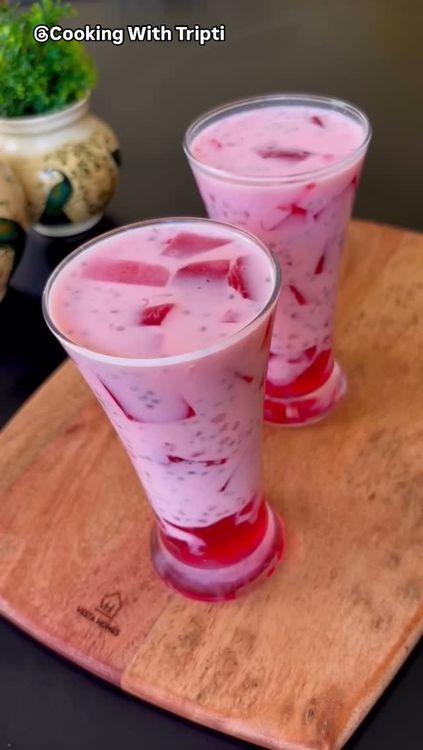
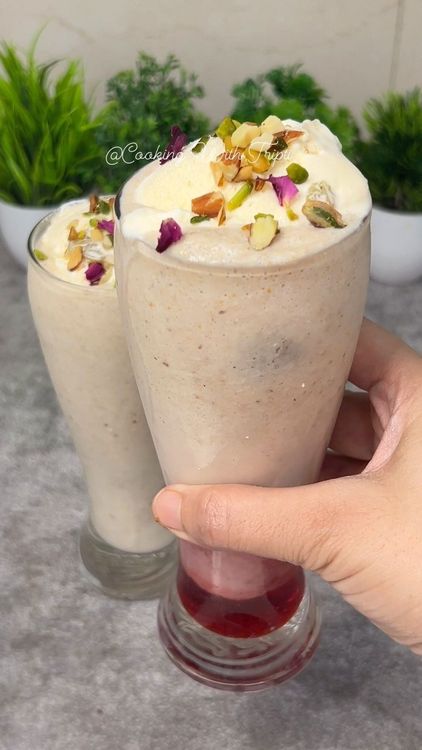
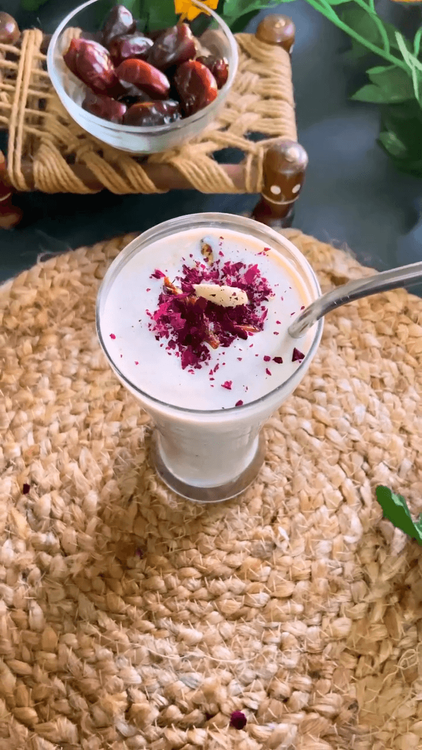
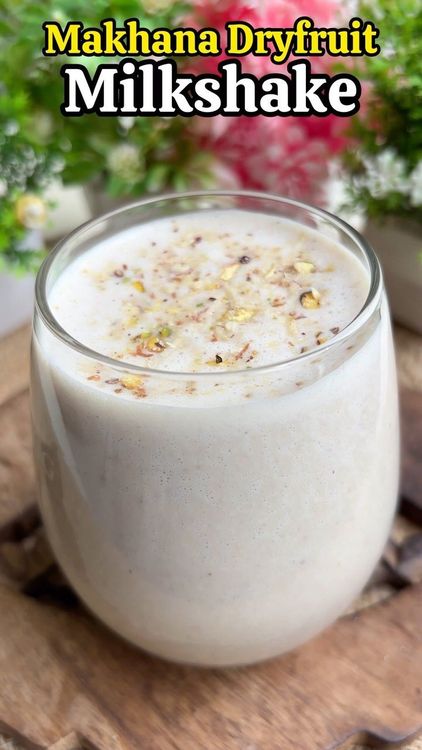
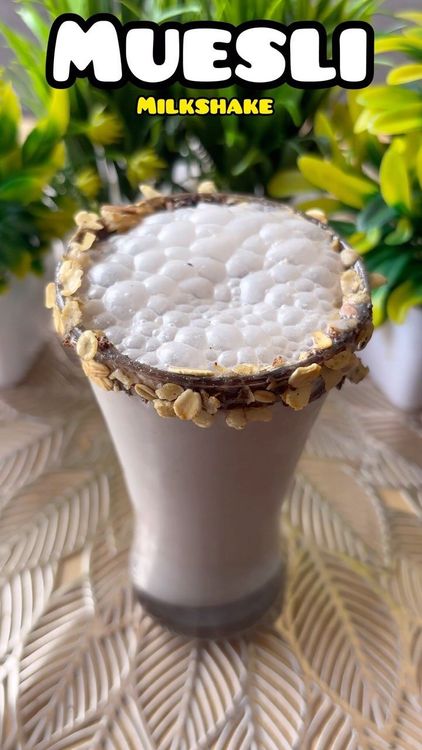
Dry fruit and wholesome milkshakes are built to do double duty as a filling snack or light meal, blending soaked nuts, dates, ragi, sabudana, makhana or muesli into a base that drinks like a treat but carries real nutrition alongside the flavour. These recipes lean on natural sweeteners like dates or khajur rather than added sugar wherever possible, and they generally need a slightly longer blend than a straightforward fruit shake, since ingredients like oats, ragi and makhana take more work to fully break down into something smooth rather than gritty. Soaking is the recurring technique across this whole cluster — nuts, oats and makhana all soften considerably with even a short soak, and skipping it is the most common reason these particular milkshakes turn out thin or chalky instead of creamy. Many of these recipes are aimed at kids, pregnancy nutrition or a quick energy boost rather than pure indulgence, which is why you will see ragi and other traditionally healthy ingredients folded in here more than in the chocolate or fruit clusters. Done well, a wholesome milkshake genuinely satisfies both as a drink and as something closer to a meal. Standouts here include Ragi Milkshake | baby, toddler & adult friendly. and Classic Dry Fruit Milkshake, plus Sabudana Milk Shake.
- Indian
- Vegan
- Beverage
- Indian
- Vegetarian
- Breakfast
- Indian
- Vegetarian
- Snack
- Indian
- Vegetarian
- Breakfast
- Indian
- Vegetarian
- Snack
- Indian
- Vegetarian
- Beverage
- International
- Vegetarian
- Beverage
Getting Milkshake Consistency Right
The biggest lever for milkshake thickness is the ratio of milk to ice, fruit or add-ins, not any special trick or ingredient. Start with less milk than you think you need — you can always thin a thick shake with a splash more, but you cannot easily thicken a thin one without changing the whole balance. A rough starting point is one cup of cold milk to one cup of fruit, ice or frozen banana.
Frozen fruit, ice cream or a handful of ice cubes all thicken a shake, but each behaves slightly differently: ice cream adds richness and body along with cold, frozen fruit adds thickness and concentrated flavour without diluting it, and plain ice cubes chill and thin at the same time, so lean on them last if you want a genuinely thick result rather than a cold, watery one. Combining two of the three usually gives the most balanced texture overall.
Blend in short, high-speed bursts rather than one long continuous blend, checking consistency after each burst — over-blending can actually thin a milkshake by melting ice and frozen fruit faster than the blades can properly emulsify everything. If your shake comes out too thin, add a few more ice cubes or a spoonful of ice cream and blend again briefly rather than starting over.
Chilling Ingredients and Choosing Your Milk
Chill your milk, glasses and any fruit well ahead of time — a milkshake made with room-temperature milk will always need more ice to get cold, and that extra ice dilutes the final result. If you know you will be making milkshakes regularly, keep a stock of frozen banana slices or other fruit in the freezer, since frozen fruit gives thickness without any dilution at all.
Whole or full-fat milk gives the richest, creamiest milkshake, but any milk works, including plant-based options like almond or oat milk for a dairy-free version — just expect a slightly thinner result from lower-fat or plant milks unless you compensate with more frozen fruit or a spoonful of nut butter or yogurt for body. Oat milk in particular tends to froth and blend closest to dairy among the common alternatives.
For dry-fruit and nut-based milkshakes specifically, soaking almonds, cashews or other nuts in water for a few hours (or overnight) before blending softens them considerably and gives a much smoother final texture, since unsoaked nuts can leave a slightly gritty residue even after a long blend. Peeling soaked almonds also removes any bitterness from the skins.
Sweetening and Flavouring Without Overpowering the Milk
Taste as you go rather than measuring sweetener by habit, since ripe fruit, dates or khajur can bring plenty of natural sweetness on their own, and layering added sugar on top of already-sweet fruit is the easiest way to end up with a milkshake that tastes more like dessert syrup than a fruit drink.
For chocolate and coffee shakes, a good-quality cocoa powder or melted chocolate blended in cold gives a cleaner flavour than a sweetened syrup, which can taste flat once diluted by milk and ice. A small pinch of salt in a chocolate or nutty milkshake, much like in baking, actually makes the sweetness and flavour read as more pronounced rather than making it taste salty.
When working with strongly flavoured additions like dates, figs or roasted nuts, start with a smaller amount than a recipe suggests and blend, taste, then add more — these ingredients vary considerably in sweetness and intensity from batch to batch, and it is far easier to blend in more than to fix an overpowering shake after the fact.
Boosting Nutrition Without Losing the Milkshake Feel
A lot of milkshake recipes, especially dry-fruit and wholesome versions, are built to double as a filling snack or light meal rather than pure indulgence — soaked almonds, dates, oats, ragi or makhana all add protein, fibre or minerals while still blending into something that drinks like a treat rather than tasting like health food.
The trick to keeping these tasting like a proper milkshake rather than a thin, grainy smoothie is to soak dry ingredients well ahead of time (nuts, oats and makhana all soften considerably with a soak) and to blend thoroughly and for slightly longer than a simple fruit shake needs, since these ingredients take more work to fully break down.
A spoonful of nut butter, a few soaked dates or a small handful of rolled oats can be added to almost any milkshake recipe on this page to boost its staying power without changing the core flavour much, which is a simple way to turn an afternoon treat into something that also works as a quick breakfast or post-workout drink.
Pro Tips from the Test Kitchen
- Chill your milk and glasses ahead of time — warm milk needs more ice, which dilutes the final shake.
- Start with less milk than you think you need; you can always thin a thick shake, but not easily thicken a thin one.
- Use frozen fruit instead of ice cubes when you want thickness without dilution.
- Blend in short, high-speed bursts and check consistency rather than running one long continuous blend.
- Soak almonds and other nuts for a few hours before blending for a smoother, less gritty milkshake.
- Taste before adding sugar — ripe fruit, dates and khajur often bring enough natural sweetness on their own.
- Add a small pinch of salt to chocolate or nutty milkshakes; it makes the sweetness taste more pronounced.
- Use good cocoa powder or melted chocolate rather than sweetened syrup for a cleaner chocolate milkshake flavour.
- Blend dry-fruit and grain-based milkshakes a little longer than fruit shakes so ingredients like oats fully break down.
- Stock frozen banana slices in the freezer for an instant, no-ice-needed base for almost any milkshake.
Frequently Asked Questions
Why is my milkshake too thin?
Thin milkshakes almost always come from too much milk or ice relative to fruit and other thickeners, or from using room-temperature ingredients that then need extra ice to chill. Start with less milk than you think you need, use frozen fruit or ice cream for body, and add a few more ice cubes and re-blend briefly if it still needs thickening.
How do you make a milkshake without ice cream?
Frozen fruit, particularly frozen banana, gives a thick, creamy result close to what ice cream provides, without the extra sugar or dairy fat. Blend chilled milk with frozen fruit and a touch of sweetener, and if you want extra richness, a spoonful of yogurt or a splash of condensed milk works well in place of ice cream.
What is the secret to a really thick milkshake?
Ratio and temperature matter more than any single ingredient: use less milk than instinct suggests, lean on frozen fruit or ice cream rather than plain ice cubes for thickness, and make sure everything going into the blender is already cold. Blending in short bursts and checking consistency as you go also prevents over-blending, which can thin a shake out.
Can milkshakes be made dairy-free?
Yes — almond, oat, soy or coconut milk all work as a base, though results vary: oat and coconut milk tend to give the richest, creamiest texture, while almond milk is thinner and may need more frozen fruit or a spoonful of nut butter to reach the same body as a dairy version.
How do you make a healthy milkshake?
Lean on naturally sweet, nutrient-dense ingredients like ripe banana, dates, soaked almonds, oats or ragi instead of added sugar and ice cream, and use a lighter milk or plant milk as the base. Many dry-fruit and wholesome milkshake recipes are built exactly this way, giving a filling, better-for-you drink that still tastes like a genuine treat.
What fruits work best in a milkshake?
Banana is the most versatile, giving natural thickness and sweetness with almost no prep beyond freezing it in advance. Strawberry, mango, custard apple (sitaphal) and chikoo all blend smoothly and bring their own distinct sweetness, while firmer or fibrous fruit generally works better as a purée or pulp added to the blender rather than raw chunks.
Do you need to soak nuts before blending them into a milkshake?
It is not strictly required, but soaking almonds, cashews or other nuts for a few hours (or overnight) softens them significantly and gives a noticeably smoother final texture, since unsoaked nuts can leave a slightly gritty residue even after a long blend. Soaking also makes peeling almonds much easier if a recipe calls for it.
How much sugar should you add to a milkshake?
Less than you might expect, and always to taste rather than by a fixed measurement, since fruit, dates, chocolate and even milk itself all bring their own sweetness. Blend first with little or no added sugar, taste, and add gradually from there — it is much easier to sweeten further than to fix an overly sweet shake.
Can you make a milkshake ahead of time?
Milkshakes are best blended fresh and served immediately, since they separate and lose their froth the longer they sit, especially fruit-based versions. If you need a head start, prep and chill your ingredients (or freeze cut fruit) in advance, then blend just before serving rather than making the finished shake too far ahead.
What is the difference between a milkshake and a smoothie?
A milkshake typically includes milk, ice cream or a thickener like frozen fruit and leans sweeter and richer, closer to a dessert drink, while a smoothie is usually built on a thinner base like yogurt, juice or plant milk with a focus on fruit and nutrition over indulgence. The line blurs with wholesome milkshake recipes that use less dairy fat and more whole ingredients.
Every milkshake here comes down to the same short list of decisions: cold ingredients, the right ratio of milk to fruit or ice, and a short, controlled blend rather than one long run on high. Once you have that dialled in, chocolate, badam, fruit and dry-fruit milkshakes are all just different flavours layered onto a technique you already know. There is very little equipment involved beyond a blender, which is part of why milkshakes are such a reliable everyday treat.
Start with a simple chocolate or fruit milkshake if you want something quick, then work through the nuttier and more wholesome clusters when you want a shake with a bit more staying power. Save your favourites to a Chefadora cookbook as you go — this page is built to be the milkshake recipe reference you keep coming back to, whatever the occasion or the season.
Related
Popular Searches
- Best milkshake recipes
- Easy milkshake recipes
- Quick milkshake recipes
- Healthy milkshake recipes
- Simple milkshake recipes
- Homemade milkshake recipes
- Delicious milkshake recipes
- Popular milkshake recipes
- milkshake recipe
- how to make a milkshake
- fruit milkshake
Marnirni-apinthi Building, Lot Fourteen,
North Terrace, Adelaide, South Australia, 5000
Australia
