
Top 25 Cinnamon Roll Recipes: Classic, Overnight, Quick and Flavored
Updated June 29, 2026 · Curated by Chefadora
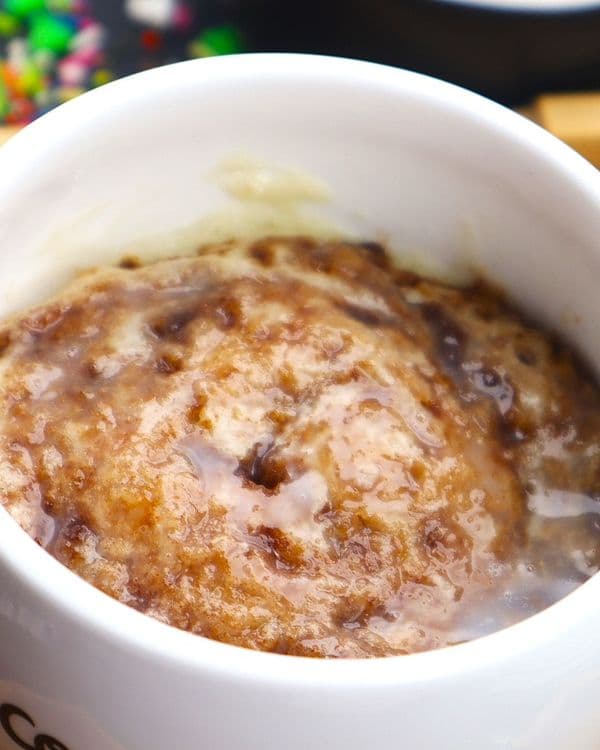
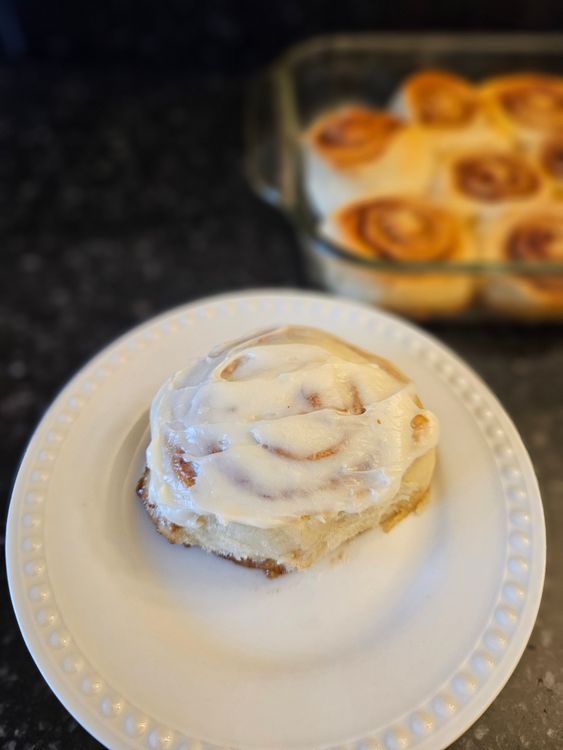
Cinnamon roll recipes are the smell of a slow weekend morning made edible: soft, enriched dough rolled around a brown-sugar-and-cinnamon swirl, baked until the centers stay gooey, and finished with a thick blanket of icing. The recipes below were chosen to cover the whole spectrum — patient classic yeast rolls and overnight versions, fast no-yeast and biscuit-style ones, clever boxed-dough upgrades, and a run of flavored twists — rather than ten near-identical versions of the same roll.
What decides whether a cinnamon roll turns out tender and pull-apart or dense and dry is mostly technique, not a secret ingredient. An enriched dough needs to be properly kneaded and proofed twice; the filling needs the right ratio of soft butter, sugar and cinnamon so it melts into a swirl rather than leaking out; and the bake has to stop while the middle is still soft. Miss any of those and you get tight, bready rolls with a hard center.
You will find four clusters: classic yeast and overnight rolls, quick and no-yeast versions for when you cannot wait, shortcut and boxed-dough upgrades, and a flavored corner of orange, apple, pumpkin and more. The core moves — a soft dough, an even swirl, a gentle bake and a generous icing — carry across all of them, so once you nail one batch the rest get noticeably easier.
Treat this as a working reference. Each recipe links to full ingredients and steps on Chefadora, and the guides below cover the things that actually decide the outcome — how to handle and proof an enriched dough, how to spread and roll the filling so the swirl stays gooey, how to cut and bake without dry edges, and how to ice them at exactly the right moment.
Classic Yeast & Overnight Cinnamon Rolls
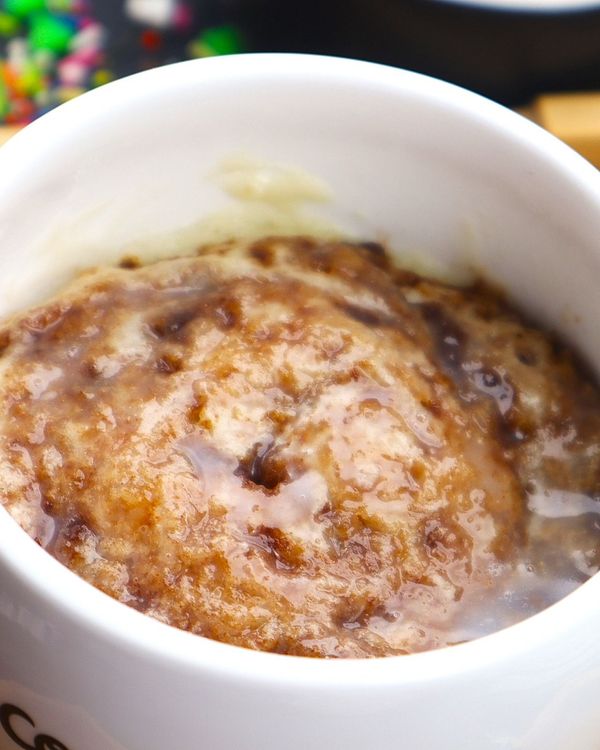
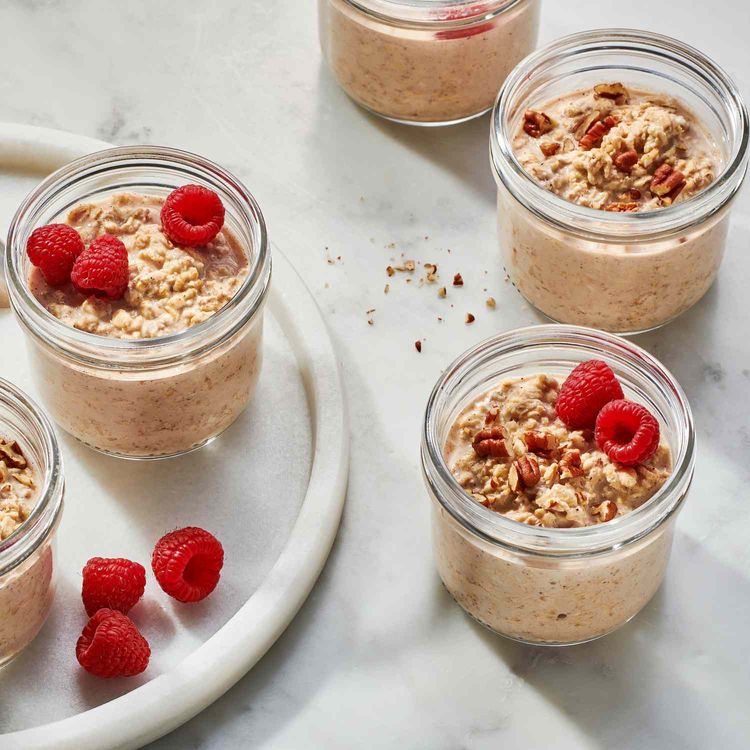
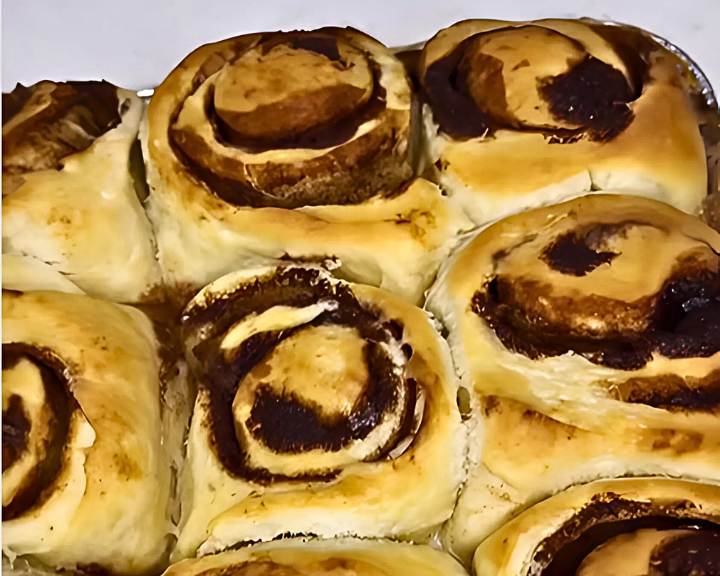
This is the real thing, and it rewards patience more than anything else on the page. A proper enriched dough — flour, milk, butter, egg, sugar and yeast — should feel soft and a little tacky, never stiff, because that slack texture is what bakes up into a tender, pull-apart crumb. Warm your milk only to lukewarm before it meets the yeast, since liquid that is too hot quietly kills it and leaves you with rolls that barely rise. Knead until the dough turns smooth and elastic, then give it a full first proof until doubled, somewhere warm and draft-free. The overnight versions simply move the second rise into the fridge, where a long, slow cold proof deepens the flavor and means fresh rolls with almost no morning work. The single biggest mistake here is rushing either rise or over-baking; pull the pan while the center roll still looks faintly underdone and let carryover heat finish the gooey middle. Spread soft butter and brown-sugar-cinnamon to the very edges, roll snug, and ice while warm. Standouts here include Cinnamon Roll Mug Cake – Fluffy, Gooey & Ready in 1 Minute! and Cinnamon Roll Overnight Oats, plus Sourdough Discard Cinnamon Rolls.

- American
- Vegetarian
- Snack

- American
- Vegan
- Breakfast
- American
- Eggetarian
- Breakfast

- American
- Eggetarian
- Breakfast
- American
- Eggetarian
- Breakfast


- American
- Eggetarian
- Breakfast
- Unknown
- Vegetarian
- Brunch
Quick & No-Yeast Cinnamon Rolls
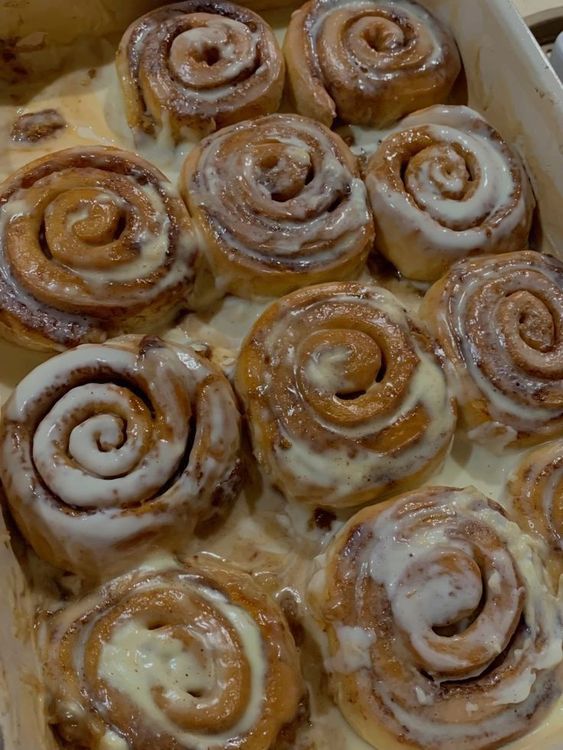
When the craving hits and there is no time to proof, these are the rolls to reach for. Instead of yeast, they lean on baking powder in a soft biscuit-style dough or on store-bought puff pastry, so they go from bowl to oven in well under an hour with no rising stage at all. The trade-off is honest: they are flakier and a touch less pillowy than a true yeast roll, with a tender, scone-like crumb, but on a busy morning that is a fair deal. The technique that matters most is a light hand — overworking a biscuit dough develops gluten and turns the rolls tough, so mix just until it comes together and pat rather than knead. Keep the filling butter soft, not melted, so the swirl stays put, and roll the dough snugly before cutting with floss to hold the spiral. Bake until just golden, and because there is no slow proof to build flavor, do not skimp on cinnamon, salt or a generous cream-cheese icing to finish. Standouts here include Cinnamon Rolls (Simple and Easy Recipe) and Cinnamon Roll Mug Cake with Cream Cheese Frosting, plus Cinnamon Roll Crumble Mug Cake.

- American
- Vegetarian
- Breakfast
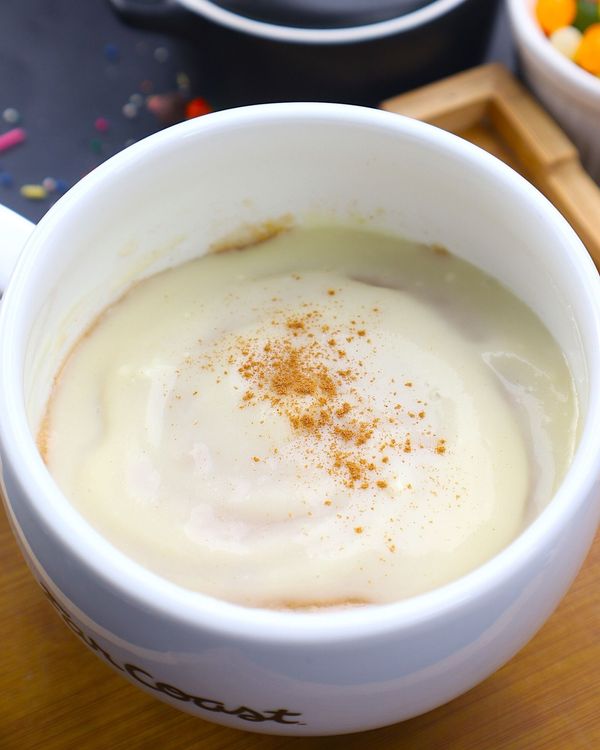
- American
- Vegetarian
- Breakfast
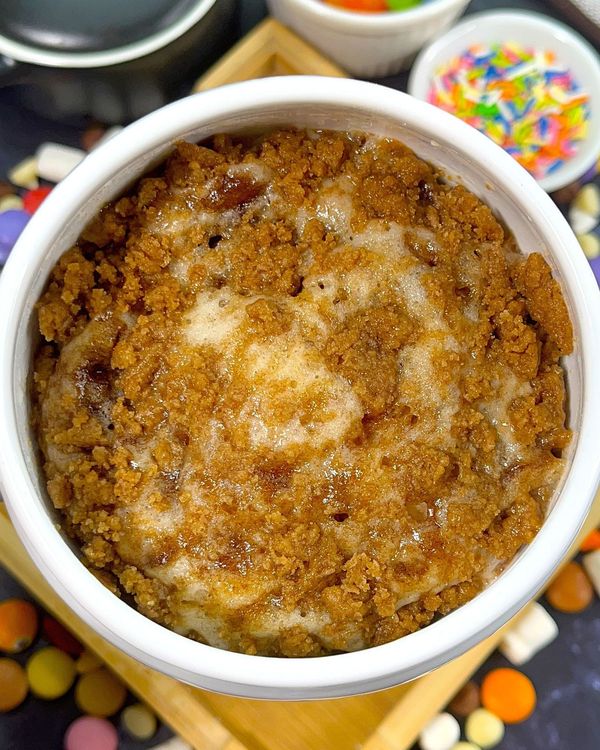
- American
- Vegetarian
- Breakfast
Flavored Cinnamon Rolls & Variations
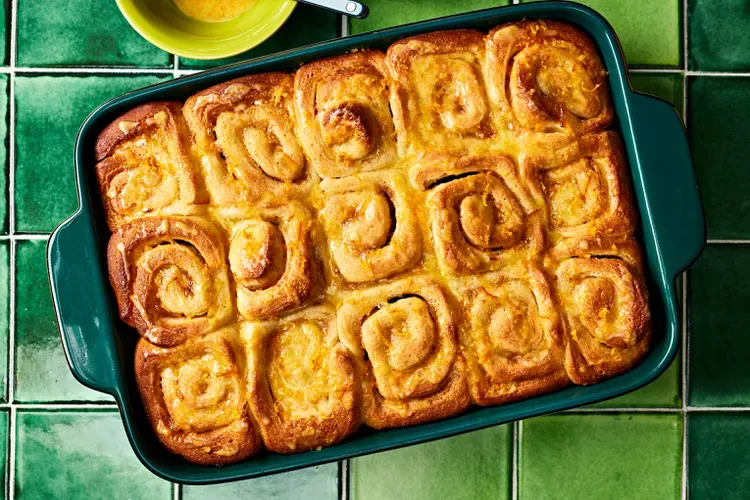
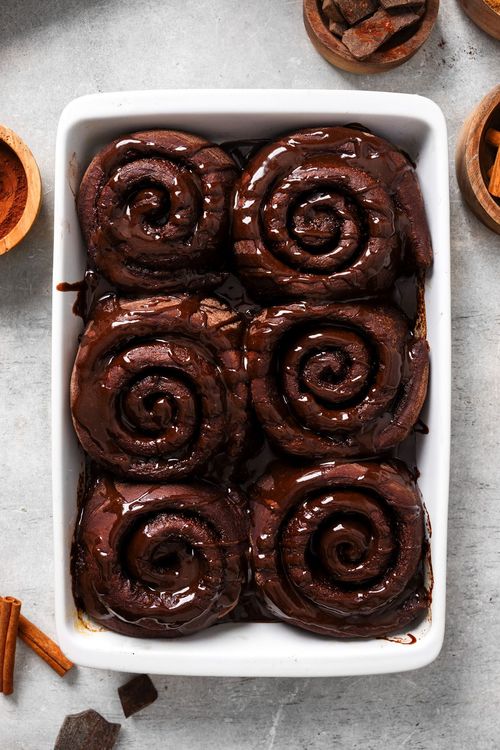
Once the base roll is solid, this is where you get to play, and the same swirl carries a surprising range of flavors. Brightening the filling with orange zest and finishing with an orange-glaze cuts the sweetness beautifully; folding in spiced, sauteed apples or a swirl of pumpkin puree turns the rolls autumnal; and chocolate, Nutella, caramel-pecan or maple all push them toward dessert. The key is to respect moisture: wet additions like apple or pumpkin can make the dough slack and the centers gummy, so cook fruit down until dry, blot it well, and go a little easier on any extra liquid in the dough to compensate. Spices love a partner here — cardamom, nutmeg, ginger or a pinch of clove deepen plain cinnamon without overwhelming it. Match the frosting to the flavor, too: cream cheese suits almost everything, but a brown-butter or maple icing flatters the nutty and autumnal versions, and a citrus glaze lifts the fruity ones. Keep the proofing and gentle bake exactly as for the classics; only the flavor changes, not the technique. Standouts here include Lemon Cinnamon Rolls and Cream Caramel Cinnamon Rolls, plus Orange Marmalade Cinnamon Rolls.
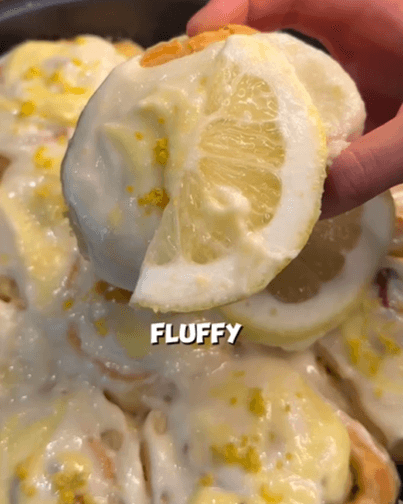

- American
- Eggetarian
- Snack
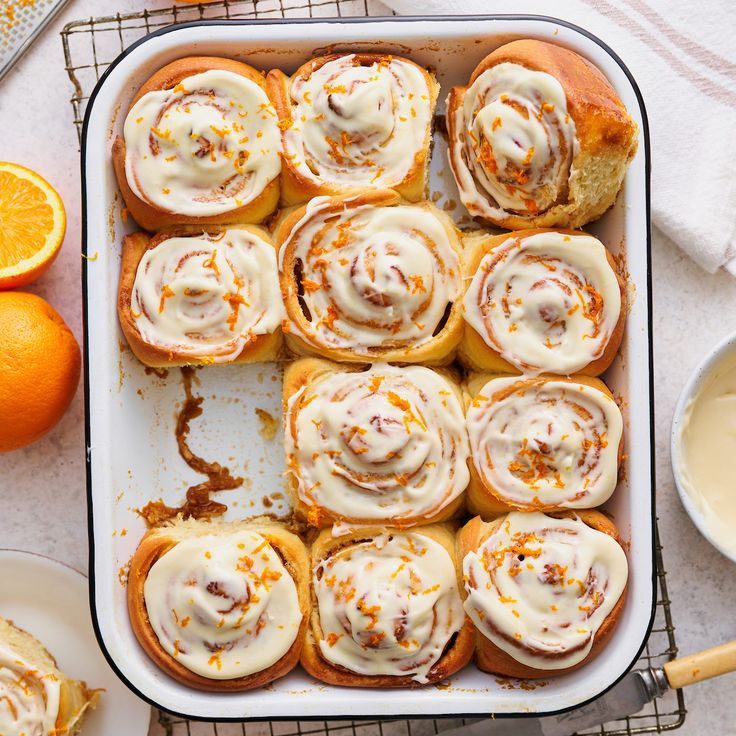

- American
- Eggetarian
- Breakfast
- American
- Eggetarian
- Breakfast
More Cinnamon Roll Favourites
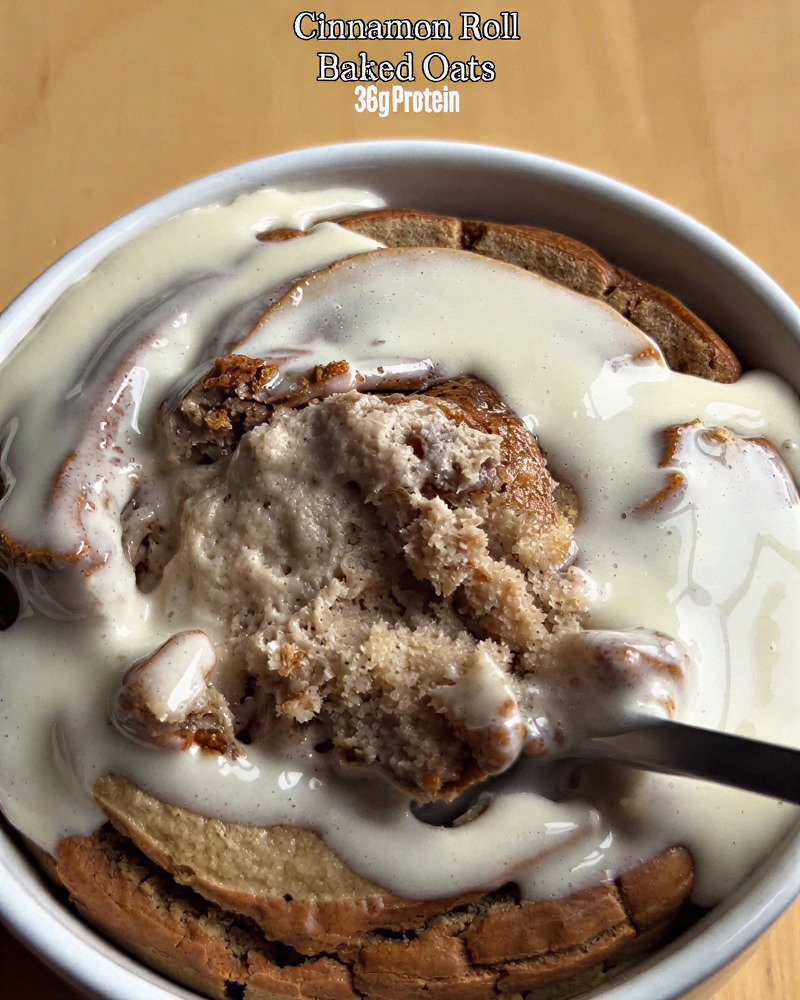
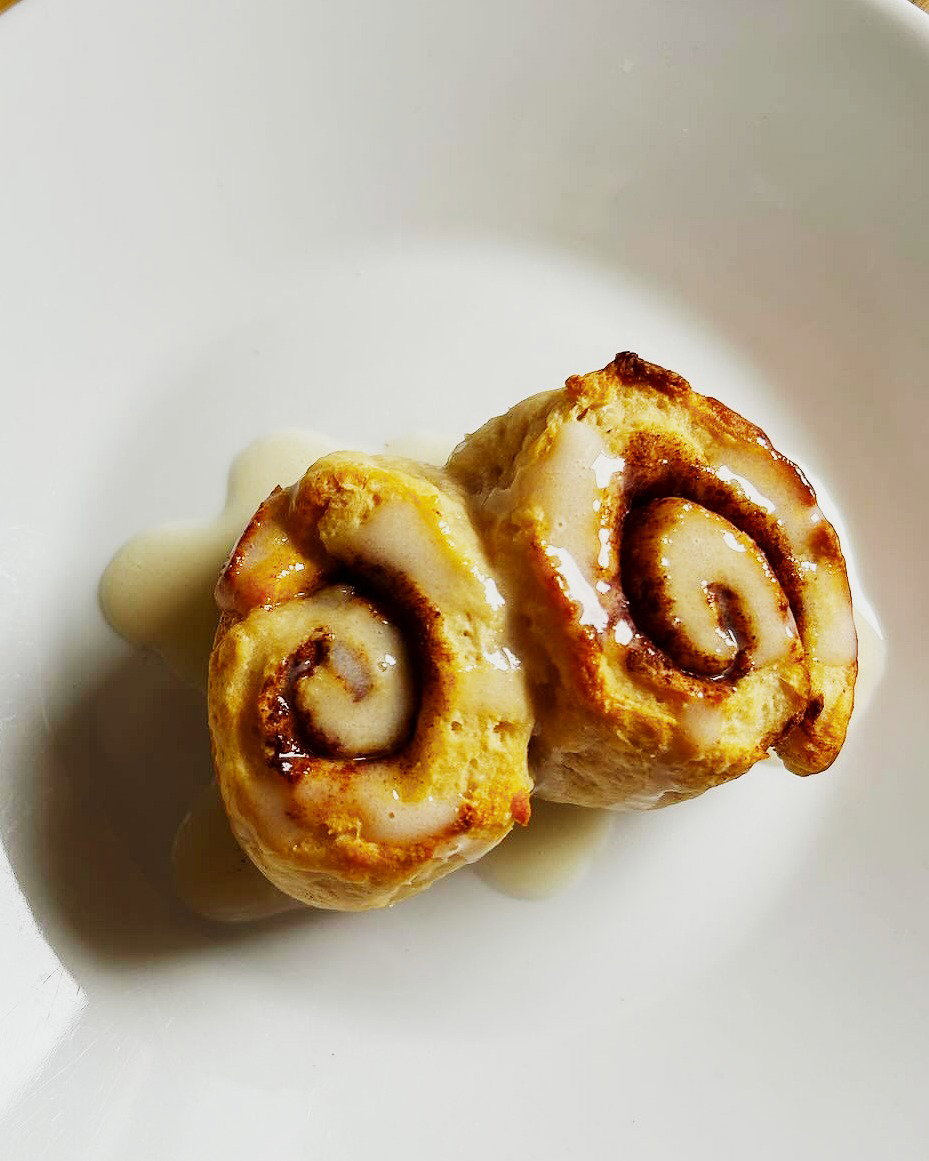
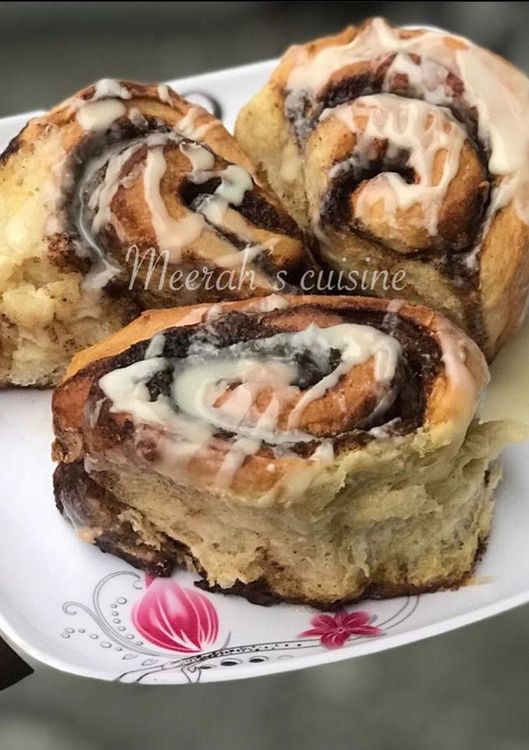
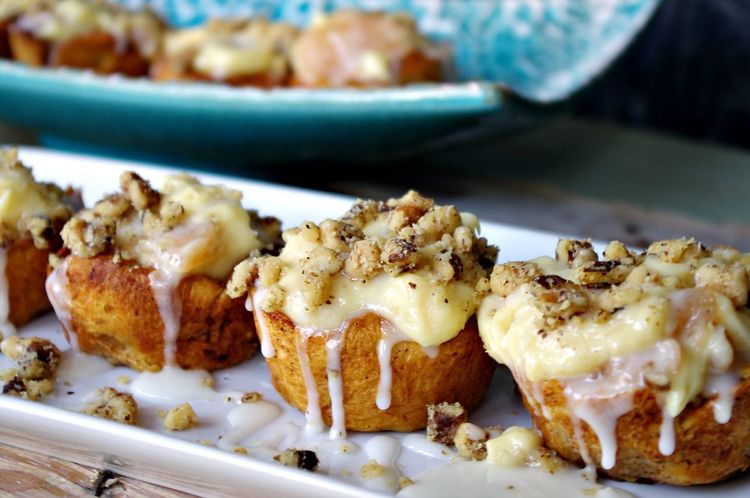
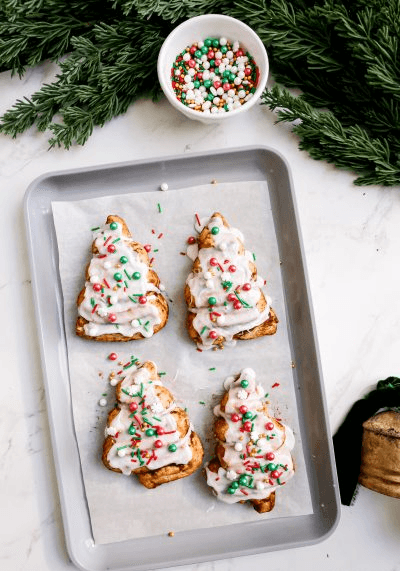
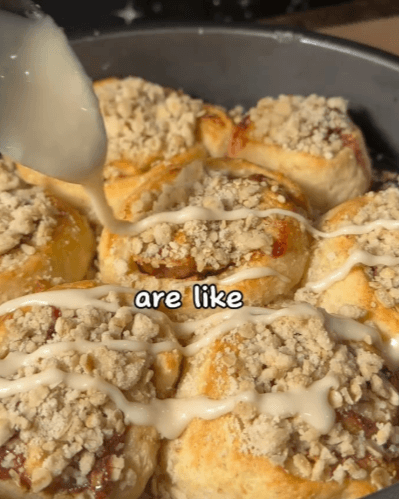
A few rolls never settle neatly into one category, and these are the ones worth keeping in your back pocket once the staples feel routine — sticky buns crowned with caramel and nuts, sourdough-discard versions, mini one-pan batches, skillet rolls and the odd savory-leaning experiment. They all run on the same handful of moves you already know: a soft, properly proofed (or quickly mixed) dough, a generous swirl of soft butter and brown sugar, a snug roll, a gentle bake stopped just before the centers set, and icing spread while warm. Picking your next one is mostly about matching effort to mood. On a relaxed weekend, take on a sticky bun or a long sourdough proof for the deeper flavor; on a rushed morning, a quick skillet or small-batch version delivers gooey rolls without the project. Pay attention to pan size, since crowding keeps the sides soft and gives that pull-apart edge, while spacing them out crisps every side instead. Think of this group as the natural next step after the classics — the rolls that quietly earn a regular spot once you have tried them. Standouts here include Cinnamon Roll Baked Oats and Healthy Cinnamon Rolls, plus High Protein Biscoff Cinnamon Rolls.

- Vegetarian
- Breakfast

- Vegetarian
- Dessert

- Vegetarian
- Dessert
- Vegetarian
- Dessert

- American
- Eggetarian
- Breakfast

- American
- Vegetarian
- Breakfast
- American
- Vegan
- Snack
- American
- Eggetarian
- Breakfast
- American
- Vegetarian
- Dessert
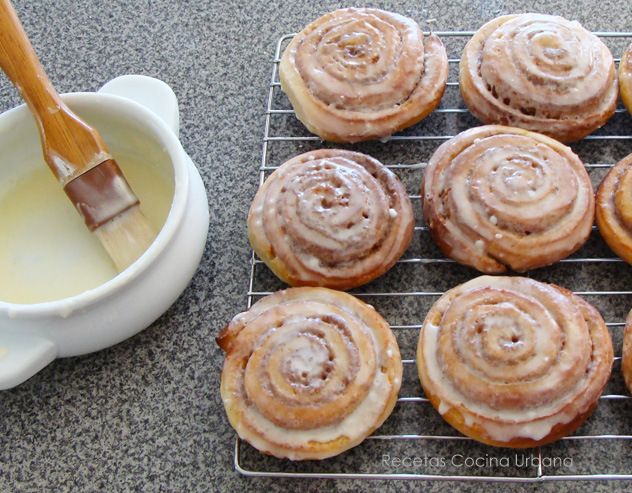
- American
- Eggetarian
- Breakfast
- International
- Eggetarian
- Breakfast
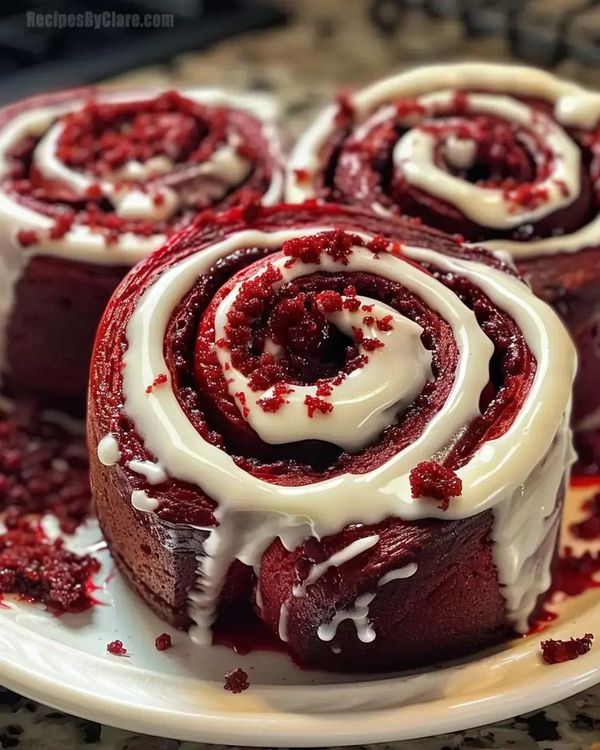
- American
- Eggetarian
- Breakfast
The Dough: Enriching, Kneading and First Proof
A great cinnamon roll starts with an enriched dough — flour, milk, butter, sugar, egg and yeast — that is softer and stickier than a plain bread dough. Resist the urge to flour it into submission; the slack, tacky feel is what bakes up tender. Warm the milk to lukewarm (around 38–43C / 100–110F), no hotter, before it meets the yeast, because liquid that is too hot kills the yeast and liquid that is too cold leaves it sluggish and your rolls will barely rise.
Knead until the dough is smooth, elastic and passes a rough windowpane test — about eight to ten minutes by mixer or a little longer by hand. Proper kneading builds the gluten that traps gas and gives the rolls their fluffy, layered pull. Then let it rise, covered, somewhere warm until doubled, usually one to two hours. A cold kitchen slows this dramatically, so a turned-off oven with the light on, or a barely-warm oven, makes a reliable proofing box.
Do not chase the clock; chase the dough. It is ready when it has roughly doubled and a finger poked into it springs back slowly and leaves a small dent. Under-proofed dough yields tight, dense rolls; grossly over-proofed dough collapses and tastes yeasty and sour. For overnight rolls, you shift this rise to the fridge — shape them, cover well, and let a slow cold proof develop both flavor and convenience while you sleep.
Filling, Rolling and the Gooey Center
The filling is just softened butter, brown sugar and plenty of cinnamon, but the ratios and the spread decide everything. Roll the risen dough into an even rectangle, then spread genuinely soft (not melted) butter right to the edges, followed by the brown-sugar-cinnamon mix pressed gently into the butter. Melted butter slides out the ends as the rolls bake; soft butter stays put and fuses with the sugar into that molten, caramelly swirl you are after.
Roll from the long edge for many smaller rolls or the short edge for fewer, taller ones, keeping the cylinder snug but not so tight that the center pushes up into a cone as it bakes. Pinch the seam closed. The gooey middle that everyone fights over comes from a generous filling and a snug roll, plus stopping the bake early — the residual heat finishes the center while keeping it soft rather than set.
To cut clean rounds without squashing them, use unflavored dental floss or plain thread: slide it under the log, cross the ends over the top and pull to slice straight down. A knife drags and flattens the spiral. Place the cut rolls in the pan with a little space between them so they can expand into each other on the second rise and bake up soft-sided and connected, the way a good pan of rolls should.
Second Proof, Baking and Knowing When to Stop
Cut rolls need a second, shorter proof in the pan — 30 to 45 minutes at room temperature until puffy and touching — before they bake. This is the rise that makes them light; skip it and the rolls come out dense no matter how good the dough. If you cold-proofed them overnight, take the pan out and let it come to room temperature and finish puffing, often an hour, before it goes anywhere near the oven, or the cold centers will lag and bake unevenly.
Bake in a moderate oven, around 175C / 350F, in a pan that crowds the rolls close together — a metal or glass dish about 23x33cm (9x13in) is classic — so the sides stay soft and only the tops color. The single most common mistake is over-baking. Pull them when the tops are just golden and the very center roll still looks slightly underdone; an internal temperature around 88–90C / 190–195F is your safety net. They will firm as they cool.
If the tops brown too fast before the centers cook through, tent loosely with foil for the last few minutes. For an extra-soft, bakery-style crumb, a splash of warm cream or milk poured over the rolls just before baking steams them tender as they rise. And always cool just slightly before icing — straight-from-the-oven rolls are too fragile to handle and too hot to hold their frosting.
Icing, Make-Ahead and Storage
The icing is half the appeal, and timing it is the trick. A classic cream-cheese frosting (softened cream cheese, butter, powdered sugar, vanilla and a pinch of salt) wants the rolls warm but not hot: too hot and it melts into a thin glaze and slides off; fully cold and it sits in a stiff cap rather than seeping into the swirls. Spread it while the rolls are warm enough to drink a little in but cool enough to hold a layer on top — about ten minutes out of the oven.
These are excellent make-ahead, which is the whole point of the overnight method. Shape the cut rolls, cover the pan tightly, and refrigerate overnight; in the morning, let them come to room temperature and finish proofing, then bake fresh. You can also fully bake, cool and freeze unfrosted rolls for up to two months — thaw, warm through, and ice to order so the frosting is fresh rather than freezer-tired.
Baked, frosted rolls keep two to three days covered at room temperature, or up to a week refrigerated, though the crumb firms in the fridge. Revive any roll with 15 to 20 seconds in the microwave, which softens the crumb and loosens the icing back to gooey. Store them in an airtight container so the exposed edges do not dry out, and resist the urge to refrigerate unless your kitchen is warm — cold dries them faster than the counter does.
Pro Tips from the Test Kitchen
- Warm milk to just lukewarm (38–43C / 100–110F) before adding yeast — hotter kills it, colder leaves the rise sluggish.
- Keep the dough soft and tacky; flouring it stiff is the main reason rolls bake up dense instead of pillowy.
- Use genuinely soft (not melted) butter in the filling so the swirl stays put and turns gooey instead of leaking out.
- Cut the log with unflavored dental floss or thread, not a knife, to keep the spiral round and uncrushed.
- Give the cut rolls a full second proof in the pan until puffy and touching — this is the rise that makes them light.
- Crowd the rolls close in the pan so the sides stay soft and only the tops color.
- Stop the bake while the center roll still looks slightly underdone (around 88–90C / 190–195F); it sets as it cools.
- Tent with foil if the tops brown before the centers cook through.
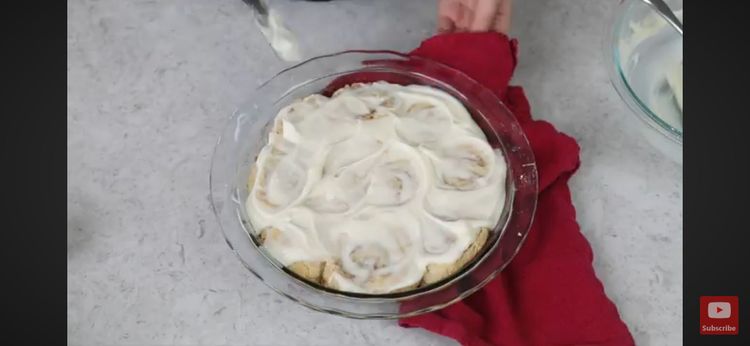
- Ice while the rolls are warm but not hot — too hot and cream-cheese frosting melts and slides off.
- For overnight rolls, let the cold pan come fully to room temperature and finish puffing before baking, or the centers lag.
Frequently Asked Questions
How do you keep the center of cinnamon rolls gooey?
Three things: a generous, soft-butter filling rolled snugly so the swirl stays packed, crowding the rolls close in the pan so they steam each other, and stopping the bake early. Pull them when the tops are just golden and the center roll still looks slightly underdone — around 88–90C / 190–195F internally — because residual heat finishes the middle without drying it. Over-baking is the number one cause of a hard, dry center.
Why are my cinnamon rolls dense and not fluffy?
Usually under-proofing, too much flour, or dead yeast. Keep the dough soft and slightly tacky rather than firm, knead it until smooth and elastic, and let it rise until properly doubled — a poke should spring back slowly and leave a small dent. Crucially, give the cut rolls a second proof in the pan until puffy before baking. Skipping that second rise makes even a good dough bake up tight and bready.
Can you make cinnamon rolls without yeast?
Yes. No-yeast cinnamon rolls use a baking-powder biscuit-style dough or store-bought puff pastry, so they skip proofing entirely and go from bowl to oven in under an hour. They are flakier and a little less pillowy than yeast rolls, with a more tender, scone-like crumb, but they satisfy the craving fast. They are also the easiest place to start if working with yeast feels intimidating.
How do overnight cinnamon rolls work?
You make and shape the rolls the night before, then refrigerate them tightly covered so the second rise happens slowly in the fridge. The cold proof develops flavor and means fresh-baked rolls with minimal morning effort. The key step is letting the cold pan come to room temperature and finish puffing — often an hour — before baking, otherwise the chilled centers bake slower than the edges and turn out uneven.
What is the best filling for cinnamon rolls?
The classic is softened butter spread to the edges, topped with light or dark brown sugar and a generous amount of cinnamon, often with a pinch of salt. Brown sugar melts into a caramelly swirl that white sugar cannot match. Use soft, not melted, butter so the filling does not slide out as the rolls bake. From there you can add chopped pecans, a little cardamom, or swap in apple, pumpkin or chocolate for variations.
Why does my cinnamon roll filling leak out?
Almost always melted butter or too loose a roll. Melted butter runs straight out the ends in the oven, taking the sugar with it; use butter that is soft and spreadable but not liquid, and press the sugar gently into it. Roll the log snugly and pinch the seam shut so the swirl holds together. A small amount of caramel pooling at the base of the pan is normal and delicious — wholesale leaking is the problem.
When should you ice cinnamon rolls?
While they are warm but not hot — about ten minutes out of the oven. A cream-cheese frosting spread on screaming-hot rolls melts into a thin glaze and slides off, while frosting fully cold rolls leaves a stiff cap that never seeps into the swirls. The warm-but-not-hot window lets a little icing drink into the surface while the rest holds as a thick, glossy layer on top.
How do you cut cinnamon rolls without squashing them?
Use a length of unflavored dental floss or plain thread rather than a knife. Slide it under the log where you want to cut, bring the ends up and cross them over the top, then pull to slice cleanly straight down. A knife drags through the soft dough and flattens the spiral into an oval. Mark even portions first, and cut a little wider for fewer, taller rolls or narrower for many smaller ones.
Can you freeze cinnamon rolls?
Yes, at two stages. You can freeze the shaped, unbaked rolls — thaw and proof in the fridge overnight, then bring to room temperature and bake — or freeze fully baked, unfrosted rolls for up to two months. For baked rolls, thaw, warm through and ice fresh so the frosting is not freezer-tired. Freezing them unfrosted keeps the crumb and icing both at their best when you finally serve them.
What can I use to upgrade canned or boxed cinnamon rolls?
Shortcut rolls get a lot better with small touches. Brush the tube dough with extra melted butter and a brown-sugar-cinnamon sprinkle before baking, pour a little heavy cream over them for a bakery-soft crumb, and skip the packet icing in favor of a quick homemade cream-cheese frosting. Baking them snug in a smaller pan keeps the sides soft, and a handful of toasted pecans or a drizzle of caramel makes a Cinnabon-style copycat from a can.
The thread through every cinnamon roll here is the same: a soft, well-proofed dough, a generous swirl of soft butter and brown sugar, a bake stopped just before the centers set, and icing spread while they are still warm. Master those few moves in the guides and the style — classic, overnight, no-yeast or flavored — becomes a choice rather than a different skill.
Pick a couple to bake this month — a patient classic batch and a quick no-yeast one for a busy morning — and save your favorites to a Chefadora cookbook. Then work through the overnight and flavored versions; this page is built to be the cinnamon roll reference you actually come back to.
Related
- Cinnamon Rolls
- Baking
- Breakfast
- Brunch
- Sweet Bread
- Yeast Dough
- Dessert
- Make Ahead
Popular Searches
- Best cinnamon roll recipes
- Easy cinnamon roll recipes
- Quick cinnamon roll recipes
- Healthy cinnamon roll recipes
- Simple cinnamon roll recipes
- Homemade cinnamon roll recipes
- Delicious cinnamon roll recipes
- Popular cinnamon roll recipes
- homemade cinnamon rolls
- easy cinnamon rolls
- overnight cinnamon rolls
Marnirni-apinthi Building, Lot Fourteen,
North Terrace, Adelaide, South Australia, 5000
Australia
