
Top 25 Chickpea Recipes: Chole, Curries, Salads and Snacks
Updated June 24, 2026 · Curated by Chefadora
Chickpea recipes are some of the most versatile, protein-rich cooking you can keep in your weekly rotation — cheap, filling and endlessly adaptable across Indian and global kitchens. The collection below shows the full range, from spiced chole and chana curries to fresh salads, silky hummus and grain bowls, crunchy roasted snacks and chaat, and hearty stews like shakshuka and tagine. One modest bean, cooked a dozen confident ways.
What decides whether chickpeas turn out creamy or chalky is mostly soaking and cooking time. A long soak (or a quick hot soak) plus a patient simmer with a pinch of baking soda softens the skins and gives you that buttery, melting interior; rush it and they stay grainy. For anything crisp — roasted chickpeas, chaat, fritters — the opposite is true: dry them thoroughly so the surface browns and crunches instead of steaming soft.
You will find the collection grouped into clusters — chickpea curries and chole, salads, bowls and hummus, roasted chickpeas, chaat and snacks, and global chickpea stews and mains. Standout dishes range from a deeply spiced Punjabi Chole and a Chana Masala to a Mediterranean Chickpea Salad, a smooth Hummus, crispy Masala Roasted Chickpeas and a comforting Chickpea Shakshuka, each built on the fundamentals the guides below lay out.
Treat this as a working reference. Each recipe links to full ingredients and steps on Chefadora, and the guides below cover what actually decides whether chickpeas come out creamy or crunchy, bland or deeply flavoured — soaking and cooking them right, building a chole base with real depth, and getting them genuinely crisp for snacks, salads and bowls.
Chickpea Curries & Chole
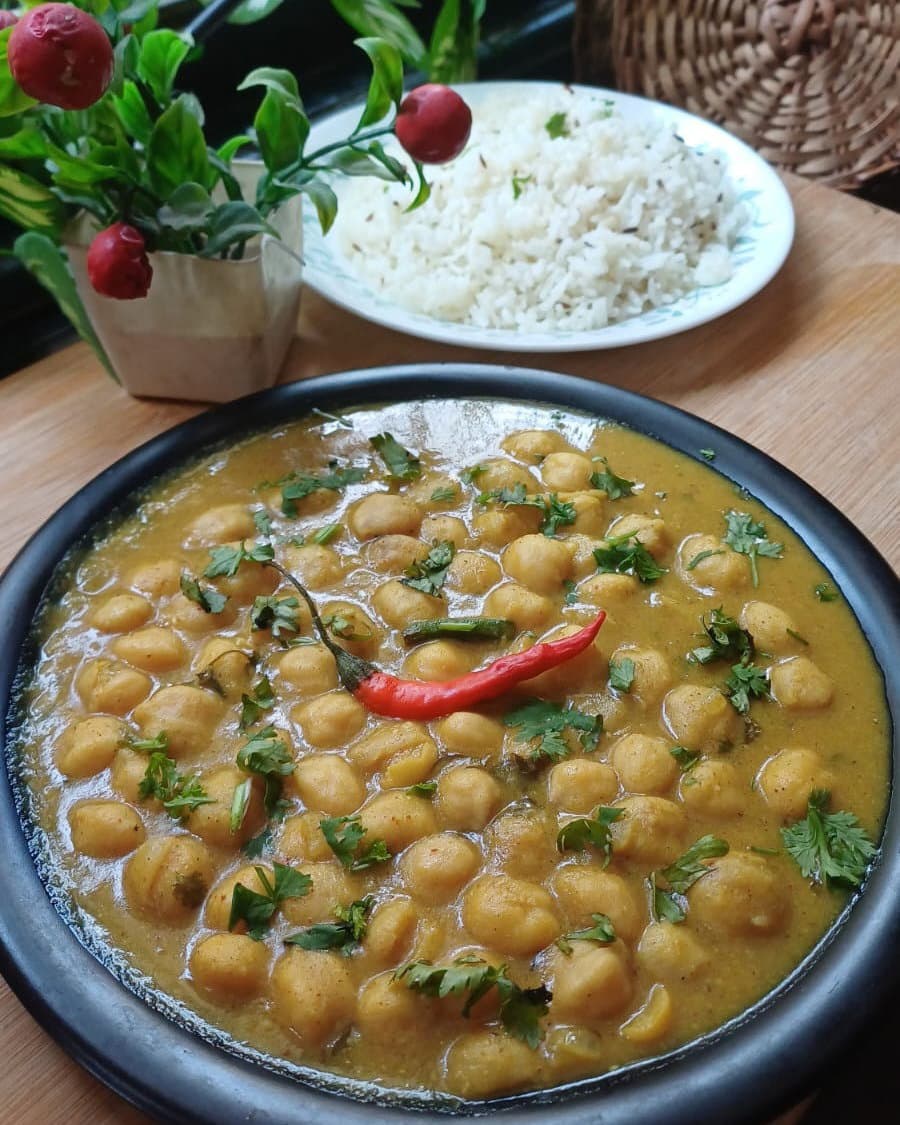
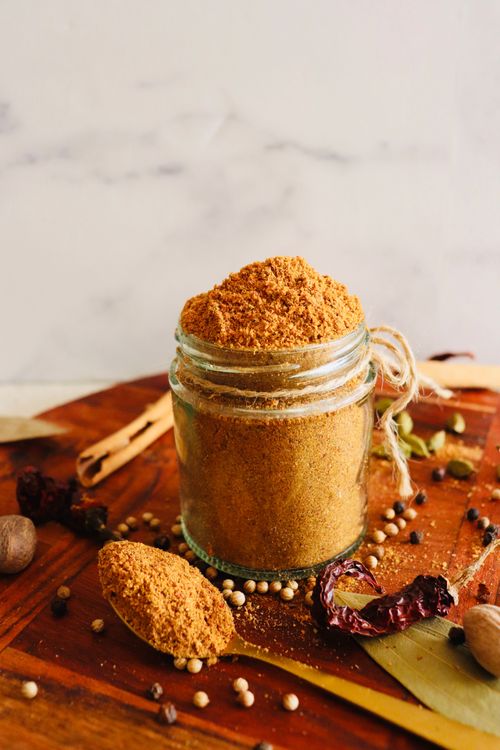
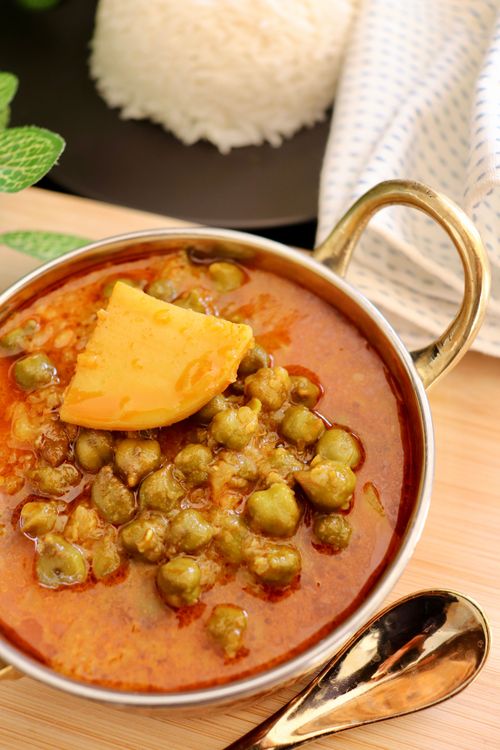
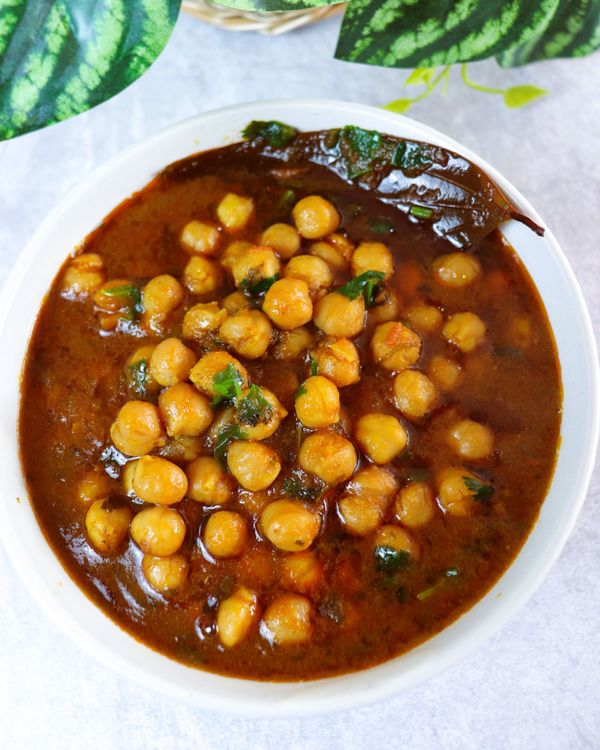
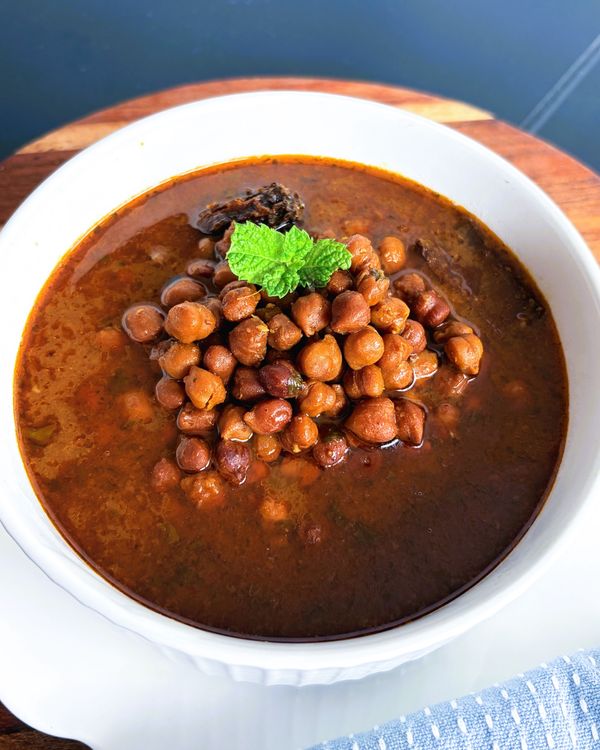
A great chickpea curry is built on a base you refuse to rush. Cook the onions down until deeply golden, bloom ginger, garlic and whole spices in hot fat until they smell cooked rather than raw, then reduce the tomatoes until the oil glistens at the edges before the chickpeas ever join the pot. That patient foundation is where the depth comes from. Once the chickpeas go in, drop the flame and let them barely simmer, so they soak up the masala instead of sitting in it, and mash a spoonful against the side of the pan to thicken the gravy naturally. The single most common mistake is boiling hard or seasoning with salt and acid too early, which firms the skins and leaves the centres chalky. For Punjabi chole, lean on a dark, tangy masala built from amchur and anardana, and darken the pot the street-vendor way by simmering it with a tea bag. Finish off the heat with lemon, fresh coriander, a pinch of garam masala, and slivers of raw ginger and green chilli scattered on top. Standouts here include Chikkar Chole | North Indian Chickpeas Curry and Homemade Chana Masala Powder, plus Green Chickpeas Curry.


- Vegetarian
- Main Course

- Indian
- Vegan
- Sauce & Condiment
- Indian
- Vegan
- Lunch
- Indian
- Vegan
- Lunch
- Indian
- Vegan
- Lunch
Chickpea Salads, Bowls & Hummus
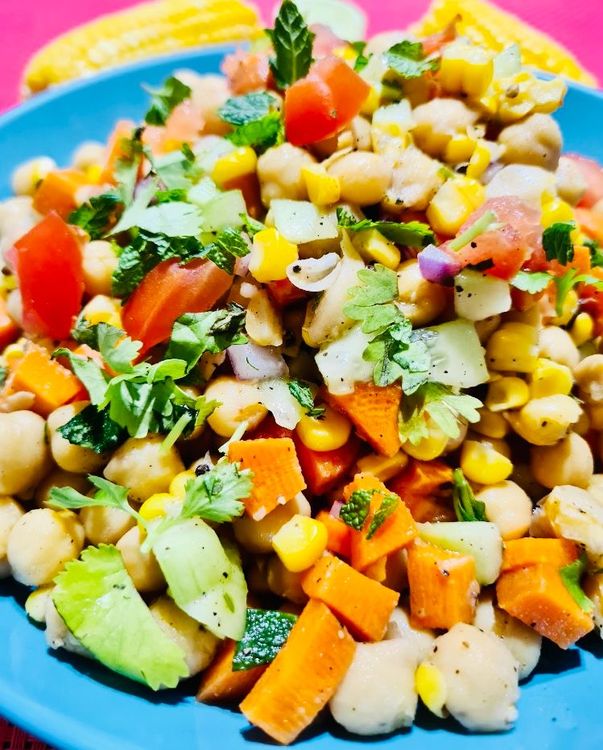
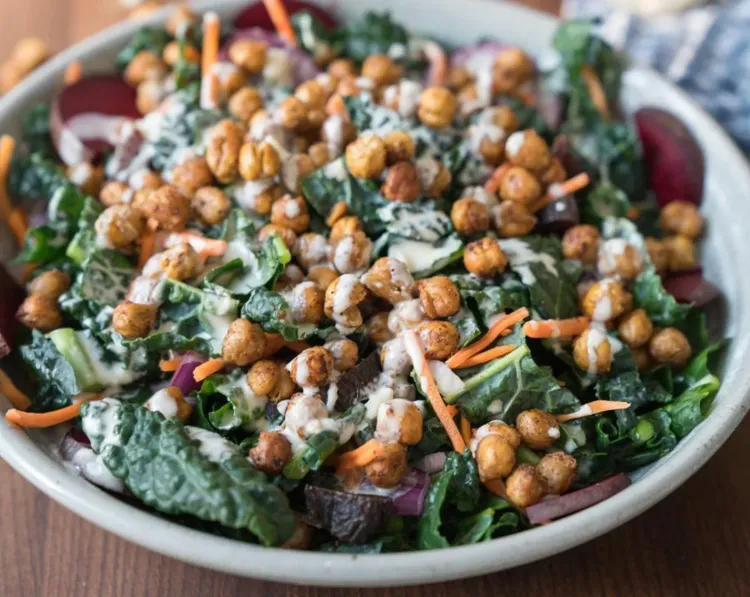
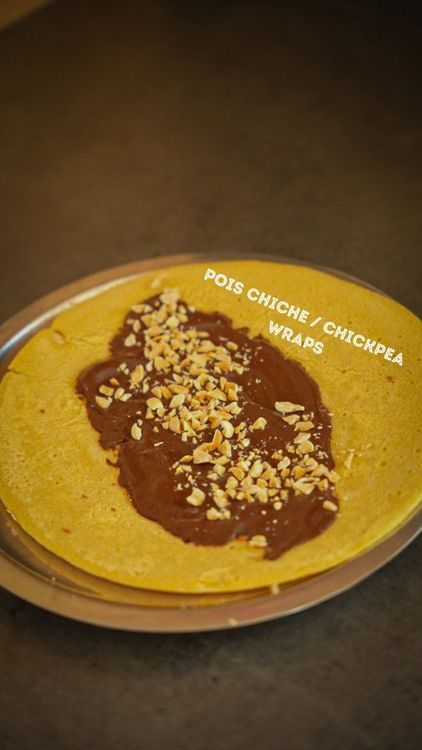
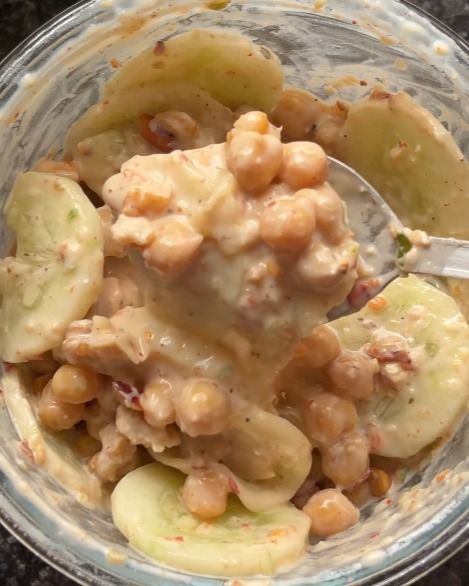
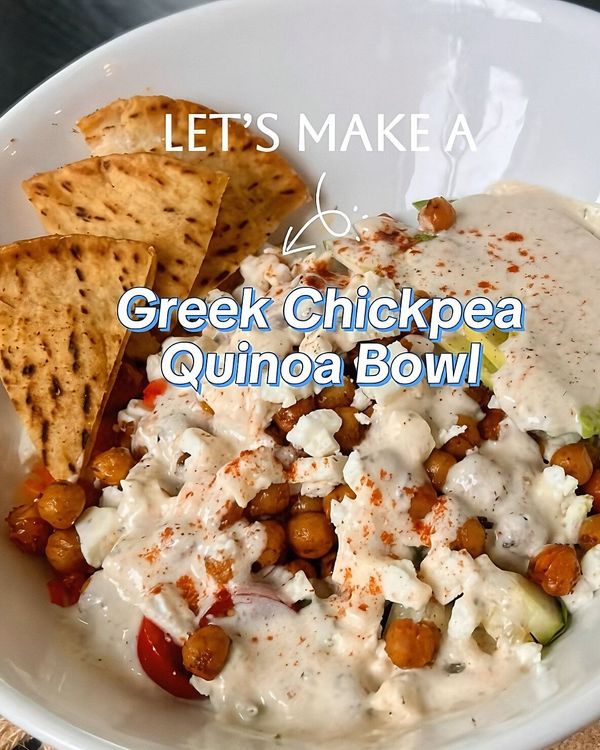
Cooked-and-cooled chickpeas are the backbone of fresh salads, grain bowls and silky dips, and the trick to making them taste like more than padding is to season them while they are still warm. Warm chickpeas drink in dressing, lemon, olive oil and salt far better than cold ones, so toss them the moment they come off the heat and let them sit before the rest of the salad goes in. For Mediterranean-style bowls, pair the beans with cucumber, tomato, red onion, herbs and a sharp lemon-olive oil dressing; for heartier grain bowls, build creamy, crunchy and bright in every bite — hummus or yogurt underneath, roasted chickpeas and seeds for crunch, pickles or lemon for lift. Hummus is its own small craft: simmer the chickpeas extra-soft with a little baking soda, blend the tahini and lemon into a paste first, then add the warm chickpeas and whip with iced water until pale and light. The frequent slip is under-seasoning and serving everything cold and bland; taste, salt and acidify boldly, because chickpeas are mild and can take it. Standouts here include Chickpea and Corn Salad and Roasted Chickpea and Beet Salad with Tahini Dressing, plus Chickpea Wraps - 2 Ingredients.
- Vegan
- Appetiser
- Mediterranean
- Vegan
- Lunch
- Global
- Vegetarian
- Breakfast
- Fusion
- Vegetarian
- Lunch

- Greek
- Vegetarian
- Lunch
Roasted Chickpeas, Chaat & Snacks
Snackable chickpeas are all about dryness and timing. For roasted ones, pat the cooked or drained beans as dry as you can and roll off the loose skins, which otherwise scorch and turn leathery; the drier the surface, the more it browns and crunches instead of steaming soft. Toss in just enough oil to coat, spread them in a single layer with room to breathe, and roast hot, around 200C/400F, shaking the tray so they colour evenly, then let them cool fully on the tray to crisp up further. Add delicate spices like chaat masala or amchur the moment they come out, while the surface is still hot and faintly oily, so the spice clings rather than burns. Chaat takes the same crisp base and piles on contrast: tangy chutneys, raw onion, tomato, a squeeze of lemon and a shower of sev, assembled at the last second so nothing goes soggy. For cutlets and tikki the move flips entirely, since you want a firm, well-bound mix, mashed and held together with a little besan, then shallow-fried in oil held steady so the outside crisps before the inside warms through. Standouts here include Sweet Potato and Chickpea Chaat and Easy Greek Roasted Chickpeas, plus Protein-Packed Roasted Chickpeas Snack.
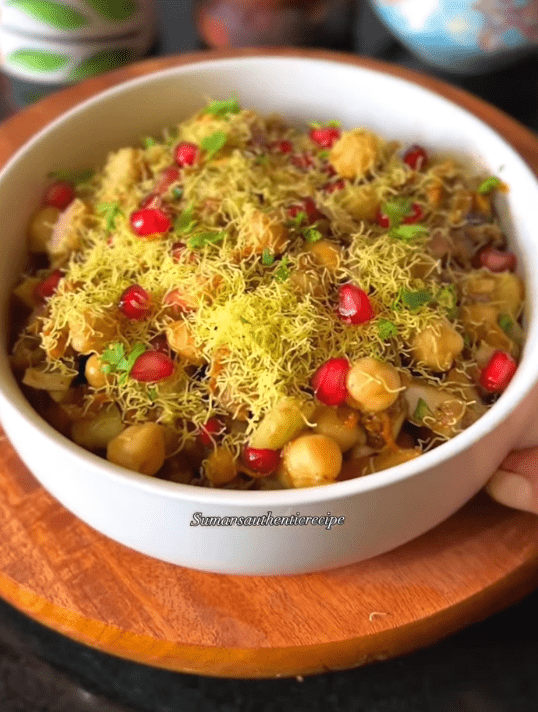
- Indian
- Vegan
- Appetiser
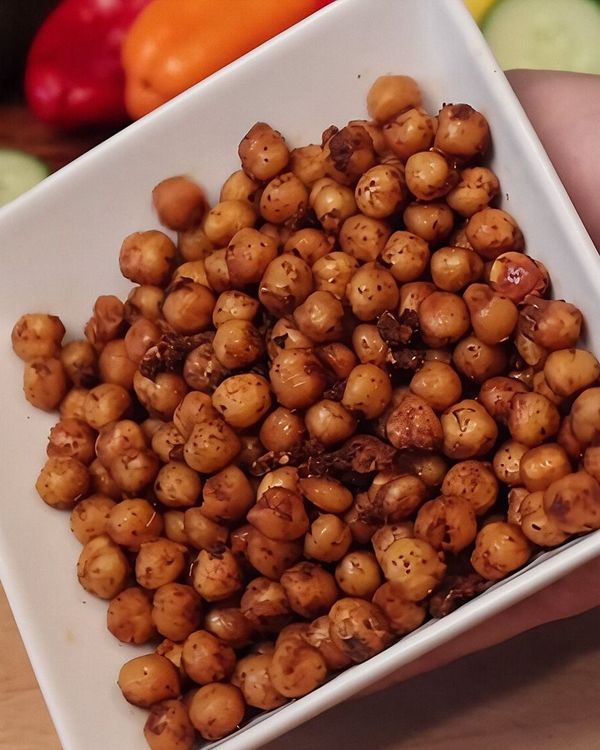
- Greek
- Vegan
- Snack
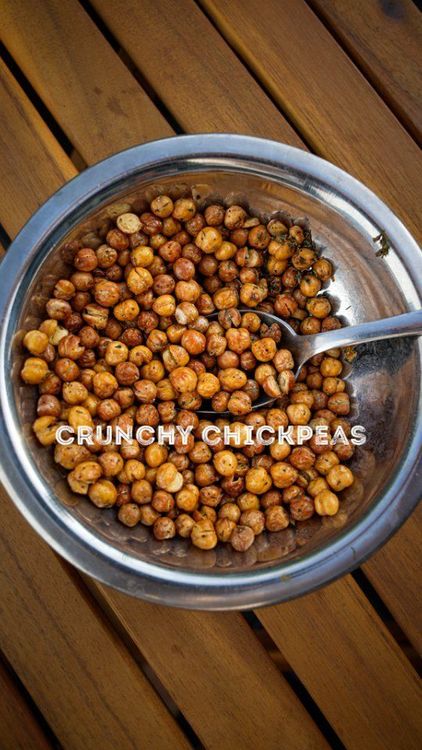
- French
- Vegan
- Snack
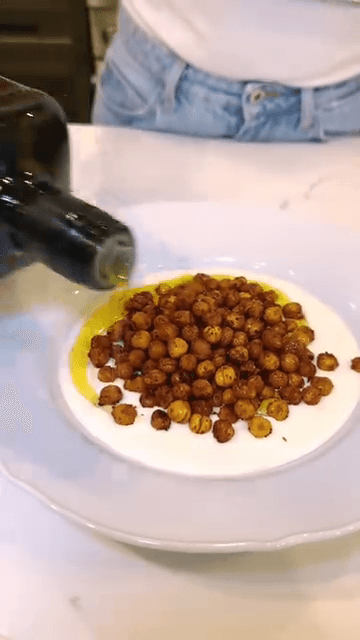

- Mediterranean
- Vegetarian
- Appetiser
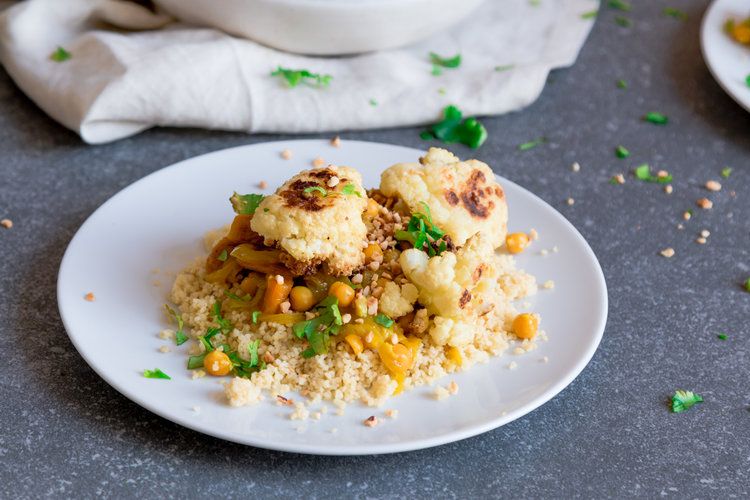

- Moroccan
- Vegan
- Dinner
Global Chickpea Stews & Mains
Travel beyond the subcontinent and the chickpea turns up in some of the world's most comforting one-pot cooking, holding its shape and soaking up bold, layered flavour wherever it lands. A North African tagine simmers them low and slow with warm spices, dried fruit and preserved lemon; a Moroccan-spiced or harissa stew leans smoky and fiery; shakshuka nestles them among eggs poached in a spiced tomato-pepper sauce; and a quick chickpea pasta or pulao stretches the bean into a fast, filling supper. The principle across all of them is to season in layers rather than hoping a final simmer pulls it together: salt the aromatics as they soften, build a properly reduced base, and taste as you go. Chickpeas are sturdy enough to braise without falling apart, so they reward a longer, gentler cook that lets them drink in the sauce, and mashing a few against the pot thickens a stew naturally without flour or cream. The usual error is a thin, under-seasoned broth; reduce it properly, lean into the spice, and finish with something bright, a squeeze of lemon, a swirl of harissa or yogurt, or a scatter of fresh herbs. Standouts here include Chickpea and Vegetable Stew and Microwave Mug Shakshuka with Chickpeas, plus Chickpea Stew.
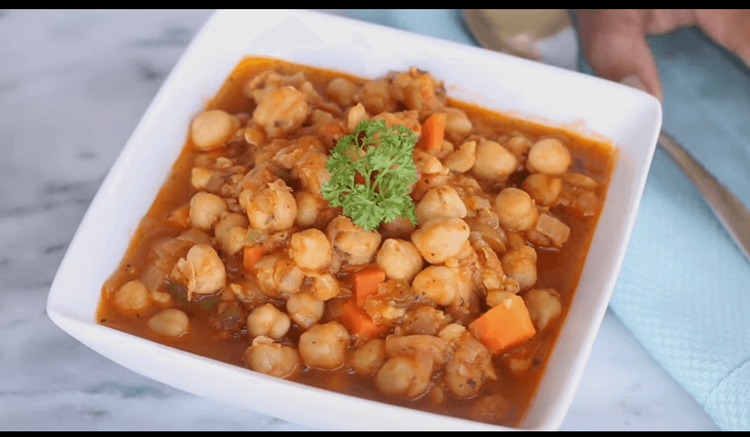
- Mediterranean
- Vegan
- Lunch
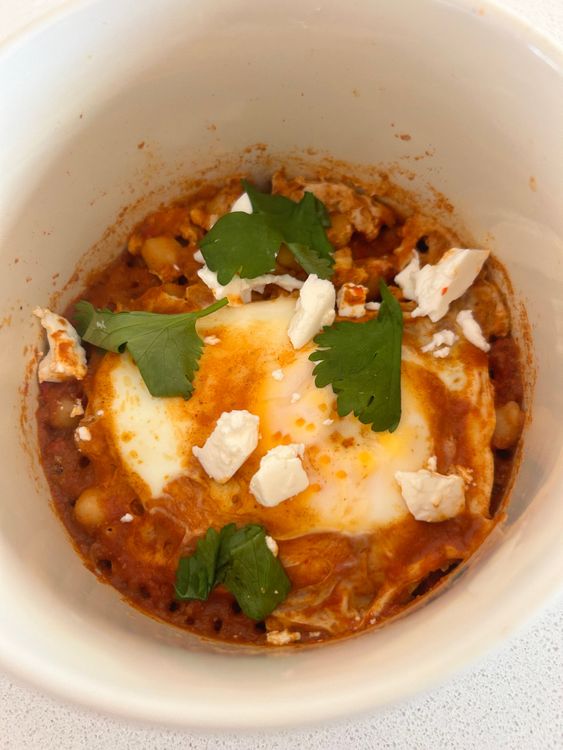

- International
- Eggetarian
- Breakfast
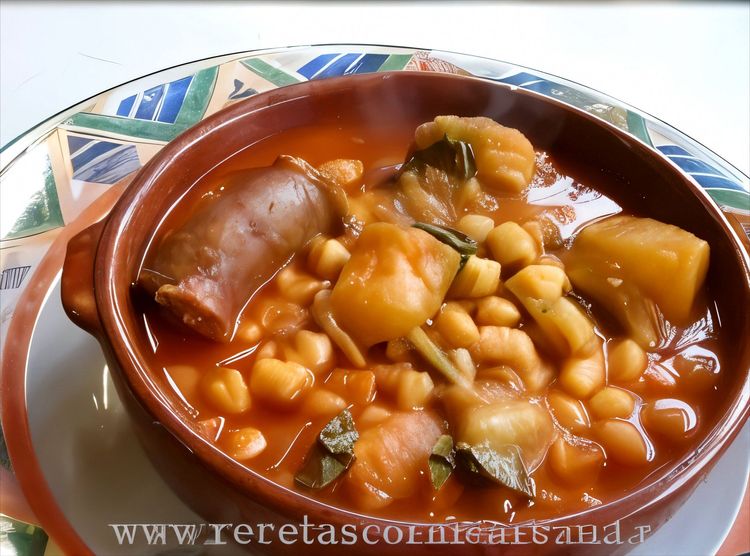
- Spanish
- Non-Vegetarian
- Lunch
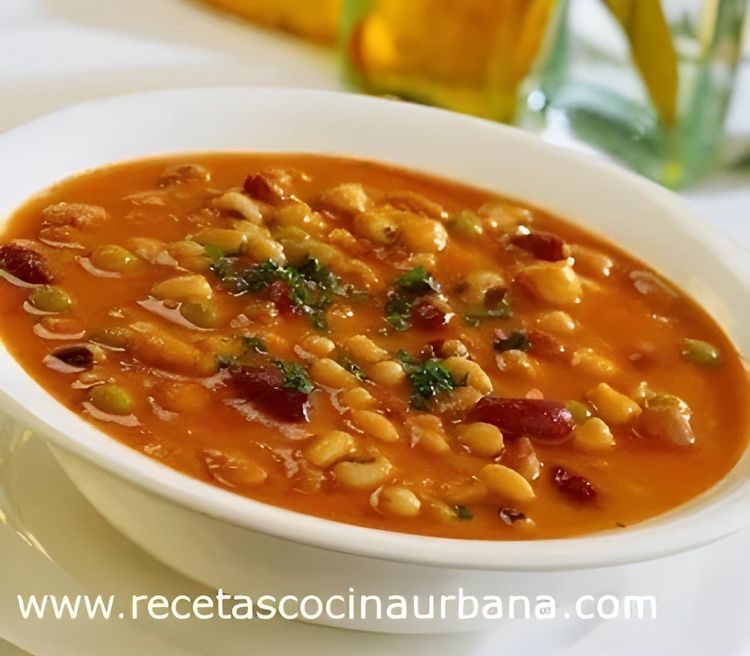
- Spanish
- Eggetarian
- Lunch
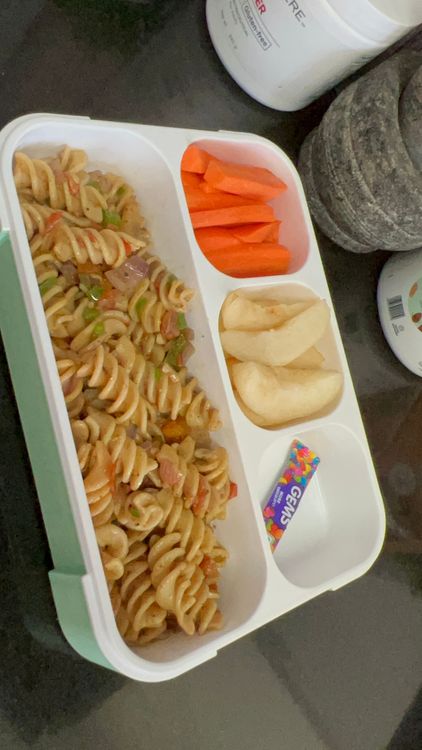

- Italian
- Vegetarian
- Lunch
More Chickpea Favourites
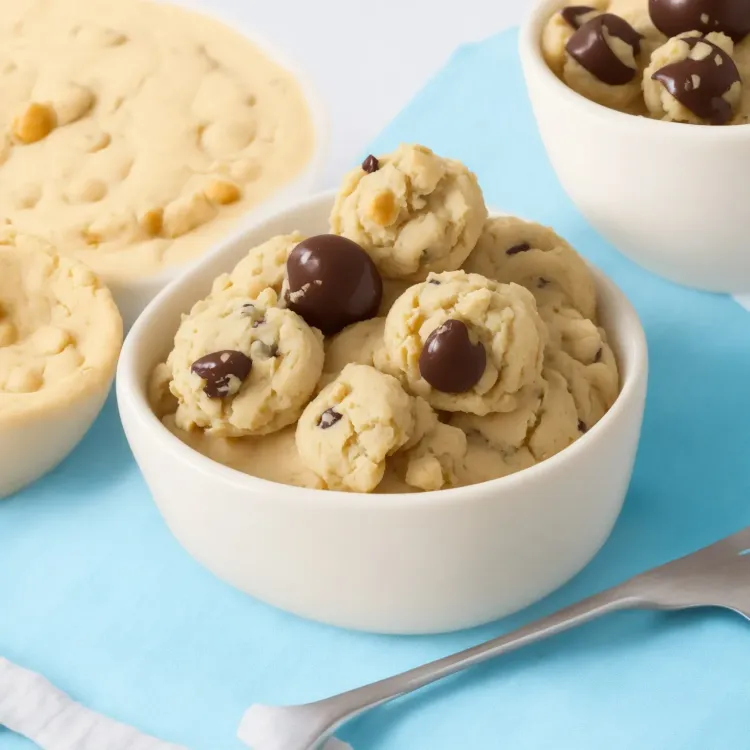
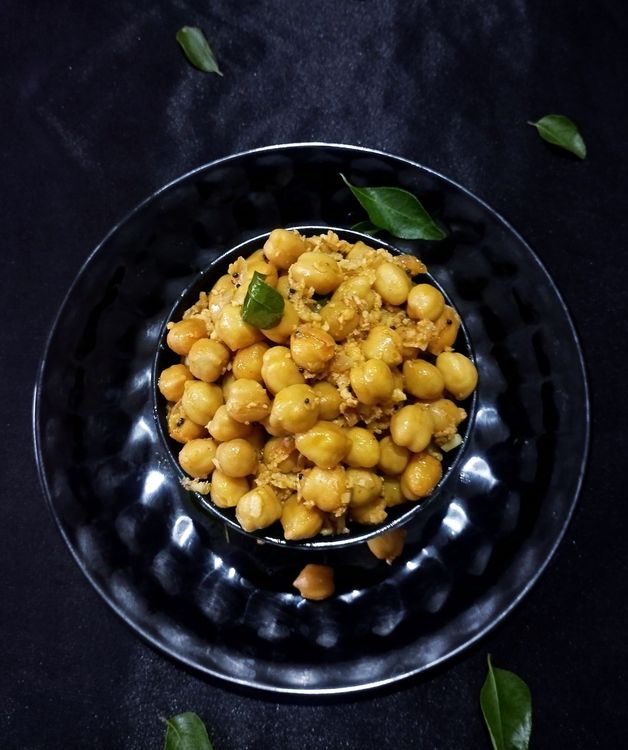
A handful of chickpea dishes never quite settle into a single category, and these are the ones worth keeping once the staples feel routine. They lean on the same fundamentals you already know — soak and simmer until creamy, dry thoroughly for anything crisp, build the base with patience — but steer the bean toward different textures, cuisines and formats, so it never tastes the same twice. Picking your next one is mostly about matching effort to mood: reach for a quick salad, a batch of roasted chickpeas, or a tinned-chickpea curry on a busy night, and save the soaked-overnight chole, the slow-simmered tagine or the made-from-scratch hummus for a weekend when you can let the flavours develop properly. Pay attention to how the chickpeas are treated, too, since the same bean can be whole and toothsome in a salad, meltingly soft in a gravy, or shatteringly crisp on a snack tray. Think of this group as the natural next step after the classics — the recipes that quietly earn a permanent spot in the rotation once you have tried them, and the proof that one humble legume can carry you from breakfast through to a midnight snack. Standouts here include Homemade Sweet Potato Gnocchi with Chickpea Veg Dish and Chickpeas & Jaggery Bites, plus Vegan Chickpea Chocolate Chip Cookie Dough.


- Vegetarian
- Dinner
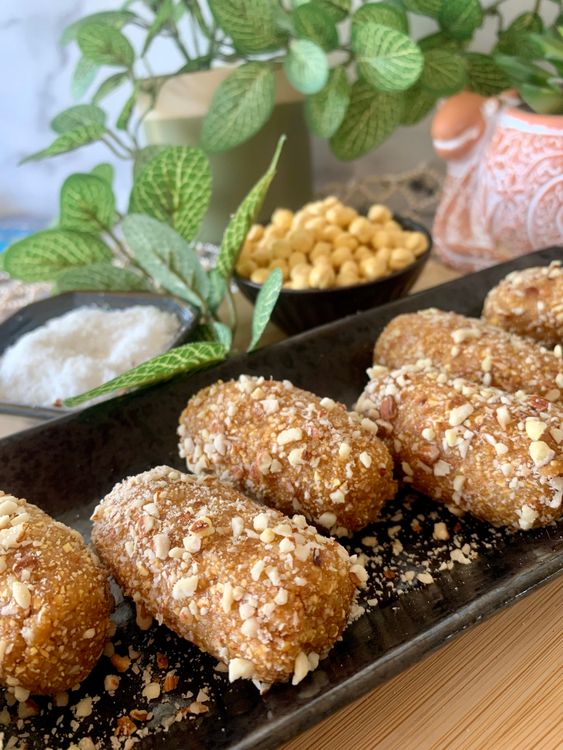
- Indian
- Vegetarian
- Dessert
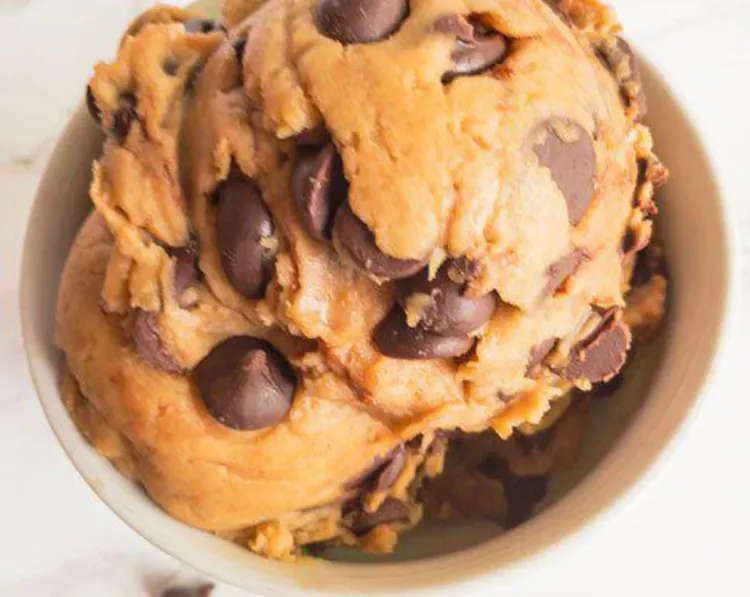
- American
- Vegan
- Snack
- American
- Vegan
- Snack
- Indian
- Vegan
- Lunch
Cooking Chickpeas Until Truly Creamy
The difference between a chalky chickpea and a buttery one is almost entirely about soaking and time. Dried chickpeas want a long soak — eight hours or overnight in plenty of cold water — which rehydrates them evenly so they cook through without splitting. Short on time? A quick hot soak works: cover them with boiling water, leave for an hour, then drain and cook. Skipping the soak leaves the centres hard no matter how long they simmer.
Simmer soaked chickpeas gently rather than at a hard rolling boil, which can burst the skins before the insides soften. A pinch of baking soda in the cooking water raises the pH and helps the skins break down for that melting, creamy texture that hummus and chole both rely on. Hold off on salt and any acid (tomato, lemon) until the chickpeas are nearly tender, since both can firm up the skins and slow the softening if added too early.
A pressure cooker is the everyday shortcut: soaked chickpeas cook through in roughly fifteen to twenty minutes, unsoaked in closer to forty, both far faster than the stovetop. Tinned chickpeas are already cooked and perfectly good — rinse them well to wash off the brine, and if you want them softer for hummus, simmer them another ten minutes with a little baking soda. Save the starchy cooking liquid (aquafaba) for binding fritters or whipping into dips.
Building a Chole Base With Real Depth
A great chole or chana masala is built in layers, and the most common mistake is rushing the base. Cook the onions down properly until soft and deeply golden, bloom the ginger, garlic and whole spices in hot fat so they smell cooked rather than raw, then add the tomatoes and reduce them until the oil glistens at the edges. Only then do the chickpeas go in. That patient base is where the body and richness of the gravy come from — there are no shortcuts to it.
Spicing is what separates regional styles. Punjabi chole leans on a dark, tangy masala built from amchur, anardana (pomegranate seeds) and a hit of chana masala powder, often darkened further by simmering with a tea bag or a few dried amla. Pindi chole skips the gravy almost entirely, coating the chickpeas in a dry, deeply spiced rub. Toast and grind your whole spices fresh when you can, and let the finished pot rest so the flavours marry.
Once the chickpeas join the base, let them simmer gently so they drink in the masala rather than sitting in it, mashing a spoonful against the side of the pot to thicken the gravy naturally. Use some of the chickpea cooking liquid instead of plain water for extra body. Finish off the heat with something bright and something warm — a squeeze of lemon, a scatter of fresh coriander, a pinch of garam masala and a few slivers of raw ginger and green chilli on top.
Getting Chickpeas Genuinely Crispy
Crispy roasted chickpeas live and die on dryness. After cooking or draining, spread them on a towel and pat them as dry as you can, rolling off any loose skins, which otherwise scorch and stay leathery. The drier the surface, the more it browns and crunches instead of steaming soft. Toss them in just enough oil to coat, spread them in a single layer with room to breathe, and roast hot — around 200C/400F — shaking the tray once or twice so they colour evenly.
Time the seasoning to the method. For roasting, a light dusting of salt and sturdy spices before they go in is fine, but add delicate powders like chaat masala or amchur the moment they come out, while the surface is hot and faintly oily, so the spice clings rather than burning. For the crunchiest result, let roasted chickpeas cool fully on the tray; they crisp further as they sit, and storing them warm in a sealed container traps steam and turns them soft again.
For fritters, cutlets and tikki, the move is the opposite of dry — you want a cohesive, well-bound mix. Mash or coarsely grind the chickpeas, bind with a little besan or breadcrumb so the patties hold, and keep the mix on the firm side so it does not absorb oil and fall apart. Fry in oil held steady around 170 to 180C; too cool and they drink oil and go greasy, too hot and the outside browns before the inside warms through. Rest them on a rack so they stay crisp.
Pro Tips from the Test Kitchen
- Soak dried chickpeas overnight (or hot-soak one hour) so they cook through evenly and turn creamy.
- Add a pinch of baking soda to the cooking water to soften the skins for hummus and chole.
- Hold salt and acid (tomato, lemon) until the chickpeas are nearly tender, or the skins firm up.
- A pressure cooker cooks soaked chickpeas in about 15 to 20 minutes — far faster than the stovetop.
- Rinse tinned chickpeas well to wash off the brine, and save the aquafaba for fritters and dips.
- Cook your chole onion-tomato base until the oil separates before the chickpeas ever go in.
- Use the starchy chickpea cooking liquid instead of plain water for a richer, fuller gravy.
- Dry roasted chickpeas thoroughly and roast in a single layer so they crisp instead of steaming.
- Add delicate spices like chaat masala the moment roasted chickpeas come out of the oven.
- For smooth hummus, simmer the chickpeas a little extra with baking soda, then blend while warm.
Frequently Asked Questions
What are some easy chickpea recipes to start with?
Begin with quick wins that show off the bean: a simple chana masala using tinned chickpeas, a Mediterranean chickpea salad dressed while warm, a batch of crispy roasted chickpeas for snacking, or a smooth homemade hummus. From there, branch into a proper Punjabi chole, a comforting chickpea shakshuka, or chickpea cutlets. Tinned chickpeas make almost all of these a weeknight job, while a soaked-and-simmered pot rewards a little planning with deeper texture.
What are the best chickpea recipes for a high-protein meal?
Chickpeas are naturally high in protein and fibre, so most of these dishes are filling on their own. For the most substantial meals, look to chana masala or chole served with rice or roti, a loaded grain bowl with hummus and roasted chickpeas, a hearty chickpea and vegetable stew, or chickpea pasta. Pairing the beans with a grain rounds out the protein, and a handful of roasted chickpeas adds crunch and staying power to any salad or bowl.
How do you make chana masala or chole taste like the restaurant version?
Depth comes from the base and the spicing. Cook the onions until deeply golden, reduce the tomatoes until the oil separates, and use a freshly toasted, tangy chole masala built on amchur and anardana. Simmering the chickpeas with a tea bag or dried amla darkens the gravy the way street vendors do, and mashing a spoonful of chickpeas thickens it naturally. Finish off the heat with lemon, fresh coriander, garam masala and slivers of raw ginger and green chilli.
How do you make crispy roasted chickpeas that stay crunchy?
Dryness is everything. Pat the cooked or drained chickpeas thoroughly dry and roll off loose skins, then toss in just enough oil to coat and roast in a single layer at around 200C/400F, shaking the tray so they brown evenly. Add delicate spices when they come out, not before, so they do not burn. The key to lasting crunch is cooling them fully on the tray and storing them only once cold — sealing them warm traps steam and softens them again.
Should you use dried or tinned chickpeas?
Both work; it comes down to time and texture. Tinned chickpeas are already cooked, convenient and perfectly good for salads, quick curries and snacks — just rinse off the brine. Dried chickpeas, soaked and simmered, give a creamier, more flavourful result and far better value, and you control the seasoning and softness, which matters for hummus and slow-cooked chole. Keep a few tins for weeknights and cook a big batch of dried ones to freeze in portions.
Why are my chickpeas still hard after cooking?
Usually it is one of three things: they were not soaked long enough, they are old and stale (dried beans toughen with age), or salt and acid went in too early. Soak overnight, use reasonably fresh dried chickpeas, and hold back the salt, tomato and lemon until the beans are nearly tender. Hard water can also slow softening — a pinch of baking soda in the cooking water raises the pH and helps the skins break down so the centres finally turn creamy.
How do you make smooth, creamy hummus?
Soft chickpeas and a good blend are the secret. Simmer the chickpeas a little longer than usual with a pinch of baking soda so the skins loosen, then blend them while still warm — warm chickpeas purée far smoother than cold ones. For the silkiest result, slip off the skins, or push the finished hummus through a sieve. Blend the tahini and lemon juice first into a paste before adding the chickpeas, and loosen with iced water or aquafaba until light and whipped.
What is the difference between chana, chickpeas and garbanzo beans?
They are largely the same legume under different names — chickpeas and garbanzo beans are identical, garbanzo being the Spanish-derived term. In Indian cooking, chana usually means the larger, paler Kabuli chickpea used for chole and salads, while kala chana is the smaller, darker, nuttier desi chickpea often used for ghugni, sundal and chaat. Chana dal is the same desi chickpea split and skinned. They cook similarly, though the smaller dark variety holds its shape and bite a touch more.
Can you make chickpea dishes ahead of time?
Many improve with time. Chole, chana masala and chickpea stews often taste better the next day once the spices meld, and they reheat and freeze well, so a big batch pays off. Cooked plain chickpeas keep three to four days in the fridge or months in the freezer. Hummus holds nearly a week chilled. The exception is anything crisp — roasted chickpeas and fritters are best fresh, though you can roast them and re-crisp briefly in a hot oven before serving.
The thread through every chickpea recipe here is the same: soak and simmer them until genuinely creamy for curries, salads and hummus, dry them thoroughly for anything you want crisp, and build your chole base with real patience so the chickpeas drink in flavour rather than sitting in a thin sauce. Master those and curries, salads, snacks and stews all turn out exactly as intended.
Pick a few chickpea recipes to cook this week — a spiced chole, a fresh chickpea salad and a tray of crispy roasted chickpeas — and save your favourites to a Chefadora cookbook. From a quick weeknight curry to a slow weekend stew, there is a chickpea dish for every mood; this page is built to be the chickpea reference you keep coming back to.
Related
- Chickpea
- Chana
- Vegetarian
- High protein
- Indian
- Curry
- Hummus
- Budget
Popular Searches
- Best chickpea recipes
- Easy chickpea recipes
- Quick chickpea recipes
- Healthy chickpea recipes
- Simple chickpea recipes
- Homemade chickpea recipes
- Delicious chickpea recipes
- Popular chickpea recipes
- chana masala
- chole recipe
- chickpea curry
- hummus recipe
Marnirni-apinthi Building, Lot Fourteen,
North Terrace, Adelaide, South Australia, 5000
Australia
