
Top 25 Cake Recipes: Chocolate, Carrot, Fruit and Sponge
Updated June 22, 2026 · Curated by Chefadora
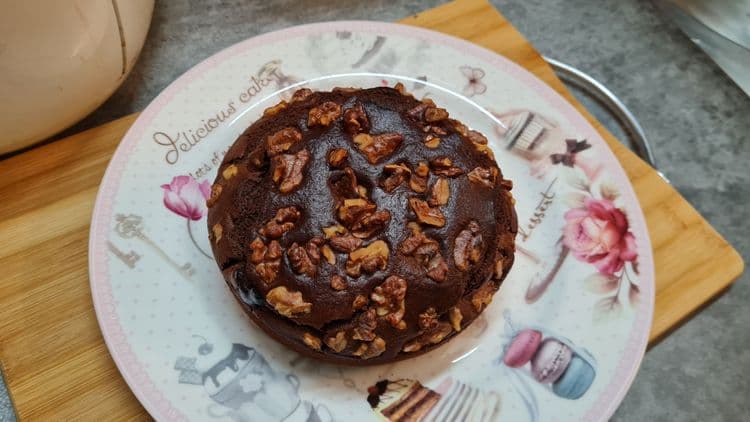
Cake recipes cover everything from a one-minute mug cake to a layered celebration centrepiece, and the collection below spans that whole range — rich chocolate cakes, moist carrot and spiced bakes, bright fruit cakes, classic sponges, and quick microwave and air-fryer cakes, many of them eggless. Whether you are baking for a birthday or just a Tuesday craving, there is a cake here for the time and skill you have.
Cake is more precise than cookies, but the principles are simple once you know them: measure accurately (ideally by weight), get your ingredients to room temperature, cream or mix to the right point, and do not overbake. Most cake disasters come down to one of those four. Get them right and even a humble sponge turns out tender, even and reliably good.
You will find the collection grouped into clusters — chocolate cakes, carrot and spiced cakes, fruit cakes, mug and quick cakes, and classic sponges. Standout dishes range from a moist Chocolate Cake and Carrot Cake to a Mango Cake and a one-minute Mug Cake, each built on the fundamentals the guides below lay out, with plenty of eggless options throughout.
Treat this as a working reference. Each recipe links to full ingredients and steps on Chefadora, and the guides cover what actually decides whether a cake rises level and stays moist — measuring and mixing properly, the science of a tender crumb, and baking and testing for doneness so you never cut into a sunken or dry cake again.
Chocolate Cakes
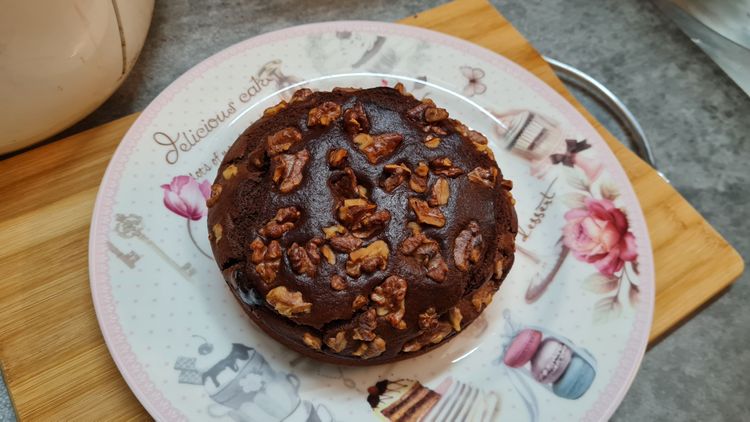
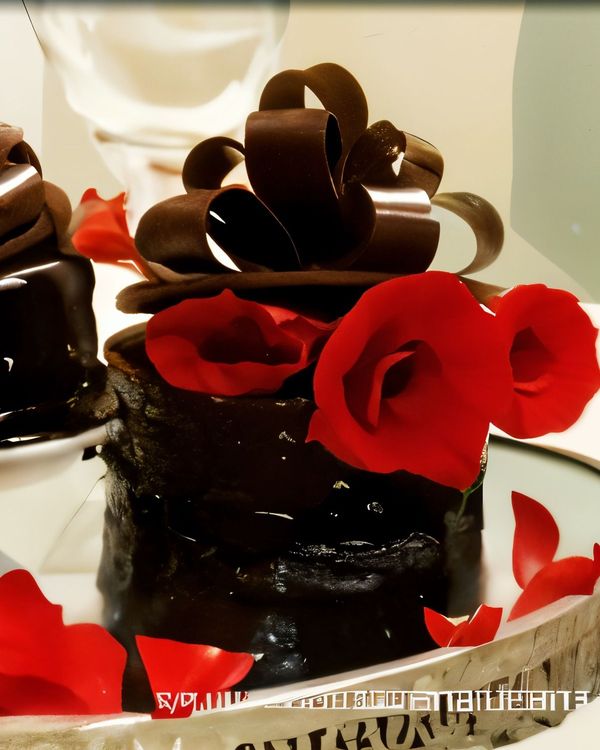
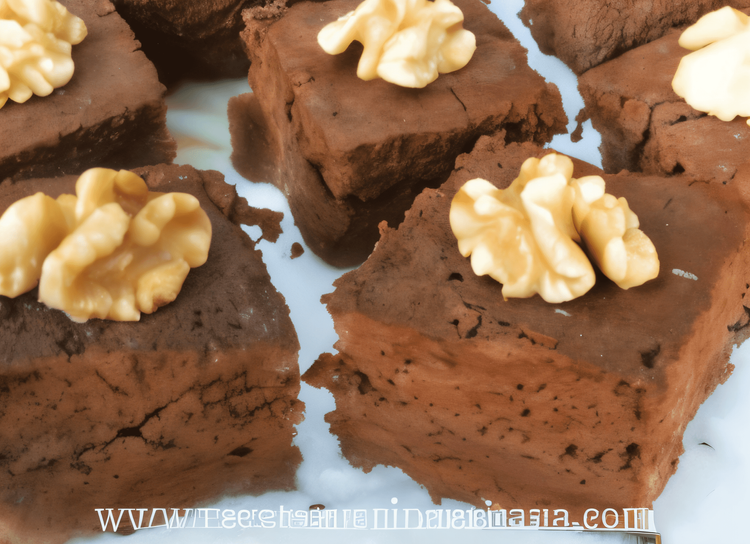
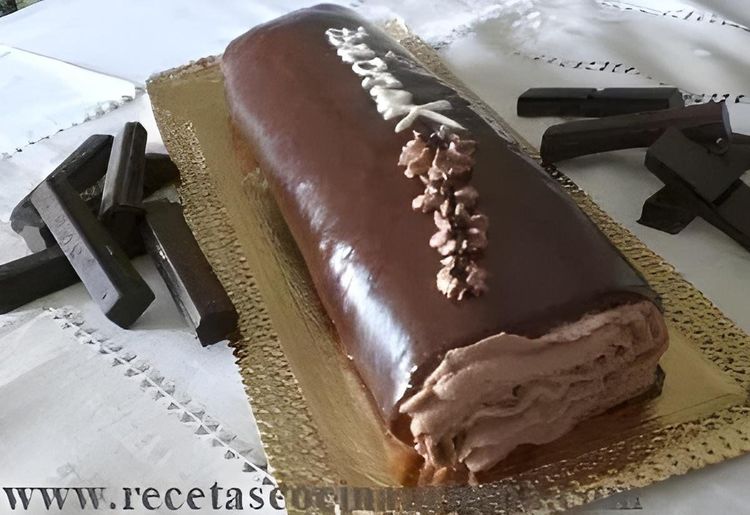
A great chocolate cake is the one bake worth perfecting, and the secrets are mostly about flavour and moisture. Bloom your cocoa powder by mixing it with hot coffee or boiling water before it goes into the batter; this dissolves it fully and deepens the chocolate flavour dramatically, and no, the coffee does not make the cake taste of coffee, it just makes chocolate taste more like chocolate. That extra hot liquid also gives chocolate cake its characteristic soft, moist crumb. Beyond that, the usual cake rules apply hard: measure by weight so the batter is not dense, use room-temperature ingredients, and fold the flour in only until it disappears so you do not toughen the crumb. The biggest enemy of chocolate cake is overbaking, which dries it out fast, so start checking early and pull it when a skewer comes out with a few moist crumbs rather than clean. Many chocolate cakes are easily made eggless with yogurt or condensed milk, and oil-based versions stay moist for days, which is part of why this is the cake people come back to again and again. Standouts here include Chocolate Cake in Airfryer and Chocolate Cake with Hearts, plus Carrot Cake with Chocolate Ganache.

- International
- Vegetarian
- Appetiser
- Global
- Eggetarian
- Dessert

- American
- Eggetarian
- Dessert
- International
- Eggetarian
- Snack
- French
- Eggetarian
- Dessert
Carrot & Spiced Cakes
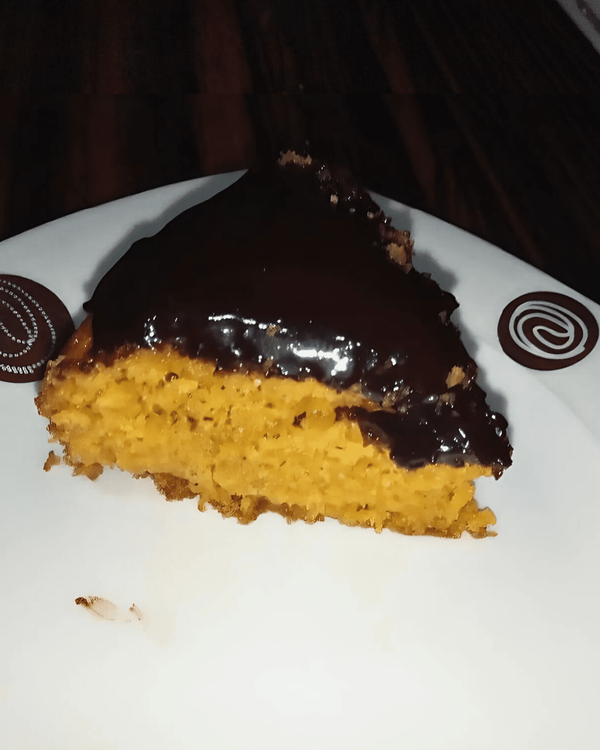
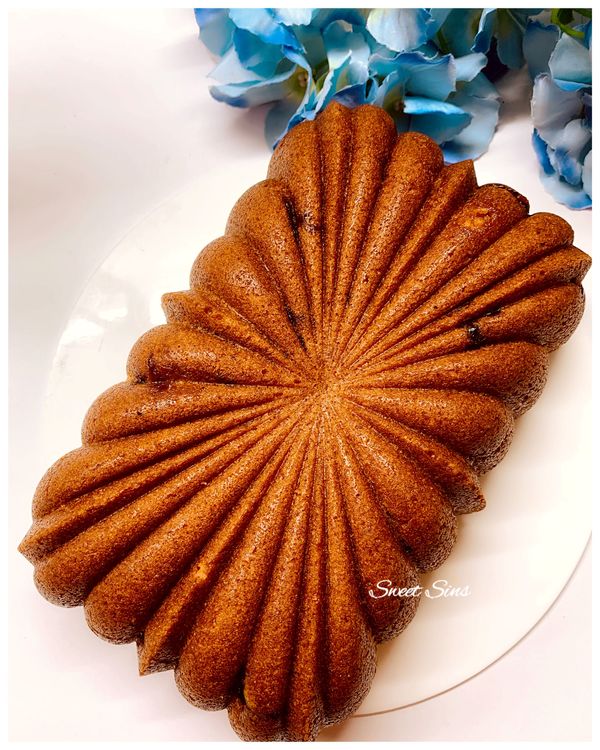
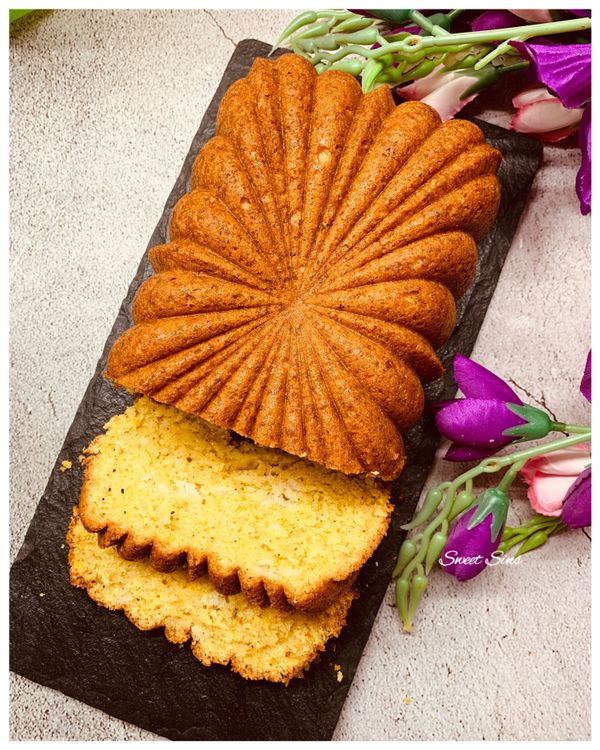
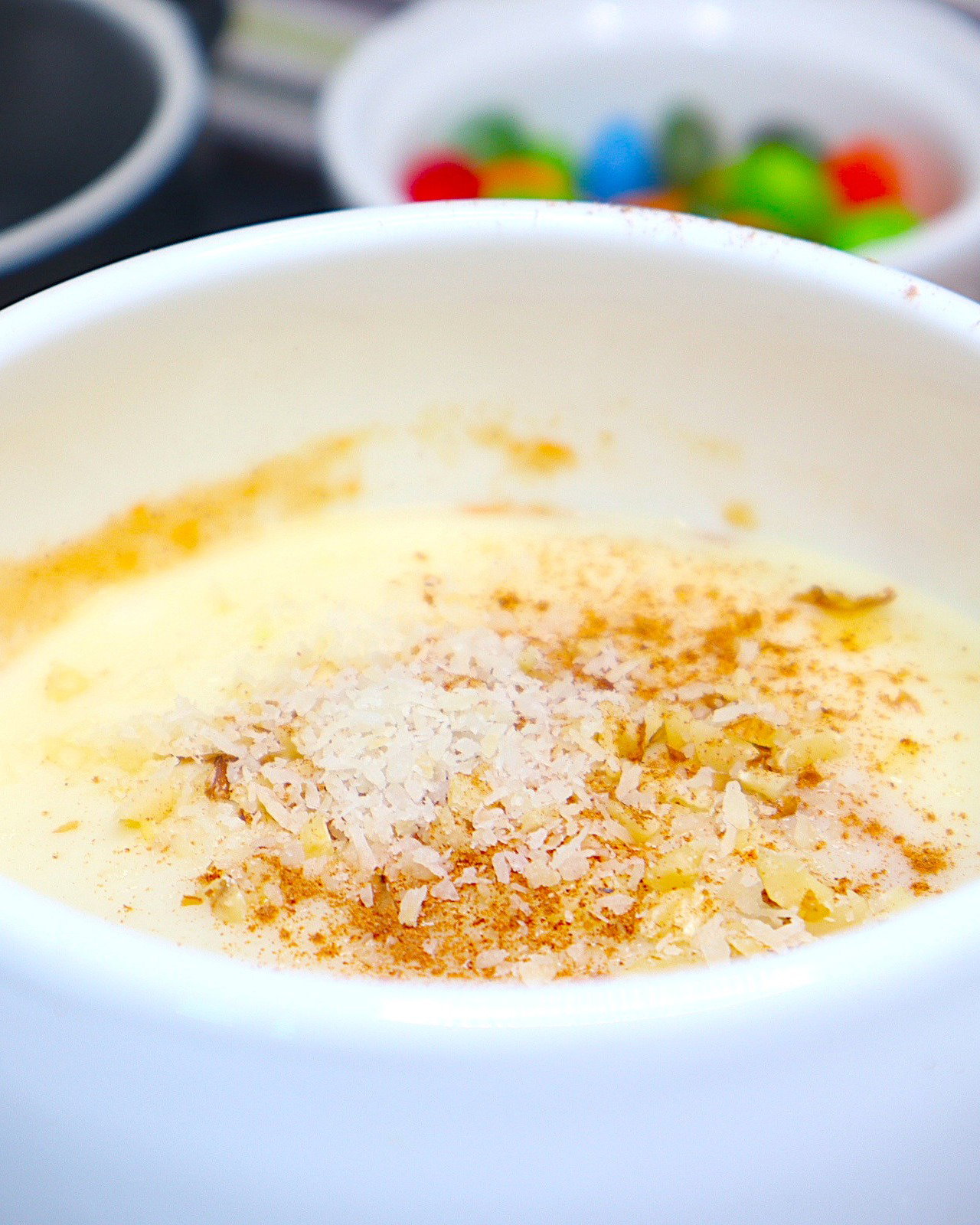
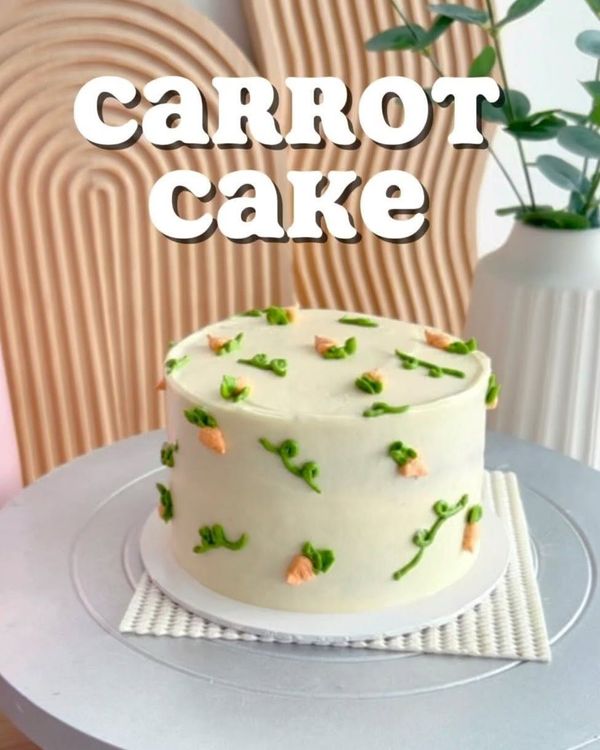
Moist, warming and remarkably forgiving, carrot and spiced cakes are some of the easiest cakes to get right, which is why they are such reliable crowd-pleasers. The grated vegetables and oil are the key to their famous texture: oil stays liquid at room temperature so these cakes keep moist and tender for days, far longer than a butter sponge, and the moisture from grated carrot, banana or pumpkin works the same way. Warm spices do as much work as the sugar here, so be generous with cinnamon, cardamom, nutmeg and ginger, which give these cakes their cosy depth. Because they are oil-based, you do not need to cream butter, just whisk the wet and dry together gently until combined, which makes them quick and hard to overmix. Fold in any nuts or extras at the end, and toss heavier add-ins in a little flour so they do not sink. Test with a skewer rather than going by colour, since a moist spiced cake can look done on top before the centre is set, and let it cool fully before any cream-cheese frosting so it does not slide. Standouts here include BLUEBERRY TEA CAKE and THANDAI TEA CAKE, plus Carrot Cake Mug Cake (1 Minute Microwave Dessert).

- English
- Vegetarian
- Dessert
- Indian
- Vegetarian
- Dessert

- American
- Vegetarian
- Dessert
- American
- Eggetarian
- Snack


- Vegetarian
- Breakfast
Fruit Cakes
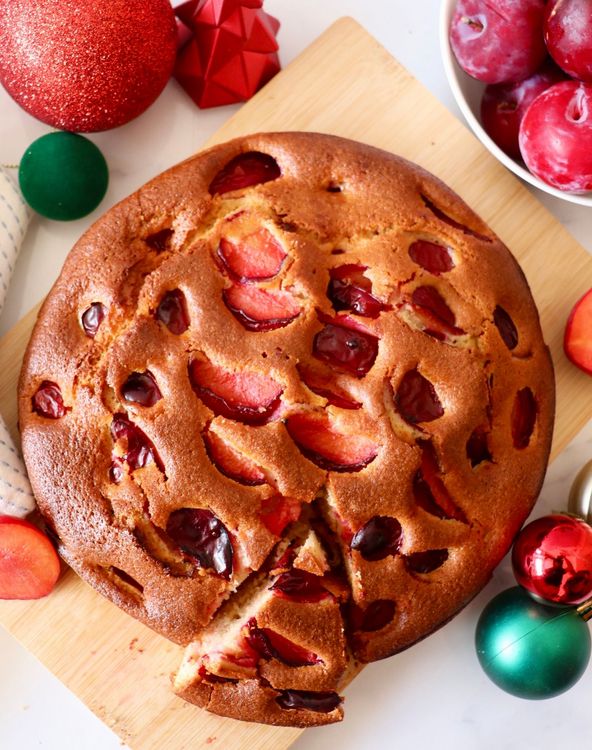
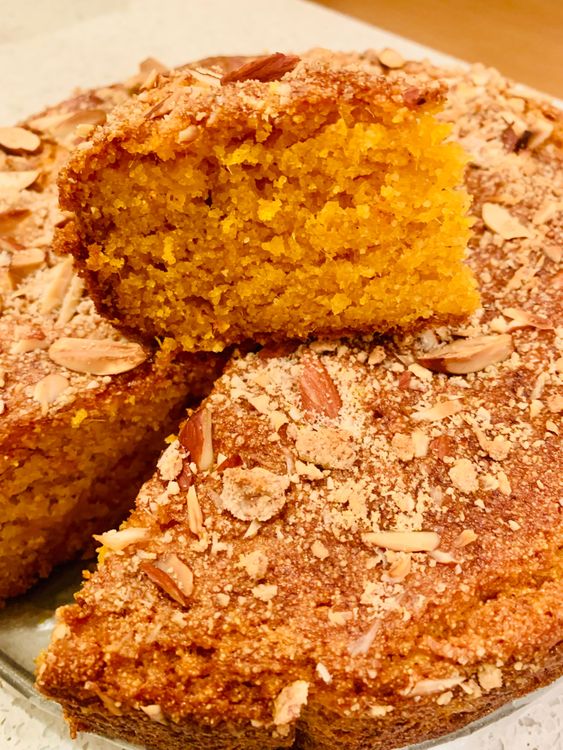
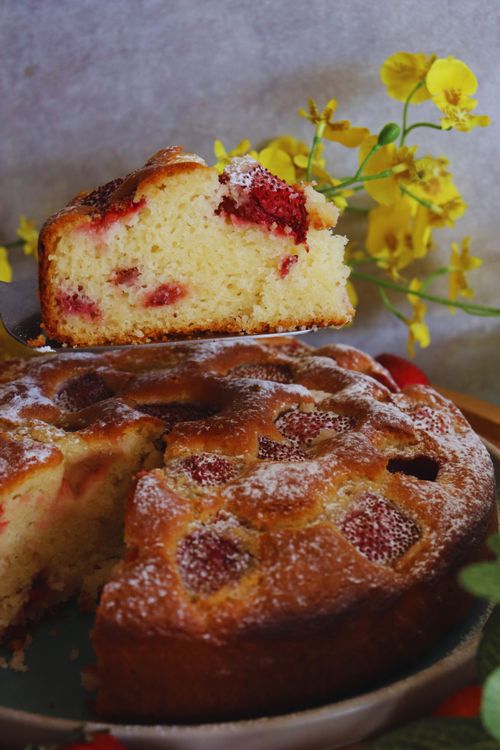
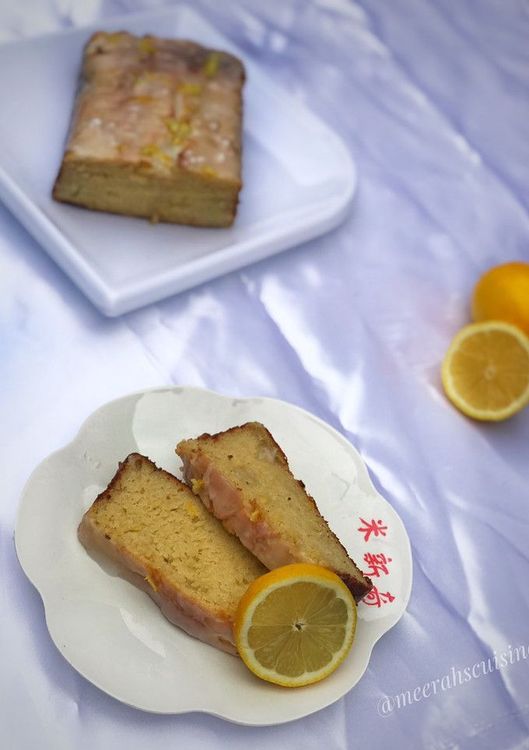
Bright and fresh, fruit cakes let ripe seasonal fruit lead, and the techniques are about keeping that fruit where you want it and the crumb tender. The classic problem is fruit sinking to the bottom of the tin, which you avoid by tossing heavier or wetter pieces in a little of the recipe's flour before folding them in gently at the end, so they stay suspended through the bake. Use genuinely ripe, flavourful fruit, since a bland mango or watery strawberry gives a bland cake, and balance the sweetness with a little acid, like lemon zest or juice, to keep it from cloying. Watch the extra moisture fruit brings: very wet fruit can leave a cake dense or gummy, so do not overload the batter and bake until a skewer comes out clean, trusting it over the surface colour. Fold the batter just until combined to keep the crumb light. From a moist mango cake to a blueberry tea cake or a citrus bake, these are the cakes that taste of the season and pair beautifully with a simple glaze or a dusting of sugar rather than heavy frosting. Standouts here include Plum Cake and Mango Cake, plus Strawberry Cake - Soft, Moist & Irresistible .

- English
- Eggetarian
- Dessert
- Indian
- Vegetarian
- Snack
- American
- Eggetarian
- Dessert
- American
- Eggetarian
- Snack
- European
- Eggetarian
- Dessert
Sponge, Vanilla & Classic Cakes
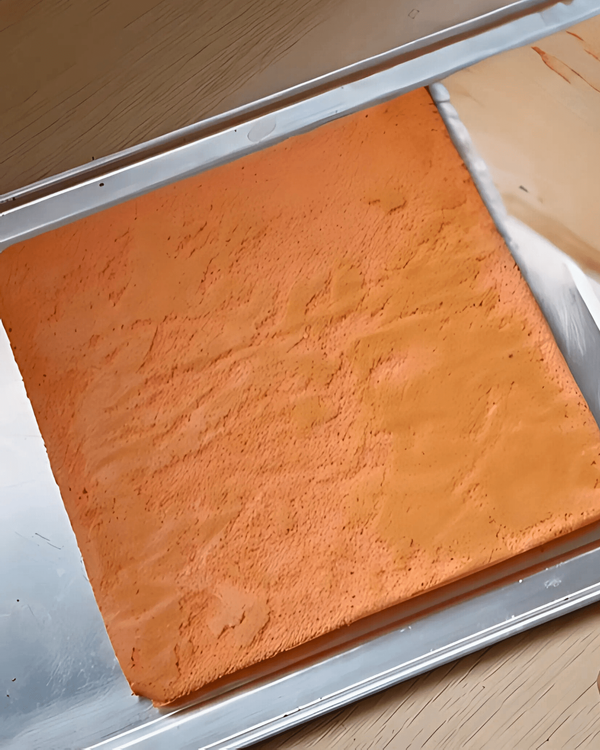
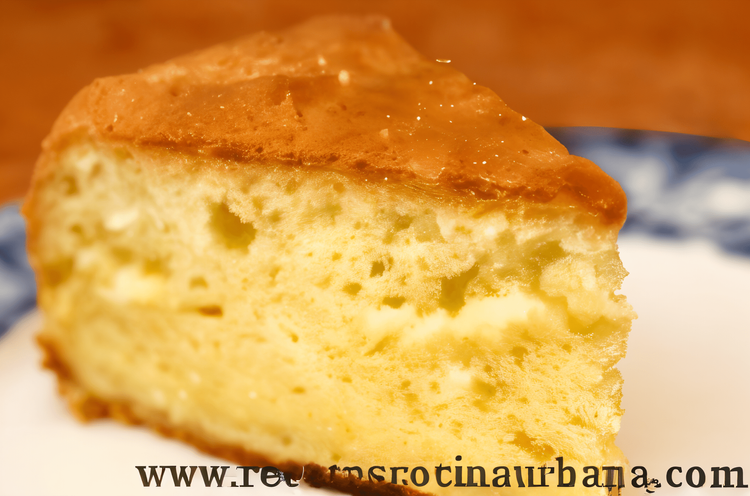
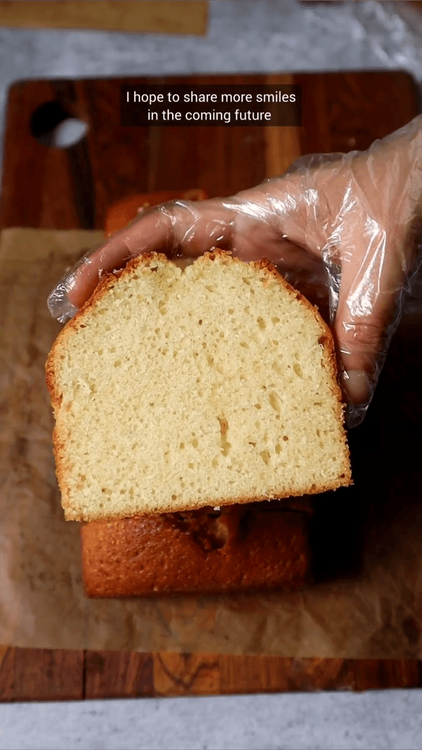
The classic sponges, vanilla cakes and pound cakes are the foundation every baker should know, the blank canvases that become birthday cakes, layer cakes and teatime slices. Getting them light comes down to creaming and care: beat room-temperature butter and sugar until genuinely pale and fluffy to whip in the air that gives the cake its rise and tender crumb, then add eggs one at a time so the batter does not split. Once the flour goes in, fold gently and stop the moment it disappears, because overmixing develops gluten and turns a delicate sponge tough and rubbery. Accurate measuring matters most here, since there is nowhere for a heavy hand with flour to hide, so weigh your ingredients. Get the batter into a properly prepared tin and a preheated oven promptly so the leavening works, and resist opening the door early. These cakes are also the ones most worth learning to make eggless, with yogurt or condensed milk standing in, since a reliable sponge unlocks endless decorating and filling. Master one good sponge and most of the cake world opens up to you. Standouts here include Sponge Cake and Sponge Cake for Celiacs, plus Rainbow Cake.
- Korean
- Eggetarian
- Snack
- International
- Eggetarian
- Snack
- American
- Non-Vegetarian
- Snack


- American
- Nut-Free
- Snack
- Indian
- Eggetarian
- Snack
More Cakes Favourites
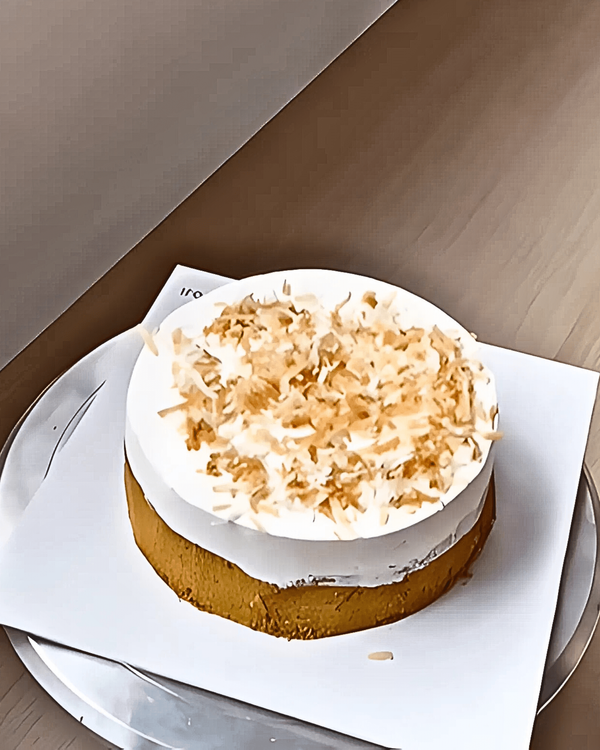
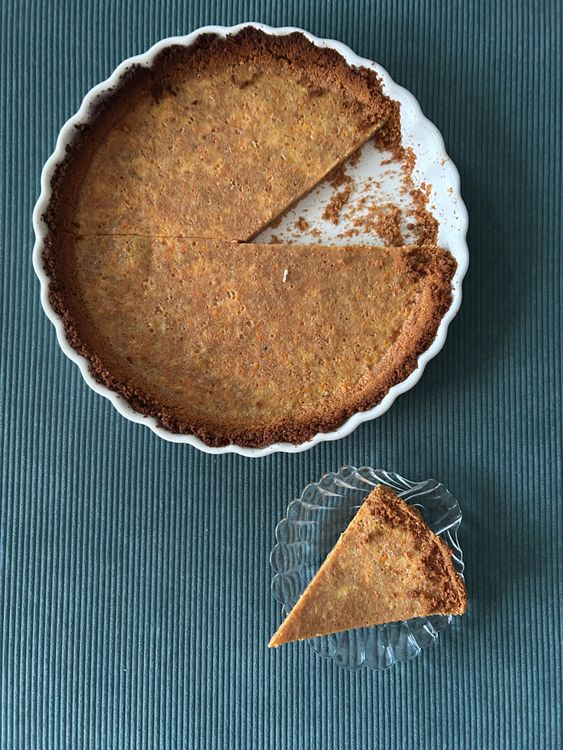
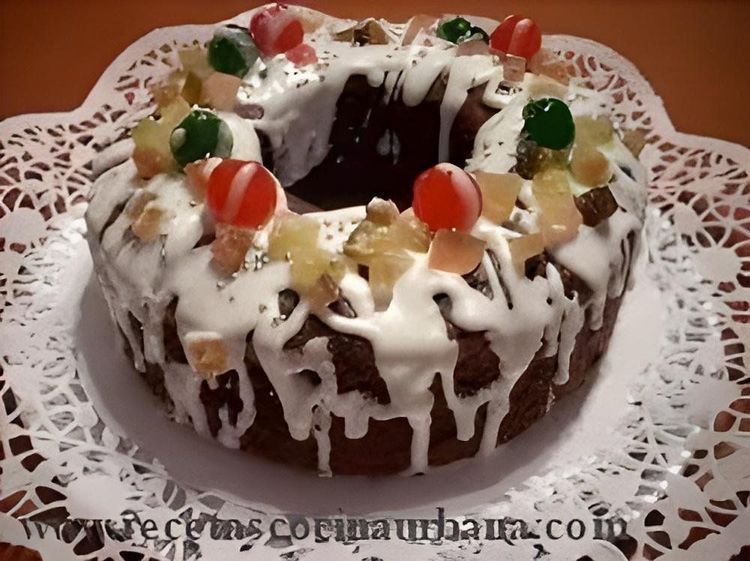
Beyond the headline styles, cakes sprawl into cheesecakes, tray bakes, layer cakes, regional specialities and countless one-offs, and this group gathers the ones that do not fit a single box. They all rest on the same fundamentals that govern every cake: measure accurately (ideally by weight), bring ingredients to room temperature, mix to the right point and no further, keep enough fat and moisture, and above all do not overbake. Choosing your next bake is mostly about the occasion and the time you have, a quick mug or tray cake on a whim, a layered sponge when there is something to celebrate. Prepare your tin properly so the cake releases cleanly, bake in the centre of a preheated oven for an even rise, and always test with a skewer rather than trusting the colour on top. Cool cakes fully before frosting so the icing does not slide. Build one or two reliable cakes you can make from memory, then branch out one recipe at a time, and you will find there is a cake for every craving and every celebration. Standouts here include Easy Cake Baking and Decorating and Mandarin Cake , plus Cherry Cake.
- Unknown
- Vegan
- Dessert

- Eggetarian
- Dessert
- English
- Eggetarian
- Snack
- International
- Eggetarian
- Dessert

- German
- Eggetarian
- Dessert
Measuring, Mixing and Room Temperature
Baking is chemistry, so measure accurately. Weighing ingredients is far more reliable than cups, where a heavy hand with flour can add 20% too much and give you a dense, dry cake. If you do use cups, spoon flour in and level it rather than scooping. Get the proportions of flour, sugar, fat, eggs and leavening right and the cake almost bakes itself; guess at them and no technique will save it.
Bring ingredients to room temperature before you start — butter, eggs and milk. Room-temperature butter creams properly with sugar to trap air for a light crumb, and room-temperature eggs and liquid emulsify smoothly into the batter rather than splitting it. Cold ingredients are a common, invisible reason cakes turn out dense. Take them out an hour ahead, or warm eggs briefly in tepid water.
Mix to the right point and no further. Cream butter and sugar until pale and fluffy for air, add eggs one at a time, then fold in the flour just until it disappears. Overmixing once the flour is in develops gluten and makes the cake tough and rubbery rather than tender. For oil-based cakes (like many carrot cakes), a gentle stir is all you need. Get the batter into the tin and oven promptly so the leavening does its job.
A Tender, Moist Crumb
Fat and sugar are what keep a cake moist, so resist cutting them too far. Oil-based cakes (carrot, many chocolate cakes) stay moist longer than butter cakes because oil is liquid at room temperature. Ingredients like yogurt, buttermilk, mashed banana and grated vegetables add moisture and tenderness too, which is why carrot and banana cakes keep so well for days.
For chocolate cakes specifically, bloom the cocoa: mixing the cocoa powder with hot liquid (coffee or boiling water) before it goes into the batter deepens and intensifies the chocolate flavour dramatically. Coffee does not make the cake taste of coffee; it simply makes chocolate taste more chocolatey. A little extra liquid also gives chocolate cakes their characteristically moist, soft crumb.
Do not overbake — the single biggest cause of dry cake. Start checking a few minutes before the stated time with a skewer: it should come out with a few moist crumbs, not wet batter and not bone dry. Carryover heat finishes the cake as it cools. Eggless cakes and those with fruit can look underdone on top while being cooked through, so trust the skewer over the colour.
Tins, Baking and Doneness
Prep the tin properly so the cake releases cleanly: grease and line the base with parchment, and for sponge cakes grease and flour the sides. Use the tin size the recipe calls for, since the wrong size changes the depth and bake time — too small and it overflows or domes and cracks, too large and it bakes thin and dry. Fill tins about two-thirds full to leave room to rise.
Bake in the centre of a properly preheated oven for an even rise. An oven that is too hot domes and cracks the top while leaving the centre raw; too cool and the cake will not set or rise well. If your oven runs hot or uneven, lower the temperature slightly and rotate the tin halfway. Resist opening the door in the first two-thirds of baking, since the rush of cold air can make a rising cake sink.
Cool cakes correctly. Let them sit in the tin for about ten minutes so they firm up enough to handle, then turn out onto a wire rack to cool completely before frosting — frosting a warm cake melts the icing into a sliding mess. For layer cakes, cool fully and even chill briefly before filling and stacking. A cake that sank in the middle usually means underbaking, too much leavening, or the oven door opened too early.
Pro Tips from the Test Kitchen
- Weigh ingredients rather than using cups — too much flour is the top cause of dense, dry cake.
- Bring butter, eggs and milk to room temperature so the batter creams and emulsifies properly.
- Cream butter and sugar until pale and fluffy, but fold in flour only until it just disappears.
- Bloom cocoa in hot coffee or water for a deeper chocolate flavour (it will not taste of coffee).
- Use oil, yogurt, banana or grated veg for cakes that stay moist for days.
- Start checking for doneness early — a skewer should come out with a few moist crumbs, not wet batter.
- Grease and line tins, and use the size the recipe calls for so the depth and bake time are right.
- Fill tins about two-thirds full and bake in the centre of a preheated oven for an even rise.
- Do not open the oven in the first two-thirds of baking or a rising cake can sink.
- Cool cakes fully on a rack before frosting, or the icing melts and slides.
Frequently Asked Questions
Why did my cake turn out dense or dry?
Usually too much flour, overmixing, or overbaking. Measure flour by weight or spoon-and-level rather than scooping, fold it in just until it disappears (overmixing develops gluten and toughens the crumb), and pull the cake when a skewer comes out with a few moist crumbs. Cold ingredients and not creaming the butter and sugar enough also make cakes dense, so bring everything to room temperature first.
How do you make a cake moist?
Keep enough fat and sugar, and lean on moisture-rich ingredients: oil-based cakes stay moister than butter ones, and yogurt, buttermilk, mashed banana or grated vegetables add tenderness that lasts for days. Most importantly, do not overbake — start testing early and pull the cake the moment a skewer comes out with a few moist crumbs. For chocolate cakes, a little extra liquid and blooming the cocoa give a soft, moist crumb.
Can you make cake without eggs?
Yes — there are excellent eggless cakes, and many here are built that way. Eggs add structure and moisture, so replace them with binders and tenderizers like yogurt, buttermilk, mashed banana, applesauce, condensed milk or a flax egg, depending on the cake. Eggless batters can look slightly underdone on top while cooked through, so test with a skewer. Sponge and chocolate cakes adapt particularly well to eggless versions.
Why does coffee go in chocolate cake?
Coffee deepens and intensifies the chocolate flavour without making the cake taste of coffee — it simply makes chocolate taste more chocolatey. Blooming the cocoa powder in hot coffee (or hot water) before adding it to the batter dissolves it fully and releases more flavour, and the extra hot liquid contributes to the moist, soft crumb that good chocolate cakes are known for. You can always use hot water instead.
How do you know when a cake is done?
Insert a skewer or toothpick into the centre: it should come out clean or with a few moist crumbs, not wet batter. The cake should also be springy to a light touch and just pulling away from the sides of the tin. Start checking a few minutes before the recipe time, since ovens vary. Trust the skewer over the colour, especially for eggless or fruit cakes that can look underdone on top.
Why did my cake sink in the middle?
The usual causes are underbaking (the centre had not set), too much raising agent (it rises fast then collapses), or opening the oven door too early, which lets in cold air while the cake is still rising. Make sure the oven is properly preheated, measure leavening accurately, bake until a skewer comes out clean, and resist opening the door in the first two-thirds of the bake.
What is the best tin size for a cake?
Use the size the recipe specifies, because it sets the depth and bake time. Too small and the batter overflows or domes and cracks while the centre stays raw; too large and the cake bakes thin and dry. As a rough guide, fill tins about two-thirds full. If you swap sizes, adjust the bake time and watch closely — a deeper cake needs longer and possibly a slightly lower temperature.
How do you keep a cake fresh?
Cool it completely, then store it airtight at room temperature for two to three days; an un-cut cake stays moist longer, so slice as you go. Butter and oil cakes keep well at room temperature, while cakes with fresh cream or perishable frosting need the fridge. Most cakes also freeze well un-iced for a couple of months — wrap tightly and thaw at room temperature before frosting and serving.
The thread through every cake recipe here is the same: measure accurately, mix to the right point with room-temperature ingredients, keep enough moisture, and never overbake. Master those and chocolate, carrot, fruit, sponge and quick mug cakes all rise level, stay tender, and turn out the way you pictured.
Pick a few cake recipes to bake this week — a moist chocolate cake, a carrot cake and a quick mug cake — and save your favourites to a Chefadora cookbook. Start with one reliable sponge and build from there; this page is built to be the cake reference you reach for from weeknight cravings to birthdays.
Related
- Cake
- Baking
- Dessert
- Chocolate
- Eggless
- Birthday
- Sweet
- Celebration
Popular Searches
- Best cake recipes
- Easy cake recipes
- Quick cake recipes
- Healthy cake recipes
- Simple cake recipes
- Homemade cake recipes
- Delicious cake recipes
- Popular cake recipes
- chocolate cake
- carrot cake
- sponge cake
- eggless cake
Marnirni-apinthi Building, Lot Fourteen,
North Terrace, Adelaide, South Australia, 5000
Australia
