
Top 22 Cranberry Recipes: Sauce, Bakes, Desserts and Drinks
Updated June 29, 2026 · Curated by Chefadora
Cranberry recipes are the bright, tart counterweight to everything rich on the holiday table — and far more versatile than the single can of jellied sauce many of us grew up with. The dishes below run from a five-minute stovetop sauce to swirled coffee cakes, chewy white-chocolate cookies, layered bars, jewel-toned salads and a whole bar cart of festive drinks. Cranberries are naturally sour and almost inedibly astringent raw, which is exactly what makes them so useful: paired with sugar, orange, warm spice or fatty meat, that sharpness becomes the thing that wakes a dish up.
The first thing to know is how the three forms behave, because most cranberry recipes assume one of them. Fresh berries are firm, glossy and seasonal, perfect for sauce and for bakes where you want jammy bursts. Frozen berries are available year-round and work almost identically in anything cooked — add them straight from the freezer, no thawing. Dried, sweetened cranberries (often sold as Craisins) are chewy and candy-sweet, the right choice for cookies, granola, salads and stuffing where you want fruit that holds its shape and does not bleed.
You will find four clusters here: sauce and relish, breads and cakes, cookies-bars and other desserts, and the salads, drinks and savory dishes that round out a holiday spread. The fruit is the same throughout; what changes is whether you cook it down, fold it in, or leave it raw and crunchy. Learn how cranberries set and how to tame their tartness, and every recipe on this page gets more forgiving.
Treat this as a working reference for the season and beyond. Each recipe links to full ingredients and steps on Chefadora, and the guides below cover the decisions that actually matter: how cranberry sauce gels (and how to rescue it if it does not), when to use fresh versus dried, how to keep berries from sinking in a batter, and how to balance that signature sour edge so a dish reads bright rather than bitter.
Cranberry Sauce & Relish
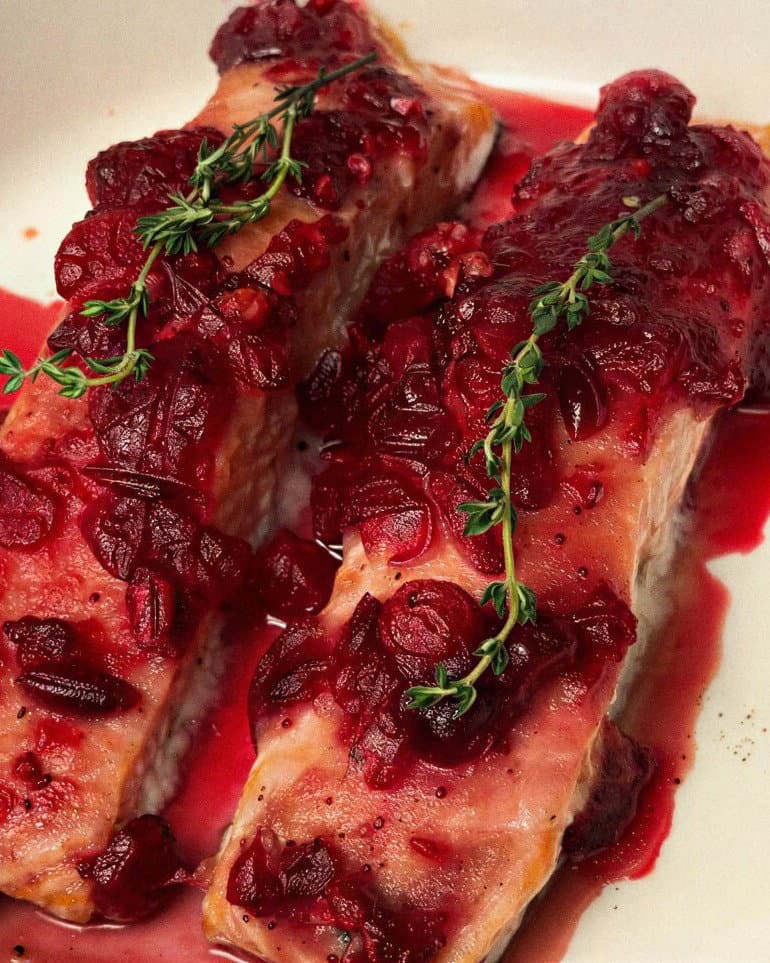
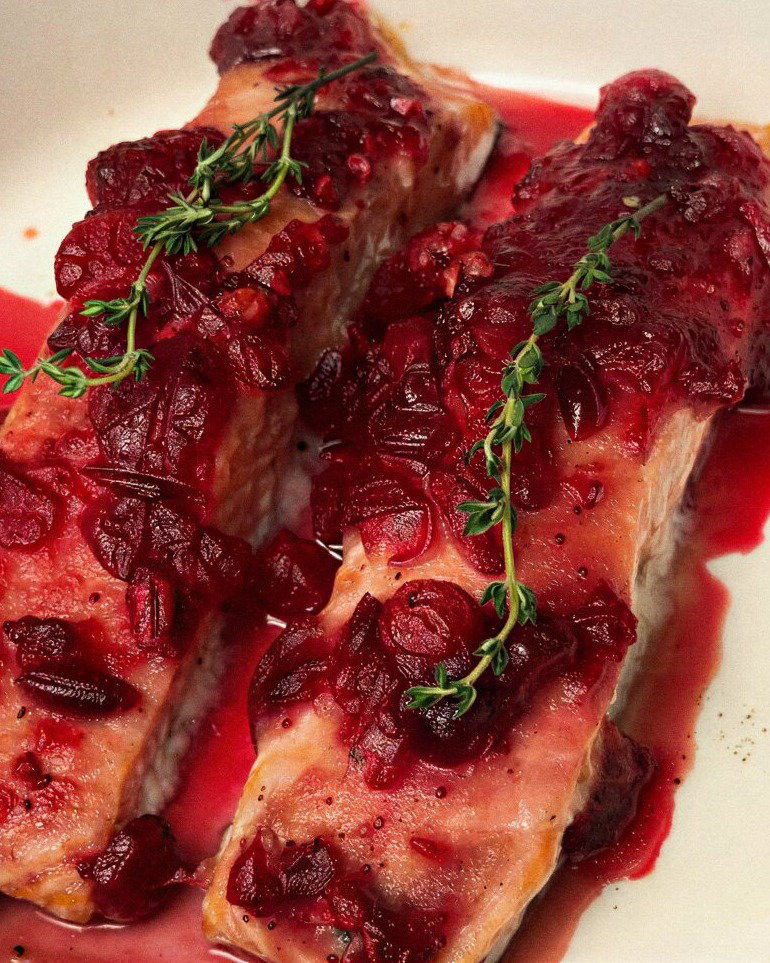
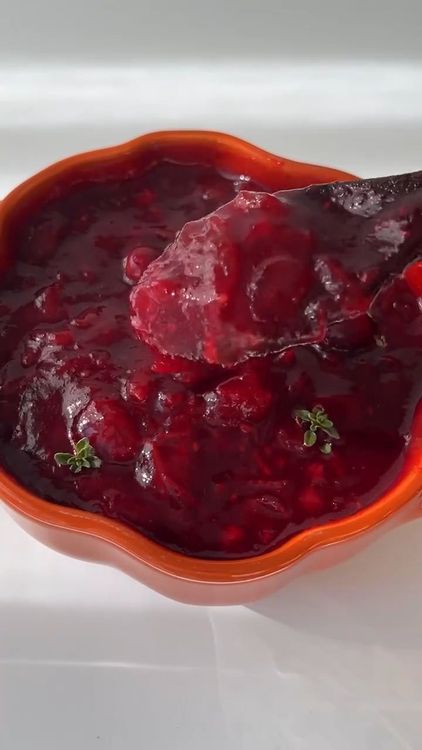
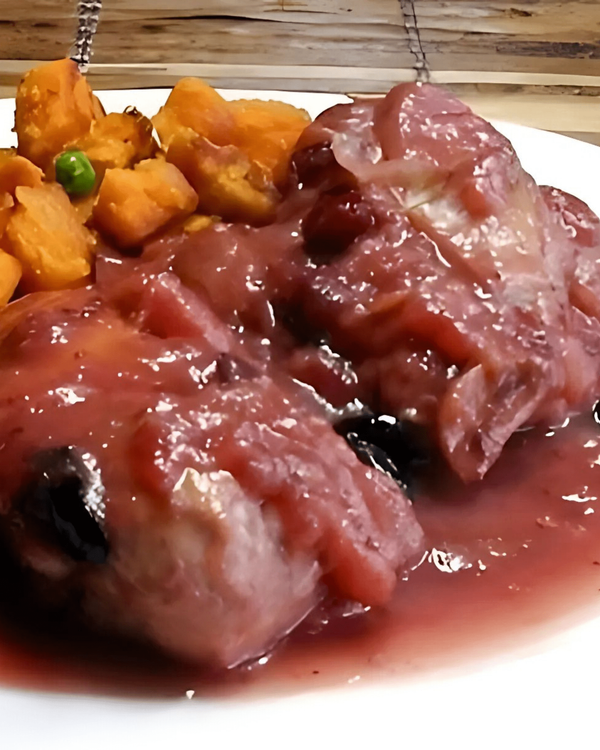
The dish that earns cranberries their place on the table, and the easiest one to get right, is sauce. Combine a bag of fresh or frozen berries with sugar and a splash of liquid, bring it to a boil, then drop to a simmer and listen: within a few minutes you will hear the berries pop, and that audible burst is the fruit releasing the pectin that thickens everything. The single rule that trips people up is timing the off-heat moment, because cranberry sauce sets dramatically as it cools. Pull it while it still looks loose and pourable, and it will firm to exactly the right consistency in the fridge; cook it until it looks thick in the pan and you end up with a stiff paste. Orange is the classic partner, but warm spice, a splash of port, or fresh ginger all belong here. For a brighter, crunchier take, skip cooking entirely and pulse raw berries with whole orange and sugar into a relish, then chill overnight so the sharpness mellows. Either version keeps for over a week and only tastes better made ahead. Standouts here include Homemade Cranberry Sauce and Easy Baked Salmon and Homemade Cranberry Sauce, plus Chicken in Cranberry and Chili Sauce.

- Pescatarian
- Dinner
- American
- Vegan
- Sauce & Condiment
- Mexican-American Fusion
- Non-Vegetarian
- Dinner
Cranberry Breads, Muffins & Cakes
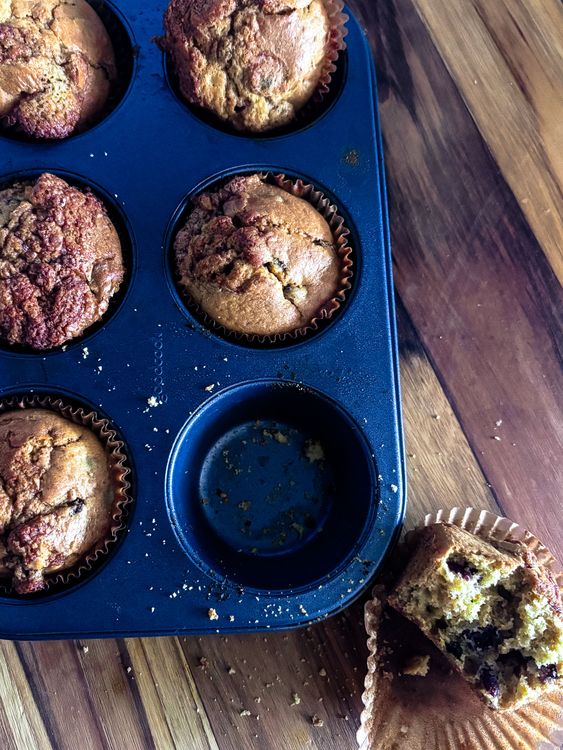
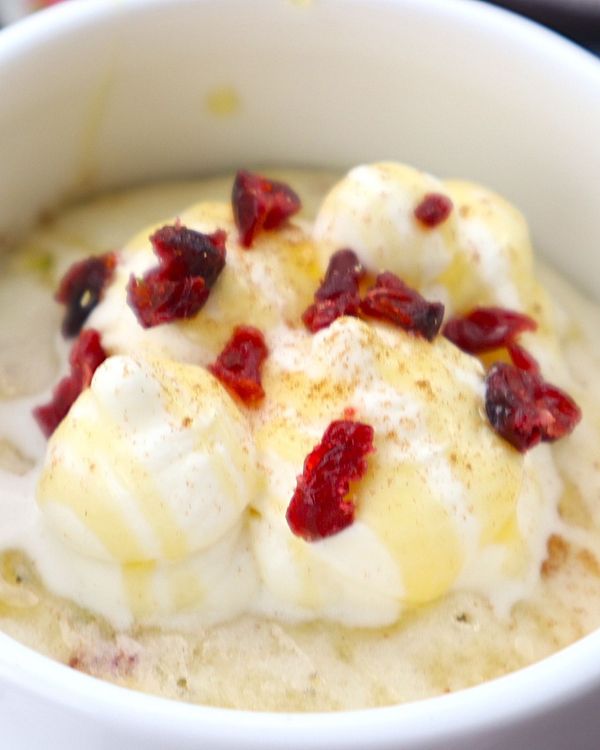
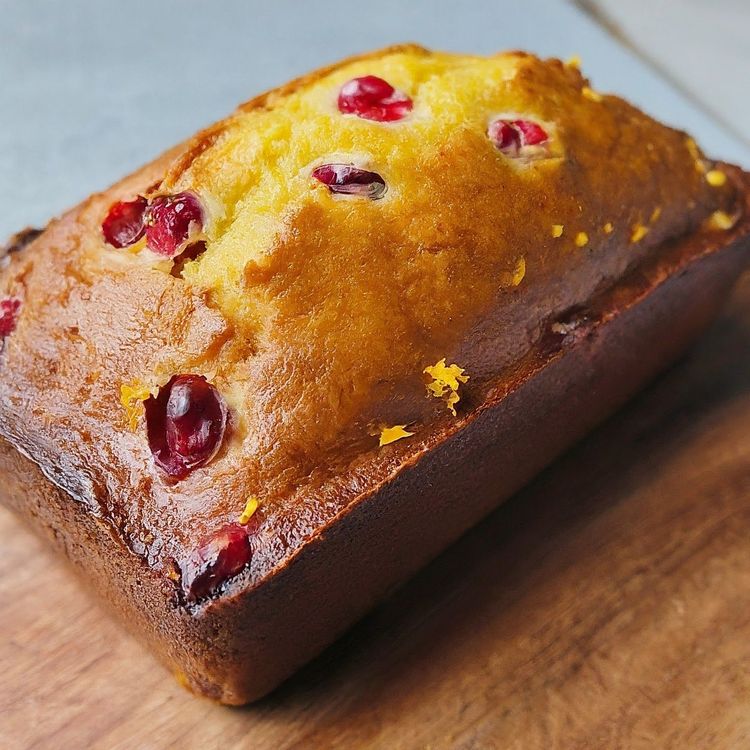
Folding cranberries into a batter is where their tartness does its best work, cutting against a sweet, tender crumb so muffins, quick breads, scones and bundts never read as cloying. The technique that decides success is keeping the fruit suspended: toss fresh or frozen berries in a spoonful of the recipe's flour before they go in, which coats them so the batter has something to grip and they do not sink and bleed purple streaks to the bottom. Fold them in last with a few gentle strokes, since overmixing once the fruit is in both toughens the crumb and crushes the berries. Because fresh cranberries are so sour, these bakes carry a touch more sugar than a blueberry version and love a sweet foil, orange zest, white chocolate, brown sugar or a drizzle of glaze over the top. Add frozen berries straight from the freezer, never thawed, or they weep before the oven even starts. Watch the center for doneness rather than the clock, and know that most cranberry loaves taste even better the next day once the crumb settles. Standouts here include Cranberry Orange Muffins with Brown Sugar Swirl and Cranberry Pistachio Mug Cake, plus Cranberry Orange Loaf.

- American
- Eggetarian
- Breakfast

- American
- Vegetarian
- Snack

- American
- Eggetarian
- Breakfast


- American
- Vegetarian
- Appetiser
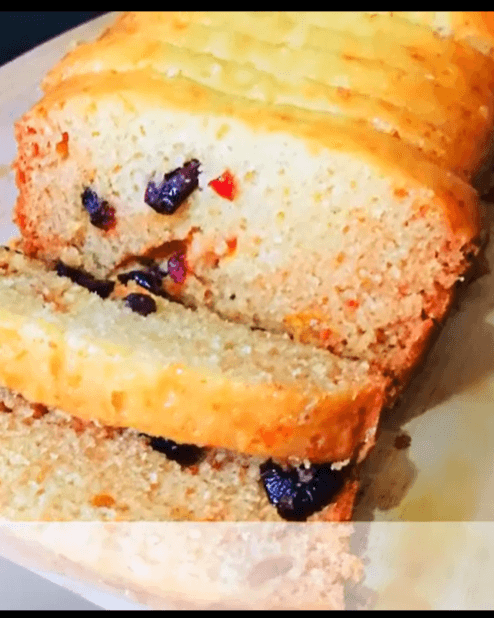
- American
- Vegetarian
- Snack
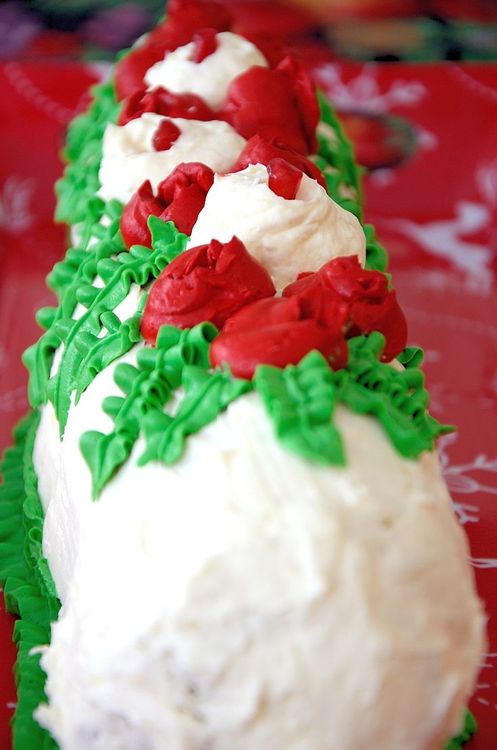
- American
- Non-Vegetarian
- Appetiser
Cranberry Cookies, Bars & Desserts
This is the corner where cranberries become an outright treat, and it splits neatly by which form of berry you reach for. Dried, sweetened cranberries are the choice for chewy cookies, biscotti and oatmeal bars: they hold their shape, add a pleasant chew, and pair famously with white chocolate, orange and toasted nuts, with no flouring or fussing required. Fresh and frozen berries belong in the baked desserts where you want a jammy, bubbling edge, crisps, crumbles, cobblers, tarts, cheesecakes and pies, where their juice thickens and their tartness cuts the sugar and the dairy. The constant across both is balance, because cranberries are sour enough to overwhelm if you let them; lean on a sweet, rich partner like white chocolate, cream cheese or a buttery crumble topping, and a pinch of salt to suppress the bitter edge. For bars and crisps, give the fruit layer time to bubble and set before you pull the pan, and let everything cool fully so the juices firm up rather than running. These keep and freeze well, which makes them ideal for baking ahead of a busy season. Standouts here include White Chocolate and Cranberry Overnight Oats and Cranberry Almond Cookies with Greek Yogurt Chips, plus No-Bake White Chocolate Cranberry Cheesecake.


- Vegetarian
- Breakfast
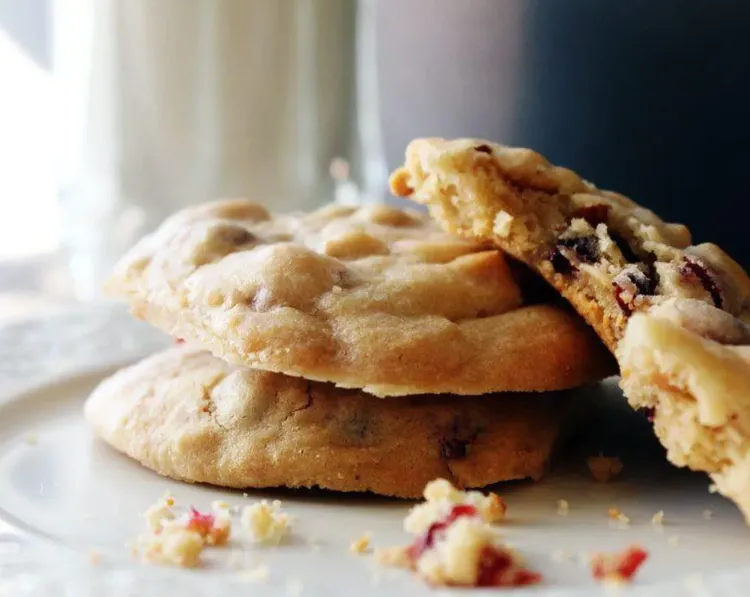
- American
- Eggetarian
- Snack
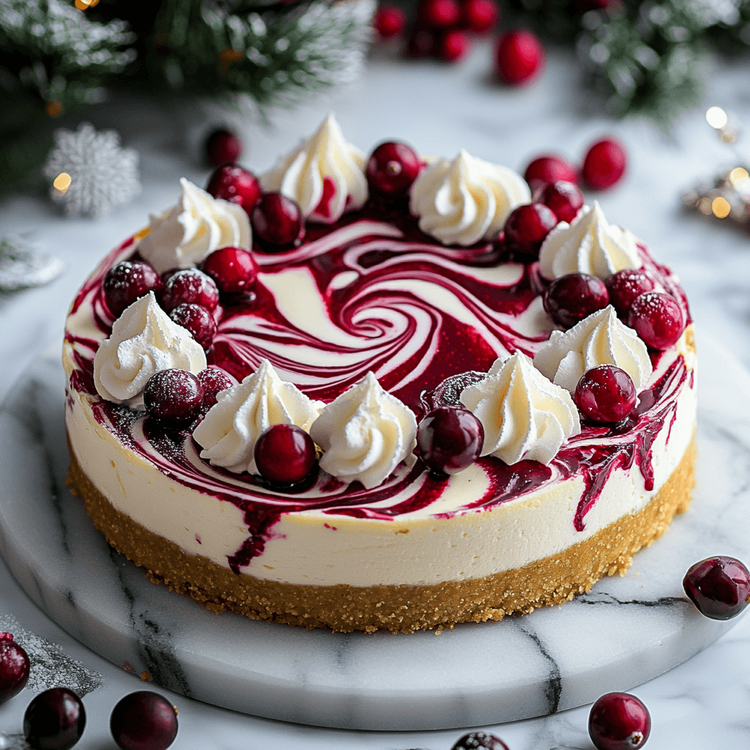
- American
- Vegetarian
- Dessert
Cranberry Salads, Drinks & Savory
This last group is the festive supporting cast, the dishes that round out a holiday spread once the sauce and the bakes are handled. On the savory side, cranberry's whole purpose is contrast: a glaze brushed over pork or turkey, a relish spooned beside roast meat, or a spoonful baked over brie all use that sharp acidity the way you would a squeeze of lemon, to cut through fat and richness. In salads, reach for dried cranberries that stay chewy and jewel-bright among greens, grains or a crunchy slaw, where they will not bleed or turn to mush. And then there are the drinks, which is where cranberry truly shines through the season: tart cranberry juice and syrup are the backbone of punches, spritzers, mulled ciders and a whole bar cart of cocktails from a classic vodka cranberry to gin, sparkling wine and citrus builds. The trick with drinks is to make a cranberry syrup or punch base ahead so you can finish each glass quickly, and to balance the berry's sourness with a little sweetness and plenty of ice. Taste and adjust before you serve, since cold dulls how sweet a drink reads. Standouts here include Cranberry–Jalapeño Chicken Salad and Cranberry Chicken, plus Mini Cranberry Turkey Sandwich Bites.
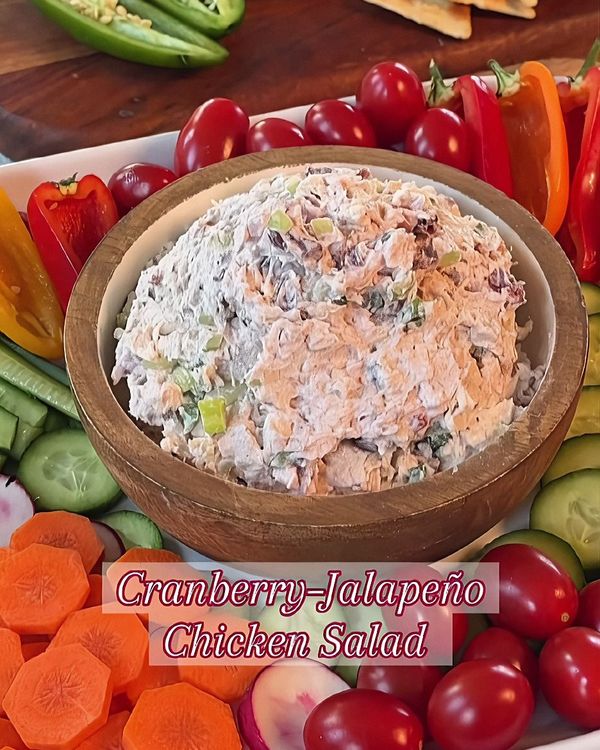

- American
- Non-Vegetarian
- Lunch
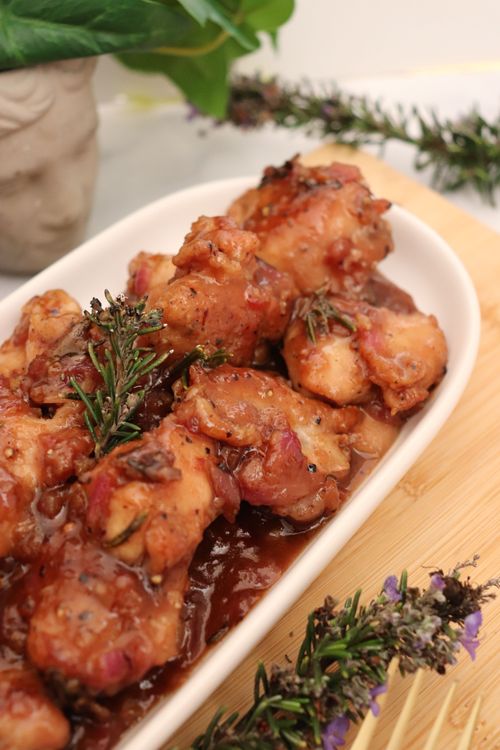

- American
- Non-Vegetarian
- Dinner

- American
- Non-Vegetarian
- Appetiser
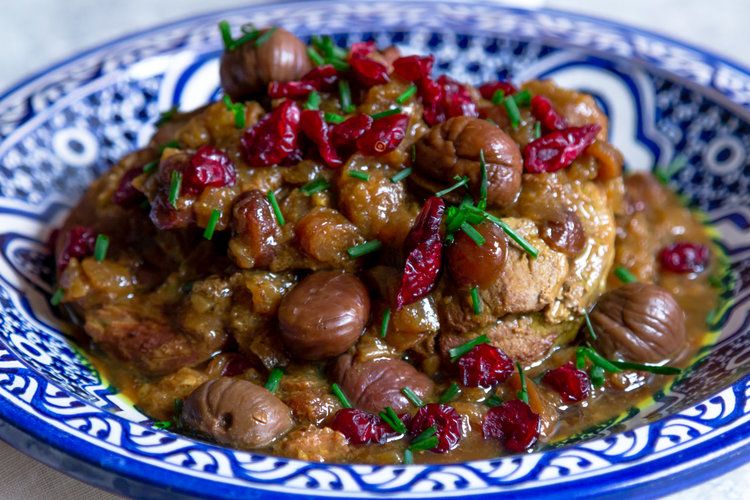

- Moroccan
- Non-Vegetarian
- Dinner
More Cranberry Favourites
A handful of cranberry dishes never sit neatly in one category, and these are the ones worth keeping once the classics feel routine. They lean on the same few skills you already have, knowing how the berries set, when to cook them down versus leave them raw, and how to balance that signature sourness, but steer them toward different textures and occasions. Some are quick and weeknight-friendly, a fast relish or a single-bowl bake; others are slower, layered projects for when you have an afternoon and want to fuss a little. Matching effort to mood is most of the choice here: reach for dried berries and a no-cook assembly when you want speed, and save the simmered, set-and-cooled desserts for when you can let things rest properly. Pay attention to which form a recipe wants, too, since fresh, frozen and dried are not interchangeable and getting that right is half the battle. Think of this group as the natural next step after the staples, the recipes that quietly earn a regular spot once the holidays have you reaching for cranberries again and again. Standouts here include Cranberry Spritz and Cranberry Mocktini, plus Frosted Sweet Popping Cranberry Candy.

- American
- Vegan
- Beverage

- American
- Vegan
- Beverage


- Vegan
- Snack
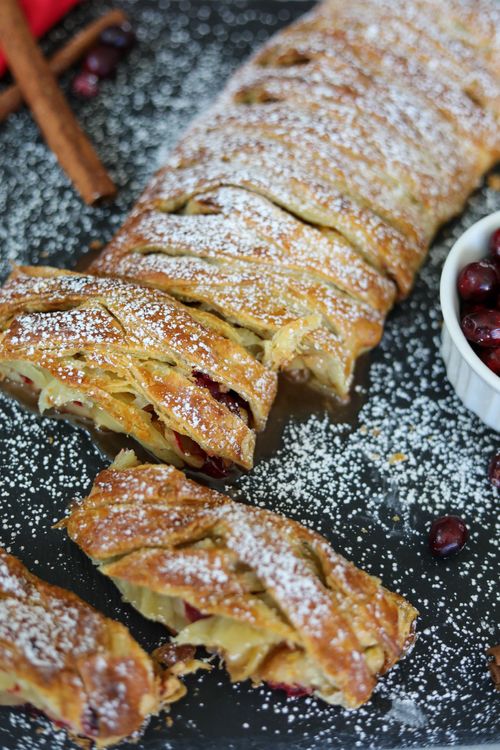
- American
- Eggetarian
- Dessert
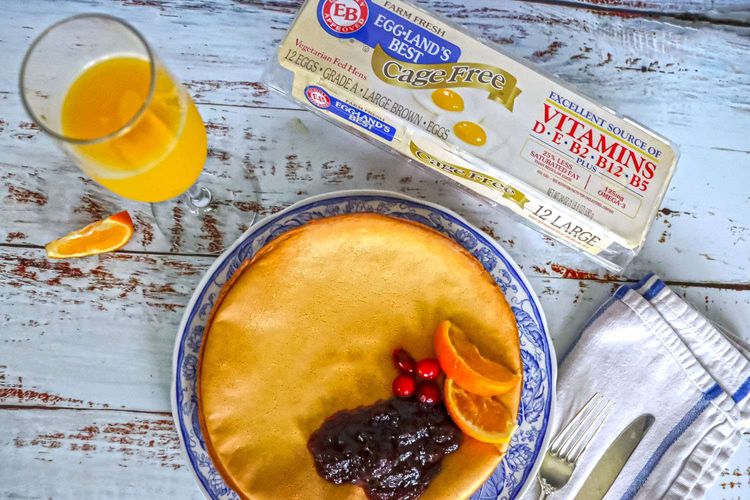

- American
- Eggetarian
- Breakfast
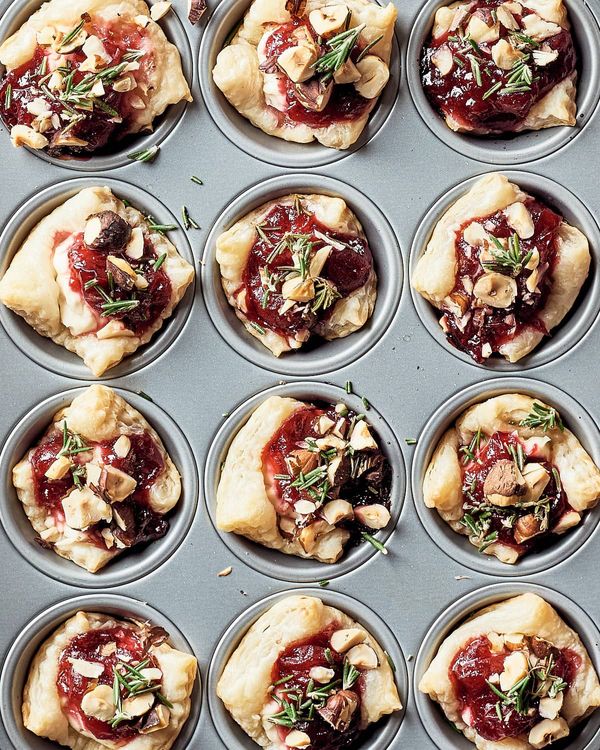
- American
- Vegan
- Appetiser
Fresh vs. Dried vs. Frozen Cranberries
Fresh cranberries are firm, shiny and should bounce when dropped — that famous bounce is how they are graded. Buy them in season (late autumn through the holidays), pick out any soft or shriveled berries, and use them within a few weeks in the fridge. They are intensely sour and high in natural pectin, which is exactly why they make sauce set so reliably. They are also the berry you want for any bake where you like a jammy, bubbling burst, since they break down and release juice as they cook.
Frozen cranberries are simply fresh berries frozen at their peak, and for anything cooked they are a perfect, year-round stand-in — sauce, muffins, crisps and breads will not know the difference. The one rule is do not thaw them first: add them frozen and slightly increase the cook time, because thawed berries turn mushy and bleed their color before they hit the heat. Fresh cranberries freeze beautifully too, so when you see them in season, stash a few bags for the rest of the year.
Dried cranberries are a different ingredient entirely — sweetened, chewy and mild, closer to a raisin than a fresh berry. Reach for them when you want fruit that stays intact and does not weep into the surrounding dish: cookies, scones, granola, grain salads, stuffing and trail mix. They will not produce a sauce or a jammy bake, and substituting them one-for-one into a recipe written for fresh berries throws off both the moisture and the sugar. If a recipe calls for fresh and you only have dried, plump them in warm water or juice first, and cut back the added sugar.
Making Cranberry Sauce That Sets
Classic cooked cranberry sauce is almost foolproof: combine cranberries, sugar and a liquid (water, orange juice or both) in a saucepan, bring to a boil, then simmer. Within a few minutes you will hear and see the berries pop — that audible burst is the cell walls breaking and releasing pectin, which is what thickens the sauce. A standard ratio is one 12-ounce bag of berries to about three-quarters of a cup of sugar and a half-cup of liquid, adjusted to taste. Simmer ten to fifteen minutes, until most berries have burst and the sauce coats the back of a spoon.
The single most important thing to understand is that cranberry sauce thickens dramatically as it cools, so pull it off the heat while it still looks slightly loose and pourable. A sauce that is perfectly thick in the hot pan will set into a stiff paste in the fridge. If it is too thin once chilled, simmer it down a few more minutes; if it sets too firm, loosen it with a splash of juice or water and a gentle reheat. For a smoother, jellied result, push the cooked sauce through a sieve; for whole-berry sauce, leave it chunky.
Flavor lives at the edges. Orange is the classic partner — add zest and juice — but cranberry takes warm spices (cinnamon, clove, star anise), a splash of port or bourbon, fresh ginger, or a handful of other fruit like pear or pomegranate beautifully. For an uncooked cranberry relish, pulse raw berries with orange (peel and all), sugar and maybe a little fresh ginger in a food processor until coarse, then chill overnight; the rest mellows the bite and the texture stays bright and crunchy. Make either version up to a week ahead — both only improve as the flavors meld.
Baking With Cranberries
The recurring problem in cranberry bakes is fruit sinking to the bottom and bleeding streaks through the crumb. The fix is the same one used for blueberries: toss the berries in a tablespoon of the recipe's flour before folding them in, which coats them and gives the batter something to grip so they stay suspended. Fold them in at the very end with a few gentle strokes — overmixing a batter once the fruit is in both toughens the crumb and crushes the berries, turning the whole thing purple.
Because fresh and frozen cranberries are so sour, bakes featuring them generally carry a touch more sugar than the equivalent blueberry or apple recipe, and they love a contrasting sweet partner: orange zest, white chocolate, brown sugar, maple or a sweet glaze drizzled over the top. Halving larger berries helps them distribute and keeps any single bite from being a sour bomb, though many bakers leave them whole on purpose for that pop of tartness. If you are using dried cranberries in cookies or scones, no flouring is needed — they hold their shape and add chew rather than moisture.
Watch your oven cues rather than the clock, especially with quick breads and bundts where a wet pocket of fruit can read as underdone in the center. A skewer should come out with moist crumbs but no raw batter, and the loaf should spring back lightly when pressed. Cranberry quick breads and muffins keep well and often taste better the next day once the crumb settles and the fruit's moisture redistributes — wrap them tightly at room temperature, or freeze whole loaves to slice as needed through the season.
Balancing Tartness, Storage and Make-Ahead
Cranberries are sour enough to be unpleasant raw, so almost every recipe is an exercise in balance. Sugar is the obvious counter, but you have other levers: orange and other sweet fruit, honey or maple for rounder sweetness, a pinch of salt to suppress bitterness, and richness — butter, cream cheese, white chocolate — that coats the palate. In savory dishes, that same tartness is the point: a cranberry glaze or relish cuts through fatty turkey, pork or a baked brie exactly the way a squeeze of lemon would. Taste as you go and adjust sweetness at the end, since chilling dulls how sweet a dish reads.
For storage, fresh cranberries keep three to four weeks in the fridge in their bag and up to a year in the freezer — freeze them in a single layer first so they do not clump. Cooked cranberry sauce and relish keep ten days to two weeks refrigerated in a sealed jar (the acidity helps preserve them) and freeze well for a few months. Dried cranberries last many months in a sealed container; if they harden, plump them in warm water or juice. Baked goods follow normal rules: muffins and breads a few days at room temperature, longer frozen.
Cranberry recipes are a make-ahead cook's dream, which is precisely why they earn a place on a crowded holiday menu. Sauce and relish are actually better made a day or two ahead so the flavors settle. Quick breads, bars and cookies can be baked and frozen weeks out. Even the drinks scale: a cranberry punch base or a batch of cranberry simple syrup can be mixed in advance and finished à la minute. Build your spread around the things that hold, and you free up the oven and your attention for whatever has to be served hot.
Pro Tips from the Test Kitchen
- Add frozen cranberries straight from the freezer — never thaw them, or they turn mushy and bleed before they cook.
- Pull cranberry sauce off the heat while it still looks loose; it thickens a lot as it cools.
- Listen for the berries to pop — that burst releases the pectin that sets the sauce.
- Toss fresh berries in a spoonful of the recipe's flour before folding in, so they do not sink in batter.
- Use dried cranberries (not fresh) in cookies, scones, granola and salads where you want fruit that holds its shape.
- Pair the sourness with orange zest, white chocolate, brown sugar or maple to balance the bite.
- For uncooked relish, pulse raw berries with whole orange and sugar, then chill overnight to mellow.
- A pinch of salt in any cranberry dish suppresses bitterness and makes it read sweeter.
- Fresh cranberries freeze for up to a year — buy extra bags in season and stash them.
- Make sauce and relish a day or two ahead; both taste better once the flavors meld.
Frequently Asked Questions
Can you use frozen cranberries instead of fresh?
Yes, and for anything cooked they are interchangeable — sauce, muffins, breads and crisps will taste identical. The only rule is do not thaw them first: add them frozen and add a minute or two to the cook time. Thawed berries turn soft and bleed their color before they hit the heat. Frozen cranberries are simply fresh berries frozen at their peak, so they are a reliable year-round option when fresh are out of season.
Why is my cranberry sauce too runny?
It probably has not finished thickening yet, because cranberry sauce sets dramatically as it cools — a sauce that looks loose in the hot pan often firms up perfectly in the fridge. If it is still thin once fully chilled, simmer it a few more minutes to drive off liquid and release more pectin, then cool again. Too little simmering or too much added liquid are the usual culprits. Aim to cook until most berries have burst and it coats a spoon.
Can I substitute dried cranberries for fresh?
Not directly, because they behave completely differently. Dried cranberries are sweetened, chewy and low-moisture, so they cannot make a sauce or a jammy bake, and swapping them one-for-one throws off both the sugar and the liquid in a recipe written for fresh berries. If you must, plump dried cranberries in warm water or juice first and cut back the added sugar. For the reverse — fresh in a recipe calling for dried — expect more moisture and tartness.
How do you make cranberry sauce from scratch?
Combine one 12-ounce bag of fresh or frozen cranberries with about three-quarters cup of sugar and half a cup of liquid (water, orange juice or both) in a saucepan. Bring to a boil, then simmer for ten to fifteen minutes until most berries pop and the sauce thickens. Pull it off while it still looks slightly loose, since it sets as it cools. Add orange zest, cinnamon or a splash of port to finish. It keeps in the fridge for up to two weeks.
Why are raw cranberries so sour?
Fresh cranberries are very high in natural acids and very low in sugar, which makes them sharply tart and almost astringent eaten raw. That acidity is also why they make sauce set so reliably, since it works with the fruit's high pectin. Cooking with sugar, or balancing them with orange, honey, salt and richness, is what turns that sourness into a bright, pleasant counterpoint rather than a pucker. The same tartness is an asset in savory dishes against fatty meats.
How do I keep cranberries from sinking in muffins or bread?
Toss the berries in a tablespoon of the recipe's flour before folding them into the batter. The flour coating gives the batter something to grip so the fruit stays suspended instead of sinking and bleeding to the bottom. Fold them in at the very end with a few gentle strokes — overmixing after the fruit is in both toughens the crumb and crushes the berries. The same trick works for blueberries and other heavy add-ins.
Are cranberries healthy?
Cranberries are nutrient-dense and rich in antioxidants, vitamin C and fiber, and they are famously associated with urinary tract health. Fresh and frozen berries are very low in sugar on their own — the catch is that most recipes add a lot of sugar to counter their tartness, and dried, sweetened cranberries are essentially candied. To keep things lighter, lean on fresh or frozen berries, sweeten with orange and a moderate hand, and enjoy the sauce and bakes in sensible portions.
Can you freeze fresh cranberries?
Yes, and they freeze exceptionally well for up to a year with no prep beyond a quick sort to remove any soft berries. Freeze them in a single layer on a tray first so they do not clump into a solid block, then transfer to a bag. Use them straight from frozen in any cooked recipe without thawing. This is the easiest way to keep cranberries on hand year-round, since they are only sold fresh for a few months around the holidays.
What goes well with cranberry?
Orange is the classic partner — zest and juice both — and warm spices like cinnamon, clove, star anise and ginger are naturals. For sweetness and richness, cranberry loves white chocolate, brown sugar, maple, pecans and cream cheese. In drinks it pairs with vodka, gin, sparkling wine and apple cider. On the savory side, its tartness cuts beautifully through turkey, pork, duck and baked brie. A pinch of salt anywhere helps tame the bitterness and round out the flavor.
How long does homemade cranberry sauce last?
Cooked cranberry sauce or relish keeps ten days to two weeks in the fridge in a sealed jar — the fruit's natural acidity helps preserve it — which is why it is such a good make-ahead for the holidays. It also freezes well for a few months; thaw in the fridge and stir before serving. In fact, sauce and relish taste better made a day or two ahead, since the time lets the orange, spice and berry flavors settle and meld together.
The thread through every cranberry recipe here is that signature tartness and how you choose to balance it — cooked down with sugar into sauce, folded into a sweet crumb, candied and chewy in a cookie, or left sharp to cut through something rich. Learn how the berries set, know when to reach for fresh, frozen or dried, and the whole range opens up from one humble bag of fruit.
Make a batch of sauce and a quick bread this week, then branch into the cookies, bars and a festive drink as the season hits, and save your favorites to a Chefadora cookbook. Come back when the holidays roll around; this page is built to be the cranberry reference you actually reach for year after year.
Related
- Cranberry
- Holiday
- Thanksgiving
- Christmas
- Baking
- Sauce
- Festive
- Fruit
Popular Searches
- Best cranberry recipes
- Easy cranberry recipes
- Quick cranberry recipes
- Healthy cranberry recipes
- Simple cranberry recipes
- Homemade cranberry recipes
- Delicious cranberry recipes
- Popular cranberry recipes
- cranberry sauce
- cranberry bread
- cranberry cocktails
Marnirni-apinthi Building, Lot Fourteen,
North Terrace, Adelaide, South Australia, 5000
Australia
