
Top 21 Cabbage Recipes: Sabzi, Slaw, Rolls and Stir-Fries
Updated June 25, 2026 · Curated by Chefadora
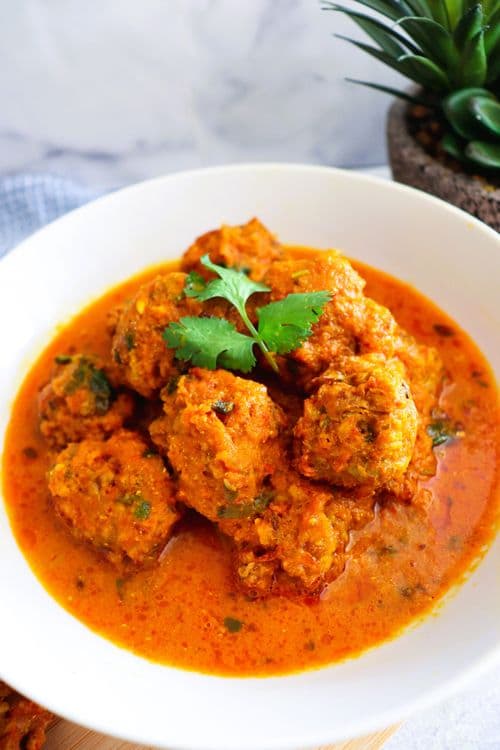
Cabbage recipes are some of the cheapest, fastest and most adaptable cooking you can do, and this collection shows just how far one humble head will stretch. From quick Indian sabzis and patta gobi curries to crunchy slaws and salads, stuffed and rolled mains, crisp pakoras and koftas, and warming soups and Indo-Chinese stir-fries, cabbage turns up at every part of the meal. One firm, leafy head, shredded or wrapped or simmered, carries you across a dozen cuisines.
What decides whether cabbage tastes sweet and bright or dull and sulphurous is almost entirely about heat and time. Cabbage is full of sulphur compounds that turn bitter and smelly when it overcooks, so the trick is to commit to one of two camps: cook it hot and fast so it stays crisp-tender and sweet, or cook it long and gentle in a soup until it collapses into something silky. The soggy, grey middle ground is the only place cabbage goes wrong.
You will find the collection grouped into clusters — cabbage sabzi and curries, slaw and salads, rolls and crisp snacks, and soups and Indo-Chinese stir-fries. Standout dishes range from a homestyle Cabbage Peas Sabzi and a creamy Coleslaw to stuffed Cabbage Rolls, golden Cabbage Pakoras and a clear Cabbage Soup, each built on the same handful of fundamentals the guides below lay out.
Treat this as a working reference. Each recipe links to full ingredients and steps on Chefadora, and the guides below cover what actually decides whether cabbage is sweet or sulphurous, crunchy or limp — how to shred and prep it, how to keep raw cabbage crisp in a slaw, and how to cook it so sabzis, rolls, stir-fries and soups all turn out exactly right.
Cabbage Sabzi & Curries
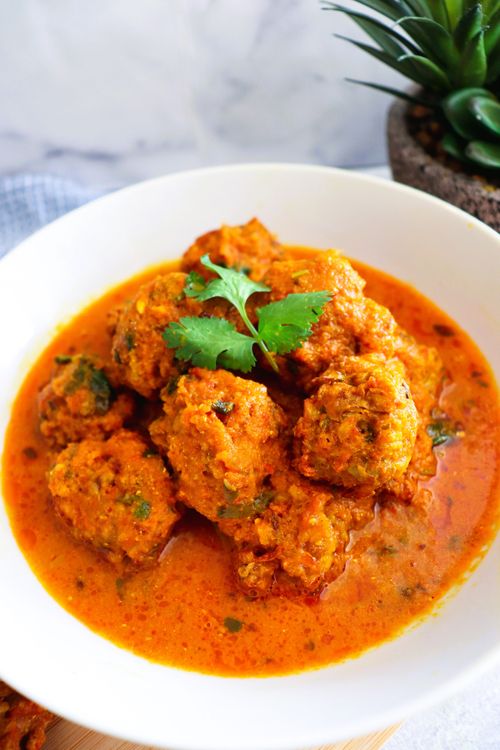
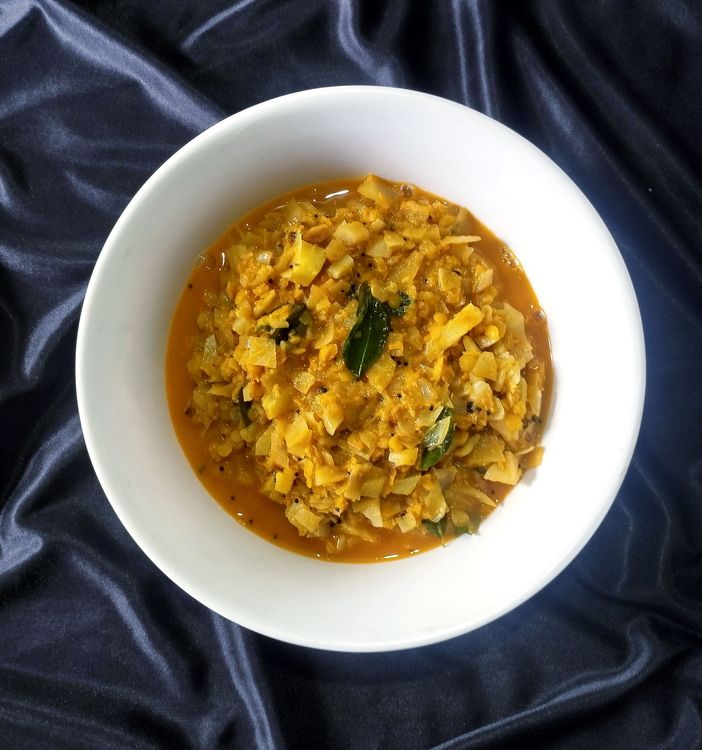
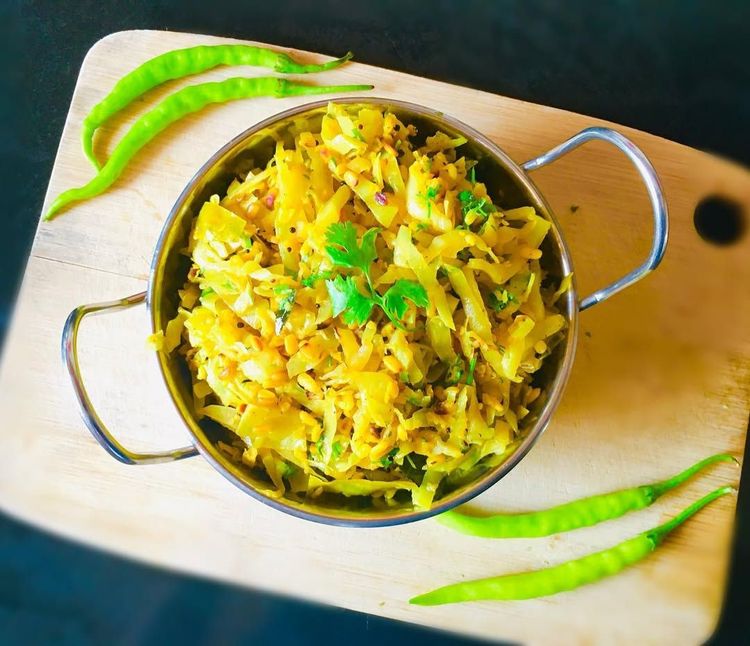
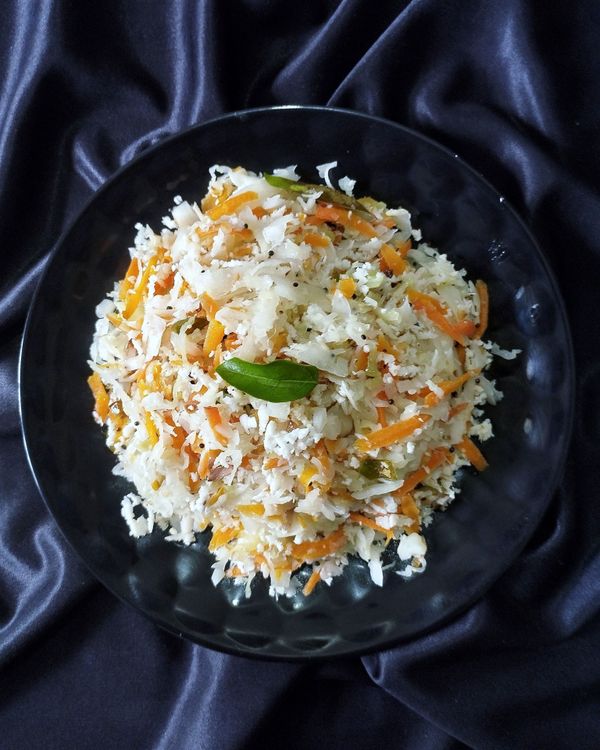
A good cabbage sabzi is proof that the cheapest vegetable in the basket can be the most satisfying, and the whole thing turns on heat and a confident tempering. Shred the cabbage fine and even so it cooks quickly and uniformly, then get your fat genuinely hot before anything goes in. Crackle mustard seeds until they pop, add cumin, a pinch of asafoetida, dried red chilli, curry leaves and maybe a little ginger or green chilli, and let them bloom for thirty seconds until fragrant rather than burnt. Now the cabbage goes in, and the single most important rule is to keep the flame high and the pan open, tossing so it wilts and sweetens but never stews into a grey, sulphurous heap. Across South Indian thoran and poriyal finished with grated coconut, Maharashtrian foogath, and homestyle aloo or peas versions, the rhythm is identical: bloom the spices, cook the cabbage hot and fast, season at the end, and pull it off the heat while it still has a little bite. Five to eight minutes is usually all it takes, and a squeeze of lime or a scatter of coriander at the finish keeps it lively. Standouts here include Cabbage Kofta Curry and Cabbage Dal Curry / Cabbage parippu koottu, plus Cabbage Moong Dal Sabji.

- Indian
- Vegetarian
- Lunch
- Indian
- Vegan
- Lunch
- Indian
- Vegan
- Lunch
- South Indian
- Vegan
- Lunch
Cabbage Slaw & Salads
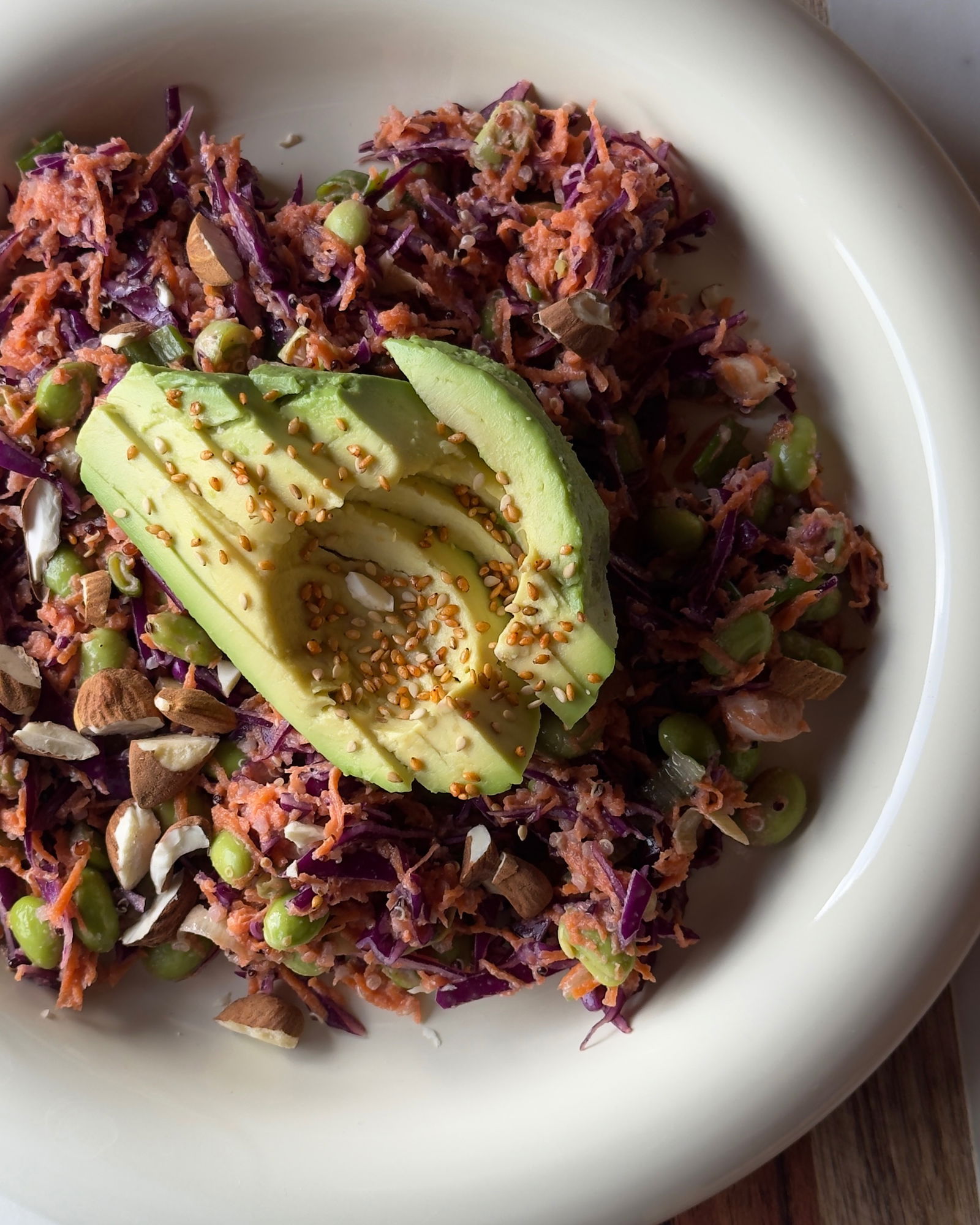
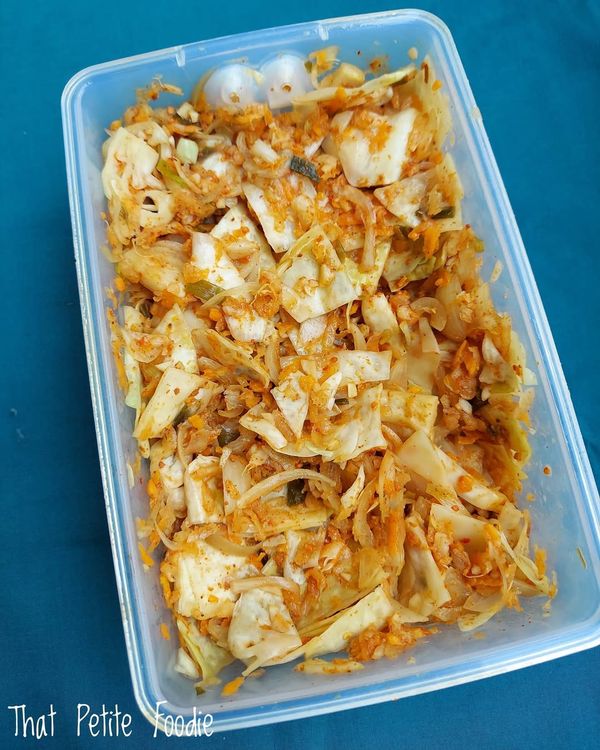
Raw cabbage is at its absolute best in a slaw or salad, but only if you respect its water and its rawness. Slice or shred the cabbage as thin as you can, because thin strands soften pleasantly under a dressing while thick chunks stay tough and chewy. The trick the best slaws all share is salting: toss the cabbage with a little salt, leave it fifteen to twenty minutes, then squeeze out the liquid it releases. This seasons the cabbage from within, tames the harsh raw edge, and stops your finished bowl turning watery an hour later. From there, balance is everything — acid from vinegar, lemon or lime against a little fat from mayonnaise, yogurt or oil, with a touch of sweetness to round it out. South Indian kosambari leans on a mustard-seed tempering, toasted lentils and coconut; a classic coleslaw goes creamy; kimchi takes the cabbage somewhere fermented and funky. Keep crunchy add-ins separate until serving, dress creamy slaws at the last minute so they stay crisp, and finish with a squeeze of acid to keep everything tasting bright and alive. Standouts here include Red Cabbage, Edamame & Quinoa Salad and Kimchi with Indian Cabbage, plus Fresh and Nutritious Cabbage Salad.

- Global
- Vegan
- Lunch

- Korean
- Vegan
- Side Dish
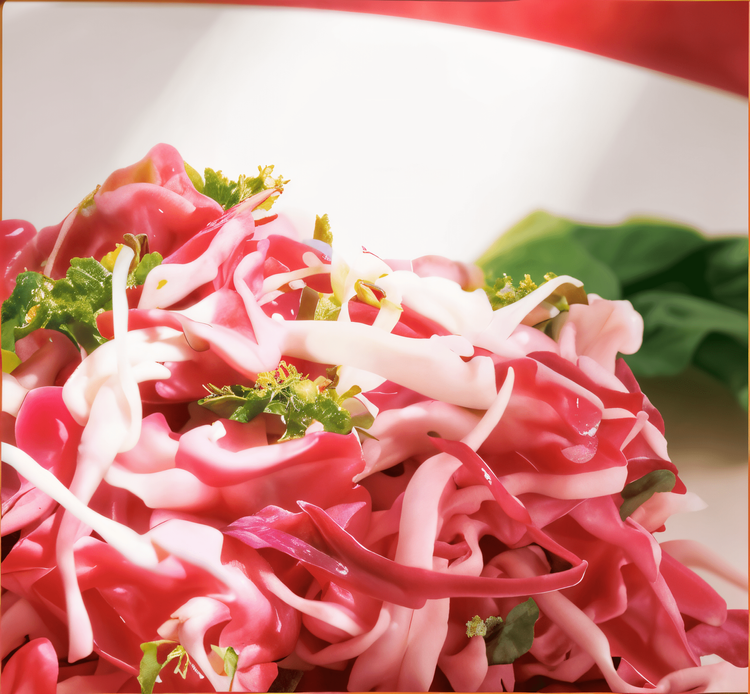
- International
- Eggetarian
- Side Dish
Cabbage Rolls & Snacks
This is where cabbage becomes the wrapper and the star of the snack, and two different techniques do the heavy lifting. For rolls, the leaves have to be pliable, so core the head and blanch it in boiling water for a couple of minutes, peeling away the outer leaves as they soften, then trim the thick central rib flat so each leaf folds without cracking. Spoon in a well-seasoned, fairly dry filling, roll snugly, and simmer or bake the parcels in a sauce until tender. For the fried snacks — pakoras, koftas, muthias, cutlets and vadas — the enemy is water. Shredded cabbage carries a lot of moisture, so salt it, let it sit, and squeeze it bone-dry before it goes into a batter or binds into a kofta, or the fritters turn flat and soggy instead of crisp. Hold your oil around 170 to 180 degrees so the outside sets and crisps before the centre goes greasy. Across stuffed parathas, theplas, manchurian and cutlets, the same logic holds: dry cabbage, hot fat, and a confident hand make all the difference between limp and shatteringly crisp. Standouts here include Cabbage Rolls ‘Golubtsi’ and Cabbage Pakode (Fritters), plus Cabbage Fritters.
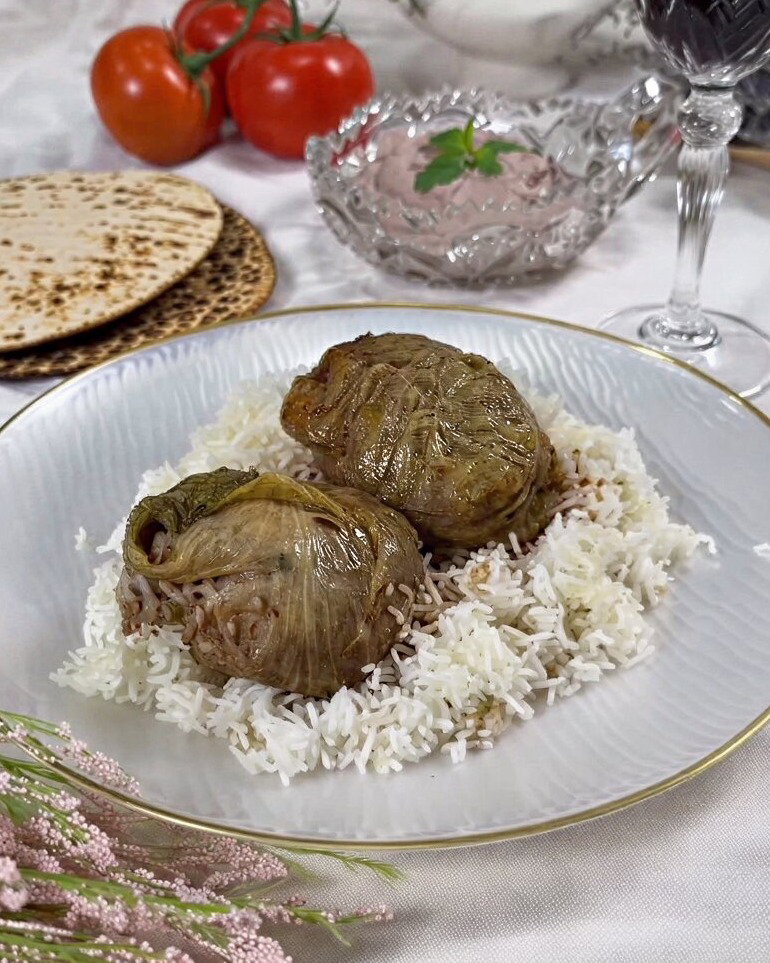

- Non-Vegetarian
- Dinner
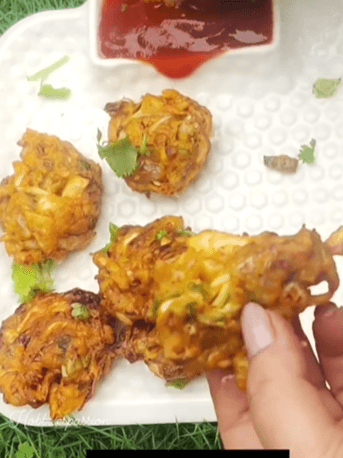

- Indian
- Vegetarian
- Snack

- Korean
- Eggetarian
- Snack


- American
- Non-Vegetarian
- Lunch
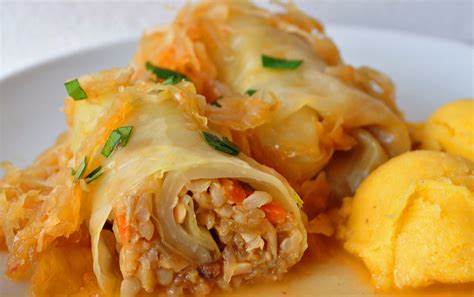
- Croatian
- Non-Vegetarian
- Dinner
Cabbage Soups & Indo-Chinese Stir-Fries
Cabbage thrives at both extremes of the heat scale, and this cluster covers them both. For Indo-Chinese stir-fries, fried rice and hakka noodles, you want the wok or widest pan you own genuinely ripping before the cabbage goes in, because at high heat it chars slightly and stays crisp-tender and sweet, while a cool, crowded pan steams it into a sad grey tangle. Cut everything to an even size, have your aromatics, sauce and any noodles or rice ready before you light the flame, and toss constantly so nothing sits and stews. Keep the sauce on the lighter side and add it at the very end so it coats rather than pools. For soups, lean the opposite way — long and gentle. Cabbage simmered slowly in stock turns soft, sweet and silky, its sulphur mellowing rather than building, and starchy partners like potato lend body. Add it in stages if you want texture: most early to melt into the broth, a final handful near the end for bite. Season at the end and finish a soup with acid or a crack of pepper, since a long simmer can flatten things and a bright lift brings the whole bowl back to life. Standouts here include Spicy Cabbage Noodles and Chinese Chicken & Cabbage Stir-Fry, plus Chinese Chicken Cabbage Stir-Fry.
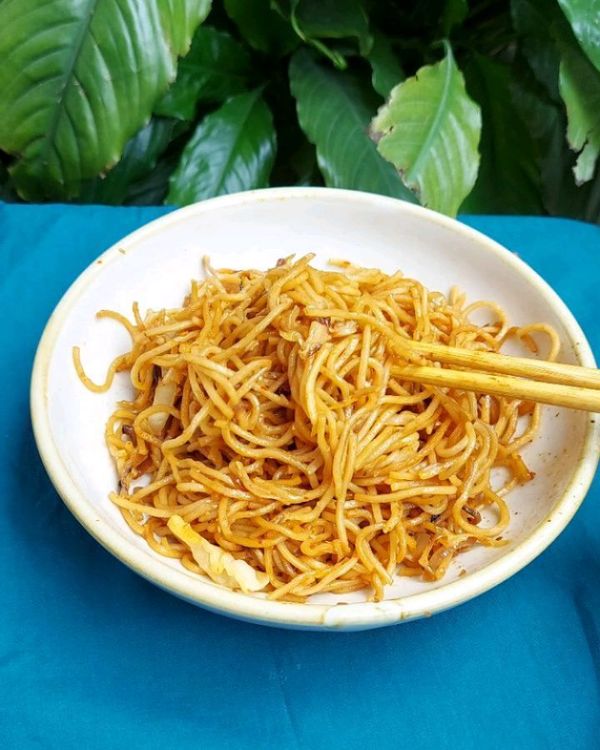
- Indian
- Vegetarian
- Lunch
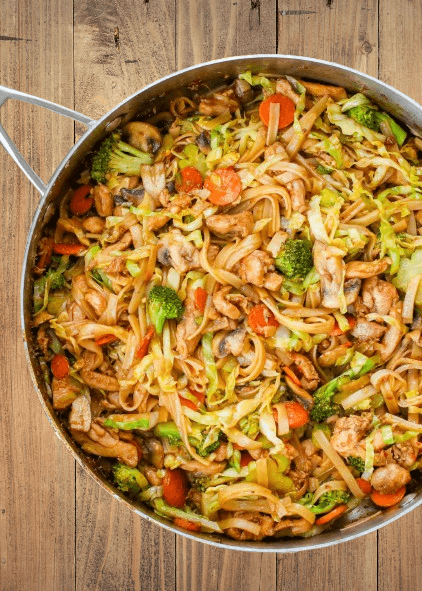
- Chinese
- Non-Vegetarian
- Dinner
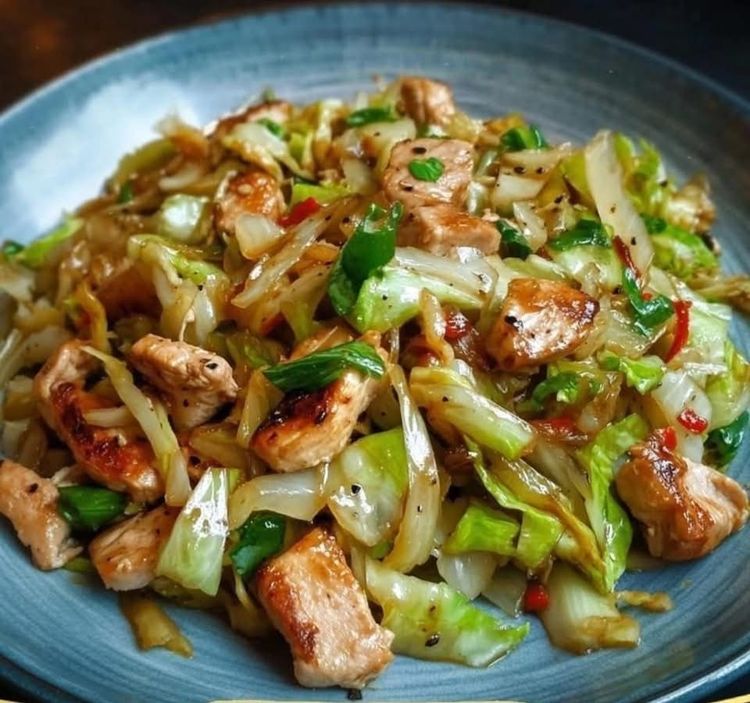

- Chinese
- Non-Vegetarian
- Dinner
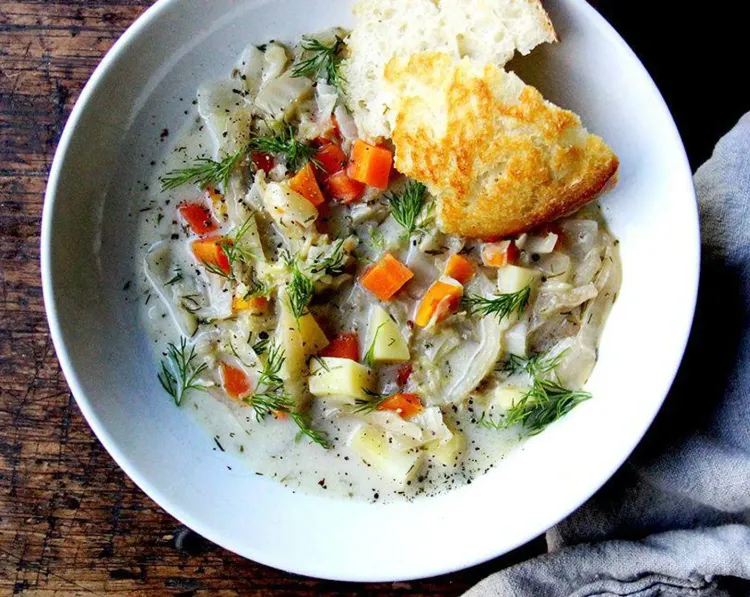
- European
- Vegetarian
- Lunch
More Cabbage Favourites
A few cabbage dishes never settle neatly into one category, and these are the ones worth keeping in your back pocket once the staples feel routine. They lean on the same handful of techniques you already know — a confident high-heat sauté, a careful blanch, a quick salting to draw out water, a well-judged tempering — but steer the cabbage toward different textures and flavour profiles so it never tastes quite the same twice. Picking your next one is mostly about matching effort to mood: reach for a fast dry sabzi or a quick slaw on a busy night when you want something on the table in fifteen minutes, and save the stuffed rolls, koftas and slow-simmered soups for a weekend when you can give them a little more attention. Pay attention to how finely the cabbage is cut, too, since thin ribbons cook fast and stay sweet while chunkier pieces hold more bite and need a touch longer. Think of this group as the natural next step after the classics, the recipes that quietly earn a regular spot in the rotation once you have cooked your way through the basics. Standouts here include Cabbage Breakfast Recipe and Camembert and Red Cabbage Tart, plus Cabbage Egg Roast.


- Indian
- Vegetarian
- Breakfast


- Peanut-Free
- Appetiser
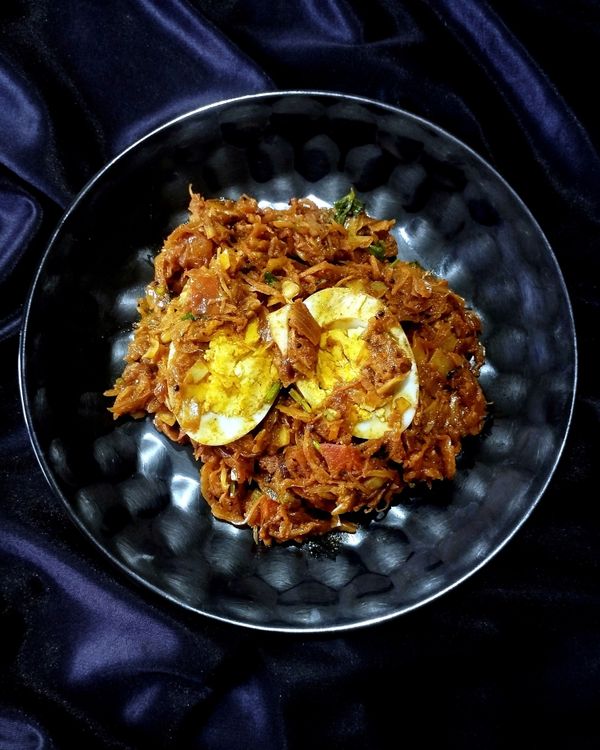
- Indian
- Eggetarian
- Lunch
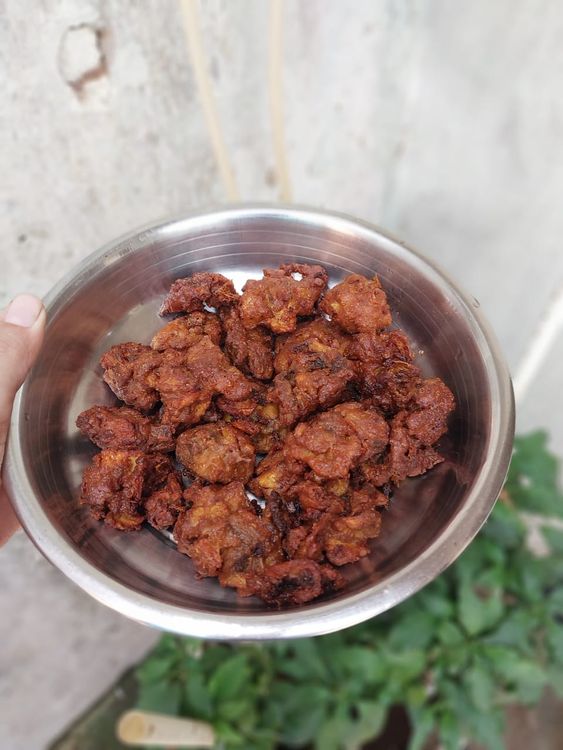
- Indian
- Vegetarian
- Appetiser


- Indian
- Vegan
- Snack
Choosing, Shredding and Prepping Cabbage
Start by matching the cabbage to the dish. Common green and white cabbage is the workhorse for sabzis, slaws and stir-fries; tightly packed and crunchy, it shreds cleanly and holds its bite. Red cabbage is firmer and a little peppery, perfect raw in slaws where its colour stays vivid if you add a splash of acid. Savoy, with its crinkled, looser leaves, is the gentlest and the best for blanching into rolls because the leaves fold without snapping.
How you cut cabbage changes the dish entirely. For sabzis and stir-fries, halve the head, cut out the dense triangular core, and slice the leaves into thin, even ribbons so they cook at the same rate and stay tender-crisp. For slaws, shred even finer with a sharp knife or mandoline so the strands soften under the dressing rather than feeling tough and chewy. For rolls, you want whole leaves, so peel them off carefully or blanch the head briefly first to loosen them.
A little prep goes a long way. Rinse shredded cabbage and spin or pat it properly dry, because surface water steams it limp in a hot pan and waters down a dressing in a bowl. To take the raw edge off cabbage destined for a slaw, toss it with a little salt and let it sit fifteen to twenty minutes, then squeeze out the released water for a crunchier, less watery result. Store the cut head wrapped tightly in the fridge, where it keeps well for several days.
Keeping Raw Cabbage Crisp in Slaws and Salads
A great slaw is all about texture, and texture comes from controlling water. Salt is your main tool: toss the shredded cabbage with half a teaspoon of salt per small head, leave it twenty minutes, then squeeze the strands firmly to wring out the liquid. This seasons the cabbage, tenderises it just enough to lose the harsh raw crunch, and stops the finished slaw turning into a watery puddle an hour after you dress it. Rinse off excess salt if it tastes too sharp.
Dress with balance and timing in mind. Cabbage stands up to bold dressings, so build acidity (vinegar, lemon or lime) against a little fat (mayonnaise, yogurt or oil) and a touch of sweetness to round it out. For a creamy coleslaw, dress just before serving so it stays crisp; for a sharper vinegar slaw, you can dress an hour ahead and let the flavours meld, since the acid actually keeps red cabbage bright and the texture pleasantly pickled rather than soggy.
Build in contrast and freshness. The best slaws and kosambari-style salads layer the cabbage with something crunchy (toasted peanuts, roasted chana dal, shredded carrot or apple) and something fresh (coriander, mint, a tempering of mustard seeds and curry leaves). Keep heavier add-ins separate until serving so nothing goes soft. A finishing squeeze of acid and a pinch of salt just before the bowl hits the table wakes everything up and keeps the cabbage tasting lively rather than flat.
Cooking Cabbage: Sabzis, Stir-Fries, Rolls and Soups
For sabzis and dry stir-fries, the rule is high heat and a short cook. Get the oil or ghee genuinely hot, bloom your tempering — mustard seeds, cumin, curry leaves, dried chilli, a pinch of asafoetida — until it crackles, then add the shredded cabbage and toss it over a high flame. Cook it just until it wilts but keeps a little bite, around five to eight minutes; cover briefly only if you want it softer. Stop before it goes grey and limp, which is when the sulphurous smell and bitterness creep in.
For rolls, the leaves need to be pliable. Core the cabbage and lower the whole head into boiling water for a couple of minutes, peeling away the outer leaves as they soften, or blanch individual leaves until just floppy. Trim the thick central rib flat so each leaf folds without cracking, spoon in a well-seasoned filling, fold and roll snugly, then simmer or bake the parcels in a sauce until tender. Keep the filling on the drier, well-seasoned side so the rolls hold together rather than weeping.
For soups and braised dishes, lean the other way — long and gentle. Cabbage simmered slowly in stock turns soft, sweet and silky, the sulphur mellowing rather than building, and starchy partners like potato give body. Add the cabbage in stages if you want some texture left: most of it early to melt into the broth, a final handful near the end for bite. Season at the end and finish with acid or pepper, since a long simmer can flatten the flavour and a bright lift brings it back.
Pro Tips from the Test Kitchen
- Cut out the dense core and slice the leaves into thin, even ribbons so the cabbage cooks at the same rate.
- Commit to hot-and-fast or low-and-slow — the soggy middle ground is where cabbage turns grey and bitter.
- Salt shredded cabbage for 20 minutes and squeeze it dry for a crunchier, less watery slaw.
- Dry shredded cabbage well before it hits a hot pan, or surface water steams it limp.
- Bloom mustard seeds, cumin and curry leaves in hot fat before the cabbage goes in for a proper sabzi tempering.
- Cook a cabbage sabzi just until it wilts but keeps a little bite — around five to eight minutes on high heat.
- Blanch whole leaves and trim the thick rib flat so cabbage rolls fold without cracking.
- Squeeze shredded cabbage bone-dry for pakoras and koftas so they fry up crisp instead of soggy.
- Dress a creamy coleslaw just before serving; a vinegar slaw can sit an hour to meld and stay crisp.
- Add a splash of vinegar or lemon to keep red cabbage vividly purple instead of dull blue.
Frequently Asked Questions
What are the best cabbage recipes to start with?
Begin with quick, forgiving dishes that show off cabbage at its best. A simple South Indian cabbage thoran or poriyal, a homestyle cabbage and peas sabzi, and a creamy coleslaw take minutes and teach you the two core moves: cook it hot and fast, or keep it raw and crunchy. From there, branch into stuffed cabbage rolls, golden cabbage pakoras, or a clear cabbage soup. Plain green cabbage is the most versatile head to learn on.
What are some easy cabbage recipes for a weeknight?
The fastest easy cabbage recipes are dry sabzis and stir-fries that come together in one pan. Shred the cabbage fine, bloom a quick tempering of mustard seeds, cumin and curry leaves in hot oil, then toss the cabbage over high heat for five to eight minutes until tender-crisp. An Indo-Chinese cabbage stir-fry, a cabbage paratha, or a quick slaw alongside dinner are all weeknight-friendly. Cabbage keeps for days, so it is a reliable fridge staple.
How do you make cabbage sabzi that is not soggy or bitter?
The secret is heat and timing. Slice the cabbage thin and even, dry it well, and cook it over a genuinely high flame so it wilts fast and keeps a little bite rather than stewing in its own water. Bloom your spices in hot fat first, add the cabbage, and pull it off the heat the moment it turns tender-crisp — usually five to eight minutes. Overcooking is what releases the sulphurous, bitter notes, so stop before it goes grey and limp.
How do you keep coleslaw and cabbage salad crisp?
Control the water. Toss the shredded cabbage with a little salt, leave it twenty minutes, then squeeze out the released liquid so the finished slaw stays crunchy instead of watery. Dress a creamy coleslaw just before serving; a vinegar-based slaw can be dressed an hour ahead to meld. Add crunchy extras like toasted peanuts or shredded carrot, and a final squeeze of acid before serving keeps everything tasting fresh and lively.
How do you make cabbage rolls that hold together?
Soften the leaves first so they fold without tearing: core the head and dip it in boiling water for a couple of minutes, peeling leaves away as they loosen, or blanch individual leaves until floppy. Trim the thick central rib flat, keep the filling well-seasoned but on the drier side so it does not weep, then roll each parcel snugly and tuck the ends in. Simmer or bake the rolls seam-side down in a sauce until tender.
Why does cabbage smell sulphurous when cooked?
Cabbage contains sulphur compounds that break down and release that strong, eggy smell the longer and hotter it cooks, especially when boiled to death. The fix is to cook it quickly over high heat so it stays sweet and crisp-tender, or, for soups, to simmer it low and gentle so the sulphur mellows rather than concentrating. A lid trapping steam over a long boil makes it worse, so keep dry-cooked cabbage moving in an open pan.
What is the difference between green, red and savoy cabbage?
Green and white cabbage is the firm, crunchy all-rounder, ideal for sabzis, slaws and stir-fries. Red (purple) cabbage is denser and slightly peppery, prized raw in slaws where a splash of acid keeps its colour vivid, though it bleeds when cooked. Savoy has crinkled, looser, more tender leaves that blanch beautifully, which makes it the best choice for cabbage rolls. You can swap green and savoy in most cooked dishes; red is best kept for colour and crunch.
Can you make cabbage dishes ahead of time?
Many keep well. Cabbage soups, stews and braised rolls often taste better the next day and reheat easily, and a vinegar-based slaw holds its crunch for a day or two. The exceptions are creamy coleslaw, which weeps if dressed too far ahead, and crisp snacks like pakoras, which are best straight from the oil. For sabzis, you can shred the cabbage in advance and store it dry and wrapped in the fridge, then cook fresh in minutes.
Is cabbage healthy?
Cabbage is genuinely good for you — low in calories, high in fibre, and a strong source of vitamin C and vitamin K, with red cabbage adding antioxidant pigments. Raw in a slaw it keeps the most vitamin C, while quick-cooking in a sabzi or stir-fry preserves more nutrients and that pleasant bite than long boiling does. Fermented into kimchi it brings gut-friendly probiotics. How you cook it decides the rest, so favour quick, light methods over heavy frying.
The thread through every cabbage recipe here is the same: commit to one cooking style and the cabbage rewards you. Cook it hot and fast for sweet, crisp-tender sabzis and stir-fries, keep it raw and salted for crunchy slaws, blanch the leaves for rolls that hold, and simmer it low and slow for silky soups. Avoid the grey, soggy middle and one cheap head turns into something genuinely good across every part of the meal.
Pick a few cabbage recipes to cook this week — a quick patta gobi sabzi, a crunchy coleslaw, and a warming cabbage soup — and save your favourites to a Chefadora cookbook. Cabbage is endlessly affordable and adaptable, ready whenever you need a fast side, a fresh salad or a comforting bowl; this page is built to be the cabbage reference you keep coming back to.
Related
- Cabbage
- Vegetarian
- Indian
- Budget
- Sides
- Salad
- Indo-Chinese
- Healthy
Popular Searches
- Best cabbage recipes
- Easy cabbage recipes
- Quick cabbage recipes
- Healthy cabbage recipes
- Simple cabbage recipes
- Homemade cabbage recipes
- Delicious cabbage recipes
- Popular cabbage recipes
- cabbage sabzi
- cabbage stir fry
- cabbage curry
- cabbage salad
Marnirni-apinthi Building, Lot Fourteen,
North Terrace, Adelaide, South Australia, 5000
Australia
