
Top 20 Paneer Recipes: Curries, Starters, Tikka and More
Updated June 22, 2026 · Curated by Chefadora
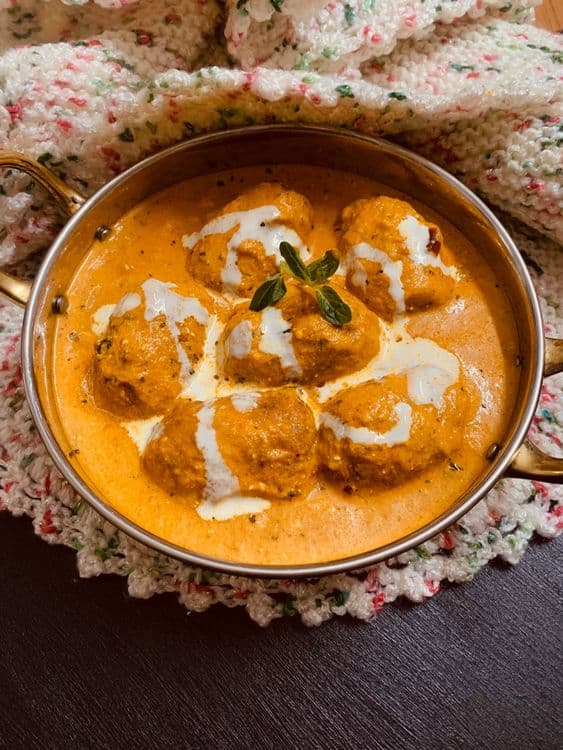
Paneer recipes are the quiet workhorse of Indian home cooking: a fresh, unaged cheese that holds its shape, takes on whatever spice you give it, and turns a handful of pantry staples into something restaurant-worthy. The dishes below were chosen to show its range — silky curries, charred tikka, quick snacks, filling rice plates and even a few sweets — rather than ten versions of the same gravy.
What makes paneer special in the kitchen is that it does not melt. It browns and firms instead, so you can sear it like a steak, simmer it in gravy without it falling apart, or skewer it over flame. That stability is also its trap: cook it too long or too hot in liquid and it tightens into rubber. The recipes and guides here are built around keeping it tender.
You will find four clusters: rich curries and gravies, crisp starters and snacks, rice and wraps that make a full meal, and a short run of sweets and the unexpected. Whether you buy a block or press your own, the technique is the same handful of moves repeated — and once you have them, every paneer dish gets easier.
Treat this as a working reference. Each recipe links to full ingredients and steps on Chefadora, and the guides below cover the things that decide whether paneer turns out soft and flavorful or tough and bland — how to soften and press it, how to fry without it splitting, and how to build a gravy that clings.
Paneer Curries & Gravies
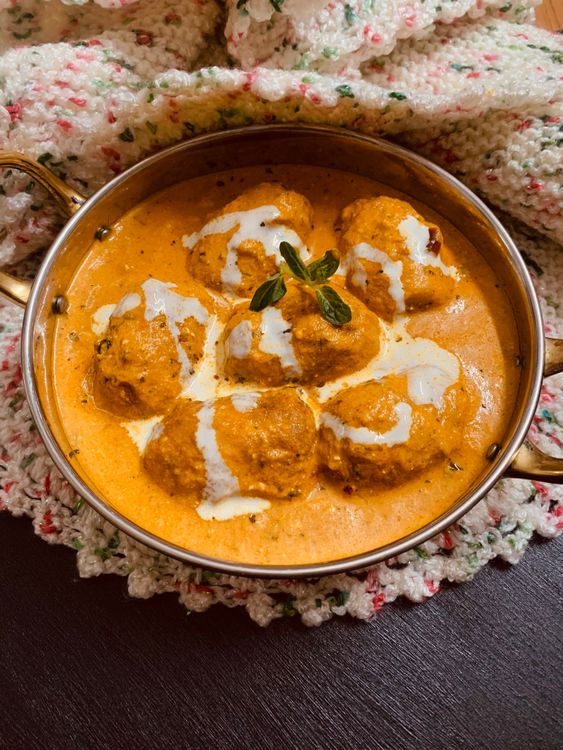
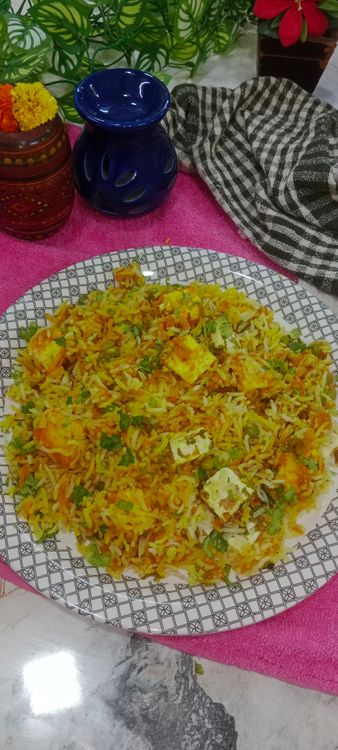
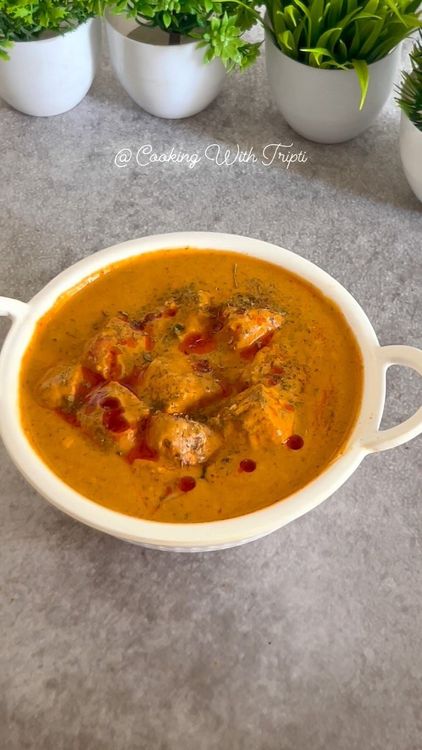
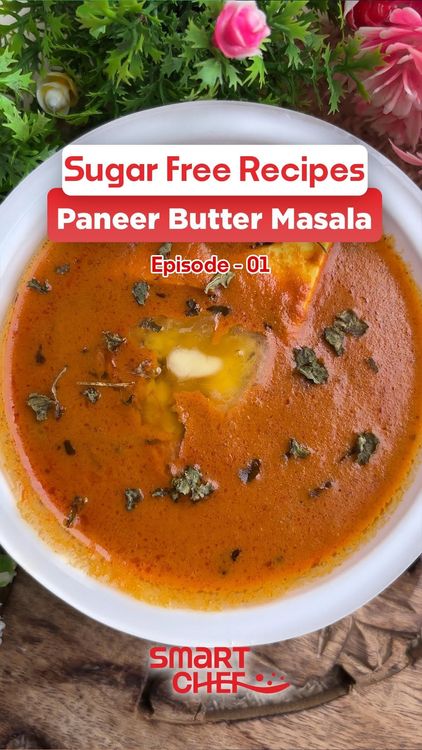
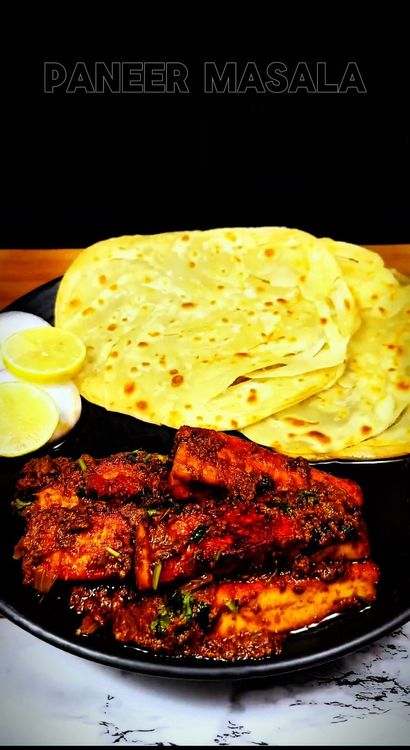
The whole point of a good paneer gravy is patience: you want cubes that soak up the sauce around them rather than sitting in it like an afterthought. That means building a proper base first, onions, ginger, garlic, tomatoes and spices cooked down until the oil separates at the edges, before the cheese ever joins the pot. Once it does, drop the flame to low and let things barely tremble; ten minutes of gentle simmering is plenty for the cubes to drink in flavor and warm through. The single most common mistake is boiling hard after adding the cheese, which squeezes out moisture and leaves you with rubbery, squeaky bites instead of soft ones. If your block feels firm, soak the cubes in warm water for fifteen minutes and add them at the very end. A finishing swirl of cream, a pinch of kasuri methi crushed between your palms, and you have something restaurant-worthy from a humble base. Standouts here include Paneer Veggie Kofta Curry and Matar Paneer Biryani , plus Paneer Butter Masala.

- Indian
- Vegetarian
- Lunch

- Indian
- Vegetarian
- Dinner

- Indian
- Vegetarian
- Lunch

- Indian
- Vegetarian
- Lunch
- Indian
- Vegetarian
- Lunch
Paneer Starters & Snacks
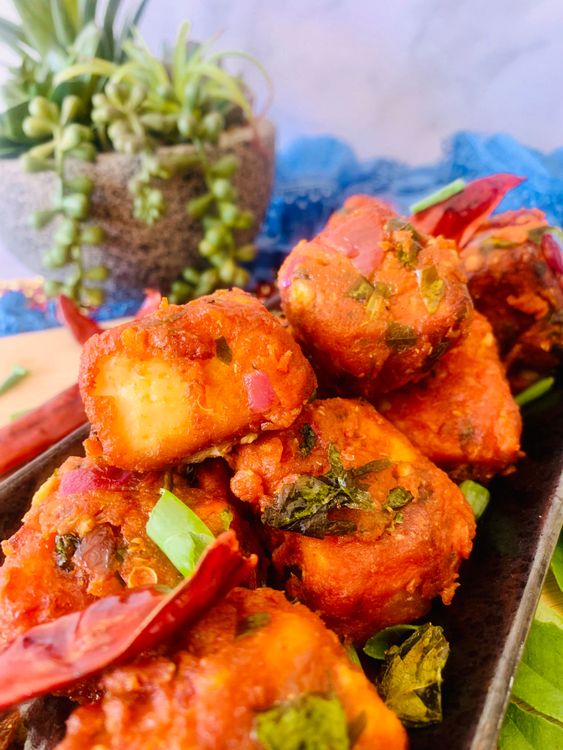
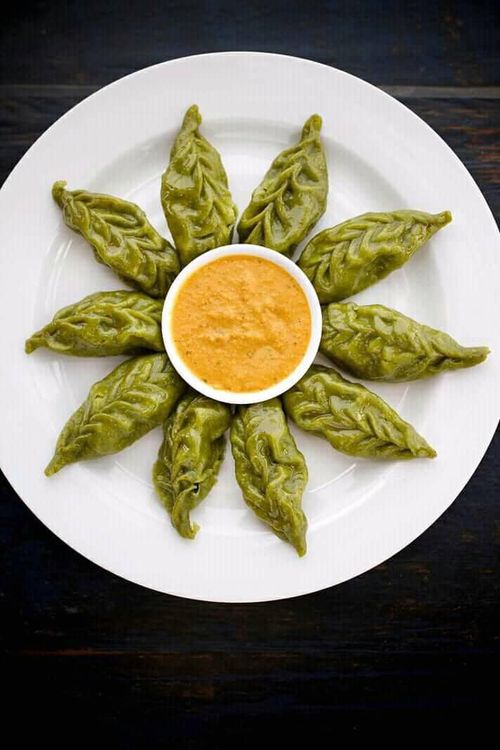
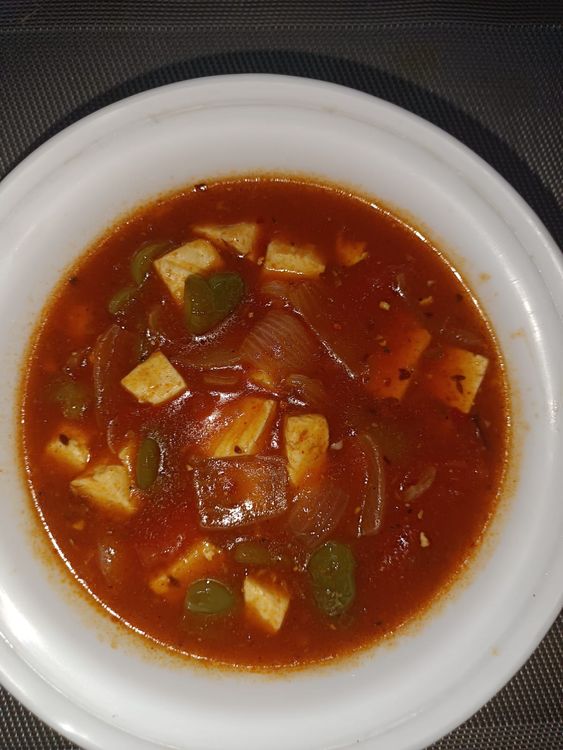
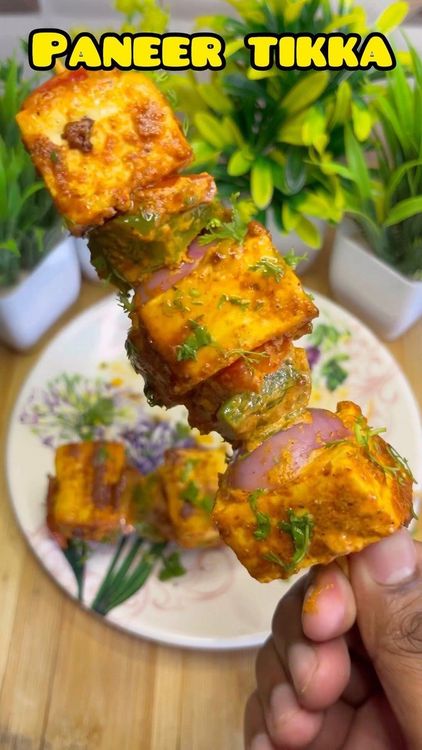
Snackable versions of this cheese live and die by heat and timing. You want a deeply browned, almost charred exterior with a hot, just-soft center, and that only happens when the pan or grill is genuinely ripping, somewhere around high heat with a thin film of oil shimmering before anything goes in. Marinate first, at least thirty minutes in yogurt, ginger-garlic, and a punchy spice mix so the surface carries flavor and color, then cook fast, two to three minutes a side, and resist the urge to keep flipping. The classic error is crowding a lukewarm pan, which steams the cubes pale and weeps water everywhere; give each piece room and let it sear undisturbed. Skewer, tikka, pakora, or a quick tawa fry, the move is the same. Finish off the heat with a squeeze of lime and a generous dusting of chaat masala while everything is still sizzling, so the tang and salt cling to every bite. Standouts here include Paneer 65 and Paneer Spinach Momo, plus Chilli Paneer .
- Indian
- Vegetarian
- Appetiser

- Nepalese
- Vegetarian
- Lunch

- Chinese
- Vegetarian
- Lunch
- Indian
- Vegetarian
- Appetiser

- Fusion
- Vegetarian
- Breakfast
Paneer Rice, Wraps & Mains
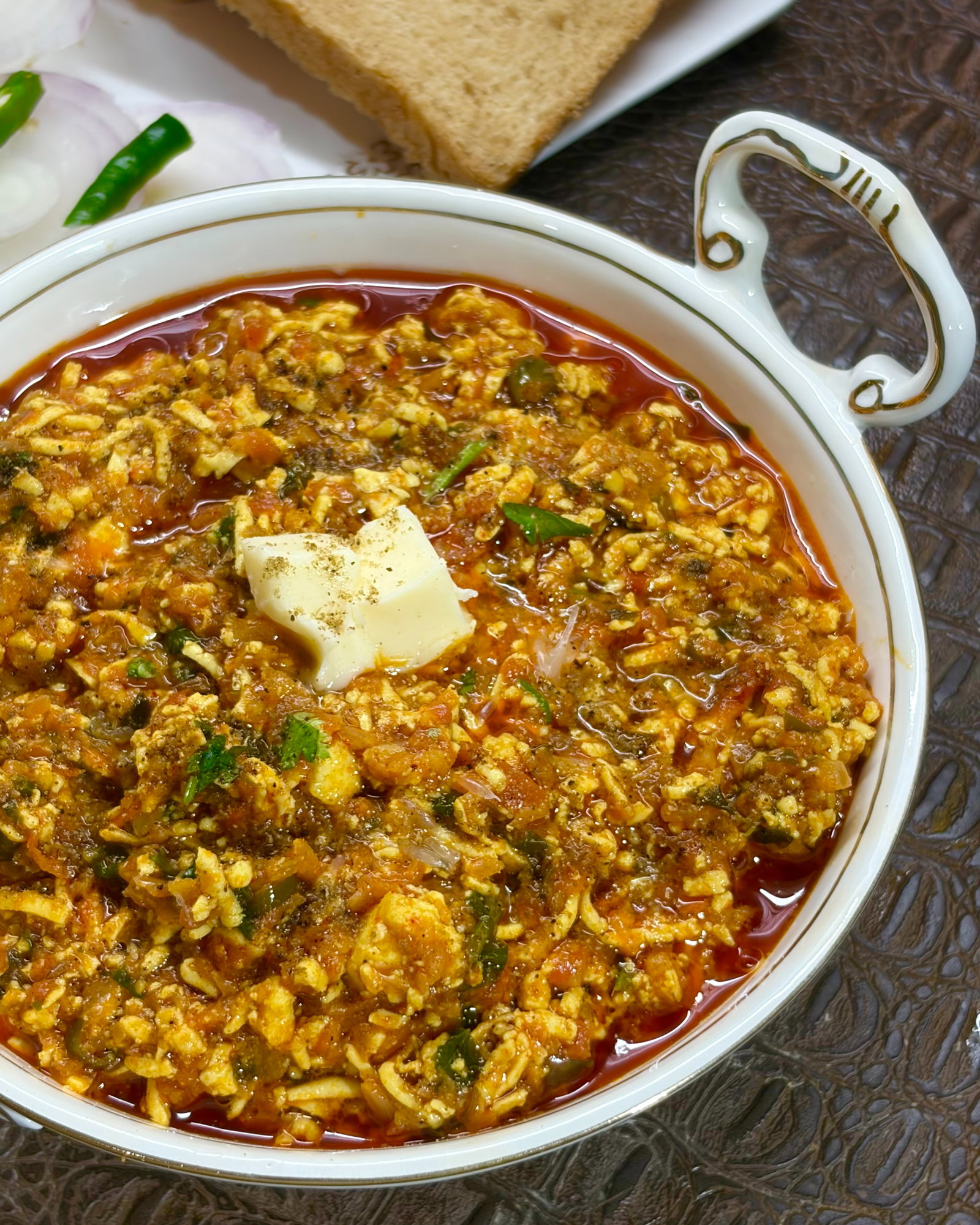
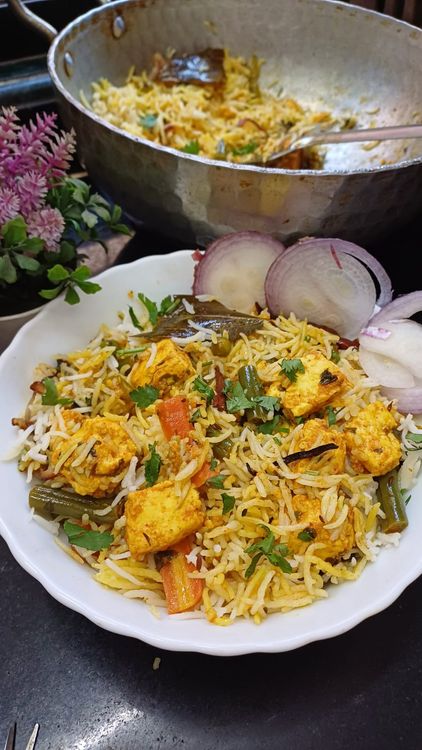
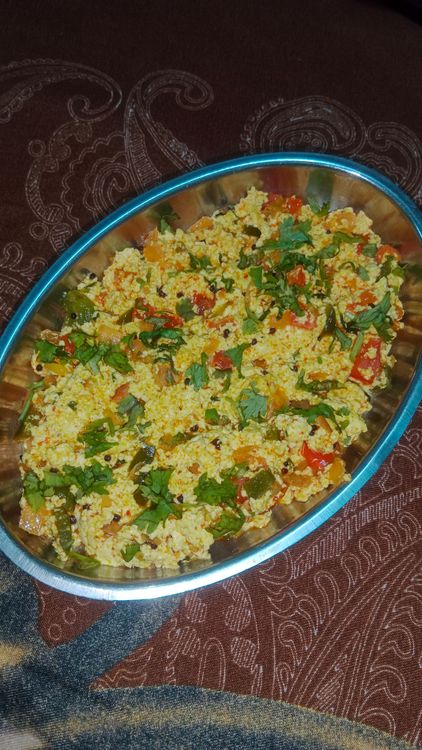
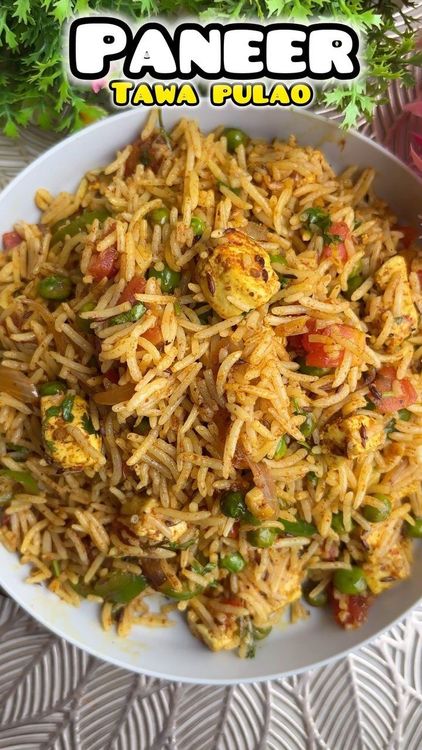
When this cheese stops being a side and becomes the meal, you get some of the most satisfying weeknight cooking around. The same firm, protein-rich cubes that hold their shape in a curry will happily anchor a layered biryani, tuck into a rolled paratha wrap, or crown a bowl of fluffy rice with little more than onions, peppers, and a hit of spice. The trick across all of them is to sear or lightly fry the cubes before they meet the starch, so they stay distinct rather than dissolving into the background. For wraps, keep the filling on the drier side and warm the flatbread on a hot tawa for thirty seconds a side so it folds without cracking. For rice plates, fold the cheese in at the end to keep it intact. These are the filling, one-dish options you reach for when you want dinner done in one pan and on the table fast. Standouts here include Amritsari Paneer Bhurji (Cottage cheese) and Achari Paneer Biryani, plus 10-Min Paneer Bhurji | Scrambled cottage cheese .
- Indian
- Vegetarian
- Breakfast
- Indian
- Vegetarian
- Lunch
- Indian
- Vegetarian
- Lunch

- Indian
- Vegetarian
- Lunch
- Indian
- Vegetarian
- Lunch
More Paneer Favourites
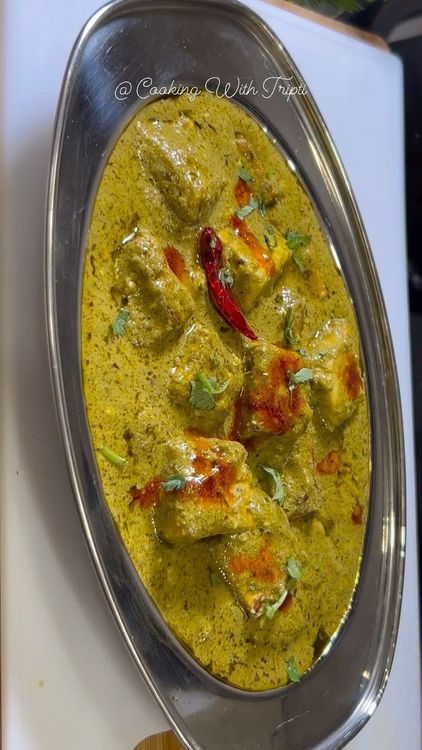
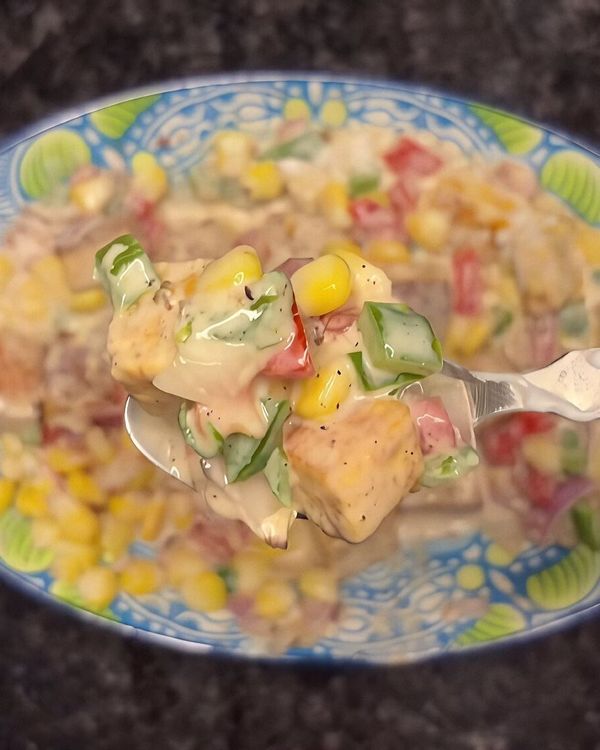
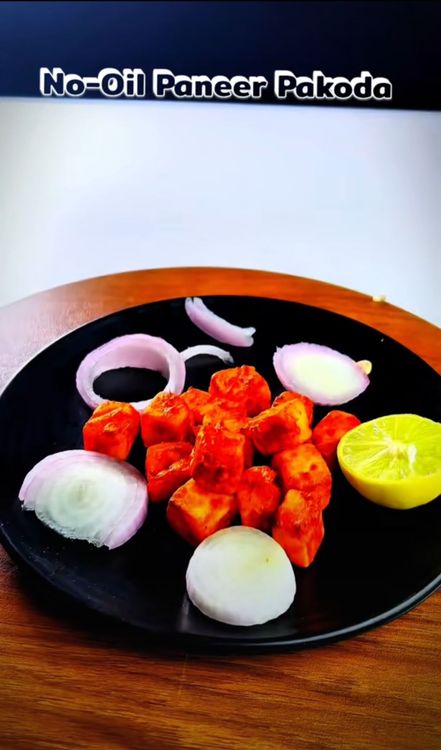
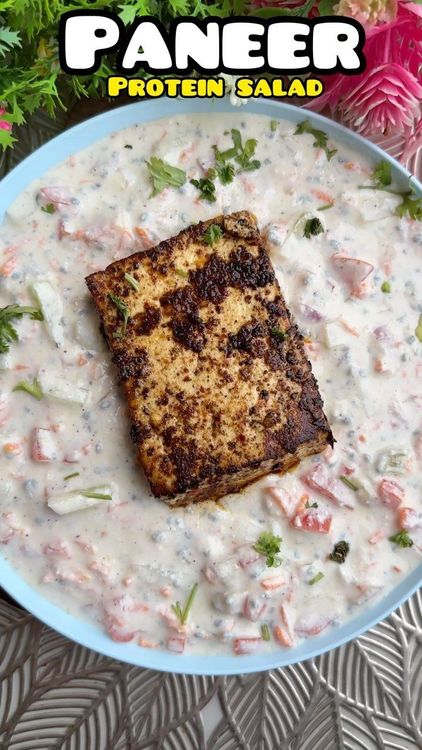
A few dishes never quite fit a single category, and these are the ones worth keeping in your back pocket once the staples feel routine. They lean on the same handful of techniques you already know, a confident sear, a slow-built gravy, a quick marinade, but steer them toward different textures and flavor profiles, so the cheese never tastes the same twice. Picking your next one is mostly about matching effort to mood: choose a dry sear or tawa preparation on a busy night when you want flavor in fifteen minutes, and save the slow-simmered, cream-finished numbers for a weekend when you can let the spices bloom properly. Pay attention to how the cubes are cut, too, since smaller pieces brown faster and larger ones stay custardy in the center. Think of this group as the natural next step after the classics, the recipes that quietly earn a regular spot in the rotation once you have tried them. Standouts here include Paneer Hyderabadi and Paneer/Tofu Salad with Veggies and Dressing, plus Paneer Pakoda.
- Indian
- Vegetarian
- Lunch

- Indian
- Eggetarian
- Lunch
- Indian
- Vegetarian
- Appetiser
- Indian
- Vegetarian
- Snack
- Indian
- Vegetarian
- Breakfast
Buying, Pressing and Softening Paneer
Fresh paneer should be moist and springy, not dry or crumbly. If you buy a block, soak the cubes in warm (not boiling) water for fifteen to twenty minutes before cooking — this softens store-bought paneer that has firmed up in the fridge and keeps it from turning rubbery in the pan. Drain and pat dry just before use.
Pressing matters when you make your own. After curdling milk with lemon or vinegar, drain the curds in muslin and press under a weight for thirty to forty minutes for cubes that hold up in curry, or less time for a softer crumble. Over-press and it goes dense; under-press and it falls apart when you cut it.
Cut paneer into even cubes so it cooks uniformly, and bring it to room temperature before it hits a hot pan. Cold paneer straight from the fridge seizes and browns unevenly. If a recipe calls for frying, dry the surface well — surface moisture is what makes hot oil spit and what stops a good golden crust from forming.
Frying and Grilling Without Toughening It
To pan-fry, use a wide non-stick or well-seasoned pan and a thin film of oil over medium-high heat. Lay the cubes in a single layer, leave them alone until the underside is golden, then turn. Crowding drops the temperature and steams the paneer grey. Fry only until lightly golden — you want color, not a hard shell.
For tikka and grilling, marinate in thick, hung yogurt with ginger-garlic, spices and a little oil for at least thirty minutes; the yogurt tenderizes and the oil helps char. Cook hot and fast on a grill pan, tandoor or air fryer until the edges blacken in spots, basting once. Pull it the moment it colors — paneer has no doneness to wait for, only texture to lose.
A common rescue: if fried or grilled paneer firms up too much, drop it into warm water for a few minutes or straight into hot gravy and it will soften again. Never hold cooked paneer in a low oven to keep warm — it dries and toughens. Cook it last and serve it straight away.
Building a Gravy That Clings
Most great paneer curries start the same way: a base of onion, ginger and garlic cooked down properly, tomatoes reduced until the oil separates, and whole and ground spices bloomed in fat so they taste cooked rather than raw. Rushing this base is the single biggest reason a home curry tastes flat. Give it the full ten to fifteen minutes.
For the silky restaurant texture, blend the cooked base smooth and pass it back through the pan, then finish with cream, cashew paste or a little butter. For a rustic, homestyle gravy, leave it chunky. Either way, add the paneer near the end and simmer gently for just five minutes so it warms through and absorbs flavor without tightening.
Balance at the finish, off the heat: a pinch of sugar to round the tomatoes, salt to taste, kasuri methi (dried fenugreek) crushed between your palms for that signature aroma, and a squeeze of lemon if it needs lift. Garnish with cream and coriander. A gravy seasoned only at the start always tastes one-dimensional.
Make-Ahead, Storage and Serving
Gravies improve overnight as the spices meld, so curries are great make-ahead — but add the paneer only when you reheat, or keep it separate, so it does not toughen sitting in liquid in the fridge. Reheat gently; boiling hard will tighten the cheese and split a cream-based sauce.
Fresh paneer keeps three to four days submerged in water in an airtight container in the fridge (change the water daily), or freeze it for up to a month — though frozen-then-thawed paneer is firmer and best used in curries rather than for frying. Marinated tikka can be prepped a day ahead and cooked to order.
Serve curries with naan, roti or jeera rice; tikka with mint chutney, sliced onion and lemon; and snacks hot, the second they come off the heat. Paneer is at its best fresh and warm — build the rest of the meal around serving it straight away rather than holding it.
Pro Tips from the Test Kitchen
- Soak store-bought paneer in warm water 15–20 minutes before cooking — it softens the block and prevents rubbery cubes.
- Add paneer to gravy near the end and simmer gently for ~5 minutes; long, hard boiling is what turns it tough.
- Pat cubes dry before frying so they brown instead of spit and steam.
- Crush kasuri methi between your palms and add at the end — it gives paneer curries their signature aroma.
- Marinate tikka in thick hung yogurt with a little oil for at least 30 minutes; the acid tenderizes, the oil chars.
- If paneer firms up too much, slip it into warm water or hot gravy and it softens again.
- Cook the onion-tomato base until the oil separates before adding spices — this is what makes a curry taste cooked, not raw.
- Bring paneer to room temperature before searing; cold cubes brown unevenly.
- Blend and strain the gravy for restaurant silkiness; finish with cream or cashew paste for body.
- Never hold cooked paneer warm in the oven — it dries out. Cook it last and serve immediately.
Frequently Asked Questions
How do you keep paneer soft and not rubbery?
Two things: soak store-bought paneer in warm water for 15–20 minutes before cooking, and add it to any gravy only near the end, simmering gently for about five minutes. Paneer toughens from prolonged high heat in liquid, so the trick is brief, gentle cooking. If it has already firmed up, a few minutes in warm water or hot sauce will soften it again.
Should you fry paneer before adding it to curry?
It is optional and a matter of taste. Lightly frying the cubes adds a golden skin and a firmer bite that holds up in gravy, which many restaurants do. For the softest results, skip frying and add raw cubes (soaked in warm water) straight to the sauce. If you do fry, keep it to a light gold — a hard crust will not soften.
What is the difference between paneer and tofu?
Paneer is a fresh dairy cheese made by curdling hot milk with an acid; tofu is made from soybeans. Both hold their shape and absorb flavor, but paneer is richer and milkier with a springier bite, while tofu is leaner and more neutral. In most curries you can swap firm tofu for paneer, though the flavor and texture will be lighter.
How do you make paneer at home?
Bring full-fat milk to a boil, then stir in lemon juice or vinegar a little at a time until the curds separate from the whey. Drain through muslin, rinse to remove the sour taste, gather the cloth and press under a weight for 30–40 minutes. The longer you press, the firmer the block. Homemade paneer is softer and fresher than most store-bought.
Why does my paneer become hard and chewy?
Almost always overcooking. Paneer has no melt point — sustained high heat just drives out moisture and tightens the proteins. Add it late to curries, keep the simmer gentle, and never boil it hard or hold it warm for long. Starting with dried-out, fridge-cold paneer makes it worse, so soak and temper it first.
What are the most popular paneer dishes?
Paneer butter masala (paneer makhani), palak paneer, shahi paneer, kadai paneer and matar paneer lead the curries; paneer tikka is the king of starters. Paneer bhurji (a scramble) and chilli paneer (Indo-Chinese) are weeknight favorites. This collection spans all of these, plus rice plates, wraps and a few sweets.
Can you freeze paneer?
Yes, for up to about a month, well-wrapped. Freezing firms the texture, so thawed paneer is best used in curries where a slightly denser cube is fine, rather than for delicate frying or tikka. Thaw in the fridge, then soak in warm water before cooking to bring back some softness.
Is paneer healthy?
Paneer is a good source of protein and calcium and, because it is unaged, lower in sodium than many cheeses — which is why it is a staple for vegetarians. It is also calorie- and fat-dense, especially in cream-based curries, so portion sensibly. Grilled tikka and lighter homestyle gravies are the leaner ways to enjoy it.
What can I make with leftover paneer?
Crumble it into a quick paneer bhurji with onions and spices, fold it into a paratha or wrap, scatter it over a rice plate, or blitz fresh paneer into a sweet like sandesh or kheer. Because it does not melt, leftover paneer reheats and repurposes well — just soak firmed-up cubes in warm water first.
How long does paneer last in the fridge?
Fresh paneer keeps three to four days submerged in water in an airtight container, with the water changed daily to keep it sweet. Cooked paneer dishes keep three to four days too, though curries are best with the paneer added on reheating. If it smells sour or turns slimy, discard it.
What spices go best with paneer?
The classics are cumin, coriander, turmeric, Kashmiri chilli (for color without heat), garam masala and kasuri methi. Ginger and garlic form the aromatic base of most gravies. Because paneer is mild, it is a blank canvas — lean on whole spices bloomed in fat and finish with kasuri methi and a little cream or lemon for balance.
The thread through every paneer recipe here is the same: a mild, sturdy cheese that rewards a well-built base and gentle handling. Master the few moves in the guides — soften it, fry it lightly, build the gravy properly, add it late — and curries, tikka and snacks all fall into place.
Pick three to cook this week — a rich gravy, a plate of tikka and something quick — and save your favorites to a Chefadora cookbook. Then work through the rest; this page is built to be the paneer reference you actually come back to.
Related
- Paneer
- Vegetarian
- Indian
- Curry
- High protein
- North Indian
- Dinner
Popular Searches
- Best paneer recipes
- Easy paneer recipes
- Quick paneer recipes
- Healthy paneer recipes
- Simple paneer recipes
- Homemade paneer recipes
- Delicious paneer recipes
- Popular paneer recipes
- paneer curry
- paneer tikka
- palak paneer
Marnirni-apinthi Building, Lot Fourteen,
North Terrace, Adelaide, South Australia, 5000
Australia
