
Top 18 Juice Recipes: Fruit, Green, Detox and Coolers
Updated June 24, 2026 · Curated by Chefadora
Juice recipes are the quickest way to turn a basket of fruit and vegetables into something bright, cold and genuinely good for you. The collection below runs the full range, from sweet everyday fruit juices like orange, watermelon and mango, to mineral-rich green and vegetable blends, sharp detox and immunity shots, and the cooling sharbats and mocktails that get you through an Indian summer. One juicer or blender, a hundred refreshing directions.
What decides whether a juice tastes alive or flat is mostly freshness and balance. Cut fruit and vegetables release enzymes the moment they are pressed, so juice oxidises and loses both colour and vitamin C within minutes, which is why fresh-pressed always beats anything that has sat around. The other half is balance: a little acid from lemon or lime lifts and preserves the juice, a touch of sweetness rounds out bitter greens, and a pinch of salt makes everything taste more vivid.
You will find the collection grouped into clusters — fresh fruit juices, green and vegetable juices, detox and immunity juices, and blended coolers and mocktails. Standout drinks range from a classic Watermelon Juice and a Mango Cooler to an Amla Ginger Shot, a Spinach Cucumber Green Juice, and a tangy Aam Panna, each built on the fundamentals the guides below lay out.
Treat this as a working reference. Each recipe links to full ingredients and steps on Chefadora, and the guides below cover what actually decides whether a juice is bright or muddy, balanced or sour — choosing between a juicer and a blender, getting fruit and greens to taste their best together, and keeping every glass fresh, cold and full of flavour.
Fresh Fruit Juices
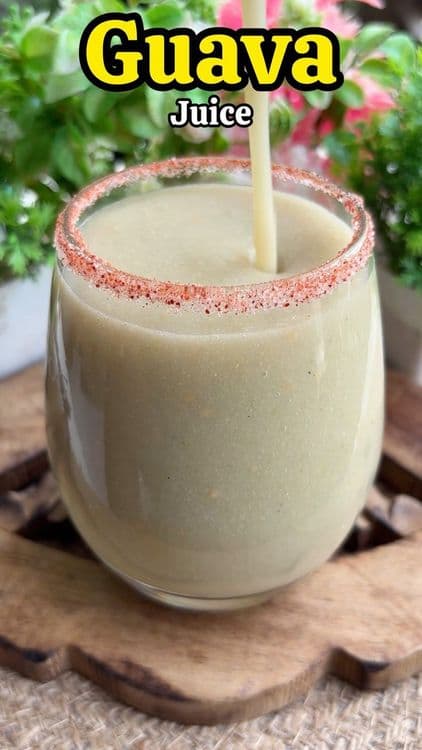
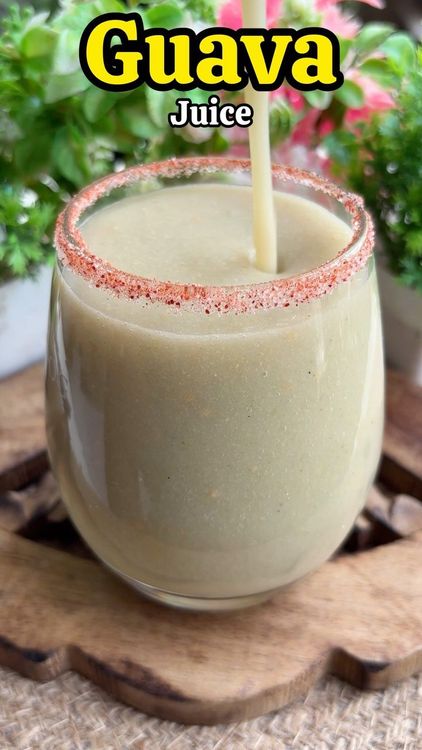
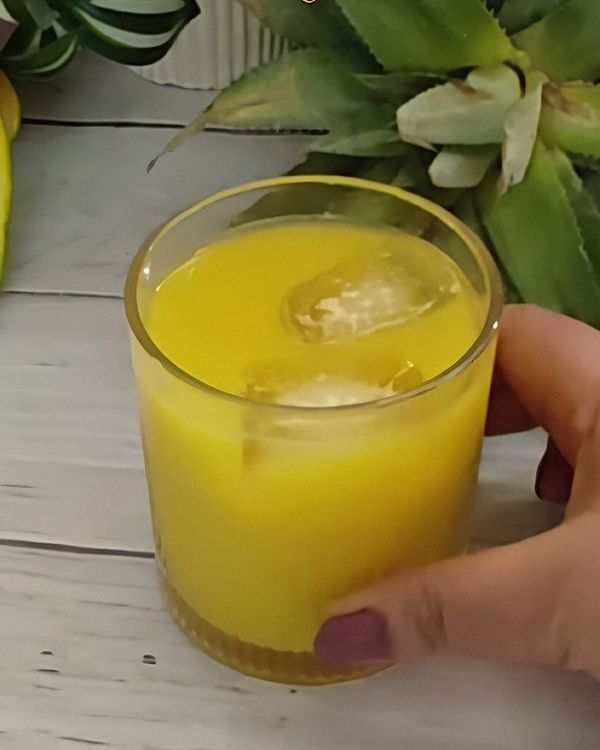
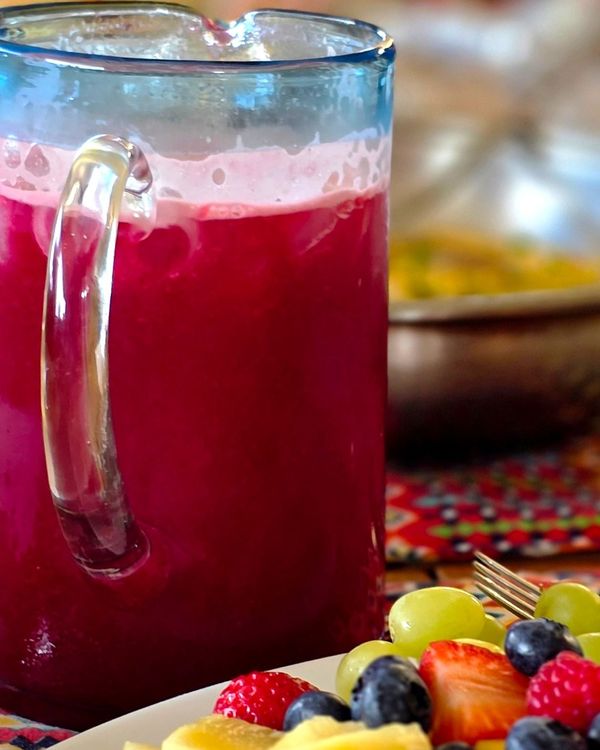
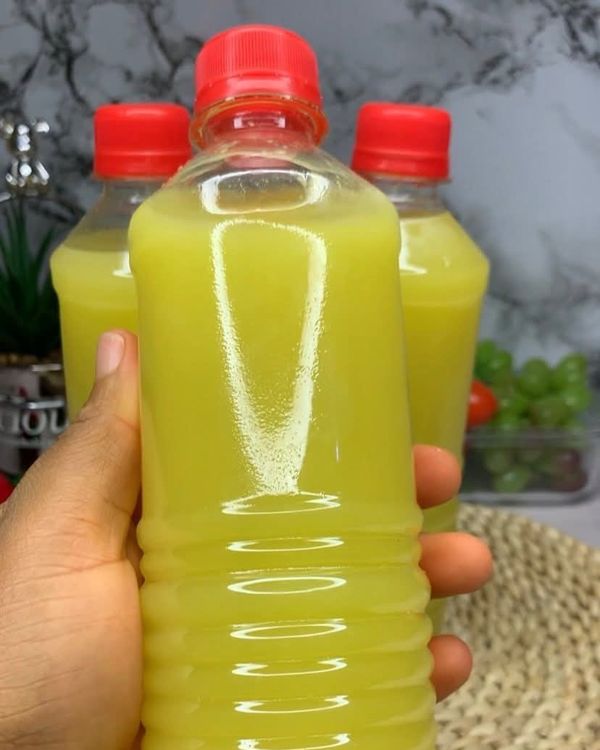
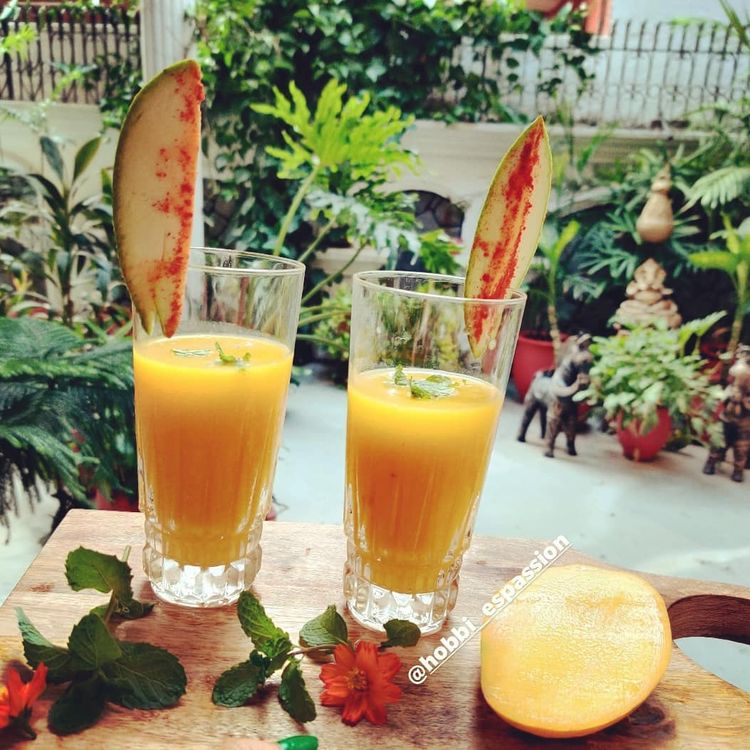
Fresh fruit juices are where most people fall in love with juicing, and for good reason: ripe, in-season fruit needs almost nothing done to it to taste spectacular. The single biggest factor is the fruit itself, so choose pieces that are fully ripe and fragrant, since under-ripe fruit juices thin and sour while a perfectly ripe mango, watermelon or pineapple gives you sweetness, colour and aroma for free. Watery fruit like watermelon, orange, mosambi and grapes juice readily and need little or no added water; denser ones like mango, guava and pomegranate benefit from a splash of water or a few ice cubes to loosen them in the blender, then a strain through a fine sieve for a clean glass. Always finish with a small squeeze of lemon or lime, which lifts the sweetness, deepens the colour and slows the browning that otherwise dulls a juice within minutes. Chill your fruit before juicing and serve over ice, because fruit juice tastes brightest cold and loses its sparkle as it warms. Drink these fresh rather than storing them, since their delicate flavour and vitamin C fade fast once pressed. Standouts here include Guava Juice and Tropical Bliss in a Glass – Mango Pineapple Mint Juice, plus Pressed Orange, Beet & Ginger Juice.

- Indian
- Vegan
- Beverage

- Tropical
- Vegan
- Snack

- International
- Vegan
- Breakfast
- Global
- Vegan
- Snack
- Indian
- Vegan
- Beverage
Green and Vegetable Juices
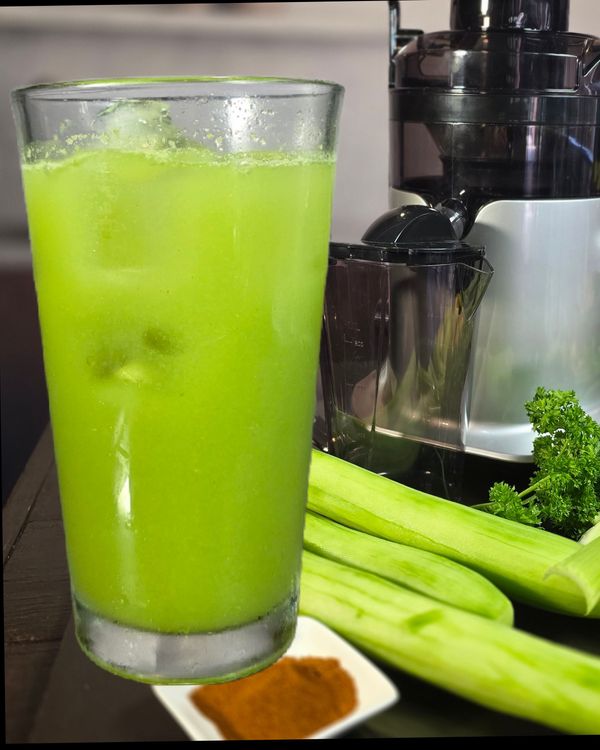
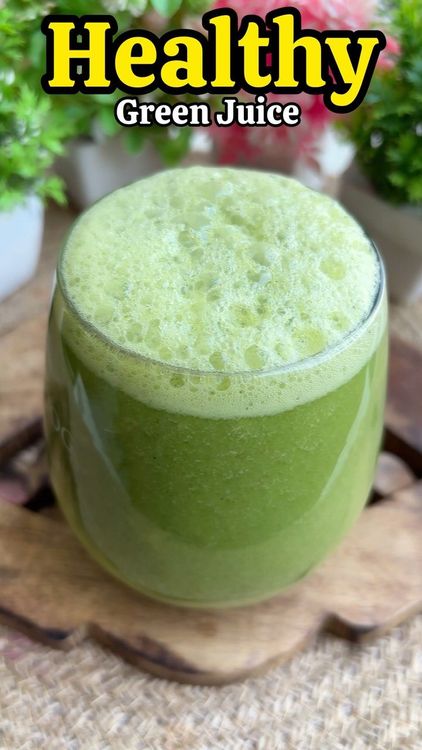
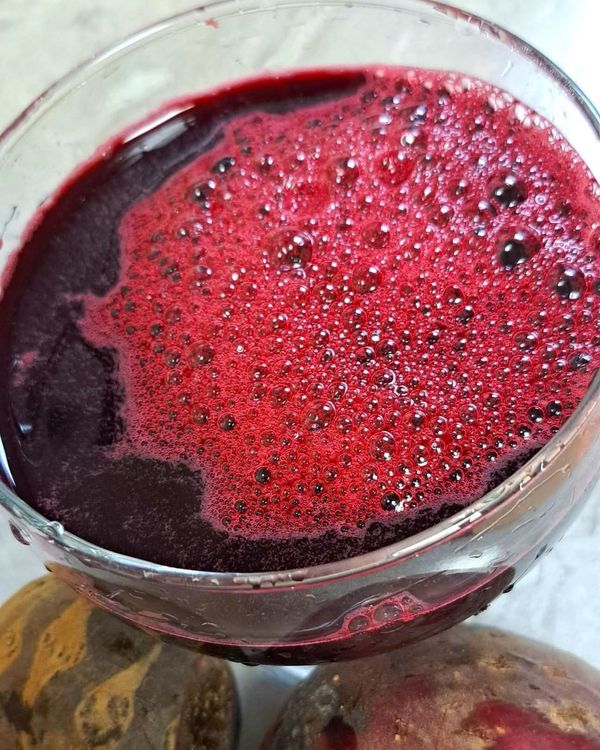
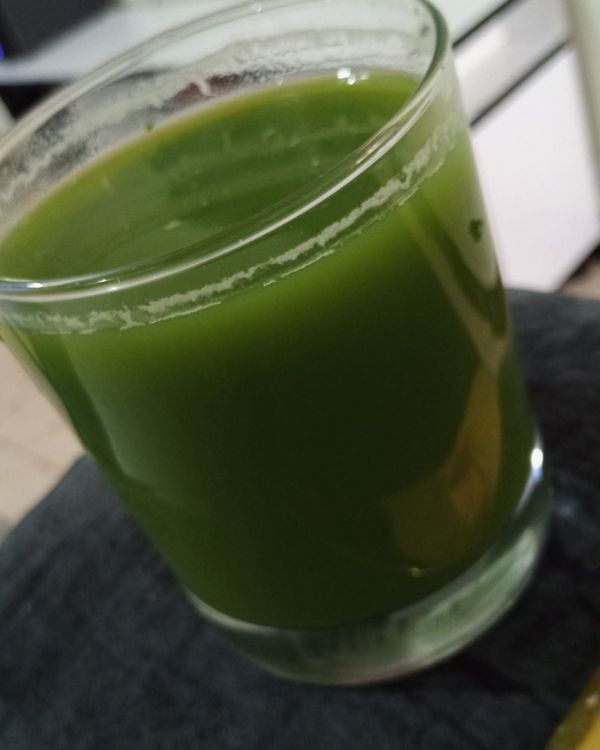
Green and vegetable juices are the ones worth learning properly, because they pack the most nutrition into a glass and reward a little technique. The whole game is balance: greens like spinach, kale and wheatgrass and earthy roots like beet and carrot can taste bitter or muddy on their own, so you build the juice around a mild, high-water base and lift it with sweetness and acid. Cucumber and bottle gourd (lauki) are the perfect foundation — they are gentle, hydrating and let the other flavours shine without overwhelming the glass. From there, add your greens and roots, then balance with something naturally sweet like apple, carrot or a few grapes, in roughly two parts greens to one part fruit, dialling the fruit up if it still tastes too grassy. A squeeze of lemon brightens everything and helps preserve the colour, while a thumb of ginger or a handful of mint adds welcome lift. Amla and tomato bring their own tang and a serious vitamin hit. Strain well for a clean, light juice, or keep a little pulp for fibre, and always drink green juices fresh, since they fade faster than fruit juices and taste best the moment they are made. Standouts here include Green Breakfast Juice and Healthy Green Juice, plus Beetroot Juice for Blood Pressure Management.
- International
- Vegan
- Breakfast
- Indian
- Vegan
- Beverage
- Global
- Vegan
- Beverage
- Global
- Vegan
- Breakfast


- Health
- Vegan
- Snack
Detox and Immunity Juices
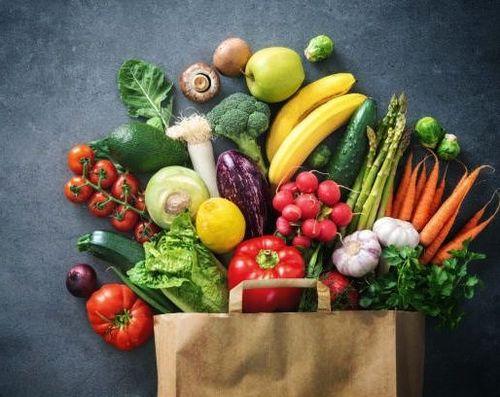
Detox and immunity juices are concentrated, purposeful drinks — small, sharp and built to fortify rather than simply refresh. The flavours here are deliberately punchy: ginger and turmeric bring warmth and anti-inflammatory compounds, citrus and amla deliver a serious dose of vitamin C, and a little honey or lemon rounds off the edges. Because these ingredients are so intense, portions stay small; a ginger-lemon shot or a spoonful of amla juice does more in a couple of mouthfuls than a full glass would. Build them by juicing or blending the sharp ingredients with enough water or mild juice to make them drinkable, then taste and adjust, since too much raw ginger or turmeric can overwhelm. A pinch of black pepper helps your body absorb turmeric, while warming spices like ajwain and jeera echo the logic of a kadha, the traditional spiced brew leaned on through cold and flu season. Keep expectations honest — your liver and kidneys do the real detoxing, and these juices support good health rather than working miracles — but as a fresh, daily ritual alongside a balanced diet, a bright immunity shot is a genuinely good habit. Drink them freshly made and on a fairly empty stomach for the gentlest effect. Standouts here include Detox Juice and Refreshing Lemon Juice, plus Weight Loss Juice.

- Health
- Vegan
- Snack

- International
- Vegan
- Beverage

- International
- Vegan
- Breakfast
More Juice Favourites
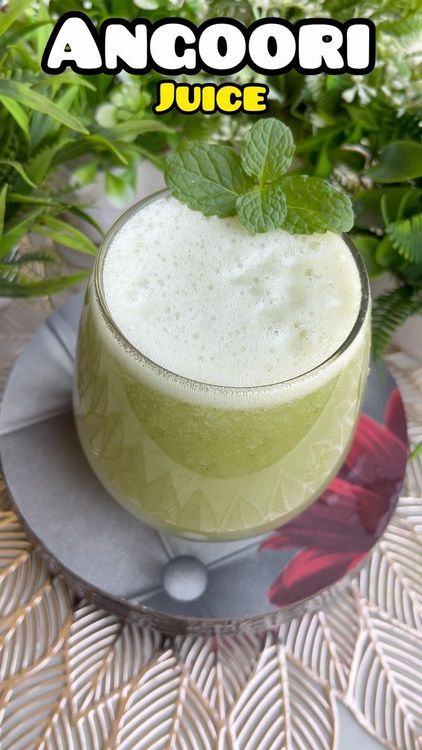
A few juices and drinks never quite fit a single category, and these are the ones worth keeping in your back pocket once the staples feel routine. They lean on the same handful of techniques you already know — choosing ripe produce, balancing sweet against sour and salt, straining for a clean glass, and serving everything cold — but steer them toward different fruit pairings, spice accents and textures, so no two drinks taste the same. Picking your next one is mostly about matching effort to mood: reach for a quick two-ingredient fruit juice on a busy morning when you just want something fresh and fast, and save the layered, spiced coolers and multi-ingredient green blends for a weekend or a gathering when you can taste and tweak properly. Pay attention to ripeness and acid above all, since a riper fruit and the right squeeze of lime do more for a drink than any amount of added sugar. Think of this group as the natural next step after the classics — the recipes that quietly earn a regular spot in your rotation once you have tried them, and that turn whatever is in the fruit bowl into something cold and worth pouring. Standouts here include Musk Melon Seeds Juice and Refreshing Bel Juice, plus Angoori Juice.


- Beverage


- Indian
- Vegan
- Beverage
- Indian
- Vegan
- Beverage

- International
- Vegetarian
- Breakfast

- Indian
- Vegan
- Beverage
Juicer or Blender: Choosing Your Method
The first decision is how you extract the juice, and it changes the drink completely. A juicer separates the liquid from the pulp and fibre, giving you a thin, clear, fast-absorbed juice — ideal for green juices, carrot and beet, and anything you want light and sippable. A blender keeps everything in the glass, so you get a thicker, fibre-rich drink closer to a smoothie. Neither is better; they simply suit different fruit, textures and goals.
If you are blending rather than juicing, you can still get a clean, juice-like result by straining. Blend the fruit or vegetables with a little water, then pour the mixture through a fine sieve or a muslin cloth, pressing the pulp to wring out every drop. This works beautifully for watermelon, pineapple, mosambi and leafy greens, and means you do not need a dedicated juicer at all. Keeping a little of the strained pulp back adds body and fibre if you prefer it.
Whichever you use, prep matters. Wash everything well, peel anything waxed or thick-skinned (oranges, mosambi, pineapple), and cut produce small enough to feed the machine without straining the motor. Chill the fruit and vegetables first, since cold juice tastes brighter and oxidises a touch slower than warm. Juice the watery, soft items last so they help flush the drier, fibrous ones like ginger, beet and greens through the machine cleanly.
Balancing Sweet, Sour, Bitter and Salt
A great juice is a balancing act, and the easiest lever is acid. A squeeze of lemon or lime brightens almost any juice, cuts excessive sweetness, and slows the browning that dulls colour and flavour. Vegetable and green juices especially need that lift, since on their own they can taste flat and earthy. Add the citrus at the end, taste, and adjust — a single juice can swing from bland to vivid with half a lime.
Bitterness is the usual stumbling block with green and vegetable juices. Tame it by pairing strong greens like kale, spinach or wheatgrass with something naturally sweet — apple, pineapple, carrot or a few grapes — in roughly a two-to-one ratio of greens to fruit, adjusting the fruit up if it still tastes too grassy. Cucumber and bottle gourd (lauki) are mild, high-water bases that dilute bitterness while keeping the juice light, which makes them perfect starting points for anyone new to green juices.
Do not forget salt and warmth. A pinch of black salt or roasted cumin transforms Indian-style coolers like jaljeera, aam panna and shikanji, making them taste savoury, complex and genuinely thirst-quenching rather than just sweet. Fresh ginger, mint and a little black pepper add lift and a gentle heat that wakes the whole glass up. Sweeten with honey, jaggery or a ripe fruit rather than refined sugar where you can, and always sweeten last, after the acid and salt are balanced.
Keeping Juice Fresh, Cold and Nutritious
Fresh juice is at its best the moment it is made. Once produce is pressed, oxygen and light start breaking down vitamin C and the bright pigments, so colour fades, flavour dulls and nutrients drop within the hour. The simple rule is to drink juice as soon as you can after making it. If you must hold it, store it in an airtight glass bottle filled right to the top, leaving as little air as possible, and keep it cold and dark in the fridge.
Acid is your preservative. The lemon or lime you add for flavour also slows oxidation, helping a juice keep its colour and freshness for several hours rather than minutes. Stored properly and acidulated, most fruit juices hold for up to twenty-four hours, green juices a little less. Give the bottle a shake before drinking, since natural separation is normal and not a sign it has spoiled. Freeze leftover juice in ice-cube trays to chill future drinks without watering them down.
For nutrition, variety beats any single miracle juice. Rotate your fruit and vegetables so you get a spread of vitamins and plant compounds rather than the same drink every day, and lean on whole-pressed juice rather than long-stored or heavily sweetened versions. Remember that juicing removes most of the fibre, so juice complements a balanced diet rather than replacing meals; blend-and-strain or keep some pulp back when you want more of that fibre in the glass.
Pro Tips from the Test Kitchen
- Drink juice as fresh as possible — colour, flavour and vitamin C fade within the hour of pressing.
- Add a squeeze of lemon or lime to brighten any juice and slow the browning that dulls it.
- Balance bitter greens like kale and wheatgrass with sweet apple, pineapple or carrot, roughly two parts greens to one part fruit.
- Use cucumber or bottle gourd (lauki) as a mild, high-water base to ease into green juices.
- Chill your fruit and vegetables before juicing so the drink tastes brighter and oxidises slower.
- A pinch of black salt or roasted cumin transforms jaljeera, aam panna and shikanji from sweet to savoury and complex.
- No juicer? Blend with a little water and strain through a fine sieve or muslin for a clean glass.
- Juice watery fruit last so it flushes drier, fibrous items like ginger, beet and greens through the machine.
- Store juice in an airtight bottle filled to the top, cold and dark, and shake before drinking.
- Keep detox and immunity shots small and sharp — ginger, amla and citrus are meant to be concentrated.
Frequently Asked Questions
What are the best juice recipes for beginners?
Start with sweet, forgiving fruit juices that need almost no balancing — watermelon, orange, pineapple and mosambi are bright, hydrating and hard to get wrong. From there, ease into green juices with a mild base like cucumber or bottle gourd softened by apple or a little citrus. Indian coolers such as aam panna, shikanji and jaljeera are also a great entry point, since black salt and cumin make them taste complex with very little effort. Fresh fruit, a squeeze of lime and a cold glass are all you really need.
What are the healthiest juice recipes to drink regularly?
The healthiest juice recipes are the ones built on a variety of whole fruit and vegetables with little or no added sugar. Green juices with spinach, cucumber and amla deliver vitamins and minerals; carrot and beet juice bring antioxidants; and citrus-and-ginger immunity shots offer concentrated vitamin C. Rotate them rather than drinking the same thing daily, lean on fruit for sweetness instead of refined sugar, and remember juicing removes most fibre, so treat juice as a complement to balanced meals rather than a replacement for them.
How do you make green juice taste good?
The trick is balancing the earthy, slightly bitter greens with sweetness and acid. Pair a big handful of spinach, kale or wheatgrass with something sweet like apple, pineapple or carrot, in roughly two parts greens to one part fruit, then finish with a squeeze of lemon to brighten the whole glass. A mild, high-water base such as cucumber or bottle gourd dilutes any harshness and keeps the juice light. Start fruit-forward and dial the greens up gradually as your palate adjusts.
Do detox juices actually work?
Your liver and kidneys do the real detoxing, so no juice literally flushes toxins out of the body. What detox and immunity juices genuinely offer is a concentrated dose of vitamins, antioxidants and hydration, plus ingredients like ginger, turmeric, amla and lemon that support digestion and general wellbeing. Used as part of a balanced diet, a fresh ginger-lemon shot or an amla juice is a wholesome habit. Treat them as a nourishing top-up rather than a cure-all or a substitute for eating well.
Is it better to use a juicer or a blender for juice?
It depends on the drink. A juicer separates out the pulp for a thin, clear, light juice that is ideal for greens, carrot and beet. A blender keeps the fibre, giving a thicker, more filling result closer to a smoothie. You do not need a dedicated juicer, though — blending fruit or vegetables with a little water and straining through a fine sieve or muslin gives a clean, juice-like glass. Choose the juicer for lightness and fast absorption, the blender for body and fibre.
How long does fresh juice last in the fridge?
Fresh juice is best drunk straight away, since it begins losing colour, flavour and vitamin C within the hour. If you need to store it, pour it into an airtight glass bottle filled right to the top to keep out air, and keep it cold and dark. Acidulated with lemon or lime, most fruit juices hold for up to twenty-four hours and green juices a little less. Shake before drinking, as natural separation is normal, and freeze any excess in ice-cube trays.
Should you peel fruit and vegetables before juicing?
It depends on the produce. Peel anything with a thick, bitter or waxed skin — oranges, mosambi, pineapple and bottle gourd all juice better peeled — while thin-skinned items like apple, cucumber, carrot and beet can be juiced with the skin on for extra nutrients once well scrubbed. Always wash everything thoroughly first, and cut pieces small enough to feed your machine without straining it. With ginger and turmeric, a quick scrub is usually enough; no need to peel them fully.
How can you make juice without a juicer?
Reach for your blender. Roughly chop the fruit or vegetables, add a splash of water to get the blades moving, and blend until completely smooth. Then pour the mixture through a fine-mesh sieve or a piece of muslin set over a jug, pressing and squeezing the pulp to extract every last drop of juice. This works wonderfully for watermelon, pineapple, mosambi, tomato and leafy greens. Keep a little pulp back if you want more body and fibre, and finish with lemon and ice.
What are good juices to boost immunity?
Lean on vitamin C and warming, antioxidant-rich ingredients. Amla (Indian gooseberry) is exceptionally high in vitamin C, while orange, mosambi and lemon are classic citrus boosters. A small ginger-and-lemon shot, sometimes with a pinch of turmeric and a little honey, is a punchy daily ritual, and a kadha-style spiced juice adds warmth in cooler months. Keep these portions small and concentrated, drink them fresh, and pair them with a varied diet — no single juice replaces overall good nutrition, but they are a genuinely supportive habit.
The thread through every juice recipe here is the same: start with fresh, ripe produce, balance sweet against sour, bitter and salt, and drink it as soon after pressing as you can while the colour and vitamins are at their peak. Master those and fruit juices, green blends, detox shots and coolers all turn out bright, balanced and genuinely refreshing rather than flat or sour.
Pick a few juice recipes to make this week — a sweet watermelon or mango juice, a green cucumber-spinach blend, and a tangy jaljeera or aam panna — and save your favourites to a Chefadora cookbook. There is a juice for every mood, season and time of day; this page is built to be the juice reference you keep coming back to.
Related
- Juice
- Healthy
- Detox
- Summer drinks
- Vegetarian
- Immunity
- Mocktails
- Beverages
Popular Searches
- Best juice recipes
- Easy juice recipes
- Quick juice recipes
- Healthy juice recipes
- Simple juice recipes
- Homemade juice recipes
- Delicious juice recipes
- Popular juice recipes
- fruit juice
- detox juice
- green juice
- vegetable juice
Marnirni-apinthi Building, Lot Fourteen,
North Terrace, Adelaide, South Australia, 5000
Australia
