
Top 17 Bell Pepper Recipes: Stuffed, Stir-Fried, Roasted and More
Updated June 29, 2026 · Curated by Chefadora
Bell pepper recipes are the most colorful, good-natured corner of vegetable cooking: a sweet, crunchy fruit that costs little, keeps for ages, and slides into almost any cuisine you point it at. The dishes below were chosen to show its real range — peppers stuffed and baked whole, blistered fast in a fajita pan, roasted until silky and smoky, or cooked down into soups, salads and relishes — rather than ten variations on the same skillet sauté.
What makes the bell pepper so useful is that it shifts character completely with heat. Raw, it is crisp, juicy and faintly grassy; charred hard, it turns sweet, soft and almost smoky; cooked slow, it melts into a jammy sweetness that anchors sauces and spreads. The same red, yellow, green or orange pepper can be the crunch in a salad one night and the velvet in a roasted-pepper soup the next, which is exactly why it earns a permanent spot in the fridge.
You will find four clusters here: classic stuffed peppers, fast stir-fries and fajitas, roasted peppers and the sides built from them, and a lighter run of soups, salads and relishes. The techniques overlap more than you would think — roasting, blistering and gentle stuffing all come down to managing the skin and the moisture — so once you have a few moves down, every pepper dish gets easier.
Treat this as a working reference. Each recipe links to full ingredients and steps on Chefadora, and the guides below cover the things that actually decide whether a pepper dish sings or sulks — how to roast and peel for sweetness, how to keep stir-fried peppers crisp instead of soggy, how to stuff and bake them so shell and filling finish together, and how to buy and store them so they last.
Stuffed Bell Peppers
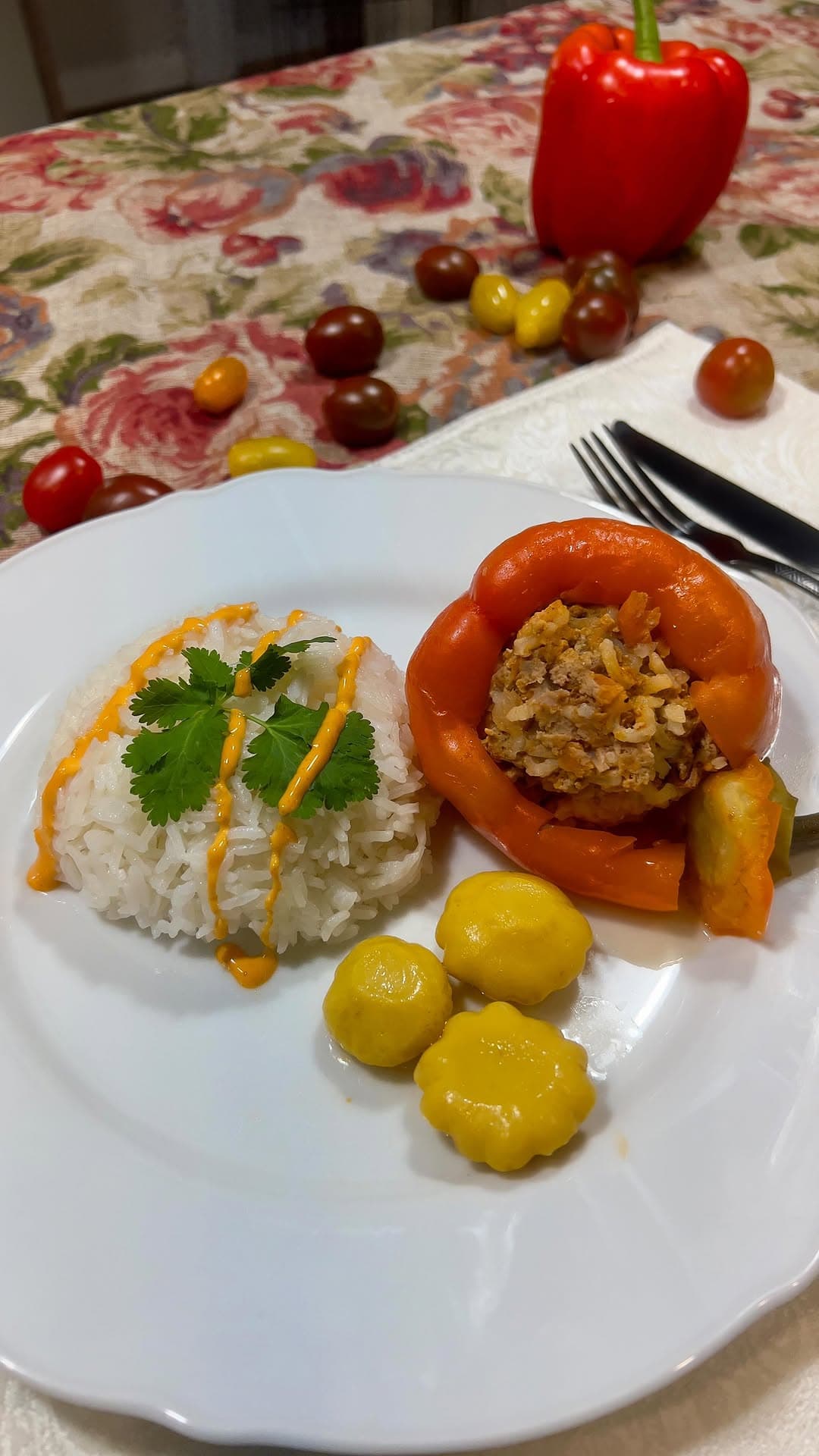
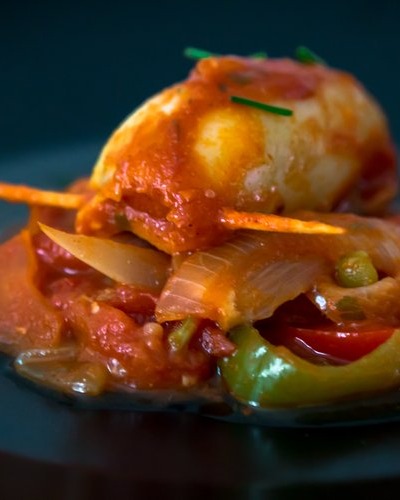
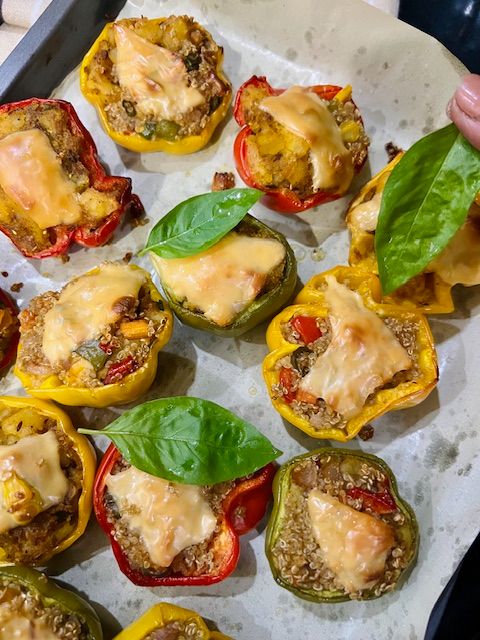
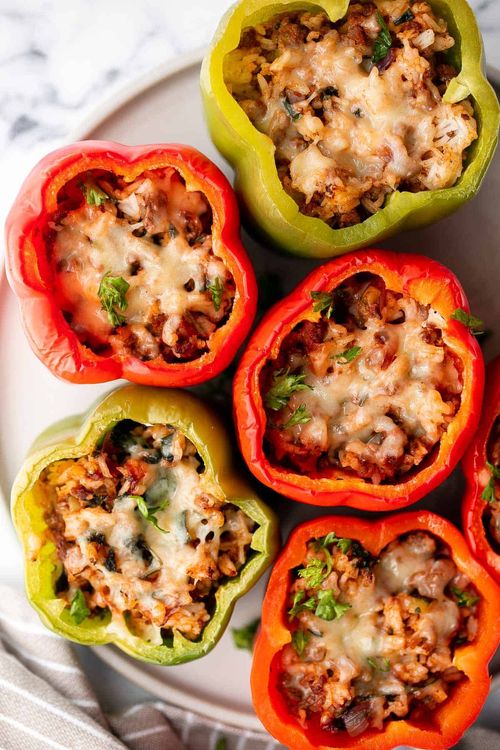
The whole trick to a good stuffed pepper is getting the shell and the filling to finish at the same moment, because left to chance the pepper stays raw and squeaky while the top scorches, or it collapses into a sad puddle. The fix is two-part: give the empty shells a head start by pre-baking them cut-side up for ten to fifteen minutes or blanching them three to four, and pre-cook the filling fully so the bake is really just about melding and browning. Choose squat, four-lobed peppers that stand flat without tipping, and pat the shells dry before you fill them. Season the stuffing aggressively, since the pepper itself is sweet and needs a savory, well-salted counterweight, then pack the shells full and mound them generously. Bake covered first so they steam and soften, then uncover for the last stretch to brown a cap of cheese or breadcrumbs to bubbling gold. A splash of sauce in the dish keeps things from scorching, and a five-minute rest lets each pepper lift out whole instead of slumping apart. Standouts here include Restaurant-Worthy Stuffed Bell Peppers and Quinoa and Shrimp Stuffed Squid Tagine in Tomato and Bell Pepper Sauce, plus Quinoa & Veggies Stuffed Bell Peppers.


- Non-Vegetarian
- Dinner

- Mediterranean
- Pescatarian
- Dinner

- Mediterranean
- Vegetarian
- Lunch
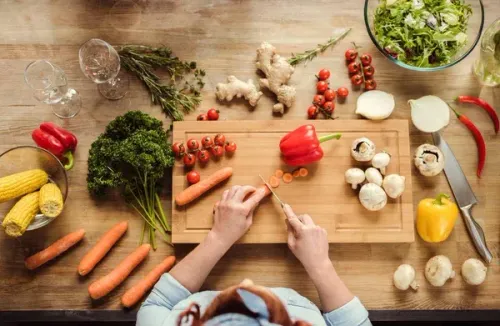
- American
- Non-Vegetarian
- Dinner
Stir-Fries & Fajitas
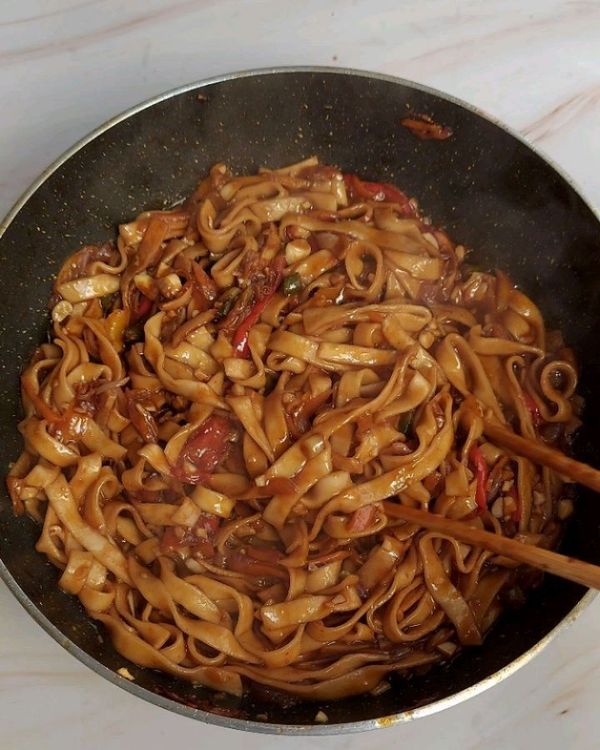
Peppers come alive over high heat, and that means a pan you have let get genuinely ripping before anything goes in. The goal is a blistered, charred edge with a remaining snap in the middle, and that only happens when the strips sit in a single uncrowded layer with a thin film of hot oil, left alone long enough to take on color rather than tossed constantly into a steamy, grey limpness. Slice the peppers lengthwise along their natural grooves so the strips hold together, and add them late, after slower aromatics and any protein, since they need only a few minutes. For fajitas, sear the peppers and onions hard over the highest heat for those dark, sweet edges, then pull them while they still have bite and let carryover finish the job on the plate. Sauce goes on at the very end and light, tossed hard so it coats rather than pools; a glossy, clinging glaze beats a watery braise, and for an Indo-Chinese chilli or a pepper steak you thicken gradually and serve at once. Standouts here include Shrimp Fajitas with Bell Peppers and Onions and Pineapple and Bell Pepper Stir Fry.
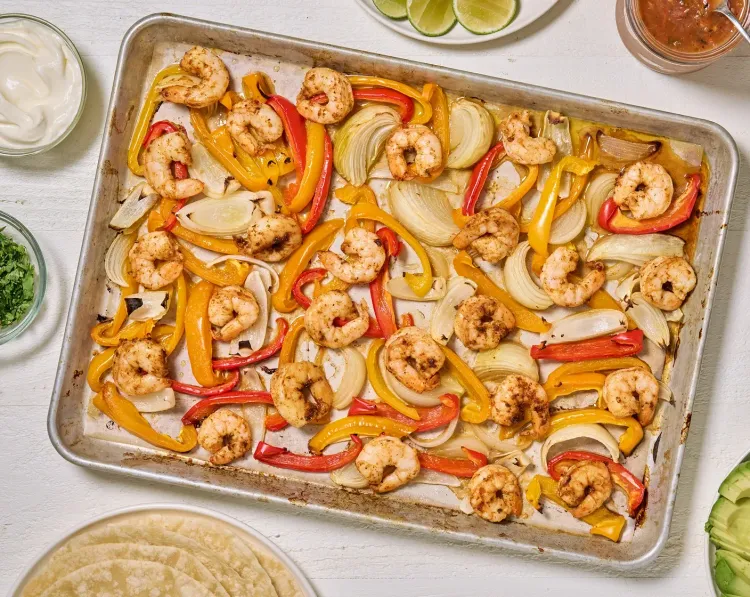
- Mexican
- Pescatarian
- Lunch
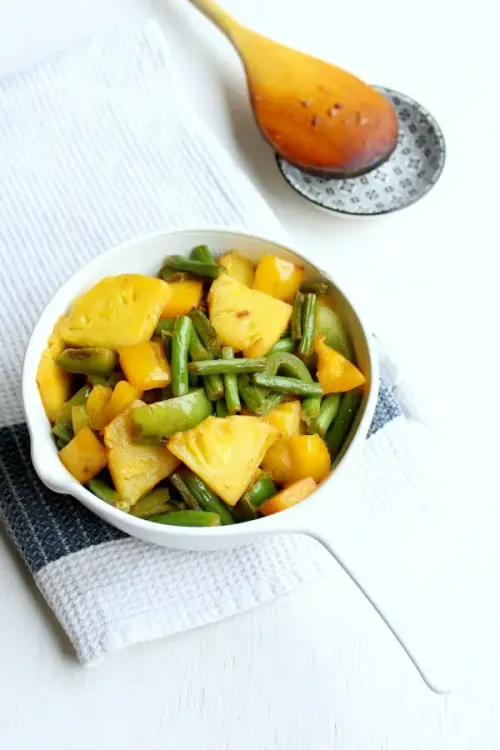
- Fusion
- Vegan
- Side Dish
Roasted Peppers & Sides
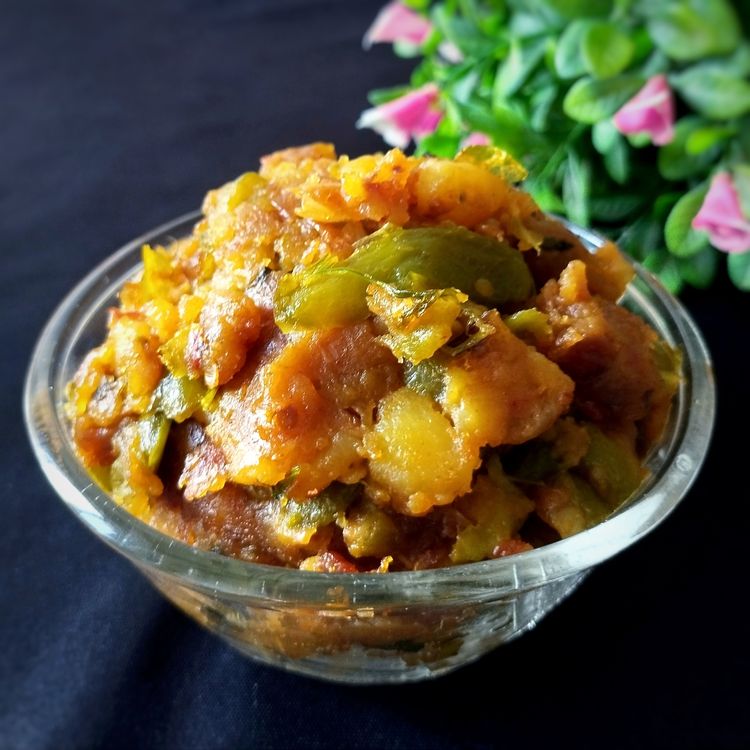
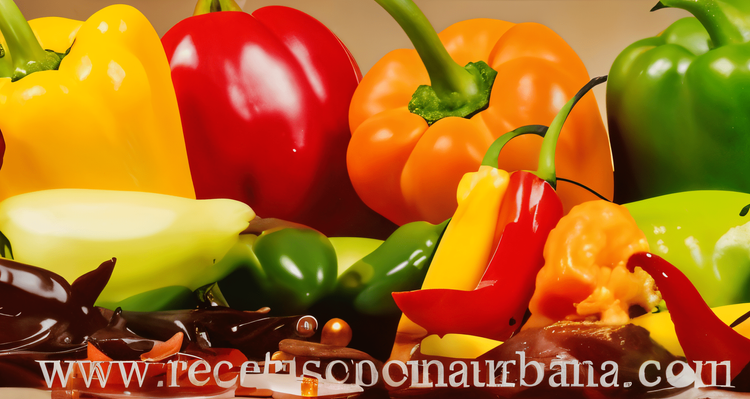
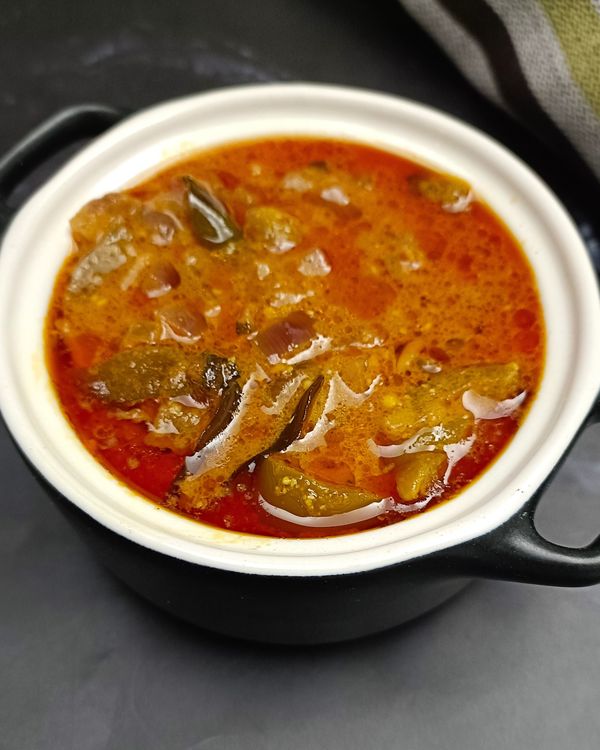
Roasting is the technique that transforms a pepper most completely, turning a raw, grassy fruit into something sweet, silky and faintly smoky. The move is to char the skin genuinely black over a gas flame, under a hot broiler or on a grill, turning until the whole pepper slumps; do not be timid, because that scorched layer is exactly what you are about to peel away, and a half-charred pepper peels badly and still tastes raw. The instant they are blackened, pile them into a covered bowl or a sealed bag and let them steam for ten to fifteen minutes so the skin loosens from the flesh, then rub and slip it off with your fingers rather than rinsing under the tap, which washes away the sweet, smoky juices that are the whole point. From there, torn into strips, the peppers become a base for everything: a marinated side with crusty bread, blended into romesco or a soup, layered into antipasti, or tossed through pasta. Roast a big batch when peppers are cheap and keep a jar in oil. Standouts here include Grilled T-Bone Steak and Bell Pepper Salad and Bell Pepper - Potato Roast, plus Pickled Peppers and Roasted Bell Peppers.
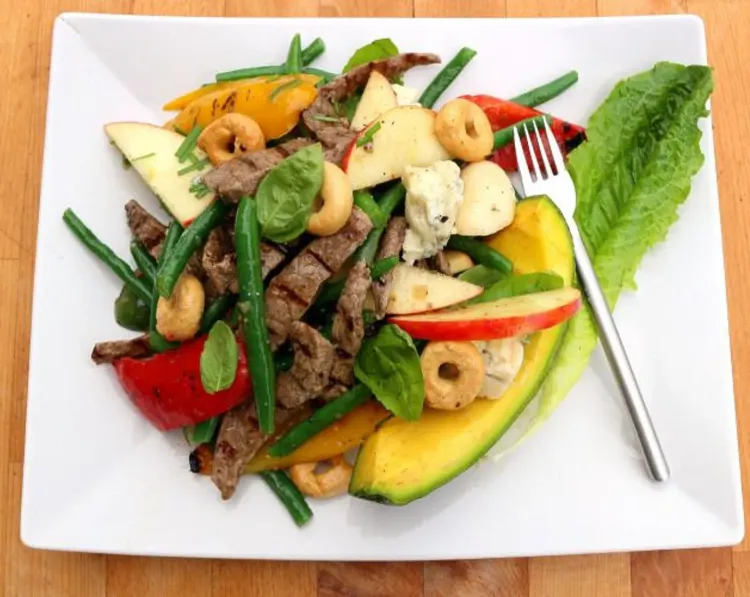
- American
- Non-Vegetarian
- Lunch
- Indian
- Vegan
- Lunch
- International
- Vegan
- Appetiser
More Bell Pepper Favourites
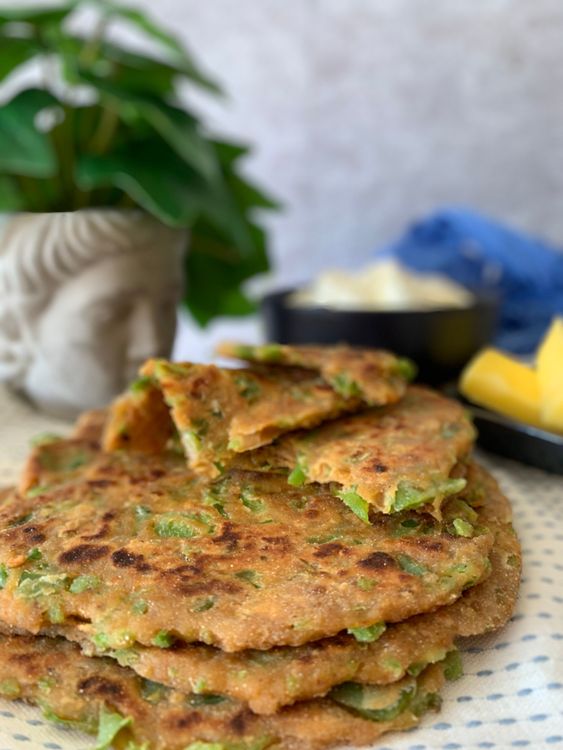
A few pepper dishes never quite settle into a single category, and these are the ones worth keeping in your back pocket once the staples feel routine. They lean on the same handful of techniques you already know — a hard char and peel, a fast blister in a hot pan, a slow sweat down to sweetness, a careful stuff-and-bake — but steer them toward different textures and cuisines, so the fruit never tastes quite the same twice. Picking your next one is mostly about matching effort to mood: reach for a quick skillet sauté or a raw salad on a busy night when you want color and crunch in fifteen minutes, and save the roasted, peeled, slow-built numbers for a weekend when you can let the sweetness develop. Pay attention to the pepper's color and cut, too, since ripe reds and oranges bring sweetness while green brings bite, and thin strips cook in moments where stuffed halves want patience. Think of this group as the natural next step after the classics, the recipes that quietly earn a regular spot once you have tried them. Standouts here include Capsicum (Bell Pepper) Paratha and Bell pepper sauce, plus The All-purpose Sauce Cube: Tomato, Onion, Bell Pepper, and Garlic Base Sauce.

- Indian
- Vegan
- Breakfast
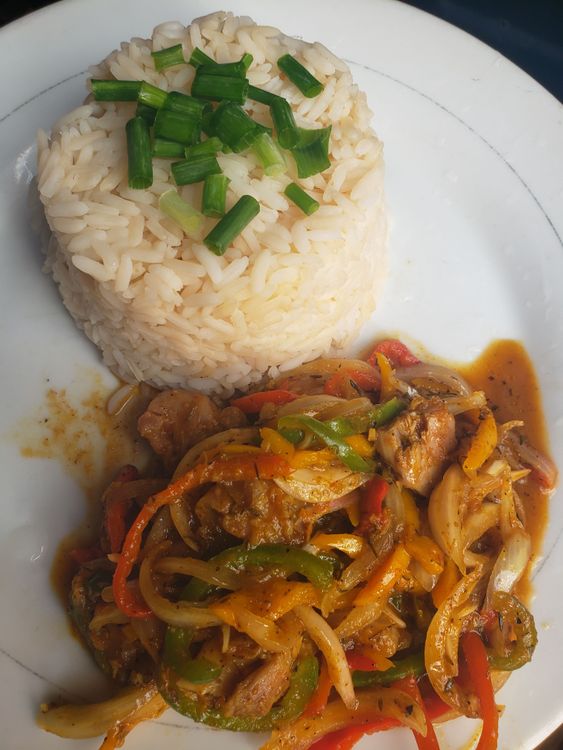

- Nigerian
- Non-Vegetarian
- Lunch
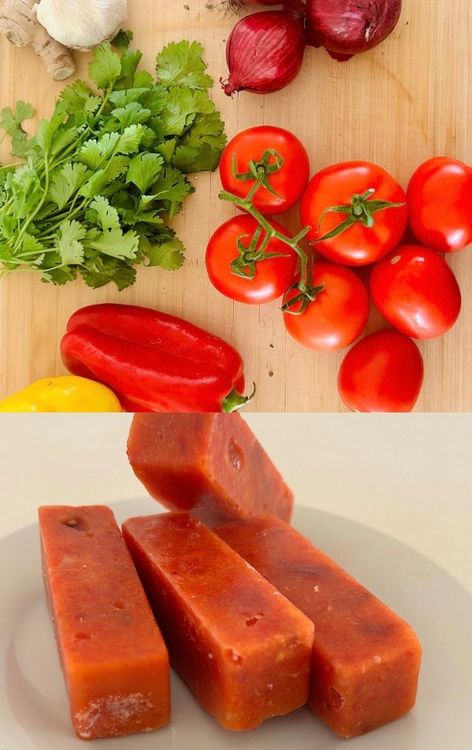

- International
- Vegan
- Sauce & Condiment
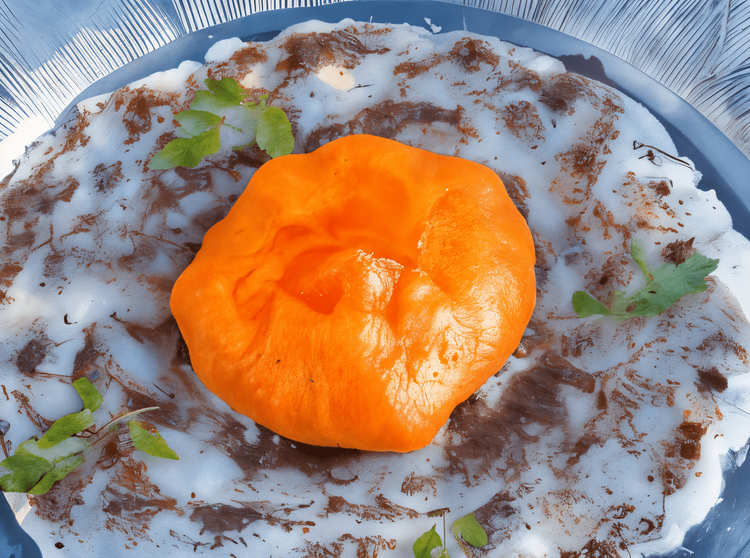
- Modern
- Vegetarian
- Appetiser

- Indian
- Non-Vegetarian
- Dinner
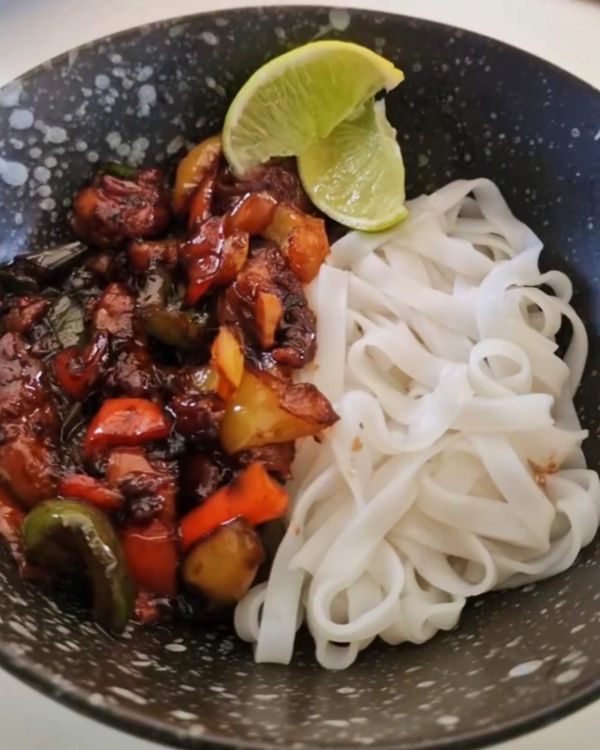

- Thai
- Non-Vegetarian
- Dinner
- Asian
- Vegetarian
- Dinner

Buying, Storing and Prepping Bell Peppers
Pick peppers that feel heavy for their size with taut, glossy skin and a firm, green stem — wrinkles and soft spots mean age. Color is about ripeness, not just variety: green peppers are unripe and slightly bitter, while red, yellow and orange are the same fruit left to ripen, so they are sweeter and a touch pricier. For sweetness use red or orange; for a sharper, more vegetal bite, reach for green.
Store peppers unwashed in the crisper drawer, ideally in a loose bag, where they keep a week or more; green ones last longest. Wash and dry them just before use. To prep, slice off the top, halve the pepper and pull out the white ribs and seed cluster in one piece — the ribs hold the faint bitterness, so removing them cleanly makes a noticeable difference in sweeter dishes.
How you cut a pepper matters for how it cooks. For stir-fries, slice thin and lengthwise along the natural grooves so the strips stay intact at high heat; for roasting, leave large flat panels so the skin chars evenly; for stuffing, choose squat, four-lobed peppers that sit flat without tipping. Cut away the curved shoulders for even slices, and save trimmings — they freeze well for soups and sauces.
Roasting and Peeling for Sweetness
Roasting is the single technique that transforms a pepper most. The goal is a blackened, blistered skin and collapsed, sweet flesh underneath. Char them directly over a gas flame, under a hot broiler, or on a grill, turning until the skin is uniformly black and the pepper slumps. Do not be timid — you want the skin genuinely burnt, because that scorched layer is exactly what you are about to remove, and a half-charred pepper peels badly and tastes raw.
The peel comes off easily only if you steam the peppers first. The moment they are charred, pile them into a bowl and cover tightly, or seal them in a bag, and let them sit ten to fifteen minutes. The trapped steam loosens the skin from the flesh. Then rub and slip the blackened skin off with your fingers — resist rinsing under the tap, which washes away the smoky, sweet juices that are the whole point.
Once peeled and torn into strips, roasted peppers keep four to five days in the fridge submerged in olive oil with a little garlic and salt, and they freeze beautifully for months. That jar is a head start on countless dishes: tossed through pasta, blended into romesco or soup, layered onto sandwiches and antipasti boards, or simply served as a marinated side with bread. Roast a big batch when peppers are cheap.
Stir-Frying and Sautéing Without Sogginess
Crisp-tender peppers come from high heat and a pan that is not crowded. Get the wok or skillet genuinely hot, add a thin film of oil, and lay the strips in a single layer so they blister and char at the edges rather than steaming in their own moisture. Toss only every so often — constant stirring drops the temperature and keeps the surface from browning. You want a little color and a remaining snap, not limp, watery slices.
Order and timing keep everything cooking at the right rate. Peppers want only a few minutes, so add them after slower aromatics and any protein, not before. In a fajita pan, sear the peppers and onions hard and fast over the highest heat, leaving them alone long enough to take on dark, sweet edges before you toss. Pull them while they still have bite; carryover heat finishes them on the plate.
Sauce goes on late and light. Add it only at the end and toss hard so it coats the peppers rather than pooling and turning them slack. A glossy, clinging glaze beats a thin braise every time. If you are building an Indo-Chinese chilli or a pepper steak, thicken gradually with a little cornflour slurry, taste for the sweet-sour-salty-hot balance, and serve immediately while the peppers are at their crispest.
Stuffing and Baking Peppers Evenly
The classic failure with stuffed peppers is a shell that is still raw and squeaky when the filling is hot, or one so soft it collapses. The fix is to give the empty shells a head start: pre-bake them cut-side up for ten to fifteen minutes, or blanch them in boiling water for three to four, before filling. Pat them dry, and choose squat, flat-bottomed peppers that stand upright in the dish without tipping over.
Pre-cook the filling so the bake is really just about melding and warming through. A raw rice-and-meat mix will leave you with crunchy grains and a scorched top long before it cooks; instead, brown the meat, par-cook the rice or grain, and season the filling aggressively, because peppers are sweet and need a savory, well-salted counterweight. Pack the shells full and mound them slightly so they look generous.
Bake covered first so the peppers steam and soften, then uncover for the last stretch to brown the top — a cap of cheese or breadcrumbs is what gives that bubbling, golden finish. A splash of water or sauce in the bottom of the dish keeps things from drying and scorching. Let them rest five minutes before serving so the filling sets and you can lift each pepper out whole instead of having it slump apart.
Pro Tips from the Test Kitchen
- Char pepper skins hard, then cover them 10–15 minutes — the trapped steam is what lets the burnt skin slip off cleanly.
- Never peel roasted peppers under running water; you rinse away the smoky, sweet juices that are the whole point.
- For stir-fries, keep the pan ripping hot and uncrowded so peppers blister and stay crisp instead of steaming soggy.
- Pre-bake or blanch empty shells before stuffing so they soften in step with the filling.
- Pre-cook stuffed-pepper filling fully; a raw rice-and-meat mix burns on top before it cooks through.
- Red, yellow and orange peppers are just ripened green ones — sweeter, so use them where you want sweetness.
- Remove the white inner ribs cleanly; they hold the faint bitterness.
- Slice peppers lengthwise along the grooves for stir-fries so the strips hold together at high heat.
- Store roasted peppers submerged in olive oil with garlic for up to five days, or freeze them for months.
- Bake stuffed peppers covered first to steam, then uncover to brown the cheesy top.
Frequently Asked Questions
How do you roast and peel bell peppers?
Char the whole peppers over a gas flame, under a hot broiler or on a grill, turning until the skin is uniformly blackened and the flesh collapses. Immediately pile them into a covered bowl or sealed bag and let them steam for 10–15 minutes — this loosens the skin. Then rub and slip the blackened peel off with your fingers. Do not rinse under the tap, which washes away the sweet, smoky juices.
How do you keep stuffed peppers from getting soggy or staying hard?
Give the empty shells a head start by pre-baking them cut-side up for 10–15 minutes or blanching them for 3–4 minutes, so they soften in step with the filling rather than staying raw and squeaky. Use a fully pre-cooked, well-seasoned filling, bake covered first to steam, then uncover to brown the top, and rest five minutes before serving so each pepper lifts out whole.
What is the difference between red, green, yellow and orange peppers?
They are mostly the same fruit at different stages of ripeness. Green peppers are picked unripe, so they are firmer, more vegetal and slightly bitter; left on the plant they ripen to yellow, orange and finally red, growing sweeter and softer-skinned along the way. Red are the sweetest and richest in vitamins, green the sharpest and longest-keeping. Use the ripe colors where you want sweetness, green where you want bite.
Do you need to peel bell peppers?
For most cooking, no — the skin is perfectly edible raw or sautéed. Peeling matters mainly for roasted peppers, where the charred skin is bitter and papery and the silky flesh beneath is the prize, and for very smooth soups, sauces and purees where bits of skin would mar the texture. If a recipe wants a velvety result, roast and peel; otherwise leave the skin on and save yourself the step.
How do you stir-fry peppers so they stay crisp?
High heat and space. Get the pan genuinely hot, use a thin film of oil, and lay the strips in a single layer so they blister rather than steam in their own moisture. Toss only occasionally so the surface can brown, add peppers late since they need just a few minutes, and pull them while they still have snap. Sauce goes on at the very end and light, tossed to coat rather than pooled.
Can you freeze bell peppers?
Yes, and they freeze well for cooking. Slice or dice raw peppers, spread them on a tray to freeze loose, then bag them — no blanching needed for short-term storage. They lose their crunch on thawing, so frozen peppers are best for stir-fries, soups, sauces and fillings rather than raw salads. Roasted peppers also freeze beautifully; pack them in their oil or juices for up to a few months.
Are bell peppers healthy?
Very. They are low in calories and exceptionally high in vitamin C — a single red pepper can carry more than a day's worth — along with vitamin A, B6 and antioxidants like beta-carotene. Red peppers, being the ripest, pack the most. They are crunchy and filling for their calorie count, which makes them a great raw snack with hummus, and the vitamin C helps your body absorb iron from the rest of the meal.
What can I stuff bell peppers with?
Almost anything savory. The classics are rice or grains with ground beef, turkey or lamb, bound with tomato and cheese, but vegetarian fillings shine too: quinoa, beans, lentils, mushrooms, corn, paneer or a cheesy orzo. Think of the pepper as an edible bowl — pick a filling that is fully cooked and well-seasoned, since the sweet shell needs a savory, salty counterweight, and finish with a cap of cheese or breadcrumbs to brown.
Why are my bell peppers bitter?
Usually they are green, which is the unripe stage and naturally more bitter and vegetal than ripe red, yellow or orange peppers — switching color fixes it instantly. The white inner ribs also concentrate bitterness, so remove them cleanly. And undercharred roasted peppers taste raw and bitter, so when you roast, blacken the skin completely; a properly charred and peeled pepper turns sweet and smoky, never sharp.
What goes well with bell peppers?
Their natural sweetness pairs broadly. Aromatics like onion, garlic and chilli are constants; cheeses such as feta, goat and mozzarella love roasted peppers; and herbs like basil, parsley and oregano lift them. They sit naturally with tomatoes, eggplant and zucchini in Mediterranean dishes, with steak and chicken in fajitas, and with eggs in a shakshuka or frittata. A hit of acid — vinegar, lemon or lime — balances their sweetness in salads and relishes.
The thread through every bell pepper recipe here is the same: a sweet, sturdy fruit that rewards the right handling of heat and skin. Master the few moves in the guides — char and peel for sweetness, blister fast to keep the crunch, pre-soften shells before stuffing — and stuffed peppers, fajitas, roasted sides and bright salads all fall into place.
Pick three to cook this week — a tray of stuffed peppers, a sizzling fajita pan and a jar of roasted peppers for the fridge — and save your favorites to a Chefadora cookbook. Then work through the rest; this page is built to be the bell pepper reference you actually come back to.
Related
- Bell Pepper
- Vegetarian
- Capsicum
- Roasted Vegetables
- Stuffed Vegetables
- Low Carb
- Mediterranean
- Dinner
Popular Searches
- Best bell pepper recipes
- Easy bell pepper recipes
- Quick bell pepper recipes
- Healthy bell pepper recipes
- Simple bell pepper recipes
- Homemade bell pepper recipes
- Delicious bell pepper recipes
- Popular bell pepper recipes
- stuffed bell peppers
- roasted bell peppers
- bell pepper stir fry
Marnirni-apinthi Building, Lot Fourteen,
North Terrace, Adelaide, South Australia, 5000
Australia
