
Top 16 Chicken Pasta Recipes: Creamy, Baked, Garlic-Lemon and One-Pot
Updated June 29, 2026 · Curated by Chefadora
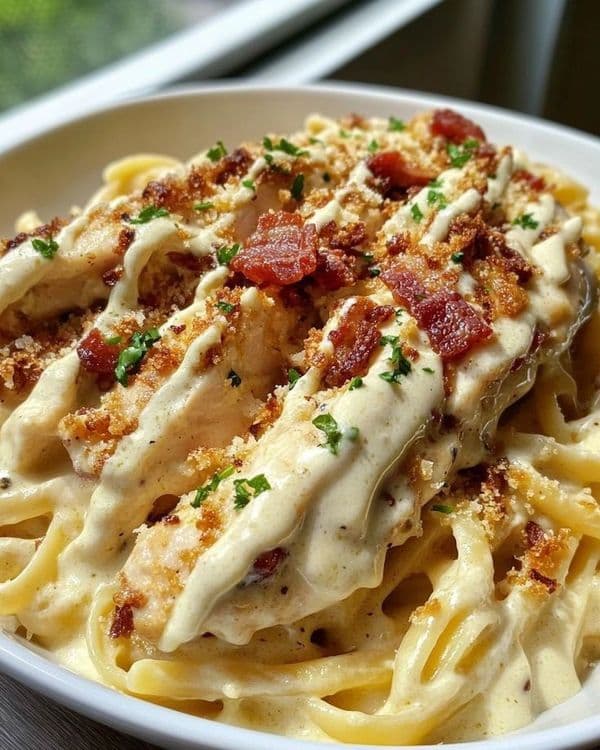
Chicken pasta recipes are the dependable backbone of weeknight cooking: a lean, quick-cooking protein paired with a starch that takes any sauce you throw at it. The dishes below were chosen to show real range rather than ten versions of the same creamy bowl — silky alfredo, bubbling tomato bakes, bright garlic-lemon plates and bold one-pot dinners — so you always have an answer to "what do I do with chicken and pasta tonight."
What makes chicken so good here is also its weakness: it cooks fast and dries out faster. Skinless breast or thigh goes from juicy to chalky in the time it takes to drain the pasta, so almost every recipe in this collection is built around cooking the chicken hot and fast, then resting it while the sauce comes together. Get that timing right and even a simple plate tastes like you fussed over it.
You will find four clusters: creamy alfredo and cream-sauce classics, tomato and baked dishes like chicken parm pasta and ziti, fresh garlic-lemon and lighter plates, and the Cajun, spicy and one-pot end of the spectrum. The pasta and chicken stay constant; the sauce is the variable. Once you can sear chicken well and build a sauce that clings, every recipe here becomes a variation on a rhythm you already know.
Treat this as a working reference. Each recipe links to full ingredients and steps on Chefadora, and the guides below cover the decisions that decide whether dinner is great or just fine — how to cook chicken so it stays juicy, how to build a cream sauce that does not split, why pasta water matters, and how to time the two so they finish together hot.
Creamy Chicken Pasta & Alfredo
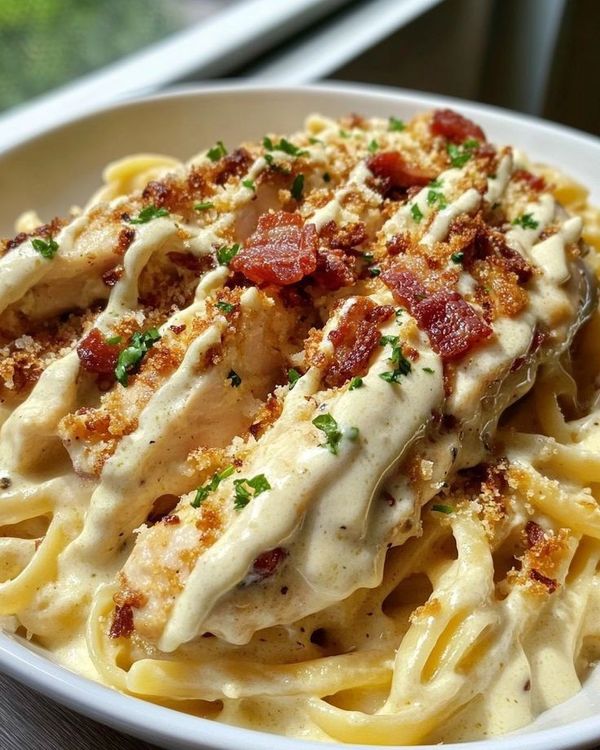
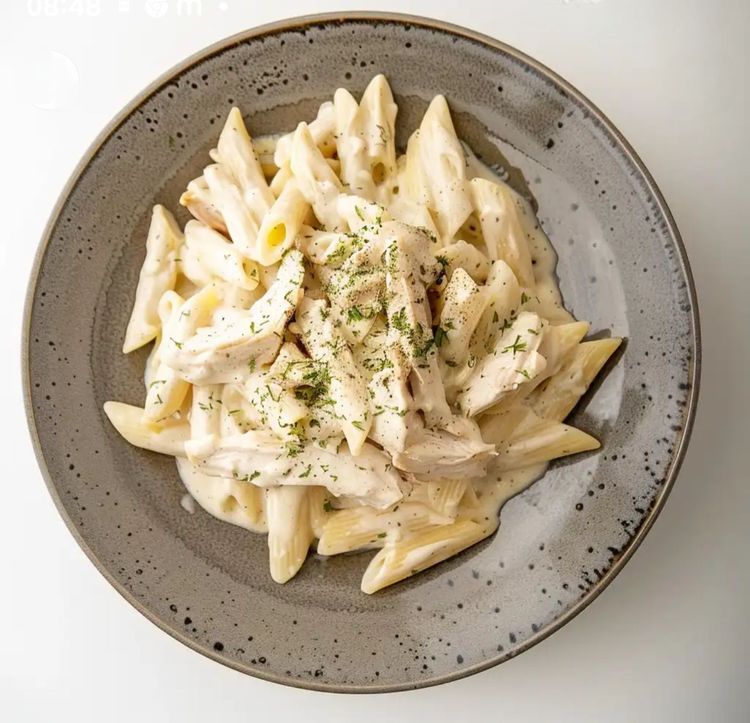
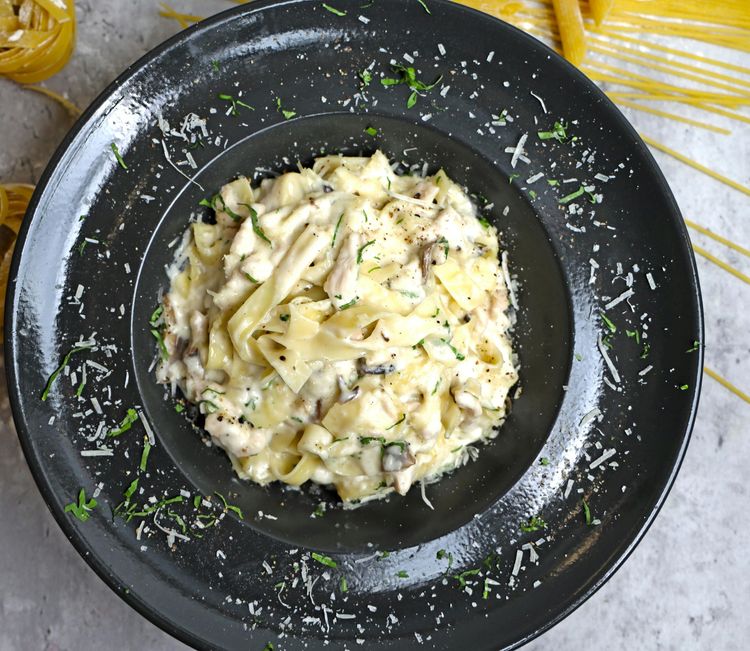
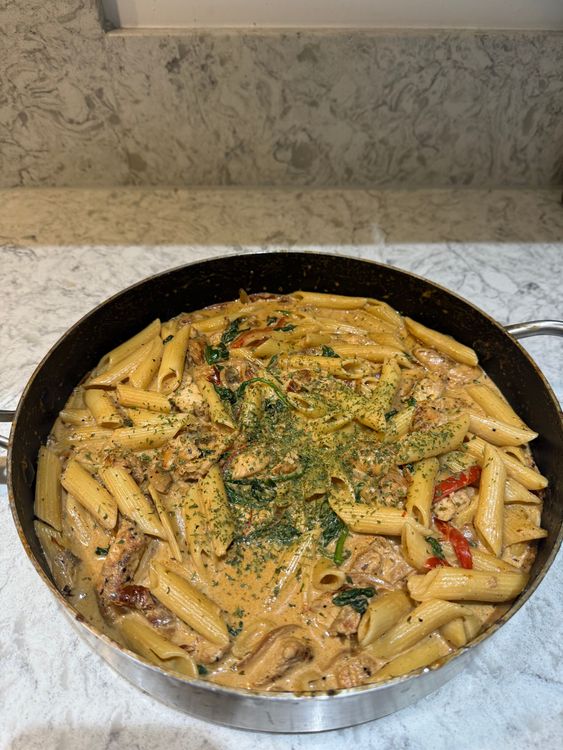
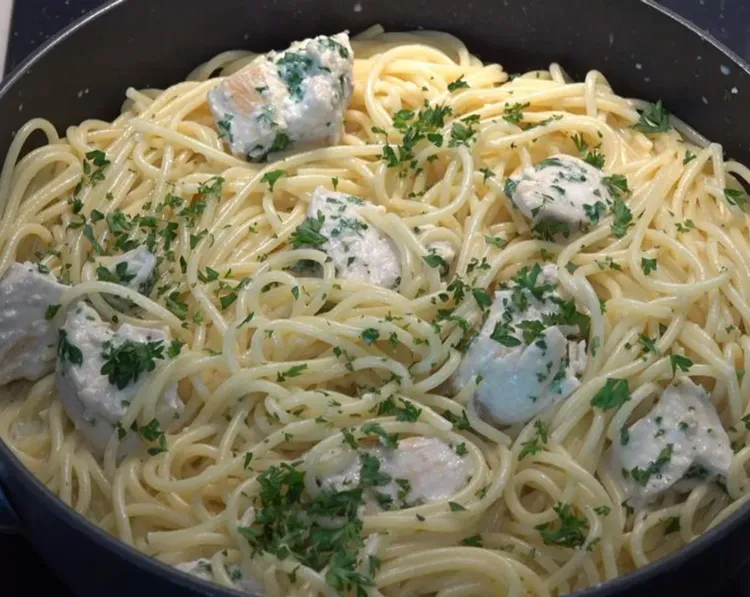
Creamy chicken pasta is the most-cooked corner of this collection for good reason: it is pure comfort, and it comes together fast once you understand that the whole dish is an exercise in temperature control. Sear your chicken first for real golden color and set it aside to rest, then build the sauce gently. The single biggest mistake here is cranking the heat to thicken a cream sauce, which boils the dairy and leaves you with a grainy, oily split instead of something silky. Keep the pan at medium-low, bring the cream or stock to a bare simmer, and whisk in freshly grated parmesan a handful at a time, never the bagged pre-shredded kind that turns gritty. Reserve a mugful of starchy pasta water before you drain, because that is what emulsifies the sauce into a glossy coat that clings to every strand of fettuccine. Toss the al dente pasta straight in with a splash of that water, fold the sliced chicken back at the very end just to warm through, and finish with cracked pepper and a little more cheese. Done right, you get a restaurant-style plate from a handful of pantry staples. Standouts here include Classic Chicken Alfredo Pasta and Creamy Tuscan Chicken Penne, plus Creamy Pesto Chicken Pasta.

- Italian
- Non-Vegetarian
- Dinner


- Non-Vegetarian
- Dinner

- Italian
- Gluten-Free
- Lunch

- Non-Vegetarian
- Dinner

- Nut-Free
- Dinner

- Italian
- Non-Vegetarian
- Dinner
- Italian
- Non-Vegetarian
- Lunch

- American
- Non-Vegetarian
- Dinner
- Italian
- Non-Vegetarian
- Dinner
More Chicken Pasta Favourites
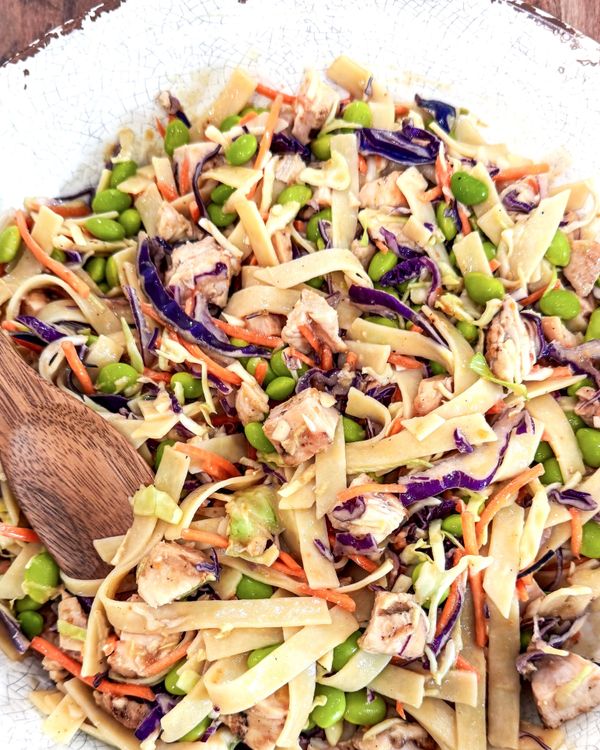
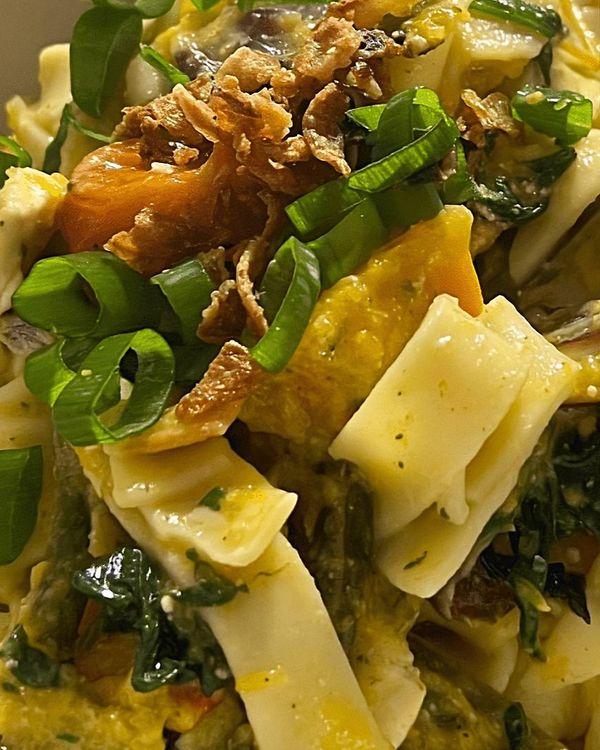
A few chicken pasta dishes never quite fit a single category, and these are the ones worth keeping in your back pocket once the staples feel routine. They lean on the same handful of techniques you already know — a confident sear, a sauce built gently and bound with pasta water, careful timing so chicken and pasta finish together — but steer toward different flavor profiles so dinner never tastes the same twice. Picking your next one is mostly about matching effort to mood: choose a quick garlic-and-oil toss or a one-pan skillet on a busy night when you want flavor in twenty minutes, and save the layered baked numbers for a weekend when you can let a sauce develop properly. Pay attention to how the chicken is cut and when it goes in, since smaller pieces added late stay juicier than big ones simmered long. Keep the pasta a touch under, finish it in the sauce, and reserve that mugful of starchy water no matter what you are making. Think of this group as the natural next step after the classics, the recipes that quietly earn a regular spot in the rotation once you have tried them. Standouts here include Trader Joe's Thai Peanut Chicken Pasta Salad and Mississippi Crack Chicken Pasta, plus Winter Chicken Pasta.

- Thai
- Non-Vegetarian
- Lunch

- American
- Non-Vegetarian
- Dinner
- Western
- Non-Vegetarian
- Lunch
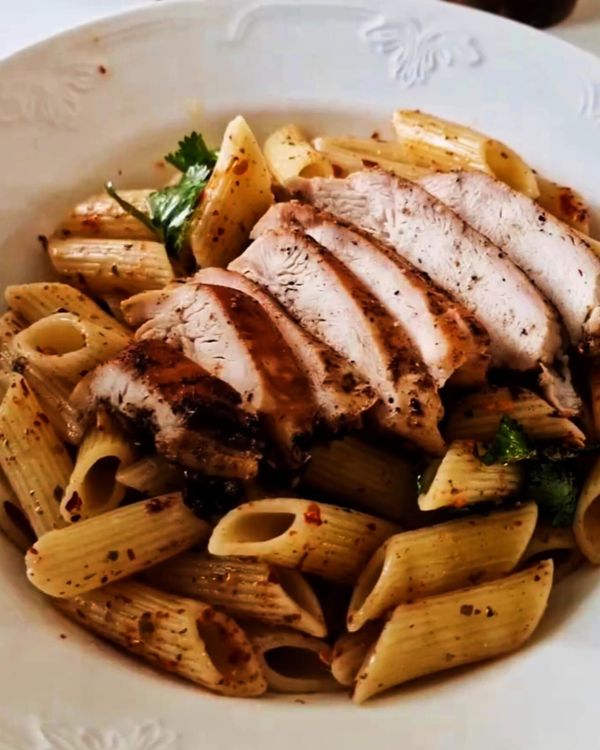

- Italian
- Non-Vegetarian
- Dinner


- Non-Vegetarian
- Lunch
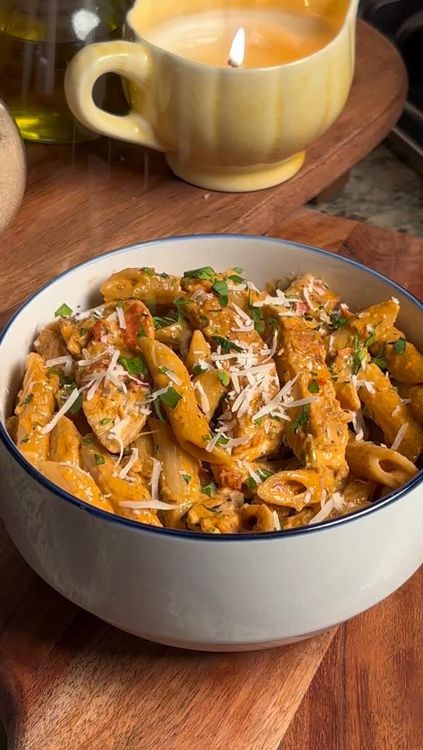
- Cajun
- Non-Vegetarian
- Lunch
Cooking Chicken So It Stays Juicy
Start by choosing your cut with intent. Boneless breast is lean and quick but unforgiving — overcook it by ninety seconds and it turns dry and stringy. Boneless thigh is fattier, more forgiving, and stays moist even if you walk away for a minute, which makes it the better pick for saucy one-pot dishes. Whichever you use, even thickness is everything: pound thick breasts to a uniform half-inch or butterfly them so they cook through before the outside overcooks.
Dry the surface, season generously, and sear in a genuinely hot pan with a thin film of oil. You want real golden color, because that browning is flavor that no sauce can add later. Lay the chicken down and leave it alone until it releases cleanly, then turn once. Crowding the pan drops the temperature and steams the meat grey, so cook in batches if you have a lot. Pull it at 74C/165F and let it rest on a board before slicing — slicing immediately spills the juices you just worked to keep in.
Slice across the grain into bite-size pieces and fold the chicken back into the sauce only at the very end, just to warm through. Simmering cooked chicken in sauce for ten minutes is the most common way home cooks dry it out. If you are cooking raw chicken directly in a one-pot dish, cut it small and even so it cooks in the same time as everything else, and pull the pot off the heat the moment the pieces are opaque through.
Building a Cream Sauce That Does Not Split
A great alfredo or cream sauce is mostly about temperature control. Dairy splits — turns grainy and oily — when it gets too hot, so the move is to build the sauce over medium-low heat and never let it reach a hard boil once the cream or cheese goes in. Start with the aromatics and any fat in the pan, then add liquid (cream, a splash of stock, or milk) and bring it to a bare simmer before you whisk in cheese a handful at a time, letting each addition melt before the next.
Use freshly grated cheese, not the pre-shredded bagged kind, which is coated in anti-caking starch that makes sauces gritty and reluctant to melt. Parmesan and pecorino give a classic alfredo its body; a spoon of cream cheese or mascarpone smooths things out if you are nervous. If the sauce looks thin, do not crank the heat to reduce it — let it tighten gently, because cheese sauces thicken fast as they cool and a too-hot reduction is exactly what breaks them.
Pasta water is your secret weapon here. The starchy, salted water you cooked the pasta in emulsifies a cream sauce, helping the fat and dairy bind into something glossy that coats each strand instead of pooling at the bottom. Reserve a mugful before you drain, toss the drained pasta straight into the sauce with a splash of it, and keep tossing over low heat until it turns silky. If a sauce ever splits, a splash of pasta water and vigorous stirring off the heat will often bring it back.
Pasta, Salt and the Pasta Water Trick
Cook pasta in plenty of well-salted water — it should taste like mild seawater, because this is the only chance to season the pasta itself from the inside. Skimp on salt and no amount of sauce fully rescues a bland noodle. Use a big pot so the pasta moves freely and does not clump, and stir in the first minute when it is stickiest. Do not add oil to the water; it just coats the pasta and stops sauce from clinging later.
Cook to al dente — a minute or two short of the package time — because the pasta finishes cooking in the sauce. Drain it just before that point and reserve at least a cup of the cloudy cooking water first. That water is full of dissolved starch, and it is the single most useful thing for turning a sauce that sits on top of the pasta into one that wraps around it. Toss pasta and sauce together in the pan, adding pasta water a splash at a time until it looks glossy and clings.
Match the pasta shape to the sauce. Cream sauces and alfredo love long ribbons like fettuccine that carry richness; chunky tomato and baked dishes suit short tubes and shapes — penne, ziti, rigatoni — whose ridges and hollows trap sauce and bits of chicken. Lighter garlic-lemon plates work on spaghetti or linguine. It is a small choice that makes every bite carry the right ratio of pasta to sauce to chicken.
Timing, Make-Ahead and Storage
The hardest part of chicken pasta is timing, because three things have to finish together: chicken, pasta and sauce. Work backwards. Get the pasta water boiling first, sear and rest the chicken next, build the sauce while the pasta cooks, and bring everything together in the pan at the end. Aim to drain the pasta straight into the finished sauce so it never sits cooling in a colander, where it clumps and stops absorbing flavor.
For baked dishes, build in a little extra sauce, because pasta keeps drinking liquid in the oven and a casserole that looked perfectly saucy going in can come out dry. Undercook the pasta slightly before it bakes, keep the sauce on the loose side, and cover with foil for the first stretch to trap steam, removing it at the end to brown the cheese. Baked chicken pasta is the most make-ahead-friendly of the lot — assemble it a day ahead and bake from cold, adding a few extra minutes.
Cream-sauced pasta is best eaten fresh, since dairy sauces tighten and can split on reheating; warm leftovers gently with a splash of milk or pasta water, stirring, rather than blasting them in the microwave. Tomato and baked dishes keep three to four days and often taste better the next day. Store chicken pasta in an airtight container, and if you are meal-prepping, slightly undercook the pasta so it does not turn mushy when you reheat it.
Pro Tips from the Test Kitchen
- Pound chicken breasts to even thickness so they cook through before the outside overcooks and dries.
- Sear chicken hot for real golden color, then rest before slicing — that browning is flavor no sauce can add.
- Fold cooked chicken into the sauce only at the end; simmering it for 10 minutes is what dries it out.
- Salt the pasta water like mild seawater — it is the only chance to season the pasta from inside.
- Reserve a mugful of starchy pasta water before draining; it binds and glosses any sauce.
- Cook pasta to al dente and finish it in the sauce so it absorbs flavor instead of sitting on top.
- Build cream sauces over medium-low heat and never hard-boil them, or the dairy splits and turns grainy.
- Use freshly grated cheese, not bagged pre-shredded — the anti-caking starch makes sauces gritty.
- Match the shape to the sauce: ribbons for cream, ridged tubes for tomato and baked, spaghetti for light plates.
- For baked pasta, build in extra sauce and slightly undercook the pasta — both dry out in the oven.
Frequently Asked Questions
What is the best pasta to use for chicken pasta?
Match the shape to the sauce. Long ribbons like fettuccine or linguine carry rich cream sauces and alfredo beautifully, while ridged short shapes such as penne, rigatoni and ziti trap chunky tomato sauces and bits of chicken in their hollows, which is why they suit baked dishes. Spaghetti suits lighter garlic-lemon plates. There is no wrong answer, but matching shape to sauce makes every forkful carry the right ratio.
How do you keep chicken from drying out in pasta?
Cook it hot and fast, then stop. Pound breasts to an even thickness, sear them to a golden crust, pull them at 74C/165F and rest before slicing. Crucially, add the cooked chicken back to the sauce only at the very end, just to warm through. Simmering already-cooked chicken in sauce for several minutes is the most common way it goes dry and stringy. Thighs are more forgiving than breast if you tend to overcook.
Why does my cream sauce split or turn grainy?
Almost always too much heat. Dairy breaks when it boils hard, so build cream and cheese sauces over medium-low and keep them at a bare simmer. Use freshly grated cheese rather than bagged pre-shredded, which is coated in starch that resists melting. Add cheese off the boil, a handful at a time. If a sauce does split, take it off the heat and whisk in a splash of starchy pasta water to bring it back together.
Can I use chicken breast or thigh?
Both work well, with a trade-off. Breast is leaner and milder but unforgiving — a minute too long and it dries out, so it suits quick sears where you control the timing. Thigh is fattier, richer and far more forgiving, staying juicy even in slower, saucier one-pot dishes. For weeknight cream pastas use whichever you prefer; for one-pot recipes where the chicken simmers, thigh is the safer pick.
What is the secret to restaurant-style alfredo?
Three things: freshly grated parmesan and pecorino rather than bagged cheese, gentle heat so the sauce never boils and splits, and starchy pasta water to emulsify it into something glossy that clings. Toss the al dente pasta straight into the sauce with a splash of that water and keep moving it over low heat until silky. Many restaurant versions skip heavy cream entirely and build the sauce from butter, cheese and pasta water alone.
How do I make a one-pot chicken pasta?
Brown bite-size pieces of chicken (thigh is forgiving here), then add aromatics, the dry pasta, and enough seasoned liquid — stock, tomatoes or both — to just cover. Simmer, stirring often so nothing sticks, until the pasta is al dente and the liquid has reduced to a sauce. The starch the pasta releases thickens everything naturally. Watch the liquid level and add a splash more if it runs dry before the pasta is cooked.
Can I make chicken pasta ahead of time?
Baked tomato dishes are the most make-ahead-friendly — assemble a day ahead and bake from cold, adding a few extra minutes, keeping the sauce loose since pasta drinks liquid in the oven. Cream-sauced pastas are best fresh, because dairy tightens and can split on reheating; if you must, warm them gently with a splash of milk or pasta water. For meal prep, slightly undercook the pasta so it does not turn mushy when reheated.
What can I add to chicken pasta to make it more filling or healthy?
Stir in vegetables that cook quickly — spinach wilted at the end, broccoli or peas tossed in for the last few minutes, mushrooms browned with the chicken, or sun-dried tomatoes for a flavor hit. They add bulk, fiber and color without much effort. For a lighter dish, lean on the garlic-lemon and pesto cluster, which uses olive oil and acid rather than cream, and bump up the vegetables relative to the pasta.
How much pasta and chicken per person?
A good rule is around 80 to 100 grams of dry pasta per person for a main, with roughly 120 to 150 grams of raw chicken each, adjusting up for big appetites or down if the dish is loaded with vegetables. For cream-heavy or baked dishes you can lean slightly lighter on pasta, since the sauce is filling. Cook a little extra pasta rather than too little — leftovers reheat better than a skimpy plate satisfies.
How do you reheat chicken pasta without it drying out?
Add moisture and go gentle. For cream sauces, warm the pasta in a pan over low heat with a splash of milk or reserved pasta water, stirring until it loosens — the microwave tends to dry the chicken and split the sauce. Tomato and baked dishes reheat better; cover them and add a spoon of water or sauce, then warm in a low oven or gently on the stove. Always reheat chicken pasta only once.
The thread through every chicken pasta recipe here is the same handful of moves: cook the chicken hot and fast so it stays juicy, salt the pasta water, build a sauce that clings, and bring all three together at the end while everything is hot. Master those and the style — creamy alfredo, baked parm, bright garlic-lemon or a spicy one-pot — is just a choice, not a different skill.
Pick three to cook this week — one creamy, one baked and one quick — and save your favorites to a Chefadora cookbook. Then work through the rest; this page is built to be the chicken pasta reference you actually come back to when the question is "what is for dinner."
Related
- Chicken
- Pasta
- Dinner
- Italian
- Creamy
- One Pot
- Weeknight
- High Protein
Popular Searches
- Best chicken pasta recipes
- Easy chicken pasta recipes
- Quick chicken pasta recipes
- Healthy chicken pasta recipes
- Simple chicken pasta recipes
- Homemade chicken pasta recipes
- Delicious chicken pasta recipes
- Popular chicken pasta recipes
- chicken pasta recipe
- pasta recipes with chicken
- easy chicken and pasta recipes
Marnirni-apinthi Building, Lot Fourteen,
North Terrace, Adelaide, South Australia, 5000
Australia
