
49 Crispy Vada Recipes to Fry, Soak and Devour
Updated July 7, 2026 · Curated by Chefadora
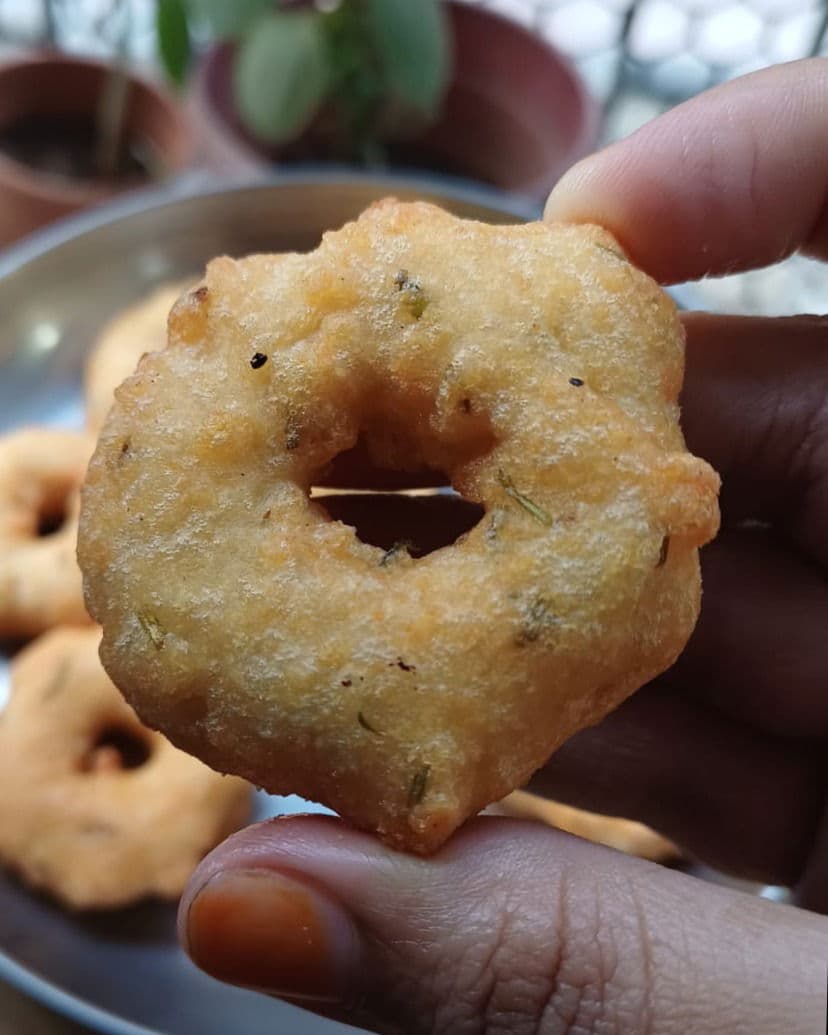
If you have ever bitten into a hot, golden fritter straight from the kadhai, you already know why this collection of vada recipes has become one of the most-loved on Chefadora. The word covers South Asia's savoury fried snacks: airy urad-dal doughnuts, spiced lentil patties, potato dumplings, and chewy sago rounds soaked in yogurt. Across all 49 you will find a version for every mood, from crisp tea-time bites to festival-day fasting treats, and the notes here reflect what actually works at the stove.
Whether you are frying your first batch or chasing that elusive shatteringly-crisp shell, this hub sorts every recipe by type so you can jump straight to what you crave. Expect batter ratios, soaking times, oil temperatures and serving ideas rather than filler. I have grouped everything into six themed sections, so whether you want a crisp breakfast ring, a Navratri fasting snack, a cooling summer bowl or a full Mumbai street-food spread, the right section is only a scroll away. Grab your slotted spoon; there is a lot of crunch ahead.
Classic Medu Vada Recipes: Crispy Urad Dal Doughnuts
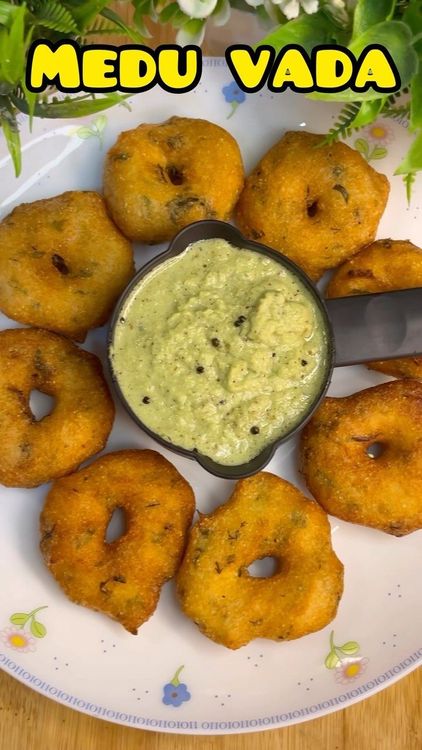
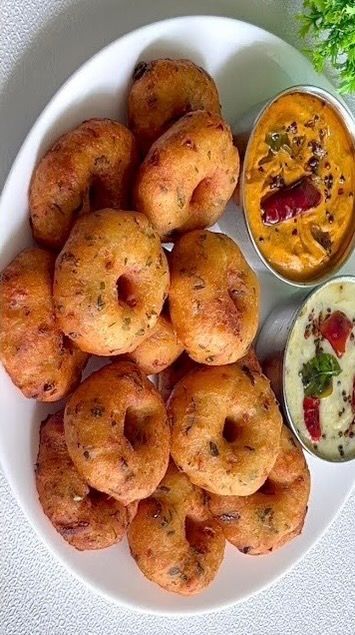
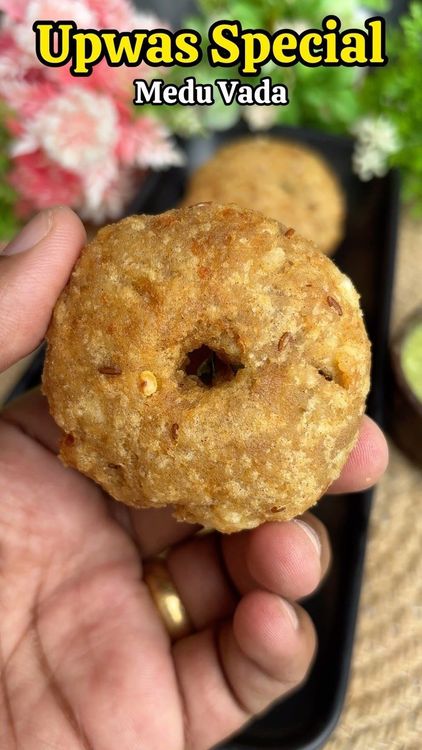
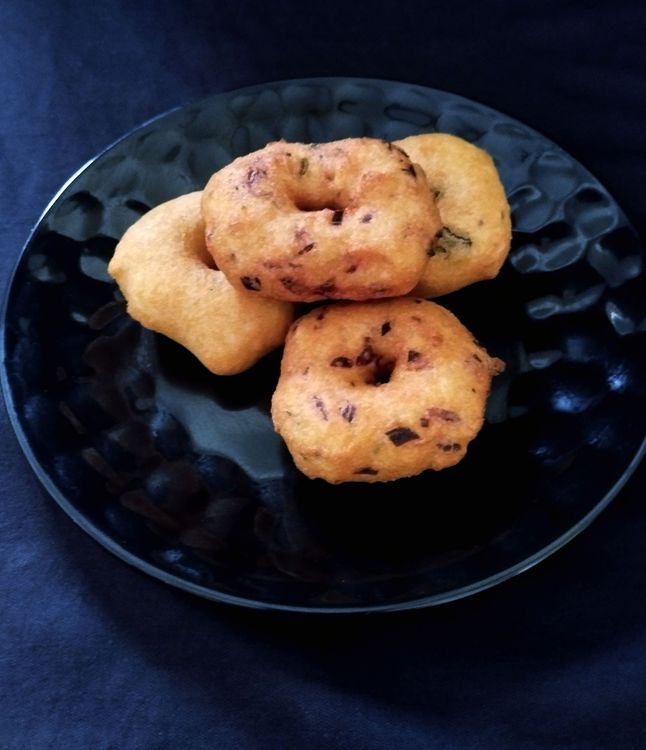
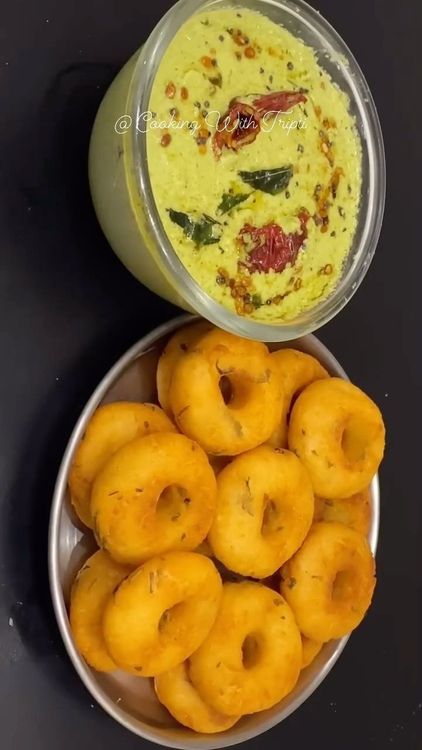
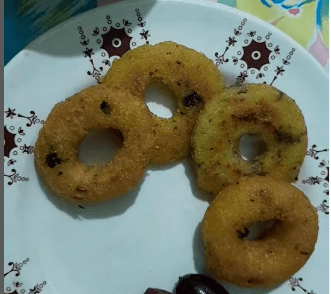
The medu vada is the benchmark every South Indian cook is judged by: a ring that shatters at the edges yet stays cottony inside. The secret is cold, freshly ground urad dal batter whipped until it floats in water, plus a steady 170-180C oil. This set ranges from a no-rice, no-semolina purist version to a seven-ingredient shortcut and a fasting-friendly upwas take, so beginners and veterans both have a starting point. If you have never shaped one, begin with the beginner tutorial and the suji shortcut before attempting the fully aerated classic, then serve them hot with coconut chutney and a bowl of sambar.


- South Indian
- Vegan
- Breakfast

- South Indian
- Vegan
- Breakfast

- South Indian
- Vegetarian
- Breakfast

- South Indian
- Vegetarian
- Snack
- Indian
- Vegan
- Snack
- South Indian
- Vegan
- Breakfast
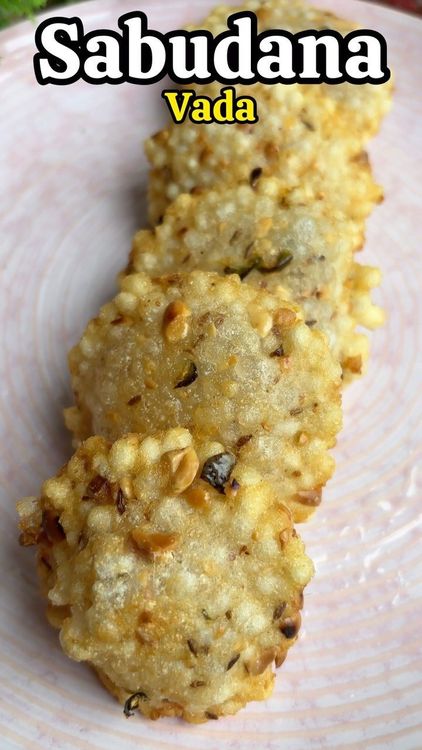
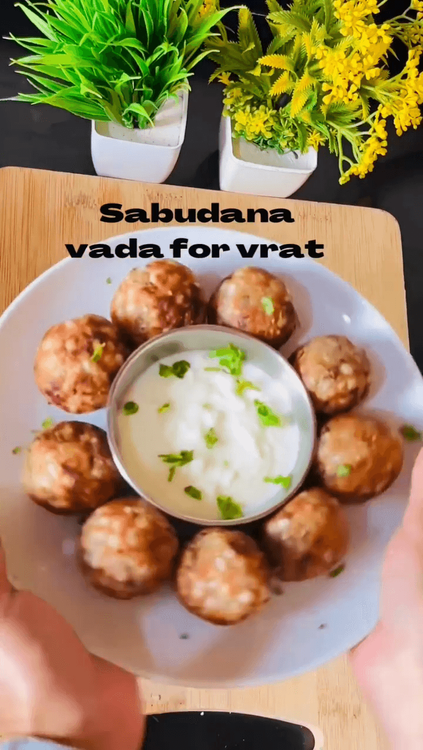
Sabudana, Batata and Aloo Fritters for Fasting Days
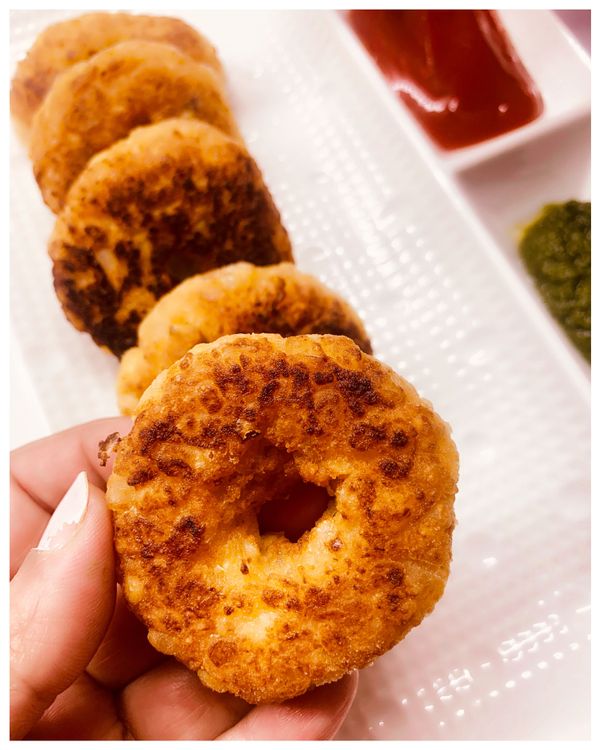
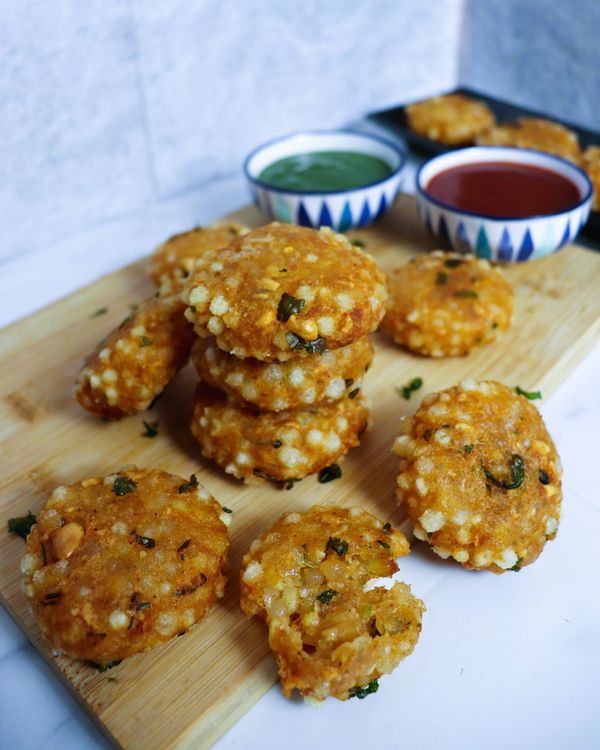
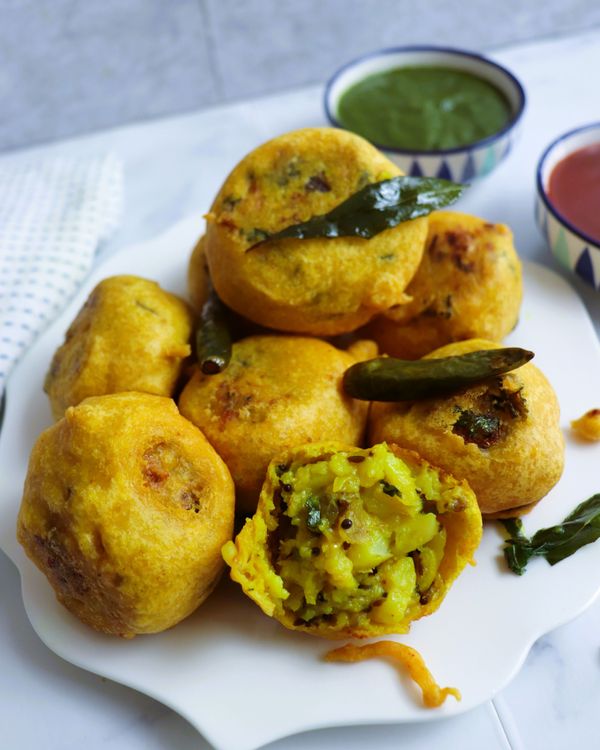
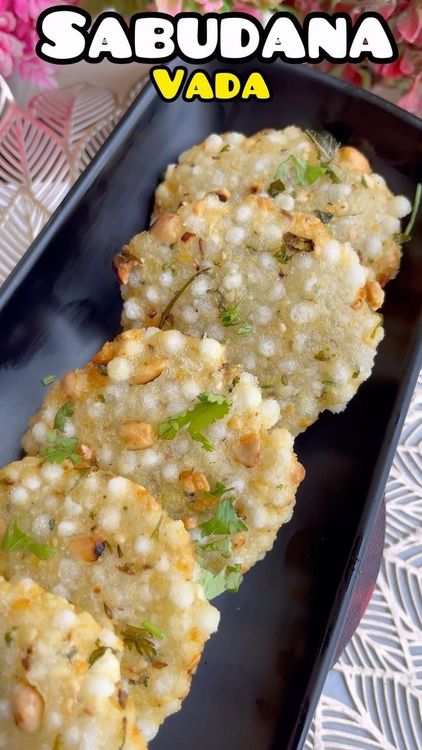
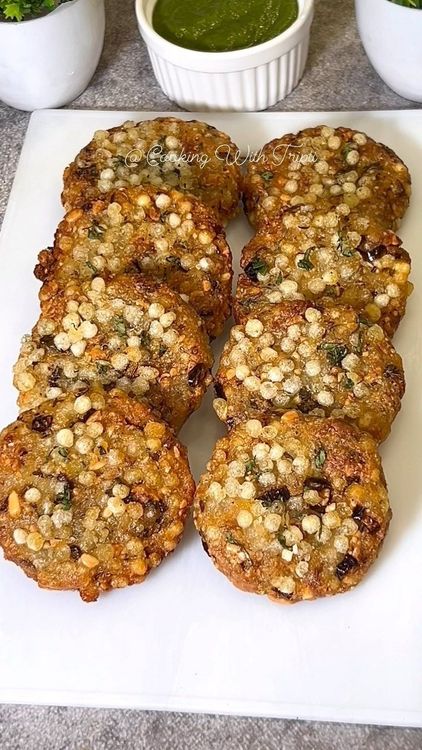
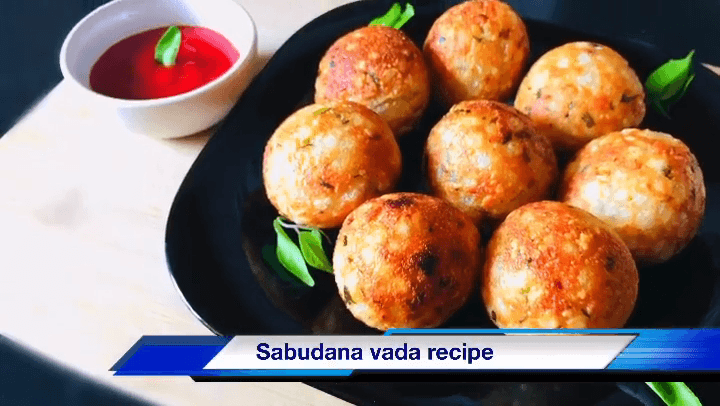
When the frying pan comes out for Navratri or Mahashivratri, sabudana and potato lead the way. Well-drained, just-swollen tapioca pearls give the sabudana vada its signature chew, while boiled potato binds the batata vada without egg or gluten. The trick is squeezing every drop of water from the soaked sago so the patties do not burst in oil. Below are eight riffs, from vrat-friendly rounds to a Mumbai-style potato dumpling ready for pav. Because the pearls need a long unhurried soak, plan these a night ahead; the hands-on work is only minutes, and the reward is a non-greasy, peanut-flecked bite everyone reaches for.

- Indian
- Vegan
- Snack

- Indian
- Vegan
- Breakfast
- Indian
- Vegan
- Snack
- Indian
- Vegan
- Breakfast
- Indian
- Vegan
- Snack
- Indian
- Vegan
- Appetiser
- Indian
- Vegan
- Snack
- Indian
- Vegan
- Appetiser
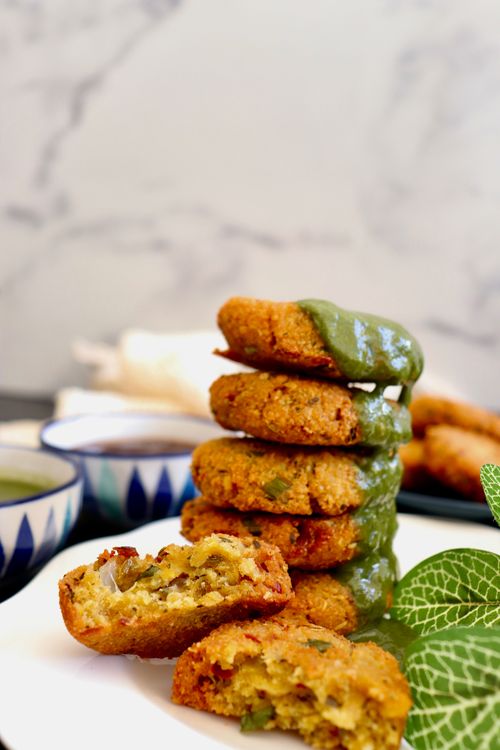
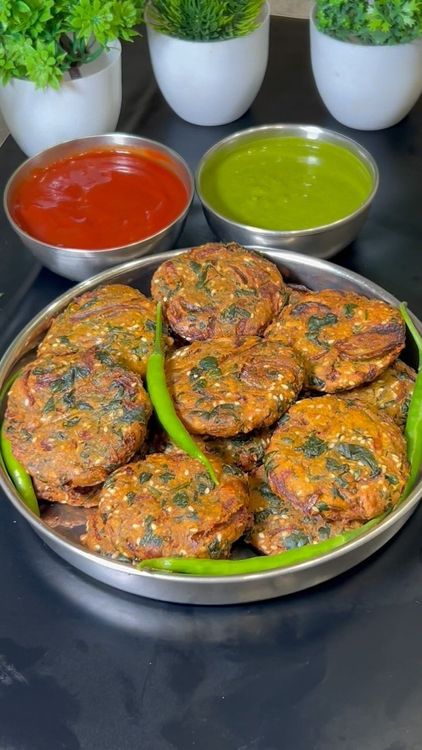
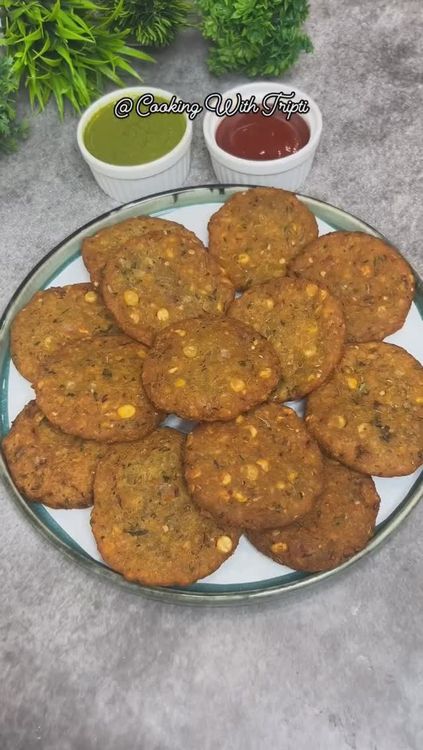
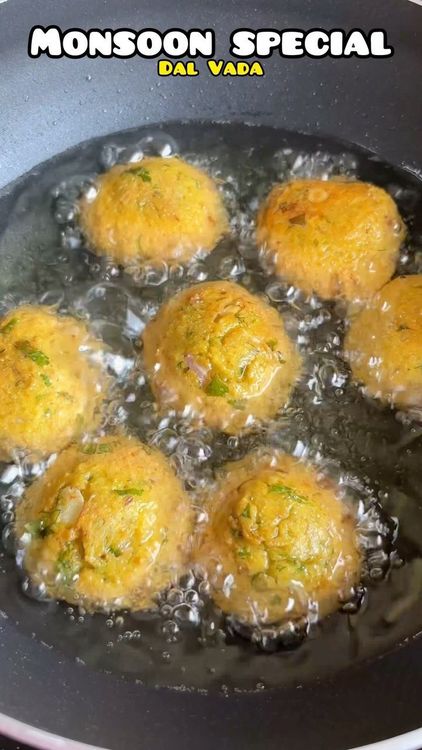
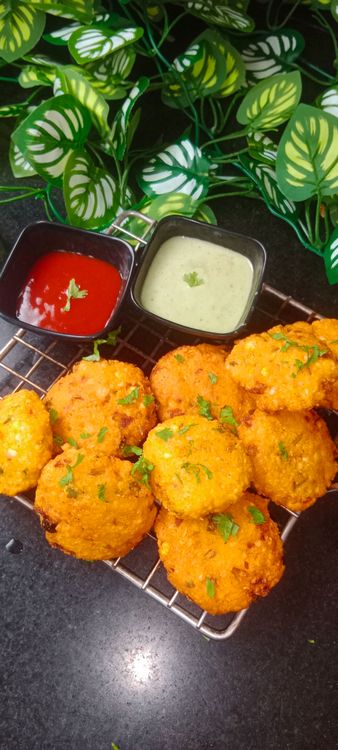
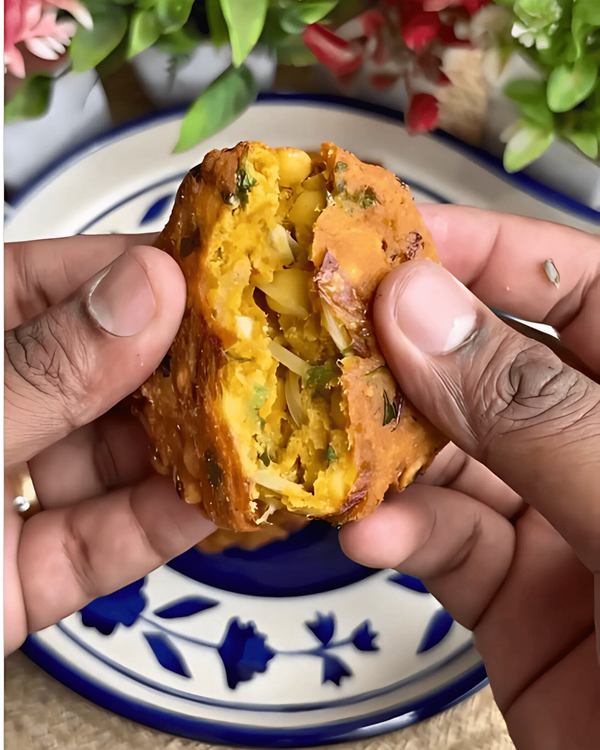
Masala and Dal Fritters: Lentil-Studded Crunch
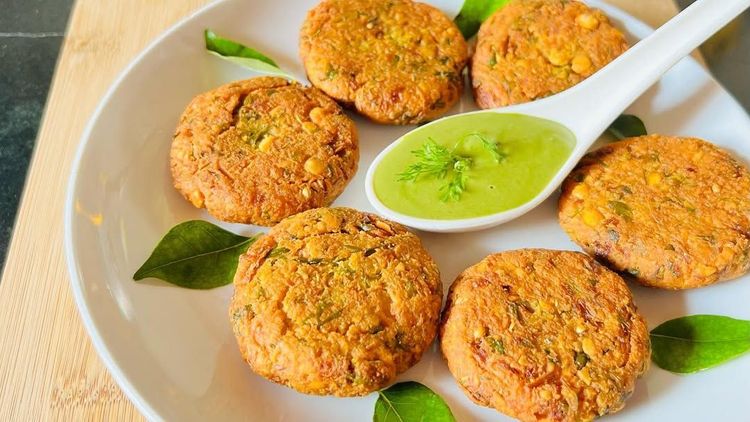
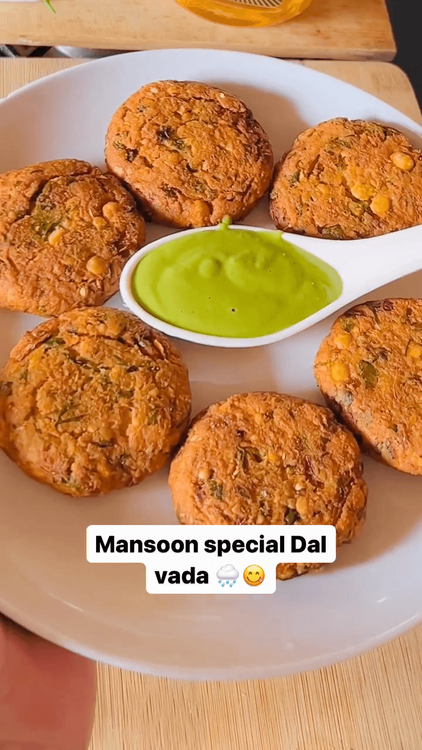
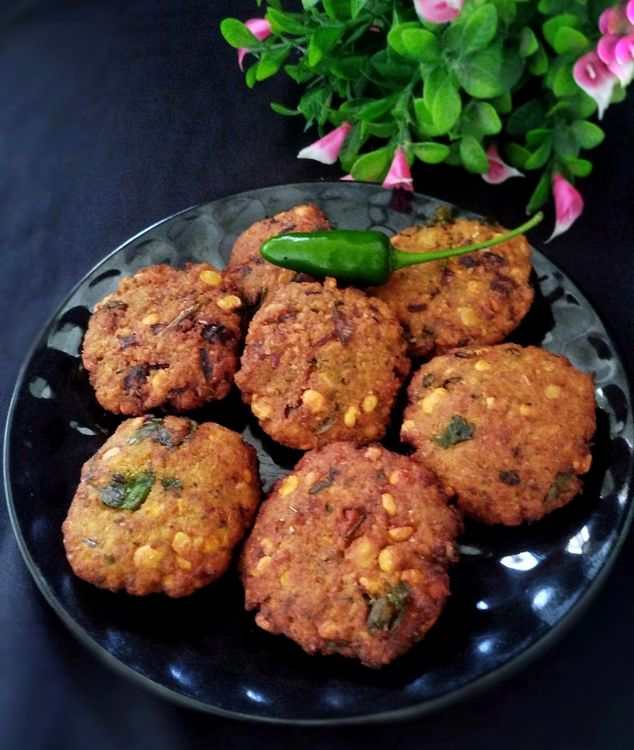
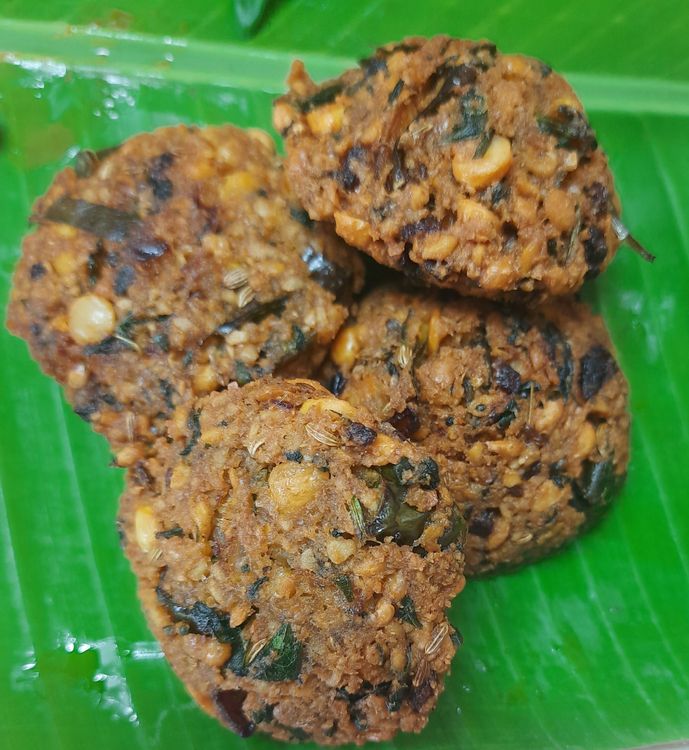
Coarsely ground chana or toor dal, not a smooth paste, is what separates a good masala vada from its softer cousins. You want visible bits of lentil for that craggy, deep-fried crunch, plus fennel, curry leaves and green chilli for perfume. These ten patties run from Tamil paruppu vadai to a Nagpuri mixed-dal version and a rainy-day monsoon batch, all built for chai and conversation. Soaking the lentils for a couple of hours and grinding them without extra water keeps the mix sturdy enough to shape by hand, and a scatter of chopped onion added just before frying gives every bite an extra savoury, aromatic edge.
- Indian
- Vegan
- Snack
- Indian
- Vegan
- Snack
- Indian
- Vegetarian
- Snack
- Indian
- Vegan
- Appetiser
- Indian
- Vegan
- Breakfast
- Indian
- Vegan
- Snack
- Indian
- Vegan
- Breakfast
- Indian
- Vegetarian
- Appetiser
- South Indian
- Vegan
- Snack
- South Indian
- Vegan
- Lunch
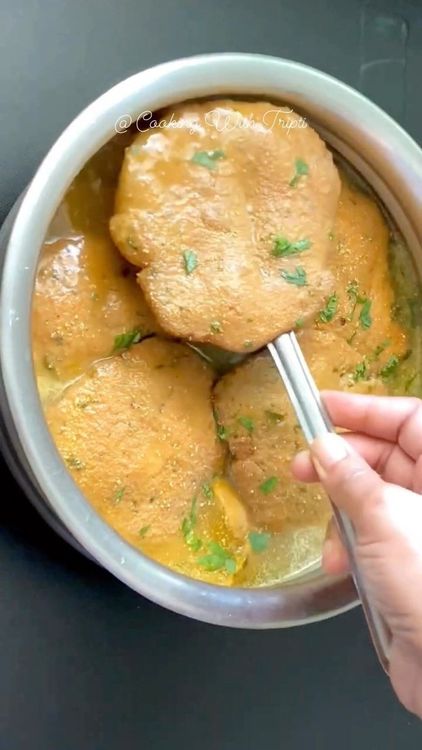
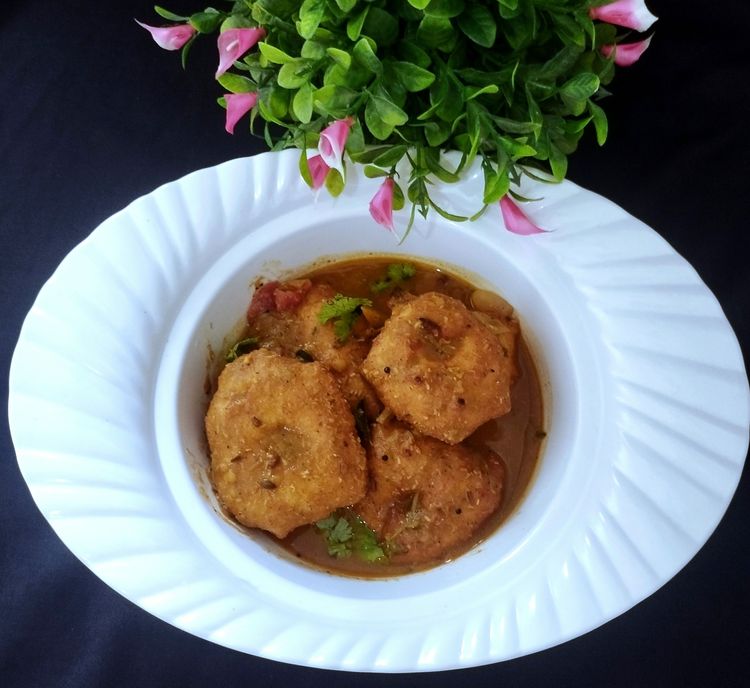
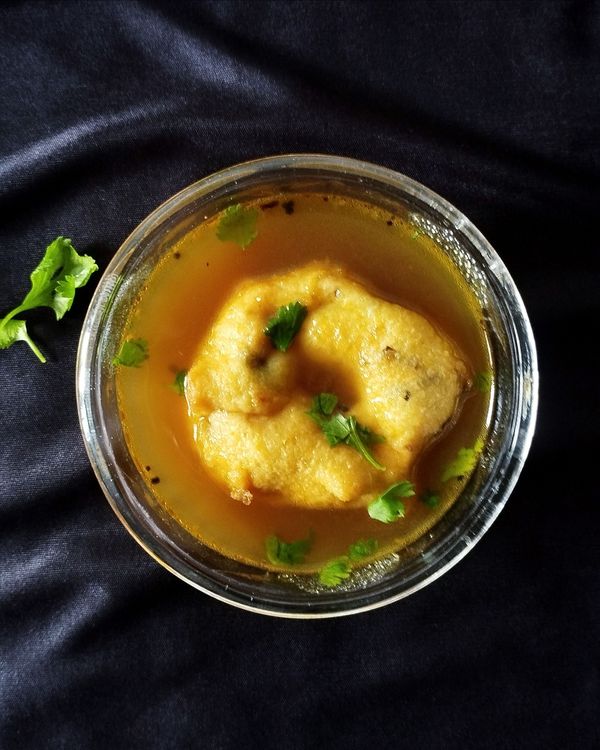
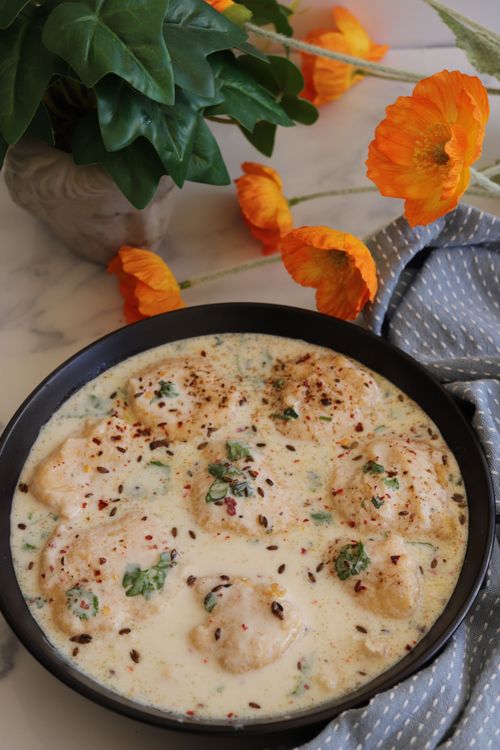
Dahi and Chaat-Style Soaked Snacks
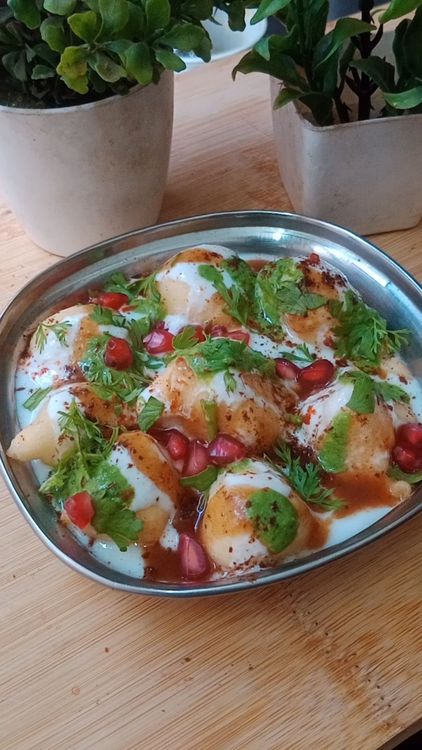
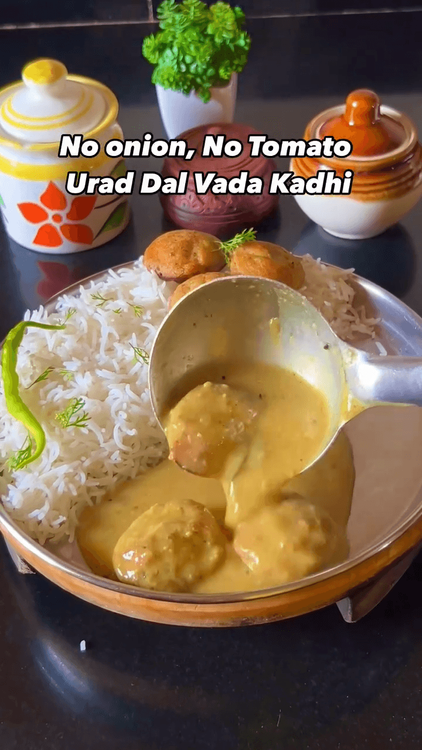
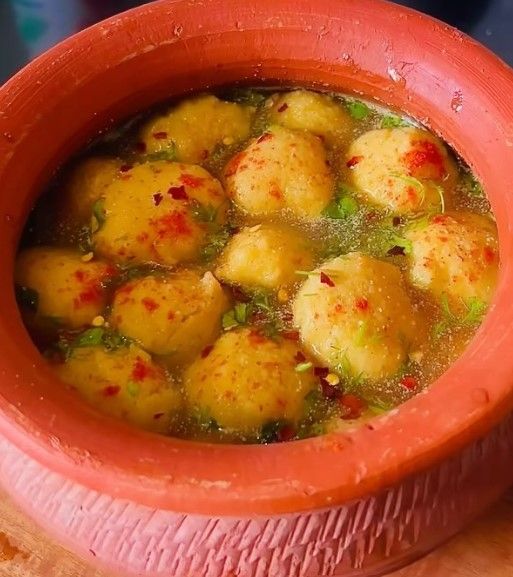
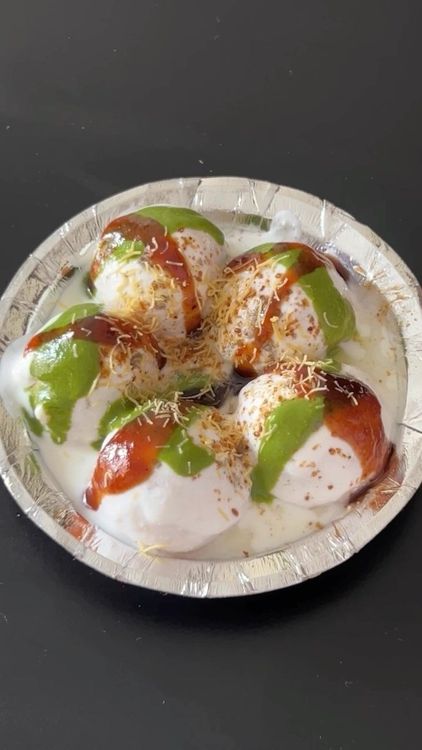
Not every fritter stays crisp; some are meant to drink. Once fried, the dahi vada is plunged into water, squeezed, and bathed in whisked yogurt, tangy kanji, sambar or spiced buttermilk until pillow-soft. The reward is a cool, tangy, melt-in-the-mouth bite that plays against the fried base. From cotton-soft curd rounds to Rajasthani kanji and South Indian sambar-soaked versions, this group covers festivals and summer alike. The softness comes from a warm-water soak after frying, so budget a little extra time; whisk the yogurt smooth with a pinch of sugar and salt, and hold the chutneys and sev until the last moment so nothing turns soggy.
- Indian
- Vegan
- Appetiser
- Indian
- Vegan
- Breakfast
- Indian
- Vegan
- Snack
- Indian
- Vegetarian
- Snack
- Indian
- Vegan
- Appetiser
- Indian
- Vegan
- Dinner
- Indian
- Vegan
- Appetiser
- Indian
- Vegetarian
- Appetiser
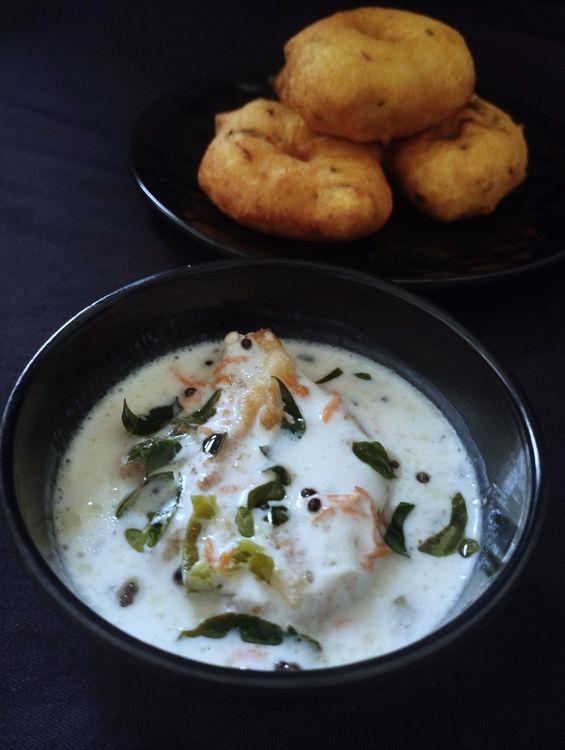
- South Indian
- Vegetarian
- Appetiser
Rava and Instant Semolina Bites
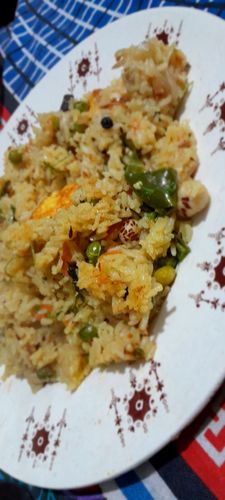
No overnight soaking, no grinding: semolina, rice flour and poha make these the fastest route to a crunchy snack. A rested rava batter hydrates in twenty minutes and fries up shatteringly crisp, which is why the viral suji version keeps circulating. This batch also covers Karnataka's flat, chewy Maddur style and a steamed poha take for lighter days, plus a master batter tutorial. Because there is no fermentation involved, these are the recipes to reach for when guests turn up unannounced; just rest the batter briefly so the grains swell, and stir in a little curd or hot oil to keep the results tender rather than tough.
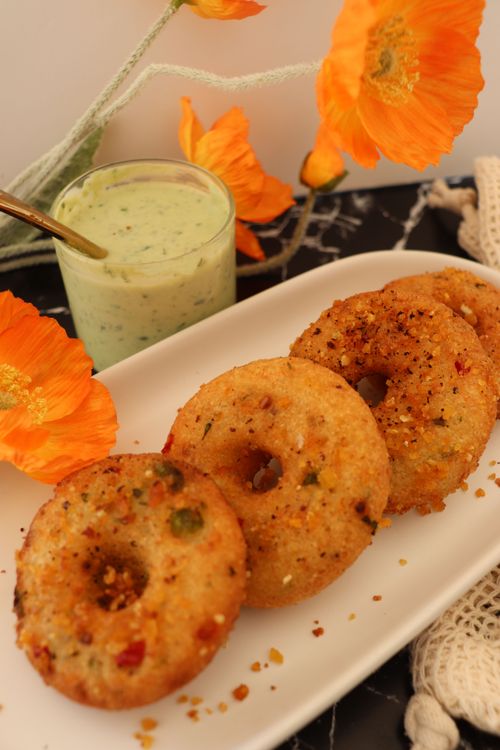
- Indian
- Vegetarian
- Appetiser

- Indian
- Vegetarian
- Snack
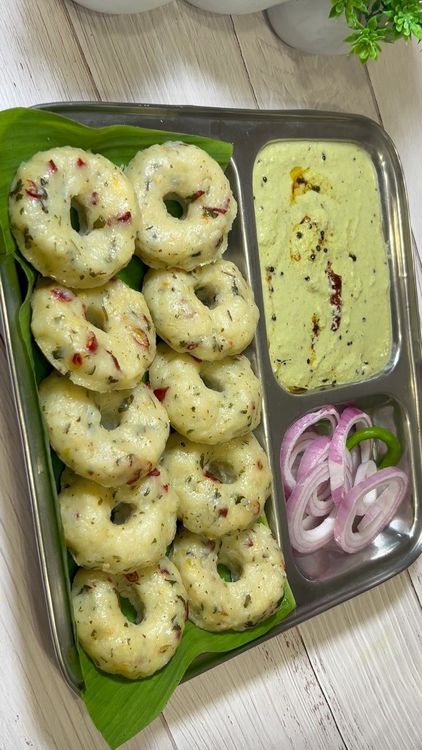
- Indian
- Vegetarian
- Breakfast
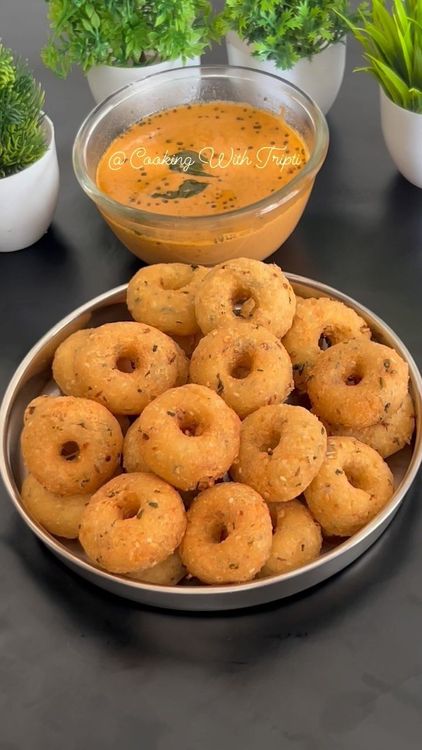
- Indian
- Vegetarian
- Appetiser
- Indian
- Vegetarian
- Snack
- Indian
- Vegan
- Snack
- Indian
- Vegan
- Indian
- Vegetarian
- Snack
Regional Favourites and Mumbai Street Food
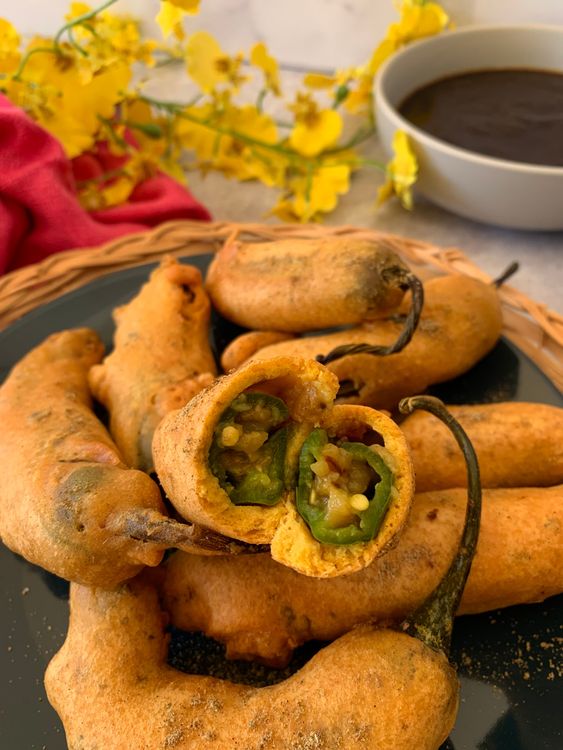
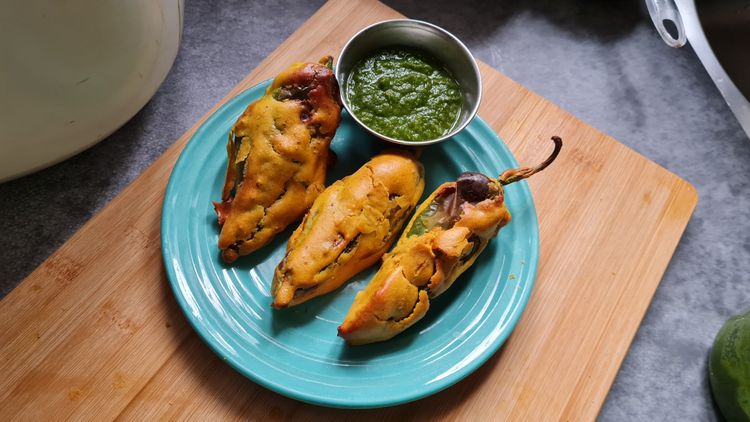
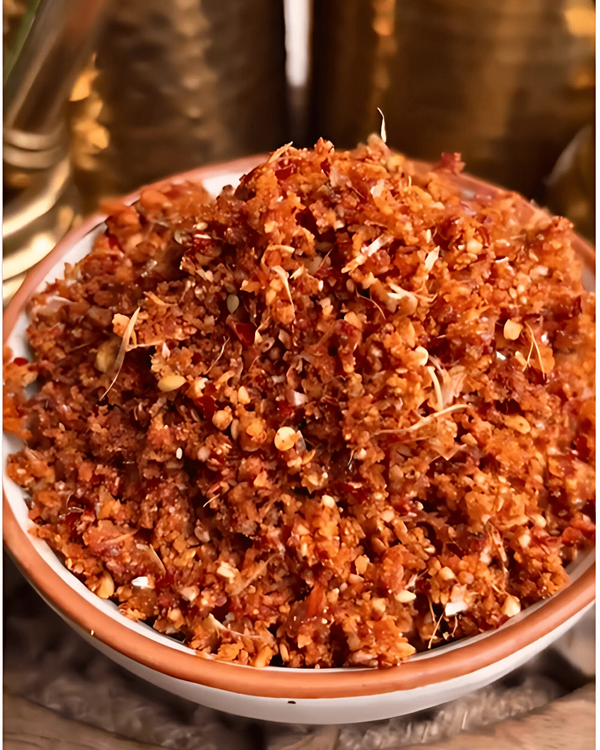
This is where the fritter leaves the temple kitchen and hits the street. Mumbai's potato-dumpling pav sandwich anchors the group, joined by Rajasthan's chilli-stuffed mirchi bhaji, an air-fried lighter option, a Tamil kara vadai and a Sri Lankan lentil version. Two chutney recipes round it out so your street-food spread is complete. Each region tweaks the spicing to its own taste, from Jodhpur's fiery stuffed chillies to the garlicky Maharashtrian dust, so treat this section as a passport; make the chutneys first, then build a platter that travels from Mumbai to the Tamil coast in a single sitting.
- Indian
- Vegan
- Appetiser

- Indian
- Vegan
- Sauce & Condiment

- Indian
- Vegan
- Snack

- Vegan
- Snack

- Indian
- Vegan
- Appetiser
- Maharashtrian
- Vegan
- Snack

- South Indian
- Vegan
- Appetiser
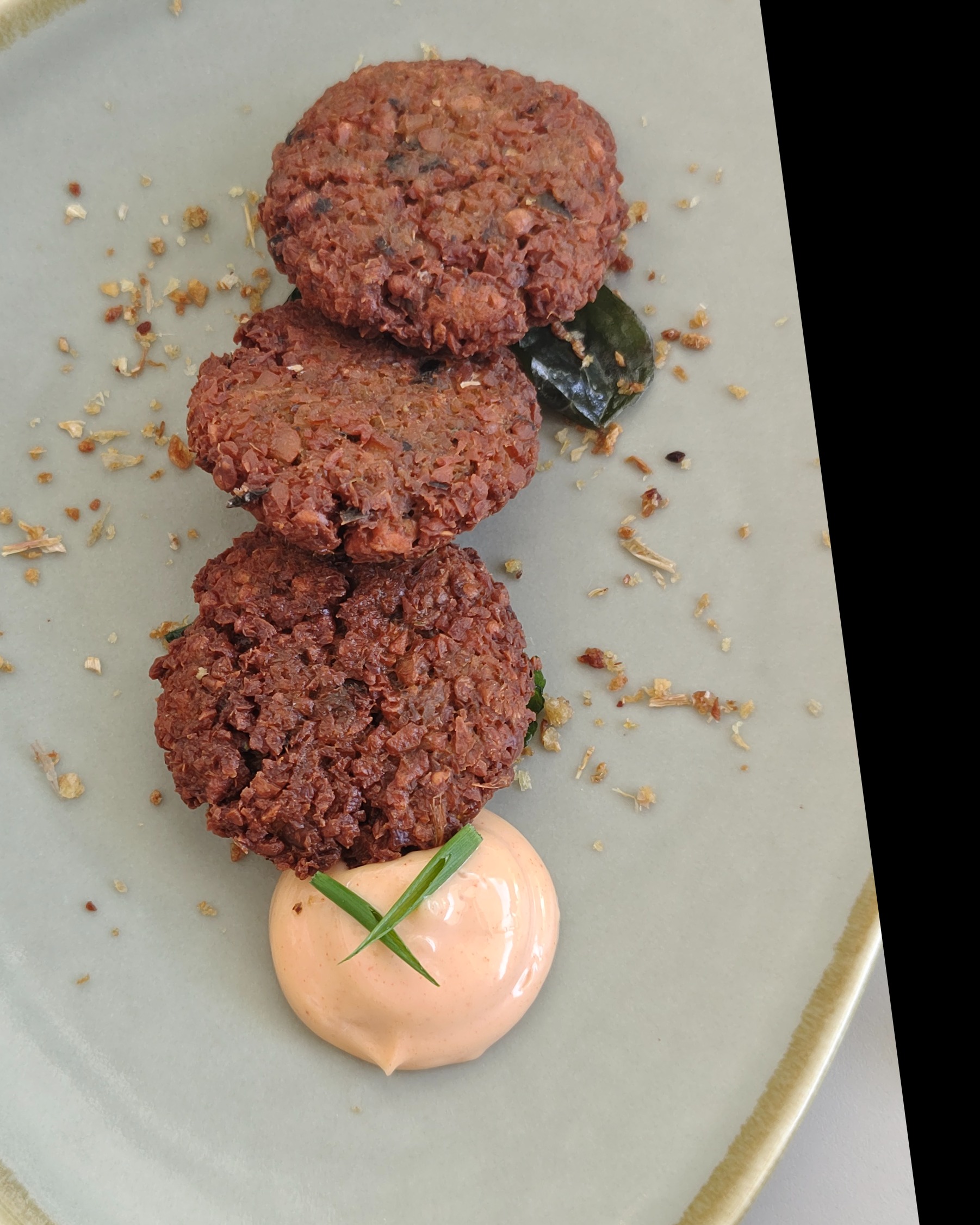

- Sri Lankan
- Vegan
- Appetiser
Crispy Outside, Soft Inside: The Texture Secret
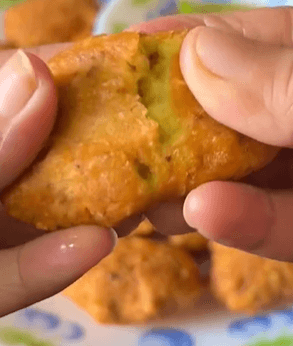
Every great fritter lives or dies on one contrast: a crust that shatters against a centre that stays tender. For urad-dal styles, that contrast is built by aeration. Grind soaked dal with as little water as possible, then beat the batter by hand or machine until it turns pale and fluffy; a teaspoon dropped into water should float. Those trapped air bubbles steam inside the oil and keep the crumb spongy while the surface crisps.
Oil temperature is the other half. Too cool and the batter drinks oil and turns leaden; too hot and the outside browns before the middle sets. Aim for 170-180C, where a bead of batter rises steadily rather than violently. Fry in unhurried batches so the temperature does not crash, and resist crowding the pan, which cools the oil fast. Keep a small thermometer clipped to the pan if you can, or learn to read the bubbles; with practice you will judge the heat by eye and adjust the flame between batches without a second thought.
For potato and sago styles, the enemy is moisture. Drain the soaked sago until the pearls are dry to the touch and squeeze grated potato in a cloth; excess water makes patties splutter and turn oily. Finally, drain finished pieces upright on a rack rather than flat on paper, so steam escapes and the base stays crisp instead of going soggy. Serve within minutes for the best crackle, because even the finest fried snack loses its edge once it cools and the trapped steam softens the shell from the inside out.
How to Make the Perfect Batter
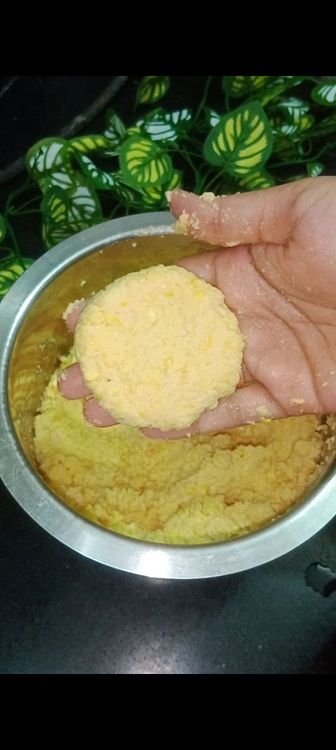
Learning how to make vada that stays crisp starts with the batter. For a classic medu vada, use whole skinned urad dal and soak it four to six hours, no longer, or it turns slimy and absorbs oil. Drain well, then grind cold, adding icy water a tablespoon at a time. You want a thick, fluffy paste that holds a peak, not a pourable liquid.
Aeration matters more than any single ingredient. Whip the ground dal in one direction for a few minutes until it lightens in colour and floats when tested in water. Fold in salt, pepper, chopped curry leaves, ginger and green chilli only at the end; salt added early loosens the mix, so keeping it late holds the structure tight.
For mixed-dal and masala styles, soak chana and toor dal, then pulse coarsely so you keep texture rather than a smooth puree; those visible lentil bits are what fry up craggy and crunchy. Rava and rice-flour batters need the opposite discipline: rest them twenty to thirty minutes so the grains hydrate and thicken before frying. If any batter feels loose at the pan, stir in a spoon of rice flour or semolina to tighten it and boost crispness. A well-made batter should mound softly on the spoon and hold its shape when you slide it into the oil, neither spreading thin nor sinking like a stone.
Serving Ideas: Chutneys, Pav and Chaat
A fritter is only half the meal; what you pair it with makes it memorable. The most famous partnership is Mumbai's pav sandwich, a spiced potato dumpling pressed into a soft bun smeared with green coriander-chilli chutney and a generous dusting of dry garlic chutney. Add a shallow-fried salted green chilli on the side and you have the city's beloved handheld lunch.
South Indian styles ask for different company. A hot ring is classic with coconut chutney and a bowl of sambar for dipping, or float the rings directly in sambar for a soaked version. Masala and paruppu vadai want nothing more than sweet-and-spicy chutneys and a tumbler of filter coffee or masala chai on a rainy evening.
The soaked family is a meal in itself. Top curd-based rounds with whisked yogurt, tamarind and green chutneys, roasted cumin, red chilli powder and a fistful of sev just before serving so they stay crisp on top. Kanji and chaas versions are served cold, almost like a spiced drink-soup, and taste even better after a few hours in the fridge lets the flavours mingle. For parties, fry the bases ahead, then soak or assemble at the last minute, because nobody enjoys a soggy piece. A platter that mixes one hot fried style, one soaked style and a good chutney will always disappear first.
Pro Tips for Perfect Vadas
- Always test one piece first: if it disintegrates, beat in a spoon of rice flour; if it drinks oil, raise the heat to 175C before frying the rest.
- Wet your palm and fingertips between each shaping so the sticky urad batter releases cleanly and you get a neat centre hole every time.
- Never salt urad dal batter until just before frying; early salt draws out water, thins the mix and gives you greasy, flat results.
- Squeeze soaked sago and grated potato bone-dry in a muslin cloth, because trapped moisture is the number-one cause of bursting, oil-logged patties.
- Keep a coarse grind for masala styles and a smooth, aerated paste for the softer styles; matching the grind to the dish is half the battle.
- For soaked snacks, drop the hot pieces into warm salted water for ten minutes, then gently press out the liquid so they turn cottony before the yogurt bath.
Frequently Asked Questions
Which vada recipes are best for beginners?
Start with instant options that skip grinding and overnight soaking. A simple rice-flour or suji version and a basic dal fritter are the most forgiving, coming together in under an hour. Once you are comfortable shaping and frying, graduate to the classic ring, which demands a well-aerated urad dal batter and steadier oil control.
Why does my medu vada turn out hard or oily?
Two usual culprits. Hard, dense rings mean the batter was not whipped enough, so beat it until pale and floating so trapped air keeps the crumb soft. Oily, heavy pieces mean the oil was too cool or the batter too thin; fry at 170-180C and tighten a loose batter with a spoon of rice flour before shaping.
How do I keep sabudana vada from bursting in the oil?
Moisture is the enemy. Soak the sago just until the pearls squash easily, then drain and spread them to dry so no free water remains. Mix with well-mashed, cooled potato and shape firm, compact patties. Fry on medium heat rather than very high, and never overcrowd the pan, since a gentle, steady fry sets them without splutter.
Can I make these snacks without deep frying?
Yes. Several styles here air-fry beautifully: brush the shaped patties with a little oil and cook at around 180C, flipping once, until golden. The steamed poha version skips oil entirely and stays light. Air-fried pieces are slightly denser than deep-fried ones but far lighter, and they reheat well for lunchboxes and quick snacks.
What is the difference between medu vada and dahi vada?
The crisp kind is a savoury urad dal ring eaten hot with sambar and chutney. The soaked kind starts from a similar fried base but is steeped in water, squeezed soft, then bathed in sweetened whisked yogurt and topped with chutneys and spices. One celebrates crunch; the other is all about cool, tangy softness.
How far ahead can I prepare everything for a party?
Fry the bases a few hours ahead and keep them at room temperature, then re-crisp briefly in a hot oven or air fryer before serving. For the yogurt-soaked and kanji styles, you can fry and even soak a day early and refrigerate, then add the yogurt, chutneys and garnishes just before serving so the toppings stay fresh and crunchy.
Which dal is best for making these fritters?
It depends on the style. Whole skinned urad dal gives the classic ring its airy, spongy interior. Coarsely ground chana dal with a little toor makes a craggy, crunchy masala vada. Moong dal fries into the lightest, softest rounds, which is why it is favoured for the yogurt-soaked and kanji versions. Match the lentil to the texture you want.
What oil and temperature should I use for frying?
Use a neutral oil with a high smoke point; groundnut, sunflower or refined vegetable oil all work well. Keep it at 170-180C and test with a small bead of batter that should rise steadily within a couple of seconds. Fry in modest batches so the temperature holds, and let each piece drain on a rack to stay crisp.
From airy medu rings to soaked dahi bowls and Mumbai's iconic pav sandwich, these 49 vada recipes cover every craving, skill level and festival on the calendar. Bookmark the batter and texture guides, pick a style that matches your evening, and get frying, because a plate of hot, crackly snacks and a cup of chai is never a bad idea. Start with one that suits your confidence and work through the rest a weekend at a time.
Related
- medu vada
- sabudana vada
- dahi vada
- masala fritters
- south indian snacks
- navratri fasting
Popular Searches
- Best vada recipes
- Easy vada recipes
- Quick vada recipes
- Healthy vada recipes
- Simple vada recipes
- Homemade vada recipes
- Delicious vada recipes
- Popular vada recipes
- medu vada
- sabudana vada
- batata vada
- dahi vada
Marnirni-apinthi Building, Lot Fourteen,
North Terrace, Adelaide, South Australia, 5000
Australia
