
39 Idli Recipes for Soft, Fluffy, and Flavour-Packed Breakfasts
Updated July 7, 2026 · Curated by Chefadora
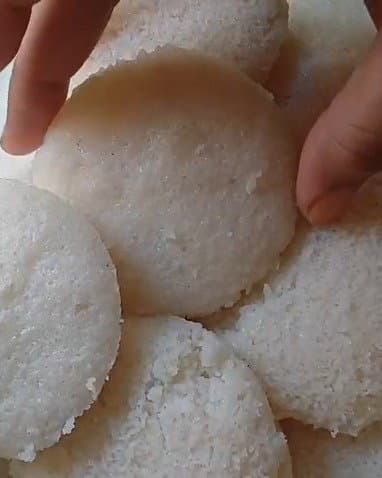
There is a reason these steamed cakes show up on breakfast tables from Chennai to Toronto: light, gentle on the stomach, and endlessly adaptable. This collection of idli recipes pulls together 39 versions I keep returning to, from pillow-soft classics to quick rava batches you can steam before the coffee finishes brewing.
You'll find the traditional rice-and-urad staples that started it all, healthier millet and lentil spins, and the loud, spicy street-style plates that vanish first at parties. There are quick fixes for leftover cakes, fasting-friendly vrat options, and the chutneys and podis that turn a plain steamer full of them into a proper meal.
New to grinding your own batter, or just after fresh ideas for a familiar favourite? Start with the softness fundamentals below and the rest falls into place. Grab your steamer, pick a section, and let's get cooking.
Classic & Soft Idli Recipes to Master First
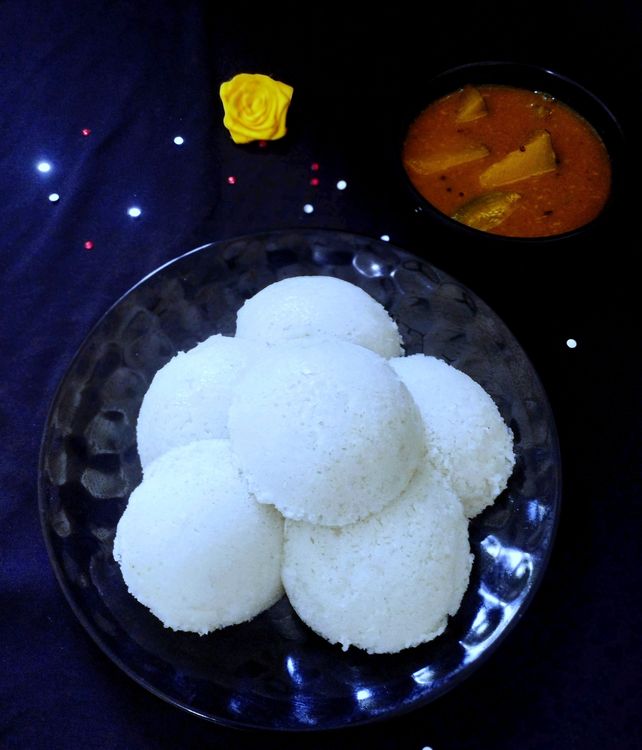
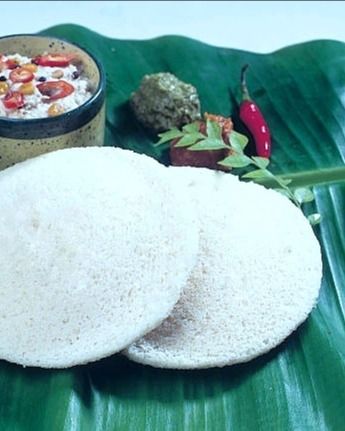
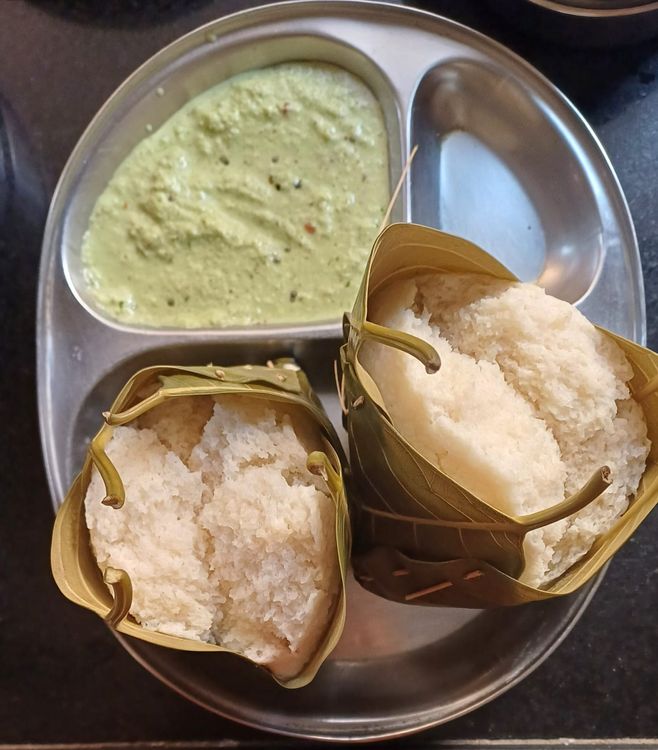
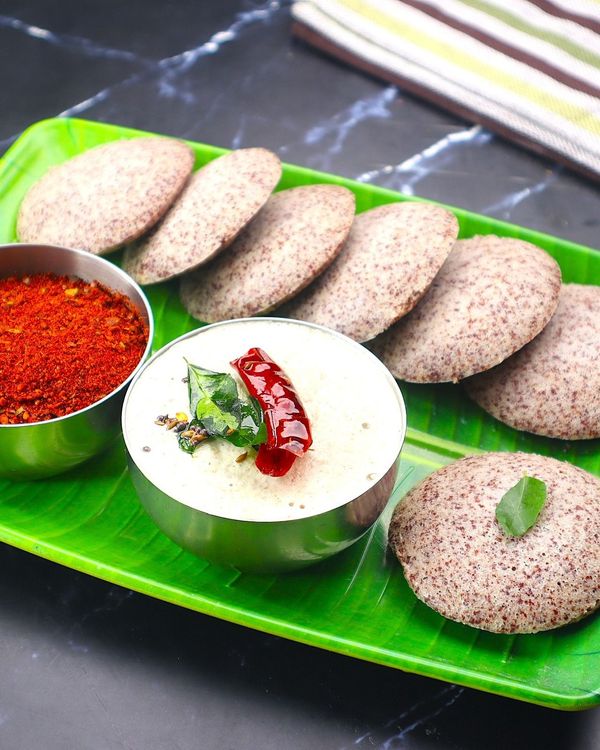
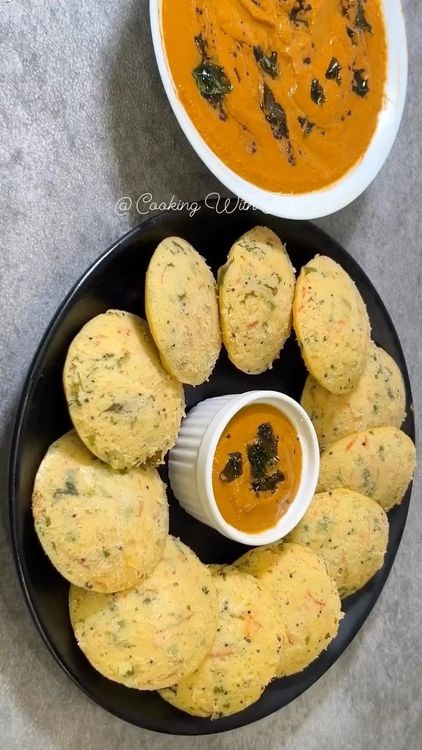
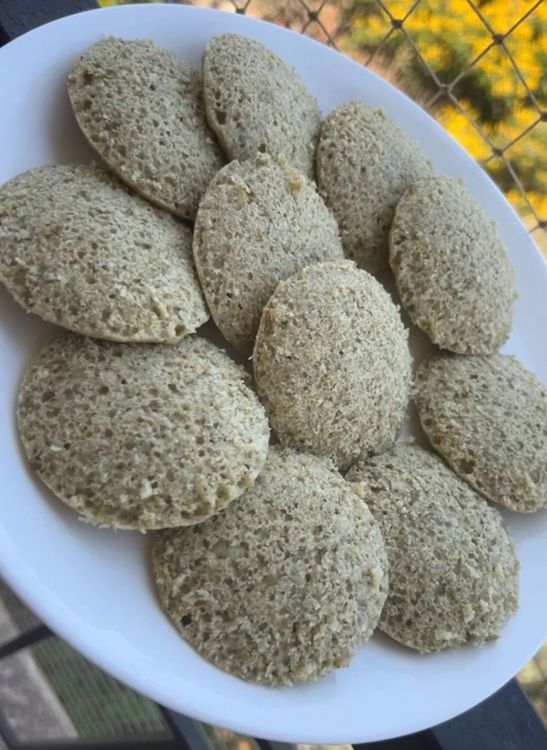
This is the heart of any South Indian breakfast: the soft, snow-white cakes that started it all, plus the wholesome millet and lentil versions I reach for on lighter days. Here you'll find the foundational rice-and-urad classics, regional treasures steamed in coconut shells, jackfruit and turmeric leaves, and nutritious spins made with ragi, moong dal, and sprouts. Master the texture in this section and every other variation below becomes easy. Expect gentle flavours, a pillowy crumb, and plenty of room to pair with chutney, sambar, or a simple smear of ghee.


- Vegan
- Breakfast
- South Indian
- Vegan
- Breakfast

- Vegetarian
- Breakfast
- Indian
- Vegan
- Breakfast
- Indian
- Vegetarian
- Breakfast

- Indian
- Vegan
- Dessert

- Indian
- Vegetarian
- Breakfast

- South Indian
- Vegetarian
- Breakfast

- Indian
- Vegetarian
- Breakfast
- South Indian
- Vegetarian
- Breakfast

- South Indian
- Vegetarian
- Breakfast
Rava, Rice & Instant Steamers (No Fermenting)
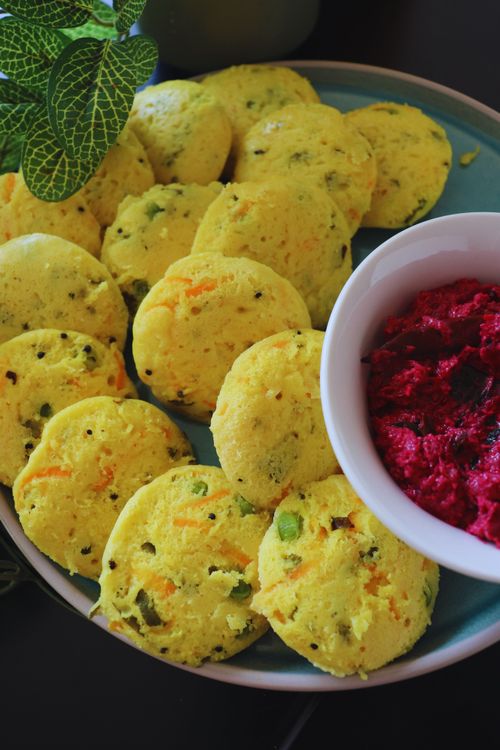
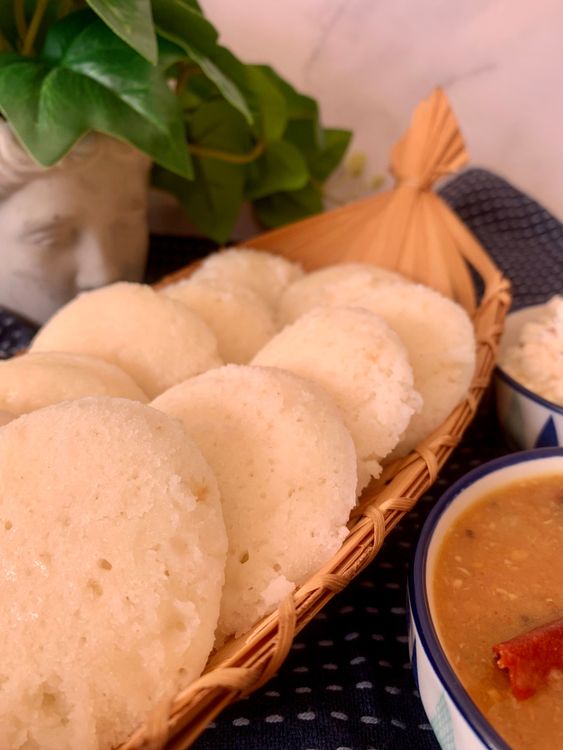
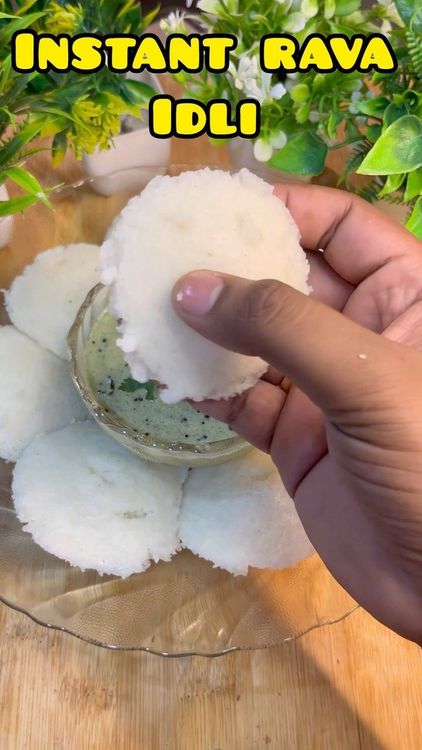
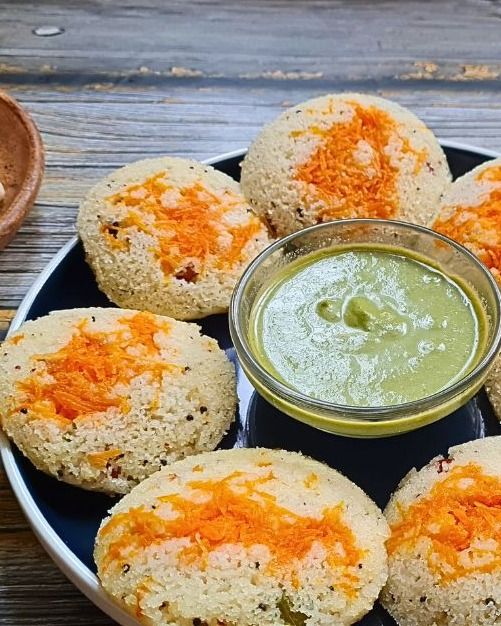
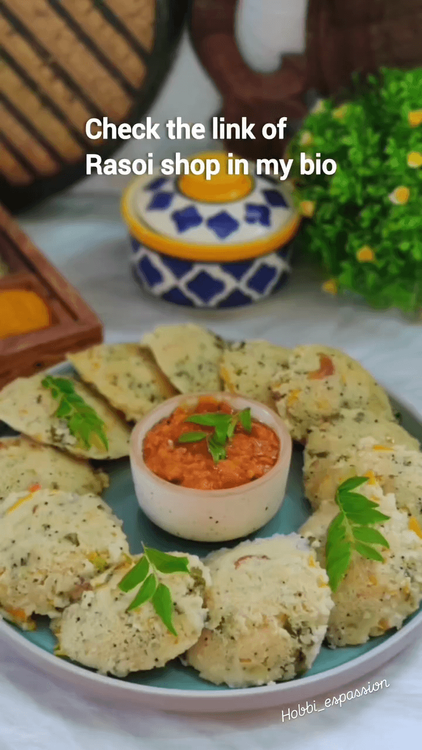
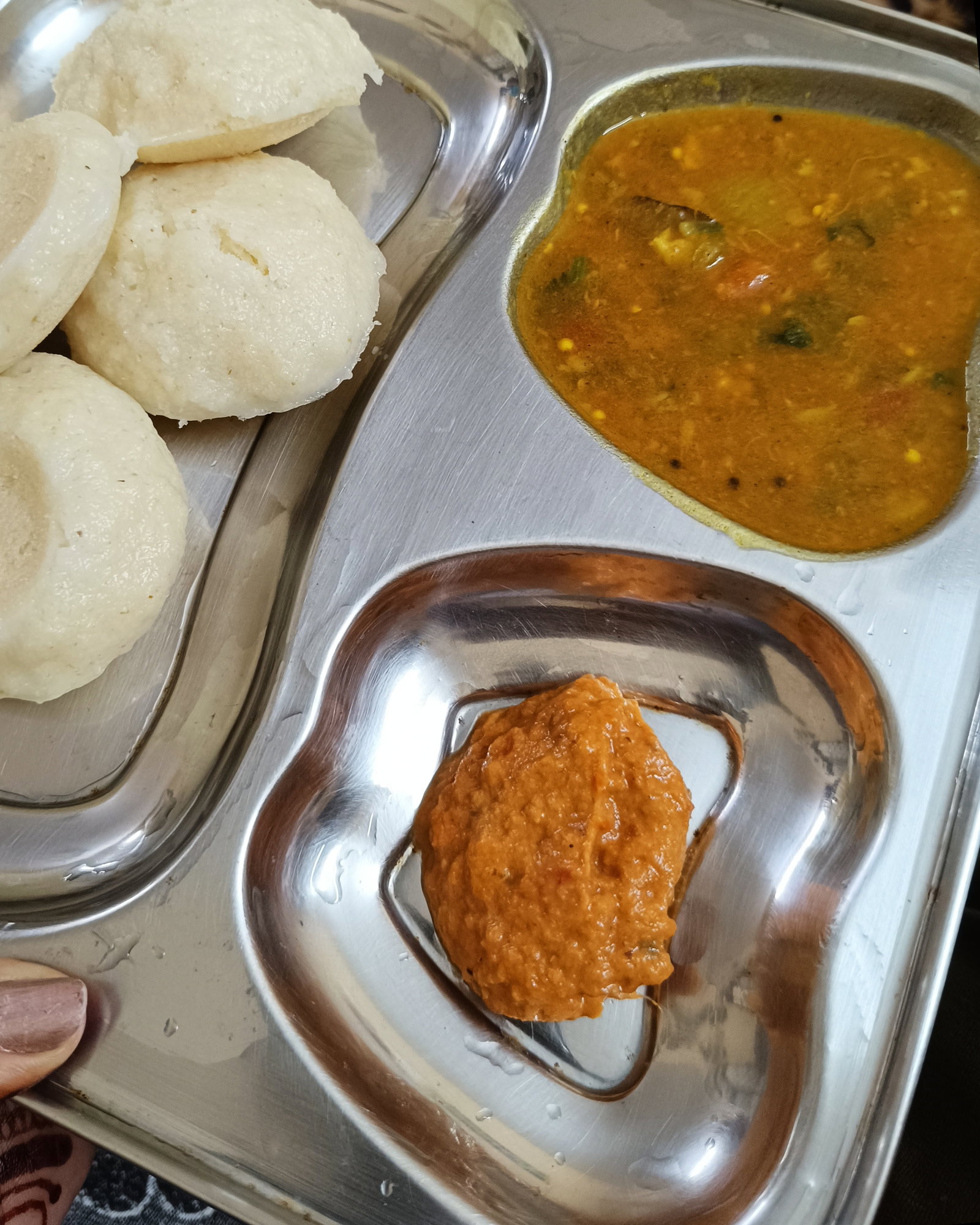
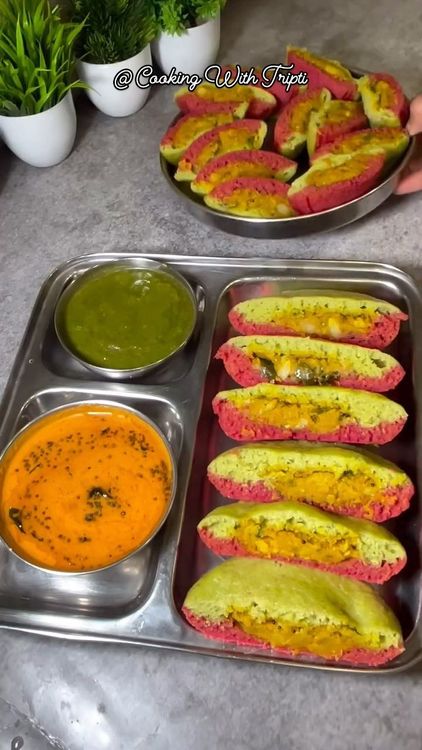
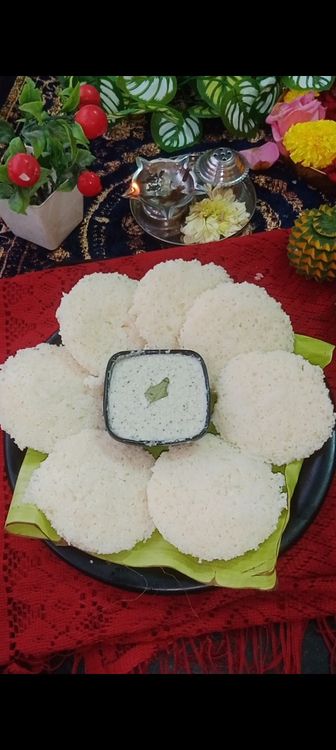
When there's no fermented batter waiting in the fridge, these are the cakes that save breakfast. Rava and instant versions skip the overnight wait, relying on semolina, yogurt, and a little resting time to steam up soft and tangy in under 40 minutes. I've grouped the quick rice batches and fasting-friendly vrat options here too, so you always have a no-planning choice for busy mornings, sudden guests, or Navratri. They're forgiving, fast, and endlessly customisable with vegetables and tempering.
- Indian
- Vegetarian
- Breakfast

- South Indian
- Vegetarian
- Breakfast

- South Indian
- Vegetarian
- Breakfast

- South Indian
- Vegetarian
- Breakfast
- Non-Vegetarian
- Breakfast
- Indian
- Vegetarian
- Breakfast

- Indian
- Vegetarian
- Breakfast
- Indian
- Vegetarian
- Breakfast
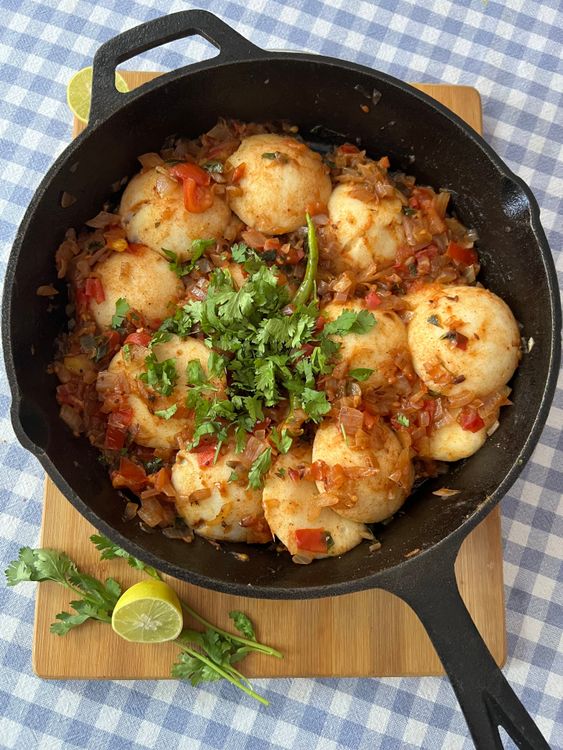
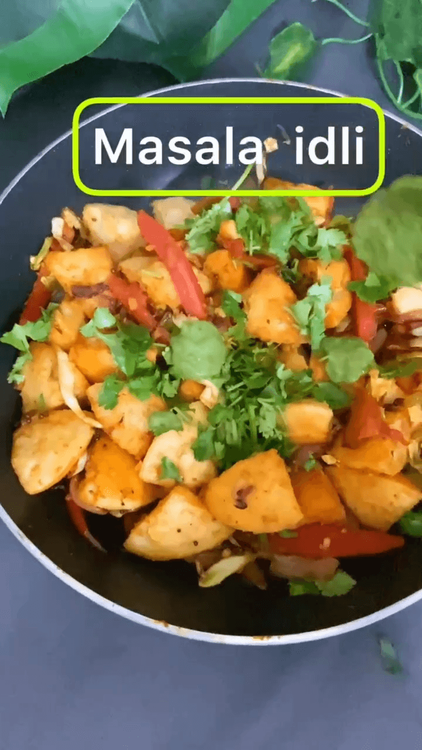
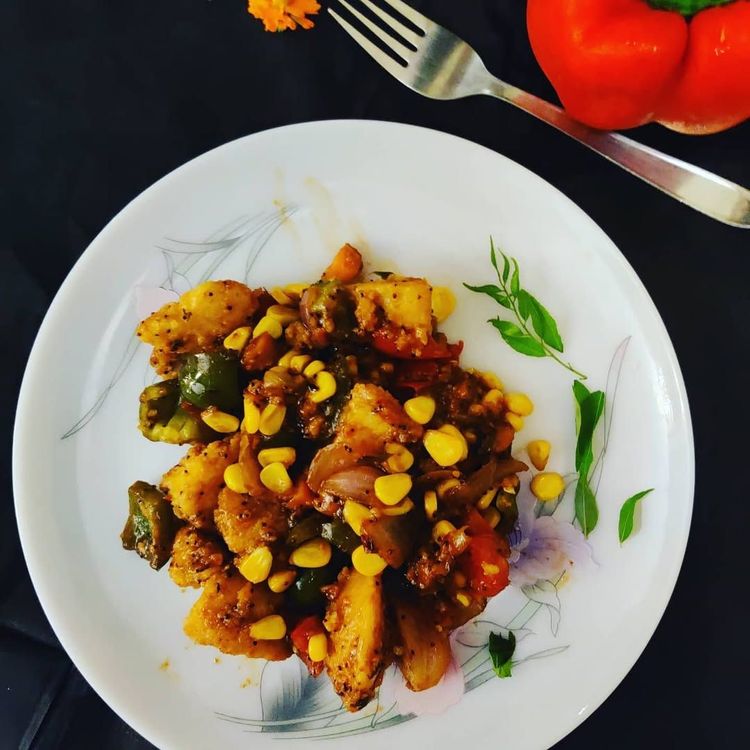
Masala, Tadka & Street-Style Bites
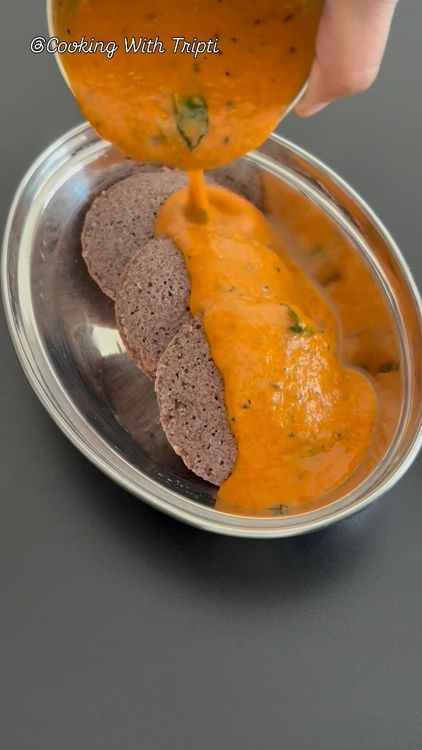
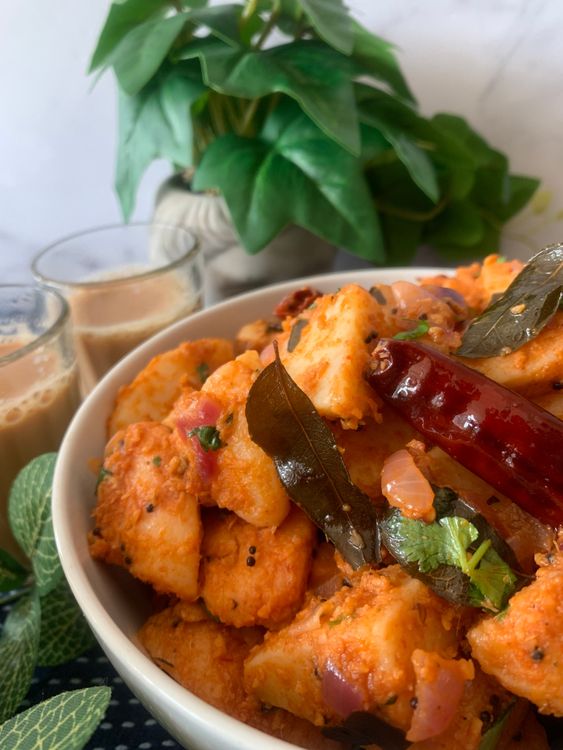
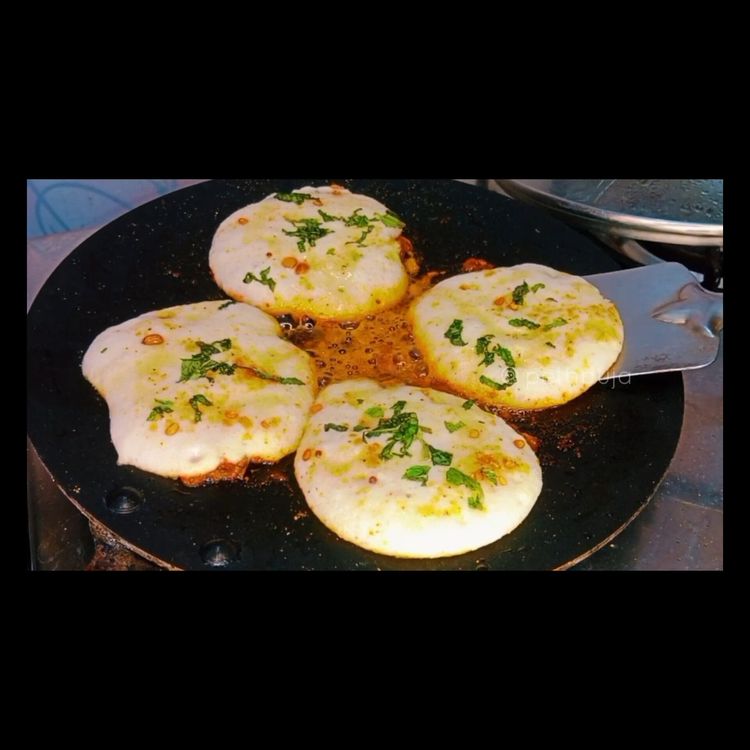
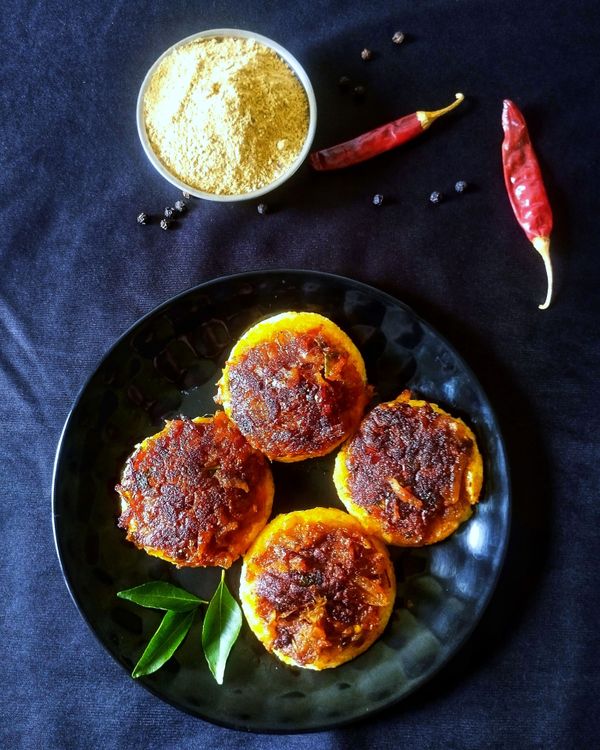
This is where breakfast gets loud. Tossed with onion-tomato masala, glossed in fiery Hyderabadi spot gravy, or bathed in a crackling tadka, these spiced plates are the ones that disappear fastest at any gathering. Most start with pre-steamed cakes, so they're brilliant for using up a batch and stretching a handful into a generous, flavour-packed meal. Keep your spice box close and your tolerance for heat a little higher than usual, because these do not hold back.
- Indian
- Vegan
- Breakfast
- Indian
- Vegetarian
- Breakfast
- Indian
- Vegetarian
- Breakfast

- South Indian
- Vegetarian
- Breakfast
- Indian
- Vegan
- Dinner
- Indo-Chinese
- Vegan
- Snack
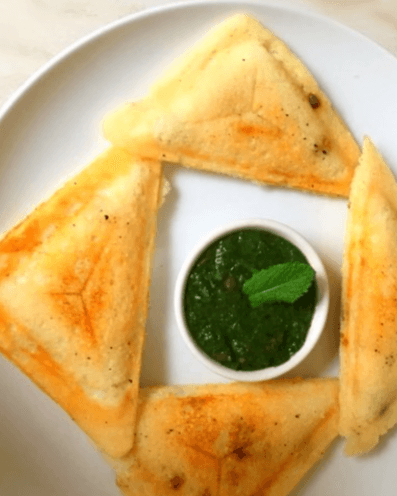
Leftover & Fried Snacks
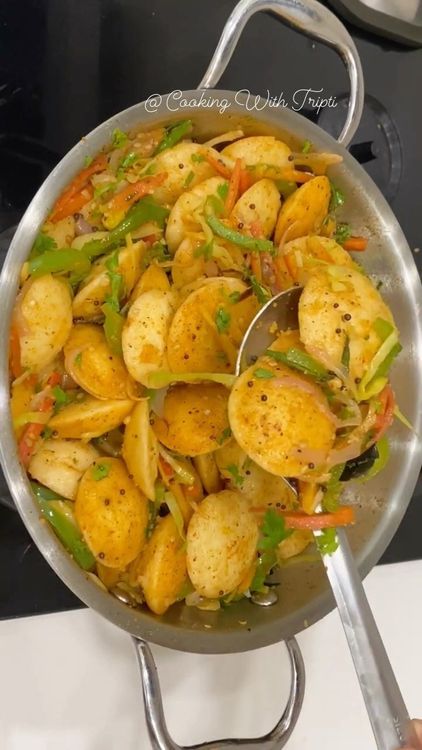
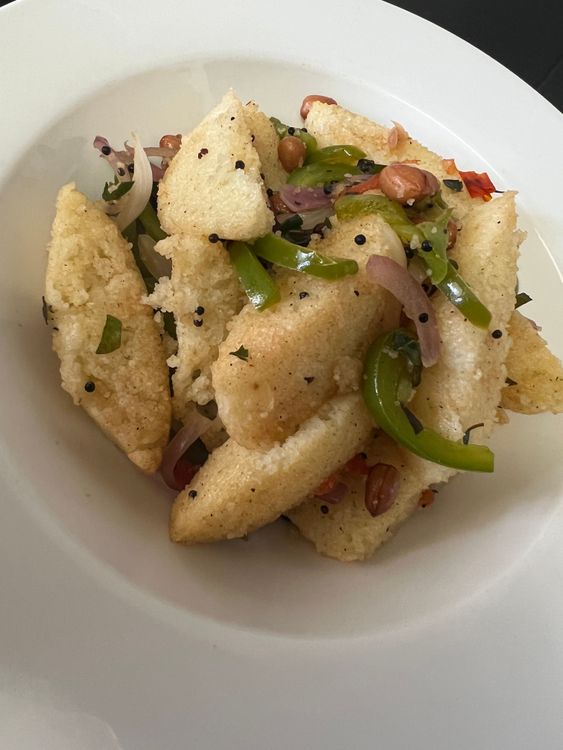
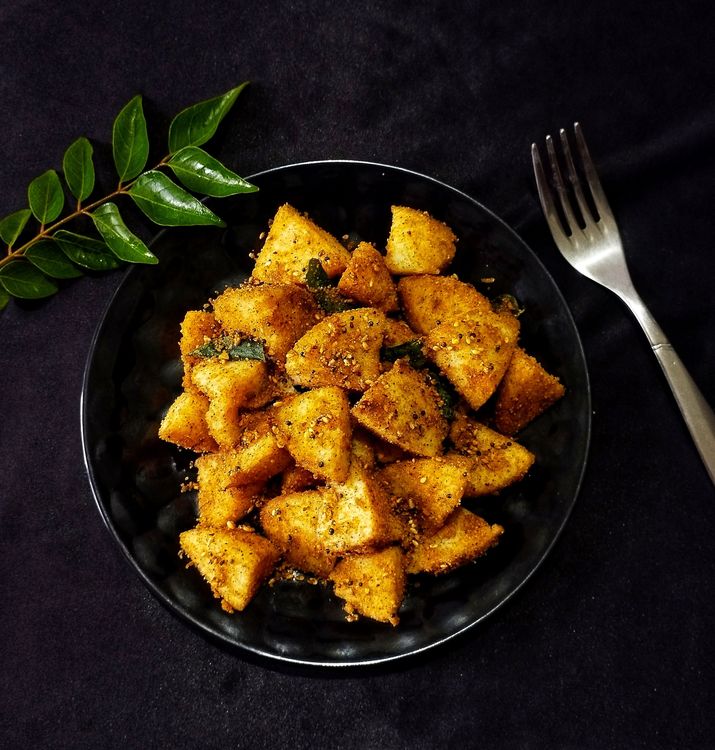
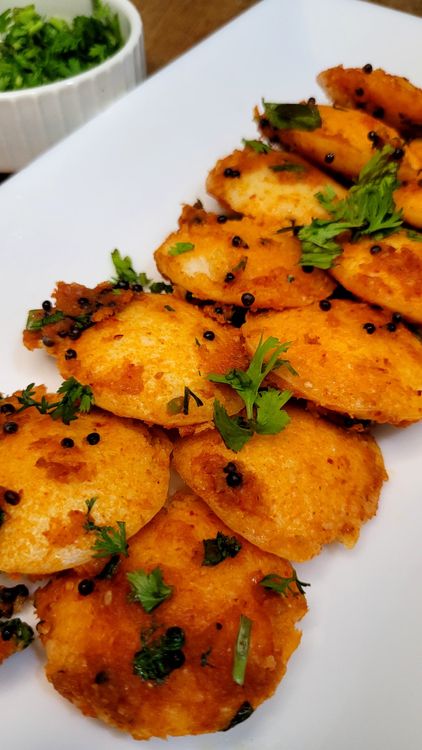
Never throw away a leftover cake, because these recipes turn day-old pieces into something arguably better. Cubed and pan-fried until crisp, tumbled in ghee and podi, or griddled straight from the batter into a sandwich, they're quick, crunchy, and deeply snackable. Most come together in 15 to 30 minutes with pantry staples, making them my go-to for after-school hunger, game-day platters, and that half-tray nobody quite finished at breakfast.
- Indian
- Vegan
- Breakfast
- Indian
- Vegetarian
- Breakfast
- Indian
- Vegetarian
- Breakfast
- South Indian
- Vegetarian
- Breakfast

- South Indian
- Vegan
- Breakfast

- Vegetarian
- Breakfast

- Indian
- Vegan
- Snack
Idli Batter, Chutneys & Podis
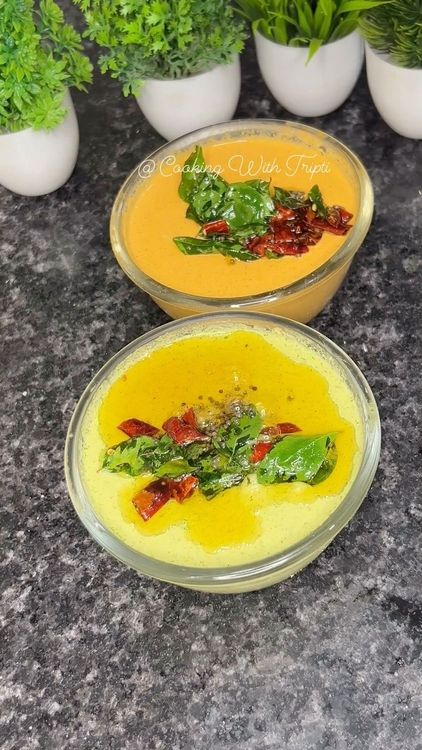
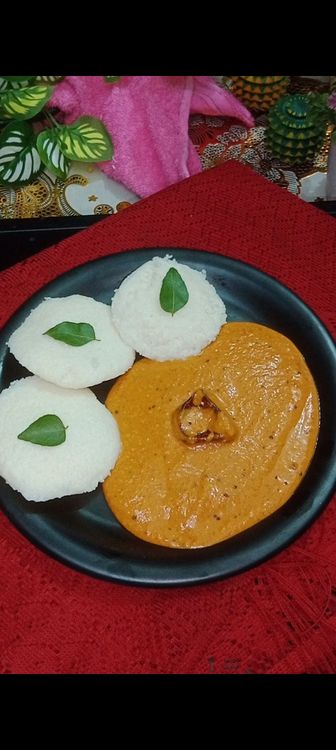
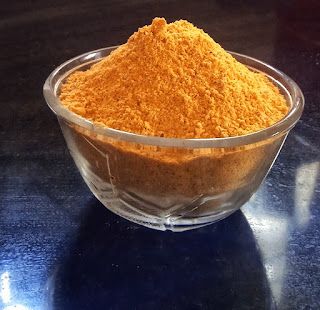
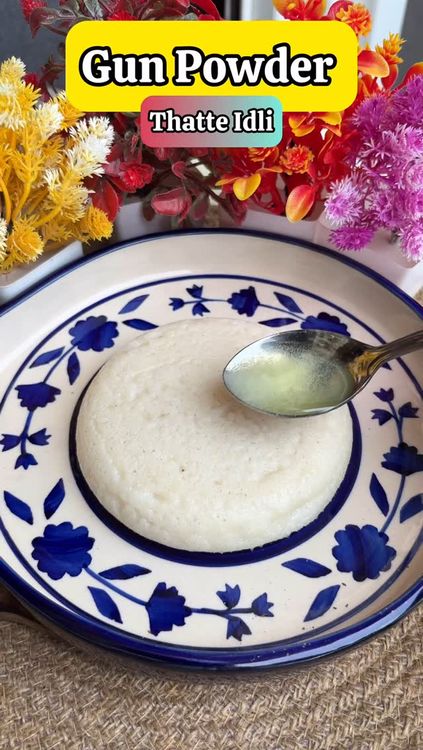
Great steamed cakes are only half the plate; the batter and the sides make it a meal. Start with the pro-tips idli batter that underpins the softest results, then round things out with the chutneys and podis every South Indian tiffin needs. From creamy coconut and fiery red chutney to nutty gunpowder and sesame-rich podi, these accompaniments are quick to make, keep well in the fridge, and lift even a plain cake into something genuinely crave-worthy.

- Indian
- Vegan
- Breakfast
- South Indian
- Vegan
- Breakfast
- Indian
- Vegan
- Side Dish
- Indian
- Vegan
- Sauce & Condiment
- South Indian
- Vegetarian
- Breakfast

- Indian
- Vegan
- Sauce & Condiment
- South Indian
- Vegan
- Sauce & Condiment
How to Make Perfect Idli Batter (Fermentation)
Everything good about a plate of steamed cakes begins the night before, in the batter. Start with a 4:1 ratio of idli rice or parboiled rice to whole skinless urad dal, and add a tablespoon of fenugreek seeds to the dal for extra lift and aroma. Soak the rice and dal separately for at least four to six hours. Grind the urad first with cold water until it's light and fluffy, which traps air and is the single biggest factor in a soft result, then grind the rice to a slightly coarse, rava-like texture. Combine the two by hand, because the friendly bacteria on your fingers genuinely helps fermentation along.
Add non-iodised salt now if your kitchen is warm, or after fermenting in cold climates, since iodine and cold can both slow the wild yeast. Cover loosely and let the batter ferment somewhere warm for 8 to 12 hours, until it has doubled and smells pleasantly sour with a bubbly surface. In winter, an oven with just the light on, or an instant pot on the yogurt setting, keeps things moving. Stir gently before steaming and don't knock out all that hard-won air. Over-fermented batter turns very sour and flat, so use it for dosas or the sandwich variation instead. Refrigerate leftovers for up to four days, bringing the batter back to room temperature before your next batch.
Steaming Soft Cakes the Right Way
Once the batter is ready, steaming is quick, but a few details separate rubbery from cloud-soft. Grease your plates lightly with oil or ghee, then pour batter to about three-quarters full so the cakes have room to rise. Meanwhile, bring an inch or two of water to a rolling boil in your steamer or pressure cooker. This is the crucial point: the water must be boiling before the plates go in, because a slow start makes dense, heavy results every time.
If you use a pressure cooker, leave the weight off, because you want steam to circulate rather than pressure to build. Steam on a medium-high flame for 10 to 12 minutes and resist the urge to open the lid early. To check, insert a toothpick into the centre; it should come out clean, and the surface should look set and glossy rather than wet. Let the plates rest for two to three minutes before unmoulding, since cakes pulled out immediately tend to stick and tear. Dip your spoon in water and scoop from the edges. If yours turn out flat or hard, the usual culprits are under-fermented batter, over-diluted batter, or simply steaming too long. Adjust one variable at a time and they'll be pillowy in no time.
What to Serve with Idli
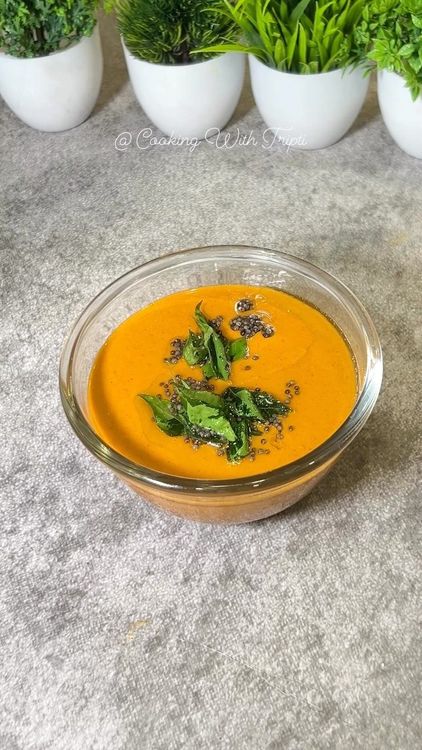
A steamed cake is a blank, comforting canvas, and the sides are where a meal comes alive. The classic trio is coconut chutney, sambar, and idli podi, and honestly you could stop there and eat happily for a week. Coconut chutney, made from fresh coconut ground with roasted gram, green chilli, and ginger and finished with a mustard-and-curry-leaf tempering, is the everyday default. For something with more punch, a garlicky red chutney or a tangy tomato version cuts through the mildness beautifully.
Sambar is the warm, soupy partner: a lentil and tamarind stew loaded with vegetables and drumsticks that you ladle generously over broken pieces. When you want dry flavour, podi mixed with sesame oil or ghee is unbeatable; dip each bite or toss whole cakes in it. Beyond the classics, I love a spoon of molagapodi, a smear of white butter for kids, or leftover cakes cut into a quick masala with onions and tomatoes. Sweet eaters can drizzle warm ones with jaggery syrup. For a fuller spread, add a bowl of yogurt and a simple potato saagu. Whatever you choose, serve them hot from the steamer, because that soft, spongy texture is always best in the first ten minutes.
Pro Tips for Softer Results
- Grind the urad dal cold by dropping an ice cube or two into the grinder, so the batter stays cool and whips up extra airy, which is exactly what gives these cakes their signature spongy lift.
- Don't skip the fenugreek seeds; even a teaspoon soaked with the dal improves fermentation, deepens the colour, and adds that subtle, classic aroma you notice in the best restaurant versions.
- For instant rava versions, let the whisked batter rest 15 to 20 minutes so the semolina absorbs moisture and swells, because skipping this step leaves your cakes dense and dry.
- Always start with boiling water in the steamer and keep the flame medium-high, since a lazy, low simmer is the fastest route to flat, gummy results you'll regret.
- Save every leftover cake, because refrigerated pieces crisp up brilliantly when pan-fried or tossed in podi, and they hold their shape far better than fresh ones for a masala.
- Season your steamer plates like cast iron with a light film of sesame oil before each batch, which means clean, tear-free unmoulding and beautifully smooth-bottomed cakes every time.
Frequently Asked Questions
What is the best rice-to-dal ratio for a soft idli?
A dependable starting point is four parts idli rice or parboiled rice to one part whole urad dal, plus a teaspoon of fenugreek seeds. If your cakes come out dense, nudge the urad up toward a 3:1 ratio for extra softness. Grinding the dal light and fluffy matters even more than the exact numbers, so always prioritise a well-aerated batter.
Which of these idli recipes are best for beginners?
Start with the instant rava and instant rice versions, because they skip fermentation entirely, so there's far less that can go wrong on your first try. The five-ingredient classic is also a gentle introduction to the traditional method. Once you're comfortable steaming, branch out into the masala, fried, and stuffed variations that build on those same basic skills.
Why are my cakes coming out hard or flat?
Three culprits cause most trouble: under-fermented batter, batter that's too thin or too thick, and steaming problems. Make sure the batter has doubled and smells slightly sour before steaming, keep it thick enough to hold a soft ribbon, and always start with boiling water. Over-steaming past 12 minutes also toughens them, so watch your timing closely and pull them early.
Can I make them without a special steamer?
Absolutely. Small steel bowls, greased cups, or even a well-oiled thali placed on a trivet inside a wide pot all work; just cover and steam. Coconut shells, jackfruit leaves, and turmeric leaves are traditional moulds too. The essentials are a tight lid, an inch of boiling water below, and enough space for steam to circulate freely around each cake.
How do I ferment idli batter in cold weather?
Warmth is everything. Place the covered batter inside an oven with only the light on, near a warm appliance, or use the yogurt setting on an instant pot for eight to ten hours. Adding salt after fermentation rather than before helps in cold climates, and a slightly longer rest, up to 14 hours, usually gets the batter to double reliably.
Are these steamed cakes healthy and good for weight loss?
Yes. Steamed rather than fried, they are naturally low in fat and easy to digest, and fermentation makes their nutrients more available. For weight loss, lean on the ragi, moong dal, and sprouts versions here, which add fibre and protein while keeping calories modest. Pair them with a vegetable-heavy sambar rather than lots of rich coconut chutney.
What can I do with leftover pieces?
Leftover cakes are a gift, not a problem. Cube and pan-fry them for a crisp masala, toss them in ghee and podi, simmer them in a spicy Hyderabadi-style gravy, or griddle the batter into sandwiches. Day-old pieces actually hold their shape better than fresh ones, so they fry and stir-fry beautifully without ever falling apart.
Can I freeze idli batter or the cooked cakes?
Both freeze well. Store extra batter in an airtight container for up to a month, thawing it overnight in the fridge and bringing it to room temperature before steaming. Cooked pieces freeze for a couple of weeks; wrap them individually and reheat by steaming for a few minutes or microwaving with a damp paper towel to restore softness.
Whichever way you like them, cloud-soft and plain, quick from rava, or crackling with masala, these idli recipes give you a version for every morning, mood, and skill level. Get the batter and steaming right, keep a good chutney or podi on hand, and you'll never look at breakfast the same way again. Happy steaming.
Related
- south indian breakfast
- rava idli
- idli batter
- coconut chutney
- healthy breakfast
- tiffin recipes
Popular Searches
- Best idli recipes
- Easy idli recipes
- Quick idli recipes
- Healthy idli recipes
- Simple idli recipes
- Homemade idli recipes
- Delicious idli recipes
- Popular idli recipes
- soft idli
- rava idli
- idli batter
- masala idli
Marnirni-apinthi Building, Lot Fourteen,
North Terrace, Adelaide, South Australia, 5000
Australia
