
27 Poha Recipes for Every Craving, From Kanda to Chivda
Updated July 7, 2026 · Curated by Chefadora
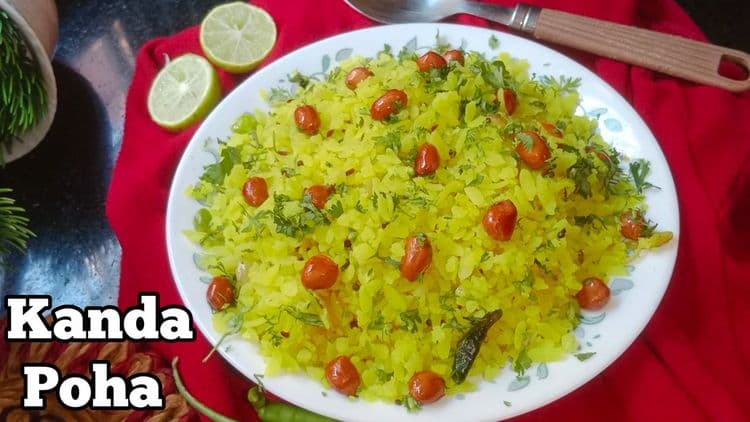
There's a reason poha recipes open almost every Indian morning: a bowl of softened flattened rice, tempered with mustard seeds and curry leaves, comes together faster than your chai brews. I grew up watching my grandmother rinse the flakes in a colander, fluff them with her fingers, and swear the whole thing was ready before the kettle whistled. That memory is exactly why I pulled these 27 dishes together in one place.
The collection spans the classic kanda and aloo versions you can make on autopilot, regional plates like Nagpur's fiery tarri and Tamil puli aval, crunchy cutlets and chivda for the snack drawer, and lighter millet and dahi bowls for the days you want breakfast to work a little harder. Almost everything here leans on ingredients you already keep in the pantry, and most of it lands on the table in under thirty minutes flat.
Cook flattened rice every week or have never once tried it, and you'll still find a version below that fits your morning, your mood and your tolerance for chilli.
Classic Everyday Poha Recipes
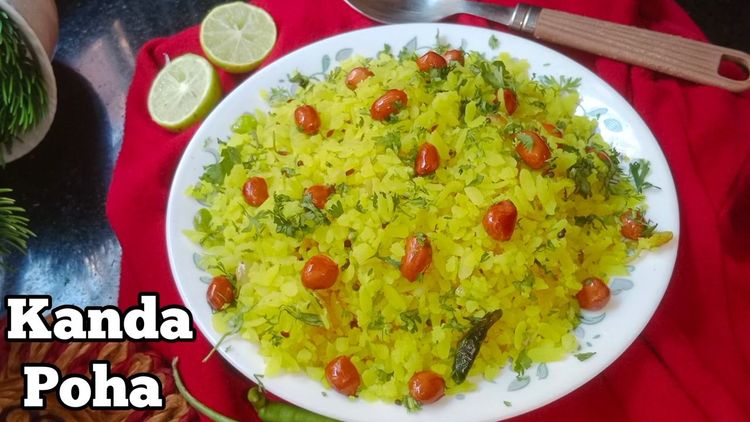
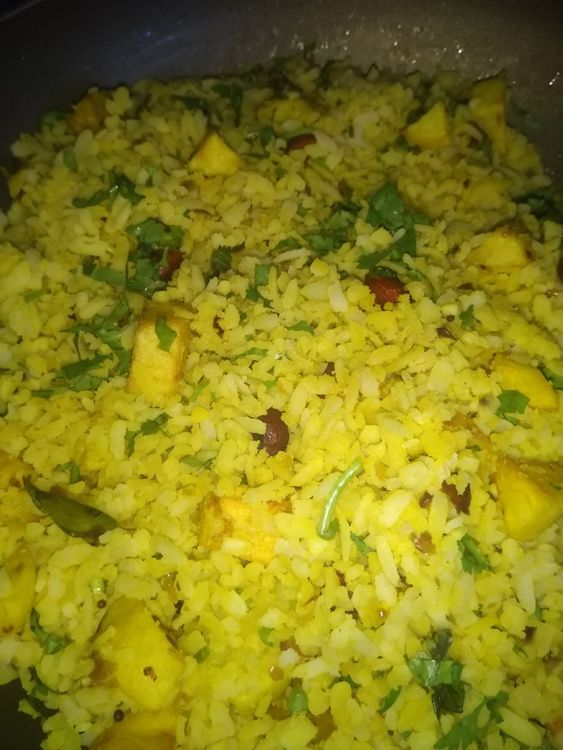
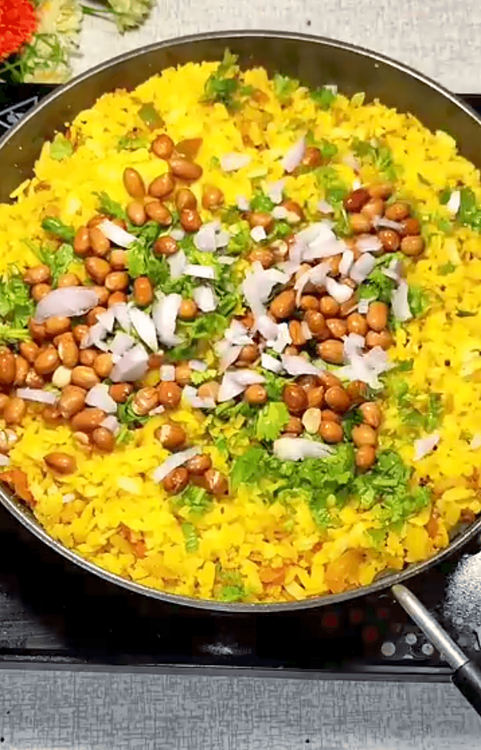
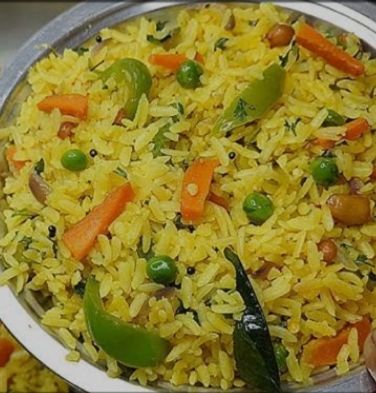
Start here, because these are the everyday plates that made flattened rice a household name across western India. You get Maharashtrian kanda flattened rice built on sweet sauteed onions, the potato-rich aloo version that eats like a full meal, and the plain, get-it-right template every cook should keep in muscle memory. The method barely changes from one to the next: rinse the flakes until just soft, build a mustard-and-turmeric tempering with green chilli, and finish with lemon and coriander. Get the water ratio right and you can improvise for years.

- Indian
- Vegan
- Breakfast
- Indian
- Vegan
- Breakfast
- Indian
- Vegan
- Breakfast

- Indian
- Vegan
- Breakfast

- Indian
- Vegan
- Breakfast

- Indian
- Vegetarian
- Breakfast
Regional and Street-Style Flattened Rice
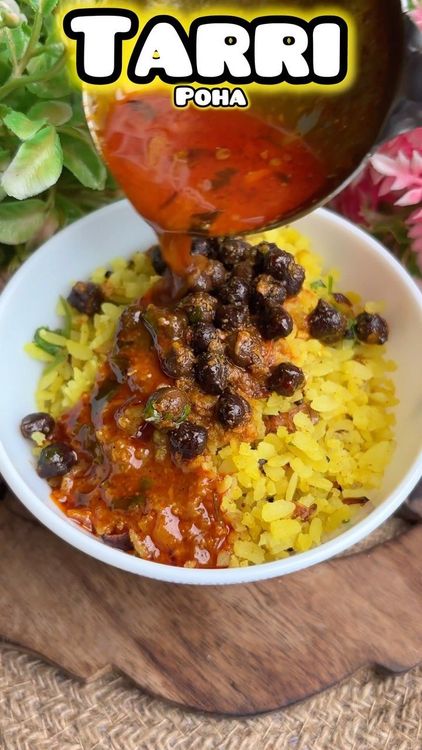
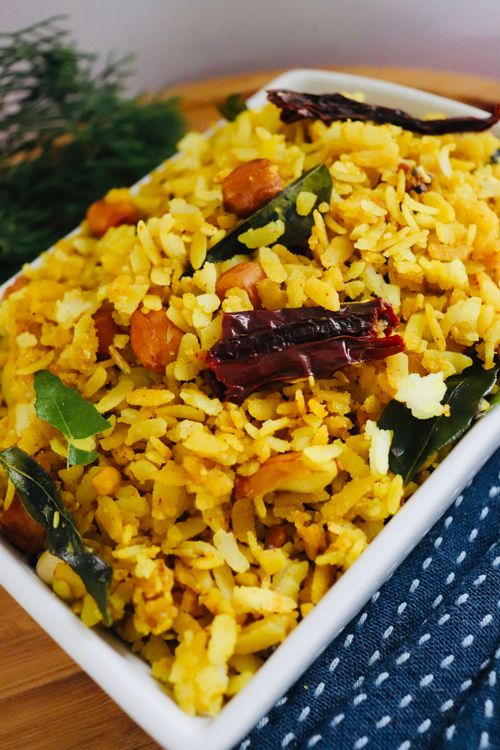
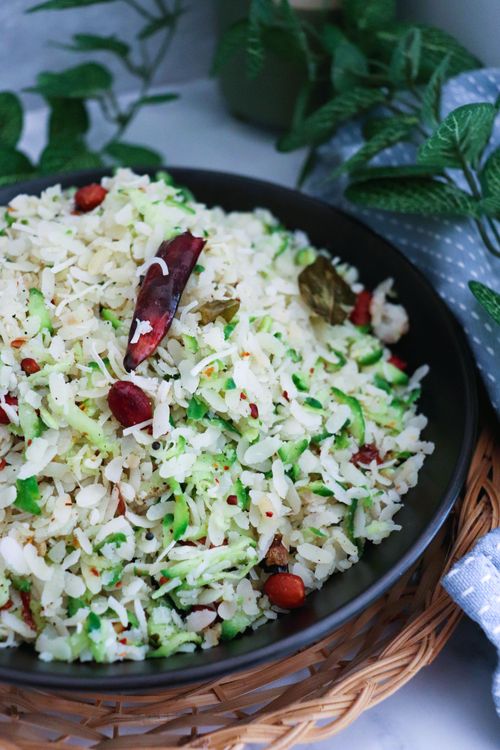
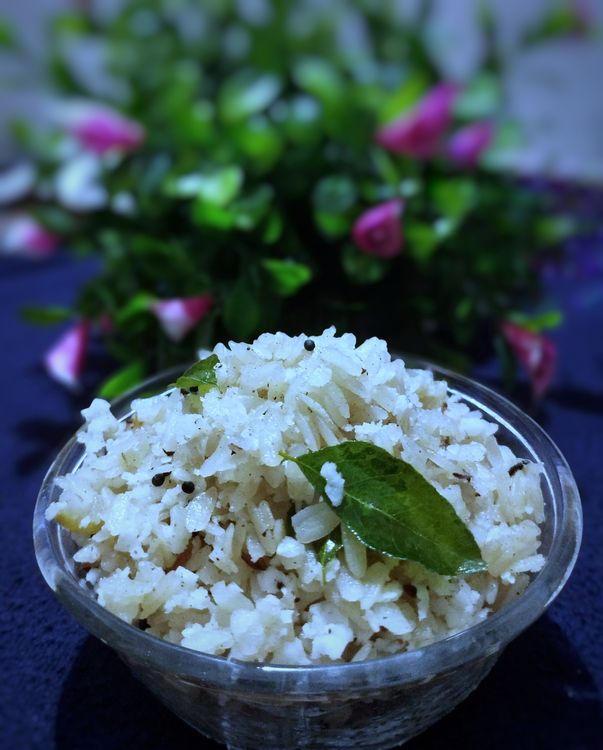
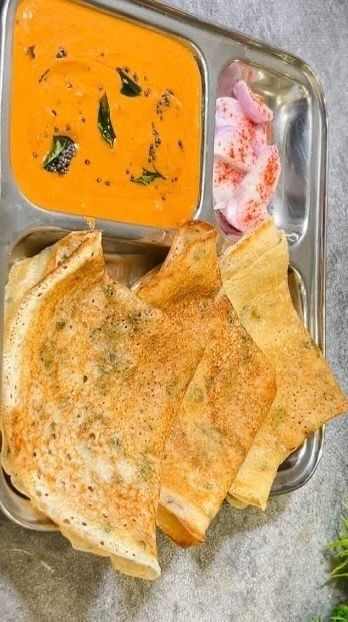
Travel a few hundred kilometres across India and the same box of flattened rice tells an entirely different story. Indore sends out its famous jeeravan-dusted Indori-style plate, showered with sev; Nagpur piles on a fiery, brick-red tarri gravy; Tamil kitchens turn to tamarind for a sharp, savoury puli aval; and Karnataka cooks soften the flakes with raw grated cucumber and fresh coconut. This group gathers those regional accents alongside a no-ferment dosa and a ten-minute upma, so you can taste how one humble ingredient shape-shifts as it crosses state lines.

- Indian
- Vegan
- Breakfast

- Indian
- Vegan
- Breakfast
- Indian
- Vegan
- Breakfast
- Indian
- Vegan
- Breakfast

- Indian
- Vegetarian
- Breakfast
Poha Snacks, Cutlets and Fritters
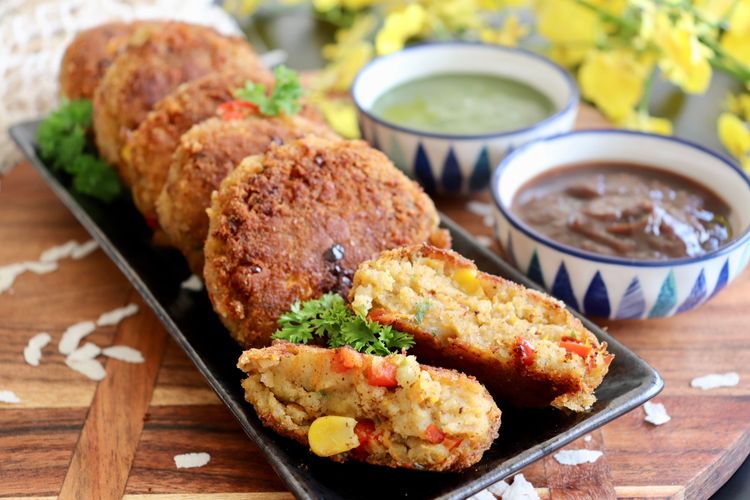
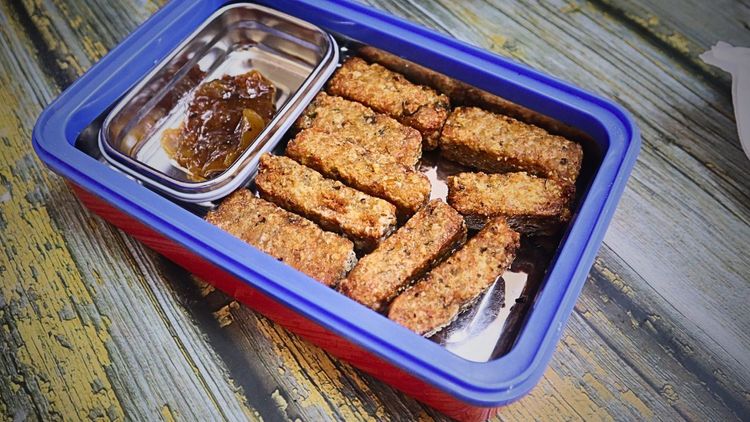
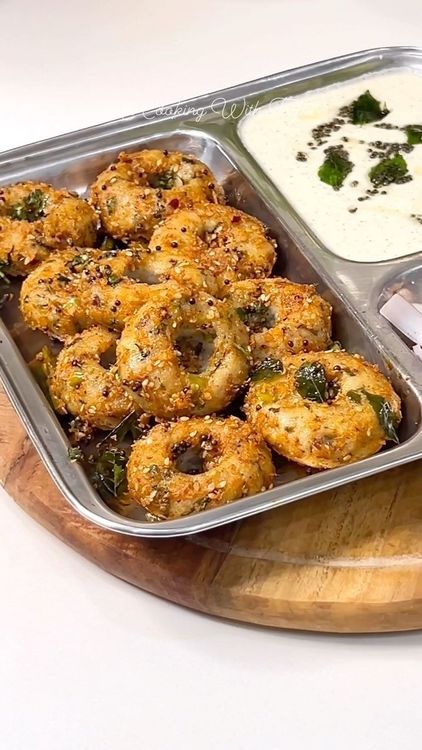
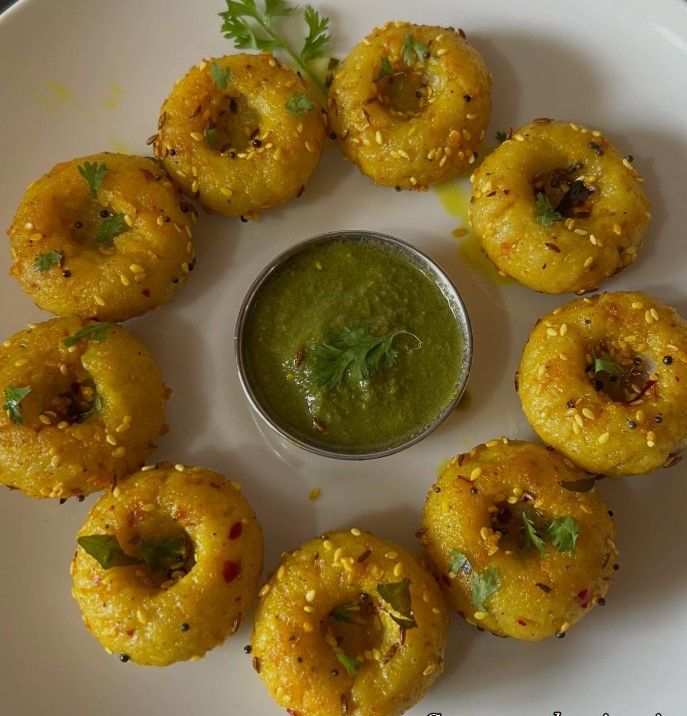
When flattened rice stops being breakfast and becomes a snack, things turn crisp and portable. Bind the flakes with vegetables or oats for pan-fried cutlets that hold their shape, whisk them into a quick six-ingredient chilla, stuff them into soft parathas, or shape and steam them into spongy vada. These are the recipes I reach for at tea time, for school lunchboxes and for potlucks, and most of them are sturdy enough to make a full day ahead and simply reheat, pack cold, or hand round on a platter.
- Indian
- Vegetarian
- Breakfast

- Indian
- Vegan
- Appetiser
- Indian
- Vegetarian
- Breakfast
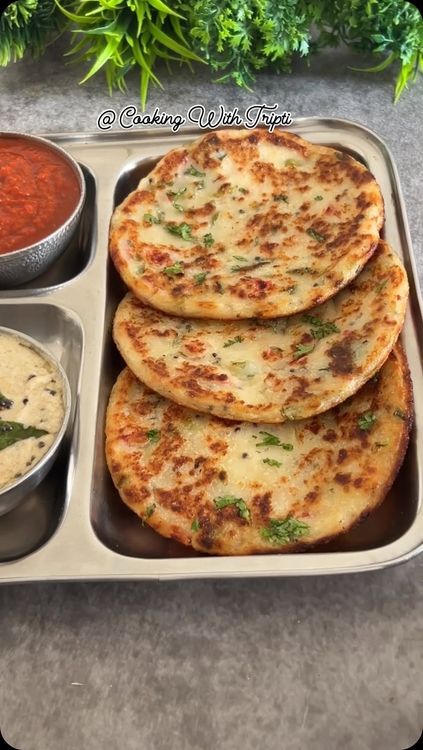
- Indian
- Vegan
- Breakfast
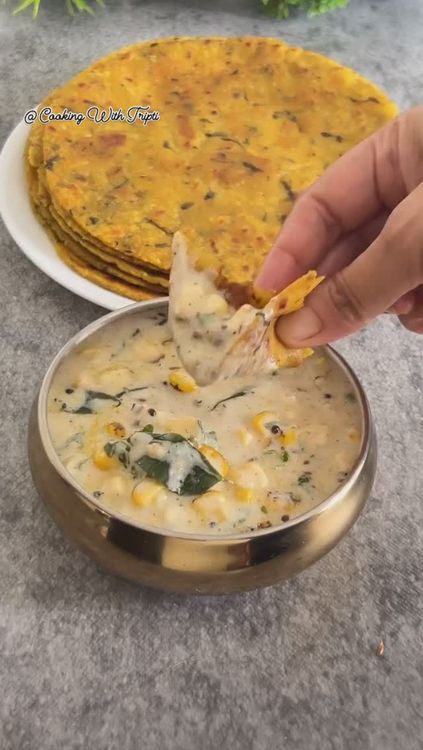
- Indian
- Vegetarian
- Breakfast
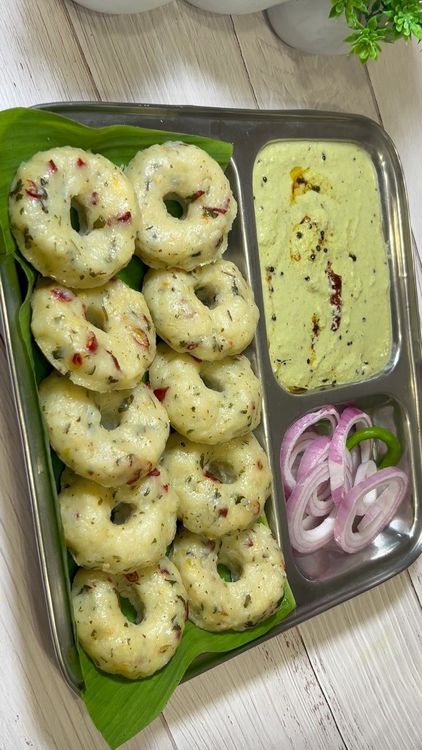
- Indian
- Vegetarian
- Breakfast
Healthy and Diet-Friendly Flattened Rice Bowls
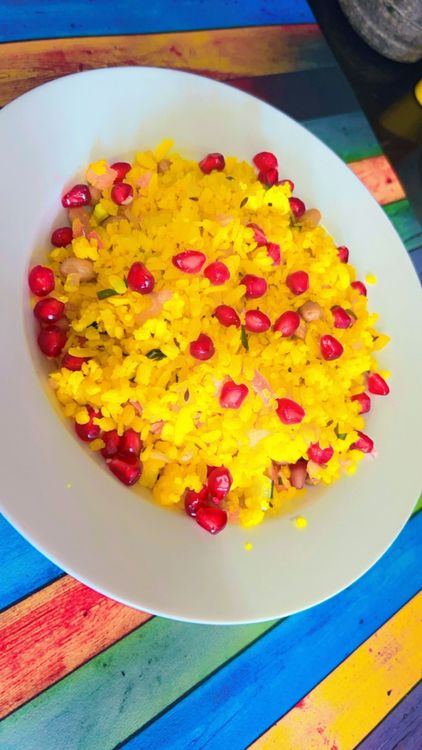
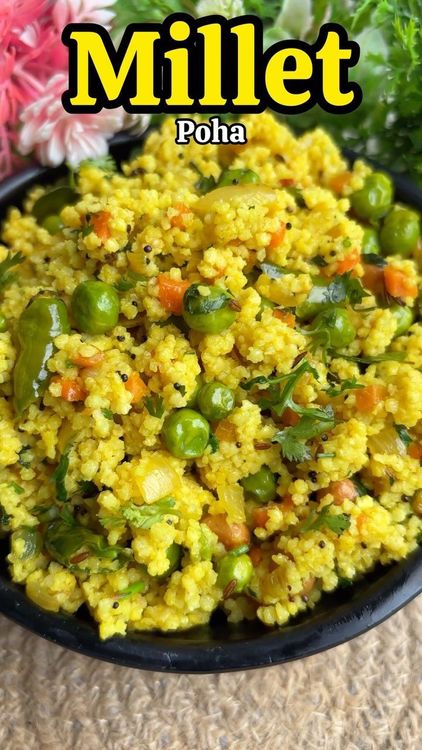
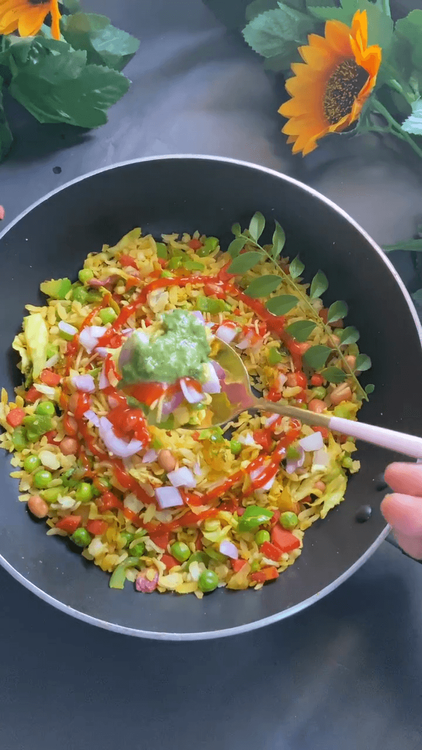
Flattened rice is already light and easy on the stomach, and this group leans hard into that quality. Fold cooling curd through the tempered flakes for a gut-friendly bowl, swap in nutty millet flakes for a heart-healthier version, bulk it out with a rainbow of vegetables, or soak it with chia and curd for a no-cook summer breakfast you assemble the night before. Lower in calories than most fried morning food but still properly satisfying, these are the versions I cook when I want to eat well without much effort.
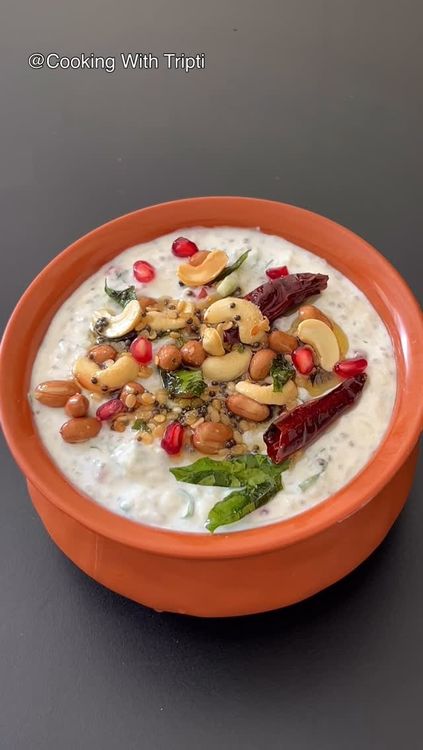
- Indian
- Vegetarian
- Breakfast

- Indian
- Vegetarian
- Breakfast
- Indian
- Vegan
- Breakfast
- Indian
- Vegetarian
- Breakfast
- Indian
- Vegan
- Breakfast
Poha Chivda, Namkeen and Festive Sweets
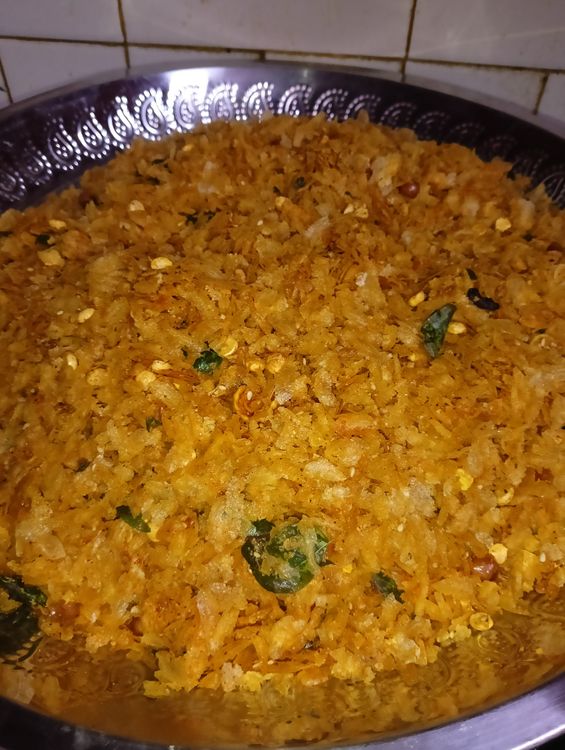
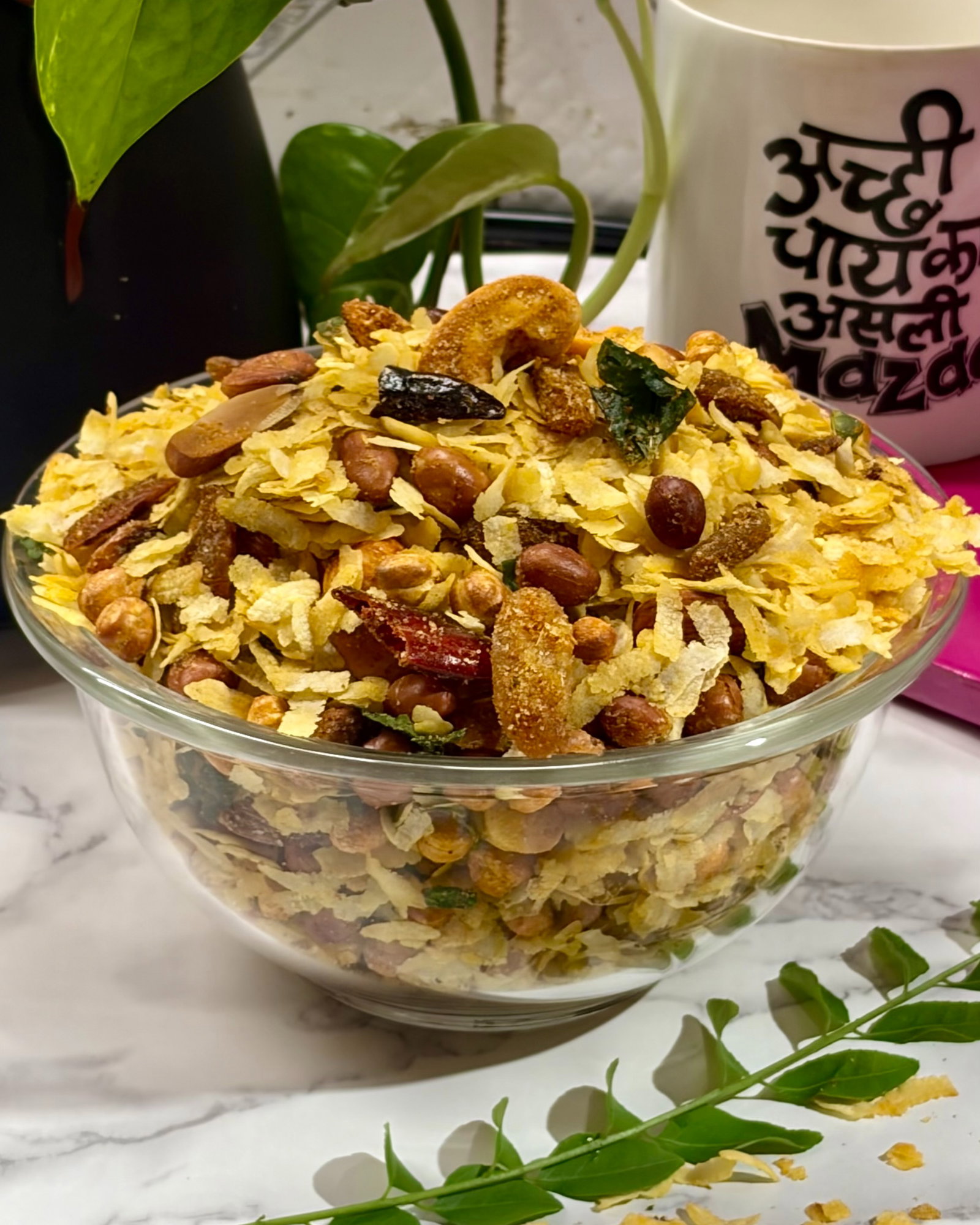
This is the pantry-friendly, long-life end of the spectrum, and it is quietly addictive. Thin flakes fry or bake into shatteringly crisp chivda and namkeen that keep for weeks in a tin, tossed with peanuts, fried gram, raisins and curry leaves. A little jaggery and ghee, meanwhile, turn the same flakes into festive laddu or a glossy, cardamom-scented halwa. These are the batch-cook, festival and gifting recipes, the ones that fill Diwali tins, travel well in a bag, and quietly rescue the four-o'clock snack slump.
- Vegetarian
- Snack
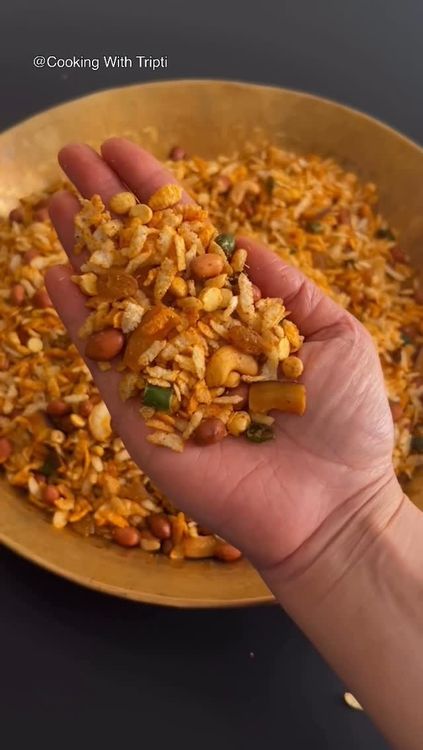
- Indian
- Vegan
- Snack
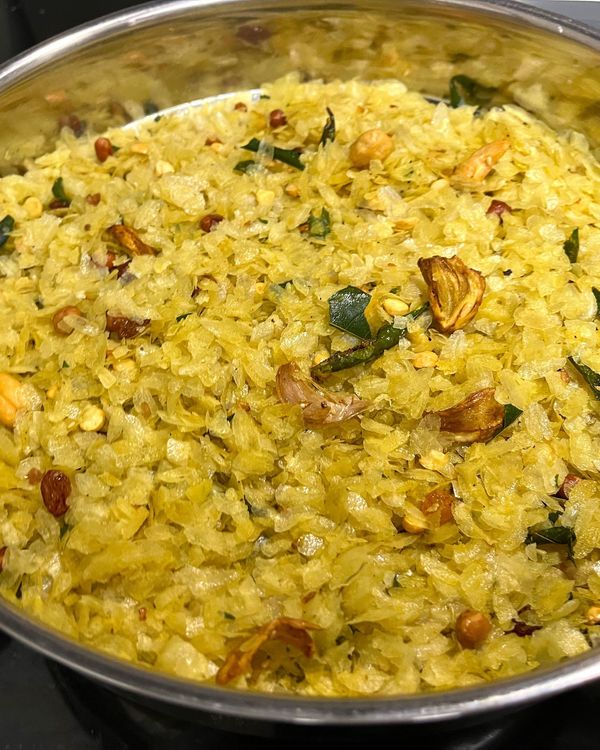

- Indian
- Vegan
- Snack
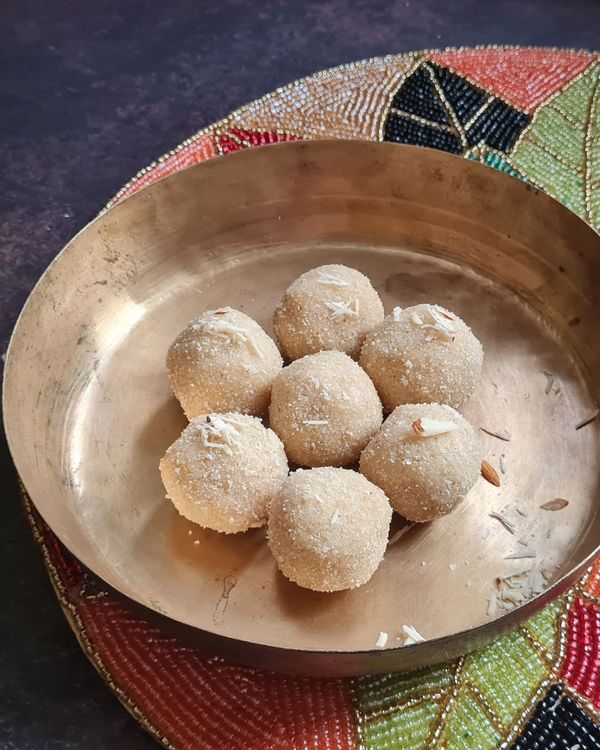
- Indian
- Vegetarian
- Snack
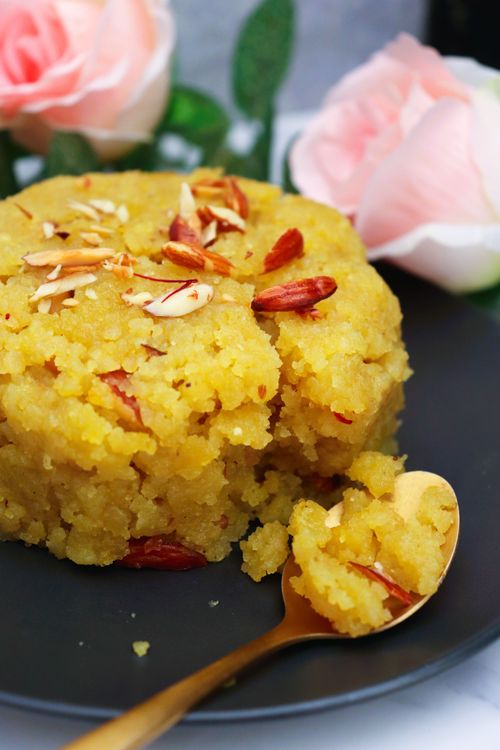
- Indian
- Vegetarian
- Dessert
How to Make Non-Sticky Poha
The single biggest complaint about flattened rice is a gluey, mushy bowl, and it almost always comes down to how you wet the flakes. Always use thick (jaada) flakes for a cooked dish, because thin ones dissolve the moment they meet water. Tip the flakes into a colander or sieve, not a bowl, so the water drains straight through instead of pooling around them and quietly waterlogging every grain.
Rinse under gently running water for just ten to fifteen seconds, tossing with your fingers, until every flake is evenly damp. Then leave the colander to sit for five full minutes. The flakes keep absorbing their own surface moisture and swell into soft, separate grains without ever sitting in a puddle. If they still feel hard at the core after five minutes, sprinkle over a single tablespoon of water, no more, and let them rest again.
A pinch of sugar and salt tossed through the drained flakes seasons them from the inside out. Add them to the pan only at the very end, once your onions, potatoes and tempering are ready, and fold gently with a flat spatula, because stirring vigorously is what mashes them. Cover for two minutes off direct heat to steam through, then finish with lemon. One last thing: resist the urge to rinse a second time if the first pass looked uneven, since each extra soak only pushes you closer to mush. Do this and every flake stands on its own, glistening and fluffy.
Choosing the Right Poha: Thick vs Thin
Not all flattened rice is the same, and picking the wrong thickness is the quiet reason a recipe flops. The flakes are sold in three broad grades. Thick flakes (jaada aval) are sturdy and slightly chewy, and they hold up to rinsing and tempering, which makes them the right choice for kanda, aloo and almost any cooked breakfast. Medium is a flexible all-rounder, while thin (patla aval, or nylon) is papery and almost translucent to the eye.
Reach for thin flakes only when you do not want them to soften into a meal. They fry up feather-light for chivda and namkeen, or get soaked very briefly for no-cook, curd-based bowls. If you rinse the thin grade for a hot dish it collapses straight into paste, so keep it strictly for the snack jar and the mixture tin, well away from your breakfast pan.
When you shop, look for flakes that are dry, uniform and pale cream, with no musty smell, because flattened rice turns rancid faster than whole rice thanks to all that exposed surface. A quick trick at the shop: give the packet a gentle squeeze, and if it feels powdery or badly crushed, reach for a fresher batch. Store it in an airtight container away from heat, and buy smaller quantities you will get through within a couple of months. If you are ever unsure which grade you have, drop one flake into water: thick holds its shape and softens, thin practically melts away.
Flattened Rice for Weight Loss and Nutrition
Flattened rice has a quiet reputation as diet food, and it mostly earns it. A typical bowl is light, low in fat and easy to digest, which is why it is handed to recovering patients and small children alike. Because the rice is parboiled and rolled rather than hard-milled, it keeps some iron and, when made with the skins left on, a little fibre too, which is handy if you are trying to hold your energy steady through a long morning.
The catch is what you add to it. The flakes themselves are mostly carbohydrate, so to make it a balanced meal rather than a quick sugar hit, you need to build in protein and vegetables. Peanuts, a scatter of sprouts, a spoon of curd, or a boiled egg on the side all slow digestion and keep you full for longer. Loading in onions, peas, carrots and beans, as the vegetable versions in this collection do, adds real volume and useful nutrients for very few extra calories.
For weight loss specifically, watch the oil in the tempering, since a single teaspoon is genuinely plenty, and lean on the millet, dahi and vegetable bowls here rather than the fried snacks. Portion matters just as much: one modest bowl with some protein will carry you to lunch far better than a heaped plate bolted down in a hurry. Eaten this way, it earns its healthy reputation honestly rather than by lucky accident.
Pro Tips for Better Flattened Rice Every Time
- Use thick flakes for anything you cook and reserve the thin grade only for frying or no-cook bowls, because this single, simple swap quietly fixes the vast majority of texture problems that home cooks run into.
- Rinse the flakes in a colander, never in a bowl, and let them rest for a full five minutes so they steam-soften gently on their own instead of sitting in standing water and turning to mush.
- Season the drained flakes directly with a pinch of sugar and salt, since that little bit of sugar rounds out the lemon beautifully and quietly lifts every other flavour working away in the pan.
- Temper your mustard seeds until they genuinely pop and let the curry leaves crisp right up, because this fleeting tarka stage is where most of the finished dish's warm, nutty aroma actually lives.
- Add the lemon juice only after you have pulled the pan off the heat, as letting it boil turns that bright, fresh sourness dull, bitter and disappointingly flat on the tongue.
- Soak your flakes and chop the onions and potatoes before you ever light the stove, because the actual cooking takes barely ten minutes once everything is prepped, measured and lined up ready to go.
Frequently Asked Questions
Is poha healthy for breakfast?
Yes, in the right form. Flattened rice is light, low in fat and easy to digest, which makes it a gentle way to start the day. It is mainly carbohydrate, though, so add peanuts, curd or vegetables for protein and fibre. Keep the oil in the tempering to a teaspoon, mind your portion, and you have a genuinely balanced, filling breakfast that holds you comfortably through to lunch.
Which poha is best, thick or thin?
It depends entirely on the dish you have in mind. Thick flakes hold up to rinsing and tempering, so they are right for kanda, aloo and other cooked breakfasts. Thin, papery flakes turn to paste the instant you wet them, but fry up beautifully light for chivda and namkeen. Match the grade to the recipe you are cooking and you will sidestep almost every common failure in the pan.
How do I stop my poha from turning sticky?
Sticky results almost always mean the flakes were over-soaked. Rinse the thick grade in a colander for ten to fifteen seconds, then let it rest for five minutes rather than soaking in standing water. Fold everything into the pan gently right at the end and steam, covered, for two minutes. Vigorous stirring is the real culprit that mashes the grains down into a wet, gluey clump.
What is the difference between kanda poha and batata poha?
The names simply describe the star vegetable in the bowl. Kanda poha, where kanda means onion, leans on sweet sauteed onions for body and flavour, while batata poha, where batata means potato, folds in soft potato cubes for a heartier, more filling plate. Many cooks, and indeed several of these poha recipes, happily use both onion and potato together in one and the same pan.
Can I make poha ahead of time?
The cooked dish is genuinely best eaten fresh, as it dries out and hardens once refrigerated overnight. If you must prep ahead, chop the vegetables and measure the tempering spices the night before, then cook in the morning, since it only takes about ten minutes from start to finish. Chivda, laddu and namkeen, by contrast, store happily for weeks in an airtight jar or tin.
Is poha good for weight loss?
It can be, when handled sensibly. A modest bowl is relatively low in calories and keeps you fuller than many fried breakfasts, especially the millet, dahi and vegetable versions gathered in this collection. Go easy on the oil, add some protein such as peanuts or sprouts, and keep an eye on your portion. One sensible serving beats a heaped plate eaten in a rush every single time.
What can I add to poha to make it more filling?
Protein and vegetables are the honest answer here. Stir in roasted peanuts, boiled sprouts, green peas, grated carrot or a generous spoon of curd, or serve it with a boiled egg on the side. The semolina and millet versions add extra body too. All of these additions slow digestion, boost the nutrition and turn a light snack into a properly satisfying, sit-down meal.
Is poha gluten-free?
Plain flattened rice is naturally gluten-free, since it is made from nothing but rice and water. Be careful with the add-ins, though, because some recipes here mix in semolina, also called suji, or oats, both of which contain or may be cross-contaminated with gluten. If you are cooking for coeliac needs, stick to the pure rice versions and double-check every packaged ingredient printed on the label.
From a five-minute aval upma to a fiery Nagpur tarri plate, these 27 poha recipes prove just how much range one humble box of flattened rice really holds. Bookmark the classics for busy mornings, keep a chivda batch in the tin, and work through the healthier bowls whenever you want breakfast to genuinely earn its keep.
Related
- kanda poha
- flattened rice
- Indian breakfast
- poha chivda
- healthy breakfast
- quick recipes
Popular Searches
- Best poha recipes
- Easy poha recipes
- Quick poha recipes
- Healthy poha recipes
- Simple poha recipes
- Homemade poha recipes
- Delicious poha recipes
- Popular poha recipes
- kanda poha
- batata poha
- poha breakfast
- how to make poha
Marnirni-apinthi Building, Lot Fourteen,
North Terrace, Adelaide, South Australia, 5000
Australia
