
18 Tomato Soup Recipes, From Creamy Classics to Roasted and Spiced
Updated July 15, 2026 · Curated by Chefadora
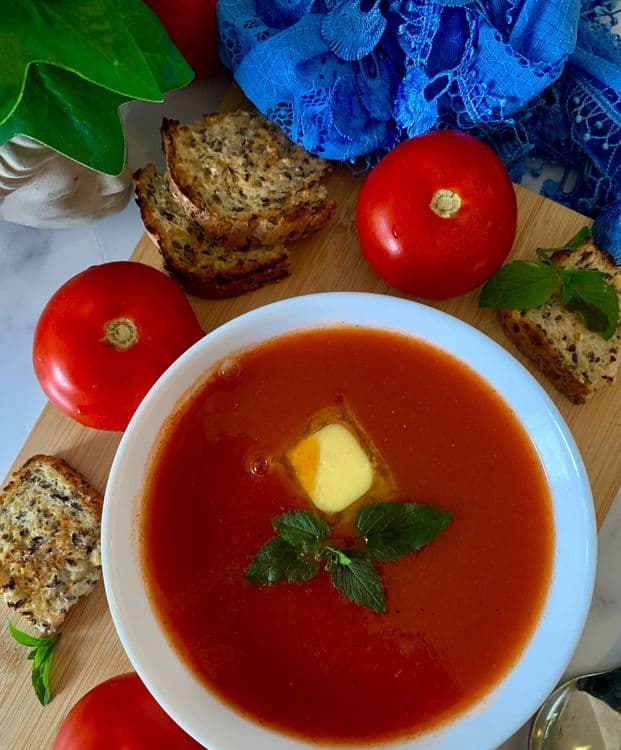
There is a can opener in my drawer that has not touched lunch in years, and these 18 tomato soup recipes are the reason. Every one of them solves the same small problem in a different way: how do you take a few pounds of fruit, some fat, and a little heat, and end up with something that tastes bigger than its parts? A few of these are done in 23 to 30 minutes on the stovetop, lid on, blender out, finished.
Others take the long road. They spend an hour in a hot oven until the edges go dark and the juices turn syrupy, and you can taste that hour in the first spoonful. Between those two poles sits everything else here: the Punjabi and Awadhi bowls built on ginger, cloves and a pinch of sugar; a chilled Andalusian one for August; and the sandwich pairings that make lunch feel like a decision rather than a default.
Times and cuisines below come straight from each recipe page, so you can choose by the clock as easily as by mood.
Classic Creamy Tomato Soup Recipes for Weeknights
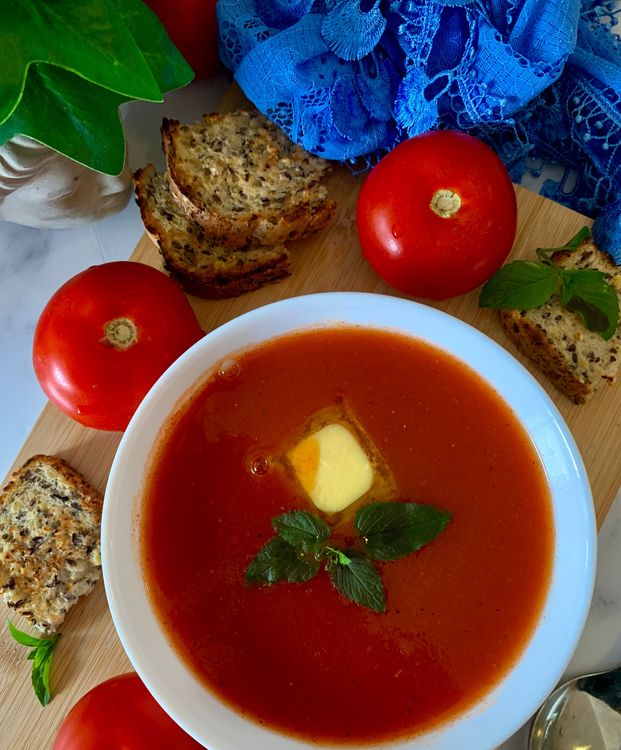
This is the group I cook from most, because none of them ask for more than 40 minutes or a special trip to the shop. The method barely varies: sweat aromatics in butter or oil, add the fruit and stock, simmer until everything collapses, blend, finish with dairy off the heat. What separates them is the detail work — one leans tangy, one goes frankly sweet, one uses a pressure cooker to shortcut the simmer down to a whistle or two. Start here if you want a reliable house version you can cook without reading. Once the ratio lives in your hands, the rest of this page becomes variations on a theme you already know.

- Indian
- Vegetarian
- Appetiser


- Indian
- Vegetarian
- Lunch

- Indian
- Vegetarian
- Lunch


- Indian
- Vegetarian
- Lunch
- American
- Vegetarian
- Lunch
Roasted and Blistered Bowls with Caramelized Depth
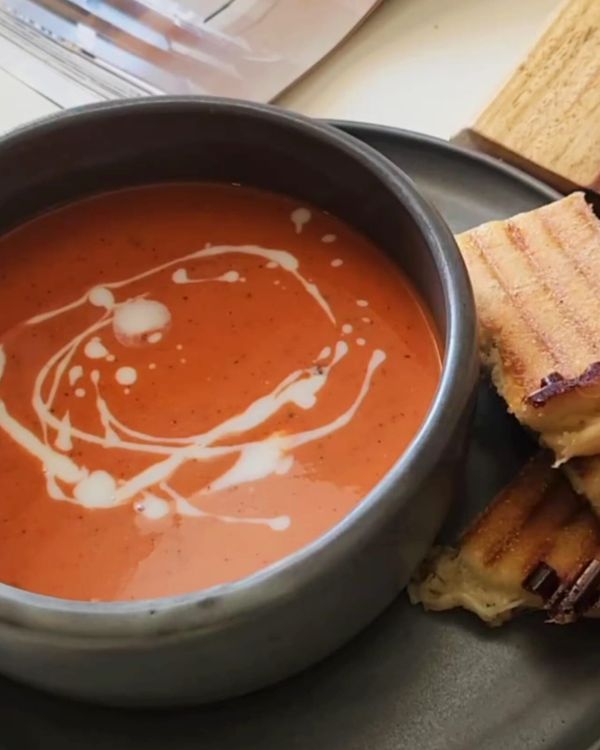
Roasting is the single biggest upgrade available to you here, and it costs nothing but time. Halve the fruit, toss with oil and salt, and give it 40 to 50 minutes at 200C/400F until the cut faces collapse and the edges char in patches. Those dark patches are the whole point — they carry a bittersweet, almost jammy note you simply cannot simmer into a pot. Blistering does the same job faster and harder, blasting the skins under high heat until they split and blacken. The five bowls below run 40 to 70 minutes and reward a lazy Sunday. Several finish with something rich stirred in at the end: burrata, brie, a raft of cheese croutons.


- Vegetarian
- Soup


- Vegetarian
- Soup

- Vegetarian
- Soup


- American
- Vegetarian
- Dinner

- International
- Vegan
- Lunch
Spiced, Lighter and Chilled Variations
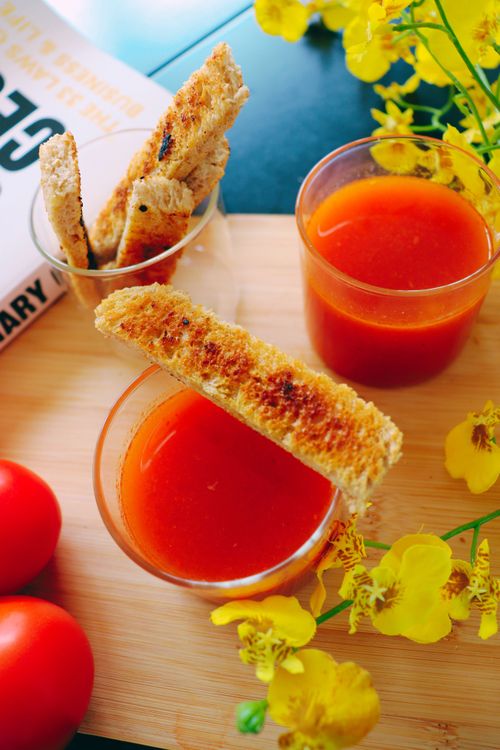
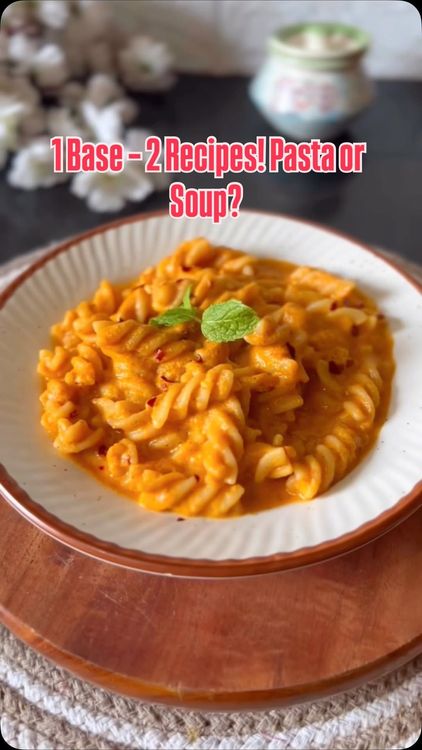
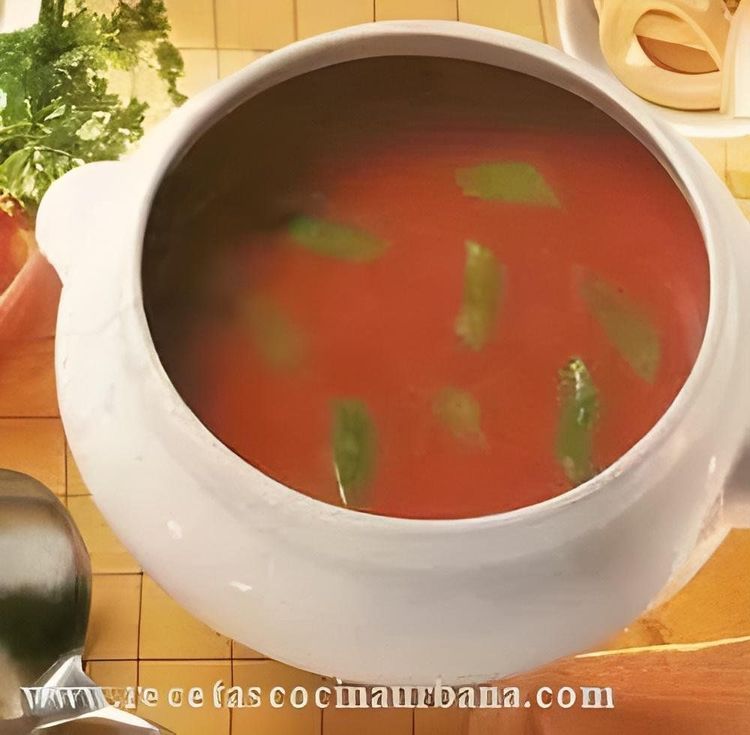
Not every bowl needs cream, and a few here prove it emphatically. The Indian entries build body from spice and long-cooked aromatics instead of dairy — cloves, bay, ginger, a whisper of sugar to round the edge — which is why they taste layered rather than merely rich. One skips both cornflour and cream entirely and thickens on blended vegetables alone. Another packs enough protein to stand in as dinner. And the Andalusian one never sees the stove at all: raw fruit, bread, oil and vinegar, blitzed and chilled, ready in 23 minutes on a day too hot to cook. These four are where the category stops being one dish and starts being a technique.
- International
- Vegetarian
- Lunch

- Indian
- Vegetarian
- Appetiser
- Indian
- Vegetarian
- Lunch
- Mediterranean
- Vegan
- Lunch
Pairings: Grilled Cheese, Comte and Toasted Bread
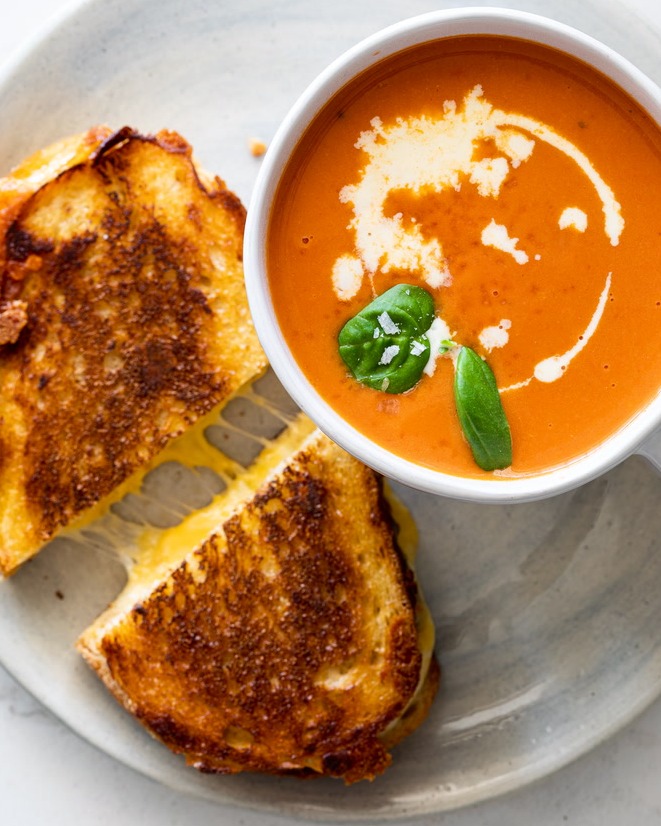
A bowl on its own is a starter; give it a sandwich and it becomes lunch. These four come with the pairing built in, which matters more than it sounds, because the recipes are written so the bread and the pot finish at the same moment. Timing is the whole trick — a grilled cheese that has been sitting for six minutes is a different, sadder object. Pay attention to the cheese specified in each. Comte melts long and nutty and stays glossy, ordinary cheddar can turn greasy if you push the pan too hot, and a mixed grate hedges your bets. Expect 40 to 55 minutes, most of it hands-off.


- American
- Non-Vegetarian
- Dinner


- Vegetarian
- Soup


- American
- Vegetarian
- Lunch
- American
- Non-Vegetarian
- Dinner
Choosing and Roasting the Right Tomatoes
Start with the fruit, because nothing downstream fixes a bad choice. Plum and Roma types are the workhorses: dense flesh, low water, few seeds, and they hold their shape long enough to caramelize before turning to steam. Vine and cocktail varieties are sweeter but wetter, so they need longer in the oven to concentrate. Beefsteaks are mostly water and gel, which makes them lovely raw and frustrating in a pot. If what you can buy is pale, hard and out of season, stop fighting it and open a tin of good San Marzanos instead. Fruit picked ripe and canned within hours beats one picked green every time.
For roasting, halve them lengthways and lay them cut side up on a tray with room between each piece. Crowding is the mistake I see most often: pack them tight and they steam in their own juice, and you get soft fruit instead of browned fruit. Oil generously, salt more than feels right, and slide the tray into a 200C/400F oven for 40 to 50 minutes. Wait for two visual cues. The cut faces should slump and go glossy, and the edges should darken to brown with a few genuinely black patches. Those patches are the flavor. Do not rescue them early.
Throw the whole tray in, skins and all, plus any garlic and onion you roasted alongside, and scrape up the sticky brown residue with a splash of stock. That residue is concentrated sugar and it belongs in the pot. If you want the very cleanest texture, pass the blended mixture through a sieve afterwards rather than peeling anything in advance.
Creamy Without Splitting
Splitting is the failure everybody meets eventually: you stir in cream, the surface goes grainy, and little curds bloom across the top. It is not a mystery. It is acid plus heat plus low-fat dairy. Any two of those three will usually get away with it; all three together will not. The fruit here sits around pH 4.3, exactly the zone where milk proteins clump.
So work the variables. Fat first: double cream at roughly 48% fat is close to bulletproof, single cream is a gamble, and milk curdles if you look at it sideways. Then heat: pull the pot off the flame, let it settle below a simmer, and stir the dairy in there. Never add cream to something bubbling. Then acid: taste before you enrich, and if it is screaming sharp, blunt it with sugar or butter first.
The reliable insurance policy is tempering. Ladle a cup of the hot base into your cream, whisk it smooth, then pour that warmed mixture back into the pot. You are raising the dairy's temperature gradually instead of shocking the proteins. It takes 30 seconds and has never failed me.
You can also skip dairy altogether and still land creamy. Blended vegetables do much of this work alone, which is what the no-cream entry above relies on. A boiled potato, a handful of soaked cashews, a slice of white bread, or a swirl of coconut milk all deliver body without the risk. Blend any of them for a full 90 seconds and the texture turns genuinely silky rather than merely thick. The difference is blending time, not the ingredient.
Balancing Acidity and Sweetness
Almost every complaint about this dish comes down to one word: sharp. It tastes tinny, or thin, or like it is attacking the roof of your mouth. That is acid running unchecked, and there are four levers you can pull, in rough order of how often I reach for them.
Sugar first, and less than you fear. Half a teaspoon in a pot serving four does not make anything sweet, it makes the sharpness recede so the savory notes can be heard. This is why the Awadhi and Punjabi versions on this page include a pinch as standard, and they are not sweet soups. Second, fat. Butter, cream, olive oil and cheese all physically coat the tongue and mute acid perception. If a bowl tastes too sharp, a knob of cold butter whisked in at the end often solves it before any sugar is needed.
Third, slow-cooked aromatics. Onions and carrots sweated gently for 10 minutes until soft and translucent — not browned, not rushed — release sugars that round the whole pot from underneath. Rushing this step over high heat is the most common reason a bowl tastes flat and one-dimensional. Give it the full 10 minutes. Fourth, and use this one carefully: a tiny pinch of bicarbonate of soda chemically neutralizes acid. An eighth of a teaspoon is plenty. Too much and you get a soapy, metallic flavor that nothing will rescue.
Taste at three points, always: after the simmer, after blending, and after enriching. Salt shifts your perception of acid too, so a bowl that seems too sharp is sometimes just under-seasoned. Try salt before sugar.
Serving: Croutons, Grilled Cheese and More
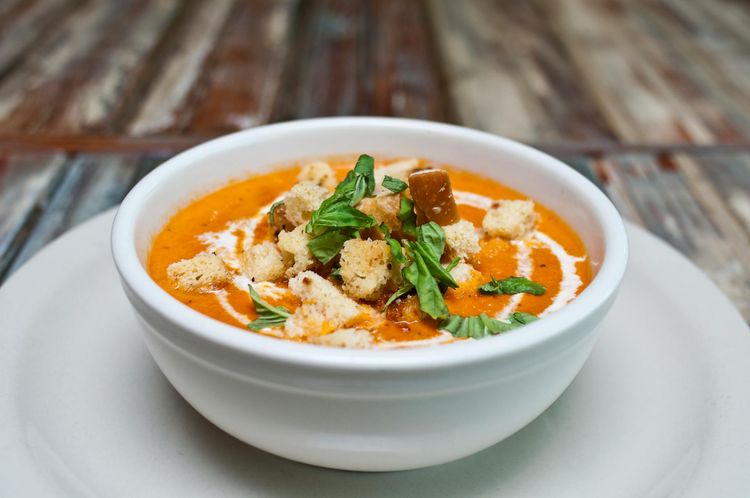
Texture is what a blended bowl is missing, and everything you put on top is an answer to that. Croutons are the cheapest fix and the easiest to get wrong. Tear day-old bread rather than cubing fresh — torn edges catch oil and crisp unevenly, which is exactly what you want. Toss with olive oil and salt, spread on a tray, and bake at 180C/350F for 12 to 15 minutes until golden and hollow-sounding. Add grated cheese for the last three minutes only, or it burns before the bread is done.
The grilled cheese question is really a timing question. Build the sandwich while the pot simmers, but do not griddle it until the bowl is poured. A sandwich griddled six minutes early has gone soft and disappointing. Medium-low heat and patience beat high heat and speed every time: you want the cheese fully molten by the moment the outside turns golden, which takes four or five minutes a side under gentle pressure. Butter the outside of the bread, not the pan.
Beyond bread, the good finishes are the ones that add contrast rather than more of the same. Torn burrata melts slowly into a warm bowl and leaves cool creamy pockets. A green herb oil, basil and parsley blitzed with olive oil, cuts through richness and looks like you tried. Toasted seeds, a swirl of cream dragged through with a skewer, crisp fried curry leaves, or a spoonful of chilli oil all work. Cold bowls want different company: chopped cucumber, diced pepper, a hard-boiled egg, or nothing but a hard drizzle of good oil and cracked pepper.
Pro Tips From Our Kitchen
- Salt the fruit on the tray before it goes in the oven, not in the pot afterwards. Salt draws moisture out early, which means more browning and less steaming, and you will taste the difference as a deeper, rounder sweetness rather than as saltiness. It is the same reason you salt steak ahead of the pan.
- Blend longer than feels necessary. Ninety full seconds in a high-speed jug is what separates a silky bowl from a slightly gritty one, and most home cooks stop at twenty because it already looks smooth. It is not smooth, it is smooth enough to fool the eye. Give it the full minute and a half and you will feel the difference on your tongue.
- Keep the roasted skins in. They carry pigment and a faint bitterness that adds real complexity, and a good blender annihilates them anyway. If you want glassy smoothness, sieve after blending rather than peeling before roasting — far less work for a better result, and you lose almost nothing to the sieve.
- Add fresh basil off the heat, never during the simmer. Boiled basil turns muddy and tastes faintly of hay, which is why so many home versions taste dull despite a generous handful going in. Tear the leaves and stir them into the pot after you kill the flame, letting residual heat do the work, and the sharp green perfume stays intact.
- Freeze it before you add any dairy. The base freezes flawlessly for three months in flat bags, but cream separates on thawing and no amount of whisking brings it back together. Enrich only the portion you are eating tonight and freeze the rest plain, then finish each batch as you reheat it.
- A parmesan rind dropped in during the simmer adds savory depth for free, then gets fished out before blending. Keep a bag of rinds in the freezer for exactly this purpose — they cost nothing, they last forever, and you will find a dozen other uses for them within a month of starting the habit.
- If the finished bowl tastes flat despite correct seasoning, it wants acid, not salt. A few drops of sherry vinegar or a squeeze of lemon at the very end wakes everything up. This sounds backwards for an already-acidic dish, but bright acid and dull acid are different things.
Frequently Asked Questions
Which of these tomato soup recipes should a beginner start with?
Take the 25-minute Punjabi classic or the 30-minute creamy stovetop version. Both are tagged beginner friendly, use a dozen or so ingredients, and cook in one pot with no roasting step to time and no dairy to split. Make either one twice, until you can cook it without reading the method, and the roasted and blistered entries here will feel straightforward rather than fussy. The technique transfers completely.
Are tinned tomatoes really acceptable instead of fresh?
Yes, and often better. Tinned fruit is picked at peak ripeness and processed within hours, while supermarket fresh is frequently picked green and ripened in transit under gas. Between December and May I use tins almost exclusively and nobody has ever noticed. Look for whole peeled San Marzano types packed in juice rather than puree, and skip anything with added herbs or citric acid — you want to control the seasoning yourself.
Why did my cream curdle when I stirred it in?
Acid plus heat plus low-fat dairy, all three at once. The base sits around pH 4.3, which curdles milk proteins the moment they hit a rolling boil. Fix it with three habits: use double cream rather than single or milk, take the pot off the heat before the dairy goes near it, and temper by whisking a ladle of the hot base into the cream first. Do not boil it afterwards.
How do I thicken a bowl without cornflour or cream?
Blend in something starchy. A boiled potato, a slice of stale white bread, a handful of cashews soaked for 20 minutes, or a cup of cooked red lentils all add real body without announcing themselves. Reducing works too: simmer uncovered for an extra 15 minutes and let evaporation do the job, which concentrates flavor at the same time. The Udupi entry above relies entirely on blended vegetables and is never thin.
Can I make these ahead and freeze them?
The base freezes for three months with no loss of quality. Freeze it flat in bags before adding any dairy, since cream splits irreversibly on thawing and no whisking brings it back. Thaw overnight in the fridge, reheat gently to just below a simmer, and stir the cream in only at that final point. Most entries here are tagged make ahead and batch cook for exactly this reason.
What is railway-style and how is it different?
It comes from Indian railway catering kitchens, an Awadhi-influenced style built on cloves, bay, ginger and a pinch of sugar rather than on cream. The body comes from long-cooked aromatics, so the texture stays lighter while the flavor turns layered and gently warming instead of flatly rich. It takes 45 minutes, sits at intermediate difficulty, and tastes nothing like the European versions on this page — in the best possible way.
Roasting or stovetop — is the extra hour worth it?
For flavor, unambiguously yes. Roasting caramelizes sugars and drives off water, giving a depth that no amount of simmering reproduces, and the charred edges add a bittersweet note you cannot fake. But most of that hour is hands-off oven time, not work at the stove. On a Tuesday I make the 30-minute version and regret nothing. On a Sunday I roast a double tray and freeze half of it.
How much liquid should I add for the right consistency?
Start with far less than you think and add the rest at the end. Blend the cooked fruit first with no added liquid at all, judge the thickness on a spoon, then loosen with warm stock a splash at a time until it coats the back of the spoon and holds a drawn line. Thinning is instant; thickening a watery pot costs another 20 minutes of reduction and leaves a duller, more washed-out flavor.
Eighteen bowls, one fruit, and a genuinely wide range of outcomes — that is the pleasure of tomato soup recipes as a category. Pick the 25-minute Punjabi one when you are tired, roast a tray on a Sunday when you are not, and keep the chilled Andalusian one in your back pocket for July. Cook two of them and you will stop needing the tin.
Whether you want a creamy tomato soup for a cold night, a roasted tomato soup with real depth, or a quick homemade tomato soup on a weeknight, these restaurant style tomato soup ideas show you exactly how to make tomato soup taste like more than the sum of a few red fruits.
Related
- creamy soups
- roasted vegetables
- grilled cheese
- comfort food
- one pot
- make ahead
Popular Searches
- Best tomato soup recipes
- Easy tomato soup recipes
- Quick tomato soup recipes
- Healthy tomato soup recipes
- Simple tomato soup recipes
- Homemade tomato soup recipes
- Delicious tomato soup recipes
- Popular tomato soup recipes
- creamy tomato soup
- homemade tomato soup
- roasted tomato soup
- how to make tomato soup
Marnirni-apinthi Building, Lot Fourteen,
North Terrace, Adelaide, South Australia, 5000
Australia
