
16 Lassi Recipes That Actually Beat the Summer Heat
Updated July 15, 2026 · Curated by Chefadora
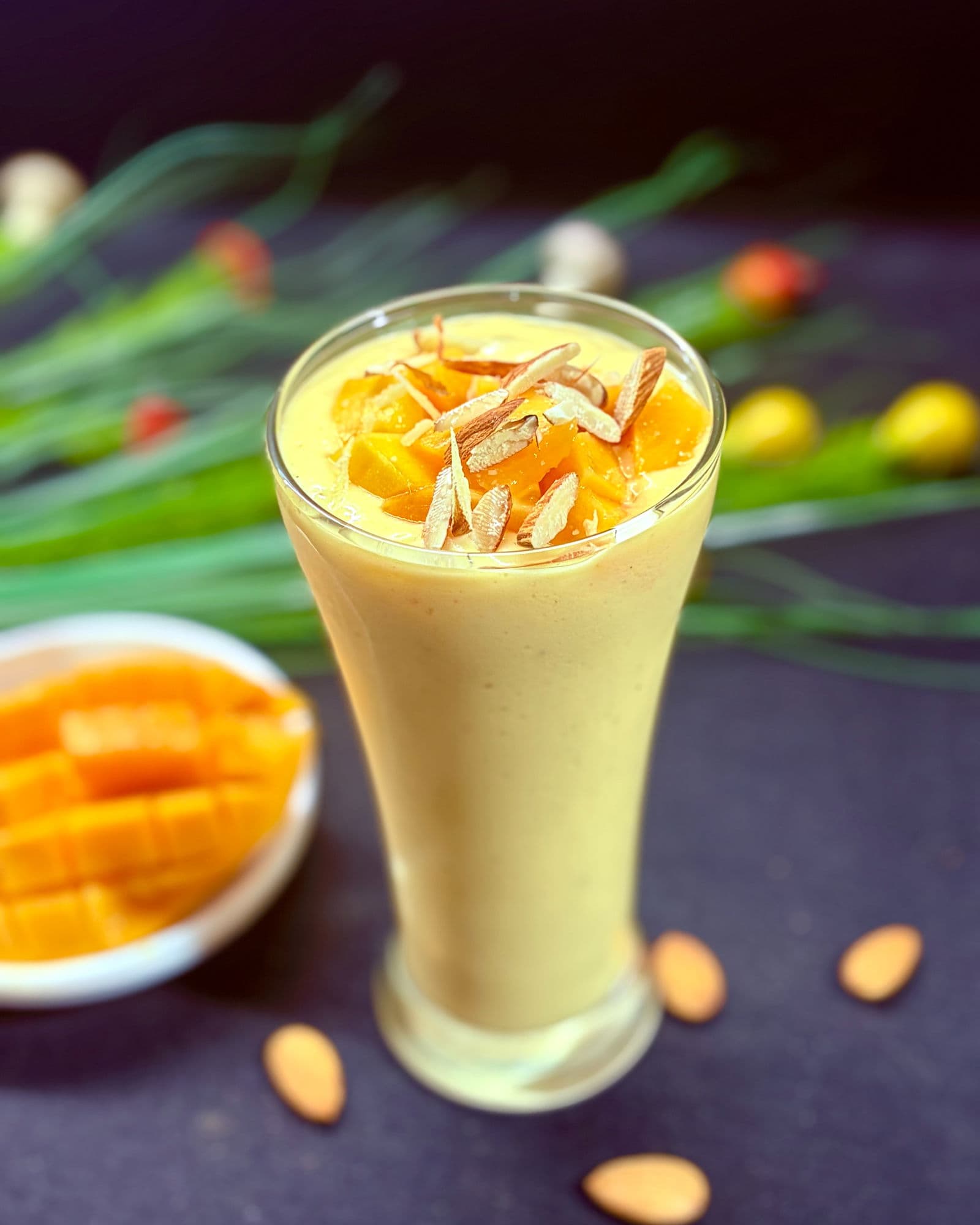
My fridge runs on dahi from April onward — a big steel jar of it, set overnight, and by Sunday it is gone. These 16 lassi recipes are what happens to it: mango blended smooth for the kids, a salty spiced glass with lunch, and something saffron-heavy when relatives turn up unannounced. Chefadora cooks sent every one of them, and they lean the way real home kitchens lean — four ingredients, five minutes, and no cooking at all for most of the list.
What separates a good glass from a chalky, watery disappointment is mostly technique: how thick your yogurt is before it meets the blender, how long you run the motor, and whether you sweeten before or after. I have put the fixes in the guides below, including how to make lassi that stays creamy for an hour instead of separating in ten minutes.
Start wherever your fruit bowl happens to point you. Everything here is grouped by what it actually tastes like rather than by region, so you can find your glass in about ten seconds.
Mango, Banana & Fruit-Forward Blends
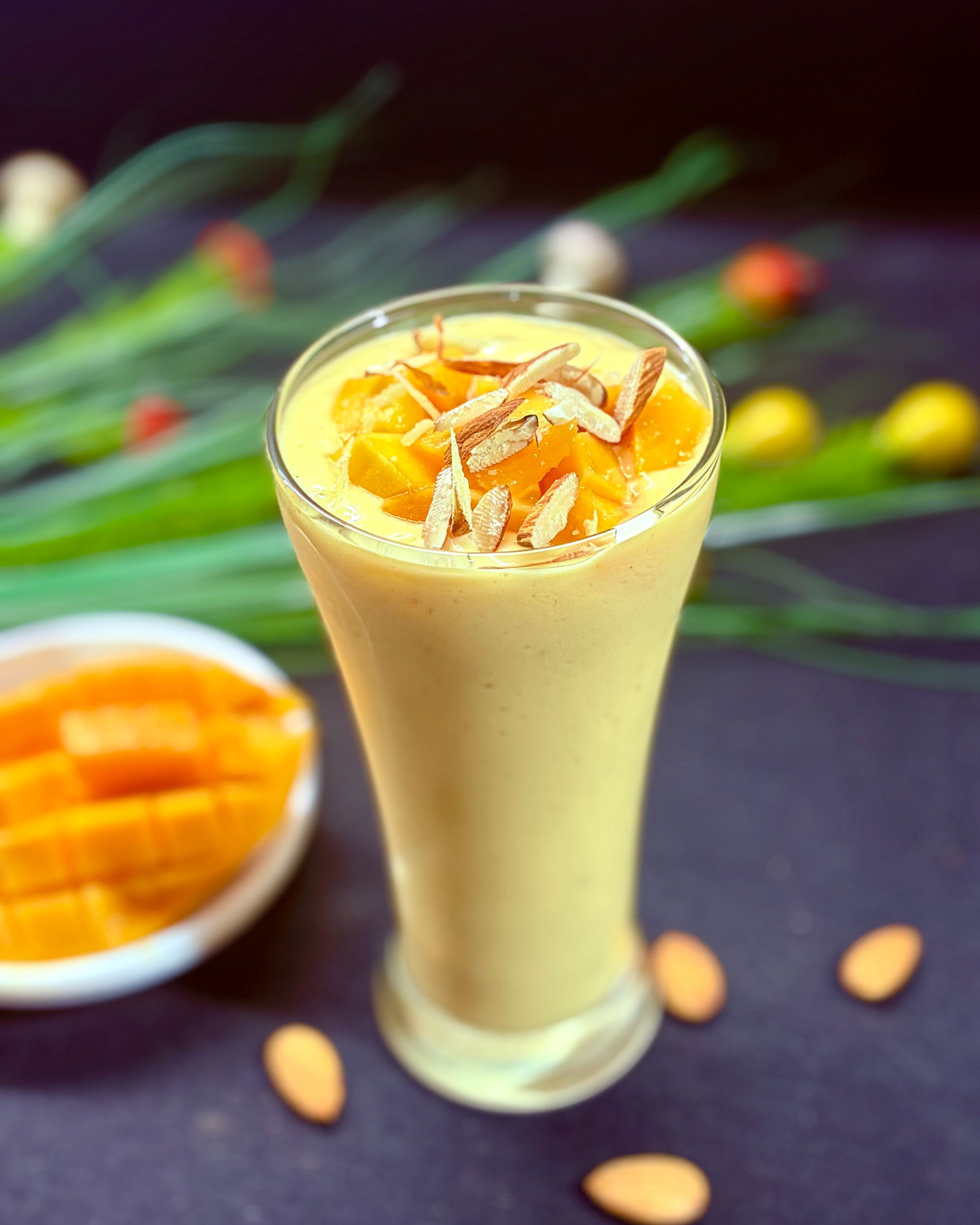
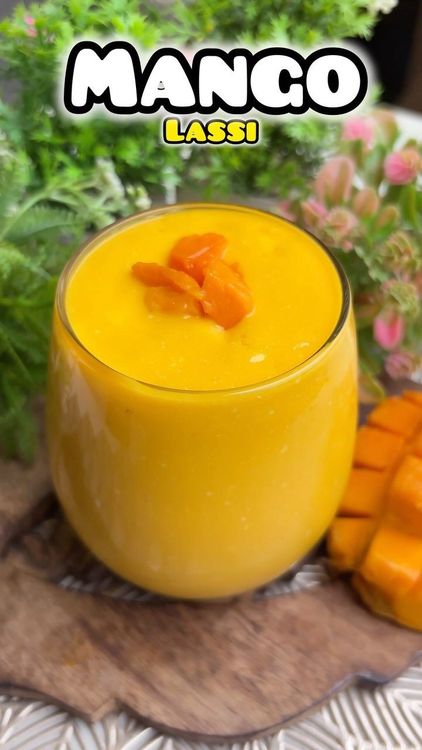
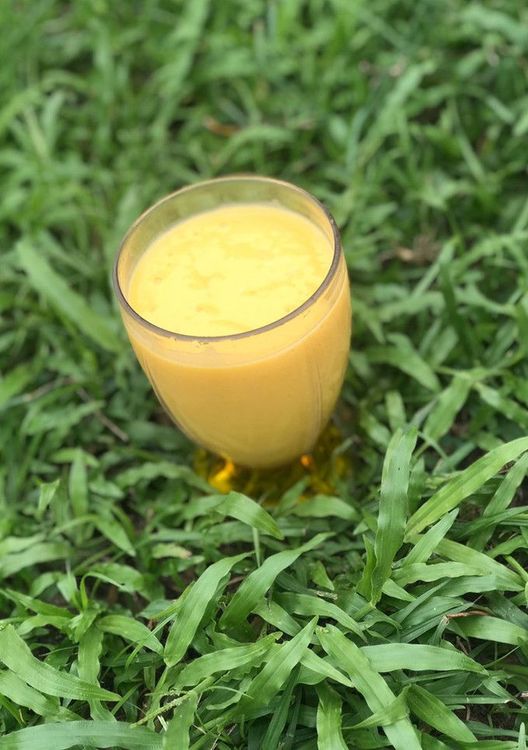
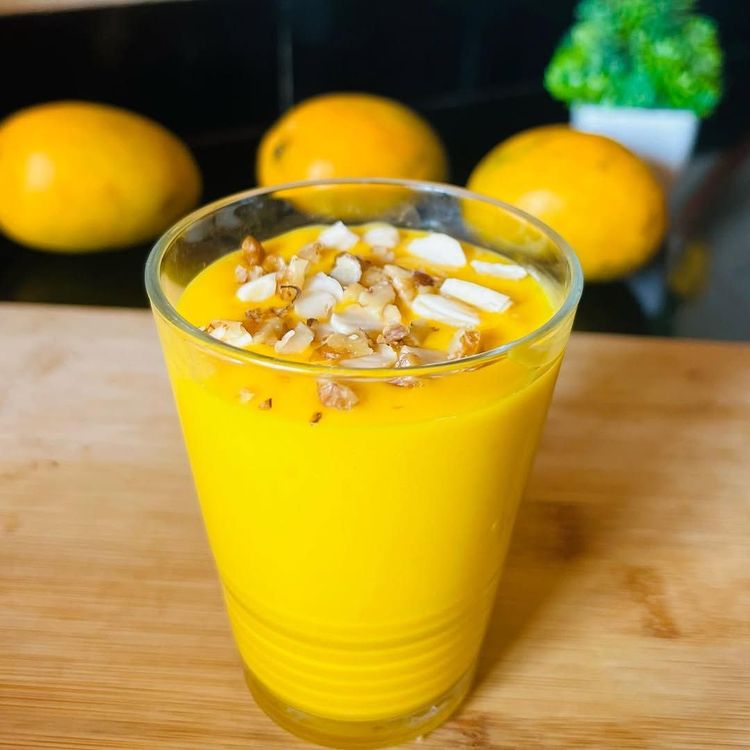
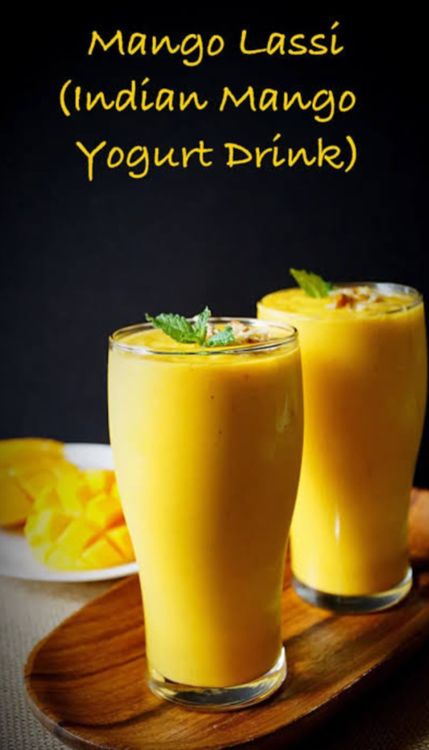
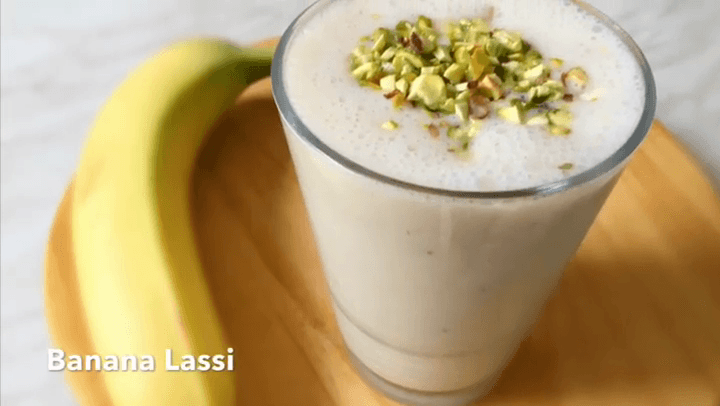
Mango lassi is the gateway drink, and five of the six here are exactly that — which sounds repetitive until you taste them side by side. One leans on thick pulp and almost no sugar. Another runs half-and-half with fresh cubes and turns out looser, brighter, more like juice with body. The banana version is the outlier and the one I make most on weekday mornings, because a ripe banana handles the sweetening and the thickening in a single move. Ripeness matters far more than brand or price: a mango with give at the stem end and a faint pine smell will carry the whole glass on its own. Underripe fruit needs sugar, and sugar makes it taste flat.

- Indian
- Vegetarian
- Dessert

- Indian
- Vegetarian
- Beverage

- Indian
- Vegetarian
- Breakfast
- Indian
- Vegetarian
- Beverage
- Indian
- Vegetarian
- Snack
- Indian
- Vegetarian
- Snack
Classic Punjabi Lassi Recipes, Amritsar Style
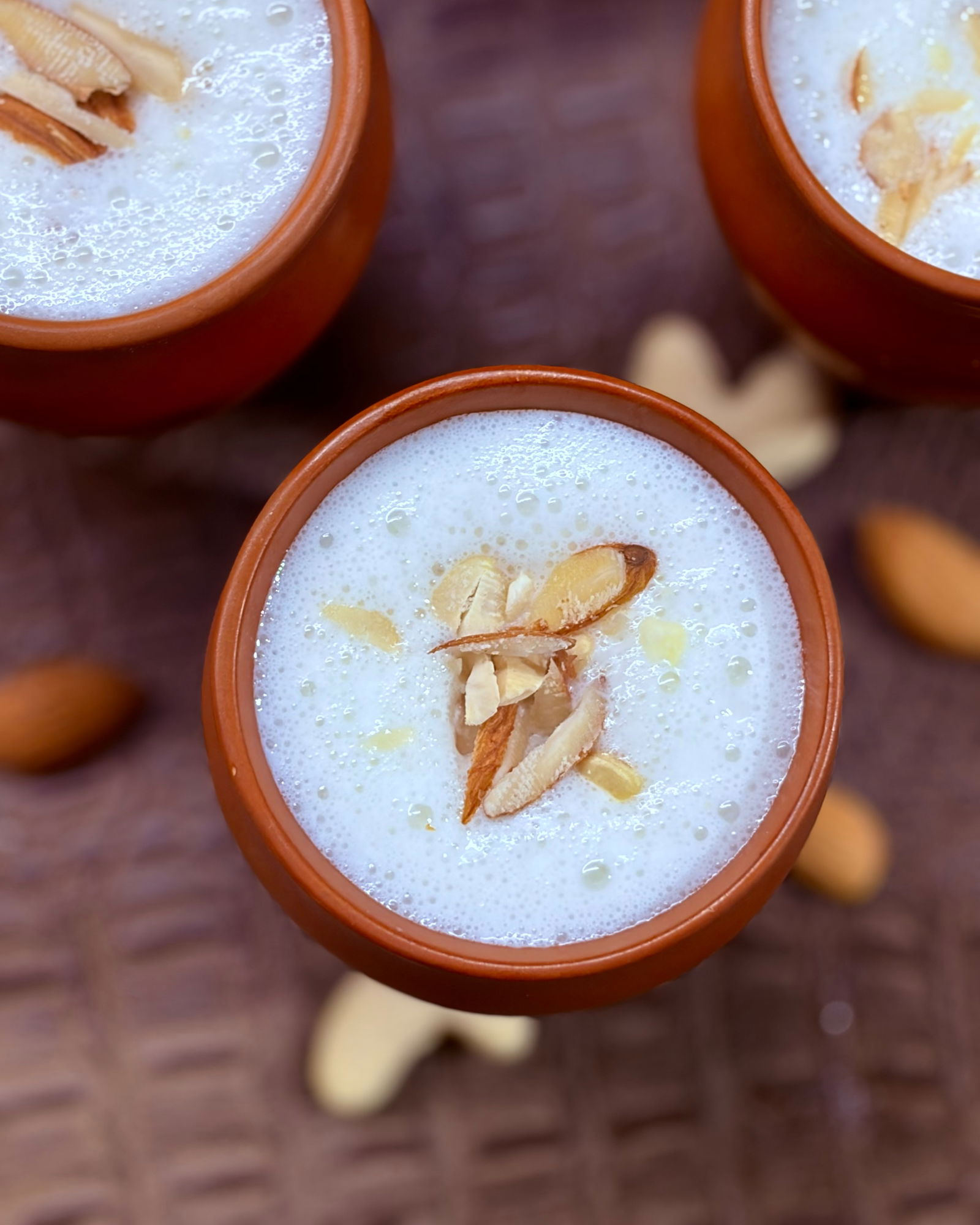
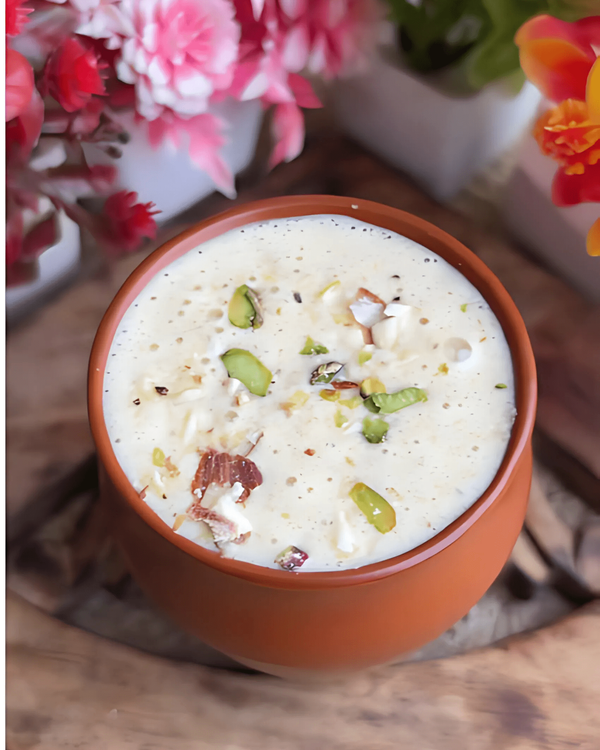
This is the Amritsar end of the spectrum — thick enough that a spoon stands up in it, topped with a slab of malai, served in a steel tumbler you need two hands to lift. Sweet lassi in this style is not a smoothie; it is churned rather than pulverised, which is why the old shops still swear by a wooden madhani instead of a motor. The pede wali version dissolves a milk-solid pede straight into the base and goes properly dessert-thick. If you have only ever had the thin restaurant kind, punjabi lassi like this will genuinely surprise you: it is closer to eating than to drinking, and one tall glass comfortably replaces lunch on a hot afternoon.
- Indian
- Vegetarian
- Beverage
- Indian
- Vegetarian
- Snack


- Indian
- Pescatarian
- Beverage
Saffron, Dry Fruit & Mithai-Rich Pours
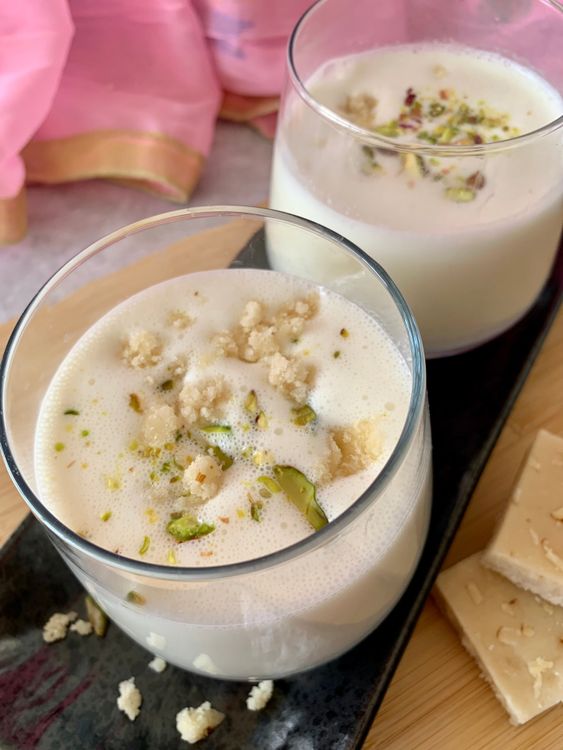
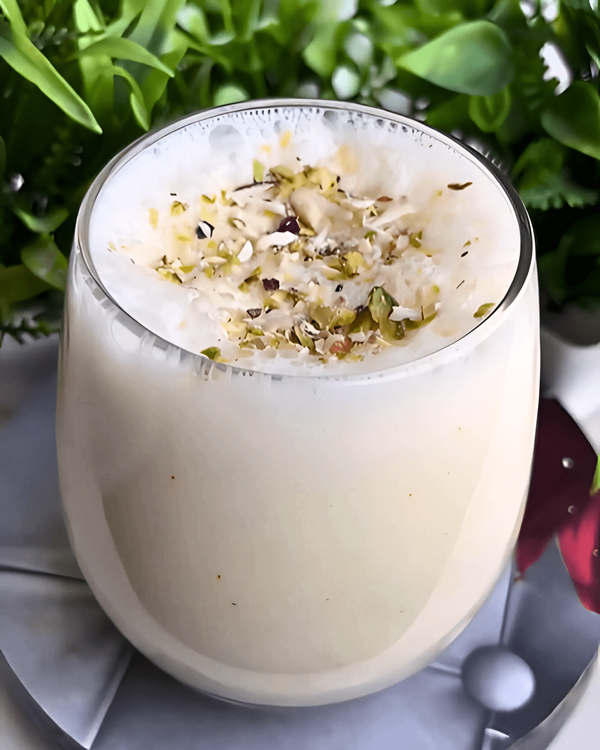
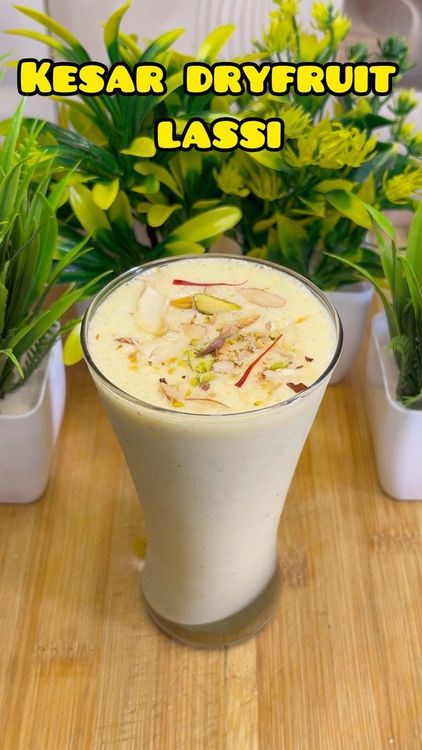
These are the celebration glasses — the ones that turn up at Holi, at weddings, and whenever someone's mother decides plain yogurt is insufficient. Two of them are kesar-and-dryfruit builds with soaked almonds and pistachios blitzed in, which gives a faintly gritty, halwa-like body I actually want in a drink. The burfi one melts a piece of mithai straight into the base, so it needs no added sugar at all. The fusion pour is the wildcard here: chocolate and rose sharing a glass. Bloom your saffron first — a pinch in two tablespoons of warm milk for ten minutes — or you will get expensive orange threads floating on top of the glass, doing absolutely nothing for anyone.
- Indian
- Vegetarian
- Beverage
- Indian
- Vegetarian
- Beverage
- Indian
- Vegetarian
- Beverage

- Indian
- Vegetarian
- Beverage
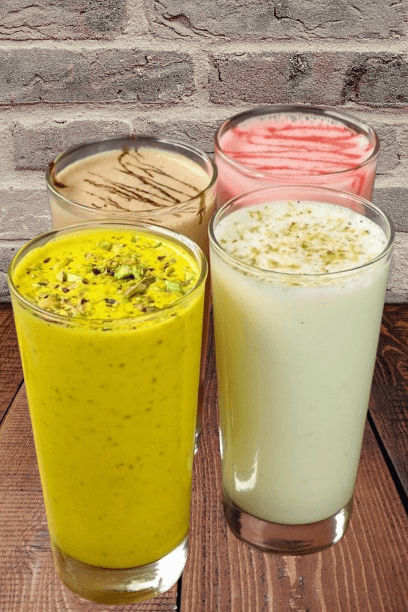
- Fusion
- Vegetarian
- Snack
Savoury & Spiced Yogurt Drinks
Not every glass wants sugar. Masala lassi is the one I reach for with a heavy meal — roasted cumin, black salt, a little green chilli, and enough tang that it cuts through ghee instead of adding to it. Salted lassi like this sits closer to chaas than to dessert, and it is genuinely digestive rather than merely marketed that way. The khatta saag is the odd entry and I have kept it deliberately: it is a mustard-greens dish soured with the leftover buttermilk from churning, and it shows you exactly what the leftover whey is actually for. Nothing in a Punjabi kitchen gets thrown out, and that thrift is the whole reason this drink exists in the first place.
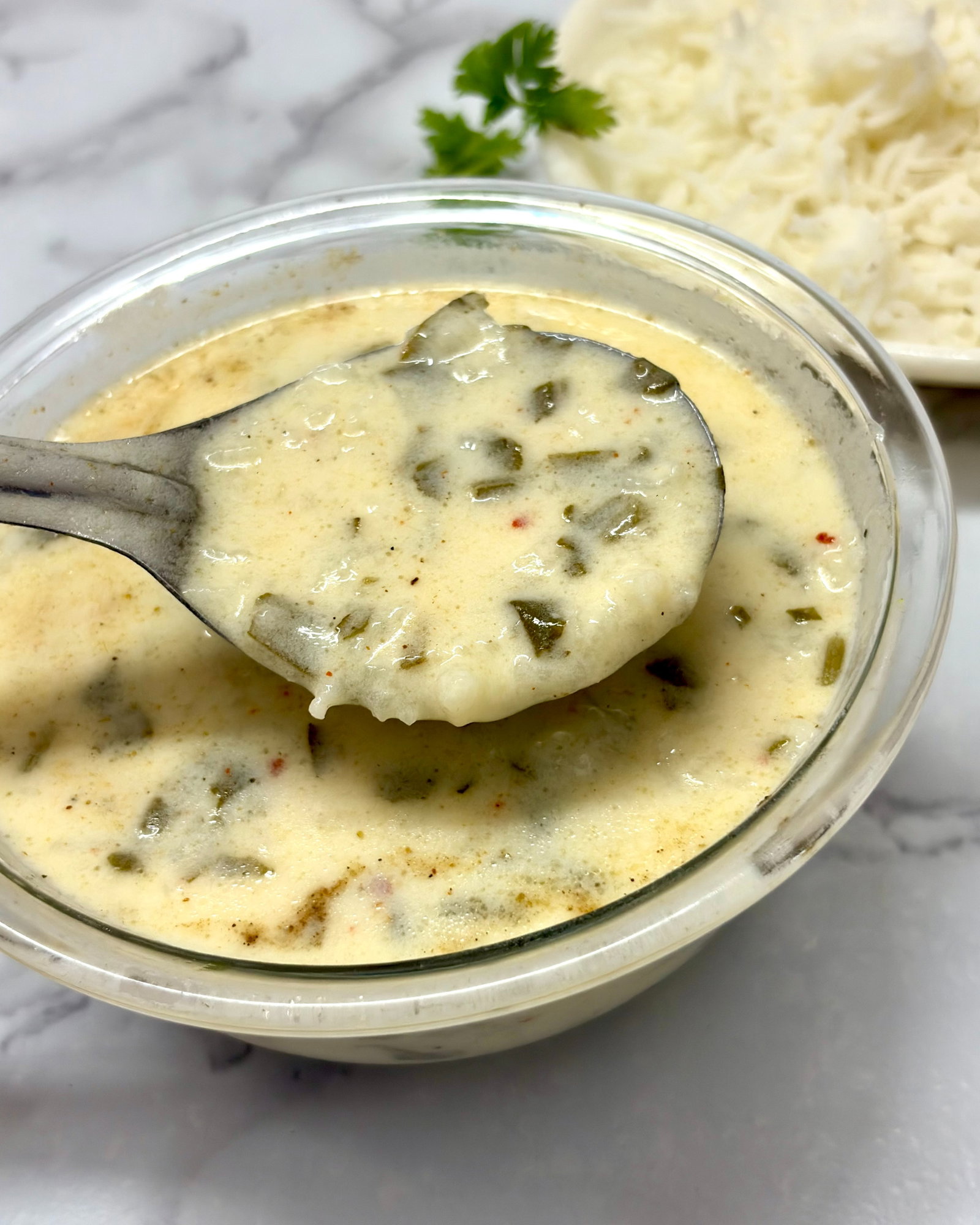
- Vegetarian
- Main Course
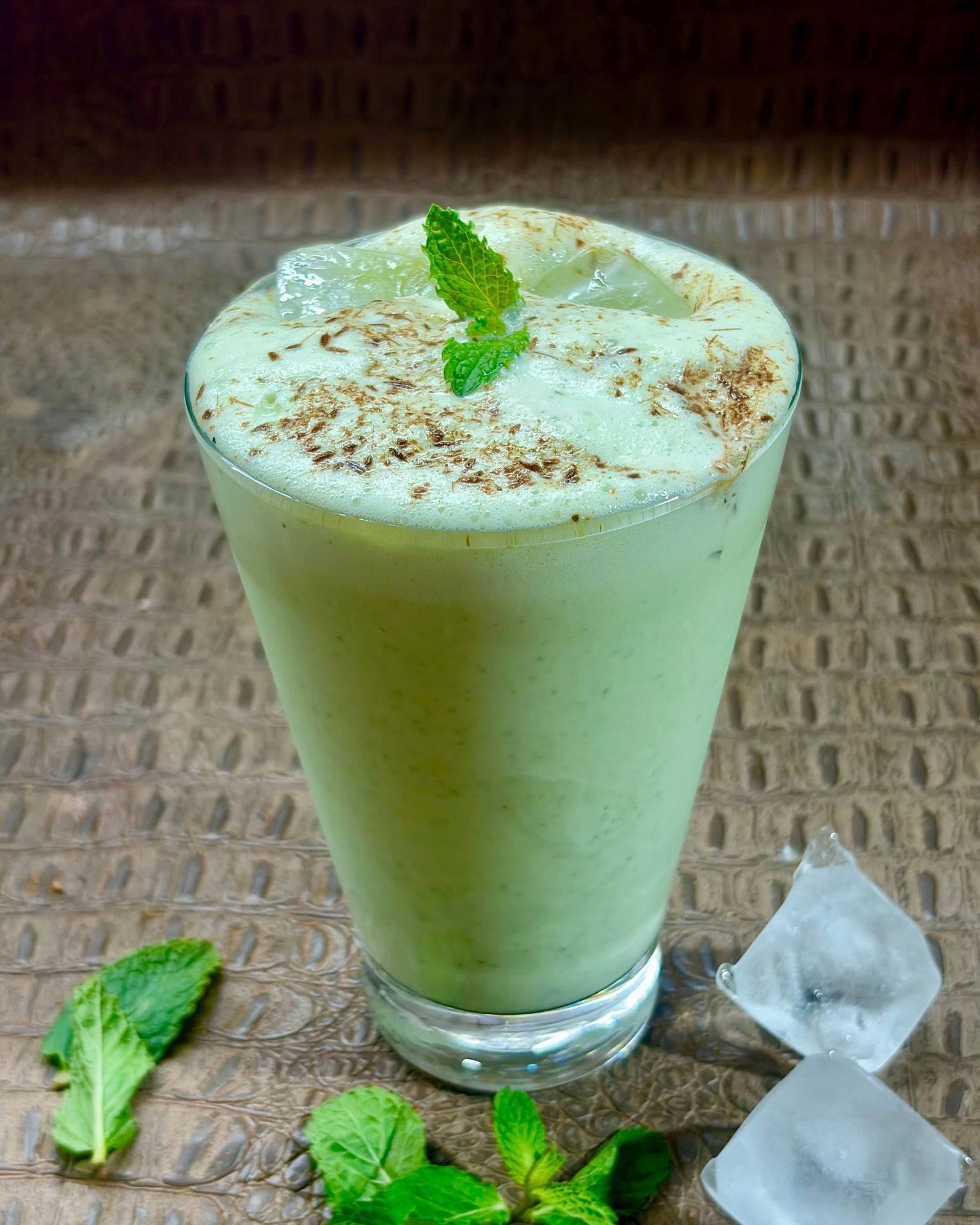
- Indian
- Vegetarian
- Beverage
Getting the Yogurt & Consistency Right
Everything starts with the dahi, and most disappointing glasses trace straight back to it. You want full-fat yogurt set from whole milk, thick enough that a spoon leaves a clean channel when you drag it through. Greek yogurt works, but it has been strained, so it has already lost the whey that gives the drink its lift — thin it with water or milk rather than adding more yogurt. Low-fat sets are the real problem: watery going in, chalky coming out, and no amount of sugar rescues that texture. If you are setting your own, a tablespoon of live culture per litre of whole milk at roughly 40°C, left six to eight hours, gets you there reliably. Older, sourer dahi is not a flaw either; the tang is doing half the work in a proper punjabi lassi, and fresh-set yogurt tastes oddly blank by comparison.
Ratios are simpler than the internet suggests, and you only need three of them. For a thick, spoonable pour, run three parts yogurt to one part cold water. For an everyday drinking consistency, go two to one. For chaas-thin, one to one, plus ice. Fruit changes the maths — mango pulp is already loose, so cut the water back by half or you will end up with orange milk and a lot of regret.
Temperature matters more than people expect. Cold yogurt straight from the fridge blends tighter and holds its body; room-temperature dahi goes slack and separates within minutes of pouring. I chill the glasses too, which sounds fussy but takes ten seconds and buys you twenty minutes of good texture.
Sweet vs Salted Lassi
The split is not really regional so much as situational. Sweet lassi is a treat and a cooler — sugar, sometimes cardamom, sometimes rose — and it sits alongside dessert or quietly replaces it. The salty kind is a table drink: it goes with the meal, cuts fat, and settles a stomach that has just met three parathas. Nobody in Punjab is choosing between them; they drink both, on different days, for entirely different reasons.
For the sweet side, dissolve your sugar in a splash of warm water first. Granules thrown into cold yogurt never fully go, and you get a gritty finish plus an oddly flat sweetness that tastes like less sugar than you actually used. Two teaspoons per glass is plenty when the dahi is good; if you are working with ripe mango or banana, drop it to zero and taste before you reach for the jar. Cardamom goes in as freshly crushed seeds, not the pre-ground powder that has been sitting in the cupboard since 2023.
For salted lassi, the non-negotiables are roasted cumin and black salt. Toast whole cumin in a dry pan until it darkens a shade and smells like a spice shop, then grind it — the difference between that and jar powder is not subtle. Black salt brings the sulphurous funk that makes the drink taste like something, rather than like salty yogurt. Add mint, a scrap of green chilli, and a pinch of regular salt to round the edges. Season at the end, cold, because chill mutes salt and you will otherwise under-do it every time.
Blending Without Splitting
The most common failure in this whole category is over-blending. A high-speed blender run for a full minute heats the yogurt, breaks the emulsion, and you watch the whey separate into a sad grey layer while you are still pouring. Thirty to forty seconds on medium is enough for a fruit blend. For a plain glass, honestly, skip the blender entirely — a hand whisk or the traditional wooden madhani gives you a foam that a motor cannot, because you are incorporating air rather than shearing the proteins apart.
If you are blending, order matters more than speed. Yogurt and liquid go in first, then fruit, then sweetener, then ice last and only briefly. Ice thrown in at the start gets pulverised into slush and waters everything down as it melts, which is why so many glasses taste strong for two sips and then like nothing. I pulse the ice for five seconds at the very end, which cracks it without dissolving it.
Splitting also happens after the fact, and this catches people out at parties. A glass left standing for twenty minutes will separate at the top — that is normal, and it whisks back in perfectly. What does not come back is a batch that got warm in the jar while the blender was running. Blend in short bursts, keep everything cold, and if you are making ahead, hold the base in the fridge and add ice per glass at serving. Acid speeds separation too, so if you are adding lemon or working with extra-sour dahi, plan to serve within the hour.
Serving & Garnishes
Serve it cold, in something that holds cold. Steel tumblers and clay kulhads both work and both beat glass — a kulhad in particular adds a faint earthy note that people notice without ever being able to name it, and it keeps the contents cold far longer than anything transparent. Chill the vessel for ten minutes first if you have the fridge space, and fill it to the brim, because a half-full tumbler warms roughly twice as fast as a full one.
Garnish with intent rather than decoration. A slab of fresh malai on top of a thick sweet glass is structural: you eat it with a spoon before you drink what is underneath. Slivered pistachios and almonds belong on saffron and dry-fruit pours because they echo what is already blended in. Bloomed saffron threads, a dusting of ground cardamom, a few dried rose petals — all fine, all optional. For savoury glasses: roasted cumin dusted over the top, torn mint, and nothing else. Mint sprigs stuck in like a cocktail garnish just get in your face while you are trying to drink.
On timing and portions: a thick glass is about 250ml and it is effectively a meal, so do not serve it before a heavy lunch and expect anyone to eat. A drinking-consistency glass is 300ml and pairs happily with food. If you are making mango lassi for a crowd, blend the base in the morning, keep it covered in the fridge, and finish glass by glass with ice and garnish — batch-garnishing an hour ahead gives you soggy nuts and dissolved saffron.
Pro Tips
- Bloom saffron in two tablespoons of warm milk for ten minutes before it goes anywhere near the blender — threads dropped in dry stay orange, stay whole, and give you colour without any of the flavour you actually paid for.
- Roast and grind your own cumin for savoury glasses; the pre-ground jar tastes like dust next to seeds toasted in a dry pan for ninety seconds, until they darken a shade and start to crackle and smell like a spice market.
- Dissolve sugar in a splash of warm water before it goes in, or you will be chewing granules at the bottom of the glass and wondering why the sweetness reads so flat against the tang of the yogurt.
- Freeze ripe mango pulp in ice-cube trays during the season and blend those cubes straight in — you get cold, body and fruit in one move, which means mango lassi in February without buying sad imported fruit.
- Use full-fat dahi that is a day or two old and slightly sour; fresh-set yogurt tastes blank in the glass, and low-fat gives you a thin, chalky pour that no amount of sugar or fruit will ever fix.
- Pulse ice for five seconds at the very end rather than blending it from the start, which pulverises it into slush and waters the whole thing down steadily as it sits and melts in the glass.
- Taste and season cold, never at room temperature — chill flattens both salt and sugar, so a glass that tastes perfectly balanced warm will land bland and under-seasoned by the time it reaches the table.
Frequently Asked Questions
How to make lassi that is genuinely thick, not watery?
Start with full-fat dahi set from whole milk and use a three-to-one yogurt-to-water ratio. Keep everything cold, blend for thirty seconds maximum, and add ice only at the end as a five-second pulse. If it is still loose, the culprit is almost always low-fat yogurt, or fruit pulp adding liquid you did not account for. Cut the water back, never the yogurt, and check the dahi before you blame the method.
What is the difference between sweet lassi and the salted kind?
Sweet lassi is sugared, often cardamom- or saffron-scented, and drunk as a cooler or as dessert on its own. The salty version uses roasted cumin, black salt and sometimes green chilli, and it is served alongside a meal to cut richness and settle heavy food. Same base, opposite jobs. Most households keep both going through summer rather than picking a side, and the savoury one gets poured far more often than outsiders expect.
Which of these lassi recipes should I try first?
If you have ripe fruit sitting around, start with the four-ingredient mango version — it takes five minutes and is close to impossible to ruin. If you do not, make the plain sweet glass with five ingredients; it teaches you the ratio and the churn, and nearly everything else here is a variation on that one base. Save the pede and burfi builds for company, when the extra effort buys you something worth showing off.
Can I make it properly without a blender?
Yes, and for plain glasses you probably should. A wooden madhani or a simple hand whisk aerates the yogurt instead of shearing it, which gives you the foamy head the old shops have and a blender never quite manages. Whisk for two solid minutes in a deep vessel, with the yogurt cold. You only need a machine for fruit, nuts, or anything with real solids to break down, and even then thirty seconds does it.
What makes punjabi lassi different from a mango smoothie?
Body and intent, mostly. The Amritsar style is churned rather than pulverised, thick enough to eat with a spoon, and topped with a slab of malai — it replaces a meal instead of accompanying one. A smoothie chases fruit; this chases dairy, and the fruit is a guest. The sourness of older dahi is deliberate here, where a smoothie would spend its whole effort trying to sweeten that tang away.
How long does it keep in the fridge?
The base holds for a day, covered, and it is better than it sounds — the spices settle and the flavour rounds out. It will separate at the top overnight; whisk it back together and it is fine. What does not keep is a finished glass with ice and garnish already in, which turns watery within the hour. Make ahead by holding the base and finishing each glass at serving.
Are these actually good for you, or is that just marketing?
The savoury ones genuinely are: live cultures, plus roasted cumin and black salt that do help you through a heavy meal. Most of the drinks here are tagged low-calorie and gut-friendly for that reason, and several are low-carb too. The dessert-weight pours built on pede, burfi and malai are a different conversation — they are delicious, and they are roughly a meal. Choose accordingly, and do not pretend the burfi one is a health drink.
Can I use Greek yogurt or a dairy-free base?
Greek yogurt works, but it has been strained, so thin it with water or milk rather than adding more yogurt — otherwise it comes out thick but oddly flat. Coconut yogurt is the best dairy-free swap by some distance; it has the fat to carry fruit and spice. Almond and oat versions run thin and slightly sweet, so lean on banana or mango to give them body.
Sixteen lassi recipes, and honestly most of them take longer to photograph than to make. Keep good dahi in the fridge, hold the ratio at three parts yogurt to one of water, and you can improvise the rest — mango today, cumin and black salt tomorrow, something saffron-heavy when someone deserves it. Start with the fruit blend, then work your way up to the Amritsar tumbler.
Related
- mango yogurt drinks
- punjabi drinks
- summer coolers
- indian beverages
- no-cook drinks
Popular Searches
- Best lassi recipes
- Easy lassi recipes
- Quick lassi recipes
- Healthy lassi recipes
- Simple lassi recipes
- Homemade lassi recipes
- Delicious lassi recipes
- Popular lassi recipes
- sweet lassi
- mango lassi
- salted lassi
- how to make lassi
Marnirni-apinthi Building, Lot Fourteen,
North Terrace, Adelaide, South Australia, 5000
Australia
