
Top 43 Ladoo Recipes: Besan, Coconut, Rava and Festive Favourites
Updated July 2, 2026 · Curated by Chefadora
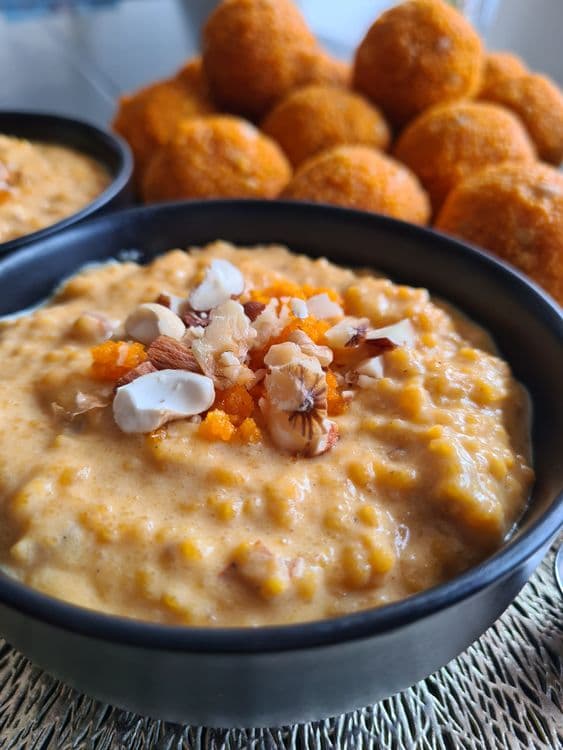
Ladoo recipes are the heart of Indian festive cooking — bite-sized, hand-rolled sweets built from roasted flour, nuts or coconut, bound together with ghee, sugar syrup or jaggery. The collection below spans the classics you will find at every Diwali table and wedding tray: deep golden besan ladoo, snowy coconut ladoo, nutty rava ladoo and the winter favourite, til gud ladoo. Rather than ten versions of the same sweet, these recipes show how varied the ladoo family really is.
What ties every ladoo together is technique more than ingredients. A flour or lentil base gets slow-roasted in ghee until it turns fragrant and deepens in colour, then it is bound while still warm with sugar, syrup or jaggery and rolled into rounds before it cools and sets hard. Rush the roasting and the ladoo tastes raw and pasty; rush the binding and it crumbles apart in your hand. The guides below walk through both stages in detail.
You will find four clusters here: besan and motichoor ladoo built on gram flour, coconut ladoo in its many forms, rava and sooji ladoo made from semolina, and the til and jaggery ladoo that mark the winter festival of Makar Sankranti. Each cluster shares a base ingredient but takes a slightly different path to that same tender, melt-in-the-mouth crumb. Even recipes that fall outside these four groups, like the handful of nut-based and no-sugar ladoo you will find linked below, still rely on the same core roasting-and-binding technique.
Treat this page as a working reference for ladoo recipe technique as much as a list to browse. Every recipe links through to full ingredients and step-by-step method on Chefadora, and the guides cover the parts that actually decide whether a batch turns out right — how to roast without scorching, how to judge sugar syrup consistency, how to roll while the mixture is still workable, and how to store ladoo so they stay fresh for weeks rather than days.
Besan & Motichoor Ladoo
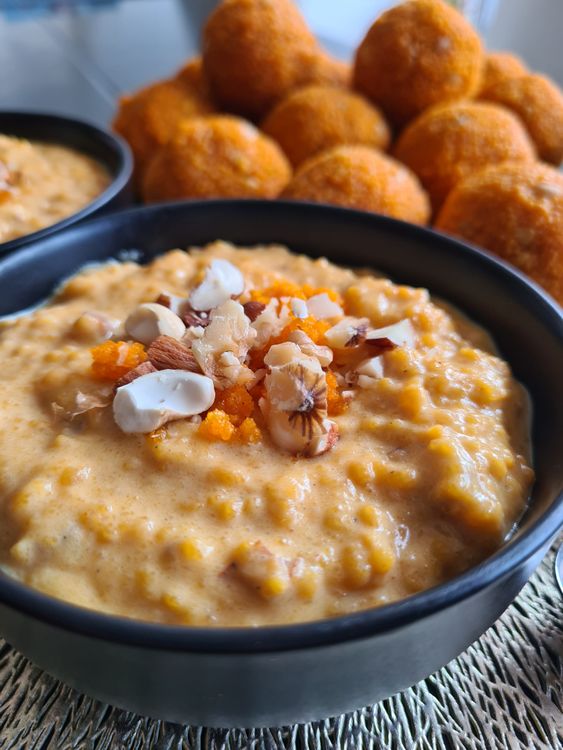
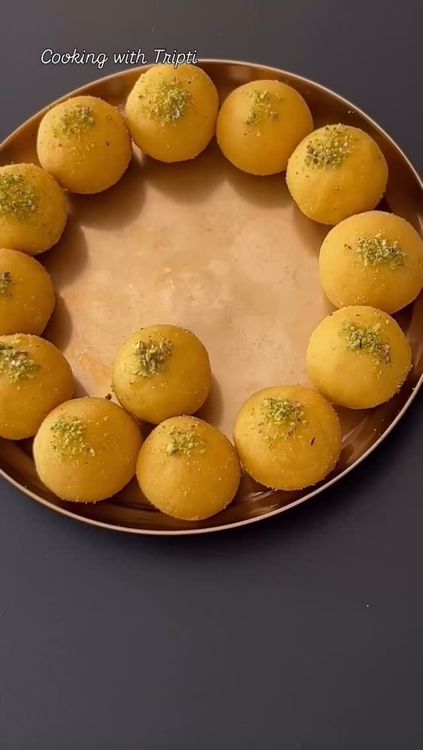
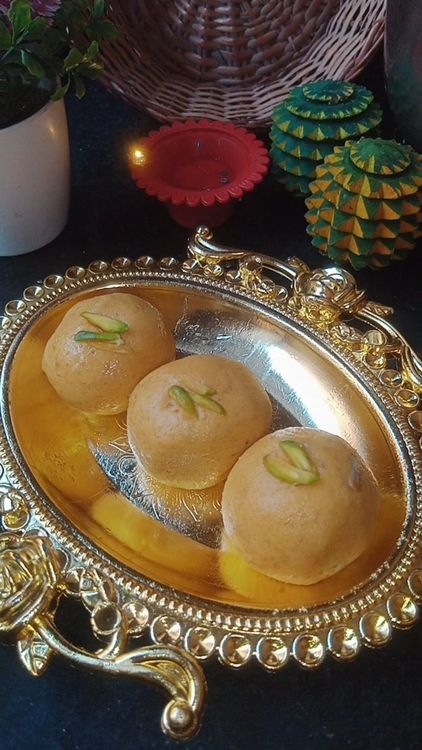
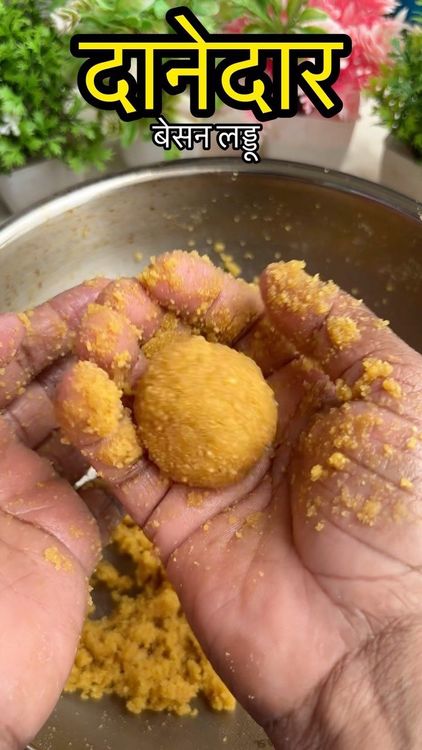
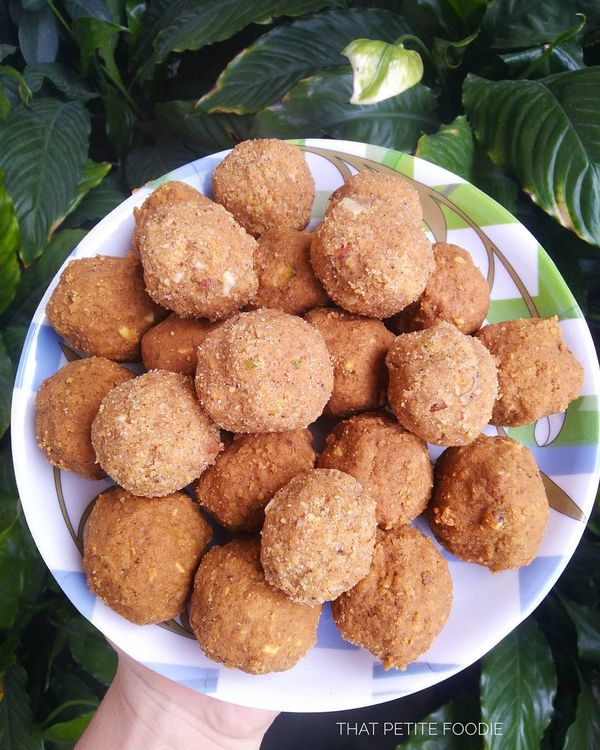
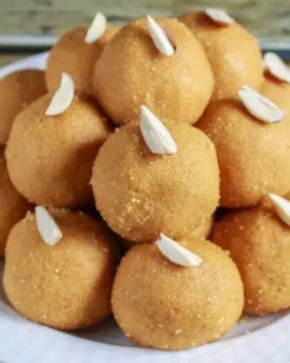
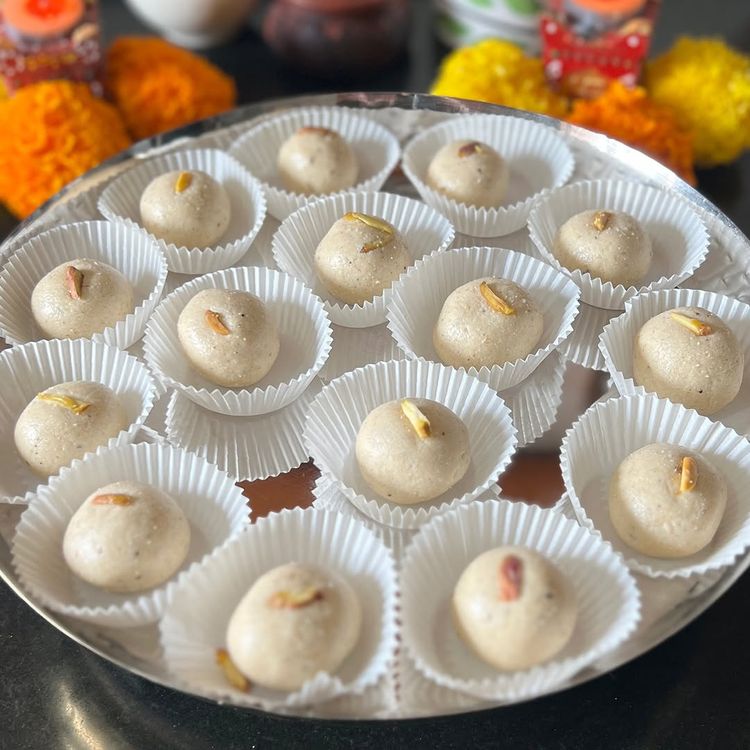
Besan ladoo and their glossier cousin, motichoor ladoo, are built on the same base — gram flour cooked in ghee until it turns deeply golden and fragrant — but they take different paths to get there. Classic besan ladoo roast the flour directly in ghee, low and slow, until it develops a distinct nutty aroma, then bind it with powdered sugar while still warm. Motichoor takes a longer route: tiny droplets of besan batter are deep-fried into boondi, soaked in sugar syrup, and packed into balls while warm, giving a denser, almost jewelled texture that shatters slightly and then melts. Both live or die on the roasting stage — under-roasted besan tastes raw and pasty, while over-roasted besan turns bitter and dries out the finished ladoo. Look for a colour change to warm gold and a nutty smell as your cue to stop, not a fixed number of minutes on the clock, since pan thickness and stove heat vary the timing considerably. These are the ladoo you will see most often at weddings and Diwali trays, and mastering the roast is the single skill that carries across almost every other ladoo in this collection. Standouts here include Motichoor Ladoo Ki Kheer (Pudding) and Suji Besan Laddu Recipe, plus Danedaar Besan Ladoo .

- Indian
- Vegetarian
- Dessert

- Indian
- Vegetarian
- Snack

- Indian
- Vegetarian
- Snack

- Indian
- Vegetarian
- Snack

- Indian
- Vegetarian
- Snack
- Indian
- Vegetarian
- Snack
- Vegetarian
- Dessert


- Indian
- Vegetarian
- Dessert
Coconut Ladoo
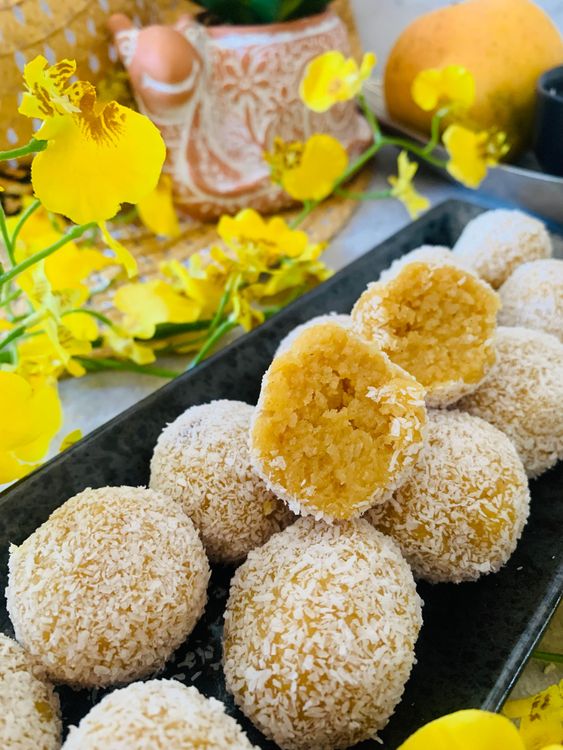
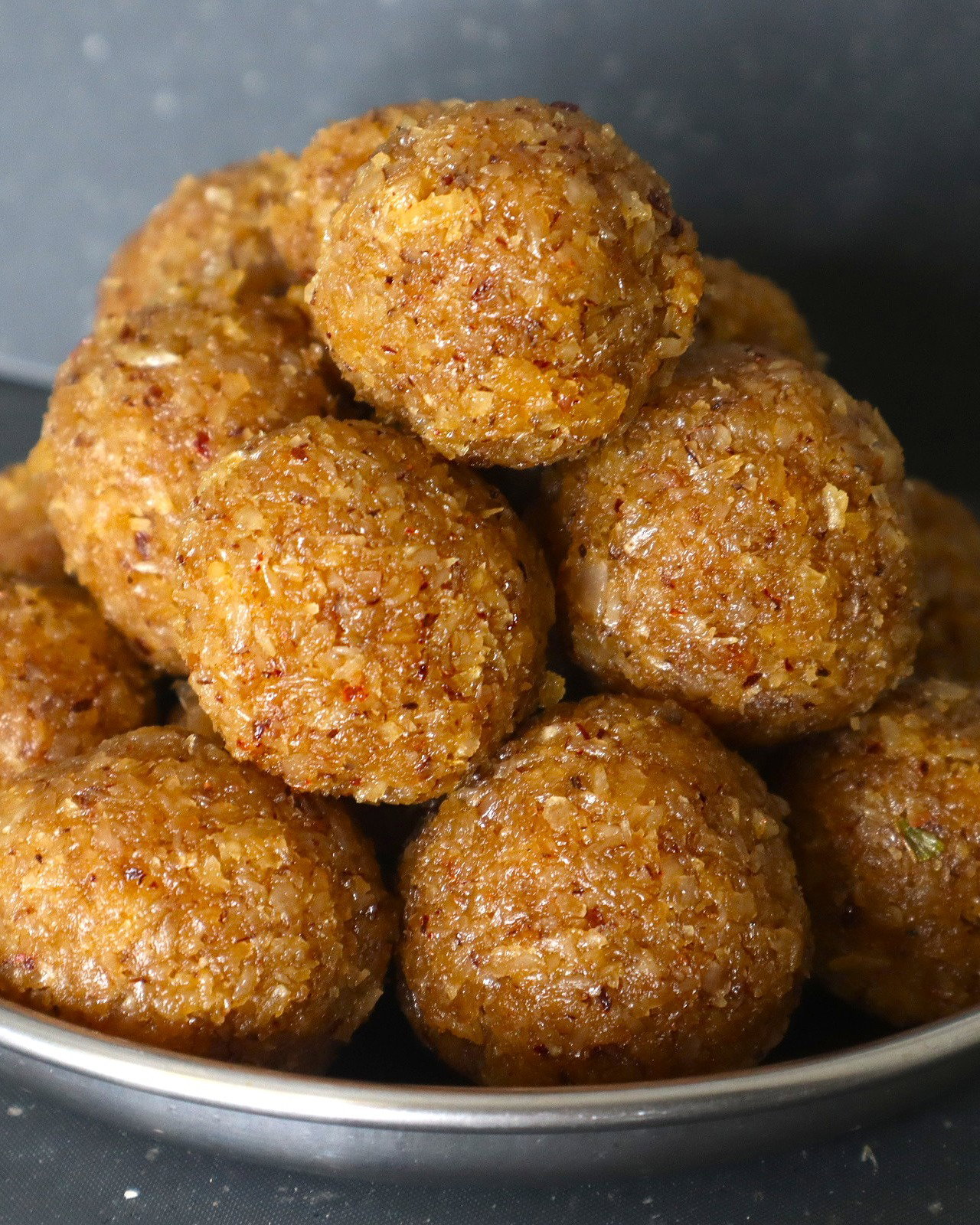
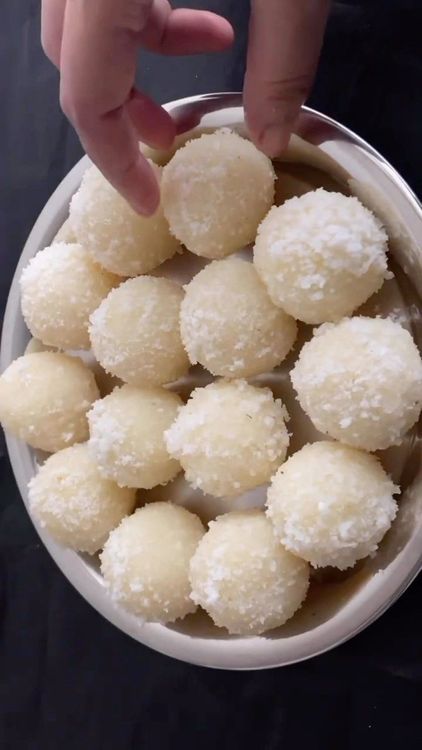
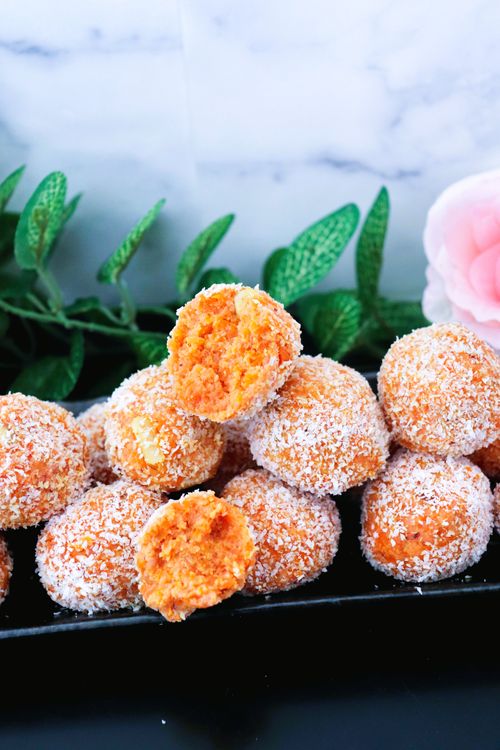
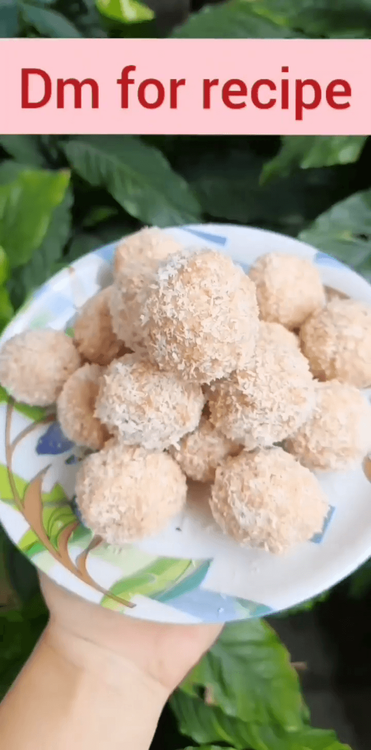
Coconut ladoo are the fastest and most forgiving entry point into ladoo-making, and often need no cooking at all beyond warming coconut with condensed milk or sugar syrup until it thickens. Made with fresh grated coconut, they have a soft, slightly chewy bite and a short shelf life that means refrigerating and eating within a few days; made with desiccated or dried coconut, they firm up more and keep closer to a week at room temperature. The main technique to get right is judging when the coconut mixture is ready to roll — cook it until it visibly thickens and starts pulling cleanly away from the sides of the pan, then let it cool just enough to handle before shaping, since rolling it too wet is what makes coconut ladoo sticky and shapeless. A few variations swap in mango pulp, carrot or condensed milk for extra richness, but the base technique stays the same. Because there is little to no roasting involved, coconut ladoo are one of the quickest sweets to put together for an unplanned festival or a last-minute sweet craving, and they are a good starting recipe if you are new to Indian sweet-making. Standouts here include Mango Coconut Ladoo and Traditional Juicy Kobbari Laddu Recipe | Coconut Ladoo with Jaggery, plus Coconut Laddoo.
- Indian
- Vegetarian
- Dessert
- Vegetarian
- Dessert
- Indian
- Vegetarian
- Dessert
- Indian
- Vegetarian
- Snack
- Indian
- Vegetarian
- Snack
Rava & Sooji Ladoo
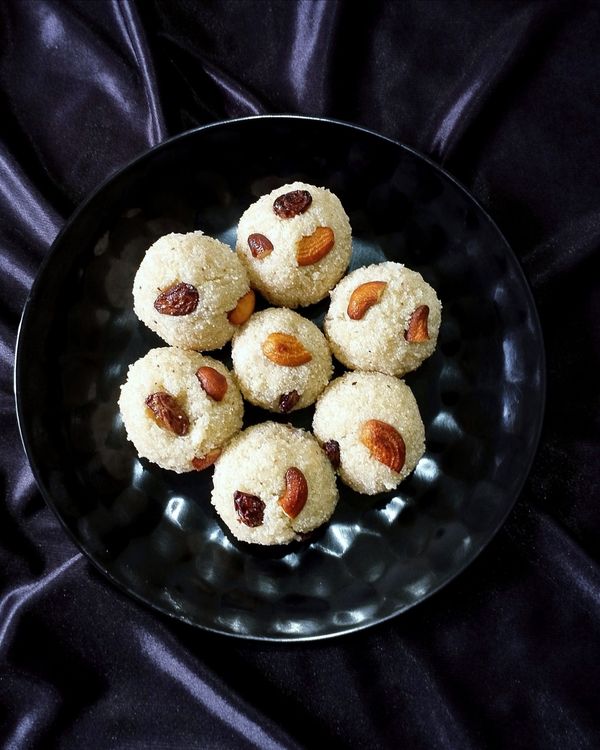
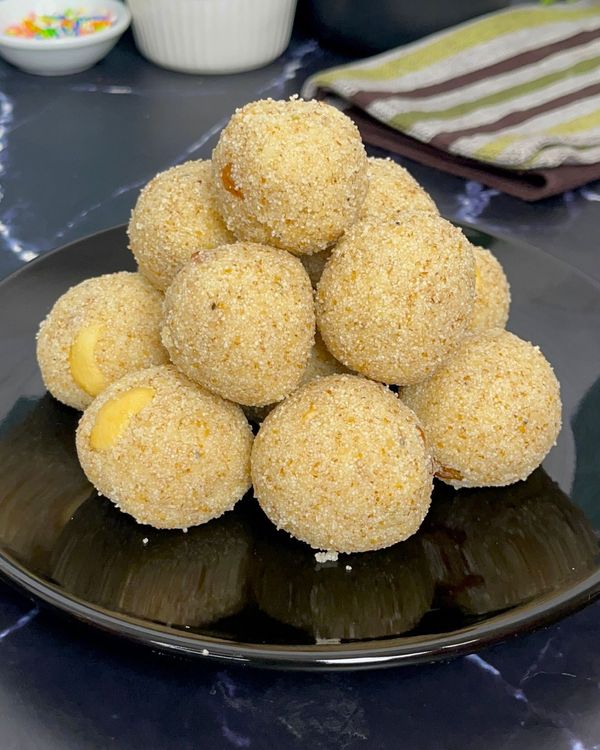
Rava ladoo (also called sooji ladoo) swap gram flour for fine semolina, roasted in ghee until it turns pale gold and releases a warm, toasty smell, then bound with sugar and often a splash of milk to soften the texture. Some versions use raw sooji roasted from scratch, while others start from coarser atta or a mix of flours for a heartier, more rustic crumb. The semolina needs a slightly longer, gentler roast than besan since raw sooji has a more pronounced starchy taste that only cooks out with time, and it is easy to under-roast by mistake since the colour change is subtler to spot. A splash of warm milk worked in after roasting is a common trick here — it softens the texture and helps the ladoo bind without needing as much sugar or syrup. Because semolina holds its shape well, these ladoo are relatively easy to roll and hold together reliably, making them a good choice if you want a dependable, everyday laddu recipe rather than one that demands precise syrup timing. Standouts here include Rava Laddu / Sooji Laddu and Suji Ke Laddu, plus Perfect Rava Ladoo Recipe| Rava laddu recipe| How to make Sooji Laddu.
- Indian
- Vegetarian
- Snack

- Indian
- Vegetarian
- Snack
- Indian
- Vegetarian
- Snack
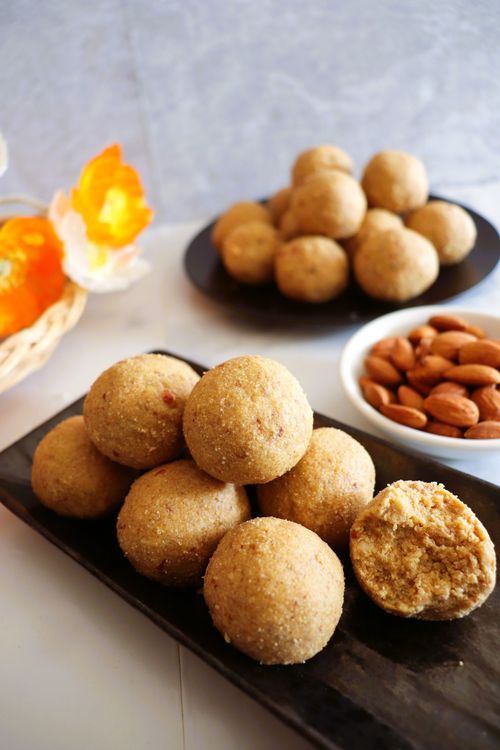
- Indian
- Vegetarian
- Snack
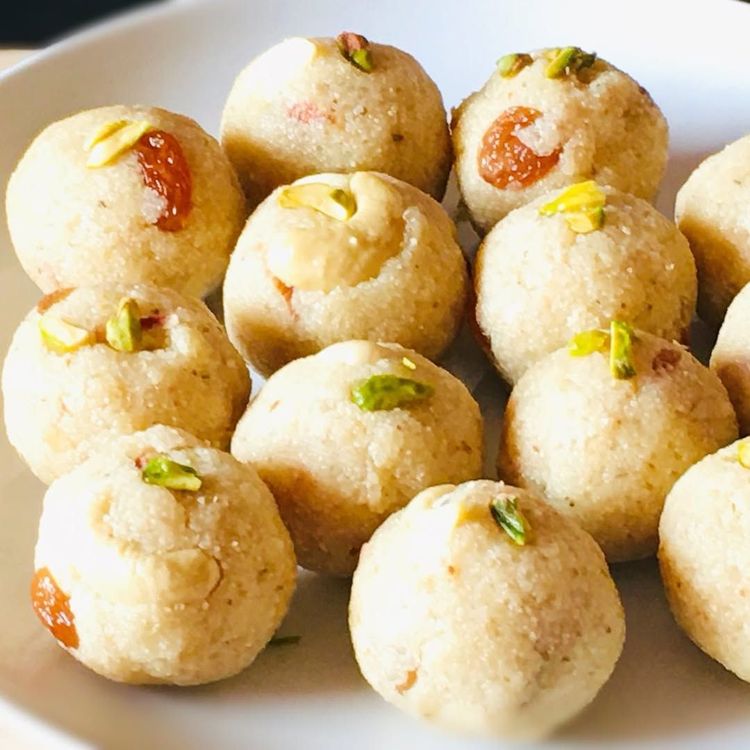
- Indian
- Vegetarian
- Snack
Til & Jaggery Ladoo
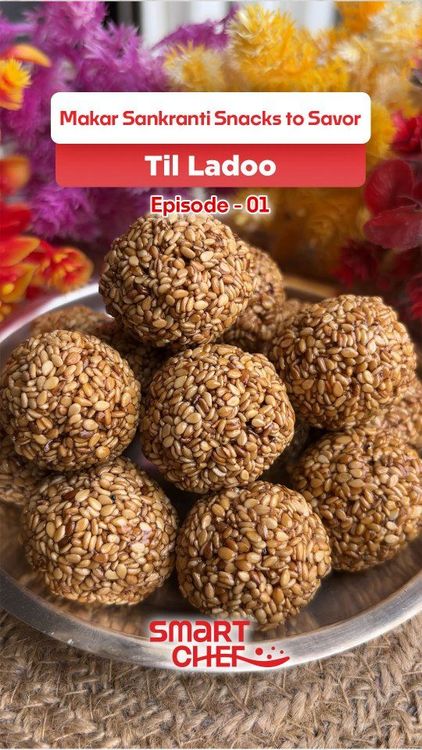
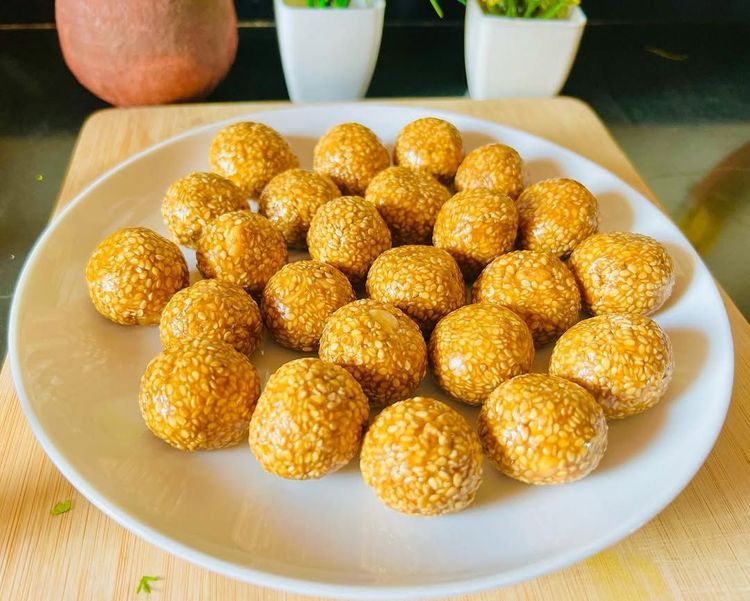
Til ladoo, made from roasted sesame seeds bound with melted jaggery, are the ladoo of winter — traditionally made for Makar Sankranti and eaten through the coldest months, when sesame and jaggery are both considered warming foods. The technique differs from flour-based ladoo in one key way: instead of roasting a base in ghee, you dry-roast the sesame seeds until they turn fragrant and just start to pop, then work them through melted, strained jaggery while it is still hot and pliable. Jaggery sets fast as it cools, so this is the one ladoo style where speed matters more than patience — have your rolled portions measured out and your palms greased before the jaggery goes in, because you may only have a minute or two of working time before it hardens in the pan. A few drops of ghee on your palms make shaping easier and stop the hot jaggery from sticking. Done right, til gud ladoo have a satisfying snap on the outside and a chewy, toffee-like centre that keeps well through the winter. Standouts here include Sesame Laddoos (Tilgul Ladoo) and Instant Soft Til Gud Laddoo, plus Til Ladoo.
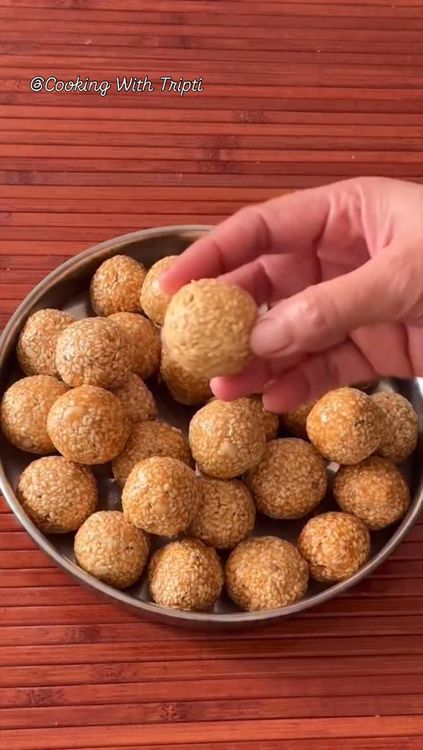
- Indian
- Vegetarian
- Snack
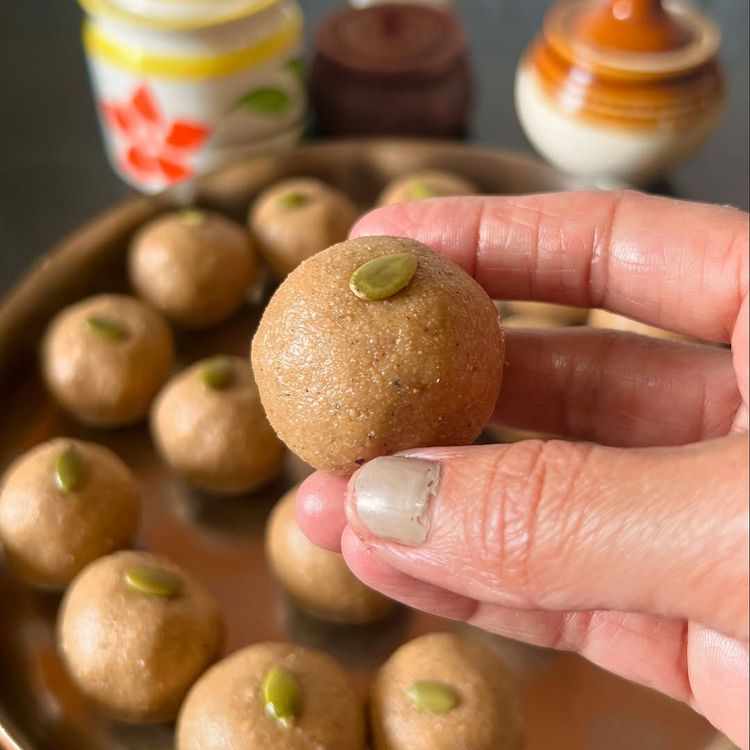
- Indian
- Vegetarian
- Snack
- Indian
- Vegetarian
- Snack
- Indian
- Vegetarian
- Snack
More Ladoo Favourites
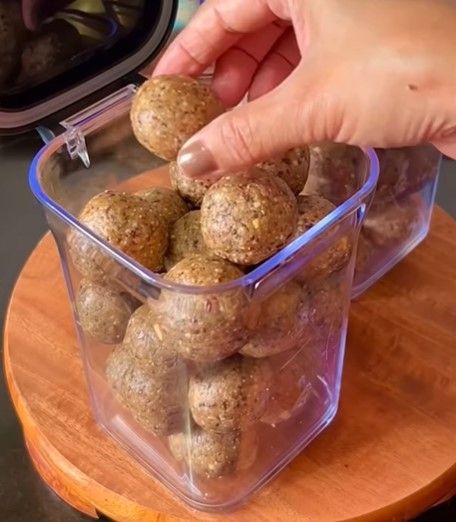
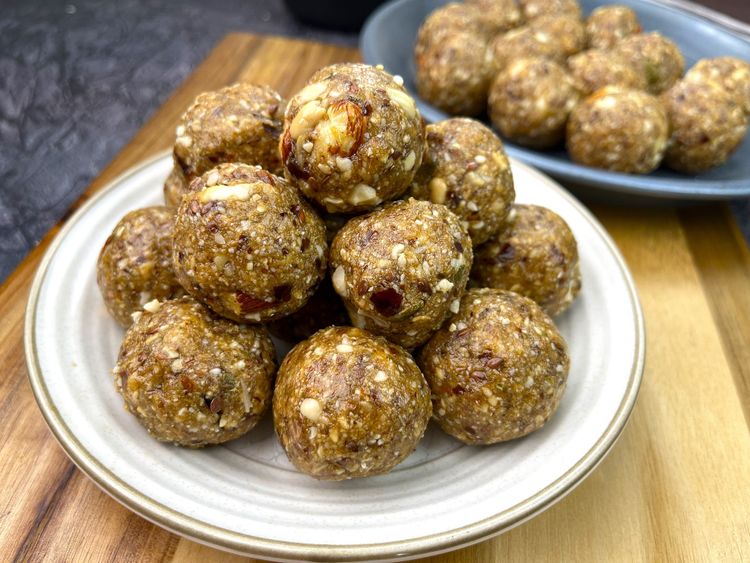
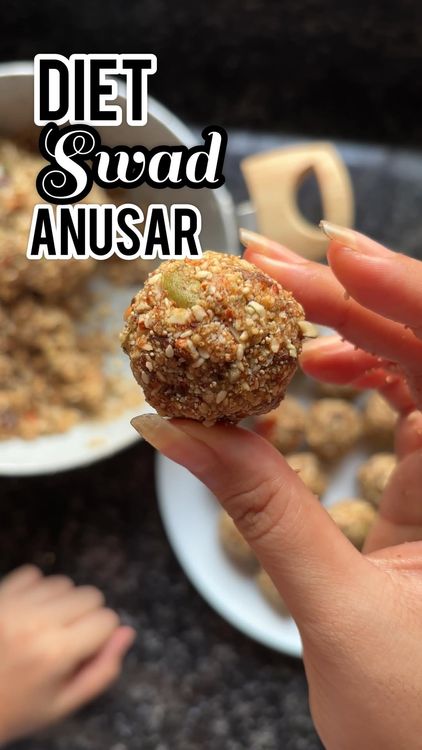
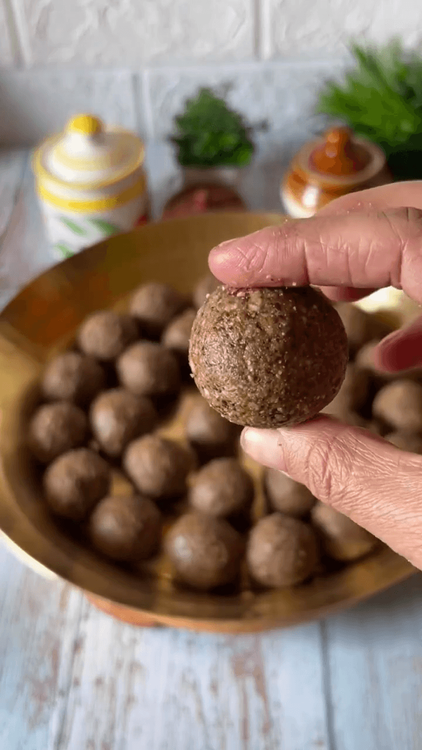
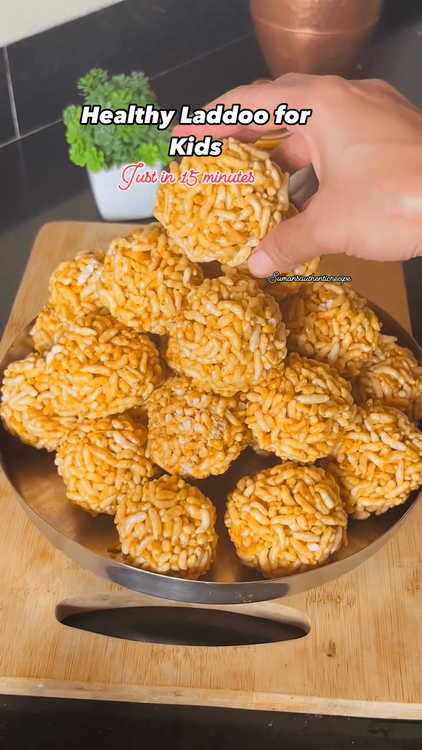
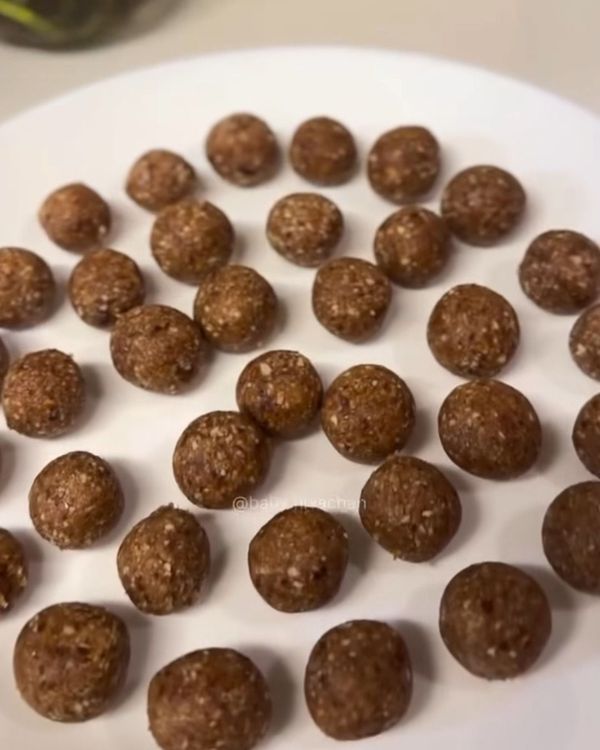
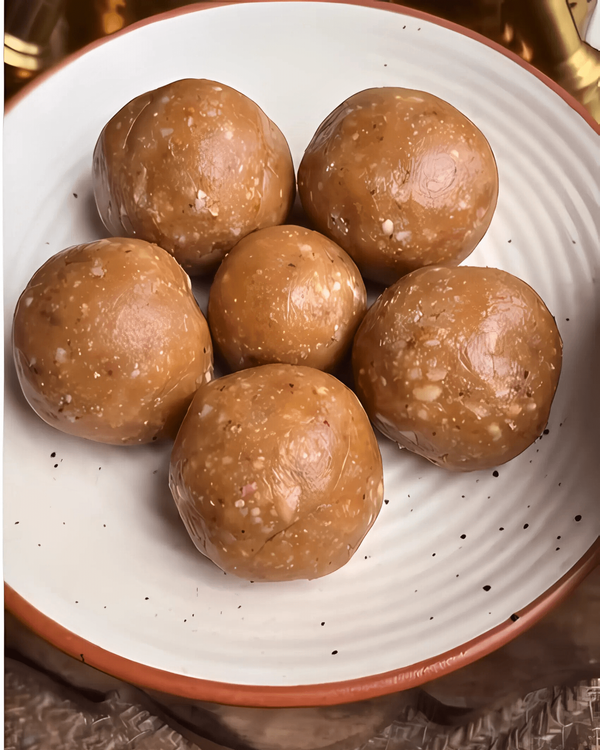
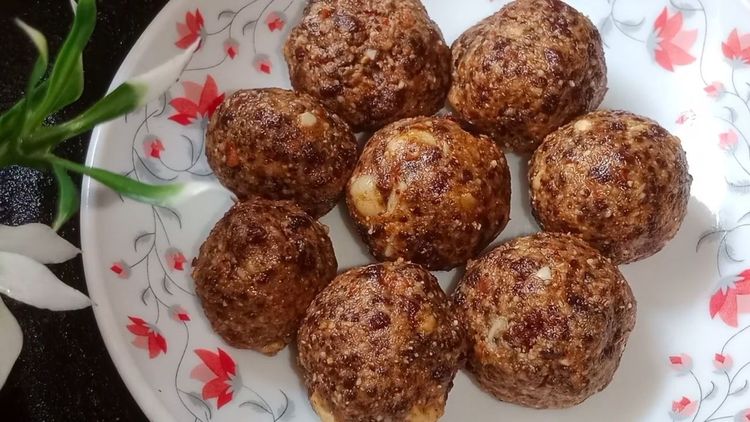
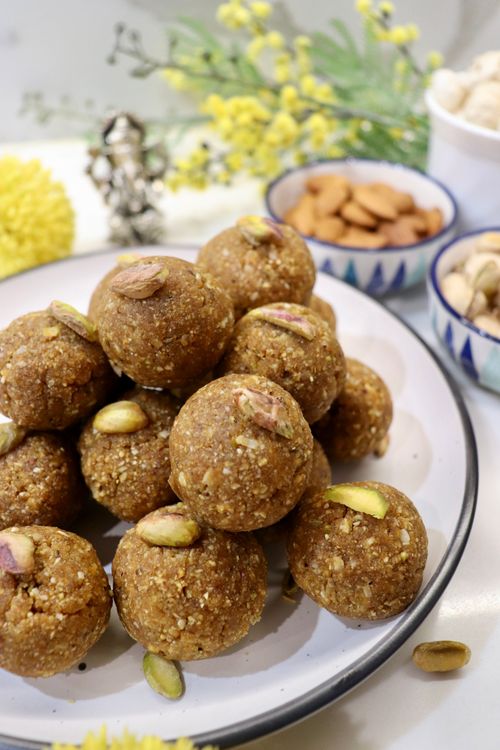
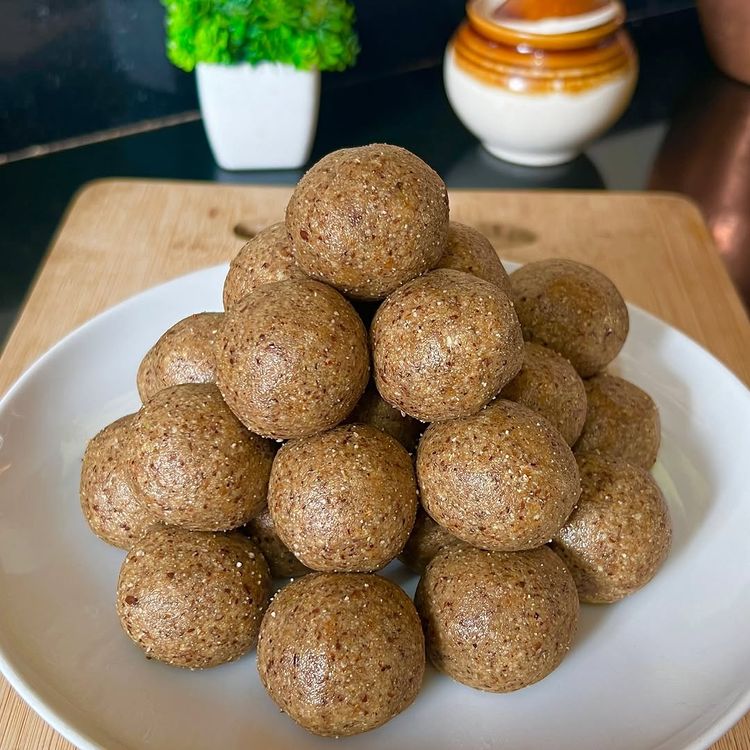
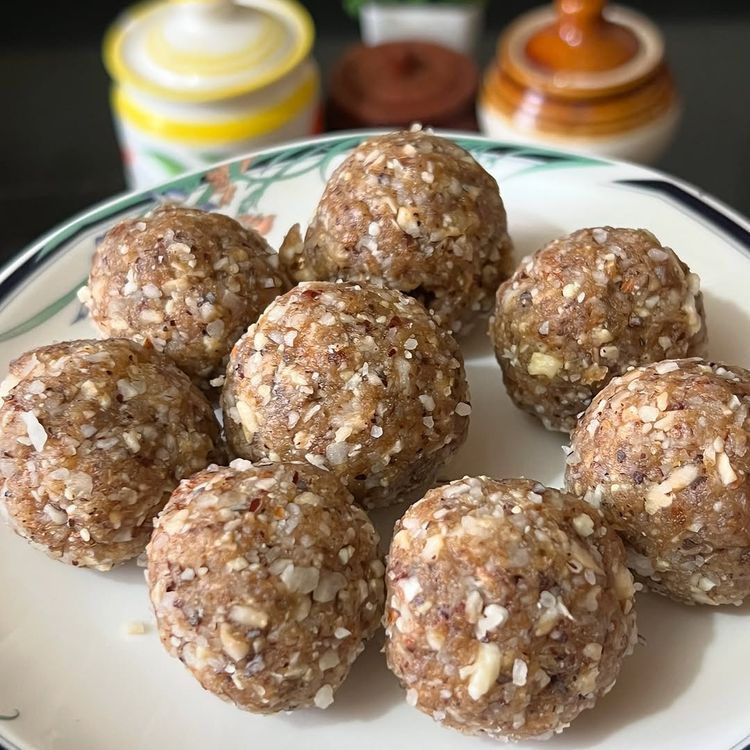
A few more dishes worth a place in your rotation — same techniques, different results. Standouts here include Jackfruit Seed Ladoo In Airfryer | Healthy Ladoo Recipe and Flaxseed & Dry Fruits Laddoo, plus No-Sugar Laddoos.

- Vegetarian
- Snack

- Indian
- Vegetarian
- Snack
- Indian
- Vegetarian
- Snack
- Indian
- Vegetarian
- Snack

- Indian
- Vegetarian
- Snack
- Indian
- Vegetarian
- Snack

- Indian
- Vegetarian
- Snack
- Indian
- Vegetarian
- Snack
- Indian
- Vegetarian
- Snack
- Indian
- Vegetarian
- Snack
- Indian
- Vegan
- Appetiser
- Indian
- Vegan
- Appetiser
- Indian
- Vegetarian
- Snack
- Indian
- Vegetarian
- Dessert
- Indian
- Vegan
- Snack
- Indian
- Vegetarian
- Snack
- Indian
- Vegan
- Snack
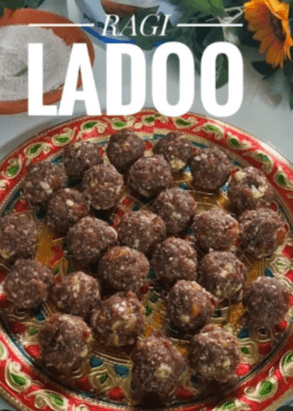
- Indian
- Vegetarian
- Breakfast
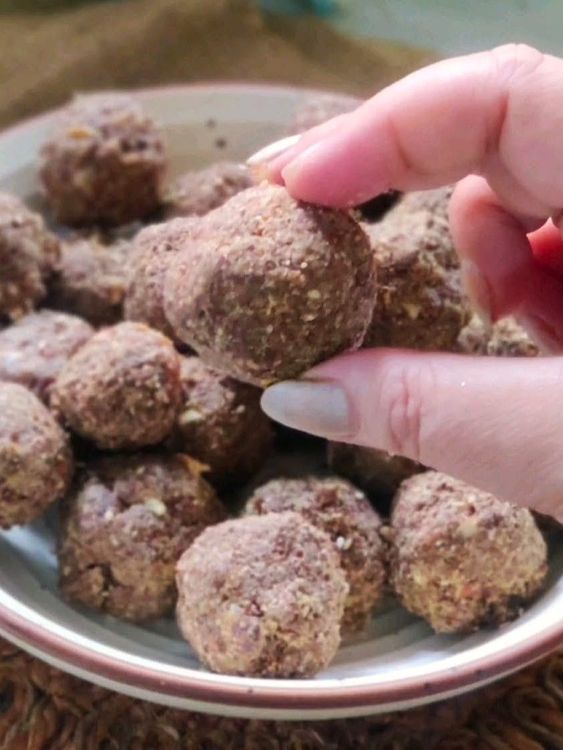

- Indian
- Vegetarian
- Snack
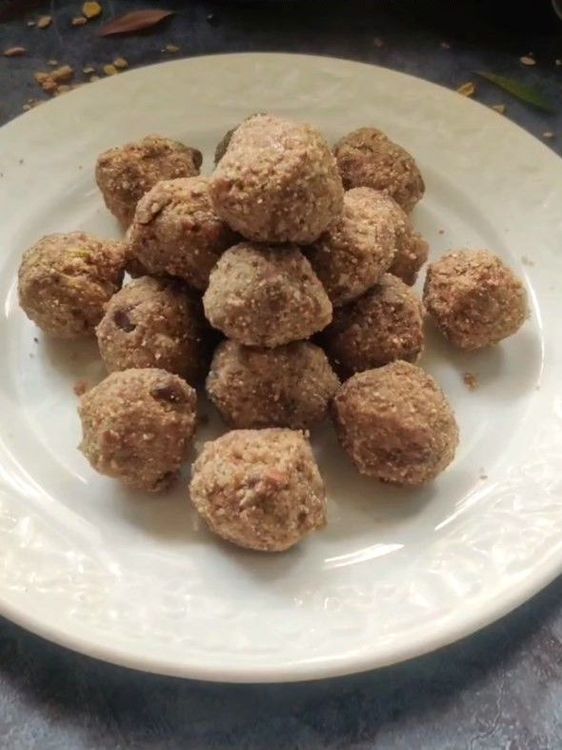
- Indian
- Vegetarian
- Snack
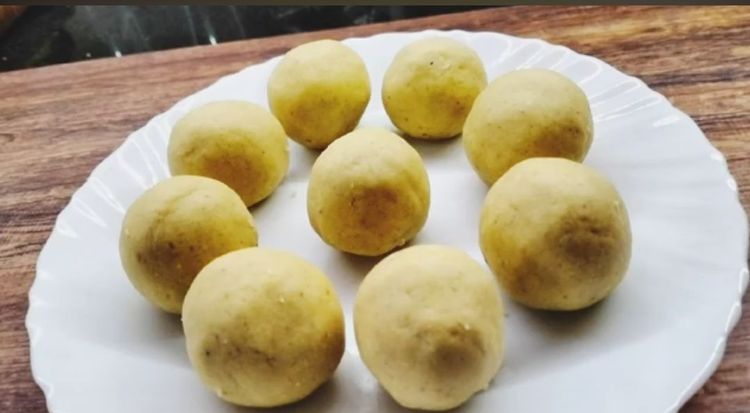

- Indian
- Vegetarian
- Snack
Roasting Flours and Nuts the Right Way
Almost every ladoo starts with roasting — besan, sooji, wheat flour or dry fruits, cooked slowly in ghee over low to medium heat until the raw smell disappears and the colour turns a shade darker. This can take anywhere from eight to twenty minutes depending on the flour, and it cannot be rushed on high heat: the outside will brown while the inside stays raw and gritty.
Stir constantly and keep the flame low once you smell the ghee turning fragrant — this is the point where flour goes from perfectly toasted to burnt within a minute. Besan in particular releases a distinct nutty aroma and lightens in texture, almost bubbling slightly, when it is ready. Trust your nose and eyes over the clock, since stove heat and pan thickness change roasting time.
A heavy-bottomed kadai or pan matters more than most home cooks realise, because a thin pan creates hot spots that scorch flour before the centre cooks through. Roast nuts and dry fruits separately from flour, since they brown faster and can turn bitter if left in with the flour the whole time. Cool the roasted base slightly before adding sugar so the sweetener does not seize or crystallise too early.
Getting the Binding Right: Ghee, Sugar Syrup and Jaggery
Ladoo hold together three main ways: powdered sugar stirred straight into warm roasted flour, a one- or two-string sugar syrup poured over the mixture, or melted jaggery worked through while hot. Each gives a different texture — powdered sugar is the simplest and most forgiving, syrup gives a denser, glossier ladoo like motichoor, and jaggery brings a caramel note and a slightly chewier bite.
If you are working with sugar syrup, the consistency is everything: too thin and the ladoo will not hold shape, too thick and it turns brittle and hard to roll. A one-string consistency, checked by pressing a drop between thumb and finger and lifting to see a single thin thread, is right for most ladoo. Work quickly once the syrup is ready, since it firms up fast as it cools.
Jaggery needs its own care: melt it gently with a splash of water or ghee over low heat, strain out any grit, and cook only until it just turns liquid and glossy — overcooked jaggery turns grainy and will not bind cleanly. Whichever method you use, add the sweetener while the roasted base is still warm; a cold base will not absorb it evenly and the ladoo ends up patchy.
Rolling and Shaping Ladoo That Hold Together
Timing is the biggest factor in shaping ladoo well. The mixture needs to be warm enough to hold together when pressed but cool enough not to burn your palms — usually a few minutes after it comes off the heat. Wait too long and it hardens before you can roll a single ball; roll too soon and every ladoo falls apart on the plate.
Grease your palms lightly with ghee before you start, and take small, even portions so every ladoo cooks and sets at roughly the same rate. Press the mixture firmly between your palms while rolling in a circular motion — a light touch leaves gaps that crumble later, while a firm, confident press compacts the ladoo into a smooth, dense round that holds its shape once it cools.
If the mixture cools and turns too stiff to shape, a few drops of warm milk or melted ghee worked back in will loosen it enough to roll. If it is too soft and will not hold a ball, a spoonful more of roasted flour or powdered sugar will firm it up. Keep a small bowl of water or ghee nearby so you can wet or grease your palms between batches without breaking your rolling rhythm.
Storage, Shelf Life and Make-Ahead Tips
Most ladoo keep well at room temperature for a week to ten days in an airtight container, provided they were properly roasted and cooled completely before storing — any lingering moisture is what shortens shelf life and invites mould. Ladoo bound with sugar syrup or jaggery, like motichoor and til gud, tend to last a little longer than those made with fresh coconut.
Coconut ladoo made with fresh grated coconut are the exception: refrigerate them and eat within four to five days, since fresh coconut spoils quickly even when sweetened. Ladoo made with desiccated or dried coconut hold up closer to the rest of the family and can sit at room temperature for a week.
For festivals, ladoo can be made two to three days ahead and stored in a single layer separated by parchment so they do not stick together, or frozen for up to a month for the sturdier flour-based versions. Thaw at room temperature before serving. Freshly roasted, still-warm ladoo are best on day one, but a well-made batch genuinely improves over a day or two as the flavours settle.
Pro Tips from the Test Kitchen
- Roast besan or sooji on low to medium heat and stir constantly — high heat browns the outside while the centre stays raw.
- Check sugar syrup for one-string consistency before pouring it into motichoor or besan ladoo; too thin and the ladoo will not set.
- Grease your palms with ghee before rolling so the mixture does not stick and cracks less as it cools.
- Shape ladoo while the mixture is still warm — wait too long and it hardens before you can press it into a ball.
- Melt jaggery gently and strain out grit before adding it to a ladoo mixture; overcooked jaggery turns grainy and will not bind.
- Roast nuts and dry fruits separately from flour so they do not scorch or turn bitter.
- If the mixture turns too stiff to shape, work in a few drops of warm milk or ghee to loosen it.
- Refrigerate fresh coconut ladoo and eat within four to five days; desiccated coconut versions keep longer at room temperature.
- Cool ladoo completely before sealing them in an airtight container — trapped warmth turns to moisture that shortens shelf life.
- Use a heavy-bottomed kadai for roasting; thin pans create hot spots that scorch flour before it cooks through evenly.
Frequently Asked Questions
Why do my ladoo turn out hard instead of soft?
Hard ladoo almost always come from overcooked sugar syrup or jaggery, or from a mixture that was left to cool too long before rolling. Check syrup for a soft one-string consistency rather than cooking it further, and shape your ladoo while the base is still warm and pliable. Over-roasting the flour itself can also dry it out and make the final ladoo dense.
Why do my ladoo fall apart and not hold together?
This is usually too little binding agent, a mixture that has gone cold before shaping, or flour that was under-roasted and never developed the right texture. Add a touch more sugar syrup, melted ghee or jaggery to bring it together, and always roll while the mixture is still warm enough to compact under light pressure.
What is the difference between ladoo and laddu?
They are the same sweet — ladoo and laddu are simply different English spellings of the same Hindi and Punjabi word for a round, hand-rolled Indian sweet. You will see both spellings used interchangeably across recipes and regions, and this collection uses them the same way.
What is besan ladoo made of?
Besan ladoo are made by slow-roasting gram flour (besan) in ghee until it turns golden and fragrant, then binding it with powdered sugar while still warm and rolling it into rounds, often studded with a few chopped nuts. The long, low roast is what gives besan ladoo their signature nutty flavour and grainy-yet-tender texture.
How do you make coconut ladoo without it turning too sticky?
Cook the grated coconut and sugar (or condensed milk) mixture over low heat until it thickens and starts pulling away from the sides of the pan, then let it cool for a few minutes before rolling — rolling too soon while it is very wet is what makes coconut ladoo sticky. A light dusting of desiccated coconut on your palms also helps.
Can ladoo be made without sugar?
Yes — many ladoo recipes swap refined sugar for jaggery, dates or dried fruit for sweetness, which also adds iron and a deeper caramel flavour. These naturally sweetened versions are popular for kids, pregnancy and everyday snacking rather than only festival occasions, and they generally keep just as well when stored properly.
How long do homemade ladoo last?
Most flour-based ladoo, like besan or rava ladoo, keep for seven to ten days at room temperature in an airtight container. Fresh coconut ladoo are more perishable and are best refrigerated and eaten within four to five days. Freezing extends the shelf life of sturdier flour-based ladoo to about a month.
What is motichoor ladoo?
Motichoor ladoo are made from tiny fried droplets of besan batter, called boondi, which are soaked in sugar syrup and then packed and rolled into a ball while still warm. The result is a denser, glossier ladoo than the coarser, roasted-flour style of a classic besan ladoo, with a slightly softer, syrup-soaked bite.
Why is my ladoo mixture too dry to roll?
A dry mixture usually means not enough ghee, syrup or jaggery was added, or that the flour was roasted a touch too long and lost moisture. Work in a spoonful of warm milk, melted ghee or extra syrup a little at a time until the mixture holds together when pressed, rather than adding it all at once.
What ladoo is traditionally made for Makar Sankranti?
Til gud ladoo, made from roasted sesame seeds bound with melted jaggery, is the classic sweet for Makar Sankranti and the winter harvest season across much of India. Sesame and jaggery are both considered warming foods, which is part of why this particular ladoo is tied so closely to the coldest part of the year.
Every ladoo in this collection comes back to the same handful of moves: roast the base low and slow, bind it while it is still warm, and shape it before it cools and sets. Once those three steps are second nature, besan, coconut, rava and til ladoo all become variations on a technique you already know rather than separate recipes to learn from scratch. Even the small details — a heavy pan, a light hand while rolling, a nose for when roasted flour is ready — carry across every cluster on this page.
Start with whichever cluster suits the occasion — besan or motichoor for a festival tray, coconut for something quick and no-cook, rava for a nutty everyday batch, or til gud when the weather turns cold — and save your favourites to a Chefadora cookbook as you go. This page is built to be the ladoo recipe reference you return to every festival season, whatever is on the calendar next.
Related
- Ladoo
- Indian Sweets
- Diwali
- Festive
- Vegetarian
- No-Bake Desserts
- Gluten-Free
Popular Searches
- Best ladoo recipes
- Easy ladoo recipes
- Quick ladoo recipes
- Healthy ladoo recipes
- Simple ladoo recipes
- Homemade ladoo recipes
- Delicious ladoo recipes
- Popular ladoo recipes
- laddu recipe
- besan ladoo
- coconut ladoo
Marnirni-apinthi Building, Lot Fourteen,
North Terrace, Adelaide, South Australia, 5000
Australia
