
Top 30 Air Fryer Recipes: Crispy Chicken, Snacks, Seafood and Bakes
Updated June 22, 2026 · Curated by Chefadora
Air fryer recipes have quietly taken over the weeknight kitchen, and for good reason: the machine is a small, ripping-hot convection oven that crisps food with a fraction of the oil deep-frying needs. The dishes below were chosen to show its real range — shatteringly crisp chicken and wings, fast snacks and sides, delicate seafood, golden vegetables and even small-batch cakes — rather than ten versions of frozen fries.
What the air fryer actually does is move very hot air very fast around the food, so surfaces brown and crisp while the inside stays tender. That is why a teaspoon of oil can do the work of a deep-fryer full of it, and why crowding the basket is the one mistake that undoes everything: packed-in food traps steam exactly where you wanted crunch.
You will find the collection grouped into clusters — chicken and wings, seafood, vegetables and potatoes, crisp snacks and sides, and a run of sweet bakes. Every one leans on the same handful of moves repeated: dry the surface, a light spritz of oil, a single layer, and a shake halfway through.
Treat this as a working reference. Each recipe links to full ingredients and steps on Chefadora, and the guides below cover what actually decides whether food comes out crisp or pale — temperatures and timings, oil and breading, preheating and batching, and the cleanup that keeps your basket non-stick.
Air Fryer Seafood
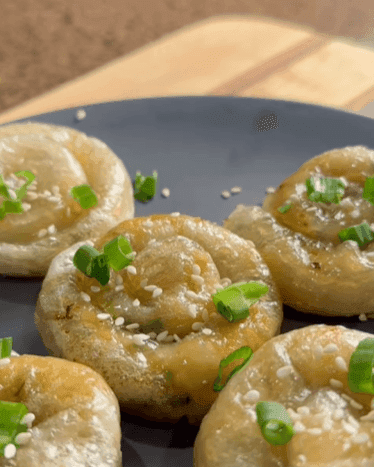
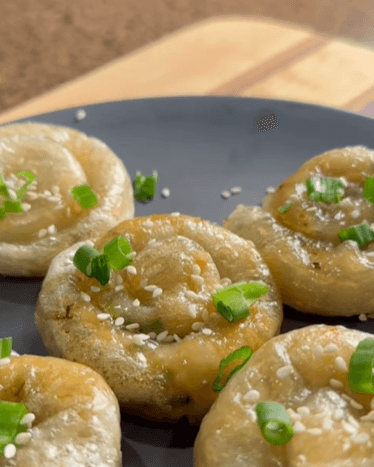
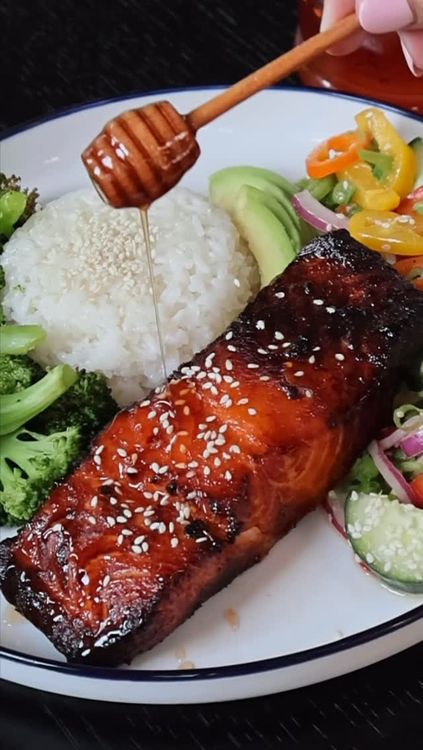
Delicate proteins ask for a gentler hand and a closer eye than wings or fries ever will. Fish fillets, shrimp, scallops, and crab cakes go from perfectly set to rubbery and dry in the span of a minute, so this is not a set-it-and-walk-away part of the lineup. Pat seafood dry and brush it lightly with oil to keep lean flesh from sticking and to help a coating or crust take on color. Because the moving heat works so quickly, start checking a few minutes before the recipe says you should; shrimp curl and turn opaque in mere minutes, and thin fillets follow close behind. The mistake to avoid is treating these like heartier ingredients and overshooting the time, which leaves you with chewy, sad results. Aim for opaque, just-flaking flesh, and remember that carryover keeps cooking after you open the basket. Pull a touch early rather than a touch late. Standouts here include Hot Honey Salmon Bites and Air-Fried Bang Bang Shrimp, plus Air Fryer Shrimp Dumpling Spirals.

- Asian
- Pescatarian
- Appetiser

- American
- Pescatarian
- Dinner
Air Fryer Vegetables & Potatoes
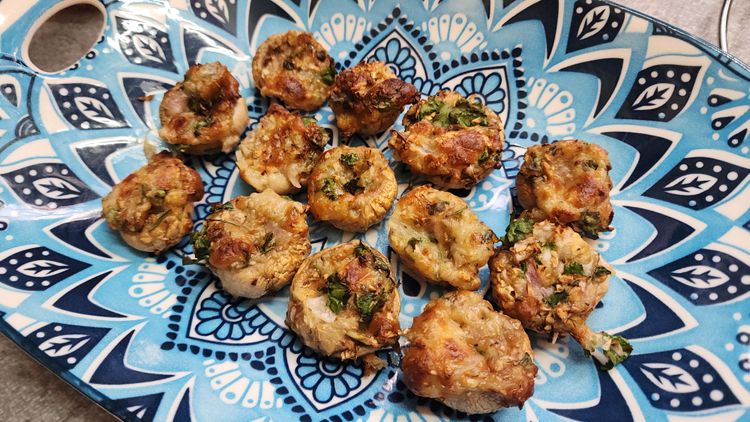
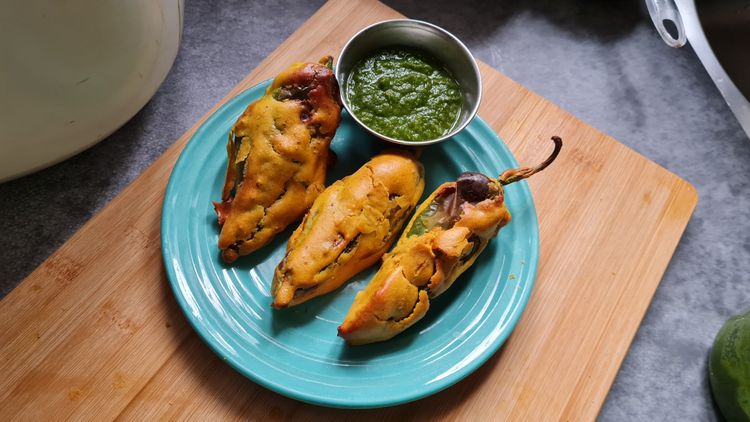
Vegetables are where this appliance quietly outshines expectations, caramelizing edges the way a screaming-hot oven does but faster and with a fraction of the oil. Brussels sprouts blister, broccoli florets char at the tips, and potato wedges turn craggy and golden outside while staying fluffy within. The move is to toss everything in just enough oil to coat each piece with a thin sheen, not a puddle, then season aggressively because the dry, fast heat mellows salt and spice. Give the pieces space; a crowded basket steams instead of roasts, and you lose the browning that makes these worth making. Cut vegetables to a uniform size so they finish together, and shake or toss partway through for even color. Around 200C/400F suits most sturdy vegetables, with a quick shake at the halfway mark. Denser items like potatoes benefit from a head start before tender vegetables join, and a final blast crisps everything right before serving. Standouts here include Buffalo Cauliflower Bites and Crispy Smashed Potatoes with High-Protein Spicy Yogurt Dip, plus Airfryer Cheesy Mushrooms.

- International
- Vegetarian
- Appetiser
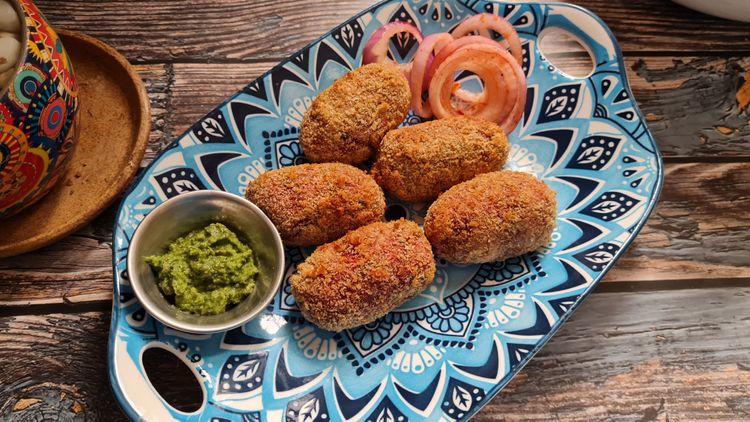
- Indian
- Vegan
- Breakfast
Crispy Snacks & Sides
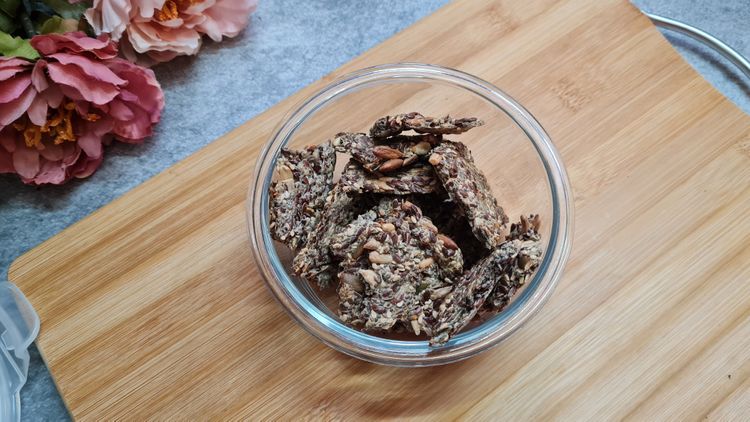
Crunch in about fifteen minutes is the real promise of this machine, and these recipes lean into that hard. Whether you are crisping chickpeas, reheating fries to a second life, or browning store-bought bites, the principles stay the same and the payoff is fast. Lay everything in a single layer with room to breathe, because pieces touching one another trade crispness for soft, steamed spots. Shake the basket halfway through so the undersides get the same blast of moving air as the tops, and resist the urge to keep peeking, which drops the temperature. The detail people skip is timing the salt: season the moment food comes out, while the surface is hot and faintly oily, so the grains actually stick instead of rolling off a cooled exterior. A light spritz of oil before cooking deepens color, but a heavy hand makes things greasy rather than crisp. Small batches beat one big pile every time. Standouts here include Air Fryer Crustless Cheese and Oats Quiche and Truffle Honey Whipped Ricotta & Prosciutto Toast, plus Air-fried Indian Trail Mix.
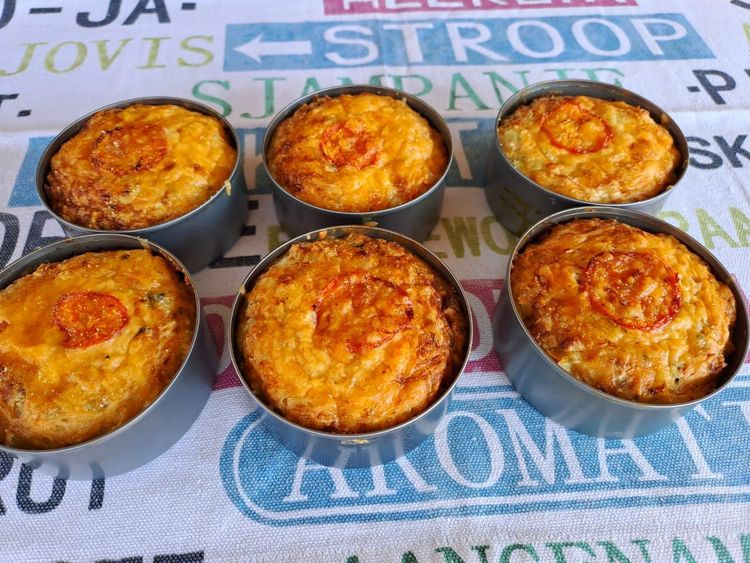
- South African
- Eggetarian
- Breakfast
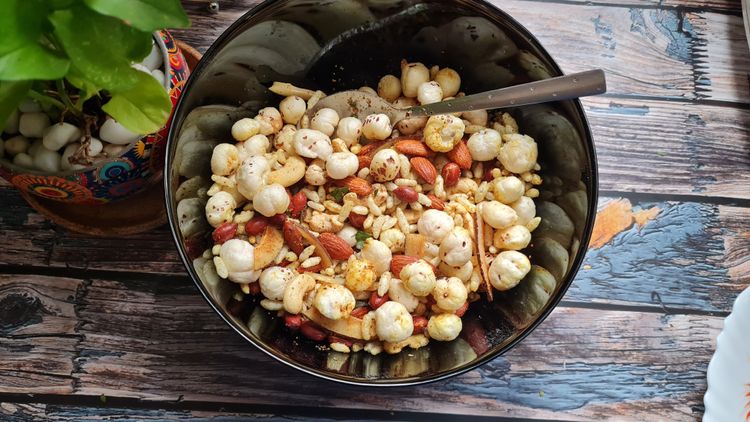
- Indian
- Vegan
- Snack
- Fusion
- Vegan
- Appetiser
- Indian
- Vegan
- Appetiser
Air Fryer Bakes & Desserts
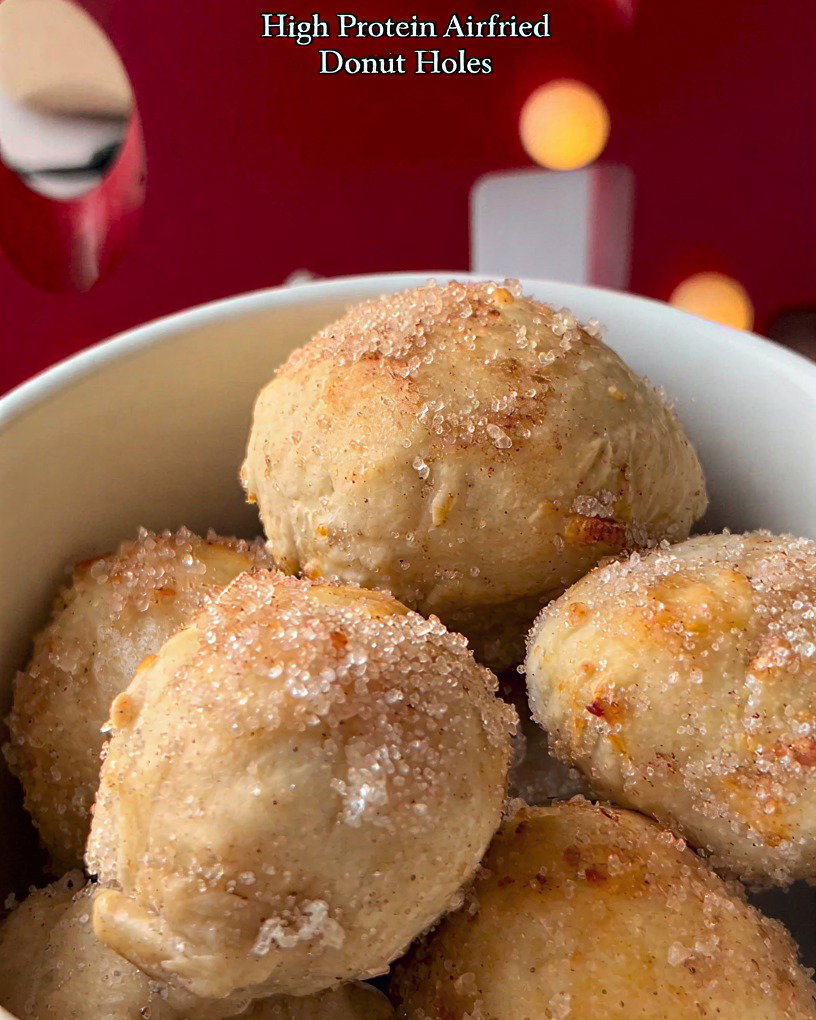
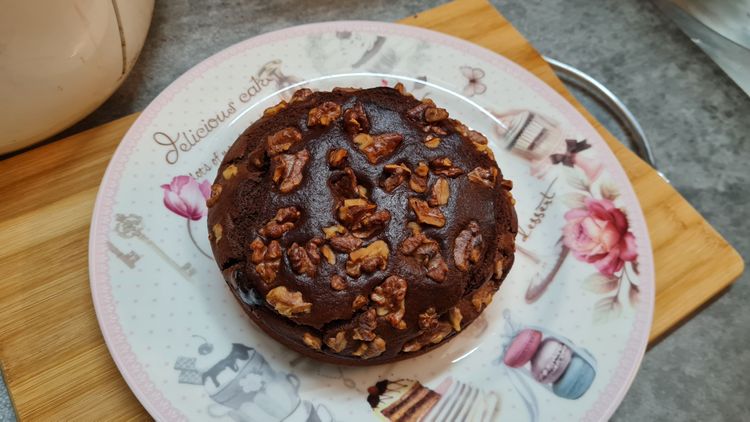
Here is the part many cooks overlook entirely: this machine bakes beautifully. The compact chamber and brisk convection are tailor-made for small-batch desserts, turning out a few cookies, a couple of molten cakes, or a handful of hand pies without firing up a full oven or waiting on a long preheat. The fast-moving air does mean your usual recipes need a small adjustment, since convection browns more efficiently than still oven heat. Drop the temperature by roughly 10C compared with an oven recipe and start checking early, because edges and tops color faster than you expect and the line between golden and scorched is thin. Use parchment or a fitted liner to keep batters from dripping through the basket, and never overfill; these bakes rise and need room for air to circulate. The common error is trusting the original bake time outright. Watch for visual cues like set edges and a faintly springy center instead. Standouts here include Air Fryer Protein Donut Holes and Air-Fried Churros with Cinnamon-Date Caramel, plus Chocolate Cake in Airfryer .

- Vegetarian
- Dessert
- International
- Vegetarian
- Appetiser

- Eggetarian
- Breakfast
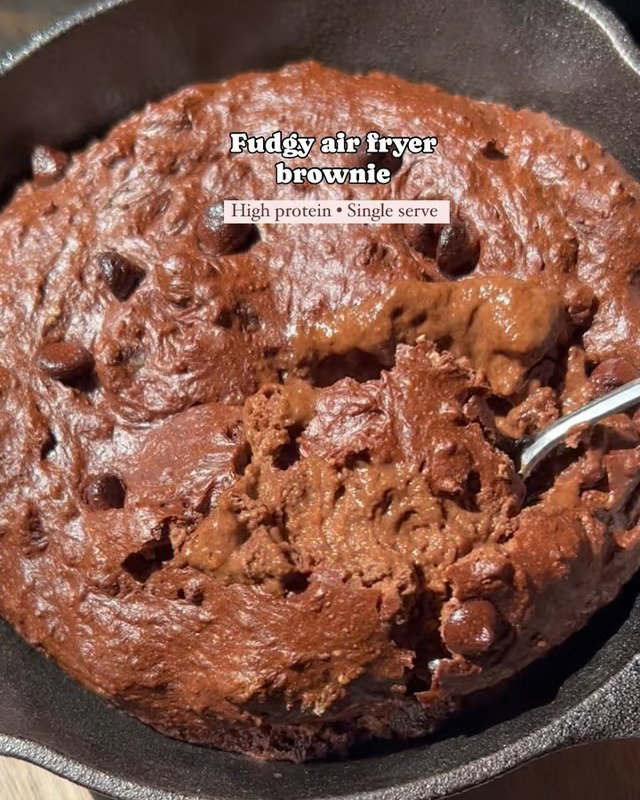
- Eggetarian
- Dessert
More Air Fryer Favourites
Once the basics click, you will want a deeper bench for the weeknight rotation, and that is what this final group offers. The dishes here range across proteins, handhelds, and clever odds and ends, but they all answer to the same rules that govern everything else: start with a hot basket, keep food in a single layer, dry the surface before it goes in, and cook until genuinely crisp rather than merely hot. Choosing what to try next is mostly about matching effort to your evening. Reach for breaded or coated items when you want maximum crunch payoff, and lighter assemblies when you want speed. If a recipe is new to you, check a few minutes early the first time and note the result, since wattage and basket size vary between machines. Build a short list of repeat winners, then branch out one dish at a time so each becomes second nature before the next. Standouts here include Kothimbir Wadi | Maharashtrian Steamed & Fried Coriander Fritters and Airfried Moong Dal Mathri, plus Air Fryer Blueberry Crisp.


- Indian
- Vegetarian
- Snack
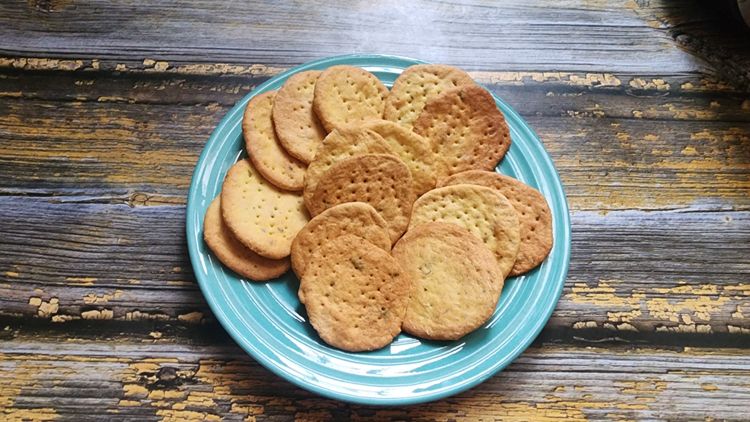
- Indian
- Vegetarian
- Snack

- Vegetarian
- Dessert
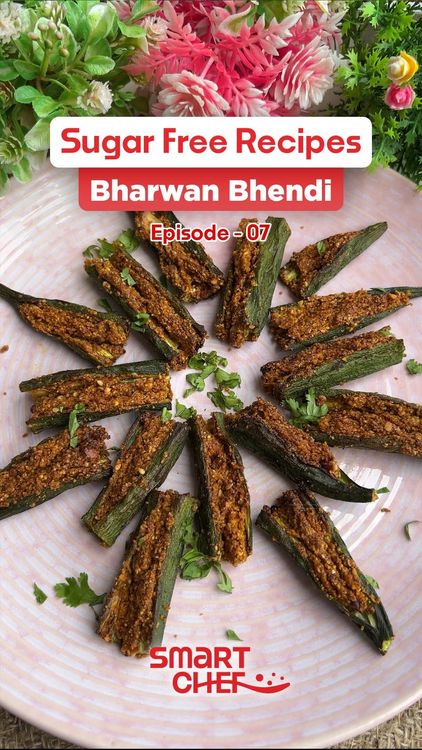

- Indian
- Vegan
- Lunch
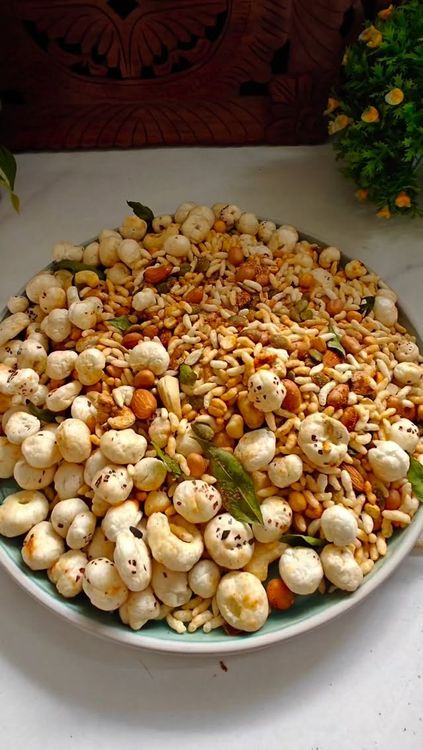

- Indian
- Vegan
- Snack
Getting Crispy Results Every Time
Crispness in an air fryer comes down to dry surfaces and moving air. Pat everything bone-dry before it goes in, because any surface moisture turns to steam and steam is the enemy of crunch. For wings and other skin-on cuts, a light dusting of baking powder (not baking soda) raises the surface pH and helps the skin blister and stay crackly.
Give food room. A single layer with space between each piece lets the hot air reach every side at once; a crowded basket traps humidity and leaves you with pale, flabby spots. Cook in batches if you have to — two quick batches beat one sad pile. Shake or flip halfway so the undersides get the same blast of air as the tops.
Finish with salt the moment food comes out, while the surface is hot and faintly oily so the grains actually stick. A light spritz of oil before cooking deepens color and crunch, but a heavy hand makes things greasy rather than crisp. When in doubt, use less oil and more space.
Temperatures and Timings
Most savory food lives between 180C and 200C (360 to 400F). Sturdy items you want deeply browned — wings, fries, vegetables — like the top of that range; delicate or already-cooked items need less. Because air fryers vary a lot by wattage and basket size, treat any recipe time as a starting point and check early the first time you make something.
Cook proteins to temperature, not to the clock. Pull chicken at 74C/165F and let it rest five minutes so the juices redistribute and carryover finishes it gently. Seafood is the opposite of forgiving: shrimp curl and turn opaque in a few minutes and thin fillets follow close behind, so start checking well before the stated time.
For anything you are reheating, a short blast at high heat re-crisps far better than a microwave ever will. Leftover fries, pizza, samosas and fried chicken come back to life in three to five minutes at around 180C, no extra oil needed.
Oil, Breading and Coatings
A fine mist of oil is all most food needs. Use an oil with a high smoke point — neutral vegetable, canola or avocado — and a pump sprayer or brush rather than aerosol cans, which can strip the basket coating over time. The goal is a thin, even sheen, not a coating; oil is for color and crunch, not frying.
Breading sticks best in three stages: dry flour, then egg, then crumbs, pressing the crumbs on firmly. Panko crisps better than fine breadcrumbs, and a light spritz of oil over the breaded surface is what turns it golden instead of dusty white. Let breaded items sit for a few minutes before cooking so the coating sets.
Wet batters do not work in an air fryer the way they do in hot oil — with nothing to set them, they simply drip through the basket. For a battered-style result, use a thicker paste or a crumb coating instead, and always spritz oil over the surface so it browns rather than bakes dry.
Preheating, Batching and Cleanup
Preheat for two to three minutes for anything you want to sear or crisp on contact — wings, steak bites, breaded items. Food added to a cold basket spends its first minutes warming the metal instead of browning. For gentle bakes you can usually skip the preheat entirely.
Plan around batches rather than fighting them. Cook in a single layer, hold finished pieces on a rack in a low oven if you are feeding a crowd, and add quick-cooking items late so everything finishes together. Resist opening the basket constantly; each peek drops the temperature and stretches the cook.
Clean the basket while it is still warm: most lift-out baskets are non-stick, so warm water and a soft sponge are enough — skip metal scourers, which scratch the coating. Line with a fitted perforated liner for sticky or saucy foods, but never run the fryer empty with loose paper, which can lift into the element.
Pro Tips from the Test Kitchen
- Pat food bone-dry before it goes in — surface moisture steams instead of crisping.
- Never crowd the basket; a single layer with space is the difference between crunchy and flabby.
- Shake or flip halfway through so the undersides brown as much as the tops.
- Salt the instant food comes out, while it is hot and oily, so the seasoning sticks.
- A light spritz of oil deepens color; a heavy pour just makes things greasy.
- Cook chicken to 74C/165F and rest it five minutes rather than trusting the timer.
- Dust wings with baking powder (not soda) for skin that blisters and stays crisp.
- Preheat two to three minutes for anything you want to sear on contact.
- Reheat fries, pizza and fried food at 180C for a few minutes — far better than a microwave.
- Skip wet batters; they drip through. Use a crumb coating and spritz it with oil instead.
Frequently Asked Questions
Do you need to preheat an air fryer?
For anything you want to crisp or sear on contact — wings, breaded items, steak bites — a two to three minute preheat helps, because food in a cold basket wastes its first minutes warming the metal. For gentle bakes and reheating you can usually skip it. When in doubt, preheat; it costs little and improves browning.
How much oil should you use in an air fryer?
Far less than you think — a fine mist or a light brush is enough. The machine crisps with hot air, so oil is only there for color and crunch, not for frying. Use a pump sprayer with a high-smoke-point oil and aim for a thin, even sheen. Too much oil pools in the drawer and makes food greasy rather than crisp.
Why is my air fryer food not crispy?
Almost always too much moisture or a crowded basket. Pat food dry before cooking, arrange it in a single layer with space between pieces, and shake halfway through. If the basket is packed, the trapped steam keeps everything soft. A light spritz of oil and a slightly higher temperature for the last few minutes also help.
Can you put foil or parchment in an air fryer?
Yes, but carefully. Use a fitted perforated parchment liner or a small piece weighed down by food so it cannot lift into the heating element. Foil works for wrapping or lining but blocks airflow if it covers the whole basket, which slows crisping. Never run the fryer empty with loose paper inside.
What can you not cook in an air fryer?
Wet battered foods are the main one — with no hot oil to set the batter, it drips through the basket. Very light items like loose leafy greens can blow around into the element, and large roasts may not fit or cook evenly. Use crumb coatings instead of batters, and stick to pieces that fit in a single layer.
Is air fryer food actually healthier?
Generally yes, compared with deep-frying, because you use a fraction of the oil for a similar crisp texture, which cuts added fat and calories. It is not magic — breaded and processed foods are still those foods — but for everyday cooking the air fryer lets you get crunch from chicken, vegetables and snacks with a light spritz rather than a deep-fry.
Do you need to flip food in an air fryer?
For even browning, yes — shake the basket or flip pieces about halfway through. The air moves fast but the side facing up still colors a little more, so a turn evens things out. Loose items like fries and chickpeas just need a shake; flat items like fillets and patties benefit from an actual flip.
How do you reheat food in an air fryer?
It is the best tool for reviving anything that was once crisp. Set it around 180C/360F and give fries, pizza, samosas, spring rolls or fried chicken three to five minutes, no extra oil. The hot air drives off the moisture a microwave traps, so the surface crisps back up while the inside warms through.
What temperature is best for an air fryer?
Most savory food sits between 180C and 200C (360 to 400F): the higher end for things you want deeply browned like wings, fries and vegetables, lower for delicate or already-cooked items. Bakes usually want around 160 to 170C, a little below an oven recipe, because the convection browns more efficiently. Always check early until you know your machine.
Can you cook raw chicken in an air fryer?
Absolutely, and it is one of its best uses — crisp skin, juicy meat, little oil. Arrange pieces in a single layer, cook at around 190 to 200C, flip halfway, and pull at an internal 74C/165F checked with a thermometer rather than guessing. Rest it five minutes before serving so the juices settle.
The thread through every air fryer recipe here is the same: dry surfaces, a single layer, a little oil and a lot of moving heat. Master those and chicken, snacks, seafood, vegetables and even desserts all come out crisp and fast, with a fraction of the oil — no deep-fryer, no heating the whole oven.
Pick a few to cook this week — a batch of wings, a quick snack and one sweet bake — and save your favorites to a Chefadora cookbook. Then work through the rest; this page is built to be the air fryer reference you keep coming back to.
Related
Popular Searches
- Best air fryer recipes
- Easy air fryer recipes
- Quick air fryer recipes
- Healthy air fryer recipes
- Simple air fryer recipes
- Homemade air fryer recipes
- Delicious air fryer recipes
- Popular air fryer recipes
- air fryer chicken
- air fryer snacks
Marnirni-apinthi Building, Lot Fourteen,
North Terrace, Adelaide, South Australia, 5000
Australia
