
Top 25 Cheesecake Recipes: Baked, No-Bake, Fruit and Chocolate
Updated June 25, 2026 · Curated by Chefadora
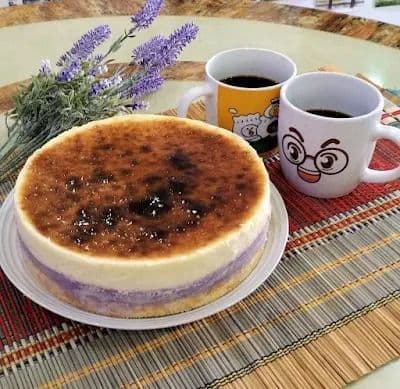
Cheesecake recipes cover far more ground than the single dense slice most people picture — the collection below runs from rich baked New York and Basque cheesecakes to quick no-bake and eggless sets, bright fruit-topped versions, and decadent chocolate, Oreo and Biscoff bakes. One creamy base of cream cheese, sugar and something to set it stretches from a fuss-free fridge dessert to a special-occasion centrepiece, and this page gathers the whole range in one place.
What every cheesecake comes down to is how the cream cheese is set and how gently it is treated. Baked versions rely on eggs and slow, low heat to firm a custard that should wobble slightly in the middle when it leaves the oven; no-bake ones lean on whipped cream, condensed milk or a little gelatin and simply chill. In both cases the cardinal rule is the same — beat in plenty of air and you get cracks and a coarse, dry crumb instead of silk.
You will find the collection grouped into four clusters — baked and classic cheesecakes, no-bake and eggless ones, fruit cheesecakes, and chocolate and special cheesecakes. Standout dishes range from a classic New York Baked Cheesecake and a No-Bake Mango Cheesecake to a tangy Lemon Cheesecake and a deeply rich Chocolate Biscoff Cheesecake, each built on the fundamentals the guides below lay out.
Treat this as a working reference. Each recipe links to full ingredients and steps on Chefadora, and the guides below cover what actually decides whether a cheesecake turns out smooth or grainy, set or sloppy, crack-free or split — softening and beating the cheese correctly, baking gently in a water bath, and setting a no-bake or eggless cake so it slices clean every time.
Baked & Classic Cheesecakes
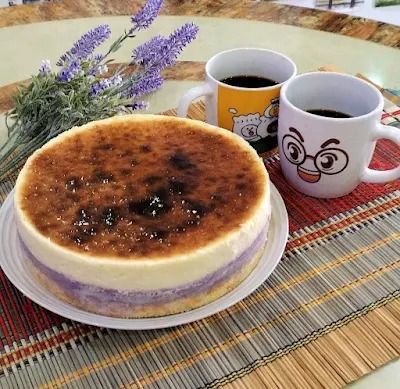
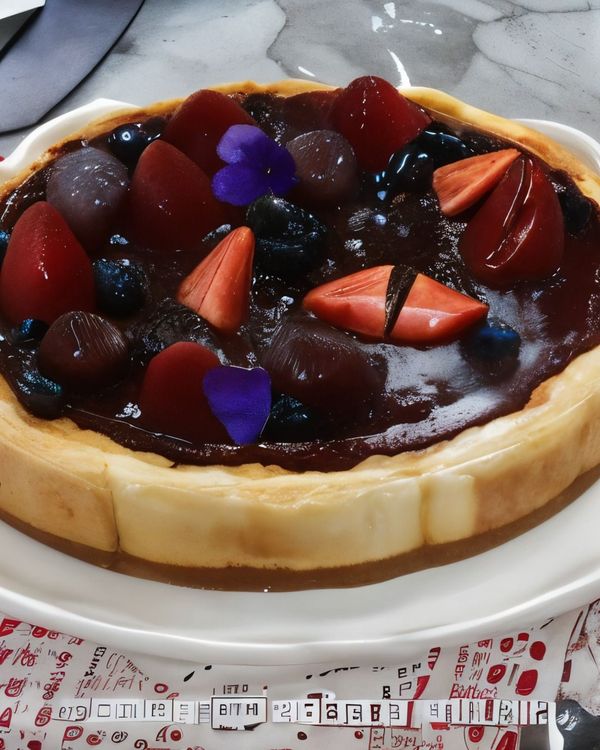
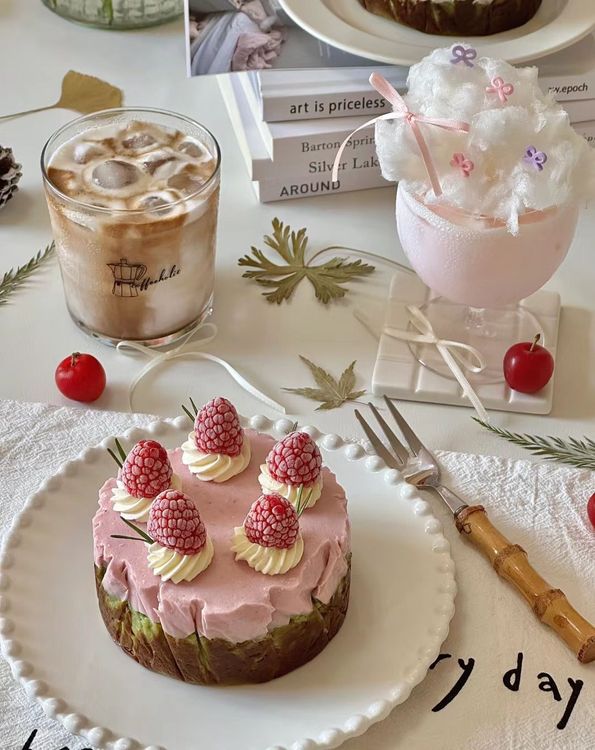
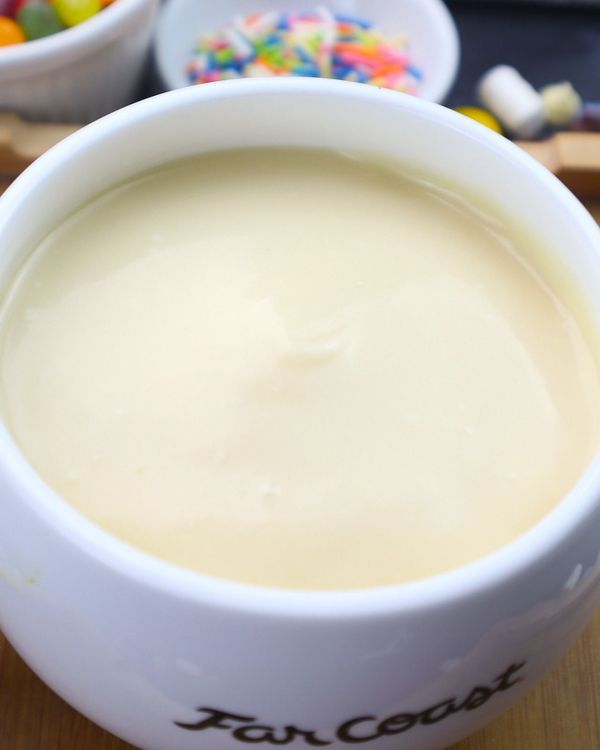
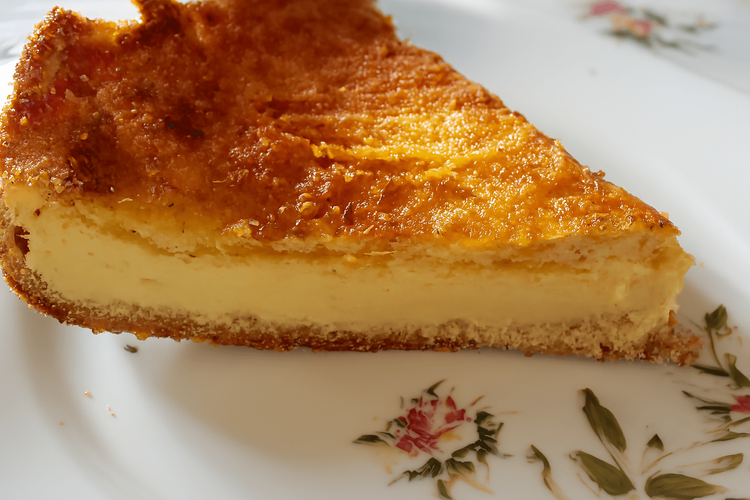
Baked cheesecakes are the dense, custardy originals, and getting them right is mostly about restraint. Bring the cream cheese, eggs and soured cream to room temperature before you start, because cold ingredients refuse to blend smooth and leave you chasing lumps at high speed, which is exactly what coarsens the crumb. Beat the cheese and sugar smooth first, then add the eggs one at a time on the lowest setting, mixing only until each disappears, because every bit of air you whip in is a crack waiting to happen. The bake itself wants to be gentle and moist: a foil-wrapped springform tin sitting in a water bath at around 150 to 160C keeps the edges from drying and splitting before the centre catches up. Pull the cake while the middle still wobbles like soft jelly, since it firms completely as it cools, then let it come down to room temperature slowly in the turned-off oven before a long chill. New York style leans tangy with soured cream; Basque burnt is the deliberate rebel, baked hot to scorch the top and leave the inside almost molten. Standouts here include Taro burnt cheesecake and Classic Cheesecake, plus 4-inch Raspberry Matcha Basque Cheesecake.
- Eggetarian
- Dessert
- American
- Eggetarian
- Dessert

- Fusion
- Vegetarian
- Dessert

- American
- Vegetarian
- Snack

- Eggetarian
- Dessert
No-Bake & Eggless Cheesecakes
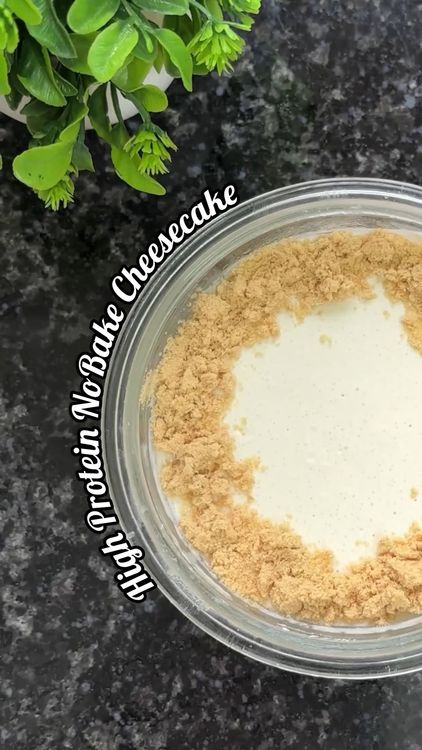
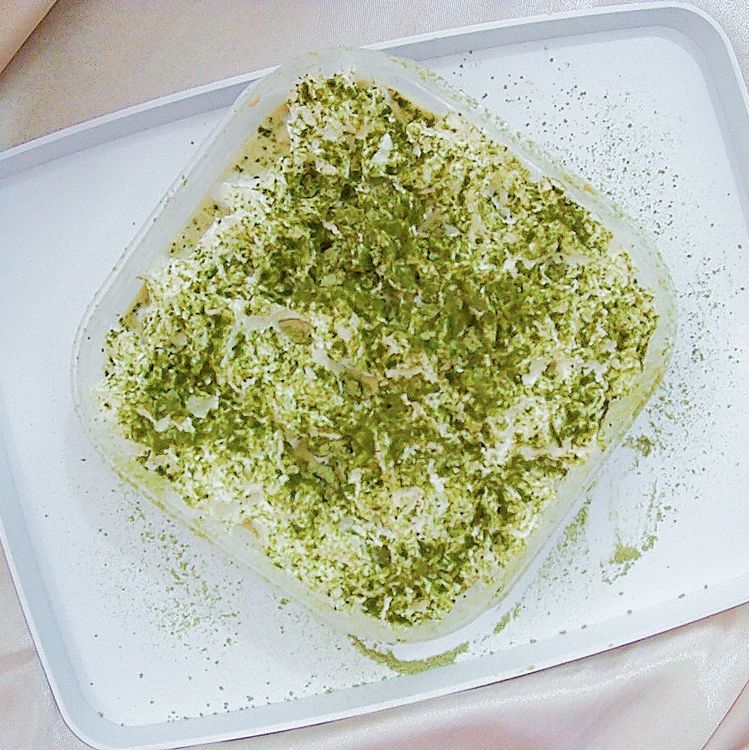
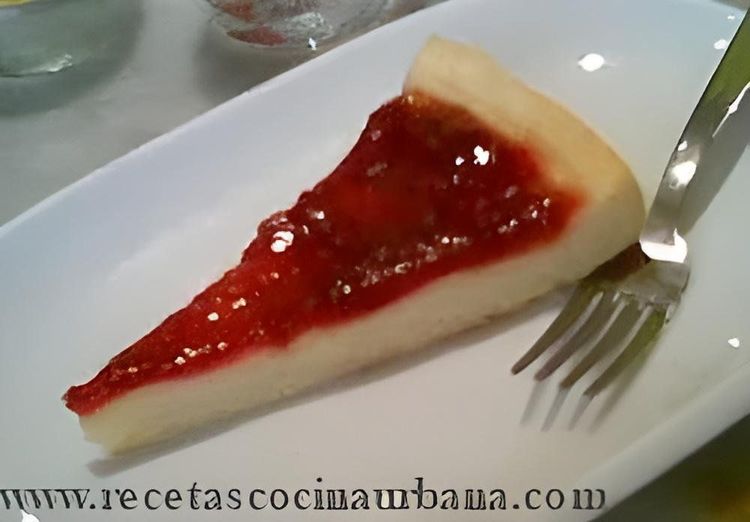
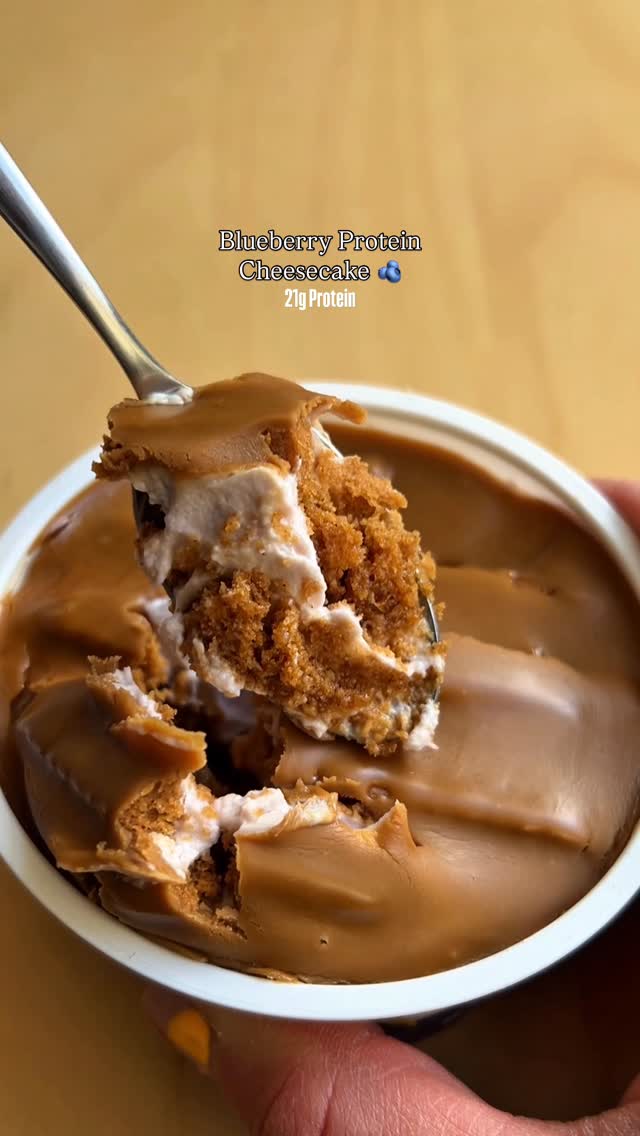
No-bake and eggless cheesecakes are the friendliest entry into the whole repertoire, trading the oven and its cracks for nothing more demanding than patience. The body comes from cream cheese folded together with cream whipped to stiff peaks, or from condensed milk that lends both sweetness and structure, and the fridge does the rest of the work. The key is making sure the mixture is genuinely thick before it goes into the tin: if it is loose and pourable, the cheese was too warm or the cream under-whipped, and no amount of chilling will firm it into clean slices. For eggless versions or anything with a wetter fruit puree, a setting agent earns its keep — gelatin bloomed in cold water and warmed until clear gives a soft, sliceable set, while agar agar or china grass, boiled until fully dissolved, sets firmer and faster for a vegetarian cake. Press the biscuit base down hard and chill it before filling so it acts like a proper foundation, then give the assembled cake a full six to eight hours, ideally overnight. Unmould it cold and you get a light, creamy, mousse-like slice with no oven in sight. Standouts here include High Protein No-Bake Cheesecake and Easy Biscoff Cheesecake, plus Cheesecake Recipe (Eggless and No-Bake Barley Biscoff Cheesecake).

- International
- Vegetarian
- Dessert


- Dessert
- International
- Vegetarian
- Dessert
- International
- Eggetarian
- Dessert
- American
- Eggetarian
- Snack
Fruit Cheesecakes
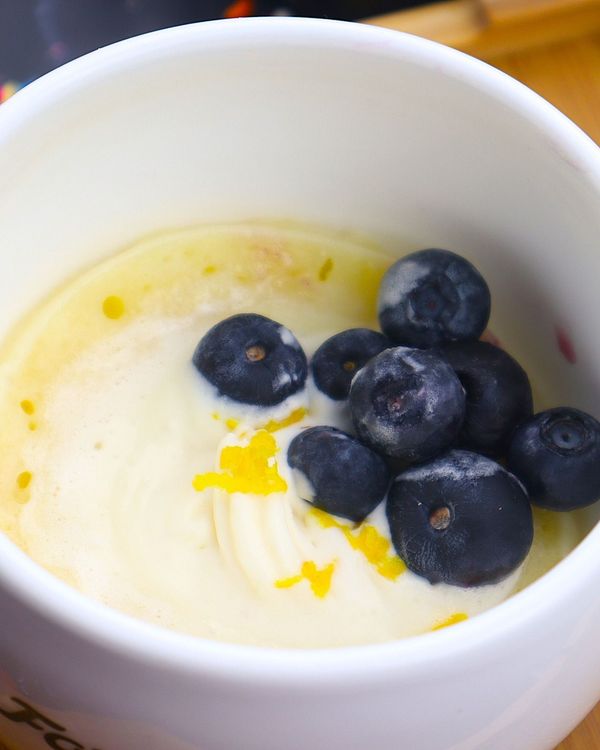
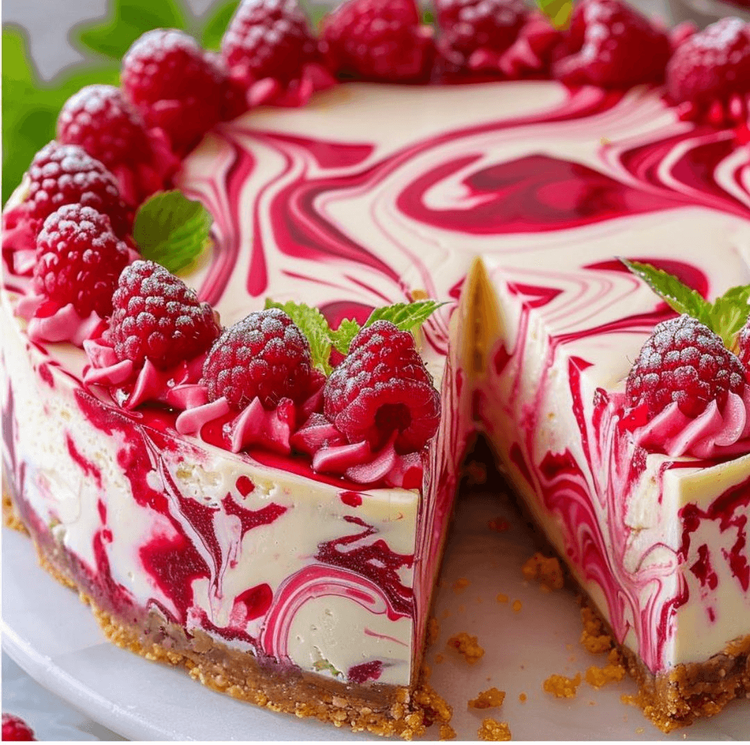
Fruit cheesecakes are where this rich, creamy dessert turns bright and almost refreshing, the acidity and perfume of ripe fruit cutting cleanly through the cream cheese so a heavy slice suddenly tastes like summer. Mango, strawberry, blueberry, lemon, cherry and passion fruit all work beautifully, whether folded through the filling, swirled in as a ripple, or spooned over the top as a glossy compote. The technique that matters most is keeping water out of the cake: fresh fruit carries a lot of moisture, so cook purees and compotes down with a little sugar and lemon, and thicken them slightly with cornflour so they set on top rather than weeping into the surface and softening it. For a fruit-flavoured filling, fold a reduced, cooled puree into the cream cheese rather than fresh juice, which can keep the cake from setting. Lemon and other citrus versions lean on zest and juice for a sharp, clean tang that balances the sweetness without needing much else. Whether baked or no-bake, add fresh fruit and any loose topping right before serving so the colours stay vivid and the cake stays neat under the knife. Standouts here include Lemon Cheesecake Overnight Oats and Raspberry Swirl Cheesecake, plus Peach Cheesecake.

- Vegetarian
- Breakfast

- American
- Eggetarian
- Dessert
- American
- Eggetarian
- Dessert
- Vegetarian
- Dessert

- Vegetarian
- Breakfast
Chocolate & Special Cheesecakes
Chocolate and special cheesecakes are the showstoppers, the slices built for celebrations rather than a quiet weeknight. This is the home of deeply rich chocolate bakes, cookies-and-cream Oreo cakes, caramelised Biscoff numbers, salted caramel, red velvet and brownie-bottomed hybrids, and they all reward a little extra care. The cardinal rule with chocolate is to melt it gently — over a bain-marie or in short bursts in the microwave — and let it cool to barely warm before folding it into the batter, because chocolate added too hot can seize into grainy specks or split the filling. Sift any cocoa so it does not clump, and consider a chocolate biscuit base, crushed Oreos or Bourbons, to echo the filling. Biscoff and caramel versions lean on a biscuit base and a glossy topping spooned over once the cake is set and cold. These cakes are richer and denser than their fruit cousins, so slices can be smaller, and they almost always benefit from being made a day ahead. A drizzle of melted chocolate, a scatter of crushed biscuits or a swirl of caramel added just before serving turns an already indulgent cake into a genuine centrepiece. Standouts here include Vegan Choco-Coffee Cheesecake and Healthy Cheesecake Brownie Batter, plus Biscoff Cheesecake Overnight Weetabix.
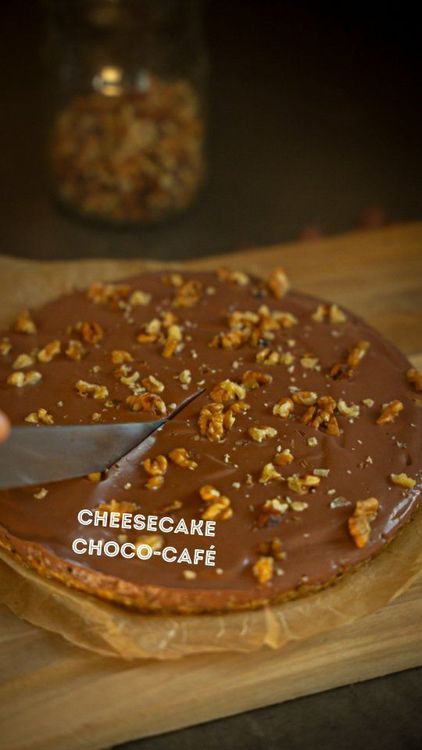
- Fusion
- Vegan
- Dessert
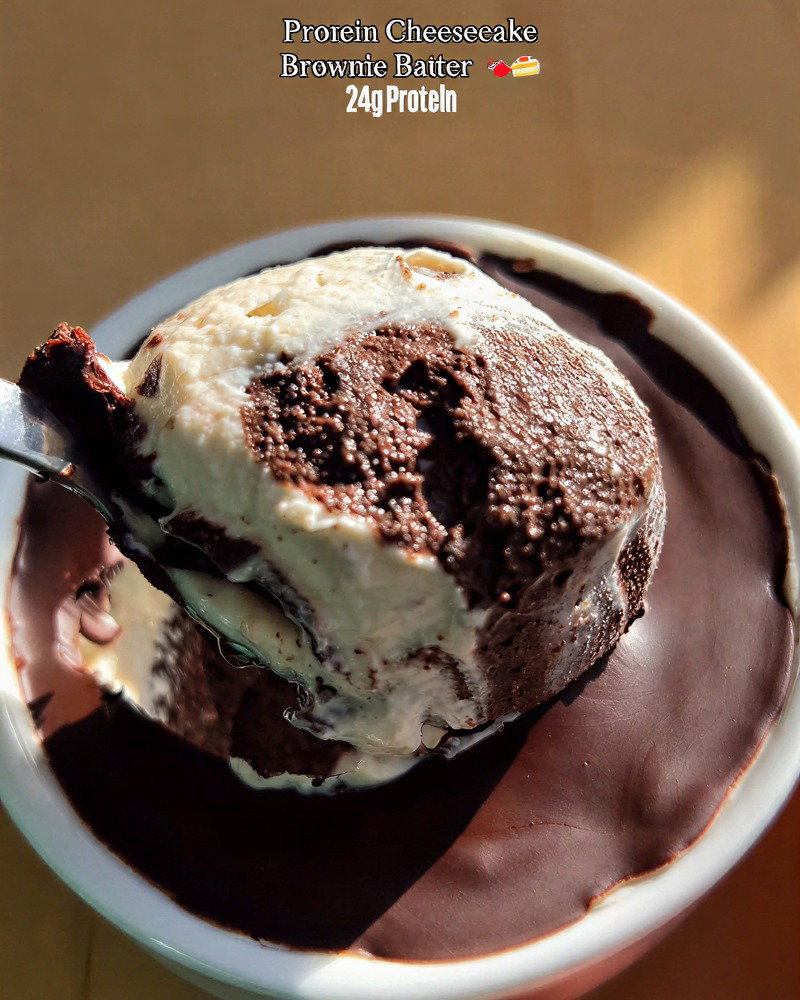
- Vegetarian
- Snack

- Vegetarian
- Breakfast

- American
- Vegetarian
- Dessert
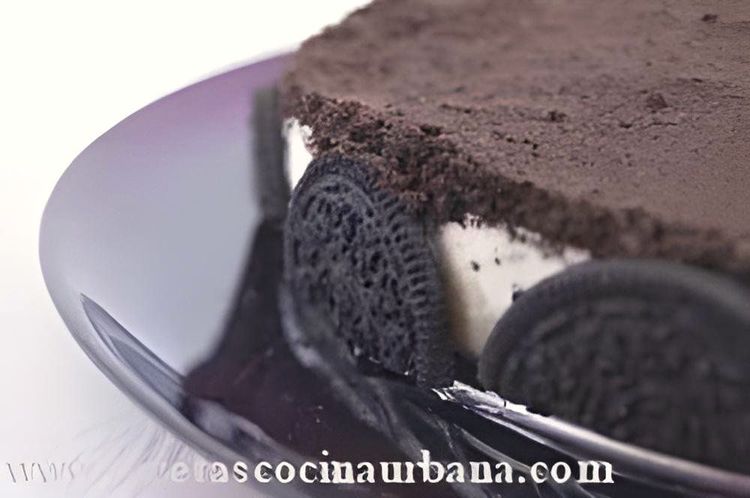
- American
- Vegetarian
- Dessert
More Cheesecake Favourites
A few cheesecakes never sit neatly in a single bucket, and these are the ones worth keeping in your back pocket once the classics feel routine. They lean on the same handful of fundamentals you already know — soft cream cheese beaten smooth, air kept out of the batter, a gentle bake or a long cold set, and always a proper chill before slicing — but steer them toward different formats, flavours and textures. Think individual jar cheesecakes and mini bars for parties, marbled and swirled tops that show off two fillings at once, cottage cheese and lighter takes, and fusion ideas that borrow a flavour from elsewhere on the dessert table. Choosing your next one is mostly about matching effort to mood: reach for a quick no-bake jar or a small batch of bars on a busy day, and save the layered, baked, topping-heavy numbers for a weekend when you can let things chill overnight. Pay attention to tin size and chilling time, since smaller cakes set faster and slice neater. Treat this group as the natural next step after the staples, the recipes that quietly earn a regular spot in the rotation once you have tried them. Standouts here include Cheesecake and Protein Cheesecake Breakfast, plus Cookie Dough Protein Cheesecake.
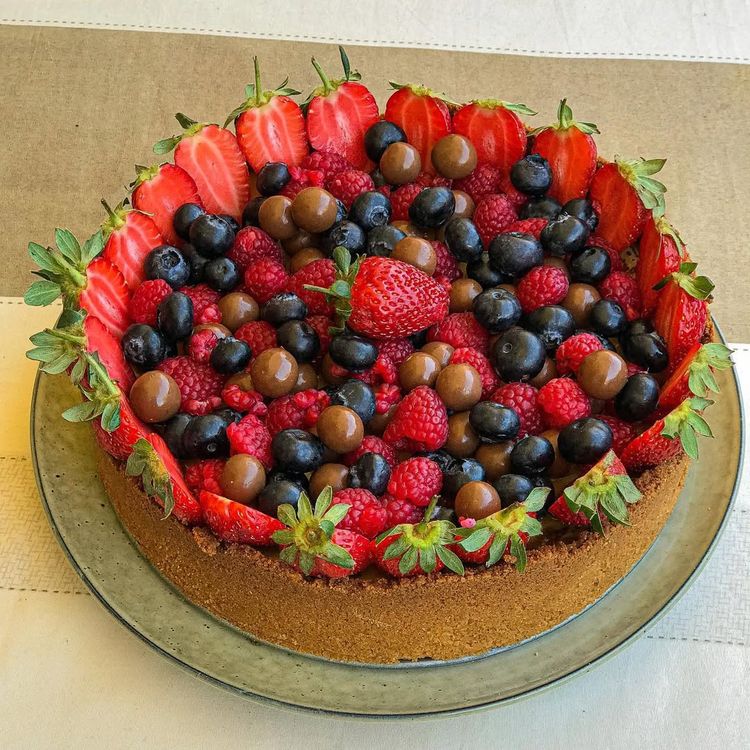
- American
- Eggetarian
- Dessert

- Eggetarian
- Breakfast

- Gluten-Free
- Breakfast

- Eggetarian
- Breakfast
- International
- Eggetarian
- Snack
A Silky, Lump-Free Cheesecake Batter
Everything starts with temperature. Cold cream cheese will not blend smooth no matter how hard you beat it, and the lumps you chase at speed are exactly what coarsen the texture, so leave the cheese, eggs and any cream out for an hour until properly soft. Beat the cream cheese and sugar first, on low to medium speed, scraping the bowl often, until completely smooth before a single egg goes in. Get this base right and the rest follows naturally.
Once you add eggs, slow right down. Eggs whip air into the batter, and air is the enemy of a dense, even cheesecake — it puffs the cake up in the oven then collapses and cracks it as it cools. Add the eggs one at a time on the lowest speed, mixing only until each just disappears, and stop the moment the batter is uniform. The same goes for soured cream or cream stirred in at the end: fold it gently rather than whip it.
A few habits keep things smooth right to the tin. Sift any cocoa or flour so it does not clump, melt and cool chocolate before folding it in so it blends rather than seizes into specks, and tap the filled tin firmly on the counter a few times to release trapped air bubbles before it bakes or chills. If your batter still looks grainy, it is almost always cold cheese or overbeating — there is no fixing it once it is in the oven, so it is worth the extra few minutes up front.
Baking Gently and Avoiding Cracks
Cracks come from heat and dryness, so the whole strategy is to bake low and slow in a moist oven. A water bath is the classic insurance: wrap the base of a springform tin in foil, sit it in a larger roasting tray, and pour in hot water halfway up the sides. The water holds the oven humid and stops the edges setting and drying long before the centre catches up, which is the single biggest cause of a split top. Bake at a gentle 150 to 160C rather than blasting it hot.
Judge doneness by movement, not a clean skewer. A cheesecake is ready when the outer couple of inches are set but the middle still wobbles like soft jelly when you nudge the tin — it firms up completely as it cools and chills. Overbaking until the centre is solid is what gives you a dry, cracked, grainy slice. The Basque burnt style is the deliberate exception, baked hot and fast to scorch the top and leave the middle almost molten in the centre.
Cooling matters as much as baking. Sudden temperature changes shrink the surface and tear it, so turn the oven off, crack the door open, and let the cheesecake cool inside for an hour before it comes out. Then bring it to room temperature on the counter and chill it for at least six hours, ideally overnight, so it sets firm and the flavour deepens. Run a thin knife around the edge while it is still warm to free it from the tin, which also stops shrinkage cracks forming.
No-Bake and Eggless Cheesecakes That Set
No-bake cheesecakes swap eggs and the oven for a structure built on whipped cream and cold. Beat double or whipping cream to stiff peaks separately, then fold it into the smooth, sweetened cream cheese so the whole thing stays light and holds its shape. The mixture should be thick enough to mound on a spoon before it goes into the tin; if it is loose, it was either under-whipped or the cheese was too warm, and it will never firm up properly in the fridge no matter how long you wait.
For a cleaner, sliceable set — especially with eggless versions or wetter fruit purees — a setting agent earns its place. Bloom powdered gelatin in a little cold water, warm it gently until clear, cool it slightly, then whisk it through the batter; for a vegetarian set, agar agar or china grass works but must be boiled to dissolve fully and sets firmer and faster. Condensed milk is the other shortcut, adding sweetness and body that helps an eggless cake hold together without any gelatin at all.
Whichever route you take, the base needs to be solid and the chill needs to be long. Press the biscuit crumb and melted butter mixture firmly and evenly into the tin and chill it for twenty minutes before filling so it sets like a foundation. Then give the assembled cheesecake a proper six to eight hours in the fridge, or overnight — rushing it is why a no-bake slice slumps on the plate. Unmould it cold and add any fruit topping just before serving so the surface stays neat and bright.
Pro Tips from the Test Kitchen
- Bring cream cheese, eggs and cream to room temperature first — cold cheese is the main cause of lumps.
- Beat the cream cheese and sugar smooth before adding eggs, scraping the bowl as you go.
- Add eggs on the lowest speed and stop the moment they are mixed in; beating air in causes cracks.
- Bake baked cheesecakes in a foil-wrapped tin set in a water bath at a gentle 150 to 160C.
- Pull a baked cheesecake when the edges are set but the centre still wobbles — it firms as it cools.
- Cool the cheesecake in the turned-off oven with the door ajar to avoid a sudden temperature crack.
- Chill any cheesecake at least six hours, ideally overnight, so it sets firm and slices clean.
- For no-bake cakes, whip the cream to stiff peaks before folding it into the cheese.
- Bloom gelatin (or fully boil agar/china grass) for a clean set on eggless and fruit cheesecakes.
- Press the biscuit base firmly and chill it 20 minutes before filling so it holds together.
Frequently Asked Questions
What are the best cheesecake recipes for beginners?
Start with a no-bake cheesecake — there are no eggs, no oven and no cracks to worry about, just a smooth cream cheese and whipped cream filling chilled over a biscuit base. A no-bake mango or strawberry version is hard to get wrong. Once you are comfortable, move on to a classic baked New York cheesecake, which teaches you the water bath and the gentle bake. Both reward the same two habits: soft cream cheese and a long chill before slicing.
What are the best cheesecake recipes for a special occasion?
For a centrepiece, reach for the richer baked and chocolate styles. A classic New York cheesecake with a soured cream top is timeless, a Basque burnt cheesecake looks dramatic with its scorched surface and molten middle, and a chocolate, Oreo or Biscoff cheesecake reads as pure indulgence. Each takes a little more care than a fridge set, but the water bath and overnight chill do most of the work. Make them a day ahead so they have time to firm up and the flavour to deepen.
How do you stop a baked cheesecake from cracking?
Cracks come from too much air, too much heat and too sudden a cool-down. Beat the batter on low so you do not whip air in, bake gently at 150 to 160C in a water bath to keep the oven moist, and pull the cake while the centre still wobbles rather than overbaking it solid. Then turn the oven off and let it cool inside with the door ajar before chilling. Running a knife around the edge early also frees it so it does not tear as it shrinks.
How do you make an eggless cheesecake?
Eggless cheesecakes are usually no-bake. Build the filling from cream cheese, sugar and whipped cream, and use a setting agent to give it structure in place of the eggs — bloomed gelatin for a soft, sliceable set, or agar agar (china grass) boiled until dissolved for a firmer vegetarian version. Condensed milk adds body and sweetness that helps too. Chill the assembled cake six to eight hours or overnight so it sets fully. The result is lighter and creamier than a dense baked slice.
What is the difference between baked and no-bake cheesecake?
A baked cheesecake is set with eggs and slow oven heat into a dense, custardy, slightly tangy slice — think New York style. A no-bake cheesecake skips the oven entirely and is set in the fridge using whipped cream and sometimes gelatin or condensed milk, giving a lighter, creamier, mousse-like texture. Baked versions are richer and hold sharp edges; no-bake ones are quicker, foolproof and better in hot weather. Both sit on the same biscuit base and both need a long chill before serving.
How long does a cheesecake need to set in the fridge?
Give any cheesecake a minimum of six hours, and overnight is better. Baked cheesecakes need that time to firm up and let the texture and flavour settle after they cool; no-bake ones genuinely depend on it, because the cream and any gelatin only reach a clean, sliceable set when fully cold. Rushing the chill is the most common reason a slice slumps or smears on the plate. Keep it covered in the tin and unmould it only when you are ready to serve.
Why is my cheesecake grainy or lumpy?
Almost always cold cream cheese or overbeating. Cheese taken straight from the fridge will not blend smooth and leaves lumps however hard you beat it, so soften it at room temperature first and beat it smooth with the sugar before any eggs go in. Beating too vigorously, especially after the eggs, whips in air and coarsens the crumb. In baked cakes, overbaking until the centre is solid also dries it into a grainy texture, so pull it while the middle still wobbles.
What biscuit base works best for cheesecake?
A crushed biscuit and melted butter base is the standard, and the biscuit you choose sets the tone. Digestives or graham crackers give a neutral, buttery base that suits almost anything; Oreos or Bourbons make a chocolate base for richer cakes; and Biscoff biscuits bring a caramelised, spiced note that pairs beautifully with both fruit and chocolate fillings. Crush the biscuits fine, bind them with enough melted butter to clump when pressed, and pack the mixture down firmly so it sets solid and does not crumble when sliced.
Can you make cheesecake ahead of time and freeze it?
Cheesecake is one of the best make-ahead desserts — it actually improves after a night in the fridge, so making it a day ahead is ideal. Both baked and no-bake versions freeze well too: chill the cake fully, then wrap it tightly and freeze for up to a month, thawing it overnight in the fridge before serving. Add fresh fruit, compote or any drizzle after thawing rather than before freezing, so the topping stays bright and the surface neat.
How do you add a fruit topping without it making the cake soggy?
Keep the fruit and the cheesecake separate until close to serving. For a glossy topping, cook fresh or frozen fruit down into a compote with a little sugar and a squeeze of lemon, thicken it slightly with cornflour so it sets rather than runs, then cool it completely before spooning it over the chilled cake. Fresh fruit like sliced strawberries or mango is best arranged on top just before serving. Adding warm or watery toppings too early is what weeps into the surface and softens it.
The thread through every cheesecake recipe here is the same: start with soft cream cheese beaten smooth, mix gently so you do not whip in air, set it properly — slow and moist in the oven for baked cakes, long and cold in the fridge for no-bake — and always give it the full chill before you slice. Master those and baked, no-bake, fruit and chocolate cheesecakes all turn out creamy, crack-free and clean to cut.
Pick a few cheesecakes to make over the next month — an easy no-bake mango set, a classic baked New York, and a rich chocolate or Biscoff number for a celebration — and save your favourites to a Chefadora cookbook. There is a cheesecake for every season and every skill level, and this page is built to be the cheesecake reference you keep coming back to.
Related
- Cheesecake
- Dessert
- No-bake
- Baked
- Eggless
- Chocolate
- Vegetarian
- Make ahead
Popular Searches
- Best cheesecake recipes
- Easy cheesecake recipes
- Quick cheesecake recipes
- Healthy cheesecake recipes
- Simple cheesecake recipes
- Homemade cheesecake recipes
- Delicious cheesecake recipes
- Popular cheesecake recipes
- no bake cheesecake
- baked cheesecake
- eggless cheesecake
- mango cheesecake
Marnirni-apinthi Building, Lot Fourteen,
North Terrace, Adelaide, South Australia, 5000
Australia
