
Top 20 Pie Recipes: Savoury, Fruit, Cream and No-Bake
Updated June 25, 2026 · Curated by Chefadora
Pie recipes cover an enormous, comforting range, from hearty savoury and pot pies to juicy fruit pies, silky cream and custard pies, and the crusts and no-bake numbers that underpin them all. The collection below shows that breadth, gathering golden chicken pot pies and hand pies, apple and cherry classics, pumpkin and chocolate cream slices, and the buttery pastry that turns each of them from good to genuinely memorable.
What decides a great pie is almost always the crust and the fat that builds it. Cold butter cut into flour and kept in flecks is what melts in the oven and steams the pastry into flaky layers, so warm hands and overworked dough are the usual reasons a crust turns tough and greasy. Rest the dough cold to relax the gluten, blind-bake when a wet filling is going in, and the rest of the pie follows from there.
You will find the collection grouped into clusters — savoury and pot pies, fruit pies, cream and custard pies, and pie crust and no-bake pies. Standout bakes range from a classic Chicken Pot Pie and a flaky Apple Pie to a Pumpkin Pie and a No-Bake Chocolate Pie, each built on the same handful of fundamentals the guides below lay out in detail.
Treat this as a working reference. Each recipe links to full ingredients and steps on Chefadora, and the guides below cover what actually decides whether a pie is flaky or soggy, set or runny — keeping the pastry cold and short, thickening fillings so they slice cleanly, and blind-baking, venting and finishing so every pie, sweet or savoury, turns out exactly right.
Savoury & Pot Pies
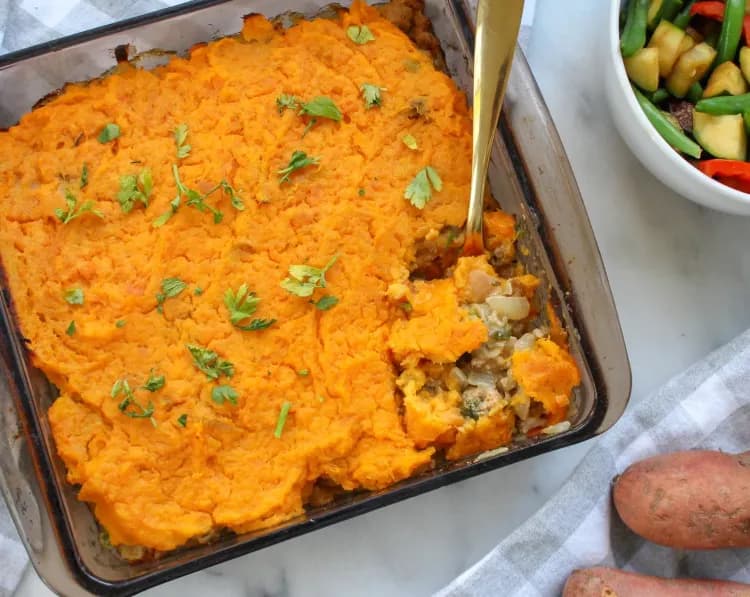
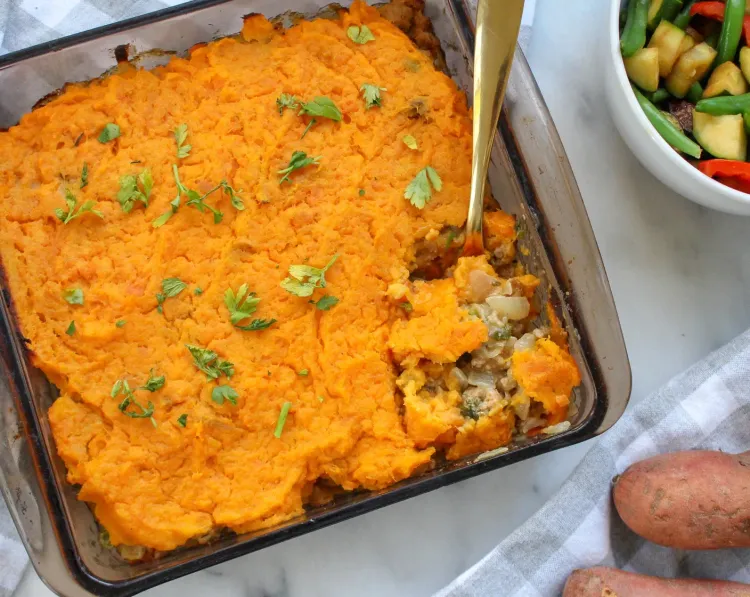
Savoury pies are weeknight and Sunday comfort in one dish, and they all hinge on a filling that is fully cooked and properly seasoned before it ever meets the pastry. Whether it is a creamy chicken pot pie, a shepherd or cottage pie under mashed potato, a quiche, or a portable hand pie, the filling should be thick enough to coat a spoon, never thin and watery, because a loose filling soaks straight into the crust and steams it soggy. Build the flavour as you would a stew: brown the meat or vegetables for depth, deglaze the pan, and thicken the sauce with a roux or a little flour stirred in. The single most important move is cooling that filling completely before topping it with pastry, since a hot filling melts the butter in the crust before the oven can set it, leaving you with a slumped, greasy lid instead of a crisp, risen one. Vent the top so steam escapes, brush with egg wash for a deep golden finish, and bake until the pastry is cooked through and the filling bubbles at the edges. Standouts here include Turkey and Sweet Potato Shepherd's Pie and Chicken Pot Pie, plus Shepherd's Pie.
- American
- Non-Vegetarian
- Dinner


- Non-Vegetarian
- Main Course


- British
- Non-Vegetarian
- Dinner

- Non-Vegetarian
- Dinner

- Mexican
- Non-Vegetarian
- Appetiser
Fruit Pies
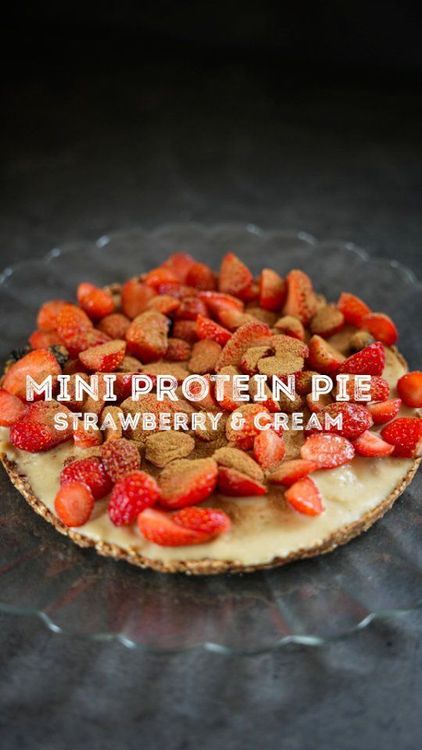
Fruit pies are the ones most people picture first, and getting them right is about balancing sweetness, controlling juice, and baking long enough for the filling to thicken. Toss the fruit with sugar to balance its tartness and a starch such as cornflour or tapioca to set the juices, leaning on more thickener for very wet fruit like cherries, berries and peaches and less for firmer apples. A pinch of salt, a squeeze of lemon and a little spice sharpen the flavour and stop the filling tasting flat or cloyingly sweet. The classic mistake is pulling the pie out as soon as the crust browns, before the filling has reached a proper bubble; the starch only thickens once it boils, so bake until the juices bubble thickly through the vents or lattice. Equally important is patience at the end: a fruit pie cut while still hot runs everywhere, so let it cool completely, ideally for a few hours, so the filling sets into clean, sliceable wedges. Bake low on a hot tray so the bottom crust crisps rather than steams under all that juice. Standouts here include Gluten Free McDonald’s Inspired Apple Pie and Apple Pie Bites, plus Mini Protein Pie - Strawberry & Cream.


- Vegetarian
- Dessert

- American
- Vegetarian
- Dessert
- French
- Vegan
- Snack


- Eggetarian
- Dessert

- American
- Vegetarian
- Dessert
Cream & Custard Pies
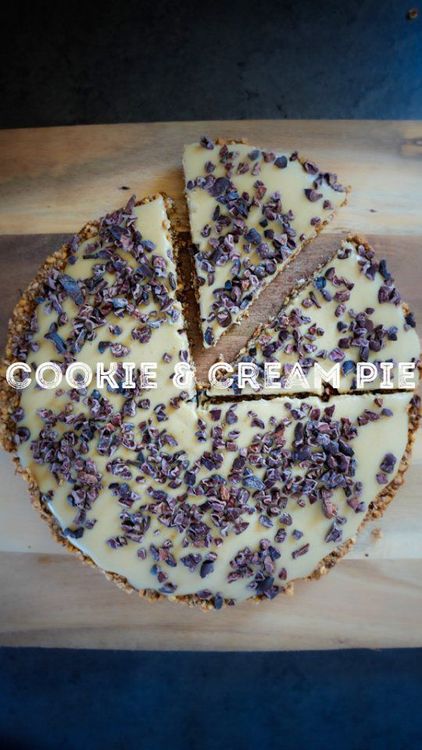
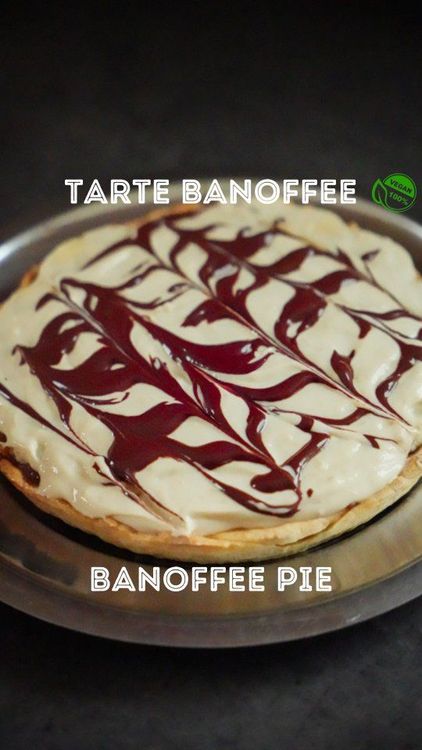
Cream and custard pies trade the bubbling juices of fruit for a smooth, set, often chilled filling, and they reward precision over brute oven heat. Baked custards — pumpkin, pecan, classic egg custard — are thickened by eggs, so they are done the moment the edges are set but the centre still wobbles like a soft jelly; carryover heat finishes the middle as it cools, and overbaking is exactly what cracks the surface and turns the texture grainy or weepy. No-bake and cream pies built on a stovetop pastry cream rely on cornflour and egg yolks cooked together until properly thick, then chilled for hours until firm enough to slice cleanly. Most of these sit in a blind-baked or crumb crust, so pre-bake or set the base first to keep it crisp under the wet filling, and brush a baked shell with egg to seal it. Balance richness with a little salt and bright accents — a layer of fruit, a slick of caramel, a cloud of whipped cream — so a chocolate, banoffee, coconut or lemon meringue slice reads as luxurious rather than heavy. Chill thoroughly before serving so every wedge holds its shape. Standouts here include Mini Protein Pie - Cookie & Cream and Express Healthy Banoffee Pie, plus Pumpkin Pie Overnight Oats.
- French
- Vegan
- Snack
- American
- Vegetarian
- Snack


- Vegetarian
- Breakfast

- Vegetarian
- Breakfast
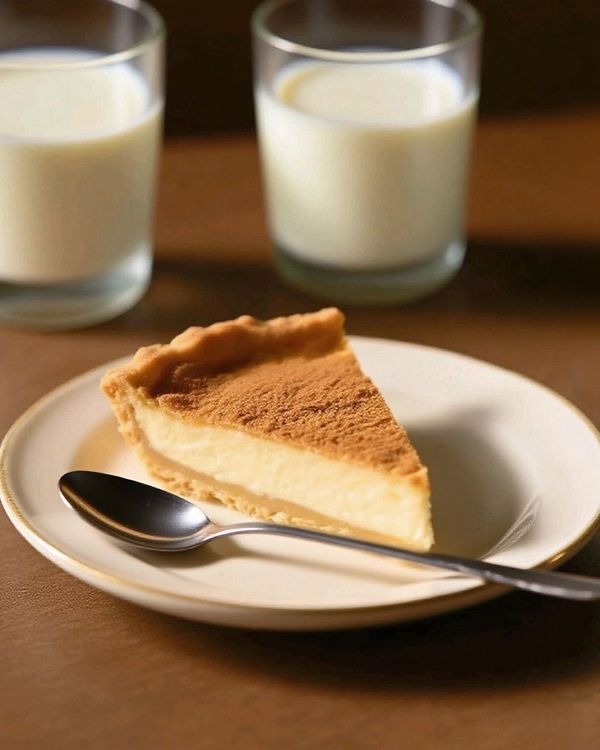

- American
- Eggetarian
- Dessert
More Pie Favourites
A handful of pies never settle neatly into one category, and these are the ones worth keeping once the staples feel routine. They borrow the same techniques you already know — a cold, flaky crust, a properly thickened filling, a careful blind-bake — but lean toward different flavours, formats and occasions, so no two taste quite alike. Picking your next one is mostly about matching effort to the moment: reach for a quick crumb-crust no-bake pie or a rustic galette when time is short, and save the multi-stage custards, lattice fruit pies and double-crust savoury numbers for a weekend when you can let the pastry chill and the filling cook properly. Pay attention to the size you are baking, too, since mini and hand pies cook faster and need a hotter, shorter bake than a deep dish, while a slab pie feeding a crowd wants longer and lower so the centre sets. Think of this group as the natural next step after the classics — the pies that quietly earn a regular place in the rotation once you have tried them and found your own favourites. Standouts here include Lime Tart Pie and Tomato Pie, plus Protein Vanilla Pie.
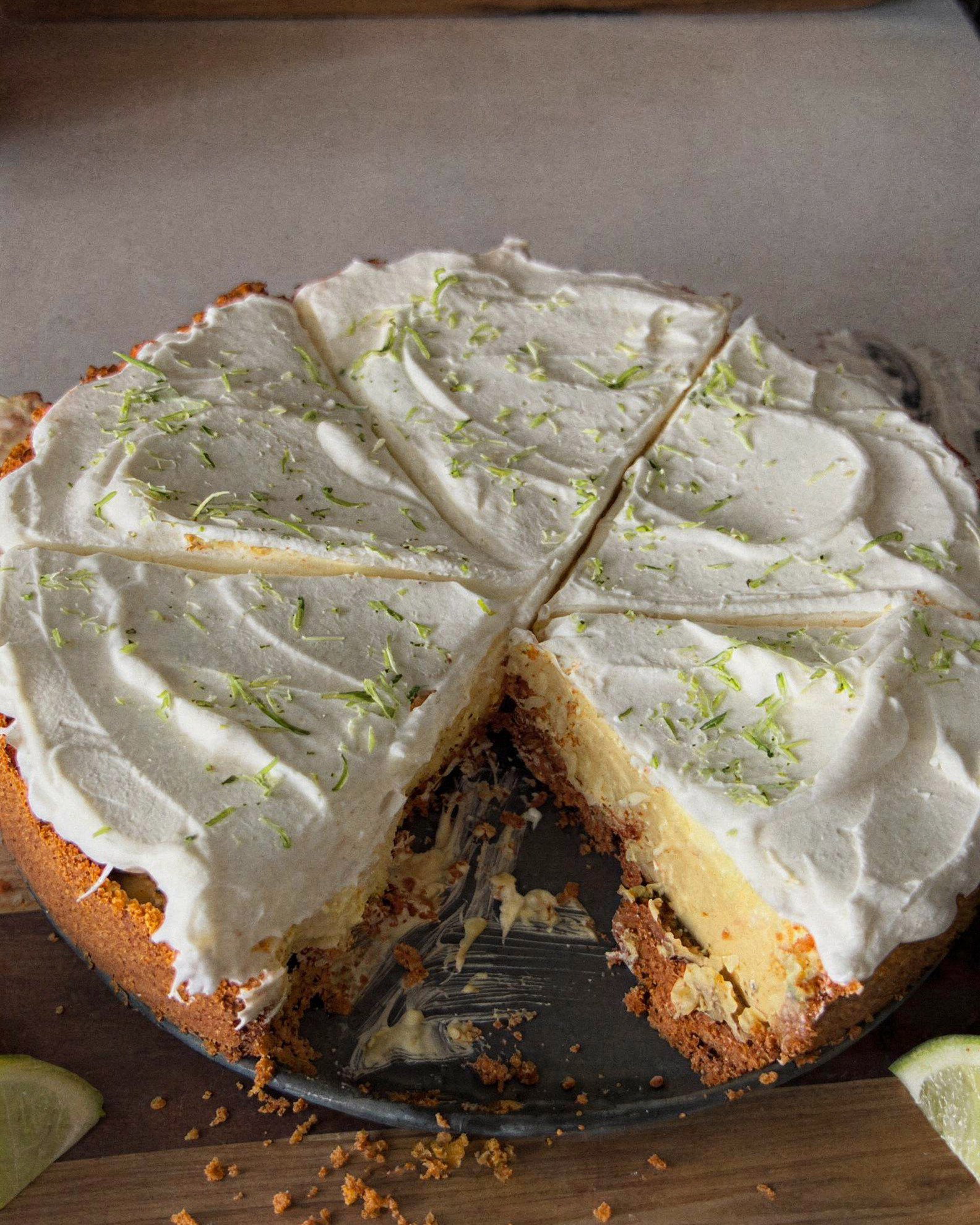

- American
- Eggetarian
- Dessert
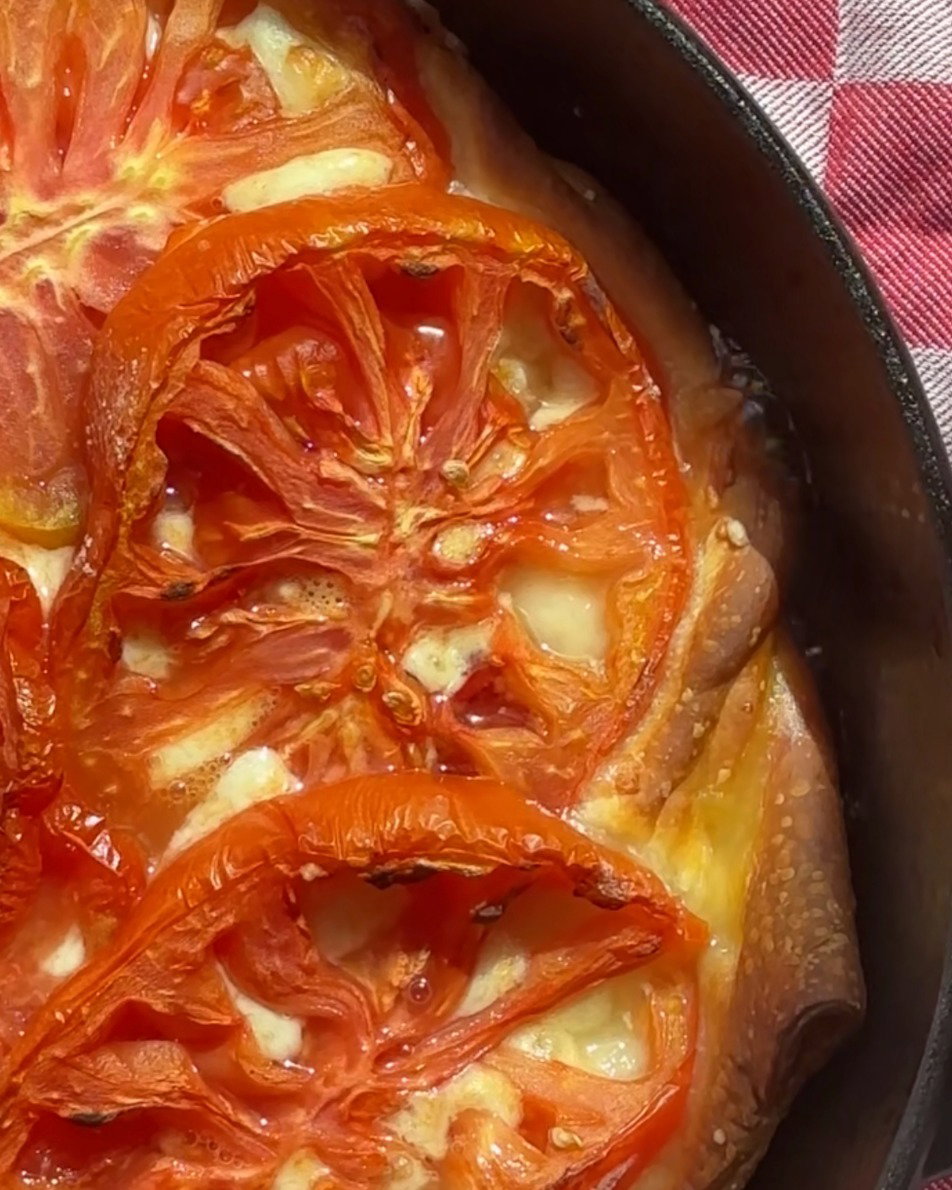
- American
- Vegetarian
- Lunch
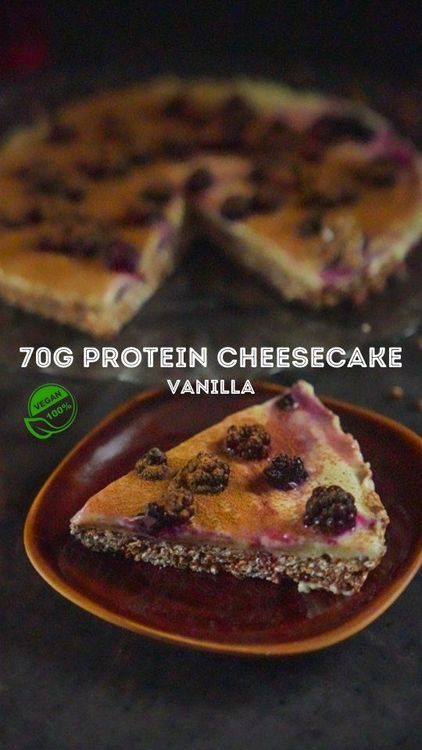
- American
- Vegetarian
- Snack
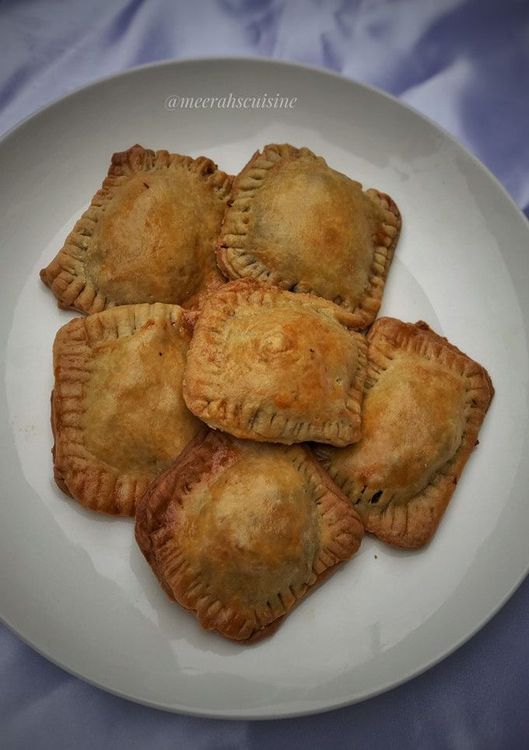

- British
- Pescatarian
- Lunch
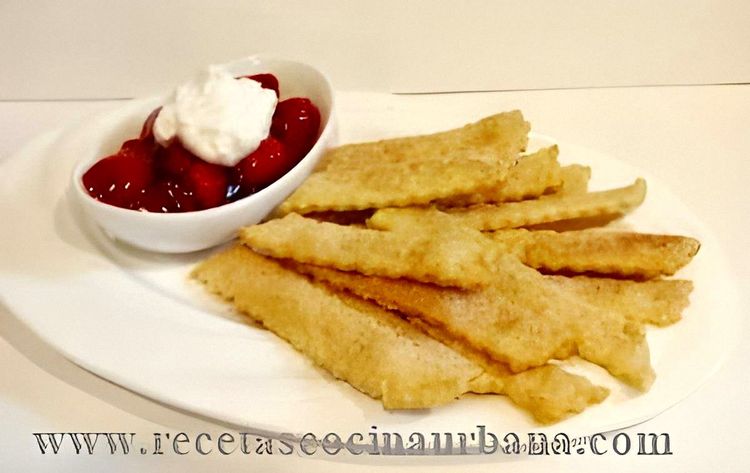
- American
- Vegetarian
- Snack
Building a Flaky, Tender Pie Crust
A great crust comes down to cold fat and a light hand. Keep the butter (or a mix of butter and shortening) cold and cut it into the flour only until you have pieces ranging from oat flakes to small peas, because those flecks of fat melt in the oven and leave the steam pockets that make pastry flaky. Add ice water a tablespoon at a time, stopping the moment the dough holds together when pinched, then wrap it and chill it for at least thirty minutes before rolling.
Overworking is the enemy of tenderness. The more you knead and the warmer the dough gets, the more gluten develops and the more the fat smears into the flour, both of which turn a crust tough and hard rather than short and crumbly. Roll on a lightly floured surface, working from the centre outward and turning the dough a quarter every few passes so it stays even and round. If it softens or starts to stick, slide it back into the fridge for ten minutes rather than fighting it.
For crumb crusts the rules flip: crushed biscuits or digestives bound with melted butter and pressed firmly into the tin need no resting, just a short bake or a good chill to set. Whichever base you use, line the tin without stretching the pastry, since stretched dough shrinks back as it bakes. Trim, crimp the edge for both grip and looks, and chill the shaped shell once more before it goes in, so the crust holds its shape instead of slumping down the sides.
Thickening Fillings So Pies Slice Clean
A runny filling is the most common pie disappointment, and the fix is matching the thickener to the job. Fruit pies leak a lot of juice as they bake, so toss the fruit with cornflour, tapioca or flour plus the sugar before filling, using more for very juicy fruit like cherries and berries and less for firmer apples. The starch needs to reach a proper bubble in the oven to thicken fully, which is why a fruit pie should bake until you see the juices bubbling thickly through the vents, not just until the crust colours.
Custard and cream pies set differently. A baked custard or pumpkin filling thickens through eggs coagulating, so it is done when the edges are set but the centre still wobbles like a soft jelly; carryover heat finishes it as it cools, and overbaking is what cracks the top and turns the texture grainy. Cream pies built on a stovetop pastry cream rely on cornflour and egg yolks cooked together until thick, then chilled until firm enough to slice.
Savoury fillings want body without gluiness. A pot pie filling thickened with a roux or a little flour stirred into the vegetables should be thick enough to coat a spoon, since a thin, watery filling soaks straight into the pastry and a too-stiff one tastes pasty. Always cool a cooked savoury filling before topping it with pastry, because a hot filling melts the butter in the crust before the oven can set it, giving you a soggy, slumped lid instead of a crisp, risen one.
Blind-Baking, Venting and Finishing
Blind-baking — pre-cooking the empty shell — is what saves a pie with a wet or no-bake filling from a soggy bottom. Line the chilled pastry with baking paper, fill it with baking beans or dried rice to stop it slumping, and bake until the edges are set, then remove the weights and bake a few minutes more to dry the base. A brush of beaten egg over the hot shell seals any tiny cracks and forms a thin waterproof layer before the filling goes in.
For double-crust and fruit pies, venting matters. Cut slits or a few small holes in the top crust, or use a lattice, so steam escapes instead of building up and making the filling boil over or the crust go soggy from below. An egg wash gives that glossy, deep-golden finish, and a scatter of coarse sugar adds sparkle and crunch. If the edges colour faster than the centre, shield them with strips of foil so the whole pie browns evenly without burning the crimp.
Position and patience finish the job. Bake pies low in a properly preheated oven, often on a hot baking tray, so the bottom crust gets direct heat and crisps rather than steaming. Most fruit and savoury pies need a hotter start to set the pastry, then a slightly lower, longer bake to cook the filling through. Hardest of all, let the pie cool and set before slicing — a fruit or cream pie cut while hot runs everywhere, while a fully cooled one holds a clean, tidy wedge.
Pro Tips from the Test Kitchen
- Keep the butter and water ice-cold and handle the dough as little as possible for a flaky, tender crust.
- Cut the fat into the flour only until pea-sized pieces remain — those flecks are what make pastry flake.
- Chill the dough at least 30 minutes before rolling and again after shaping, so the crust holds its shape.
- Blind-bake the shell for wet or no-bake fillings to avoid a soggy bottom.
- Brush the hot blind-baked shell with beaten egg to seal it before adding a wet filling.
- Toss fruit with cornflour or tapioca and sugar, using more thickener for juicy cherries and berries.
- Bake fruit pies until the juices bubble thickly through the vents, not just until the crust browns.
- Pull custard and pumpkin pies when the edges are set but the centre still wobbles; carryover sets the rest.
- Cool savoury fillings fully before topping with pastry so the crust stays crisp, not soggy.
- Let pies cool and set before slicing so each wedge holds clean instead of running everywhere.
Frequently Asked Questions
What are the best pie recipes for beginners?
Start with forgiving classics: a chicken pot pie made with a ready filling and a single pastry lid, a simple apple pie, or a no-bake chocolate or banoffee pie that skips the oven entirely. These teach the core moves — keeping pastry cold, thickening a filling, and letting a pie set before slicing — without too much fuss. A crumb-crust cream pie is especially easy, since you press the base in by hand and chill rather than roll and blind-bake.
What makes the best pie recipes turn out flaky instead of tough?
Cold fat and a light hand. Keep the butter and water ice-cold, cut the butter into the flour only until pea-sized flecks remain, and add just enough water to bring the dough together. Those flecks of fat melt and steam in the oven to create flaky layers. Overworking the dough or letting it warm up develops gluten and smears the fat, which is what turns a crust tough and hard. Rest the dough cold before rolling, and chill the shaped shell again before baking.
How do you keep a pie from having a soggy bottom?
Blind-bake the empty shell for wet or no-bake fillings, lining it with paper and baking beans so it holds its shape, then drying the base in the oven before filling. Brushing the hot shell with beaten egg seals it. Bake pies low in the oven on a preheated baking tray so the base gets direct heat, cool savoury fillings before adding pastry, and make sure fruit fillings are properly thickened so they do not leak juice into the crust.
How do you stop a fruit pie filling from being runny?
Toss the fruit with a starch — cornflour, tapioca or flour — along with the sugar before filling, using more for very juicy fruit like cherries and berries and less for firmer apples. The starch only thickens once it reaches a proper boil, so bake the pie until you see the juices bubbling thickly through the vents, not just until the crust colours. Then let the pie cool completely, because the filling continues to set as it drops to room temperature.
How do you know when a custard or pumpkin pie is done?
A baked custard pie is set by eggs, so it is ready when the edges are firm but the centre still wobbles like a soft jelly when you gently shake the tin. Residual heat finishes the middle as the pie cools, so pulling it at that point avoids overbaking, which cracks the surface and turns the texture grainy or weepy. Cool it fully, then chill custard and pumpkin pies before slicing so they firm up and cut cleanly.
Do you need to blind-bake a pie crust?
Blind-baking — pre-baking the empty shell — is worth it whenever the filling is wet, barely cooked, or no-bake, since it gives the base a head start so it crisps instead of going soggy. Custard, cream, quiche and many fruit pies benefit. For a double-crust pie where the top and bottom bake together for a long time, you can often skip it, especially if you bake on a hot tray low in the oven so the base still gets direct heat.
Can you make pie ahead of time?
Yes, and most pies suit it. Unbaked pastry dough keeps in the fridge for a couple of days or freezes for months, and you can freeze whole unbaked fruit pies to bake from frozen. Baked fruit and savoury pies reheat well in the oven to re-crisp the crust. Custard, cream and no-bake pies are made ahead by design and kept chilled until serving. The exception is anything you want freshly crisp, which is best finished close to the time you eat.
What is the difference between a pot pie and a hand pie?
A pot pie is a savoury pie baked in a dish, usually with a thick, saucy filling of meat or vegetables under a pastry lid (and sometimes a base too), served by the spoonful. A hand pie is a small, sealed, individual pie you can pick up and eat without a plate, with the filling fully enclosed in pastry on all sides. Both rely on a well-seasoned, properly thickened filling and a crust that bakes up crisp rather than soggy.
What is the best thickener for pie fillings?
It depends on the filling. For fruit pies, cornflour gives a clear, glossy set, tapioca handles very juicy fruit well and freezes nicely, and plain flour gives a slightly cloudier, softer set. For cream pies, cornflour cooked with egg yolks into a pastry cream gives a sliceable filling. For savoury pies, a flour or butter-and-flour roux thickens the sauce. Whatever you use, cook it to a full bubble so the starch thickens completely rather than staying raw and thin.
The thread through every pie recipe here is the same: keep the pastry cold and handle it lightly for a flaky crust, thicken each filling so it sets and slices clean, and blind-bake or vent and finish so the base stays crisp. Master those and savoury pot pies, fruit pies, cream and custard pies and no-bake favourites all turn out golden, set and exactly as you pictured.
Pick a few pie recipes to bake this week — a comforting chicken pot pie, a classic apple pie and a make-ahead chocolate cream pie — and save your favourites to a Chefadora cookbook. Start with one reliable crust and build from there; this page is built to be the pie reference you reach for from weeknight dinners to holiday tables.
Related
- Pie
- Baking
- Pastry
- Dessert
- Comfort food
- Savoury
- No-bake
- Holiday
Popular Searches
- Best pie recipes
- Easy pie recipes
- Quick pie recipes
- Healthy pie recipes
- Simple pie recipes
- Homemade pie recipes
- Delicious pie recipes
- Popular pie recipes
- apple pie
- chicken pot pie
- pumpkin pie
- pie crust
Marnirni-apinthi Building, Lot Fourteen,
North Terrace, Adelaide, South Australia, 5000
Australia
