
Top 19 Dumpling Recipes: Momos, Potstickers, Soup and Sweet
Updated June 24, 2026 · Curated by Chefadora
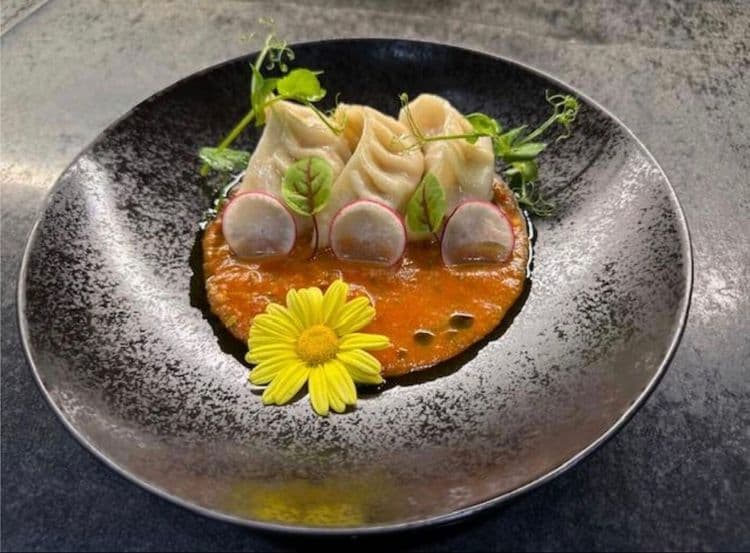
Dumpling recipes are some of the most rewarding things you can make with your hands — a thin wrapper, a well-seasoned filling, and a pleated seal that turns flour and water into something special. The collection below shows the full range, from soft steamed veg and paneer momos to crispy pan-fried potstickers, soupy jhol and saucy chilli momos, and even sweet stuffed dumplings like modak. One simple parcel, cooked a dozen different ways.
What decides whether a dumpling turns out well is mostly the wrapper and the seal. A good dough is soft but not sticky, rested so the gluten relaxes, and rolled thin in the centre with a slightly thicker rim that takes the pleats. The filling needs enough fat and moisture to stay juicy but not so much that it leaks, and a firm pinch along the seam keeps everything inside while it cooks. Get those right and the cooking method is the easy part.
You will find the collection grouped into clusters — steamed momos and dumplings, pan-fried and crispy dumplings, soup dumplings and saucy momos, and sweet stuffed dumplings. Standout dishes range from classic Veg Steamed Momos and Paneer Momos to crispy Pan-Fried Potstickers, a fiery Chilli Garlic Momo and a comforting Jhol Momo, each built on the same fundamentals the guides below lay out.
Treat this as a working reference. Each recipe links to full ingredients and steps on Chefadora, and the guides below cover what actually decides whether a dumpling is silky or gummy, juicy or dry, crisp or soggy — mixing and resting the dough, building a filling that holds together, and steaming, frying or simmering each parcel so it turns out exactly right.
Steamed Momos and Dumplings
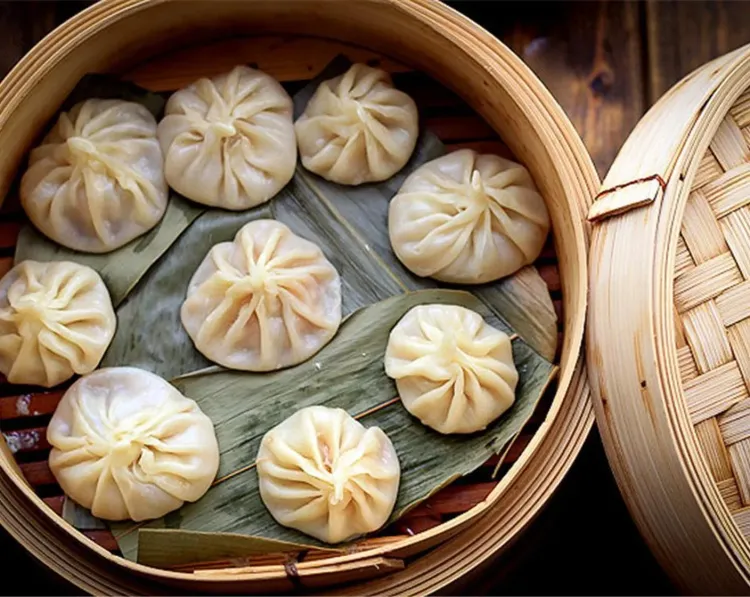
Steamed momos are where most people fall in love with dumplings, and they reward a little patience at every stage. The wrapper matters most: a soft, well-rested dough rolled thin in the middle with a slightly thicker rim gives you a skin that turns glossy and almost translucent over steam while still holding its pleats. Keep the filling — veg, paneer, chicken or a classic minced mix — boldly seasoned with ginger, garlic and a touch of soy, and squeeze any watery vegetables dry first so the parcels do not weep and tear. Pleat firmly, pressing out trapped air so the skins do not split, and leave space between each momo in an oiled or cabbage-lined steamer, because they swell as they cook and will fuse if crowded. Steam over a brisk, steady boil for roughly eight to ten minutes, until the wrappers look shiny and the filling is cooked through, then let them rest a minute before lifting so the skins firm up. Serve hot with a smoky tomato chilli chutney, and you have the dumpling that anchors this whole collection. Standouts here include Chicken MoMo and Veg MoMo, plus Xiao Long Bao (Soup Dumplings).
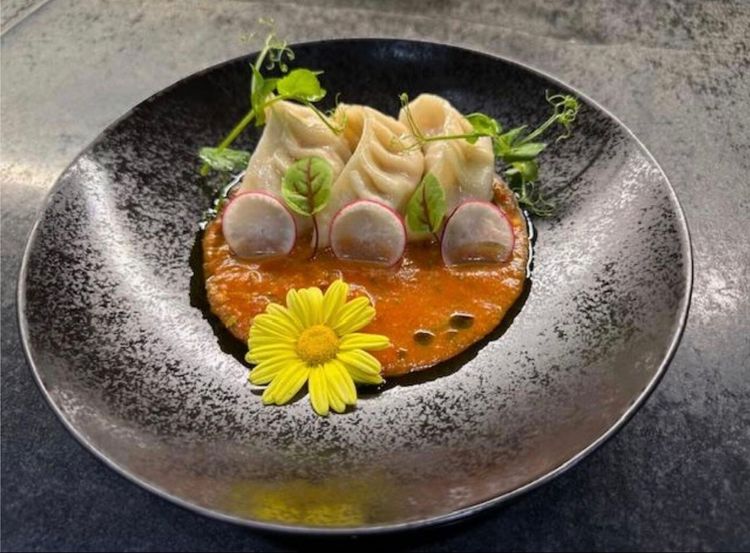

- Nepalese
- Non-Vegetarian
- Appetiser
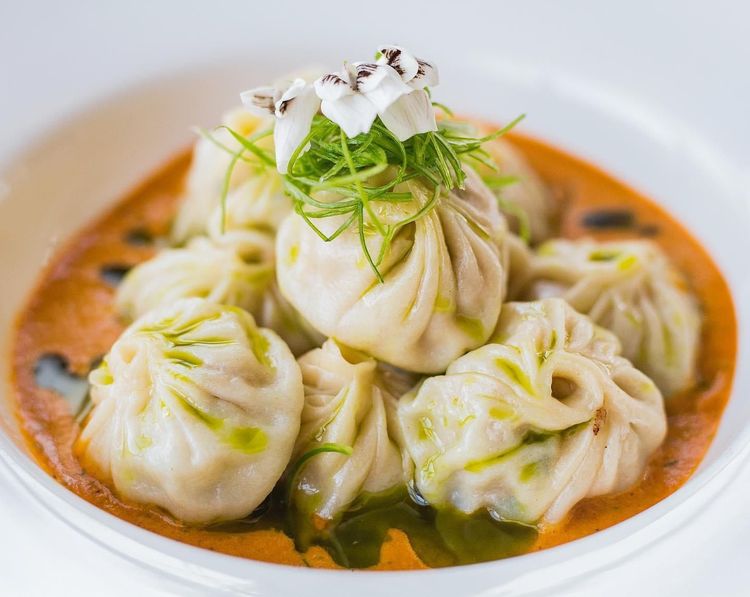
- Nepalese
- Non-Vegetarian
- Appetiser
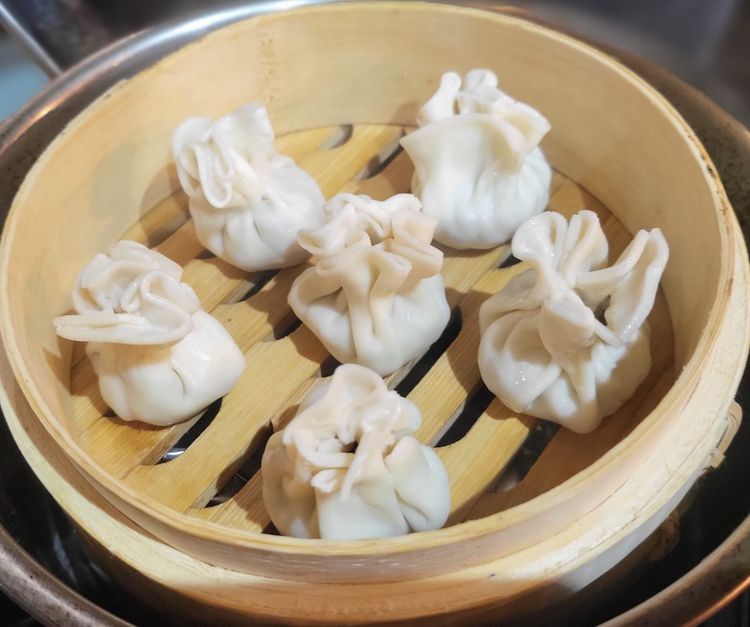

- Chinese
- Dairy-Free
- Appetiser
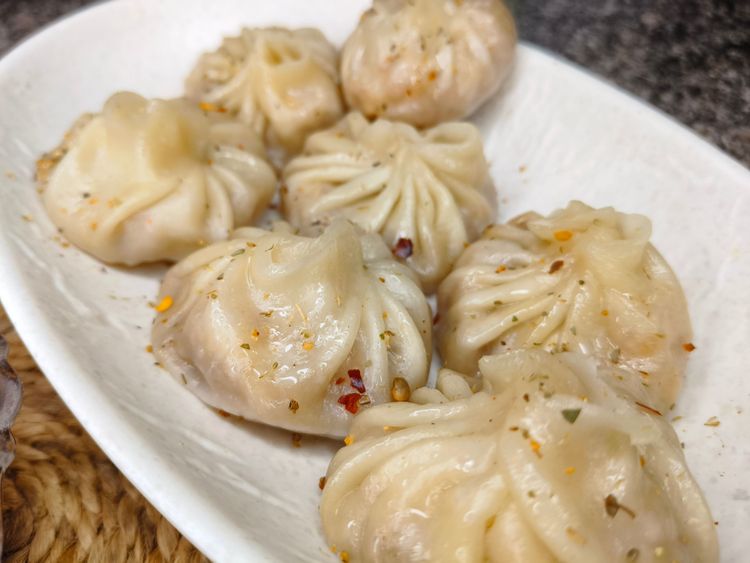

- Asian
- Vegetarian
- Appetiser

- Vegetarian
- Appetiser
Soup Dumplings and Saucy Momos
Soup and saucy momos turn a plate of dumplings into a full, slurpable meal, and the key throughout is treating the cooked parcels gently. For jhol momo, wonton soup and other dumpling soups, slip the dumplings into a simmering — not violently boiling — broth so the delicate skins do not buffet against each other and split, giving them just long enough to heat through and finish cooking the wrapper. A good broth carries the dish: build it with ginger, garlic, soy and a little chilli, and ladle it hot over the dumplings so the skins stay silky. For chilli, schezwan and manchurian-style momos, the order matters — steam or fry the dumplings first, then toss them through a hot, glossy, garlicky sauce at the very last moment and serve straight away, because a cooked dumpling left sitting in sauce or liquid keeps softening until the skin turns fragile and gummy. Thicken saucy versions with a light cornflour slurry so the sauce clings and glosses rather than pooling thin, and balance the sweet, sour, salty and hot until it sings. Whether brothy and comforting or fiery and clinging, these are the dumplings to reach for when you want something with real depth. Standouts here include Suiton Dumpling Miso Soup and Pork dumplings in Sour & Spicy soup, plus Fusion Chicken Dumplings with Chilli Oil & Dumpling Sauce.

- Japanese
- Non-Vegetarian
- Dinner
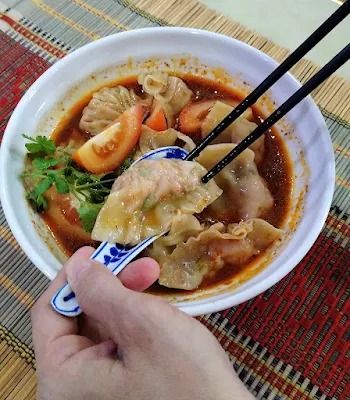
- Malaysian
- Non-Vegetarian
- Lunch
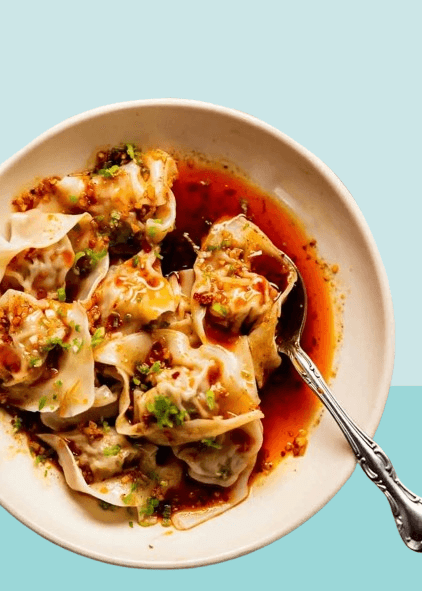
- Fusion
- Non-Vegetarian
- Snack
- Chinese
- Non-Vegetarian
- Lunch
Sweet and Stuffed Dumplings
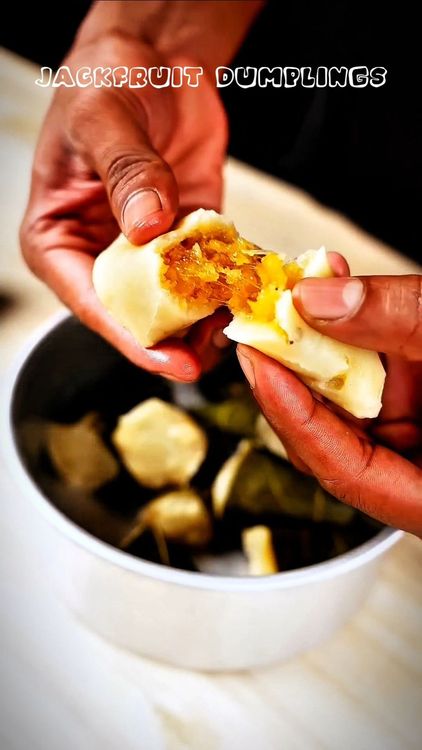
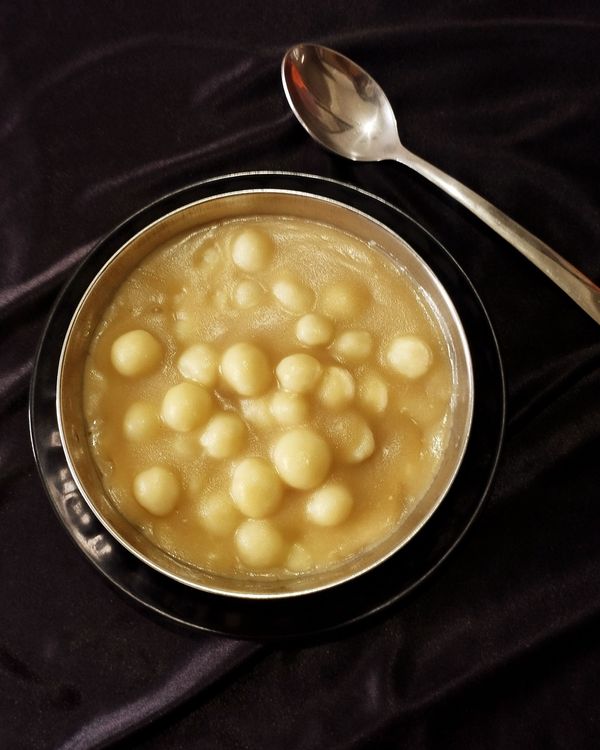
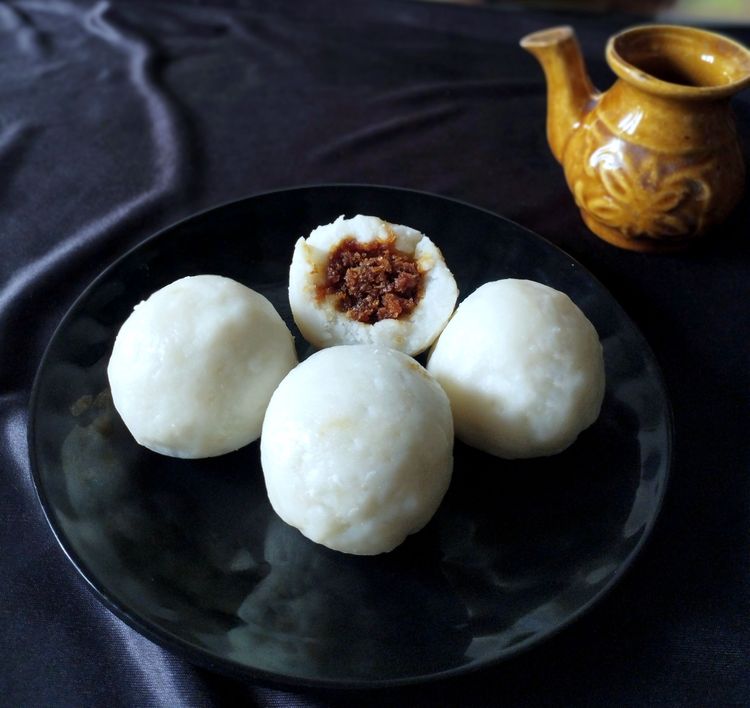
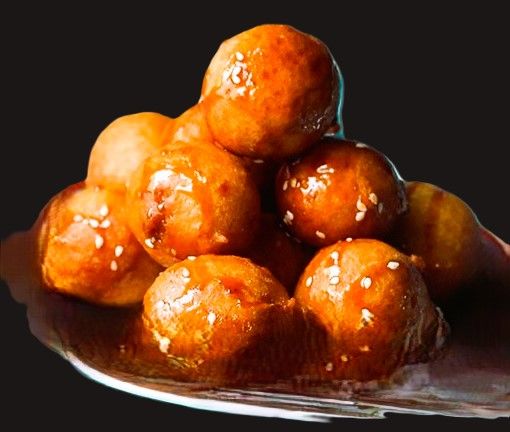
Sweet and stuffed dumplings are the dessert corner of the dumpling world, and they show how far a simple wrapper can travel. The most famous is modak — a soft rice-flour or wheat shell pleated into a peaked purse around a warm filling of jaggery and freshly grated coconut, then steamed until tender — but the same idea carries into fried gujiya, chocolate-stuffed parcels and fruit or jujube-filled sweets. The challenge with sweet fillings is that sugar and jaggery liquefy as they heat, so a filling packed too loosely leaks and scorches the moment it hits steam or oil. Cook the filling down until it is thick and just holds together, let it cool before stuffing, and seal the pleats firmly with no gaps. For steamed sweets like modak, a soft hot-water dough keeps the shell pliable and tender; for fried ones like gujiya, fry at a gentle heat so the inside warms through before the wrapper colours and the filling stays put. Grated jaggery behaves better than chunks, which can puncture the dough as they melt. Serve these warm, when the centre is still soft and fragrant, and you have proof that the humble dumpling stretches from the first bite of the meal clear through to the last. Standouts here include Jackfruit Dumplings and Chettinad Paal Kozhukattai / Sweet Rice Dumplings in Coconut Milk, plus Kozhukatta / Sweet Rice Dumplings.
- Indian
- Vegetarian
- Dessert
- South Indian
- Vegetarian
- Dessert
- Indian
- Vegetarian
- Snack

- Kenyan
- Eggetarian
- Dessert
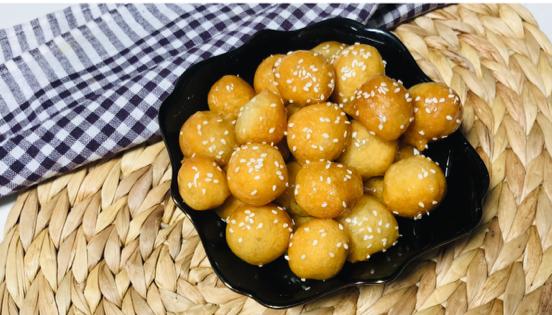

- Middle Eastern
- Vegetarian
- Snack
More Dumpling Favourites
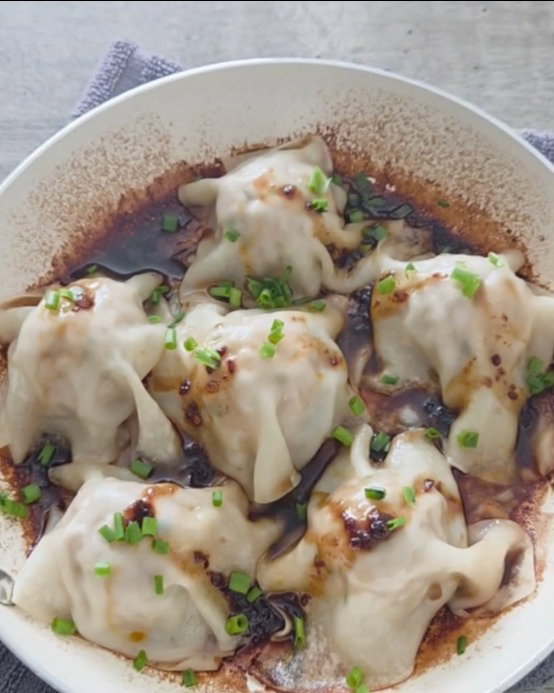
A few dumplings never quite fit a single category, and these are the ones worth keeping in your back pocket once the staples feel routine. They lean on the same handful of skills you already know — a soft, rested dough, a well-seasoned filling, a firm pinched seal — but steer them toward different shapes, fillings and finishes, so no two parcels taste quite the same. Picking your next one is mostly about matching effort to mood: choose a quick steamed momo or a simple half-moon on a busy night when you want something good in under half an hour, and save the multi-step fry-then-sauce numbers or the pleated festive sweets for a weekend when you can take your time. Pay attention to how thin you roll the wrappers and how tightly you seal them, since those two details decide more than the filling ever does. Many of these freeze beautifully, so make a double batch, open-freeze them on a tray and cook straight from frozen whenever the craving strikes. Think of this group as the natural next step after the classics — the dumplings that quietly earn a regular spot in the rotation once you have tried them. Standouts here include Lazy Dumplings for Breakfast and Dumpling Lasagne, plus Juicy Lava Lasagna Dumplings.
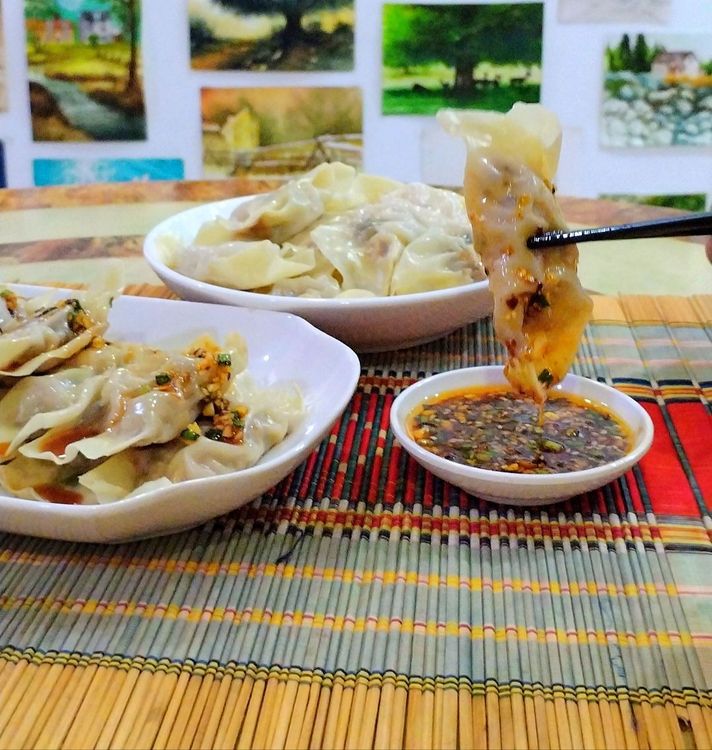
- Chinese
- Non-Vegetarian
- Breakfast
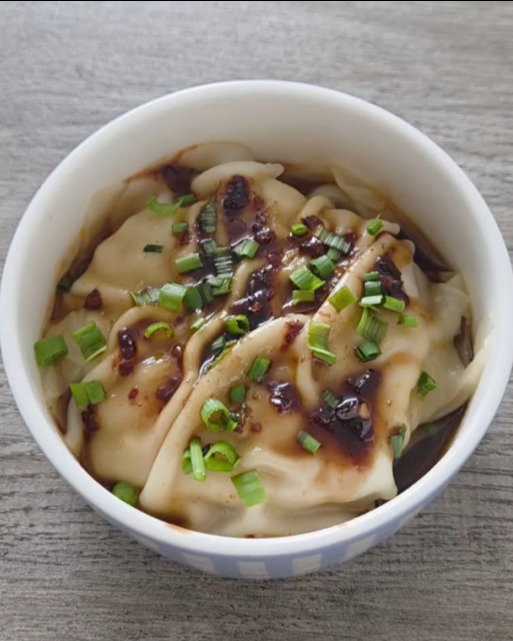

- Non-Vegetarian
- Main Course


- Non-Vegetarian
- Appetiser
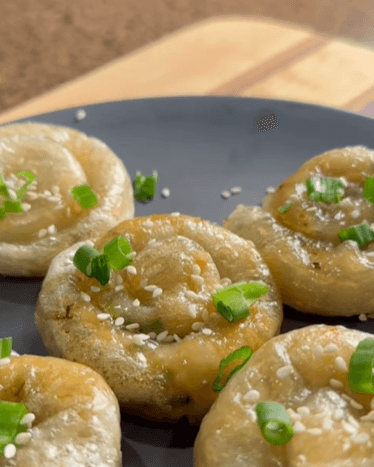

- Asian
- Pescatarian
- Appetiser
- Non-Vegetarian
- Appetiser
Making and Rolling the Dough
A plain dumpling dough is just flour and water, but the proportions and handling decide everything. Use plain (all-purpose) flour, add water gradually until it comes together into a firm but pliable dough, and knead for several minutes until it is smooth and springs back when pressed. The single most important step is resting: cover the dough and leave it for at least thirty minutes so the gluten relaxes, which is what lets you roll the wrappers thin without them shrinking back or tearing.
For the wrappers, roll each piece into a small round that is thinner in the centre and slightly thicker around the rim. That thin middle steams to a tender, almost translucent skin, while the thicker edge gives the pleats something to grip so the seal does not split open during cooking. Keep the dough and cut pieces under a damp cloth as you work, because dumpling dough dries out fast, and a dry edge will not pinch shut. Dust lightly with flour so the rounds do not stick, but brush off any excess before sealing.
Hot water dough is the variation worth knowing: mixing the flour with just-boiled water instead of cold makes a softer, more pliable wrapper that is easy to pleat and stays tender even when steamed, which is why so many momo recipes call for it. Whichever you use, do not skip the resting time, do not add so much flour that the dough turns stiff, and aim for a texture like a soft chapati dough — supple enough to stretch a little without cracking.
Building a Filling That Holds Together
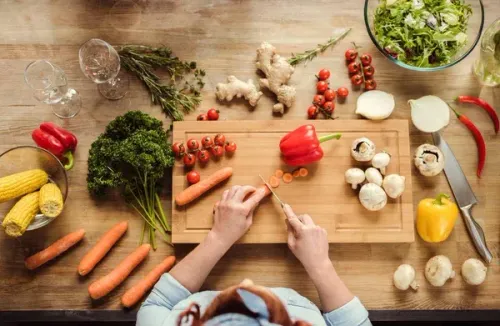
A good dumpling filling is seasoned more boldly than you think it needs, because the bland wrapper around it tones everything down. For vegetable momos, finely chop or grate the vegetables — cabbage, carrot, beans, spring onion — and salt them lightly, then squeeze out the water before mixing, or the filling weeps and turns the wrapper soggy and prone to tearing. Bind it with ginger, garlic, a little soy and oil, and season generously, tasting a tiny fried spoonful to check before you start stuffing.
For paneer, chicken or other richer fillings, you want enough fat and moisture to keep the inside juicy. Mince or crumble finely so the filling packs evenly and the parcels seal cleanly, and add a spoon of oil or a little finely grated paneer to keep a lean filling from drying out. Keep the mixture cold and on the firmer side; a wet, loose filling is hard to pleat and bursts in the pan. Do not overfill — a modest teaspoon or two in the centre leaves enough wrapper to pleat a clean, well-sealed seam.
Sealing is where dumplings are won or lost. Wet the rim of the wrapper very lightly if the dough feels dry, place the filling in the centre, then fold and pleat the edge over itself, pinching firmly so there are no gaps. Press out any trapped air as you close it, since pockets of air expand and split the skin during cooking. Whether you make a simple half-moon, a round pleated purse or a long crimped kothey shape, a tight, dry-handed seal is what keeps the juices in and the parcel intact.
Steaming, Frying and Simmering
For steamed momos, oil the steamer base or line it with cabbage leaves or parchment so the dumplings do not stick and tear when you lift them. Leave space between each one, because they swell as they cook and will fuse together if crowded. Steam over water at a brisk, steady boil for around eight to ten minutes, until the wrappers turn glossy and slightly translucent and the filling is cooked through. Lift the lid carefully away from you, and let the momos sit for a minute before moving them so the skins firm up.
For pan-fried potstickers and gyoza, you steam and fry in one pan. Heat a thin film of oil and sear the flat bottoms until golden, then add a splash of water and clamp on a lid so the steam cooks the dumplings through. Once the water has boiled off, let them crisp again undisturbed for a final minute so the bases turn lacy and crunchy. The classic mistake is lifting too early and tearing the crust; wait until they release cleanly. For deep-fried momos, fry at a moderate heat so the wrapper crisps before the filling overcooks.
For soup and saucy momos, treat the parcels gently. Slip dumplings into simmering — not violently boiling — broth or jhol so the skins do not buffet against each other and split, and give them just long enough to heat through and cook the wrapper. For chilli, schezwan or manchurian-style momos, steam or fry the dumplings first, then toss them through a hot, glossy sauce at the very last moment and serve immediately, because the longer a cooked dumpling sits in sauce or liquid the softer and more fragile its skin becomes.
Pro Tips from the Test Kitchen
- Rest the dough at least 30 minutes so the gluten relaxes and the wrappers roll thin without tearing.
- Roll wrappers thinner in the centre and slightly thicker at the rim so the pleats have something to grip.
- Keep the dough and cut wrappers under a damp cloth, as dumpling dough dries out and will not seal once cracked.
- Salt and squeeze grated vegetables before mixing so the filling does not weep and soften the wrapper.
- Season the filling boldly and taste a small fried spoonful before you start stuffing.
- Do not overfill — a teaspoon or two leaves enough wrapper to pleat a clean, airtight seam.
- Press out trapped air as you seal, since air pockets expand and split the skin during cooking.
- Oil the steamer or line it with cabbage or parchment, and leave space between dumplings so they do not fuse.
- For potstickers, sear the base, add water and cover to steam, then let it boil off for a crisp bottom.
- Toss chilli or schezwan momos through the hot sauce at the last moment and serve straight away.
Frequently Asked Questions
What are the best dumpling recipes to start with?
Begin with simple steamed veg momos, which teach you the whole rhythm — making and resting the dough, squeezing the vegetable filling dry, pleating a clean seal, and steaming over a brisk boil. Paneer momos are an easy next step, and pan-fried potstickers show you the sear-steam-crisp method. From there, branch into soupy jhol momos and saucy chilli momos. Master a basic steamed momo first and every other dumpling becomes a variation on the same handful of skills.
What are some easy dumpling recipes for beginners?
The easiest dumpling recipes are steamed ones with a vegetable filling, because there is no frying to time and the forgiving hot-water dough pleats neatly. Start with a basic veg or paneer momo, use a half-moon or simple pleated seal rather than anything fancy, and keep the filling firm and well drained so it is easy to pinch shut. Once steaming feels natural, try pan-fried potstickers, which use the same dumplings finished with a quick sear for a crisp base.
How do you make momo dough that does not tear?
Use plain flour and add water gradually until you have a firm but pliable dough, then knead until smooth and, crucially, rest it covered for at least thirty minutes so the gluten relaxes. Roll each wrapper thin in the centre with a slightly thicker rim, and keep the dough and cut rounds under a damp cloth so they do not dry out and crack. A hot-water dough, made with just-boiled water, is softer and more forgiving and is what many momo recipes use for tear-resistant skins.
How do you keep dumplings from sticking to the steamer?
Brush the steamer base with a little oil, or line it with cabbage leaves, lettuce or parchment with a few holes punched in it, so the dumplings lift off cleanly instead of tearing. Leave space between each one, because they swell as they steam and will fuse together if crowded. Steam over a brisk, steady boil for around eight to ten minutes, then let them sit for a minute before moving them so the skins firm up and release.
Why do my dumplings burst open while cooking?
Bursting usually means the seal was not tight or the filling was too wet or overpacked. Press out any trapped air as you close the parcel, because air pockets expand and split the skin, and pinch the seam firmly along its whole length. Keep the filling firm and well drained, do not overfill, and brush off excess flour before sealing so the edges actually stick. When boiling or simmering, keep the liquid at a gentle simmer rather than a rolling boil so the dumplings do not knock against each other.
How do you make crispy pan-fried potstickers?
Potstickers are steamed and fried in one pan. Heat a thin film of oil and sear the flat bottoms until golden, then add a splash of water and cover with a lid so the steam cooks the dumplings through. Once the water has boiled off, leave them undisturbed for a final minute so the bases crisp into a lacy, golden crust. Do not lift them too early or the crust tears; wait until they release cleanly from the pan, then slide them out base-up.
What is the difference between momos and dumplings?
Momos are simply the South Asian and Himalayan style of dumpling, popular across Nepal, Tibet and India, while dumpling is the broader term that also covers Chinese jiaozi and potstickers, Japanese gyoza, wontons and many more. They share the same idea — a thin wrapper around a savoury filling, steamed, fried or simmered — and the techniques carry across all of them. Momos tend to come with a spicy tomato or chilli-garlic chutney, and Indo-Chinese versions like chilli and schezwan momos add a saucy, fiery twist.
Can you make dumplings ahead of time and freeze them?
Yes, and freezing is the best way to keep a batch. Arrange uncooked, fully sealed dumplings in a single layer on a floured tray so they do not touch, freeze until solid, then tip them into a bag — this stops them sticking into a clump. Cook them straight from frozen, adding a couple of extra minutes to the steaming or steam-frying time; do not thaw first, as thawed wrappers turn soft and sticky and tear. Cooked dumplings reheat well by steaming or a quick re-fry.
What can you serve with momos and dumplings?
A punchy dipping sauce is essential. The classic momo partner is a roasted tomato and chilli-garlic chutney, smoky and hot, but a simple soy, vinegar, chilli and garlic dip works for any dumpling, as does a sesame-chilli oil. Beyond a dip, dumplings round out into a meal in a clear broth as soup momos, tossed in a glossy chilli or schezwan sauce, or alongside a quick stir-fry and noodles. Keep something fresh and sharp on the side to cut the richness of the filling.
The thread through every dumpling recipe here is the same: make a soft, well-rested dough, roll wrappers thin with a sturdier rim, season the filling boldly and keep it dry, and pinch a firm, airtight seal before steaming, frying or simmering each parcel gently. Master those and steamed momos, crispy potstickers, soupy jhol and saucy chilli momos all turn out silky, juicy and intact exactly as intended.
Pick a few dumpling recipes to make this week — a batch of steamed veg momos, some crispy pan-fried potstickers and a fiery chilli momo — and save your favourites to a Chefadora cookbook. Dumplings reward a little practice and freeze beautifully for later; this page is built to be the dumpling reference you keep coming back to.
Related
- Dumpling
- Momos
- Vegetarian
- Indo-Chinese
- Snacks
- Steamed
- Street food
- Paneer
Popular Searches
- Best dumpling recipes
- Easy dumpling recipes
- Quick dumpling recipes
- Healthy dumpling recipes
- Simple dumpling recipes
- Homemade dumpling recipes
- Delicious dumpling recipes
- Popular dumpling recipes
- momos recipe
- veg momos
- steamed dumplings
- potstickers
Marnirni-apinthi Building, Lot Fourteen,
North Terrace, Adelaide, South Australia, 5000
Australia
