
Top 18 Mousse Recipes: Chocolate, Fruit, Eggless and Layered
Updated June 25, 2026 · Curated by Chefadora
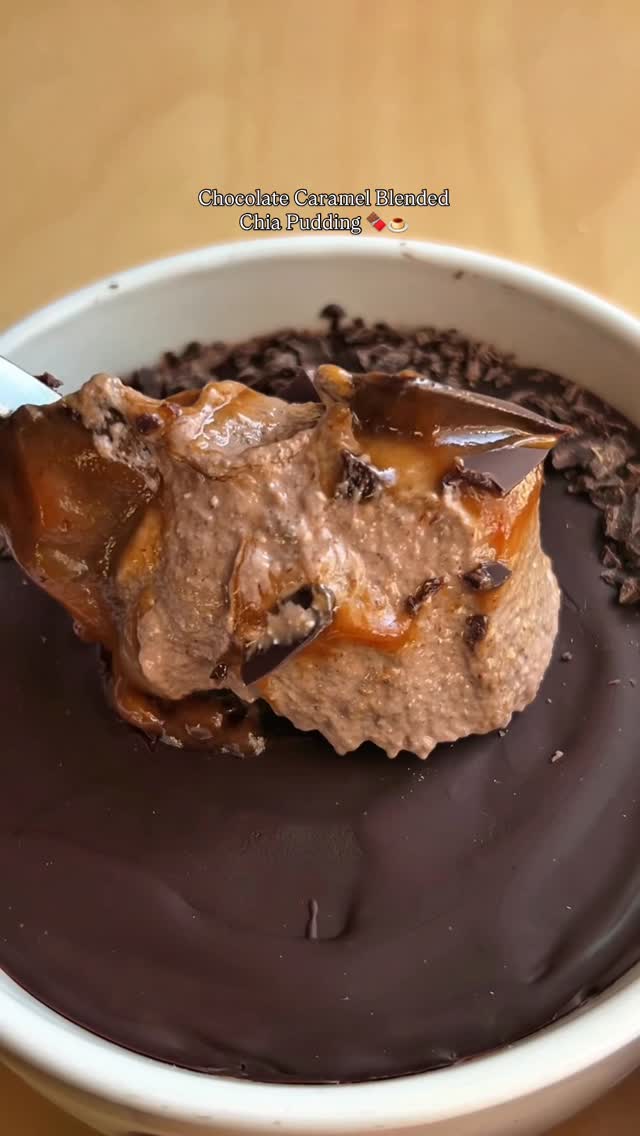
Mousse recipes are how you turn a handful of simple ingredients into something that feels genuinely special — light, airy and luxuriously creamy, set without baking. The collection below shows the full range, from deep chocolate mousse and fresh mango and berry versions to foolproof eggless and no-bake puddings, and showy layered mousse cakes and parfaits. One technique, built on trapped air and gentle setting, carries you from a weeknight treat to a dinner-party centrepiece.
What decides whether a mousse turns out perfectly is air and temperature. A mousse is essentially a flavoured base lightened with something aerated — whipped cream, whipped egg whites, or both — and the whole craft is folding that air in without knocking it back out. Whip cream only to soft peaks so it stays pliable, fold gently with a spatula rather than stirring, and match temperatures so warm melted chocolate does not seize the cold cream. Get those right and the mousse sets soft, light and spoonable.
You will find the collection grouped into clusters — chocolate mousse in all its forms, fresh fruit mousse, eggless and no-bake versions, and layered mousse cakes and special parfaits. Standout dishes range from a classic Dark Chocolate Mousse and an Eggless Mango Mousse to a No-Bake Strawberry Mousse and a layered Biscoff Mousse Cup, each built on the fundamentals the guides below lay out.
Treat this as a working reference. Each recipe links to full ingredients and steps on Chefadora, and the guides below cover what actually decides whether a mousse is light or dense, set or runny — how to whip and fold without losing air, how to set a mousse cleanly with or without gelatin, and how to flavour and layer it so chocolate, fruit and no-bake versions all turn out exactly right.
Chocolate Mousse
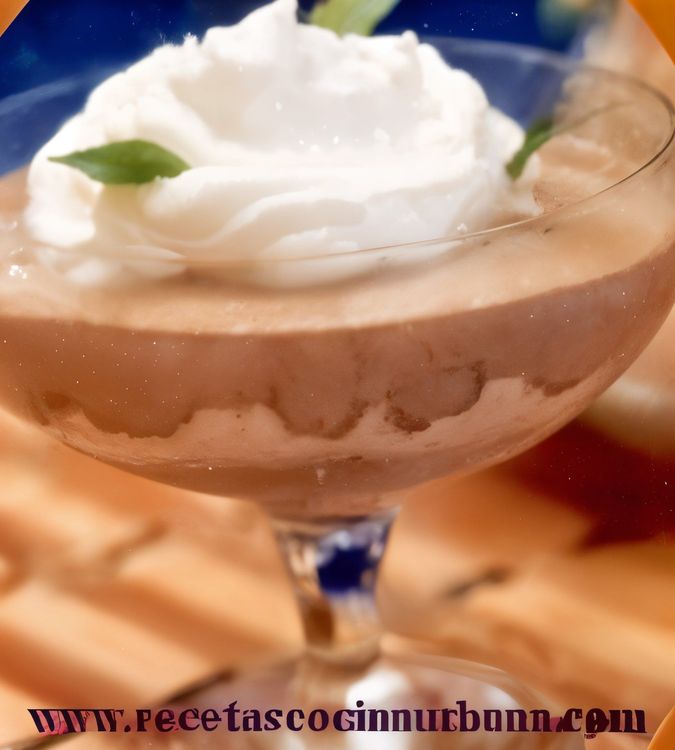
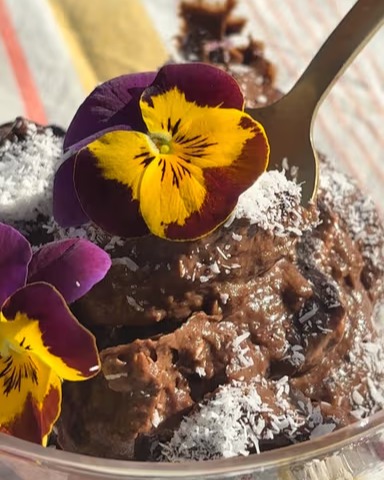
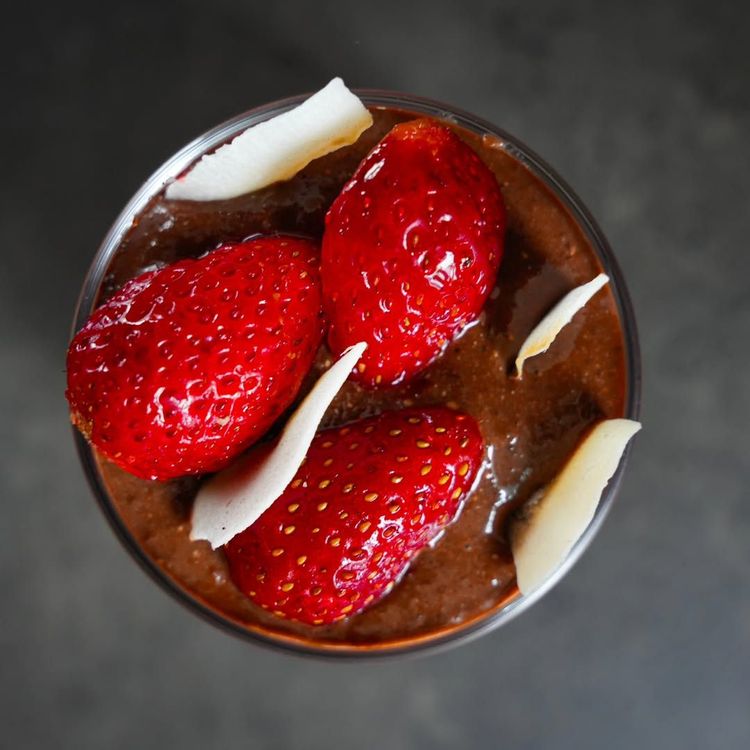
Chocolate mousse is the dessert that made the whole genre famous, and getting it right is mostly about respecting two things: good chocolate and trapped air. Reach for a chocolate you would happily eat on its own, somewhere around 60 to 70 percent for dark, because the bar you choose is the flavour you taste, with nowhere to hide. Melt it gently over a water bath or in short bursts in the microwave, stirring between each, and then let it cool to just barely warm before it ever meets cold cream. That temperature window is the single most common stumbling block: pour cold whipped cream into hot chocolate and it seizes into hard, gritty flecks, while chocolate that is too cool turns stiff and refuses to fold. Whip your cream only to soft peaks so it stays pliable, then fold it in by thirds, cutting down and lifting over with a spatula until no streaks remain and not a stroke more. A pinch of salt and a spoon of strong coffee deepen the chocolate without announcing themselves, and a few hours in the fridge firm the cocoa butter into a soft, luxurious set. From classic dark to white chocolate, mocha and Nutella-spiked versions, the rhythm never changes. Standouts here include Chocolate Chia Mousse with Caramel Sauce and Tofu Chocolate Mousse, plus Chocolate and Coffee Mousse.


- Vegetarian
- Breakfast

- Vegan
- Dessert
- International
- Vegetarian
- Dessert
- Indonesian
- Vegan
- Dessert
- French
- Vegetarian
- Breakfast
Fruit Mousse
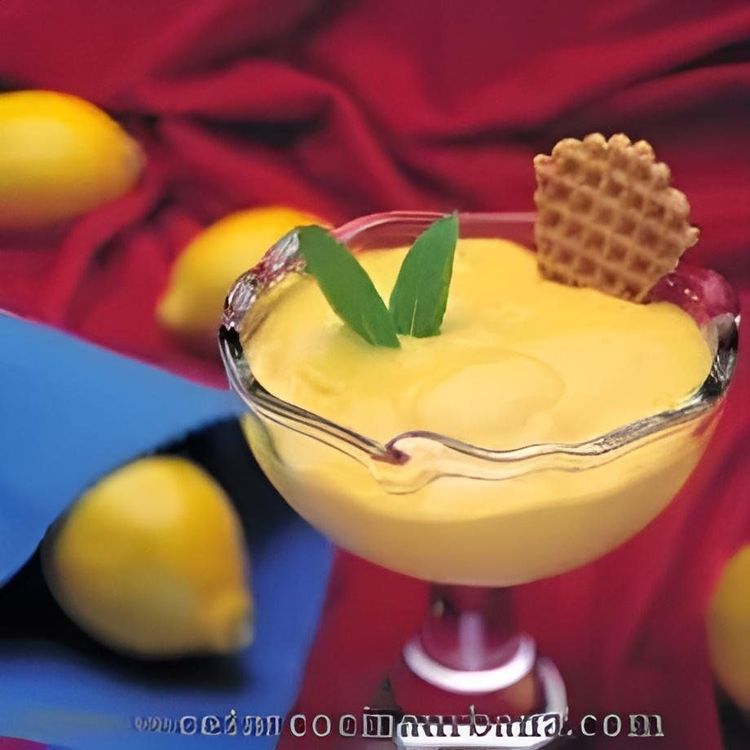
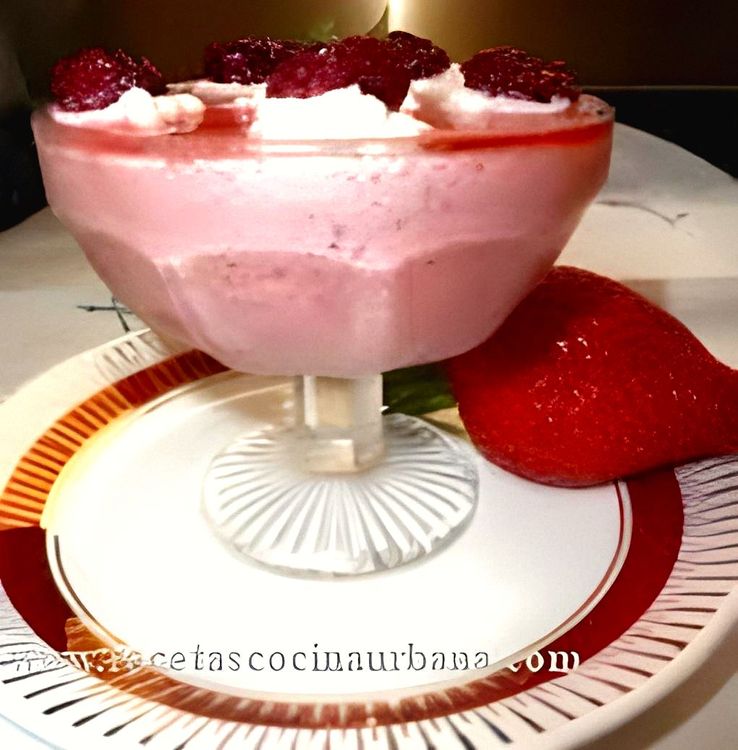
Fruit mousse is where a dessert turns light and fragrant, and it lives or dies on the quality of the fruit and how you handle its water. Ripe, perfumed mango, strawberries, passion fruit and berries carry the whole dish, so taste the fruit first; a flat, underripe puree makes a flat mousse no amount of sugar can rescue. The technical trap is moisture, because most fruit holds far more water than chocolate ever does, and that water thins the cream and weakens the set into something loose and weepy. The fix is to concentrate the flavour and lose the excess liquid: reduce a watery puree gently in a pan until it thickens and intensifies, or drain it well, and always sieve out seeds and fibres for a silky texture. Cool the puree completely before it goes anywhere near whipped cream, since warm fruit will deflate the air you worked to build. Sweeten the puree itself and push it a touch sweeter than tastes right, because chilling dulls sweetness on the palate. Fold in softly whipped cream gently, add a little bloomed gelatin if you want it firm enough to layer or unmould, and chill for several hours until it sets into a clean, bright, summery spoonful. Standouts here include Strawberry Mousse Cake and Passion Fruit Mousse, plus Orange and Lemon Mousse.


- Eggetarian
- Dessert

- Brazilian
- Vegetarian
- Dessert
- International
- Vegetarian
- Dessert


- Eggetarian
- Dessert
- International
- Eggetarian
- Dessert
Layered & Special Mousse
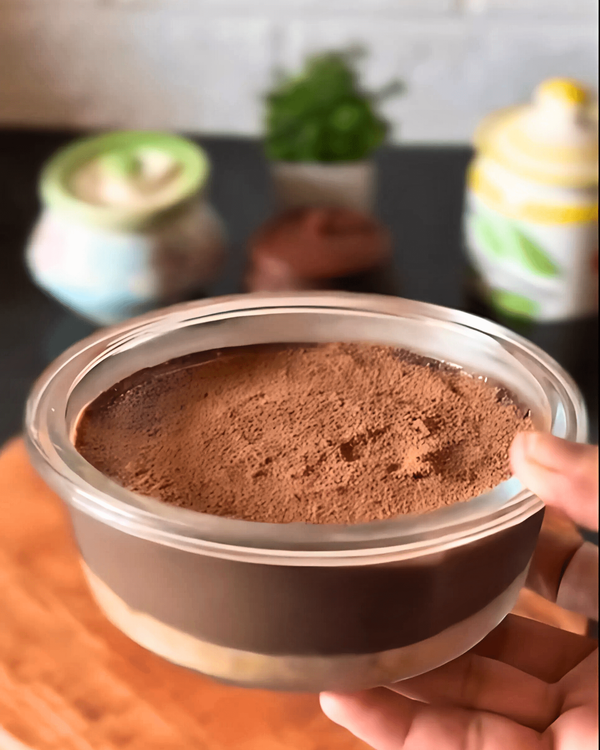
Layered and special mousse is where the technique you have practised gets dressed up for an occasion, turning a simple pudding into a parfait, a trifle, a biscuit-crumb cup or a sliceable mousse cake. The principle that ties them together is contrast and patience: you want different textures stacked against each other, a crisp biscuit crumb or a Biscoff base, a soft airy mousse, a glossy caramel or a sharp fruit coulis, so every spoonful has something crunchy, creamy and bright at once. The discipline these demand is chilling between layers, because a warm or loose layer poured onto another simply bleeds the colours together and ruins the clean lines that make the dessert look so good. Set each layer firm before you add the next, pour or pipe gently down the side of the glass, and take your time. For a mousse cake, set the mousse over a baked or biscuit base in a lined tin, chill it until genuinely firm, then warm the sides with your hands or a cloth for a few seconds to release it without tearing. A little bloomed gelatin gives these a firmer, more reliable set than a pour-into-glasses mousse, which matters when you want neat slices. Done with care, these are the show-stoppers that look like far more work than they actually are. Standouts here include 5-Minute Rice Mousse Cake and Biscoff Chia Mousse, plus Heart-Shaped Mousse Cake for Valentine's Day.
- Fusion
- Vegetarian
- Dessert

- Vegetarian
- Dessert

- Eggetarian
- Dessert
More Mousse Favourites
A handful of mousses never sit neatly in a single category, and these are the ones worth reaching for once the classics feel routine. They lean on exactly the techniques you already know, whipping cream to soft peaks, folding gently to protect the air, matching temperatures, and chilling long enough to set, but steer them toward different flavours and formats so the dessert never tastes the same twice. Some swap the cream for a vegan base, some fold in coffee, caramel or a crumbled biscuit, and others sit halfway between a mousse and a cheesecake or a posset. Choosing your next one is mostly about matching effort to the occasion: reach for a quick two-ingredient or no-bake version on a weeknight when you want something sweet with almost no work, and save the layered, gelatin-set or unmoulded numbers for when you have guests and a little more time to let each stage chill. Pay attention to how soft or firm you want the final set, since that decides whether you serve it in a glass or slice it onto a plate, and adjust your cream and setting agent accordingly. Think of this group as the natural next step after the staples, the recipes that quietly earn a regular spot once you have tried them. Standouts here include Tuna and Shrimp Mousse and Pumpkin Protein Mousse, plus Mandarin Mousse with Kiwi Sauce.
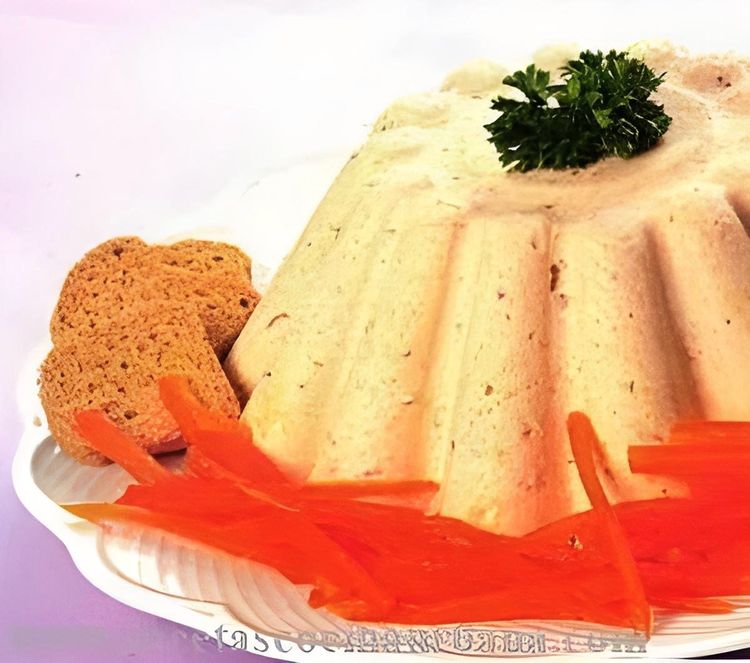
- International
- Pescatarian
- Appetiser

- Vegetarian
- Dessert
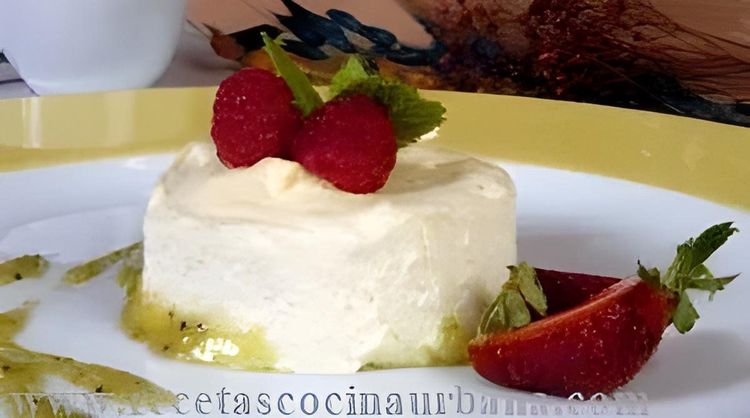
- International
- Eggetarian
- Dessert

- European
- Eggetarian
- Dessert
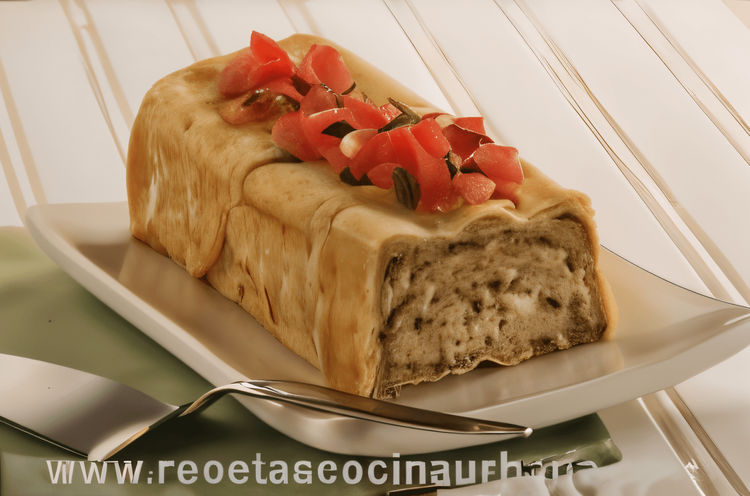
- Italian
- Eggetarian
- Lunch
Whipping and Folding Without Losing the Air
Air is the whole point of a mousse, and you build it by whipping and protect it by folding. Whip your cream cold, ideally with a chilled bowl and beaters, and stop at soft peaks — the stage where the cream just holds a drooping peak rather than standing stiff. Over-whipped cream turns grainy and stiff, which makes a heavy, buttery mousse that will not fold smoothly. If you are whipping egg whites, take them to soft, glossy peaks too, adding sugar gradually so they stay stable rather than collapsing.
Folding is where most mousses are won or lost. Add the lighter mixture to the heavier base in thirds: the first third is sacrificial — stir it in properly to loosen the base — then fold the remaining two-thirds gently. Cut down through the centre with a spatula, sweep along the bottom, and lift up and over, rotating the bowl a quarter turn each time. Stop the moment no streaks remain; every extra stroke knocks out air and densifies the mousse, so under-mixing slightly is safer than over-mixing.
Temperature is the quiet variable. Melted chocolate must be barely warm — around body temperature — before it meets cold whipped cream, or it firms into hard flecks on contact and the mousse turns lumpy. Equally, a fruit puree or custard base should be cool, not hot, before folding in cream. When in doubt, let the base sit a few minutes and feel the side of the bowl; warm to the touch but not hot is the window you want for a smooth, even fold.
Setting a Mousse: Gelatin, Cream and No-Bake
A mousse needs enough structure to hold its shape without turning solid, and there are a few ways to get there. The lightest chocolate mousses set on the chocolate and cream alone — as they chill, the cocoa butter firms up and the whipped cream holds the air, giving a soft, spoonable set after three to four hours in the fridge. These need no gelatin at all, but they are softer and best served in glasses or pots rather than sliced.
For fruit mousses and anything you want to unmould or layer, a setting agent gives a cleaner, sliceable result. Bloom powdered gelatin in cold water for five minutes until spongy, then melt it gently (never boil it, which weakens its setting power) and whisk it into the warm part of your base before folding in the cream. For an eggless, vegetarian set, agar-agar works but behaves differently — it must be boiled to activate and sets much firmer, so use it sparingly and dissolve it fully or you get rubbery patches.
No-bake mousses lean on whipped cream and often condensed milk or cream cheese for body, sometimes with a little gelatin for insurance. The key is to chill properly: give any mousse at least four hours, ideally overnight, to set fully and for the flavours to settle. Resist the urge to rush it in the freezer, which can form ice crystals and a grainy texture. A mousse that is still loose after chilling almost always means the cream was under-whipped or the gelatin was skipped or under-measured.
Flavour, Fruit Purees and Layering
Good flavour starts with good ingredients and the right balance. For chocolate mousse, use a chocolate you would happily eat — a 60 to 70 percent dark gives depth without bitterness, while milk and white chocolate need less added sugar because they are sweeter. A pinch of salt and a spoon of strong coffee sharpen and deepen chocolate without making it taste of either. For fruit mousses, ripe, fragrant fruit is everything, since the puree carries the whole dessert.
Watery fruit purees are the main pitfall in fruit mousse. Berries, mango and passion fruit hold a lot of water that thins the cream and weakens the set, so reduce a loose puree gently in a pan to concentrate it, or drain it well, and cool it completely before folding. Sieve out seeds and fibres for a silky texture. Taste and adjust sweetness on the puree itself, remembering that chilling dulls sweetness slightly, so a mix that tastes just right warm should be a touch sweeter than your final target.
Layering turns a simple mousse into a showpiece. Build contrasting textures — a crisp biscuit crumb, a soft mousse, a glossy fruit coulis or ganache — and chill each layer until set before adding the next, or they bleed into one another. Pour or pipe gently down the side of the glass to keep lines clean. For mousse cakes, set the mousse over a baked or biscuit base in a lined tin, chill until firm, then warm the sides briefly with your hands or a cloth to release it cleanly.
Pro Tips from the Test Kitchen
- Whip cream only to soft peaks — over-whipped cream turns grainy and makes a heavy, dense mousse.
- Cool melted chocolate to barely warm before folding in cold cream, or it seizes into hard flecks.
- Fold in thirds: stir the first third in to loosen the base, then fold the rest gently until no streaks remain.
- Stop folding the moment the mixture is even — every extra stroke knocks out air.
- Bloom gelatin in cold water, then melt it gently without boiling, which weakens its setting power.
- Reduce or drain watery fruit purees and cool them fully before folding into cream.
- Sieve fruit purees to remove seeds and fibres for a silky-smooth mousse.
- Chill mousse at least four hours, ideally overnight, for a proper set and settled flavour.
- Sweeten fruit mousse a touch more than tastes right warm, since chilling dulls sweetness.
- Chill each layer until set before adding the next so parfait and trifle layers stay clean.
Frequently Asked Questions
What are the best mousse recipes for beginners?
Start with a no-bake or eggless mousse, which skips the trickiest steps. A two-ingredient chocolate mousse of melted chocolate folded into whipped cream, or an eggless mango mousse made with cream and condensed milk, both come together in minutes and set in the fridge with no oven and no raw eggs. From there, try a strawberry or berry mousse and a simple layered parfait. Master the whip-and-fold technique on these and every other mousse becomes easy.
How do you make easy mousse recipes set without gelatin?
Many mousses set on cream and chocolate alone. Whip the cream to soft peaks so it holds air, fold it into barely-warm melted chocolate, and chill for three to four hours — the cocoa butter firms up as it cools and sets a soft, spoonable mousse with no gelatin at all. For fruit mousses without gelatin, lean on plenty of whipped cream and a well-reduced puree, and serve them in glasses rather than trying to slice them, since they stay softer.
Why is my mousse runny and not setting?
The usual causes are under-whipped cream or a setting issue. If the cream was only at soft ribbons rather than soft peaks, it cannot hold the air and the mousse stays loose. If you used gelatin, it may have been under-measured, not fully dissolved, or boiled (which weakens it). A watery fruit puree thins everything too. Fix it by chilling longer, and next time whip the cream a touch firmer, measure gelatin carefully, and reduce loose purees first.
Why did my chocolate mousse turn out grainy or lumpy?
Grainy mousse comes from temperature or over-whipping. If melted chocolate is too warm when it meets cold cream it can seize, and if the cream is poured into hot chocolate it firms into hard flecks. Cool the chocolate to just warm and fold gently. Grainy, almost buttery texture also means the cream was over-whipped past soft peaks. Whip only until it holds a drooping peak, and fold rather than stir to keep everything smooth and airy.
How do you make eggless mousse?
Eggless mousse relies on whipped cream for air instead of whipped egg whites, often with condensed milk, cream cheese or a fruit puree for body and a little gelatin or agar-agar to set. Whip cold cream to soft peaks, fold in your flavour base gently, and chill for several hours. This approach works beautifully for chocolate, mango and berry mousses, and avoids any worry about raw eggs while still giving a light, creamy result that sets cleanly.
Can you make mango mousse without eggs or gelatin?
Yes — a fresh mango mousse is one of the easiest eggless, gelatin-free desserts. Fold thick, well-reduced mango puree into softly whipped cream, sweeten to taste, and chill for four hours or overnight. Plenty of whipped cream gives it enough structure to hold without gelatin, especially served in glasses. If you want it firmer to layer or slice, add a little bloomed gelatin or agar-agar, but for a soft, spoonable mango mousse the cream and fruit alone are enough.
How long does mousse need to set in the fridge?
Most mousses need at least four hours to set properly, and overnight is better — it firms the texture fully and lets the flavours settle and deepen. Lighter chocolate mousses set in three to four hours; gelatin-set and layered mousses are safest given a full night. Avoid setting mousse in the freezer to speed things up, as it can form ice crystals and turn grainy. Cover the mousse while it chills so it does not absorb fridge smells.
How do you make a no-bake mousse cake or layered mousse?
Build it in stages and chill between each. Press a biscuit-and-butter base into a lined tin and chill it firm, then pour over your mousse and chill until set, adding a glossy ganache or fruit coulis on top at the end. For layered parfaits, alternate mousse with crumb or coulis in glasses, letting each layer set before adding the next so the lines stay clean. Warm the sides of a mousse cake briefly to release it neatly before serving.
Can you make mousse ahead of time?
Mousse is an ideal make-ahead dessert. It needs hours to set anyway, so making it the day before is the natural way to serve it. Most mousses keep well covered in the fridge for two to three days, and layered mousse cakes hold beautifully. Add any fresh fruit, whipped cream or crisp garnishes just before serving so they stay bright and crunchy. Mousse can be frozen too, though the texture is best eaten chilled rather than fully frozen.
The thread through every mousse recipe here is the same: build air by whipping cream or whites to soft peaks, fold it in gently so you keep that air, match temperatures so nothing seizes, and chill long enough to set. Master those and chocolate, fruit, eggless and layered mousses all turn out light, creamy and spoonable, with no baking required and very little that can go wrong.
Pick a few mousse recipes to make this week — a deep dark chocolate mousse, a fresh mango or berry version, and a layered parfait for a special occasion — and save your favourites to a Chefadora cookbook. A good mousse is the easiest way to end a meal on something that feels indulgent; this page is built to be the mousse reference you keep coming back to.
Related
- Mousse
- Dessert
- Chocolate
- No-bake
- Eggless
- Vegetarian
- Make-ahead
- Party
Popular Searches
- Best mousse recipes
- Easy mousse recipes
- Quick mousse recipes
- Healthy mousse recipes
- Simple mousse recipes
- Homemade mousse recipes
- Delicious mousse recipes
- Popular mousse recipes
- chocolate mousse
- mango mousse
- eggless mousse
- no bake mousse
Marnirni-apinthi Building, Lot Fourteen,
North Terrace, Adelaide, South Australia, 5000
Australia
