
Top 18 Italian Recipes: Pasta, Mains, Salads and Dessert
Updated June 22, 2026 · Curated by Chefadora

Italian recipes are some of the most loved cooking in the world precisely because they do so much with so little — a handful of excellent ingredients, treated simply and cooked with care. The dishes below span the real range of the Italian table: pasta, gnocchi and ravioli, hearty sausage and baked mains, bright antipasto salads and sandwiches, classic sauces, and the unhurried desserts that finish a meal.
What defines Italian food is restraint and quality rather than complication. A great carbonara is eggs, cheese, pork and pasta; a great Caprese is tomato, mozzarella and basil. Because there is nowhere to hide, the technique that matters is treating good ingredients well — cooking pasta properly, building a real sauce, and seasoning with confidence — rather than burying everything under a long list of additions.
You will find the collection grouped into clusters — pasta and gnocchi, Italian mains and bakes, salads and sandwiches, sauces and soups, and Italian desserts. Standout dishes range from Pasta Carbonara and Italian Sausage Ravioli to a Burrata Sandwich, Homemade Basil Pesto and a Classic Tiramisu, each built on the fundamentals the guides below lay out.
Treat this as a working reference. Each recipe links to full ingredients and steps on Chefadora, and the guides cover what actually decides whether Italian food tastes authentic or flat — cooking pasta and using its starchy water, building sauces that cling, and letting good ingredients shine instead of masking them.
Italian Desserts
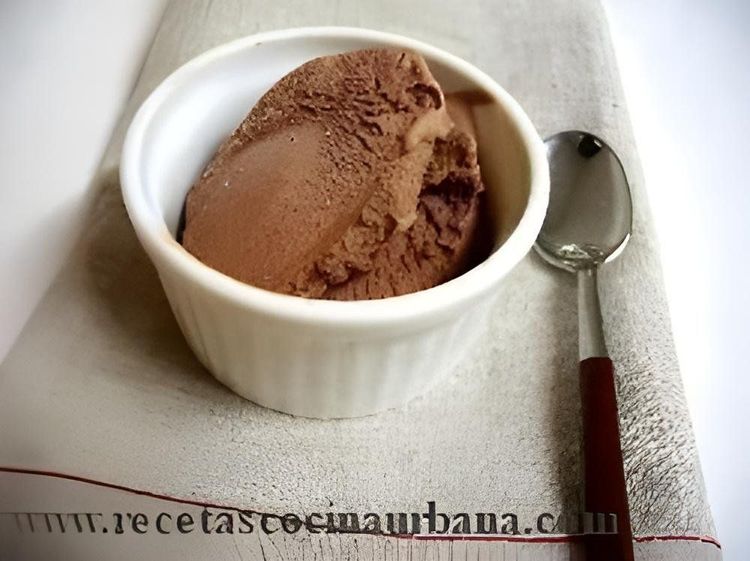
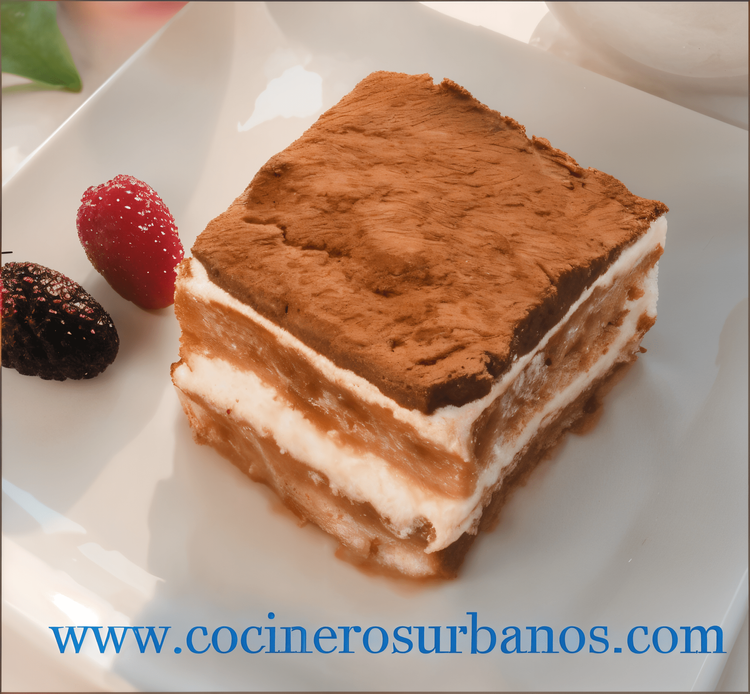
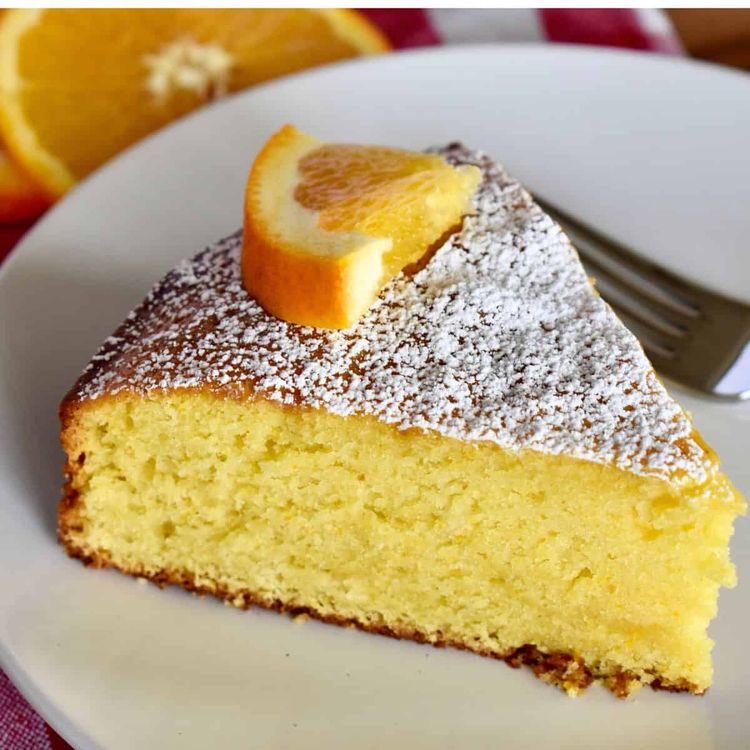
Italian dolci are a lesson in restraint: a few excellent ingredients, treated simply, with none of the fussy architecture of French patisserie. Tiramisu is the emblem — strong, properly cooled coffee, real mascarpone, and savoiardi dipped just long enough to soak without turning to mush, layered and then chilled for several hours so it sets enough to slice and the flavours meld. Almond biscuits like amaretti rely on good almonds and a light hand, and a simple citrus cake lets olive oil and orange do the talking. The recurring theme is quality over complication: buy the best mascarpone, coffee and almonds you can, and resist the urge to over-engineer. Keep sweetness in check so the main flavour leads, chill anything cream-based properly so it holds, and finish simply — a dusting of cocoa, a scatter of toasted nuts. These are the unhurried, classic sweets that round off an Italian meal, and they reward patience and good ingredients far more than technique. Standouts here include Italian Macarons and Italian-Style Chocolate Ice Cream, plus Classic Italian Tiramisu.


- Italian
- Eggetarian
- Snack
- Italian
- Eggetarian
- Dessert
- Italian
- Eggetarian
- Dessert


- Italian
- Eggetarian
- Snack
- Italian
- Eggetarian
- Snack
Italian Salads & Sandwiches
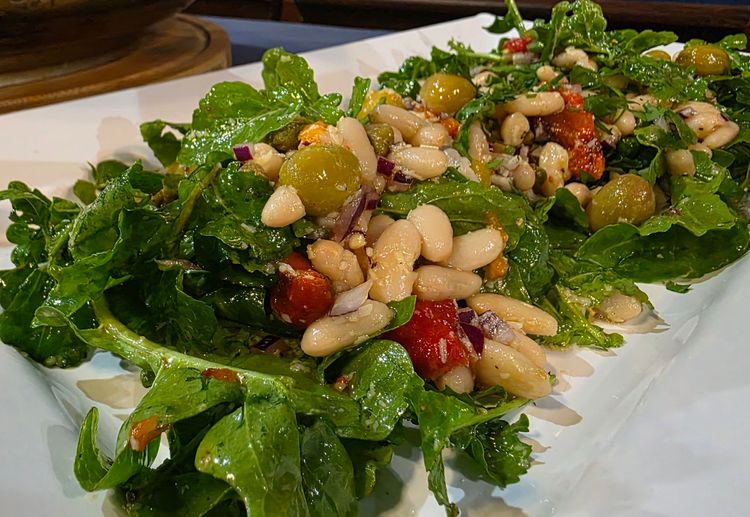
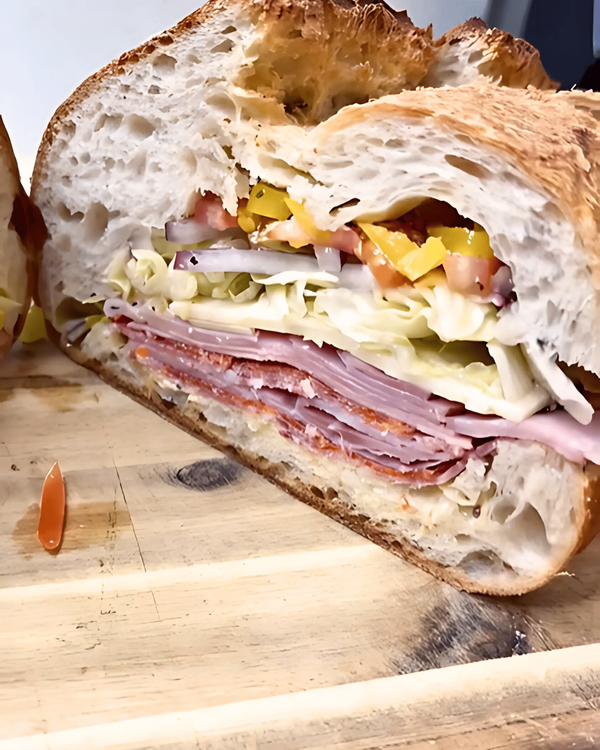
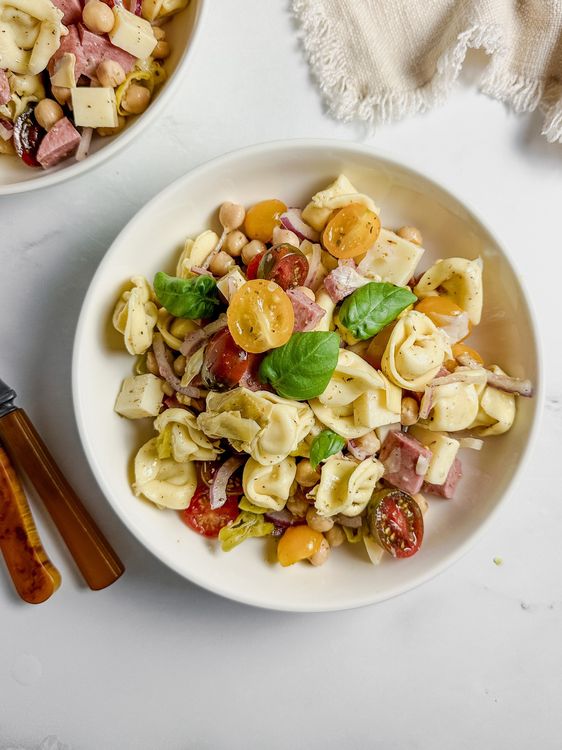
This corner of the Italian table is assembly rather than cooking, which means it lives or dies entirely on the quality and balance of what goes into it. A great antipasto salad or a stacked Italian sandwich starts with good bread, proper cured meats, real cheese, marinated vegetables and a sharp dressing of good olive oil and vinegar — buy the best you can of each, because there is nothing to hide behind. The skill is in balance: salty, tangy, rich and fresh elements held in tension, seasoned confidently, and dressed just before serving so nothing goes soggy. A Caprese needs little more than ripe tomatoes, fresh mozzarella or burrata, basil, a drizzle of good oil and flaky salt, and it is hard to beat when those ingredients are at their best. Build sandwiches with structure so they hold together, layering cheese against the bread to protect it from wetter fillings. These are the bright, no-cook dishes that make a quick lunch or a generous starter feel genuinely Italian. Standouts here include Italian Chopped Pasta Salad and Italian Green Salad, plus The Ultimate Italian Burrata Sandwich.


- Italian
- Non-Vegetarian
- Lunch

- Italian
- Vegetarian
- Salad

- Italian
- Non-Vegetarian
- Lunch
- Italian
- Non-Vegetarian
- Lunch

- Italian
- Nut-Free
- Main Course
Pasta, Gnocchi & Ravioli
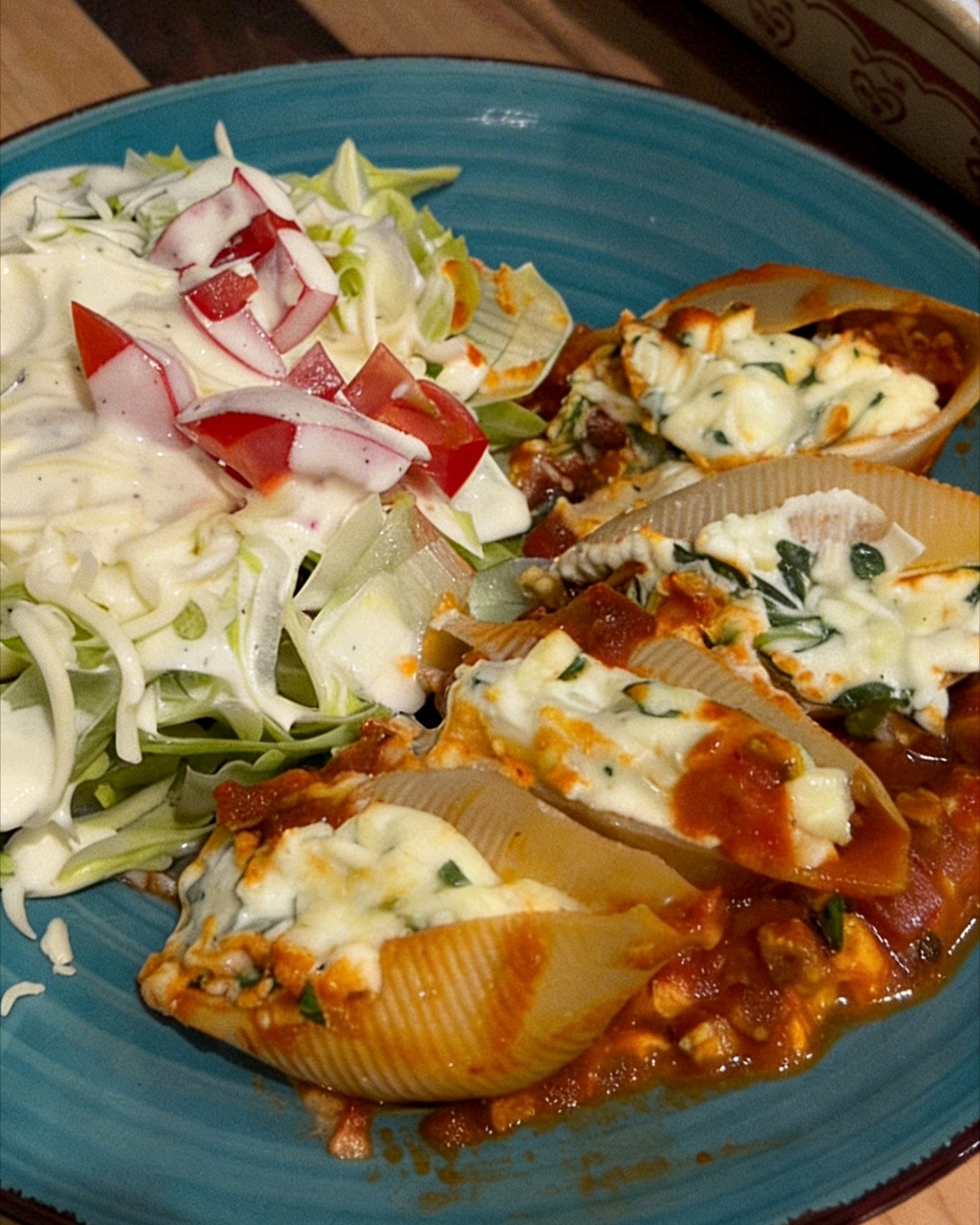
Pasta is the heart of Italian cooking, and getting it right is mostly a handful of non-negotiable habits. Use plenty of water and salt it like the sea, since this is the only chance to season the pasta from within, and cook to al dente with a real bite at the centre, tasting before the packet time because you can always cook longer but never un-cook. Before draining, save a mug of the starchy cooking water — it is the single biggest secret to Italian pasta, emulsifying fat and cheese into a glossy sauce that clings to every strand. Finish the pasta in the pan with its sauce and a splash of that water for the last minute rather than spooning sauce on top, so the two become one. Match the shape to the sauce, with ridges and hollows for chunky sauces and strands for smooth ones, and keep filled pasta like ravioli and tender gnocchi under a light butter or tomato sauce so the filling still leads. Get these basics right and a simple pasta beats almost anything. Standouts here include Stuffed Italian Sausage Shells and One-Pot Italian-Inspired Gnocchi Dinner, plus Homemade Pasta with Italian Sausage and Tomato Sauce.

- Italian
- Non-Vegetarian
- Dinner
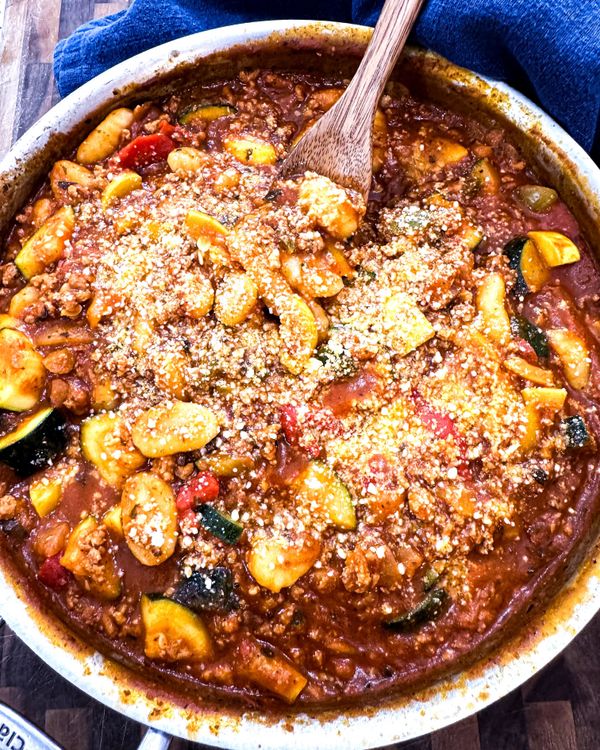

- Italian
- Non-Vegetarian
- Dinner
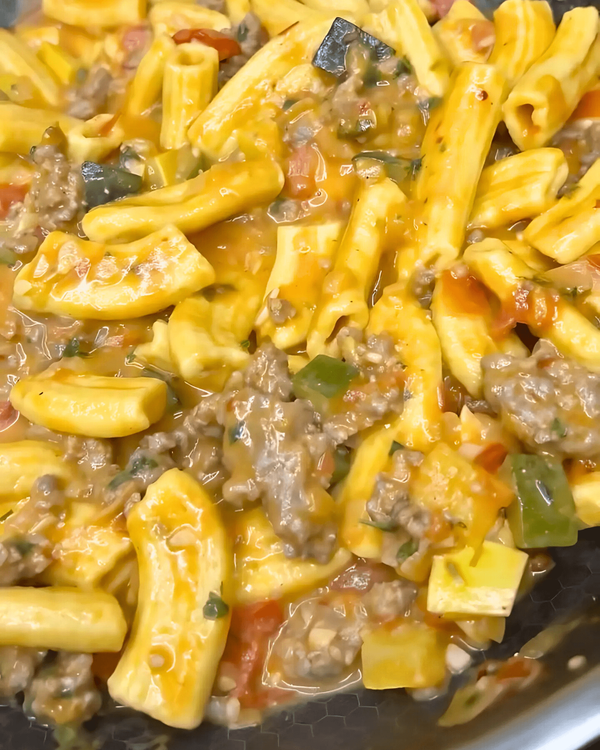
- Italian
- Nut-Free
- Dinner
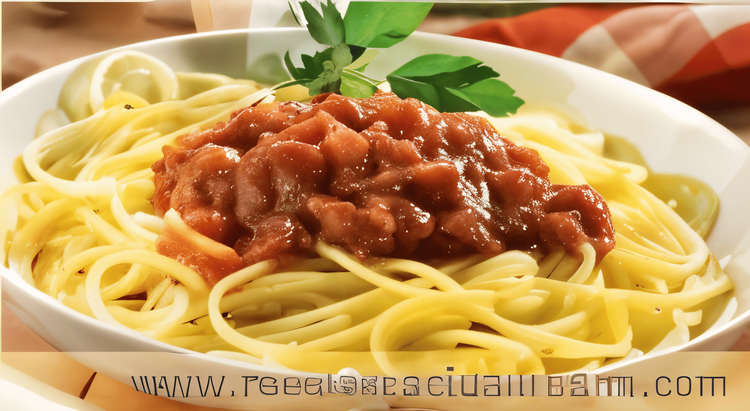
- Italian
- Non-Vegetarian
- Sauce & Condiment
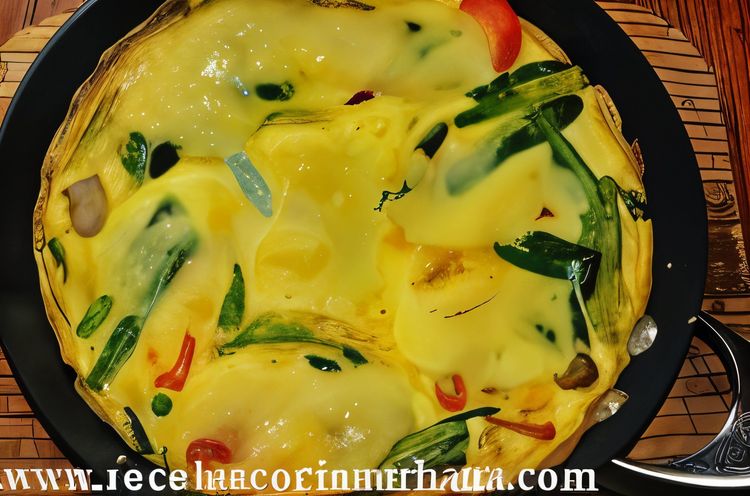
- Italian
- Gluten-Free
- Breakfast
Sauces, Soups & Sides
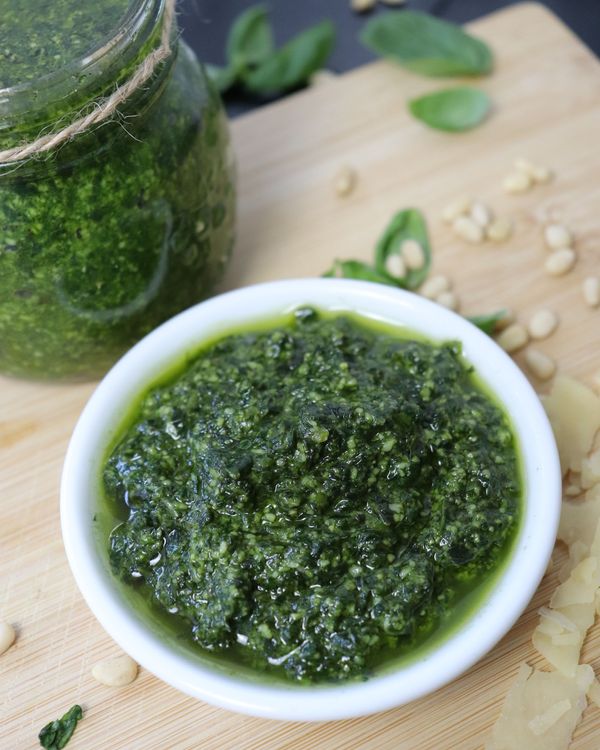
The building blocks of Italian cooking live here — the sauces, soups and breads that underpin everything else. A good tomato sauce comes from patience rather than a long ingredient list: soften garlic or onion gently in good olive oil without harsh browning, then let tomatoes cook down until they lose their raw, tinny edge and turn sweet and jammy, with a pinch of sugar to round any acidity and fresh basil stirred in at the end. Pesto is the opposite, a fresh, uncooked sauce of good oil, basil, toasted nuts, garlic and real parmesan blended just until cohesive and tossed through hot pasta off the heat so it stays bright green rather than dull and oily. Soups like minestrone reward a real base of properly cooked aromatics and a good stock, with vegetables added in order so each is just tender. Across all of them, quality ingredients and a little patience do the heavy lifting, and a single good sauce, made well and kept on hand, lifts everything you serve alongside it. Standouts here include Homemade Basil Pesto (Easy Italian Sauce) and High Protein Italian Penicillin Soup, plus Easy and Fun Italian Soda.

- Italian
- Vegetarian
- Sauce & Condiment


- Italian
- Non-Vegetarian
- Dinner

- Italian
- Vegetarian
- Beverage
Cooking Pasta the Italian Way
Everything starts with the pasta itself. Use plenty of water and salt it generously — it should taste like seawater, because this is the only point at which you season the pasta from within. Cook to al dente, tender with a real bite at the centre, and start tasting a minute or two before the packet time, since you can always cook it longer but never un-cook it.
Before you drain, scoop out a mugful of the starchy cooking water — it is the single biggest secret to Italian pasta. Stirred into the sauce as you toss the pasta, that starch emulsifies fat and cheese into a silky, glossy coat that clings to every strand instead of pooling at the bottom of the bowl. Finish the pasta in the sauce for the last minute rather than plating it and spooning sauce on top.
Match the shape to the sauce: chunky, hearty sauces want shapes with ridges and hollows (penne, rigatoni, shells) to trap them, while smooth or delicate sauces suit long strands. For filled pasta like ravioli and tortellini, and for gnocchi, cook gently and keep the sauce simple — butter and sage, or a light tomato — so it complements rather than overwhelms the filling.
Building Sauces and Letting Ingredients Shine
A great tomato sauce comes from patience, not a long ingredient list: soften garlic or onion gently in good olive oil without browning it harshly, add tomatoes, and let them cook down until they lose their raw, tinny edge and turn sweet and jammy. A pinch of sugar rounds out acidic tinned tomatoes, and fresh basil added at the end keeps its fragrance. That one sauce underpins half the Italian repertoire.
Pesto and other fresh sauces are about balance and freshness: good oil, fresh basil, toasted nuts, garlic and real parmesan, blended or pounded just until cohesive and tasted for salt and acid. Do not cook fresh pesto; toss it through hot pasta off the heat so it stays bright green and fragrant rather than dull and oily.
Because Italian cooking leans on a few ingredients, their quality is the dish. Buy the best you can of the things that carry a recipe — good olive oil, real parmesan or pecorino, ripe tomatoes, fresh mozzarella or burrata, decent cured meats — and treat them simply. A drizzle of good oil, a shave of real cheese and a few torn basil leaves do more than any amount of fussy technique.
Mains, Salads and the Italian Table
Italian mains reward a good sear and a properly built base. Brown sausage and chicken well for colour and flavour before they go into a bake or sauce, and for baked dishes like ziti and stuffed shells keep the assembly a little saucier than feels right, since the pasta drinks up liquid in the oven. Let baked dishes rest a few minutes before cutting so they hold together in clean portions.
Antipasto salads and Italian sandwiches are assembly, not cooking, so they live entirely on the quality and balance of what goes in: good bread, cured meats, cheese, marinated vegetables, and a sharp dressing of oil and vinegar. Season and dress them well, and let bold, salty, tangy components do the work. A Caprese or a burrata plate needs little more than great tomatoes, fresh cheese, basil, oil and salt.
The Italian table is about courses and balance rather than one giant plate. Even at home, a little antipasto, a modest pasta, a simple main with a salad, and an unhurried dessert make a more satisfying meal than one overloaded dish. Most sauces, bakes and desserts here are happy made ahead, so you can spread the work and enjoy the meal rather than spending it at the stove.
Pro Tips from the Test Kitchen
- Salt pasta water like the sea — it is your only chance to season the pasta itself.
- Cook pasta to al dente and start tasting before the packet time; you can cook longer but never un-cook.
- Save a mug of starchy pasta water and finish the pasta in its sauce for a glossy, clinging coat.
- Match shape to sauce — ridges and hollows for chunky sauces, strands for smooth ones.
- Cook tomato sauce down slowly until it loses its raw edge and turns sweet; a pinch of sugar rounds acidity.
- Never cook fresh pesto — toss it through hot pasta off the heat to keep it bright and fragrant.
- Buy the best you can of the few ingredients that carry a dish: oil, parmesan, tomatoes, mozzarella.
- Brown sausage and chicken well before they go into a bake or sauce for real depth.
- Keep baked pasta saucier than feels right and rest it before cutting so it holds together.
- For tiramisu and dolci, keep it classic — good coffee, mascarpone and a light hand beat fussy additions.
Frequently Asked Questions
What are the most popular Italian recipes to cook at home?
Start with the classics that teach the fundamentals: a simple tomato pasta or carbonara, a homemade pesto, a Caprese or antipasto salad, and a tiramisu for dessert. These rely on a few good ingredients and proper pasta technique rather than complication. Once cooking pasta to al dente and building a real sauce feel natural, baked dishes like ziti and lasagne and filled pasta like ravioli are easy next steps.
What is the secret to authentic Italian pasta?
Three things: salt the cooking water heavily so the pasta is seasoned from within, cook it to al dente with a real bite, and save the starchy cooking water to finish the dish. Toss the drained pasta in the pan with the sauce and a splash of that water so the starch emulsifies everything into a glossy coat that clings. Finishing pasta in the sauce, rather than spooning sauce on top, is the real secret.
Why do Italian recipes use so few ingredients?
Because Italian cooking is built on quality over quantity — a handful of excellent ingredients, treated simply, so each one shines. A great carbonara is just eggs, cheese, pork and pasta; a Caprese is tomato, mozzarella and basil. With nowhere to hide, the focus shifts to buying good ingredients and cooking them well rather than masking them under a long list of additions. That restraint is the whole philosophy.
How do you make a good tomato sauce?
Soften garlic or onion gently in good olive oil without browning it harshly, then add tomatoes and let them cook down patiently until they lose their raw, tinny taste and turn sweet and jammy. A pinch of sugar rounds out acidic tinned tomatoes, salt to taste, and fresh basil stirred in at the end keeps its fragrance. Time and gentle simmering, not a long ingredient list, are what build the deep flavour.
What pasta shape goes with which sauce?
As a rule, chunky and hearty sauces want shapes with ridges and hollows — penne, rigatoni, shells — to trap them, while smooth or delicate sauces suit long strands like spaghetti and linguine. Rich meat ragus love wide ribbons such as pappardelle, and filled pasta like ravioli wants only a light butter or tomato sauce so it does not overwhelm the filling. Matching the two is part of cooking it well.
How do you make pesto that stays green?
Use good oil, fresh basil, toasted nuts, garlic and real parmesan, and blend or pound just until cohesive rather than over-processing, which heats and dulls it. Crucially, never cook fresh pesto — toss it through hot pasta off the heat so the residual warmth releases its aroma without turning it dark and oily. A little lemon or blanching the basil briefly also helps keep the colour vivid.
Can Italian food be made vegetarian?
Very easily — much of the Italian table is already meat-free. Tomato, pesto, butter-and-sage, cacio e pepe and primavera pastas, Caprese and antipasto salads, vegetable bakes, frittatas and risottos are all naturally vegetarian or easily adapted. Swap meat ragus for mushroom or lentil versions and use vegetable stock. The emphasis on good vegetables, cheese and olive oil makes Italian cooking one of the most vegetarian-friendly cuisines.
What makes a good tiramisu?
Restraint and good ingredients. Use strong, properly cooled coffee, real mascarpone, and dip the savoiardi quickly so they soak but do not turn to mush. Whip the mascarpone mixture until just thick and stable, layer evenly, and — most importantly — chill it for several hours or overnight so the flavours meld and it sets enough to slice. A dusting of cocoa just before serving keeps it from going damp. Keep it classic rather than over-engineering it.
The thread through every Italian recipe here is the same: start with good ingredients, treat them simply, cook your pasta properly and use its starchy water, and build sauces with patience rather than a long list of additions. Master those and pasta, mains, salads, sauces and dolci all come together with the easy, generous quality that defines Italian cooking.
Pick a few Italian recipes to cook this week — a proper pasta, a fresh salad and a make-ahead tiramisu — and save your favourites to a Chefadora cookbook. Build a few reliable classics first; this page is built to be the Italian cooking reference you keep coming back to.
Related
- Italian
- Pasta
- Mediterranean
- Vegetarian
- Dinner
- Comfort food
- Cheese
- Dessert
Popular Searches
- Best italian recipes
- Easy italian recipes
- Quick italian recipes
- Healthy italian recipes
- Simple italian recipes
- Homemade italian recipes
- Delicious italian recipes
- Popular italian recipes
- italian food
- italian dishes
- authentic italian recipes
- italian pasta recipes
Marnirni-apinthi Building, Lot Fourteen,
North Terrace, Adelaide, South Australia, 5000
Australia
