
Top 17 Dosa Recipes: Masala, Rava, Stuffed and Batter
Updated June 25, 2026 · Curated by Chefadora
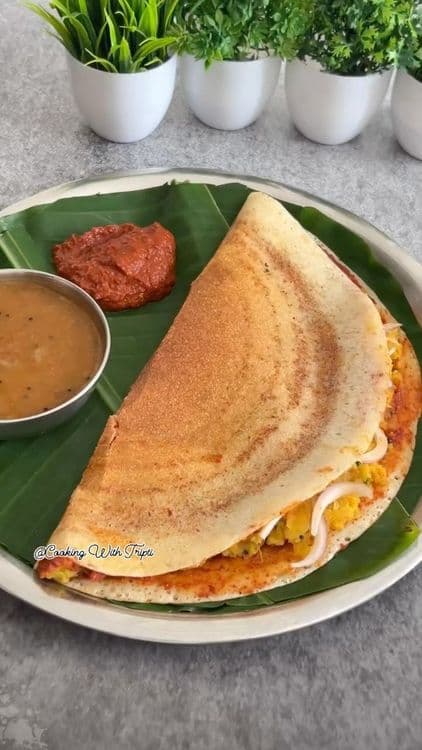
Dosa recipes cover one of South India's greatest gifts to the table: a thin, crisp, golden crepe made from fermented rice and lentil batter, eaten for breakfast, dinner and everything between. The collection below runs the full range, from the classic masala dosa folded over spiced potato to quick rava and instant batters, cheesy stuffed and fusion dosa, and the regional specials like uttapam, neer dosa and pesarattu. One batter, endless directions.
What separates a great dosa from a soggy one is mostly fermentation and heat. A properly fermented batter, risen and gently sour after eight to twelve hours in a warm spot, is what gives a dosa both its tang and its crisp, bubbly lace. Then it is all about the tawa: hot enough that a sprinkle of water dances and evaporates, lightly seasoned, and the batter spread thin in one confident spiral so it crisps rather than steams.
You will find the collection grouped into four clusters — classic and masala dosa, rava and instant dosa, stuffed and fusion dosa, and dosa batter with regional specials. Standout dishes range from a crisp Masala Dosa and a lacy Rava Dosa to a gooey Cheese Dosa and a soft Onion Uttapam, each built on the fundamentals the guides below lay out.
Treat this as a working reference. Each recipe links to full ingredients and steps on Chefadora, and the guides below cover what actually decides whether a dosa is crisp or limp, lacy or leathery — getting the batter and its fermentation right, mastering the tawa and the spread, and building the fillings and chutneys that turn a dosa into a meal.
Classic & Masala Dosa
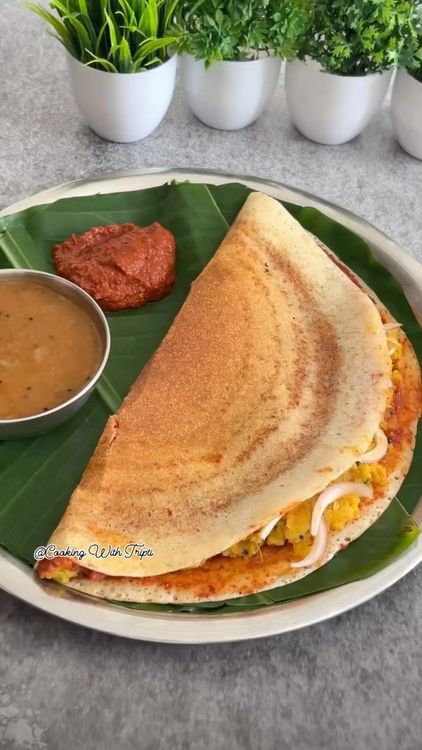
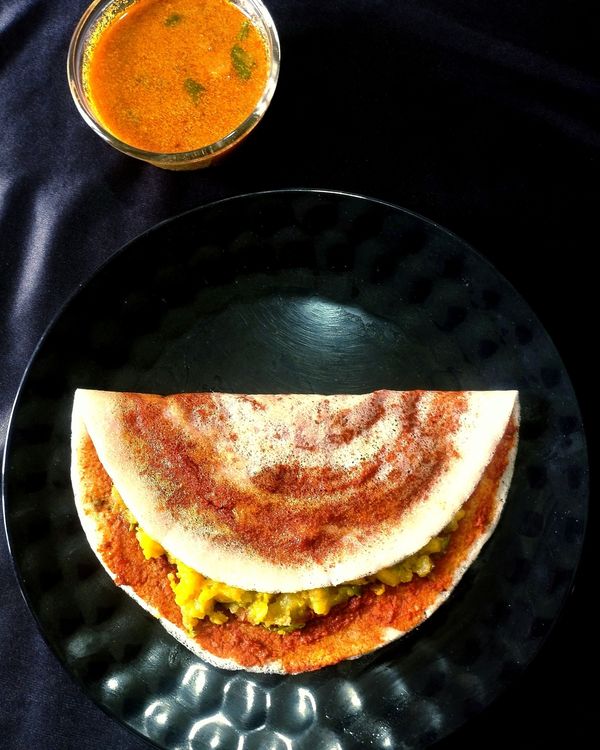
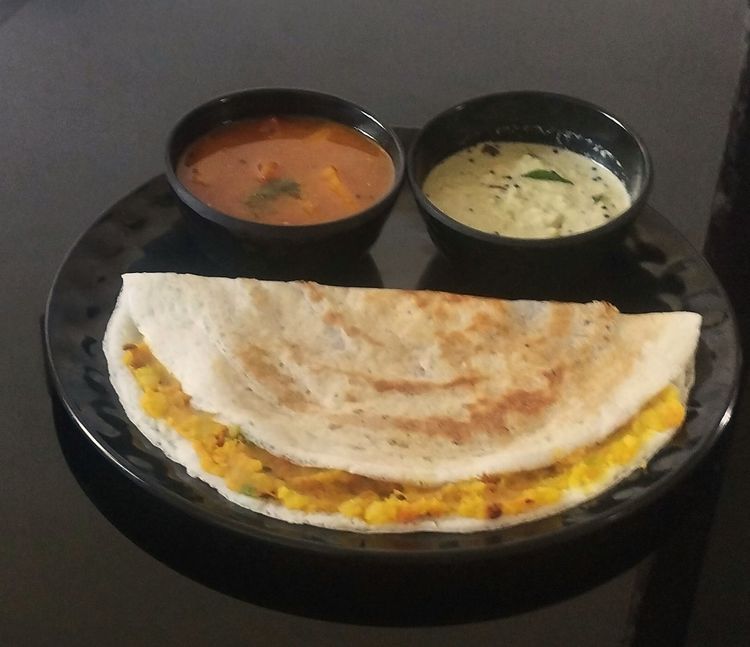
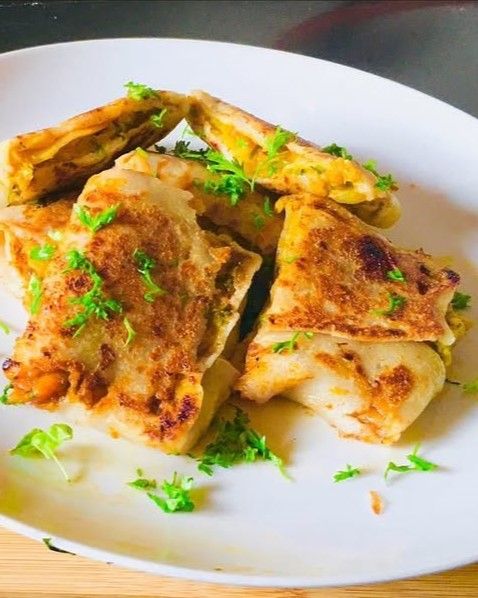
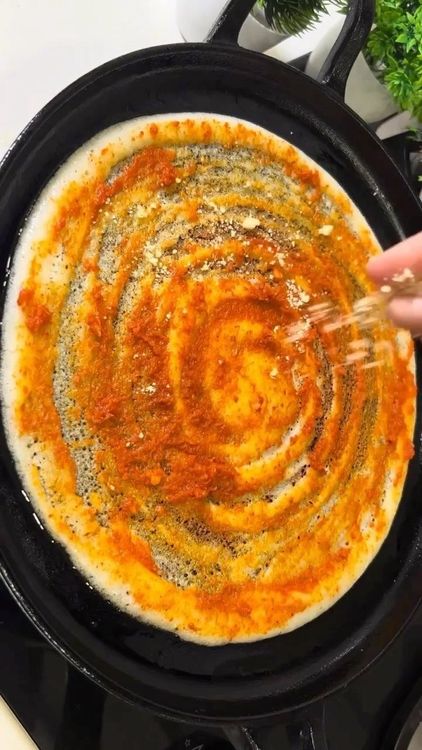
The classic dosa is the one worth getting right first, because everything else is a variation on it. You want a thin, even crepe that crisps to a deep gold with a faint lacework of bubbles, and that comes down to a well-fermented batter, a properly hot tawa, and a confident spread. Pour a ladle into the centre and work it outward in one continuous spiral with the base of the ladle, moving before the batter has a chance to set, then drizzle oil or ghee around the rim. For a masala dosa, the soft, spiced potato filling goes along the middle just as the edges begin to lift and curl away from the pan. The common stumbles are a batter spread too thick, which steams instead of crisping, and a tawa that has cooled between dosas; wipe a cast-iron pan with a damp cloth to settle its temperature before each pour. Plain, set, paper, ghee roast and Mysore styles all follow this rhythm — only the thickness, the fat and the smear of red chutney change. Master the spread once and the whole family opens up. Standouts here include Instant Masoor Masala Dosa with Red Chutney and Mysore Masala Dosa, plus Masala Dosa.

- South Indian
- Vegetarian
- Breakfast
- Indian
- Vegetarian
- Breakfast
- South Indian
- Vegan
- Breakfast
- Indian
- Vegan
- Breakfast
Rava & Instant Dosa
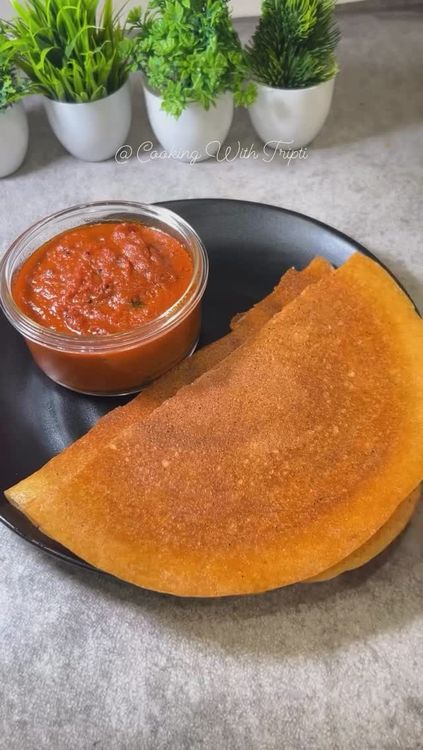
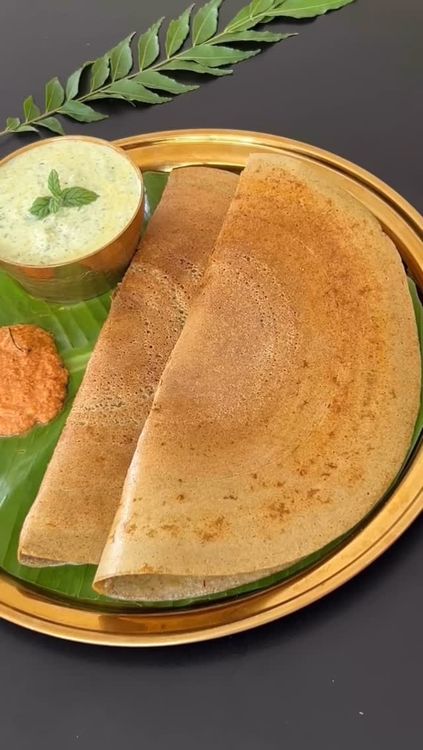
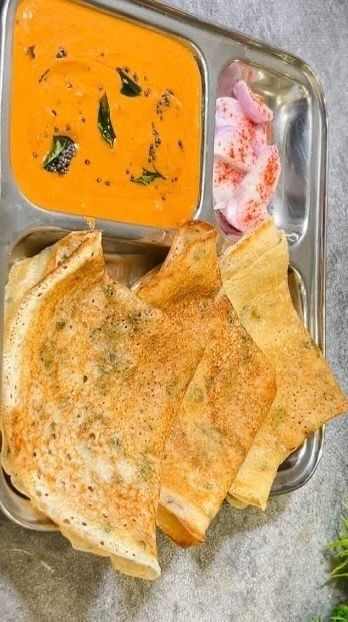
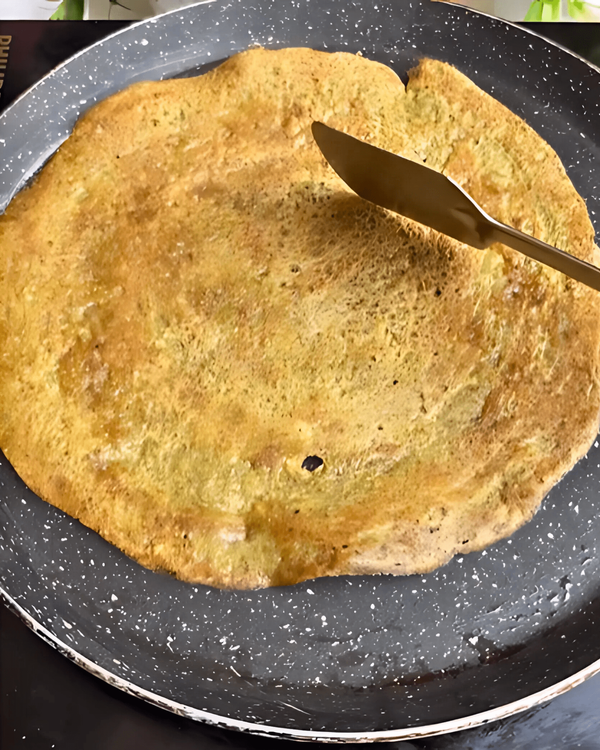
When there is no fermented batter waiting, the instant family saves the day, and the technique is genuinely different. Rava (semolina) dosa is the star here: a thin, almost watery batter of rava, rice flour and a little plain flour whisked with water, buttermilk or yogurt, rested twenty minutes so the rava swells, then poured — never spread — from a height onto a screaming-hot tawa. The batter scatters and sets into a crisp, holey lattice all on its own, which is exactly the lacy texture you are after; spreading it would only ruin that. The same poured-thin logic carries oats dosa, wheat dosa, besan cheela and moong dal pesarattu. The two mistakes to avoid are a batter too thick, which gives a dense pancake instead of a lattice, and a tawa not hot enough, so the batter sits and steams rather than crisping. Keep the batter thin and whisk it again before each dosa, since the rava settles to the bottom. These trade the deep sourdough tang of fermentation for sheer speed, and on a hectic morning that is exactly the trade you want. Standouts here include Instant Dosa with Kara Chutney and No Soda No Eno Instant High Protein Dosa Recipe With Dahi Chutney, plus Rava Dosa.
- South Indian
- Vegetarian
- Breakfast
- Indian
- Vegetarian
- Breakfast

- South Indian
- Vegetarian
- Breakfast
- Indian
- Vegetarian
- Breakfast

- Indian
- Vegetarian
- Breakfast
Dosa Batter & Regional Specials
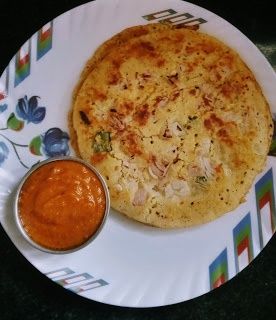
Behind every good dosa sits the batter, and this corner of the collection is about getting that foundation right and then exploring where it can go. A classic batter is roughly three to four parts rice to one part urad dal, with a little fenugreek, soaked separately, ground with cold water, and fermented eight to twelve hours somewhere warm until it doubles and turns pleasantly sour. From that base spin the regional specials: uttapam, poured thick and soft with onions and tomatoes pressed into the top; neer dosa, a soft, lacy Mangalorean rice crepe that needs no fermenting; adai, a heartier mixed-lentil dosa; pesarattu, the green moong dal dosa of Andhra; and ragi, jowar and millet versions for wholegrain nutrition. Each one teaches you something about consistency and heat — uttapam wants a thicker batter and gentler, slower cooking so the inside sets, while neer dosa wants a thin, milk-like batter poured fast. The mistake to avoid is treating every variation like a thin crisp dosa; match the batter thickness and the tawa heat to the style, and each regional dosa rewards you in its own way. Standouts here include How to make Perfect Dosa Batter and Crispy Dosa Batter Recipe, plus Ada Dosa (Uthappam).


- Indian
- Vegan
- Indian
- Vegan
- Breakfast
- South Indian
- Vegetarian
- Breakfast
More Dosa Favourites
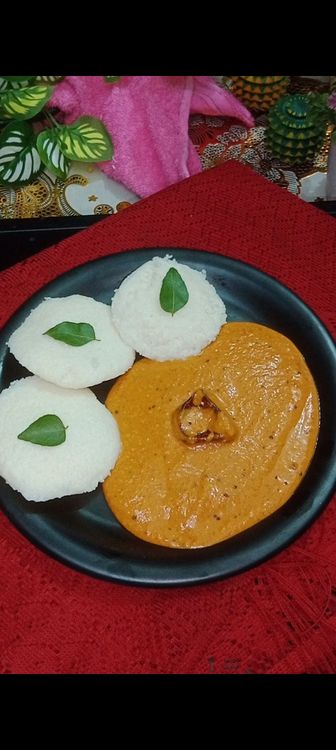
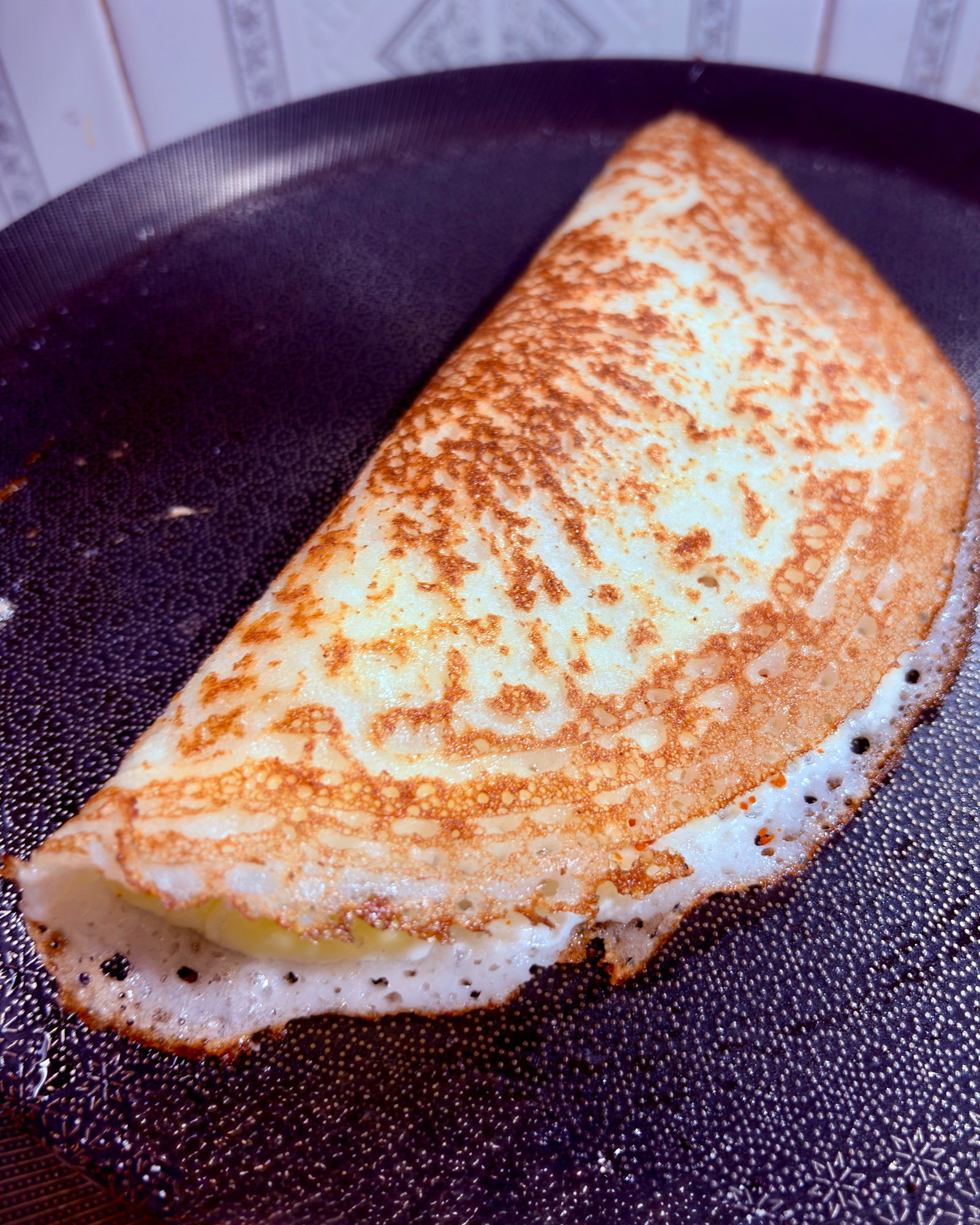
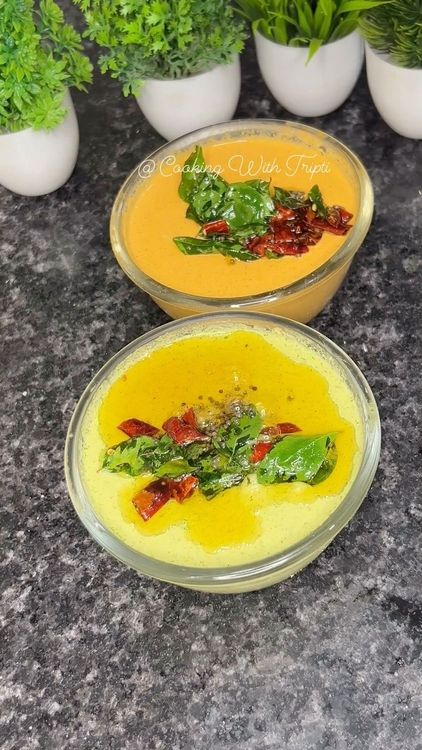
A handful of dosas never quite settle into a single category, and these are the ones worth keeping once the staples feel routine. They lean on the same fundamentals you already know — a balanced batter, a hot tawa, a thin and confident spread — but push toward different flours, fillings or regional accents, so the dosa never tastes quite the same twice. Choosing your next one is mostly about matching effort to mood: reach for a quick instant or poured batter on a busy night, and save the fermented, filled and folded numbers for a morning when you can give the tawa your full attention. Pay attention to batter consistency above all, since it is the single variable that most often decides whether a dosa comes out crisp and lacy or thick and bready; loosen a risen batter with a splash of water before each batch, and whisk an instant one so the rava or flour does not settle. Think of this group as the natural next step after the classics — the dosas that quietly earn a regular spot once you have tried them, and that prove how far one humble batter can stretch. Standouts here include Toor Dal Chutney | Side Dish for Idli Dosa and Protein-Rich Egg Dosa, plus Tips for Crispy Dosa on Cast Iron Tawa.
- Indian
- Vegan
- Side Dish

- Gluten-Free
- Breakfast

- Indian
- Vegetarian
- Breakfast

- Indian
- Vegan
- Breakfast
- South Indian
- Vegan
- Breakfast
Getting the Batter and Fermentation Right
A classic dosa batter is just rice and urad dal (split black gram), but the ratio and the soak matter. A common starting point is three or four parts rice to one part urad dal, with a tablespoon of fenugreek seeds soaked alongside the dal for extra fermentation and crispness. Soak the rice and dal separately for four to six hours, then grind the dal first to a light, fluffy paste and the rice to a slightly grainy one, using cold water to keep the batter from heating up.
Fermentation is where the magic happens, and warmth is the key variable. Mix the ground batter with the salt added (in most climates) or held back (in some), cover loosely, and leave it somewhere warm for eight to twelve hours until it has roughly doubled and smells pleasantly sour. In a cold kitchen, use an oven with just the light on, or a warm corner; if it will not rise, a pinch of sugar or a spoon of poha-water helps. Over-fermented batter turns very sour and flat — use it for uttapam rather than thin dosa.
Consistency is the last lever. The batter should be pourable but not thin, coating the back of a spoon and falling in a smooth ribbon; loosen risen batter with a little water before each batch, since it thickens as it sits. For the first dosa, the batter should spread easily without tearing. If your dosas come out pale and soft rather than crisp, the batter is usually too thick or under-fermented, and the tawa not hot enough — all three are easy to correct.
Mastering the Tawa and the Crisp
The tawa makes or breaks a dosa. A heavy cast-iron or a good non-stick flat pan works best, and it needs to be properly hot before the first dosa — a few drops of water flicked on should sizzle and skitter, not just sit. Season a cast-iron tawa by rubbing it with a halved onion dipped in oil, which both flavours and creates a slick surface so the batter releases cleanly. Wipe off excess oil before the batter goes on, or the dosa slides instead of spreading.
The spread is a technique worth practising. Pour a ladle of batter into the centre, then use the base of the ladle to spread it outward in a quick, continuous spiral from the middle to the edge, working before the batter sets. Move confidently; hesitate and you get thick, uneven patches. Drizzle a little oil or ghee around the edges, and as the dosa crisps and the edges lift, you will see them turn golden and curl away from the pan — that is your cue it is ready.
Temperature control between dosas is the detail people miss. A tawa that is screaming hot makes the batter set before you can spread it, tearing the dosa, while one that has cooled gives a pale, limp result. The trick on a cast-iron pan is to wipe it with a damp cloth (carefully, off the heat or away from your hand) to drop the temperature slightly before pouring each new dosa, then let it come back up. Crisp dosas come from a hot pan, a thin spread, and a little fat at the edges.
Fillings, Chutneys and Quick Batters
The classic masala dosa filling is a soft potato masala: boiled potatoes roughly mashed, then folded through a tempering of mustard seeds, curry leaves, green chilli, ginger, onions and turmeric that turns it golden and fragrant. Keep it on the moist, spreadable side rather than dry, and a squeeze of lemon brightens it. Beyond potato, fillings run from grated cheese and paneer bhurji to schezwan-sauced noodles and pizza-style veg, each spooned along the centre before you fold the dosa over.
Chutneys and sambar are not optional extras — they are half the dish. A fresh coconut chutney, ground with roasted chana dal, green chilli and ginger and finished with a mustard-curry-leaf tempering, is the classic partner, while a tomato or onion chutney adds tang and a coriander-mint one adds freshness. Sambar, the lentil-and-vegetable stew brightened with tamarind and sambar powder, rounds out a proper dosa plate. Make these ahead; they keep a day or two and only improve as the flavours meld.
When you have no fermented batter on hand, instant versions deliver in minutes. Rava (semolina) dosa is a thin, lacy batter of rava, rice flour and a little plain flour whisked with water, buttermilk or yogurt and poured — not spread — from a height onto a hot tawa so it spreads into a crisp lattice. Oats, wheat, moong (pesarattu) and besan batters work the same way: thin, rested briefly, and poured thin. These trade the deep tang of fermentation for speed, and they are the weeknight answer when a craving strikes.
Pro Tips from the Test Kitchen
- Use roughly 3 to 4 parts rice to 1 part urad dal, with a little fenugreek soaked with the dal for crispness.
- Soak rice and dal separately, then grind the dal fluffy and the rice slightly grainy with cold water.
- Ferment the batter somewhere warm for 8 to 12 hours until it doubles and smells pleasantly sour.
- Loosen risen batter with a splash of water before each batch — it thickens as it sits.
- Get the tawa properly hot first: flicked water should sizzle and skitter, not just sit.
- Season a cast-iron tawa by rubbing it with a halved onion dipped in oil for a clean release.
- Spread the batter in one quick spiral from the centre out, before it sets, for an even dosa.
- Wipe a cast-iron tawa with a damp cloth to drop its temperature slightly between dosas.
- For rava and instant dosa, pour the thin batter from a height rather than spreading it.
- Keep the masala potato filling moist and spreadable, and brighten it with a squeeze of lemon.
Frequently Asked Questions
What are the best dosa recipes for beginners?
Start with the ones that forgive small mistakes. A rava or instant dosa needs no fermenting and is poured rather than spread, so it is the easiest first win. From the fermented family, a plain dosa or an onion uttapam (which is thick and spread loosely) is more forgiving than a thin, crisp paper dosa. Once your batter and tawa technique feel reliable, move on to a classic masala dosa with potato filling and a fresh coconut chutney.
What are some easy dosa recipes I can make without fermenting batter?
Instant dosas skip the wait entirely. Rava dosa (semolina, rice flour and a little plain flour whisked with water or buttermilk) is the classic quick one — poured thin from a height for a crisp lattice. Oats dosa, wheat dosa, besan (gram flour) cheela and moong dal pesarattu all work the same way: whisk a thin batter, rest it briefly, and pour it onto a hot tawa. They trade the tang of fermentation for speed and are ideal on a busy morning.
How do you make dosa batter that ferments properly?
Soak rice and urad dal separately for four to six hours, grind the dal fluffy and the rice slightly grainy with cold water, and mix to a pourable consistency. The key is warmth: cover loosely and leave it somewhere warm for eight to twelve hours until it doubles and smells pleasantly sour. In a cold kitchen, use an oven with only the light on. A pinch of sugar or a spoon of soaked poha helps a stubborn batter rise. Add salt before or after fermenting depending on your climate.
How do you make a dosa crisp instead of soft?
Crispness comes from three things together: a well-fermented batter that is pourable but not too thick, a properly hot tawa, and a thin, even spread. Get the pan hot enough that flicked water skitters, spread the batter quickly in a thin spiral, and drizzle a little oil or ghee around the edges. A pale, soft dosa usually means the batter was too thick or under-fermented, or the tawa not hot enough. A little rice flour in the batter also boosts the crisp.
Why does my dosa stick to the tawa?
Sticking is almost always a seasoning or temperature problem. A cast-iron tawa needs seasoning — rub it with a halved onion dipped in oil before the first dosa, and wipe off the excess so the surface is slick but not wet. The pan must also be properly hot before you pour; batter on a lukewarm tawa grips and tears. If it still sticks, the batter may be too thin or the pan poorly seasoned. A good non-stick flat pan is the easy fix while you build the cast-iron seasoning.
What is the difference between dosa and uttapam?
They use the same fermented rice-and-dal batter but are cooked differently. A dosa is spread thin and cooked crisp, often folded, and eaten like a crepe. An uttapam is poured thick and left to cook through more slowly, soft and spongy like a savoury pancake, usually topped with onions, tomatoes, chilli and coriander pressed into the surface. Uttapam is more forgiving and a great use for slightly over-fermented batter, which is too sour and flat for a thin, crisp dosa.
What can I serve with dosa?
The classic partners are coconut chutney, sambar, and often a tomato or onion chutney. Coconut chutney — fresh coconut ground with roasted chana dal, green chilli and ginger, finished with a mustard-and-curry-leaf tempering — is the traditional match. Sambar, a tangy lentil-and-vegetable stew, rounds out the plate. A dry podi (gunpowder) mixed with sesame oil is another favourite. Make the chutneys and sambar ahead, since they keep a day or two and the flavours only deepen.
How do you make masala dosa filling?
The filling is a soft potato masala. Boil and roughly mash potatoes, then fold them through a tempering of mustard seeds, curry leaves, green chilli, ginger, sliced onions and turmeric cooked until golden and fragrant. Keep it moist and spreadable rather than dry, season well, and finish with a squeeze of lemon and some chopped coriander. Spoon it along the centre of a crisp dosa and fold over. The same method scales easily, so it is worth making a slightly larger batch.
Can you make dosa batter healthier with millets or oats?
Yes — dosa is a flexible base for wholegrains. Ragi (finger millet), jowar, bajra and other millets can replace some or all of the rice for a higher-fibre, more mineral-rich dosa, usually fermented the same way with urad dal. Oats dosa and moong dal pesarattu skip rice altogether for a lighter, protein-rich result. These variations keep the crisp-and-tang character while adding nutrition, though millet batters can be a touch denser, so spread them a little thinner on the tawa.
The thread through every dosa recipe here is the same: get the batter and its fermentation right, keep the tawa properly hot, and spread thin with a little fat at the edges. Master those and the rest follows — crisp masala dosas, lacy rava dosas, gooey cheese-stuffed fusions, and soft uttapams all come from the same handful of fundamentals applied with a little practice and a confident hand at the pan.
Pick a few dosa recipes to cook this week — a classic masala dosa, a quick rava dosa, and a loaded uttapam — and save your favourites to a Chefadora cookbook. There is a dosa for every mood and every level of patience, from overnight-fermented originals to ten-minute instant batters; this page is built to be the dosa reference you keep coming back to.
Related
- Dosa
- South Indian
- Vegetarian
- Breakfast
- Crepes
- Fermented
- Snacks
- Gluten-free
Popular Searches
- Best dosa recipes
- Easy dosa recipes
- Quick dosa recipes
- Healthy dosa recipes
- Simple dosa recipes
- Homemade dosa recipes
- Delicious dosa recipes
- Popular dosa recipes
- masala dosa
- rava dosa
- dosa batter
- instant dosa
Marnirni-apinthi Building, Lot Fourteen,
North Terrace, Adelaide, South Australia, 5000
Australia
