
Top 16 Caribbean Recipes: Jerk Chicken, Plantain and Jamaican Classics
Updated July 2, 2026 · Curated by Chefadora
Caribbean recipes bring together bold spice, smoke and sweetness in a way few other cuisines manage — jerk chicken charred over pimento wood, plantain fried until caramelized at the edges, and slow-cooked stews built to feed a crowd. This collection focuses on Jamaican cooking in particular, the island whose food has traveled furthest and become most familiar outside the region, alongside a few wider Caribbean dishes that share the same bold, spice-forward character. Even dishes built for a quick weeknight table carry real depth, since so much of Caribbean cooking front-loads its work into a marinade or a spice paste rather than a long list of last-minute steps.
What defines Caribbean food, and Jamaican cooking especially, is confident heat balanced by sweetness and acid — Scotch bonnet chilies alongside allspice, brown sugar, citrus and thyme, built into marinades and sauces that do a lot of work before anything hits the grill. Nothing here is subtle, and that is very much the point: these are bold, warm-weather flavors built for grilling, slow cooking and sharing outdoors.
The four groups below cover jerk chicken and other jerk-spiced dishes, the many ways plantain shows up on a Caribbean table, Jamaican classics like festival and stew peas, and a few broader Caribbean mains and sauces. Together they represent the dishes people search for and cook most — from a weeknight tray of jerk wings to a proper plantain side that turns any meal into something more substantial. Each of these categories reflects how Caribbean households actually cook day to day, moving between quick grilled proteins, hearty one-pot meals and simple fried sides depending on the occasion and the time available.
Use this page as a working reference rather than a single read-through. Every recipe links to full ingredients and instructions on Chefadora, and the guides below cover the techniques that matter most in Caribbean cooking — building a proper jerk marinade, frying plantain at the right ripeness, working with Scotch bonnet safely, and getting a slow-cooked stew seasoning right.
Jerk Chicken & Jerk-Spiced Dishes
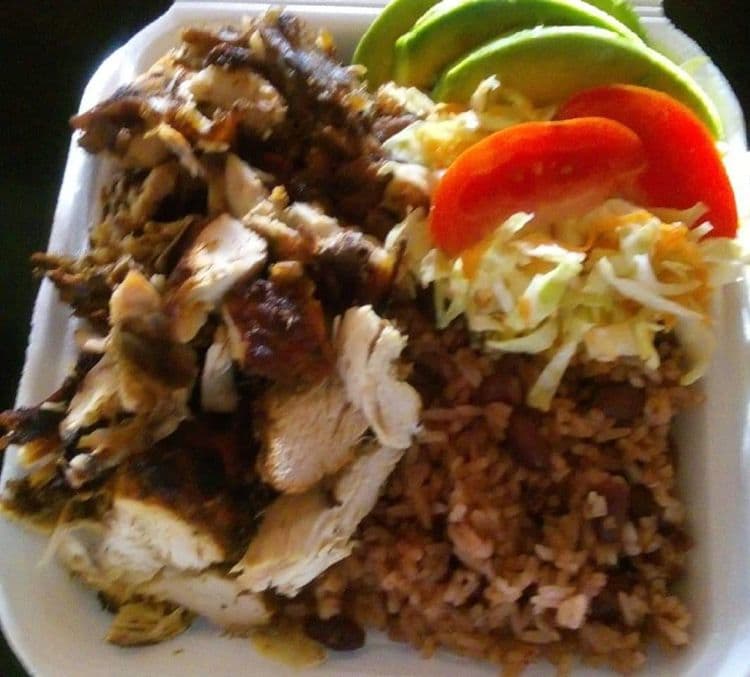
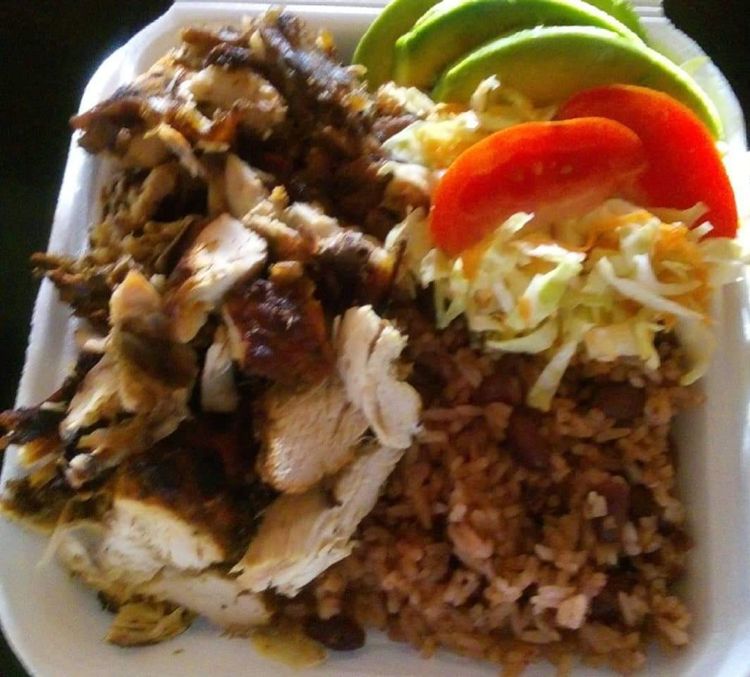
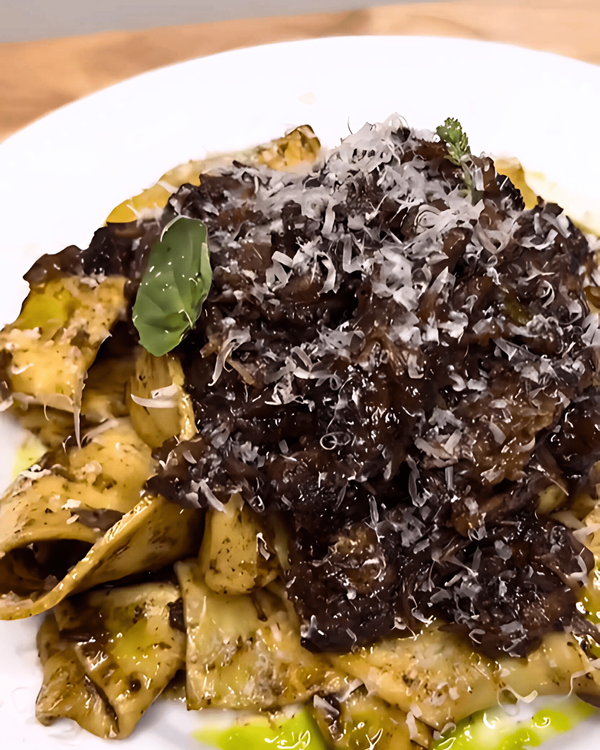
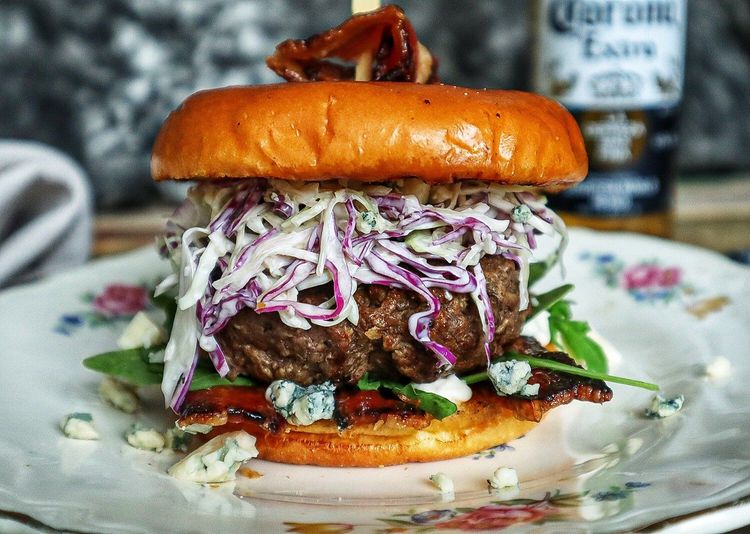
Jerk is the dish most people associate with Jamaican cooking, and once you understand what it actually is — a wet marinade built on Scotch bonnet chili, allspice, thyme, scallion, garlic and ginger, given real time to penetrate the meat before it meets smoke and fire — the whole category opens up. Traditionally cooked low and slow over pimento wood, which perfumes the meat with a smoke that is as central to the dish as the seasoning itself, jerk has spread far beyond chicken into burgers, wings, oxtail and even pasta, all carrying that same distinctive marinade. What separates a good jerk dish from a mediocre one is rarely the recipe itself but the time and heat management: a marinade rushed to twenty minutes instead of overnight, or a grill run too hot and fast instead of low and patient with smoke, will not deliver the same depth. These recipes range from classic grilled chicken to a few more inventive uses of the same marinade, all built around the same non-negotiable core of Scotch bonnet and allspice. Even without genuine pimento wood, soaking wood chips in water before adding them to the coals gets meaningfully closer to that smoky signature than skipping the step, and it is worth the extra ten minutes of prep for how much it changes the final flavor. Standouts here include Jamaican Jerk Chicken and Jerk Oxtail Pappardelle, plus Jamaican Jerk Burger with Gorgonzola.

- Jamaican
- Non-Vegetarian
- Lunch
- Fusion
- Non-Vegetarian
- Dinner

- Jamaican
- Non-Vegetarian
- Lunch
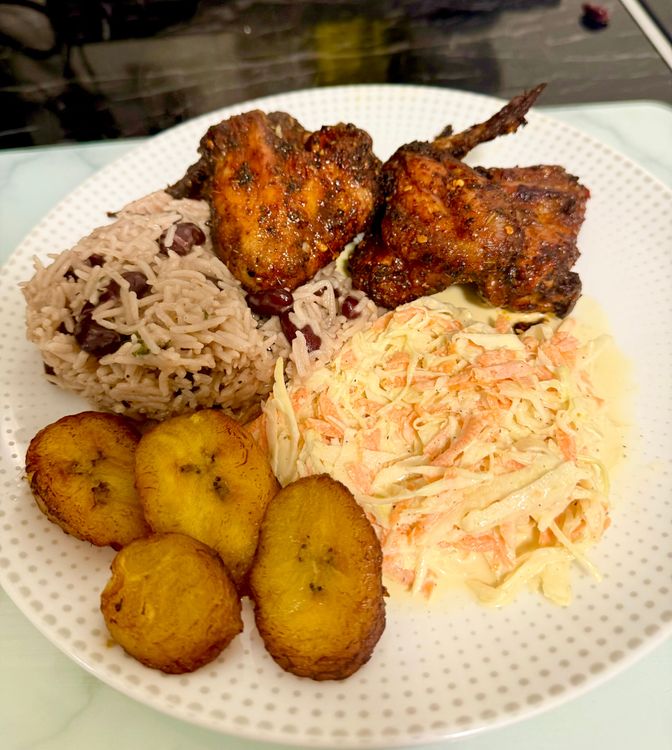
- Caribbean
- Non-Vegetarian
- Lunch
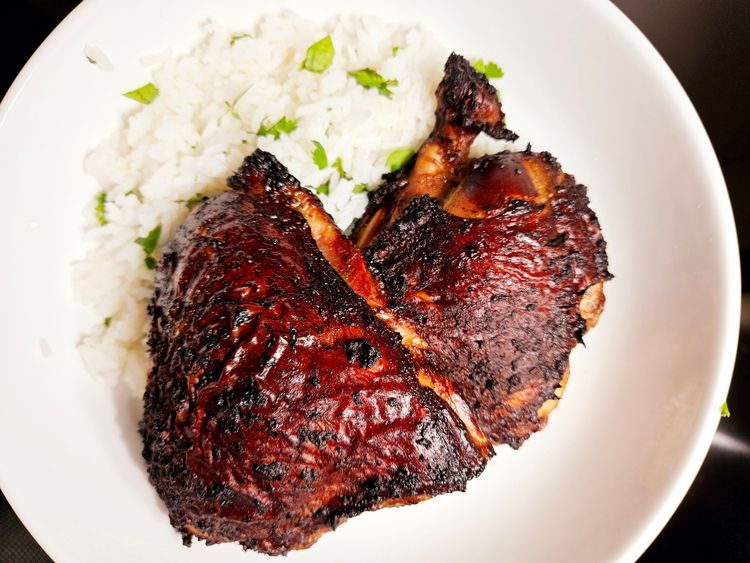

- Caribbean
- Non-Vegetarian
- Dinner
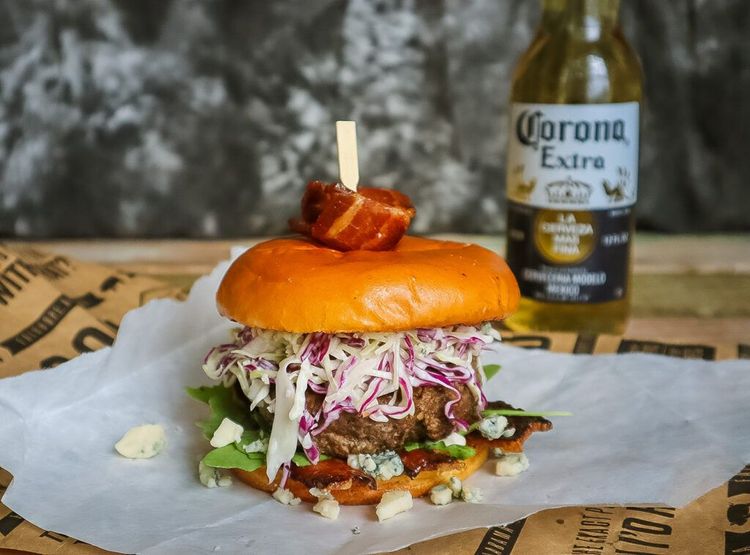
- American
- Non-Vegetarian
- Lunch
Plantain Recipes
Plantain might be the most versatile single ingredient in Caribbean cooking, and its character changes almost completely depending on ripeness — a detail that surprises people used to treating it like a sweeter banana. Green, unripe plantain is starchy and firm, closer to a potato than a fruit, and holds its shape well in stews or fries up into crisp tostones-style chips. As it ripens toward yellow and eventually black, the starches convert to sugar and the texture softens dramatically, making it ideal for caramelized fried sides, mashed fritters, or a genuinely dessert-leaning frittata. These recipes cover both ends of that spectrum, from crisp fried chips to a soft, sweet fufu, along with a few dishes that fold plantain into something less traditional. The one constant across all of them is heat control — plantain, whatever its ripeness, wants moderate, patient frying rather than a hard sear, so the inside cooks through before the outside burns. Look for plantain by ripeness rather than by name at the store, since supermarkets rarely label it clearly — squeeze gently for the soft give of black plantain or check for the firm, unyielding skin of a green one before you decide which recipe to cook. Standouts here include Sweet and salty plantain and Air-Fried Plantain Chips, plus Plantain Frittata.
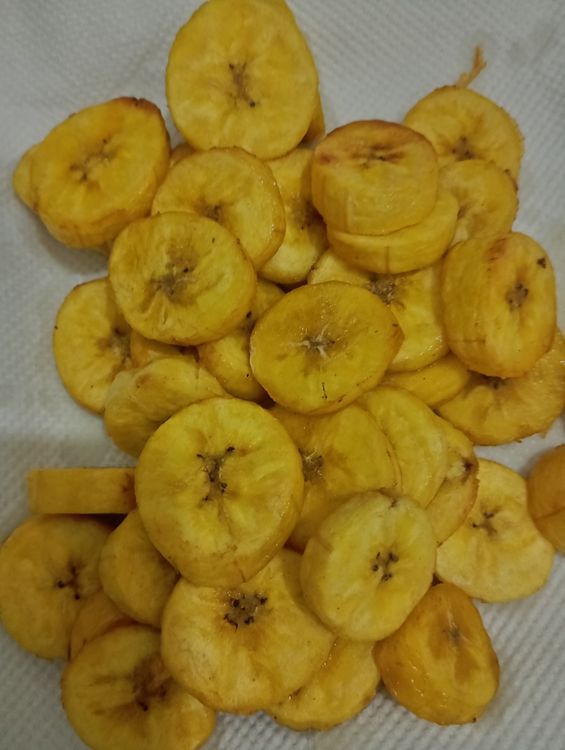
- Vegan
- Snack
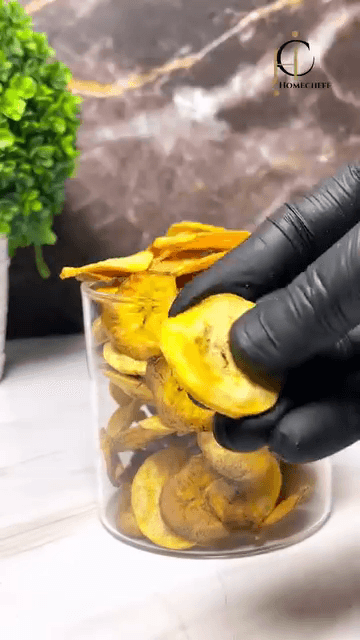

- Caribbean
- Vegan
- Snack
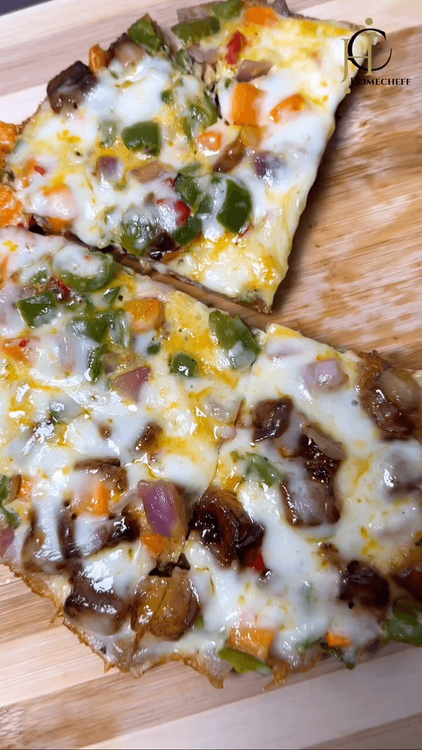
- Latin American
- Eggetarian
- Breakfast
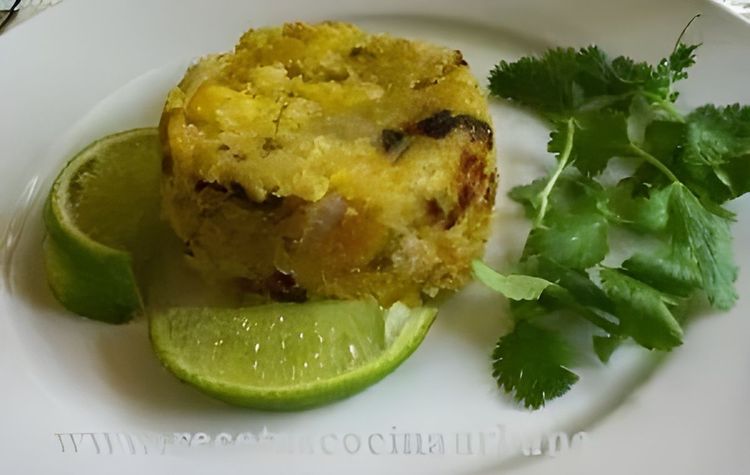
- Latin American
- Vegan
- Appetiser
- Latin American
- Non-Vegetarian
- Snack
Jamaican Classics
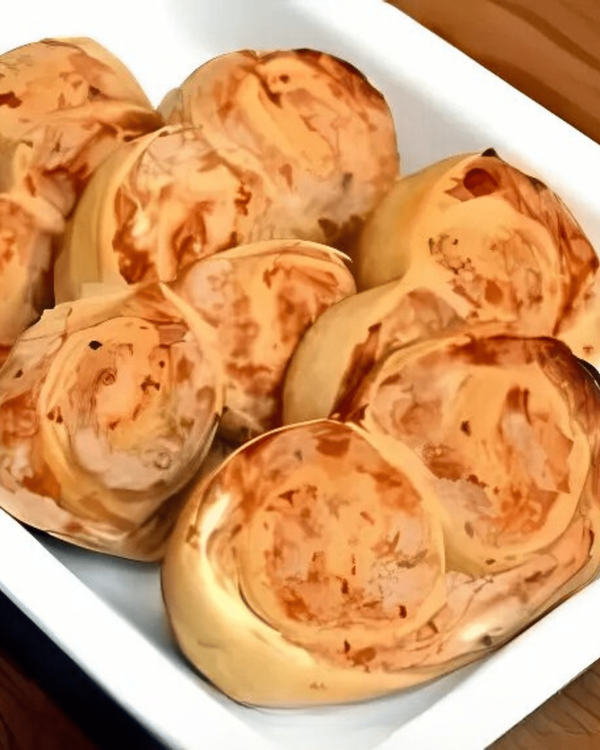
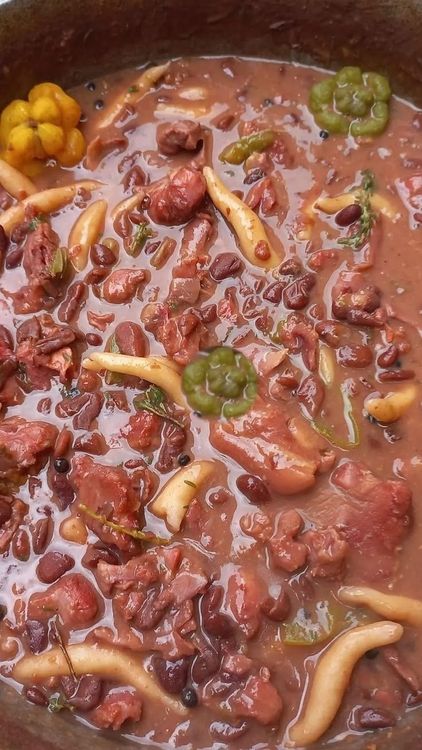
Beyond the grill, Jamaican cooking has a whole set of everyday, homestyle dishes that rarely get the same international attention as jerk but are just as central to the table. Festival, a slightly sweet, deep-fried cornmeal-and-flour dumpling, is the classic accompaniment to fried fish and jerk alike, meant to be eaten alongside something spicy and rich to balance it out. Stew peas, built on kidney beans or gungo peas simmered slowly with meat until the pot thickens naturally, is comfort food in its purest form — a one-pot dish meant to feed a family over a lazy afternoon. Beef patties, flaky pastry filled with well-spiced ground beef, are Jamaica's most portable food, eaten as a snack, lunch or late-night meal without much ceremony. These recipes are the ones worth learning if you want to cook Jamaican food day to day rather than just for a cookout, since they lean on patience and layered seasoning rather than a hot grill. None of these dishes demand a grill or hours of active attention, which makes this cluster the easiest entry point into Jamaican cooking on a weeknight when a full jerk cookout is not realistic. Standouts here include Easy Jamaican Festival and Jamaican Stew Peas with Pig’s Tail, plus Easy Jamaican Beef Patties in Scallion Pancakes.

- Jamaican
- Vegan
- Lunch
- Jamaican
- Non-Vegetarian
- Lunch


- Jamaican
- Non-Vegetarian
- Snack
Caribbean Mains & Sauces
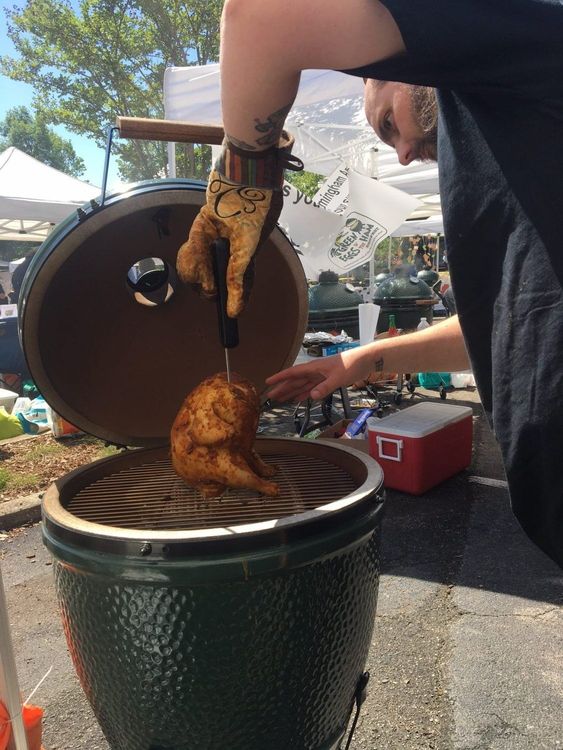
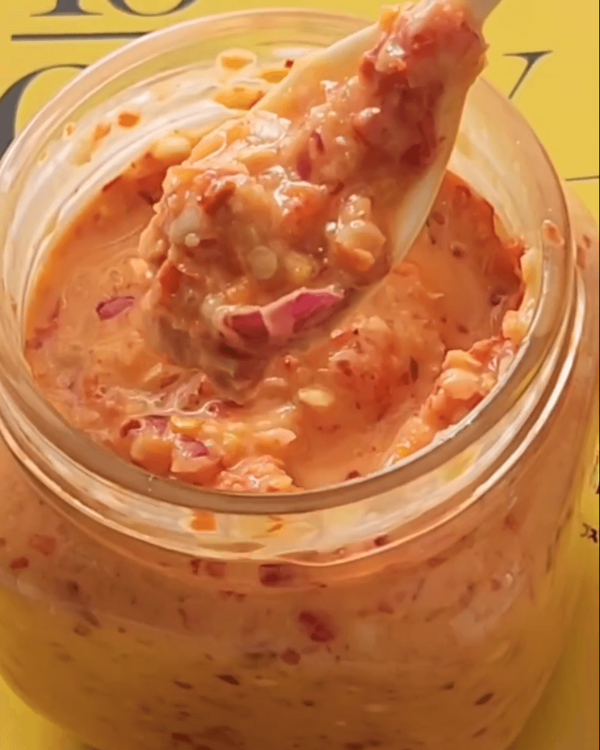
This smaller cluster rounds out the page with a couple of dishes that show Caribbean cooking's range beyond jerk and plantain specifically. Smoked meats — chicken and lamb prepared with real smoke rather than a liquid-smoke shortcut — bring a different kind of depth than jerk's wet marinade, relying on time over indirect heat and wood rather than a paste of chili and spice. A properly built Caribbean chili sauce, meanwhile, is worth making from scratch and keeping on hand; like a well-built chili condiment from any cuisine, it turns almost any plain protein or side into something with real character with just a spoonful. Both dishes here reward the same patience found throughout Caribbean cooking — low, slow heat for the smoked meats, and a properly cooked-down base for the sauce — rather than shortcuts that skip the time investment. Keep a jar of the chili sauce in the fridge once it is made — like most cooked chili condiments, it only deepens in flavor over the following week and turns even the simplest weeknight plate into something with real Caribbean character. Standouts here include Caribbean Smoked Chicken & Spicy Smoked Lamb and Spicy Caribbean Chili Sauce.
- Caribbean
- Non-Vegetarian
- Dinner

- Caribbean
- Vegan
- Sauce & Condiment
Building a Proper Jerk Marinade
Real jerk seasoning is built on a short list of non-negotiable ingredients: Scotch bonnet chilies, allspice, or pimento, thyme, scallion, garlic and ginger, blended into a wet paste with a little oil, vinegar and citrus. Allspice is the ingredient most home versions skimp on, but it is what gives jerk its distinctive warm, almost sweet-spiced backbone — do not substitute a pre-mixed jerk seasoning blend without real allspice in it and expect the same depth. Buy whole allspice berries and grind them fresh if you can — pre-ground allspice loses its punch quickly on the shelf, and the difference in aroma is noticeable the moment it hits hot oil or a blender.
Marinate meat for at least four hours and ideally overnight — jerk is not a quick rub, it is a proper marinade meant to penetrate. Score thicker cuts like chicken thighs or a whole chicken so the marinade reaches further in, and massage it in rather than just pouring it over. The longer marinating time is also what tames some of the Scotch bonnet raw heat into something rounder.
Traditional jerk is cooked low and slow over pimento wood, which perfumes the meat with smoke as much as the marinade seasons it. At home, a covered grill with a few soaked wood chips gets you close, cooking indirect over lower heat until the meat is cooked through, then finishing directly over the coals for char at the very end. An oven with a smoky element in the marinade, followed by a hot broiler finish, is a reasonable indoor substitute.
Frying Plantain at the Right Ripeness
Plantain ripeness changes everything about how it should be cooked. Green, unripe plantain is starchy and firm, closer to a potato, and is best boiled, fried into tostones-style chips, or added to a savory stew where it needs to hold its shape. Yellow-to-black, fully ripe plantain turns soft and genuinely sweet, and is what you want for a caramelized side dish or a dessert-leaning preparation. When in doubt about ripeness, err toward more ripe rather than less — an overripe, softened plantain is far more forgiving to work with than one still too green and starchy for the dish you have planned.
For a savory ripe plantain, slice on the diagonal for maximum surface area and fry in a moderate amount of oil over medium heat until deep golden and caramelized at the edges — do not rush this with high heat, or the outside will burn before the inside softens and sweetens properly. A light sprinkle of salt at the end balances the natural sugar.
For green plantain chips or tostones, a double-fry method works best: fry once to soften, smash flat between two surfaces, then fry again at a hotter temperature until crisp. This is the same double-fry logic used for good fried potatoes elsewhere in the world, and for the same reason — it cooks the interior through before crisping the exterior at high heat.
Working with Scotch Bonnet Safely
Scotch bonnet chilies are genuinely hot, well above a jalapeño and closer to habanero territory, so handle them with care — wear gloves if you have sensitive skin, and never touch your face or eyes while working with them. Their flavor is fruitier and more floral than their heat alone suggests, which is part of why they define Caribbean cooking rather than just adding raw spice. Wash cutting boards and knives thoroughly with soap immediately after use, since capsaicin oil clings to plastic and wood alike and can transfer heat into the next thing you cut.
For big flavor with controlled heat, cook a whole Scotch bonnet in a stew or sauce without piercing it — it perfumes the whole pot with its aroma and some heat without releasing the full fire of its seeds and membrane, and can be fished out before serving. For a spicier result, chop and include the pepper directly, seeds and all, or remove the seeds and membrane first for more flavor with less burn.
If a dish turns out hotter than intended, dairy, sugar and acid all help more than water, which just spreads capsaicin around the mouth. A squeeze of lime, a spoonful of yogurt or coconut milk stirred through a stew, or a touch of brown sugar in a marinade can all take the edge off without losing the pepper fruity character.
Getting a Slow-Cooked Stew's Seasoning Right
Caribbean stews build flavor in stages rather than all at once. Start by browning the meat well in a hot pot — this step, often rushed, is where a lot of the dish underlying flavor comes from, so give it real time and do not crowd the pot. Remove the meat, then build an aromatic base in the same pot so nothing browned on the bottom goes to waste. A heavy-bottomed pot matters here too — thin cookware scorches the fond before it can properly caramelize, robbing the finished stew of a layer of flavor that is hard to replace later.
Season in layers as the stew cooks rather than all at the start: an initial hit of allspice, thyme and garlic early, then adjustments of salt, heat and sweetness closer to the end once you can taste how the dish has developed. Stews like stew peas benefit from starchy ingredients like split peas or beans added partway through, which thicken the pot naturally as they break down.
Low, slow heat is the whole point — a hard boil toughens meat and breaks down vegetables unevenly, while a gentle simmer over one to two hours, or longer for tougher cuts, gives everything time to become tender and for the flavors to properly meld. Most Caribbean stews taste better the next day, once they have had time to sit, so cooking ahead is often an advantage rather than a compromise.
Pro Tips from the Test Kitchen
- Use real allspice, or pimento, in jerk marinade, not just a pre-mixed seasoning blend — it is the flavor that defines jerk.
- Marinate jerk chicken for at least 4 hours, ideally overnight, so the seasoning actually penetrates the meat.
- Score thick cuts of meat before marinating so jerk seasoning reaches beyond the surface.
- Match plantain ripeness to the dish: green for savory frying and stews, black-yellow for sweet, caramelized sides.
- Fry ripe plantain over medium heat, not high — high heat burns the outside before the inside sweetens.
- Double-fry green plantain for tostones: once to soften, smash flat, then again at a higher heat to crisp.
- Cook a whole, unpierced Scotch bonnet in stews for flavor with controlled heat; chop it in for more fire.
- Brown meat properly before building a stew around it — this step builds most of the dish underlying flavor.
- Season Caribbean stews in stages, adjusting salt and heat near the end rather than only at the start.
- Cook jerk low and slow with smoke, finishing hot and direct only at the very end for char.
Frequently Asked Questions
What makes jerk seasoning taste like jerk?
The combination of Scotch bonnet chili, allspice, thyme, scallion, garlic and ginger, blended into a wet marinade, is what gives jerk its unmistakable flavor. Allspice in particular is the ingredient most often missing from imitation versions — it provides a warm, slightly sweet backbone that chili heat alone cannot replicate. Real jerk also depends on time, since the marinade needs hours to properly penetrate the meat, and traditionally on smoke from pimento wood. This is also why pre-made jerk pastes vary so much in quality — the ones worth buying list allspice near the top of the ingredient list rather than burying it under filler spices.
Is jerk chicken supposed to be extremely spicy?
It has real heat from Scotch bonnet chili, but a well-balanced jerk marinade is not meant to be punishing — the allspice, thyme, sugar and citrus all round out the chili heat into something more complex than raw spiciness. You can control the heat level by using less Scotch bonnet or removing the seeds and membrane, without losing the dish essential character.
What is the difference between green and ripe plantain?
Green plantain is unripe, firm and starchy, closer in texture to a potato, and works best boiled, fried into chips, or cooked into savory stews where it needs to hold its shape. As plantain ripens, its skin turns yellow and eventually black, and the flesh softens and sweetens significantly — ripe plantain is what you want for a caramelized, dessert-leaning side dish.
What can I substitute for Scotch bonnet chili?
Habanero is the closest substitute in both heat level and fruity flavor profile, and can be swapped in at roughly the same quantity. If you cannot find either, a combination of a milder chili with a squeeze of citrus can approximate some of the fruitiness, though the result will be noticeably less hot and less complex than the real thing.
What is the difference between Jamaican and other Caribbean cuisines?
Jamaican food leans especially hard on Scotch bonnet, allspice and jerk-style grilling, and has become the most internationally recognized Caribbean cuisine as a result. Other islands share many ingredients — plantain, rice and peas, tropical fruit — but differ in technique and influence: Trinidadian food carries strong Indian influence, for example, while other islands lean more French or Spanish depending on colonial history. The shared thread across all of them is bold seasoning and a love of slow cooking. Trinidad and Tobago in particular brings curry and roti into its everyday cooking in a way Jamaica does not, a direct result of a large Indo-Caribbean population settled there generations ago.
What is rice and peas, and is it the same as rice and beans?
In Jamaican cooking, "peas" traditionally refers to kidney beans or gungo, or pigeon, peas cooked with rice in coconut milk, along with thyme, garlic and Scotch bonnet for aroma. It is essentially the same idea as rice and beans found elsewhere in the Caribbean and Latin America, just with a specific Jamaican seasoning profile built around coconut milk and allspice.
How spicy is Caribbean food in general?
It varies, but confident heat is a consistent thread, usually balanced by sweetness from brown sugar or fruit and acidity from citrus or vinegar. Dishes are rarely one-note hot — the goal is a rounded, layered spice rather than raw fire, which is part of why Scotch bonnet, with its fruity character, is so central to the cuisine rather than a purely hot chili. This flexibility is part of why Caribbean heat rarely feels like a gimmick — it is baked into the balance of a dish rather than added purely for a burn.
Can jerk chicken be cooked in the oven?
Yes, though you lose the smoke that a real pimento-wood grill provides. Roast marinated chicken in a hot oven until nearly cooked through, then finish under the broiler for a few minutes to char the surface. Adding a smoky element like a touch of liquid smoke to the marinade, or finishing on a stovetop grill pan, helps close the gap further.
What is the best way to reheat leftover jerk chicken?
A covered oven at moderate heat, with a splash of water or stock in the pan, reheats jerk chicken without drying it out — microwaving tends to make grilled meat rubbery. If you want to recapture some char, finish uncovered under the broiler for the last minute or two after the chicken has warmed through.
What is a good way to use overripe, black plantain?
Fully black plantain is at its sweetest and softest, ideal for frying into a caramelized side dish, mashing into a batter for fritters, or baking into a plantain frittata. Do not discard black plantain thinking it has gone bad — it is simply at peak ripeness for sweet preparations, even though it looks past its best on the outside.
Caribbean cooking, and Jamaican food especially, comes down to a few well-practiced fundamentals: a properly built jerk marinade given real time, plantain matched to the right ripeness for the dish, Scotch bonnet handled with respect for both its heat and its flavor, and stews seasoned in patient layers rather than all at once.
Start with whichever pulls you in first — a tray of jerk chicken for the grill, a side of caramelized plantain, or a pot of stew peas for a lazy Sunday — and save your favorites to a Chefadora cookbook as you go. This page is built to be the Caribbean recipe reference you keep coming back to.
Related
- Caribbean
- Jamaican
- Jerk
- Grilling
- Plantain
- Spicy
- Dinner
Popular Searches
- Best caribbean recipes
- Easy caribbean recipes
- Quick caribbean recipes
- Healthy caribbean recipes
- Simple caribbean recipes
- Homemade caribbean recipes
- Delicious caribbean recipes
- Popular caribbean recipes
- caribbean food
- jerk chicken
- jamaican recipes
Marnirni-apinthi Building, Lot Fourteen,
North Terrace, Adelaide, South Australia, 5000
Australia
