
Top 15 Artichoke Recipes: Dips, Stuffed Globes, Pasta and More
Updated June 29, 2026 · Curated by Chefadora
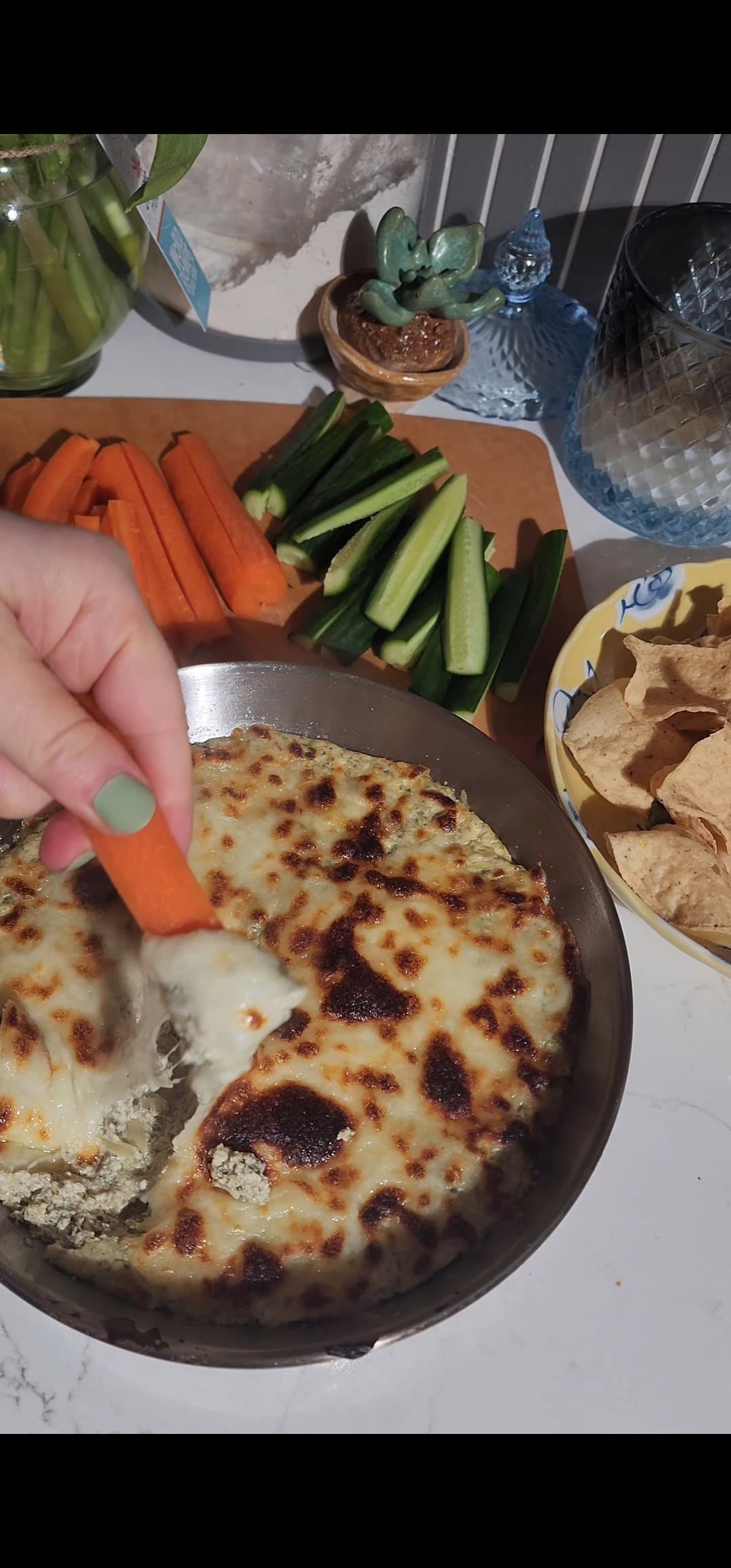
Artichoke recipes have a reputation for being fussy, and that reputation is half-earned: a whole fresh globe does demand a little trimming and patience. But the payoff is one of the most versatile vegetables in the kitchen — nutty, faintly sweet, with a meaty texture that holds up to baking, braising and grilling. The dishes below were chosen to show that range, from the warm spinach-artichoke dip everyone actually came for to whole stuffed globes, weeknight pasta and bright marinated salads.
The single most useful thing to understand about cooking artichokes is the fork in the road between fresh and preserved. Fresh artichokes — trimmed, steamed and served whole or stuffed — are a project and a pleasure, all leaf-pulling and tender hearts. Jarred or canned hearts, by contrast, are a shortcut that genuinely works: already cooked, ready to chop into a dip or toss through pasta in minutes. Knowing which the recipe wants, and how to prep each, is most of the battle.
You will find four clusters here: the creamy dips and spreads, whole steamed and stuffed artichokes, pasta and chicken mains that lean on the convenience of jarred hearts, and the marinated salads and sides. The flavor logic carries across all of them — artichokes love lemon, garlic, good olive oil, salty cheese and a little acid to cut their richness — so once you have cooked a few, the rest fall into place.
Treat this as a working reference. Each recipe links to full ingredients and steps on Chefadora, and the guides below cover the decisions that decide whether a dish lands: how to trim and steam a fresh globe without fighting it, how to drain hearts so a dip never goes watery, the trick of acidulated water to stop browning, and how to build the kind of cheesy, balanced dip people hover over at a party.
Spinach Artichoke Dips & Spreads
This is what most people came for, and a great warm artichoke dip is almost entirely about controlling moisture before you ever turn on the oven. Drain and squeeze your hearts hard, and if there is spinach involved, wring it in a towel until barely a drop comes out, because wet ingredients are exactly what leave you with a thin, weeping puddle instead of a thick scoop. Build the base on softened cream cheese for body, a tangy hit of sour cream or mayonnaise, and two cheeses working together: a melter like mozzarella for stretch and a sharp, salty parmesan or pecorino for depth. Season more boldly than feels right, since dairy and artichokes both swallow salt, and lean on garlic, lemon and black pepper. Bake just until bubbling and golden, then stop, because overbaking splits the dairy and turns the whole thing greasy. Serve it genuinely hot, with sturdy chips or toasted bread, while the cheese is still stretchy and everyone is hovering. Standouts here include Healthy Spinach Artichoke Dip and Creamy Spinach Artichoke Dip, plus Vegan Omelet with Spinach and Artichokes.


- American
- Vegetarian
- Appetiser


- American
- Eggetarian
- Appetiser
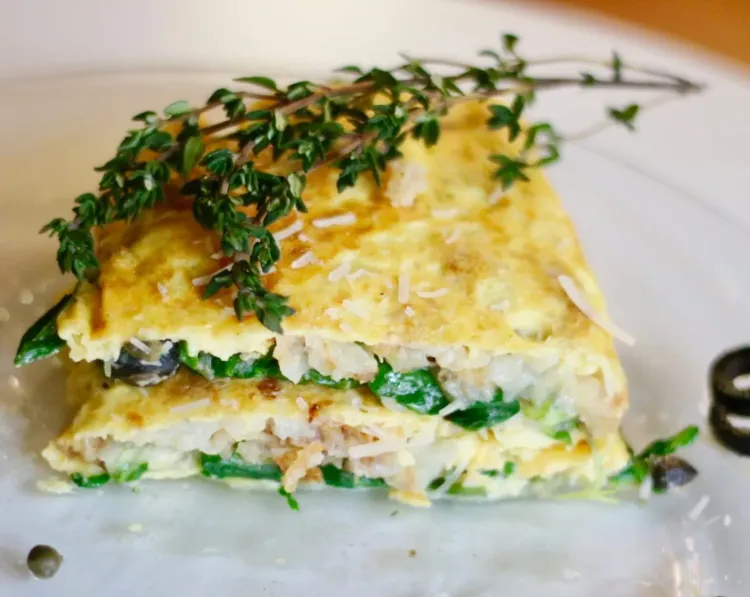

- American
- Eggetarian
- Breakfast
Marinated Salads & Sides
This is the bright, make-ahead end of the artichoke world, and it is the most forgiving place to start if the whole-globe trimming feels like a chore. Marinated hearts in oil come ready to use, carrying their own garlic-herb tang straight onto an antipasto board or into a salad, while roasted or grilled wedges deliver charred, caramelized edges with almost no effort. The guiding move across all of them is acid and contrast: artichokes are rich and a little earthy, so they need lemon, vinegar, capers or briny olives to keep them lively, plus something fresh and something salty to round out a plate. For salads, toss the hearts with the dressing and let everything sit for at least an hour so the flavors meld and the artichokes drink up the marinade. For roasted wedges, dry them well and give them room in a hot oven so they color rather than steam. The frequent error is under-seasoning, since chilled dishes always taste flatter than warm ones, so taste and adjust the salt and acid right before serving. Standouts here include Lemon Caper Artichoke Appetizer and Artichoke, Green Peas, Purple Olives and Preserved Lemon Salad, plus Artichoke Tagine with Peas, Baby Potatoes and Preserved Lemon.


- Mediterranean
- Vegetarian
- Appetiser
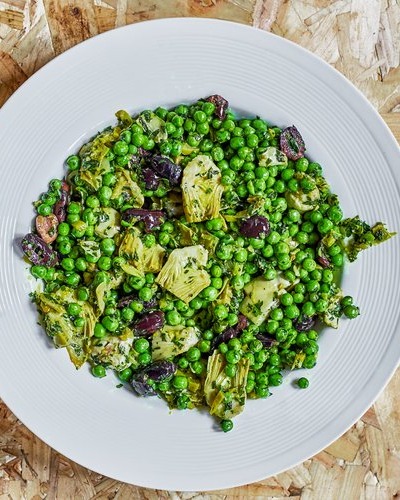

- Mediterranean
- Vegan
- Salad
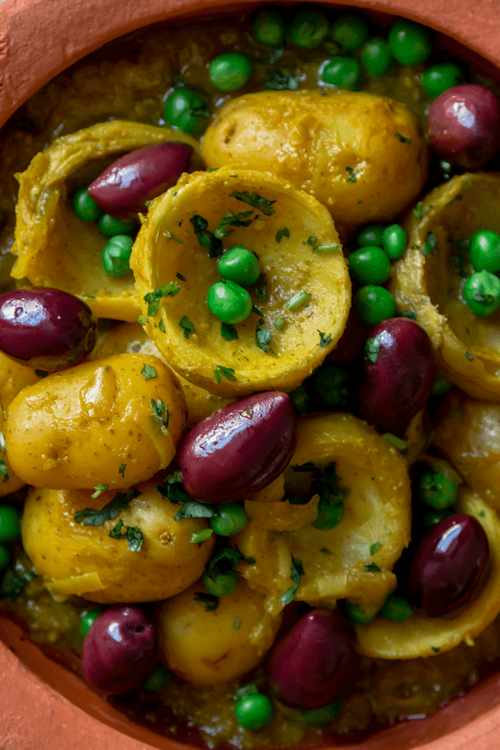
- Moroccan
- Vegan
- Dinner
More Artichoke Favourites
A few artichoke dishes never quite fit a single category, and these are the ones worth keeping in your back pocket once the staples feel routine. They lean on the same handful of techniques you already know, draining hearts well, managing moisture, leaning on lemon and salty cheese, a confident sear, but steer the artichoke toward different textures and formats so it never tastes quite the same twice. Picking your next one is mostly about matching effort to mood: reach for a quick sauté, a frittata or a topping made from jarred hearts on a busy night, and save the whole-globe, trim-and-stuff projects for a weekend when you can give them proper time. Pay attention to how you cut the hearts, too, since quartered pieces hold their shape and brown nicely while finely chopped ones melt into a sauce or spread. Watch the moisture in every one of them, because a watery artichoke dish is almost always a draining problem rather than a flavor one. Think of this group as the natural next step after the classics, the recipes that quietly earn a regular spot in the rotation once you have tried them. Standouts here include Artichoke Pâté and Artichoke Carpaccio, plus Spinach-Artichoke Wonton Cups.
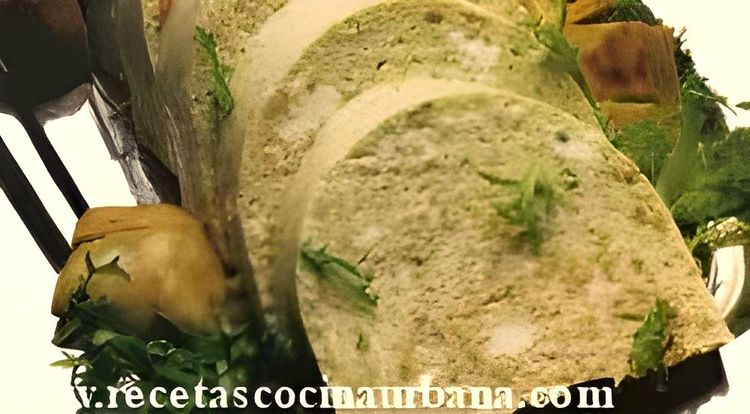
- European
- Eggetarian
- Appetiser
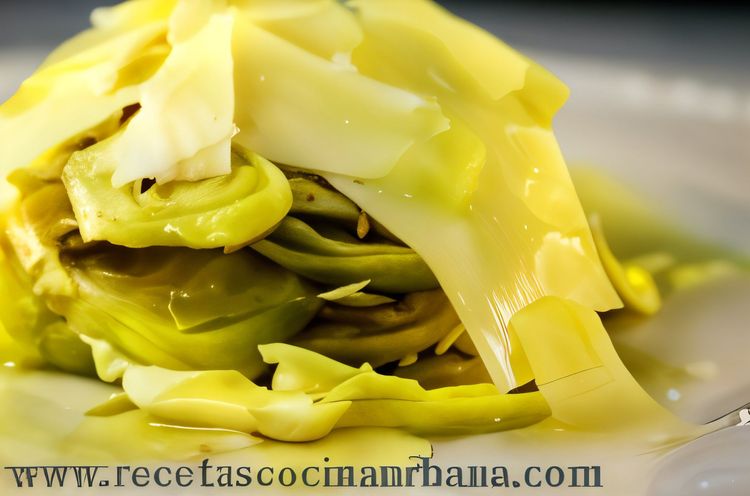
- Italian
- Vegetarian
- Appetiser
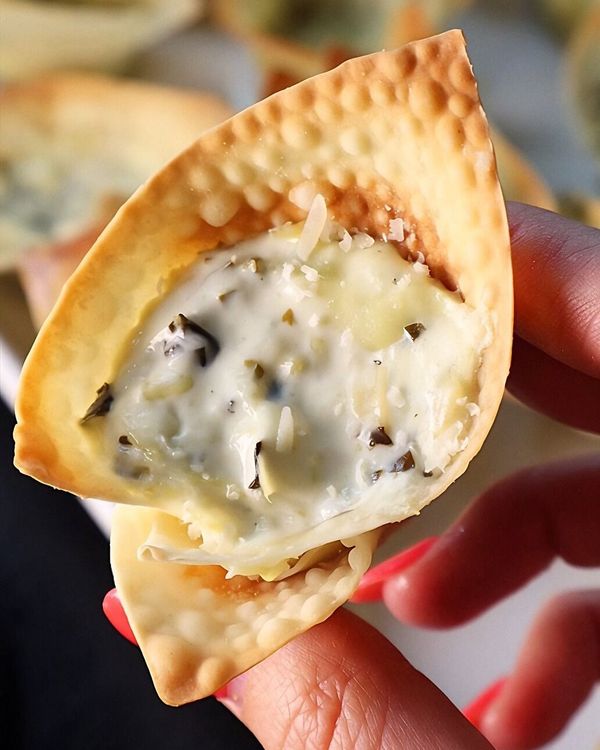

- American
- Vegetarian
- Appetiser


- Vegetarian
- Appetiser
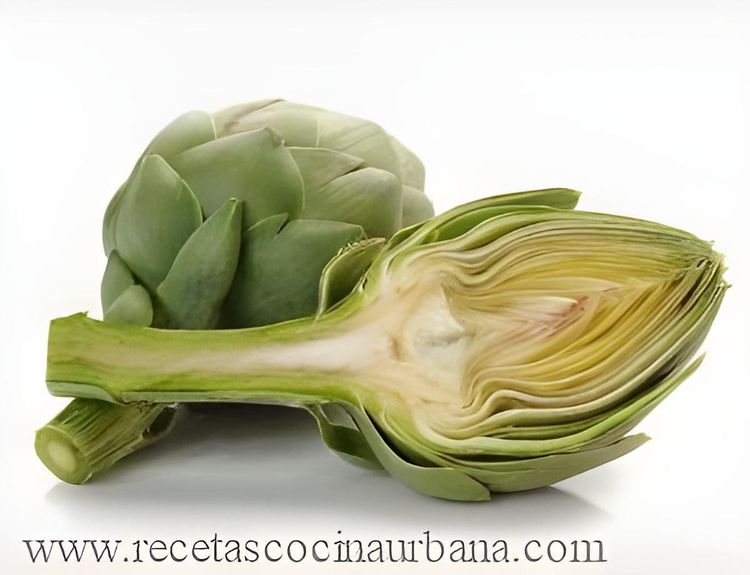
- North African
- Vegan
- Side Dish
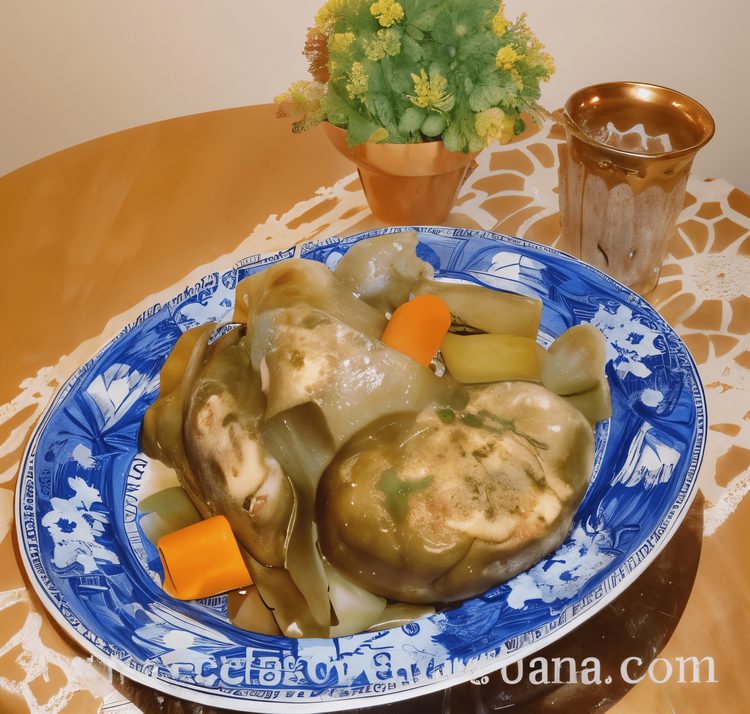
- Spanish
- Non-Vegetarian
- Lunch
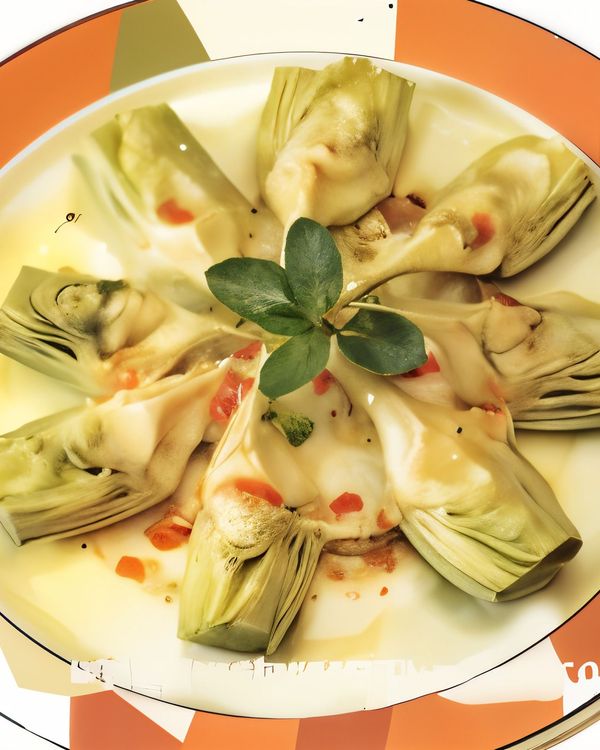
- Mediterranean
- Vegan
- Appetiser
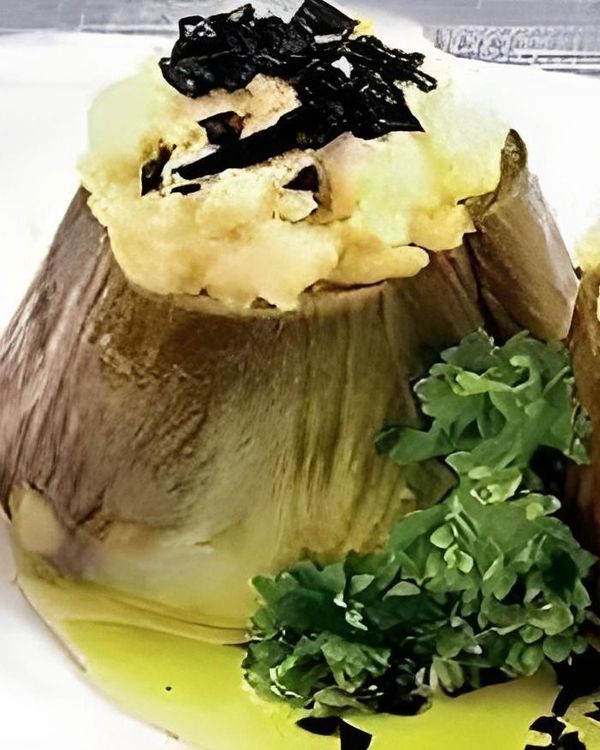
- Italian
- Vegan
- Lunch
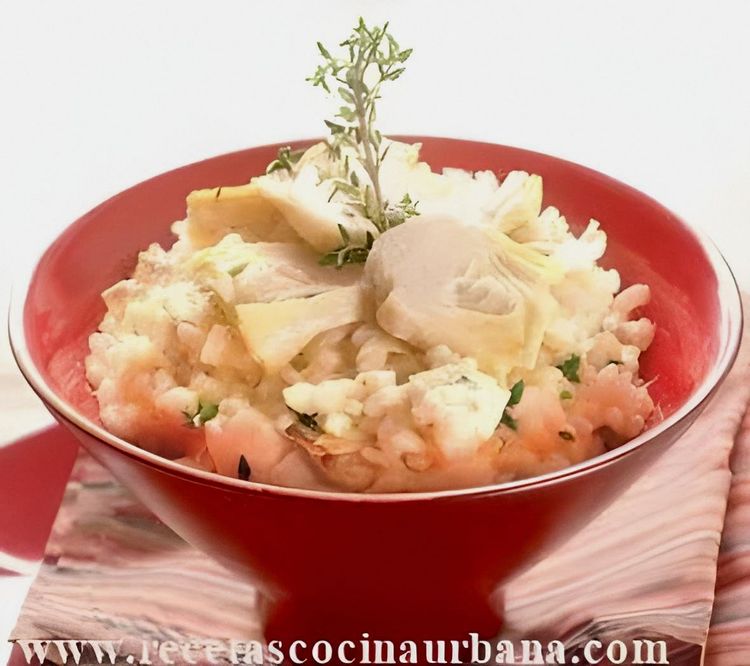
- Italian
- Vegetarian
- Lunch
Fresh vs Jarred: Which to Reach For
Fresh artichokes are the right call when the artichoke itself is the dish — whole steamed globes for pulling leaves, stuffed Italian-style, or halved and grilled. Look for tight, heavy heads with squeaky, closed leaves and a fresh-cut stem; loose, dry or browning leaves mean it is past its best. Fresh gives you the full, nutty flavor and the ceremony, but it also means trimming, a longer cook, and the inedible choke to scoop out.
Jarred (marinated or in brine) and canned hearts are the workhorses for everything else — dips, pasta, salads, pizzas. They are already cooked and trimmed, so they save the better part of an hour, and their flavor, while milder, is exactly right folded into a creamy or cheesy base. Marinated hearts in oil bring their own garlic-herb tang and are great straight onto an antipasto plate; canned or brined hearts are more neutral and best when you are adding your own seasoning.
The one habit that matters with preserved hearts is drying them. Whether jarred or canned, they hold a surprising amount of liquid, and that liquid is the number-one reason a spinach-artichoke dip turns out soupy or a pasta tastes washed out. Drain them well, squeeze gently in a clean towel or press in a sieve, and roughly chop. Two minutes of draining is the difference between a dip that mounds on a chip and one that runs off it.
Trimming and Steaming a Whole Artichoke
Trimming a fresh artichoke is less daunting than it looks once you know the moves. Slice off the top inch or so to remove the spiny tips, snap off the small tough outer leaves around the base, and trim the stem flat (the stem is edible — peel its bitter outer layer and keep it). Snip the thorny tips of the remaining leaves with kitchen scissors if you like. Rub every cut surface with a lemon half as you go, because exposed artichoke flesh browns within minutes.
Keep a bowl of acidulated water — water with the juice of a lemon — beside you and drop trimmed artichokes in to stop them oxidizing while you work through a batch. To cook, steam them upright in a few inches of water (a steamer basket or just a snug pot) with lemon, garlic and a bay leaf for 25 to 45 minutes depending on size. They are done when an outer leaf pulls away easily and the base is tender to a knife tip.
The choke — the fuzzy, inedible center sitting on the heart — is removed either before cooking (spread the leaves and scoop it with a spoon or melon baller) or after, once the artichoke is soft and it lifts out cleanly. For whole, leaf-by-leaf eating you can leave it until the end; for stuffing, remove it first to make a cavity. Never eat the choke itself, only the tender heart beneath it and the soft flesh at the base of each leaf.
Building a Creamy Dip That Is Not Watery
A great spinach-artichoke dip is built on managing moisture and balancing richness. Start by squeezing every drop from your spinach — thawed frozen spinach especially holds water, and wringing it hard in a towel is non-negotiable — and draining and chopping the artichoke hearts. Wet greens and wet hearts are what leave you with a thin, weeping dip instead of a thick, scoopable one.
For the base, the classic trio is cream cheese for body, sour cream or mayonnaise for tang, and a melting cheese such as mozzarella plus a sharp, salty one like parmesan or pecorino for depth. Soften the cream cheese first so it blends smooth without lumps, fold in the squeezed spinach and chopped artichokes, season with garlic, a little lemon and plenty of black pepper, and do not under-salt — artichokes and dairy both need it.
Bake until bubbling and golden on top, around 20 to 25 minutes at a moderate oven, finishing under the broiler for a minute if you want browned spots. Serve it genuinely hot, when the cheese is stretchy and the whole thing is at its best, with sturdy chips, toasted bread or crudités. The most common mistake beyond watery ingredients is overbaking, which makes the dairy split and turn greasy — pull it the moment it bubbles.
Make-Ahead, Storage and Serving
Most artichoke dishes are friendly to advance prep. Dips can be assembled a day ahead and refrigerated unbaked, then baked to order — bring them close to room temperature first so the center heats through evenly. Stuffed artichokes can be trimmed, filled and held in the fridge before their final bake, and steamed whole artichokes keep well chilled to eat cold the next day with a vinaigrette or aioli.
Fresh, uncooked artichokes keep about a week in the fridge in a loose bag; sprinkle a few drops of water on them to keep them from drying out. Cooked artichokes and dips last three to four days refrigerated. Marinated hearts in oil keep for weeks. Leftover dip reheats best in the oven or a low pan with a splash of milk to loosen it, since the microwave tends to make the cheese greasy and break the texture.
On serving: whole steamed artichokes want a dip for the leaves — melted butter with lemon, garlic aioli or a mustard vinaigrette — and a bowl for the discarded leaves on the table. Dips belong hot at the center of a spread. Pasta and chicken mains finish with lemon, parmesan and fresh herbs off the heat. And marinated salads only get better after an hour for the flavors to meld, so they are the ones to make first.
Pro Tips from the Test Kitchen
- Drain and squeeze jarred or canned artichoke hearts before using — trapped liquid is the top reason a dip or pasta turns watery.
- Wring thawed frozen spinach hard in a clean towel; wet greens are what make spinach-artichoke dip weep.
- Rub every cut surface of a fresh artichoke with lemon as you trim — exposed flesh browns within minutes.
- Keep a bowl of lemon water beside you and drop trimmed artichokes in to stop them oxidizing.
- Choose fresh artichokes that feel heavy with tight, squeaky leaves; loose or dry leaves mean it is past its prime.
- Steam whole artichokes upright with lemon, garlic and a bay leaf for 25–45 minutes until an outer leaf pulls away easily.
- Scoop out the fuzzy choke and discard it — eat only the tender heart and the soft base of each leaf.
- Soften cream cheese before mixing a dip so it blends smooth instead of staying lumpy.
- Pull a baked dip the moment it bubbles; overbaking splits the dairy and turns it greasy.
- Use marinated hearts straight onto an antipasto plate, but rinse and reseason brined or canned hearts to control salt.
Frequently Asked Questions
Can I use canned or jarred artichokes instead of fresh?
For most dips, pastas and salads, yes — and it is often the smarter choice. Jarred and canned hearts are already cooked and trimmed, so they fold straight into a recipe and save the better part of an hour. The key is to drain and gently squeeze them dry first, since they hold a lot of liquid. Save fresh artichokes for dishes where the whole globe is the star, like steamed or stuffed preparations.
How do you keep spinach artichoke dip from being watery?
Moisture is the whole battle. Squeeze thawed frozen spinach hard in a clean towel until almost no liquid comes out, and drain and pat the artichoke hearts dry before chopping them in. Soften the cream cheese so the base stays thick, and avoid overbaking, which makes the dairy split and weep grease. Done right, the dip mounds on a chip rather than running off it.
How do you trim and prepare a fresh artichoke?
Cut off the top inch to remove the spiny tips, snap away the small tough outer leaves, and trim the stem flat (peel and keep the stem — it is edible). Snip the thorny leaf tips with scissors if you like, and rub every cut surface with lemon to stop browning. Drop trimmed artichokes into lemon water until you are ready to cook. The fuzzy choke in the center is scooped out and discarded, before or after cooking.
How long do you cook a whole artichoke?
Steaming upright in a few inches of water takes about 25 to 45 minutes depending on size; boiling is similar. It is done when an outer leaf pulls away with gentle resistance and the base is tender when pierced with a knife tip. Larger globes take longer, so go by feel rather than the clock. You can also roast or grill halves after a par-steam for a charred, caramelized finish.
What part of the artichoke do you eat?
You eat the tender heart at the base, the meaty stem once peeled, and the soft flesh at the bottom of each leaf — which you scrape off with your teeth as you pull the leaves one by one. You do not eat the fuzzy choke that sits on the heart, the tough leaf tips, or the woody outer skin of the stem. For whole steamed artichokes, the leaf-pulling is half the fun.
How do you eat a whole steamed artichoke?
Pull off the outer leaves one at a time, dip the soft base in melted butter, aioli or a vinaigrette, and scrape the tender flesh off with your bottom teeth, discarding the fibrous rest of the leaf. Work inward to the smaller, more tender leaves, then scoop out and discard the fuzzy choke to reveal the prized heart underneath, which you cut up and eat with the stem.
Are artichokes healthy?
Yes — artichokes are high in fiber, antioxidants and minerals like magnesium and potassium, and they are low in calories on their own. They are particularly rich in inulin, a prebiotic fiber that supports gut health. The catch is in the dish: a steamed artichoke with a squeeze of lemon is genuinely light, while a cheese-laden dip is an indulgence. Choose marinated salads and steamed preparations for the leaner options.
What flavors go well with artichokes?
Artichokes love acid and richness in equal measure. Lemon, garlic and good olive oil are the foundation; salty cheeses like parmesan, pecorino and feta bring out their nuttiness; and herbs such as parsley, thyme, mint and basil all suit them. They pair beautifully with chicken, white fish, pasta, cream and white beans. A little brightness — lemon, vinegar or capers — is almost always what a finished artichoke dish needs.
How do you store leftover artichokes and dip?
Cooked artichokes and dips keep three to four days in the fridge in an airtight container. Reheat dip in the oven or a low pan with a splash of milk to loosen it, rather than the microwave, which tends to make the cheese greasy. Fresh uncooked artichokes last about a week in a loose bag in the fridge, and marinated hearts in oil keep for weeks. Cold steamed artichokes are excellent with vinaigrette the next day.
Why do my artichokes turn brown?
Cut artichoke flesh oxidizes and browns very quickly once exposed to air, the same way an apple does. The fix is acid: rub every cut surface with a lemon half as you trim, and keep a bowl of lemon-acidulated water nearby to hold the trimmed artichokes until you cook them. A little lemon or vinegar in the cooking water helps too. The browning is harmless but the dish looks far better kept pale.
The thread through every artichoke recipe here is the same: decide between fresh and preserved, manage the moisture, and lean on lemon, garlic and salty cheese to make the most of that nutty, meaty flavor. Master the few moves in the guides — trim and steam a globe, drain hearts properly, build a dip that holds — and dips, stuffed artichokes, pastas and salads all open up.
Start with the spinach-artichoke dip everyone wants, then try a whole steamed globe one weekend and a weeknight artichoke pasta, and save your favorites to a Chefadora cookbook. Work through the marinated salads and sides from there; this page is built to be the artichoke reference you keep coming back to.
Related
- Artichoke
- Vegetarian
- Dips
- Italian
- Appetizer
- Mediterranean
- Pasta
- Party Food
Popular Searches
- Best artichoke recipes
- Easy artichoke recipes
- Quick artichoke recipes
- Healthy artichoke recipes
- Simple artichoke recipes
- Homemade artichoke recipes
- Delicious artichoke recipes
- Popular artichoke recipes
- spinach artichoke dip
- stuffed artichokes
- artichoke pasta
Marnirni-apinthi Building, Lot Fourteen,
North Terrace, Adelaide, South Australia, 5000
Australia
