
37 Masala Dosa Recipes That Turn Out Crisp Every Time
Updated July 15, 2026 · Curated by Chefadora
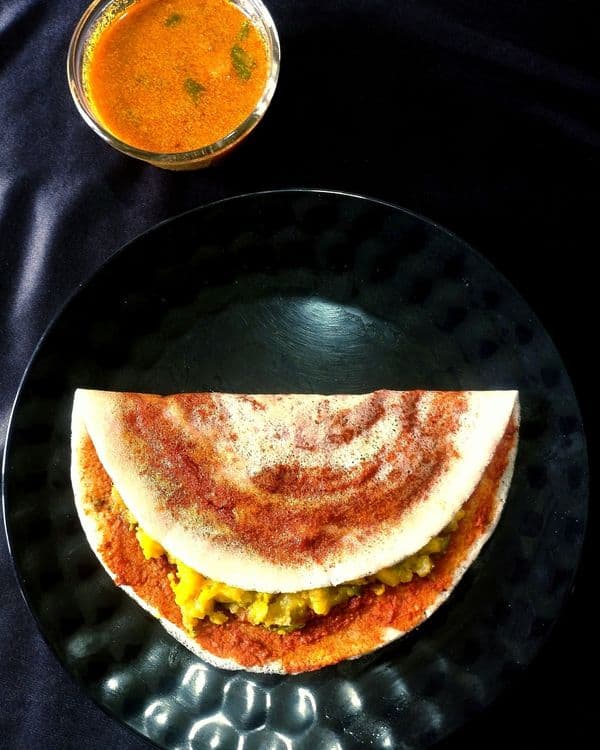
I have cooked these crepes on a rented apartment stovetop, on a roaring gas ring in Bengaluru, and on an electric coil that never quite got hot enough. The 37 masala dosa recipes gathered here survived all three. Some ask for an overnight ferment and pay you back with that sour, faintly beery smell that fills a kitchen by morning. Others go from cupboard to plate in twenty-five minutes, because you forgot it was Sunday and people are already awake and asking.
What they share is a method rather than a rulebook. Get the batter consistency right, get the pan properly hot, and nearly everything after that is negotiable — rice or millet, urad or moong, potato or paneer, rolled into a cone or left flat as a pancake and eaten with a fork like nobody is watching.
Below you will find the classics, the shortcut versions, the regional oddities that never made it onto restaurant menus, and the fillings, chutneys and curries that go alongside. Start wherever your patience happens to be today.
Classic Masala Dosa Recipes and the Potato Filling
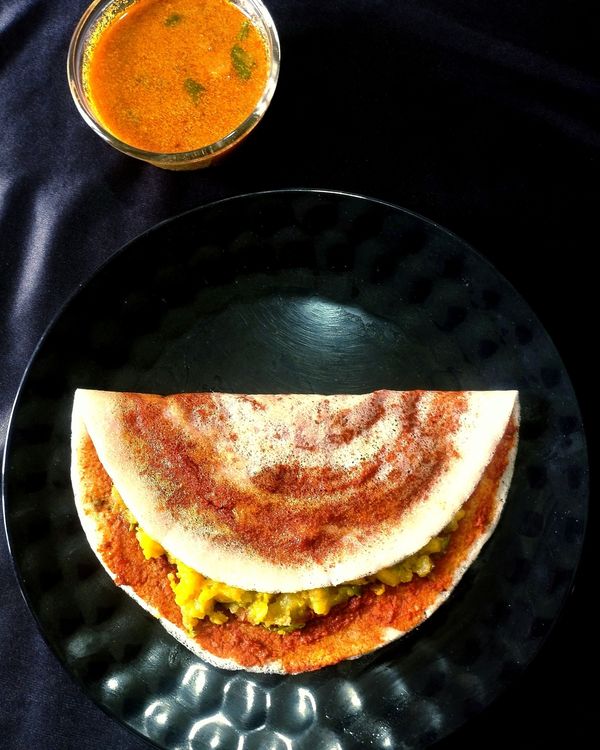
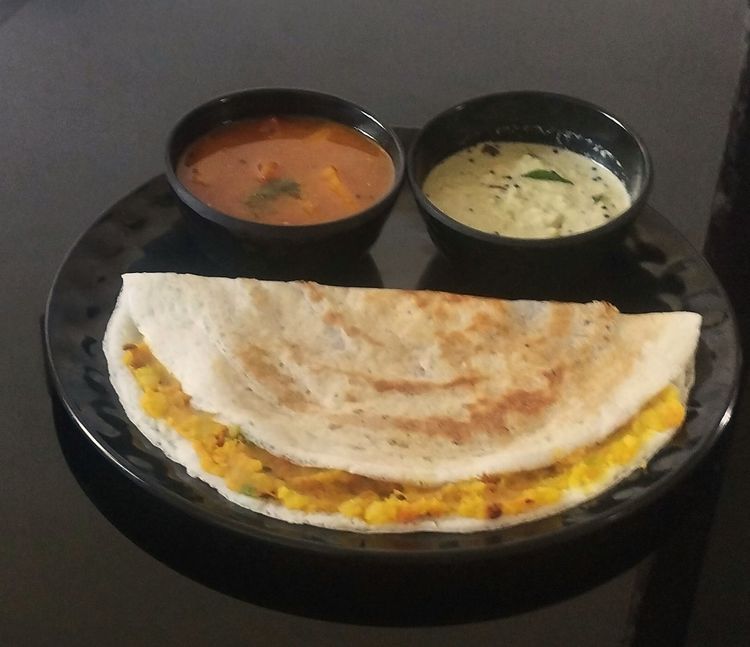
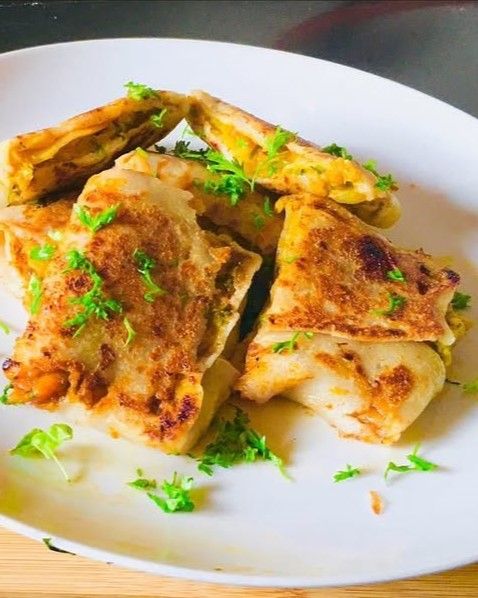
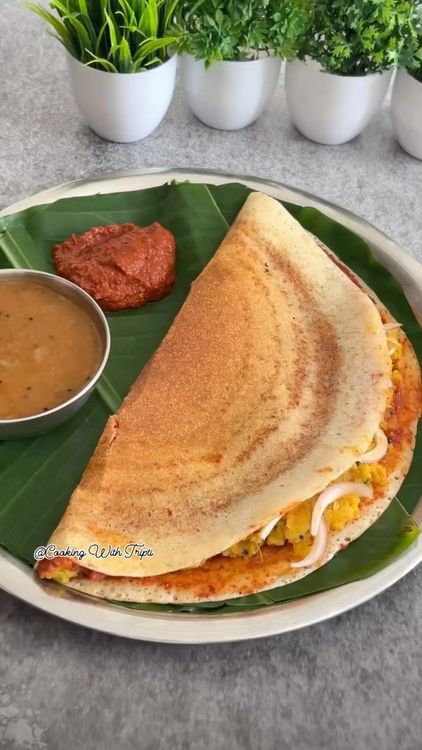
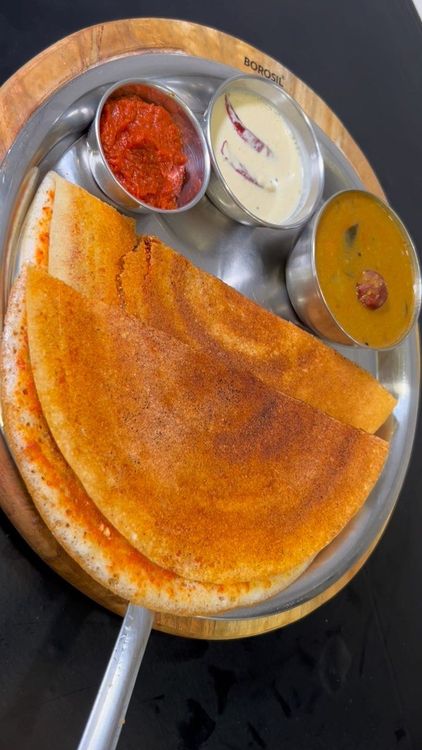
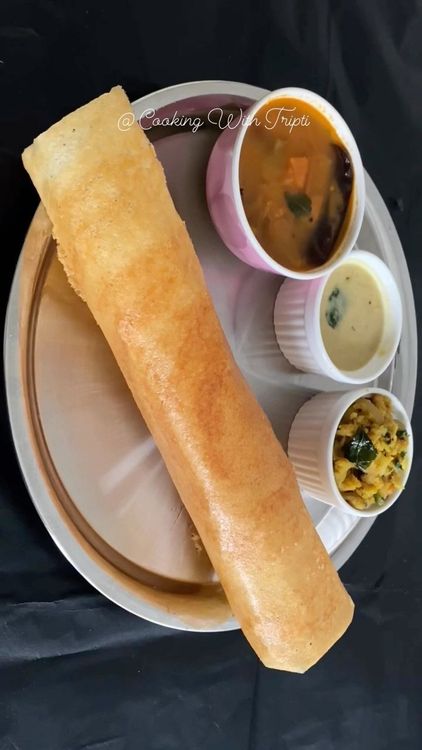
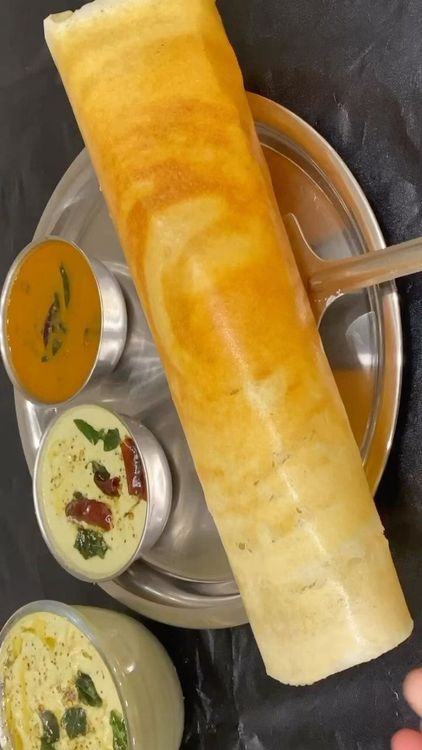
This is the version people picture: a burnished cone as long as your forearm, a mound of turmeric-yellow potato tucked inside, chutney and sambar waiting in little steel bowls. The five here run from the Udupi standard through Mysore's chilli-smeared take to an Andhra plate that leans genuinely hot, plus a red-lentil shortcut for anyone who did not plan ahead. What separates them is mostly the filling and whatever gets painted inside before it goes in. Cook only one? Make it a weekend and give the batter its full time.
- Indian
- Vegetarian
- Breakfast
- South Indian
- Vegan
- Breakfast
- Indian
- Vegan
- Breakfast

- South Indian
- Vegetarian
- Breakfast
- Indian
- Vegan
- Breakfast
Instant Batters That Skip the Overnight Wait
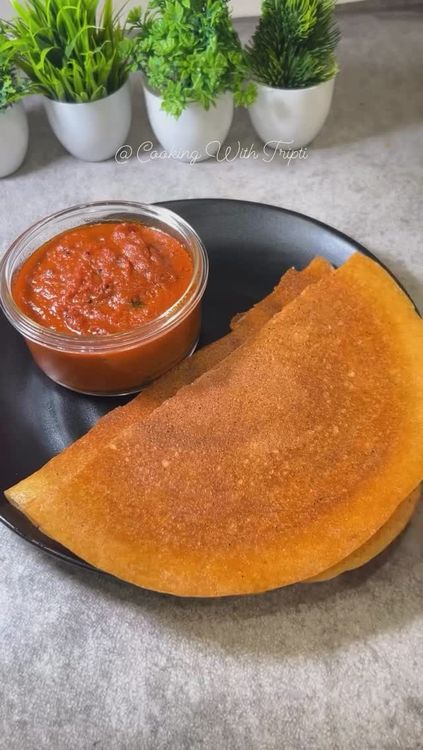
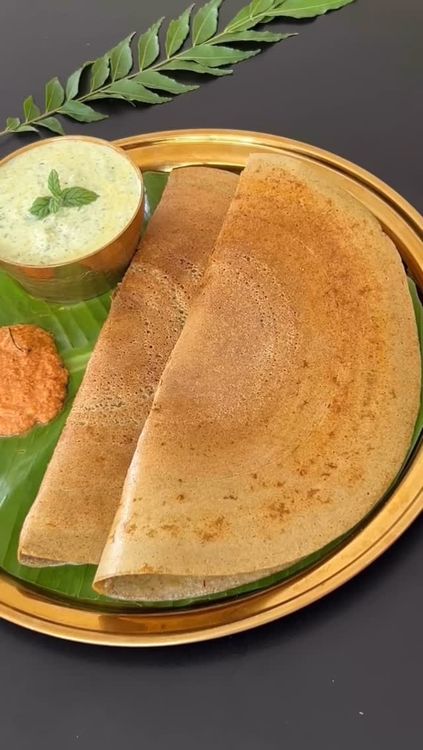
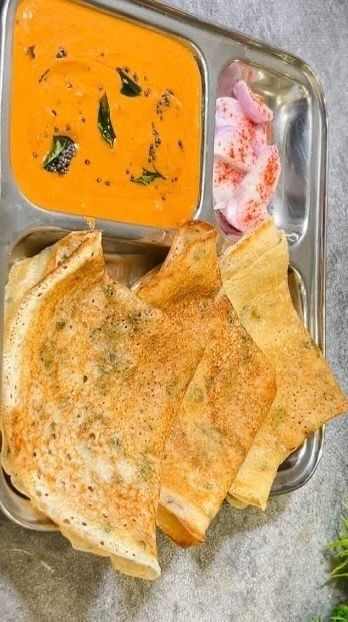
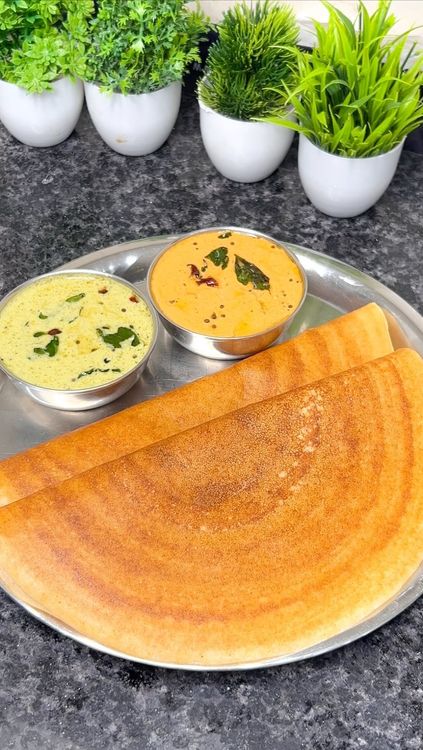
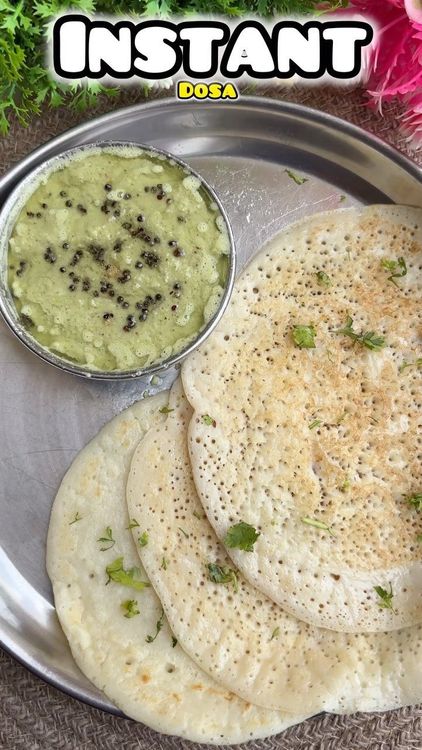
Fermentation is chemistry, and chemistry takes time you do not always have. These seven get around it with souring agents already in your kitchen — yogurt, poha, last night's rice, semolina that swells in minutes rather than hours. The sourness is shallower and the crumb a little tighter than a slow three-day ferment gives you. But at seven on a Tuesday morning, a thin, hot, crispy dosa beats theoretically superior. Keep these batters looser than feels right; quick mixes thicken fast as they stand and stiffen further in the pan.
- South Indian
- Vegetarian
- Breakfast
- Indian
- Vegetarian
- Breakfast
- Indian
- Vegetarian
- Breakfast
- South Indian
- Vegetarian
- Breakfast
- South Indian
- Vegetarian
- Breakfast

- South Indian
- Vegetarian
- Breakfast
- Indian
- Vegetarian
- Breakfast
Rava, Bun and Regional Variations
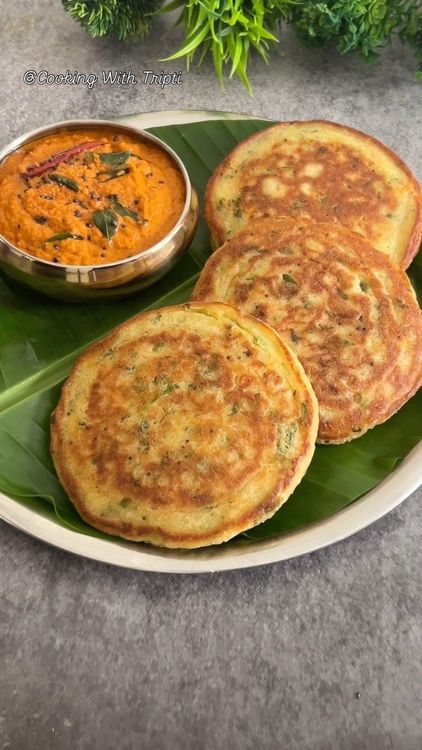
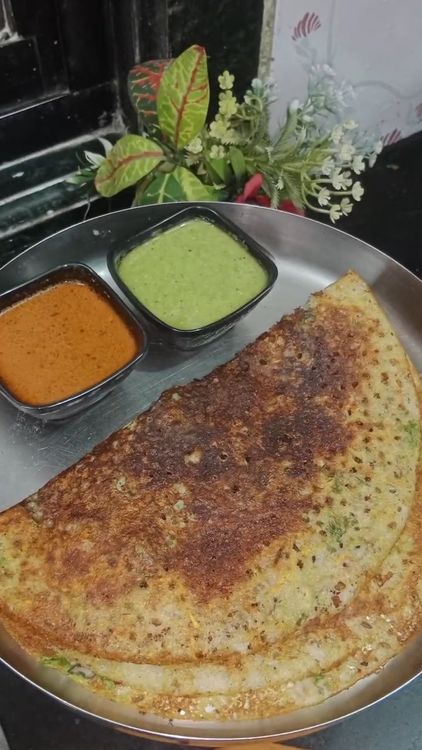
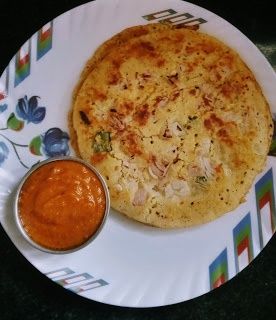
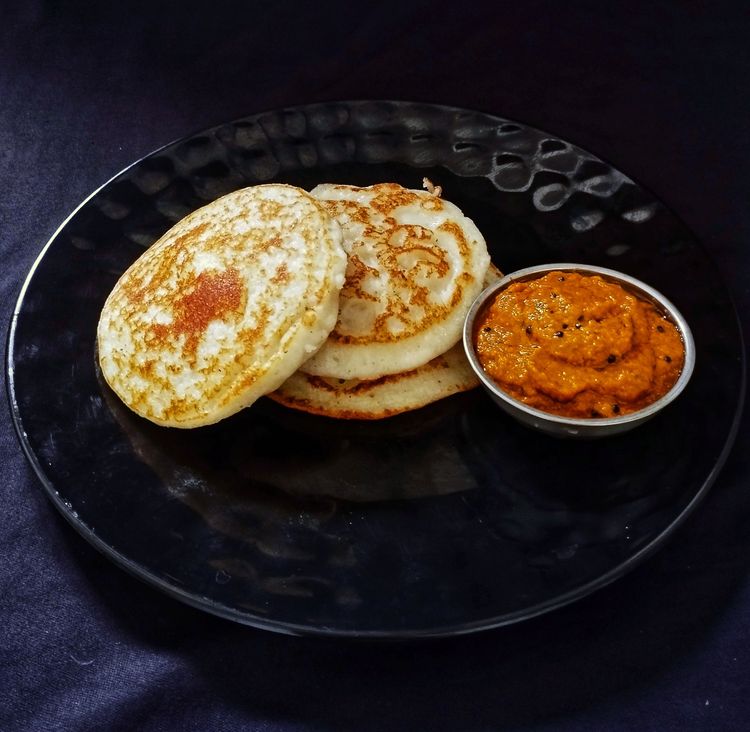
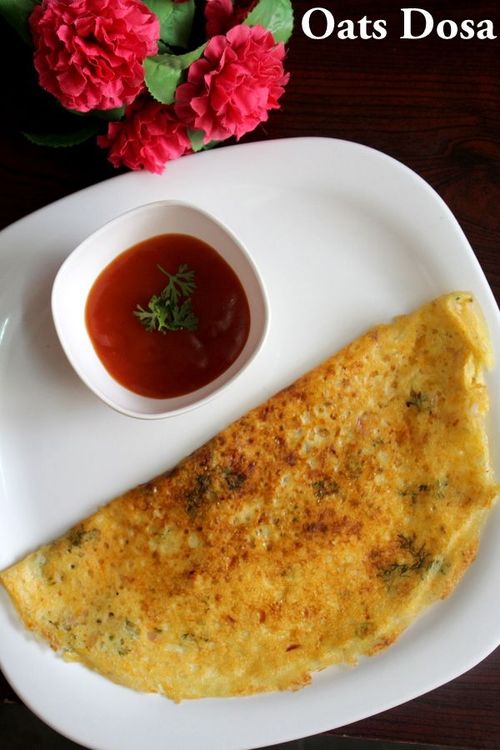
Semolina makes a lacy, hole-riddled net that you pour from a height rather than spread with a ladle. Bun styles go the opposite direction — thick, spongy, no wrist skill required, forgiving of beginners. Then come the whole-grain outliers: bajra with its mineral bite, oats for something lighter, bottle gourd grated in to keep the middle tender while the rim shatters. These seven are where the category stops being one dish and becomes a technique applied to whatever is in the pantry. Uthappam belongs here too, cooked slow and thick.

- South Indian
- Vegetarian
- Breakfast
- South Indian
- Vegetarian
- Breakfast

- Indian
- Vegetarian
- Breakfast
- South Indian
- Vegetarian
- Breakfast

- Indian
- Vegan
- Breakfast
- Indian
- Vegan
- Breakfast
- Indian
- Vegetarian
- Breakfast
Protein-Packed and Stuffed Versions
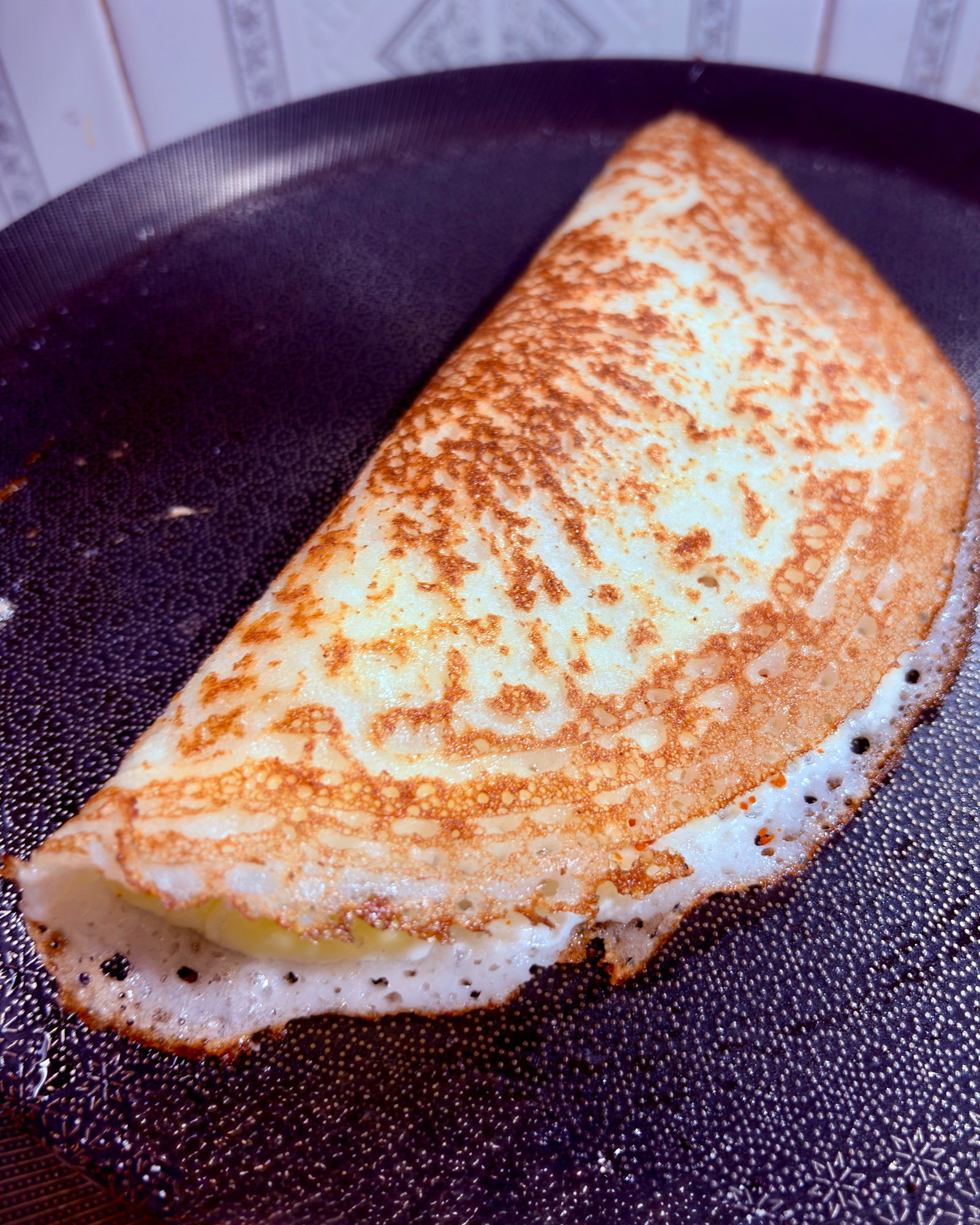
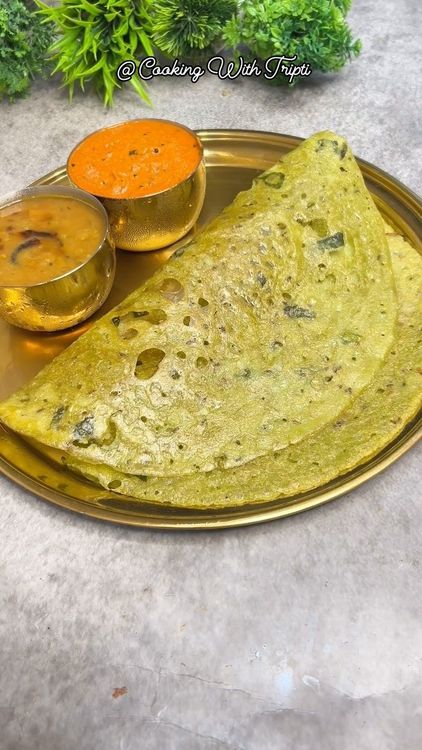
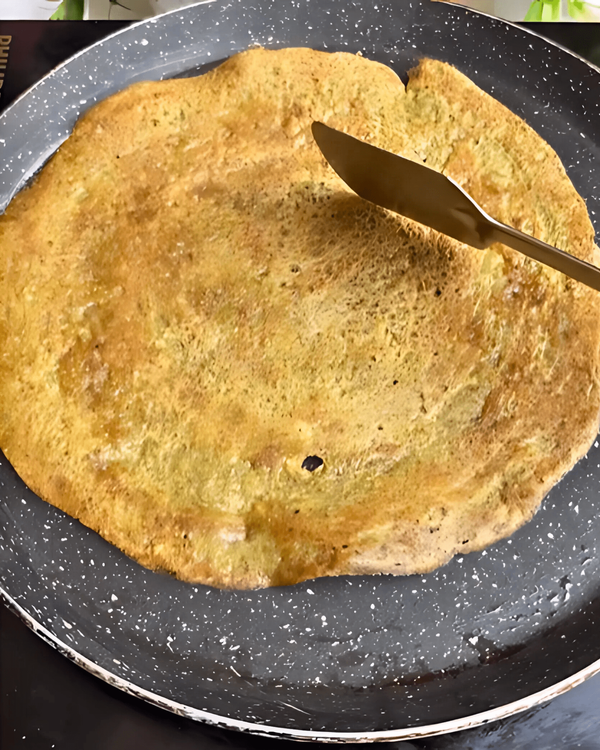
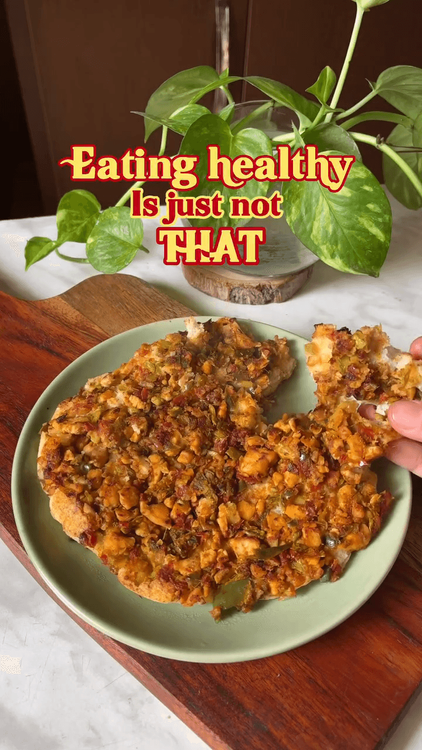
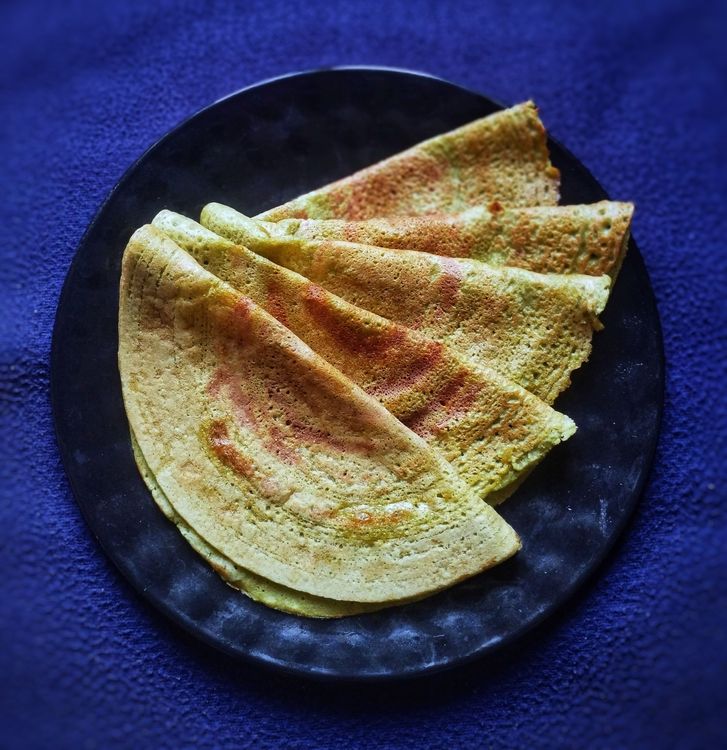
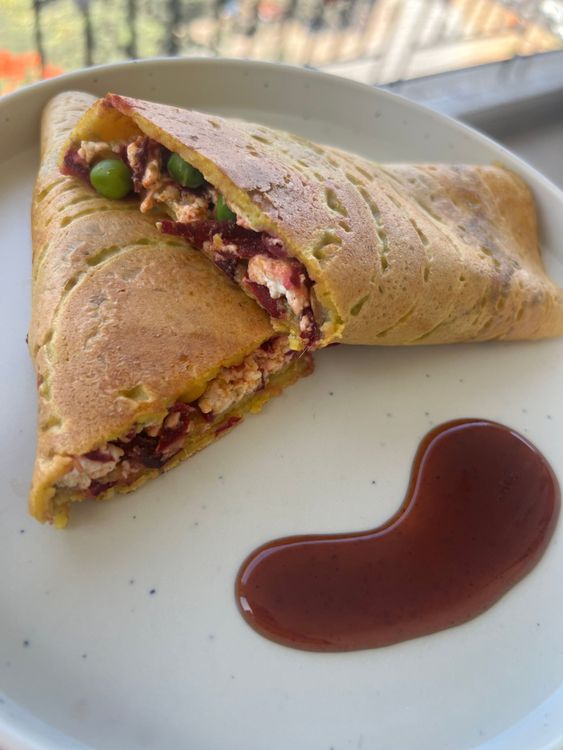
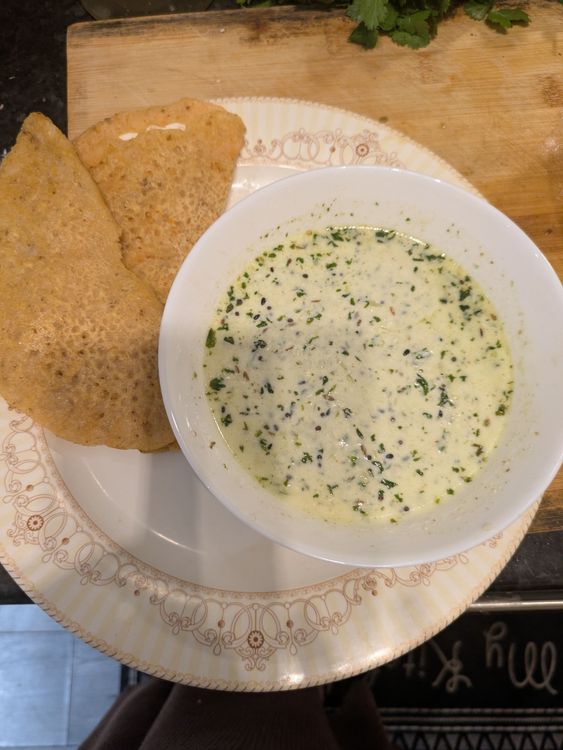
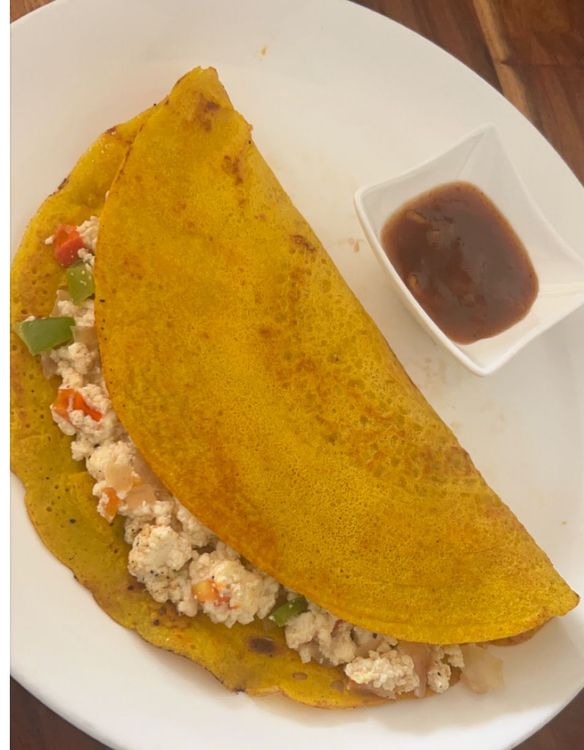
Rice and urad make a fine breakfast but a poor lunch — you are hungry again by eleven. The nine here swap in moong, masoor, besan, sprouts, egg or crumbled paneer so the plate holds you through the afternoon. Lentil batters behave differently on a hot pan: they brown faster, they stick more willingly, and they want gentler heat than rice does. Stuffed ones need their filling warm and dry, or trapped steam softens the base you worked for. A chicken keema sits here too, for the meat eaters.

- Gluten-Free
- Breakfast
- South Indian
- Vegan
- Breakfast
- Indian
- Vegetarian
- Breakfast

- Indian
- Non-Vegetarian
- Dinner

- Indian
- Vegan
- Breakfast
- Andhra
- Vegetarian
- Breakfast

- Indian
- Vegetarian
- Breakfast
- Indian
- Vegetarian
- Breakfast

- Indian
- Vegan
- Side Dish
Batter, Crisping Tricks, Chutneys and Curries
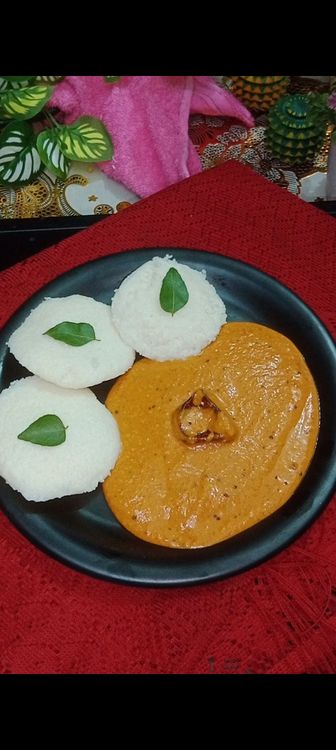
The supporting cast, which is really the main cast. Four of these nine deal with the dosa batter itself and how to coax crackle out of a stubborn cast-iron tawa; the other five are what you dunk, smear or spoon alongside. There is a coconut grind with roasted gram for body, a garlic-red paste for painting inside before the potato goes on, a toor dal side thick enough to cling, and an onion gravy that tastes better on day two. Make one chutney ahead and the weekday version becomes plausible.
- Indian
- Vegan
- Side Dish

- Indian
- Vegan

- Indian
- Vegetarian
- Breakfast

- Indian
- Vegan
- Breakfast
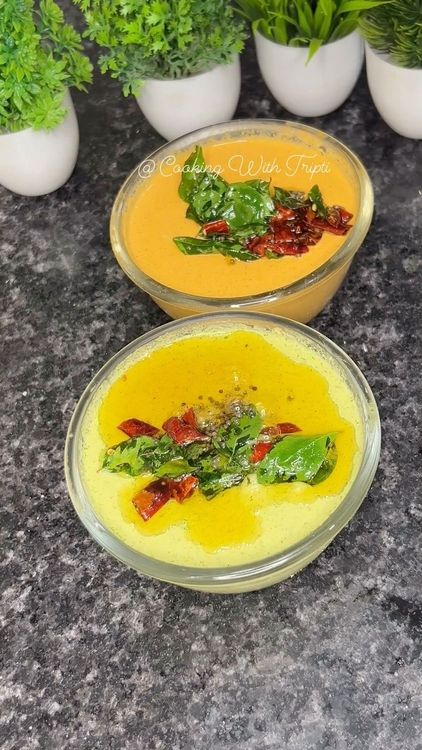
- South Indian
- Vegan
- Breakfast
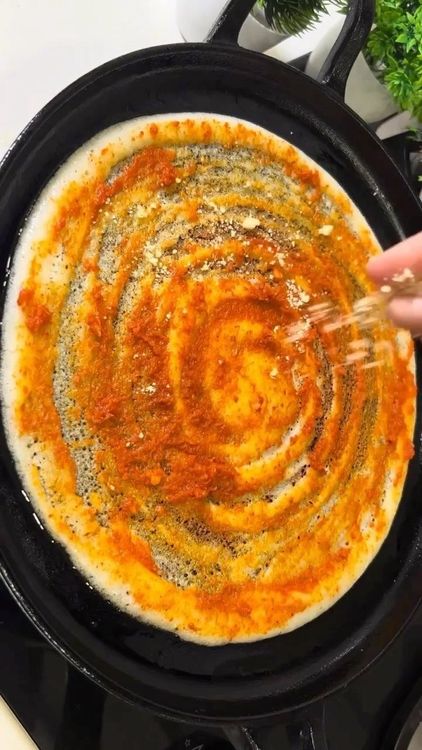
- Indian
- Vegan
- Breakfast
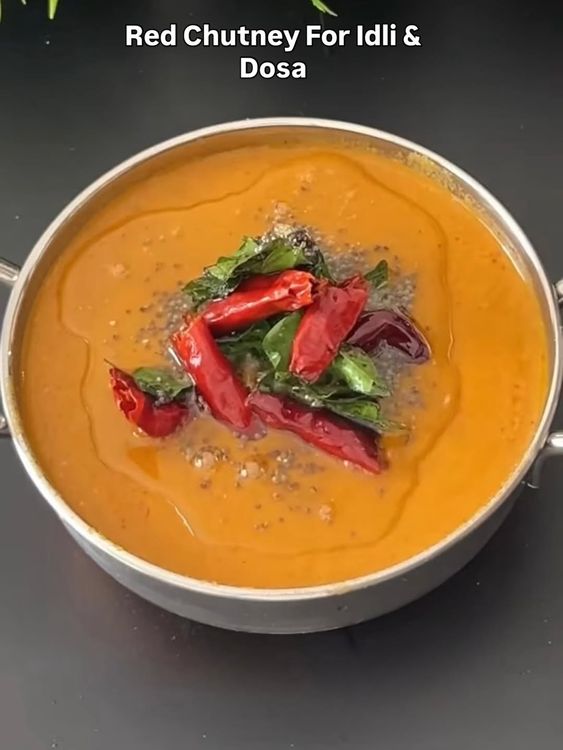
- Indian
- Vegan
- Sauce & Condiment
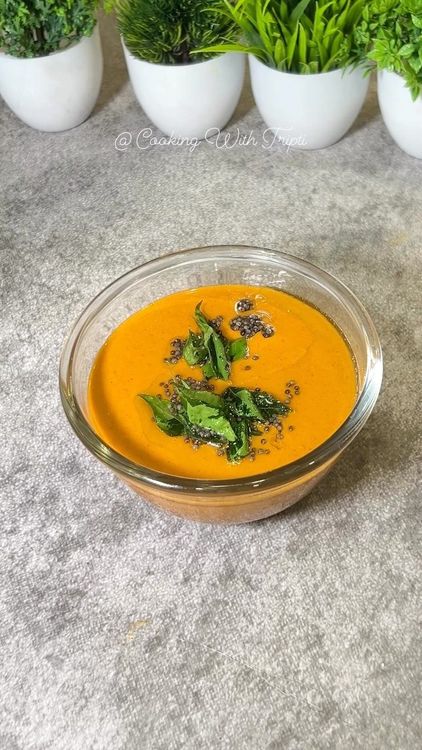
- South Indian
- Vegan
- Sauce & Condiment
- Indian
- Vegetarian
- Breakfast
Dosa Batter & Fermentation
A dosa batter that works is mostly a ratio and a temperature. Four parts raw rice to one part urad dal is what I keep coming back to, with a fat tablespoon of fenugreek seeds soaked alongside the lentils. The fenugreek does two jobs: it feeds the wild yeasts, and it gives the finished crepe that gold-brown colour you cannot get from rice alone. Soak both separately for four to six hours. Longer than eight and the rice starts to smell off.
Grind the urad first, and grind it cold. Add ice water a splash at a time until the paste is white, airy, and doubles in the jar — that trapped air does the leavening, more than the microbes ever do. The rice goes second and should stay slightly gritty, like fine sand between your fingers. Combine them with your hand rather than a spoon; the warmth and the flora on your skin genuinely help things along.
Then leave it alone. Eight hours at 30°C, twelve at 24°C, up to twenty in a cold flat with the oven light on. You want it risen by roughly half, domed, smelling sour and faintly of beer. Flat and sweet means keep waiting. Collapsed with grey liquid pooling on top means you waited too long — still usable, but expect a sharper, almost aggressively tangy result. Stir gently before ladling. Beating the air out undoes your whole morning.
Getting a Crisp Golden Dosa
A crispy dosa is really an argument about heat, and the pan wins it. Cast iron needs five to seven full minutes over medium-high before it is ready, and the test is a flick of water: the droplets should skitter and vanish within two or three seconds, not sit there hissing lazily. Too cool and the batter grips the metal. Too hot and it seizes into a lump before your ladle finishes its second circle.
Right before each one, wipe the surface with a halved onion dipped in oil. This is the single trick that separates home cooking from the hotel counter — it seasons, it cools the pan by a critical few degrees, and it leaves a microscopically thin film that releases the crepe cleanly. Pour a ladle into the middle and spiral outward in one unhurried motion. Chasing gaps with extra batter afterwards only makes a thick, patchy mess.
Drizzle oil around the rim, never into the centre. Then leave it alone. Ninety seconds is usually enough for the edges to lift and curl on their own, and that curl is your signal — not the clock. Most people flip when there is no reason to. A thin one never needs turning at all; the top cooks through by steam while the base browns. Fold it, slide it onto a warm plate, and serve immediately. Crispness has a shelf life of roughly four minutes.
The Potato Masala Filling
Boil waxy potatoes whole and in their skins, then peel them and crush them roughly with your hand. Cooking them whole and skin-on keeps water out; a food processor turns them straight to glue. You want lumps — some pieces the size of a thumbnail, others collapsed into softness. That contrast is the whole difference between a proper filling and wallpaper paste.
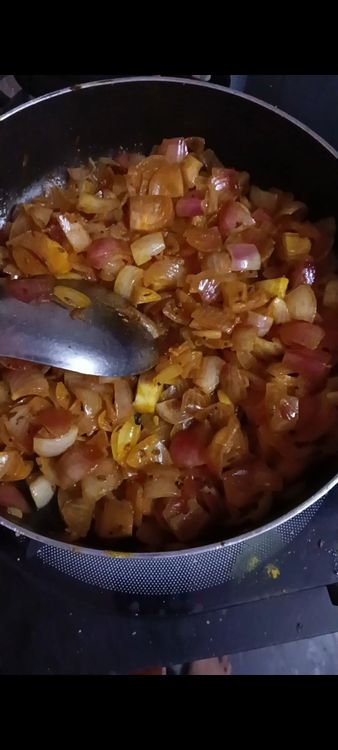
The tempering matters more than the spice list does. Mustard seeds into hot oil until they pop properly, then urad dal and chana dal until they turn the colour of weak tea, then curry leaves, which will spit at you. Green chillies and a generous handful of sliced onion go in next and cook until soft and sweet, not browned. Turmeric last, off the heat for a few seconds, so it blooms without scorching bitter.
Fold the potato through with a splash of the cooking water and salt, then let it steam covered on low for five minutes. The potato masala for dosa should be moist enough to hold a spoon shape but never actually wet — free liquid soaks straight through the base and ruins the crackle you fought for. Finish with lime juice and coriander off the heat. Make it a day ahead if you like; it reheats better than it has any right to, and the flavours settle overnight.
Pro Tips
- Keep two ladles by the stove: a deep one for pouring and a flat-bottomed one for spreading. Trying to do both jobs with a single spoon is the reason your first three attempts tear straight down the middle every single time, and why the fourth one suddenly works without you changing anything else at all.
- If the batter has turned too sour after a long ferment, stir in two tablespoons of plain rice flour and a pinch of sugar. It will not erase the tang, but it rebalances things just enough to save the batch rather than tipping four hours of soaking and grinding straight down the kitchen sink.
- Never wash a cast-iron tawa with detergent. Scrape it while hot, rinse it under plain water, dry it on the flame for thirty seconds, then rub in a few drops of oil while it is still warm. Seasoning is cumulative and unforgiving: it takes months to build up properly, and minutes to strip back to bare grey metal.
- Fridge-cold dosa batter spreads badly and browns unevenly, whatever you do to the pan. Ladle out what you need and let it sit on the counter for twenty minutes first — the difference in how it flows across hot iron is immediate, obvious, and worth every minute of the wait.
- Salt after fermenting rather than before, if your kitchen runs cold. Salt slows the wild yeasts down noticeably, and in a 20°C flat that alone can be the difference between a properly risen, domed batter and a flat, sweet, faintly disappointing one at breakfast.
- Wipe the pan down between each one, even when nothing looks stuck to it. Carbonised specks left behind from the last round act exactly like sandpaper, and they will drag holes through the next crepe as you try to spread it thin and even across the iron.
Frequently Asked Questions
How long should the batter ferment before I cook with it?
It depends entirely on your kitchen temperature, not on the clock, which is why fixed timings mislead people. At 30°C, eight hours is plenty. At 24°C, expect twelve or so. In a cold flat, leave it overnight with the oven light on and check first thing. You are looking for a batter risen by about half, domed on top, smelling sour and faintly of beer.
Which masala dosa recipes work without a wet grinder?
Most of them, honestly. Every instant version here uses a standard blender, and even the fermented ones grind acceptably in a decent mixer if you work in small batches with ice water and stop every thirty seconds so the motor does not heat the urad. A wet grinder makes fluffier batter and a lighter crumb, but it is a refinement rather than a hard requirement.
Why does everything stick to my pan no matter what I try?
Usually the pan is too cold, or it simply is not seasoned yet. Preheat cast iron for a full five to seven minutes and test it with water droplets — they should skitter and vanish within two seconds. Then wipe the surface with a halved onion dipped in oil right before pouring. If the tawa is brand new, quietly accept that the first dozen attempts are sacrificial.
What rice-to-urad ratio should I actually use?
Four to one by volume is my default, with a tablespoon of fenugreek soaked in alongside the lentils. Push toward five to one for a stiffer dosa batter that fries up brittle and shatters, or three to one for something softer and spongier, closer to uthappam. Idli rice or short-grain parboiled rice behaves far better here than basmati, which simply lacks the starch.
Can I refrigerate the dosa batter, and for how long?
Yes, and it improves for the first two days as the sourness deepens and rounds out into something more interesting. Keep it in a container only two-thirds full, because it carries on rising slowly even when cold. After four or five days it turns sharply acidic and thin — still edible, though better redirected into uttapam or chilla, where the tang is welcome rather than distracting.
How to make masala dosa taste like the restaurant version?
Three things do most of the work here: crush the boiled potatoes by hand rather than mashing them smooth, cook the sliced onion until it is genuinely sweet instead of merely translucent, and let the mustard seeds pop fully before anything else hits the oil. A pinch of asafoetida and a squeeze of lime added off the heat closes most of the remaining gap.
Mine comes out soft instead of crisp. What went wrong?
Almost always a batter that is too thick, or a pan that is nowhere near hot enough. It should coat a ladle and run off in a thin, unbroken ribbon; thin it with water until it does. Add a spoon of rice flour for extra crackle, drizzle oil only around the rim, and serve a crispy dosa within four minutes of it leaving the tawa.
What is the difference between the plain, Mysore and rava styles?
The plain one is just batter, crisped and folded, sometimes with a little potato tucked inside. The Mysore version adds a garlicky red chilli paste smeared across the inside before the filling goes on top. Rava skips fermentation entirely: a thin semolina batter is poured from a height rather than spread, setting into a lacy, hole-filled net with a completely different crunch.
Pick by your patience, not by ambition. If you have tonight, soak rice and urad and wake up to something that smells like a Bengaluru morning. If you have twenty-five minutes and hungry people, one of the instant batters will not embarrass you. These masala dosa recipes cover both moods, and the pan forgives far more than you would ever think it might.
Related
- dosa batter
- south indian breakfast
- chutney recipes
- instant dosa
- vegetarian breakfast
- udupi
Popular Searches
- Best masala dosa recipes
- Easy masala dosa recipes
- Quick masala dosa recipes
- Healthy masala dosa recipes
- Simple masala dosa recipes
- Homemade masala dosa recipes
- Delicious masala dosa recipes
- Popular masala dosa recipes
- masala dosa
- dosa batter
- potato masala for dosa
- crispy dosa
Marnirni-apinthi Building, Lot Fourteen,
North Terrace, Adelaide, South Australia, 5000
Australia
