
18 Gulab Jamun Recipes for Soft, Syrup-Soaked Perfection
Updated July 7, 2026 · Curated by Chefadora
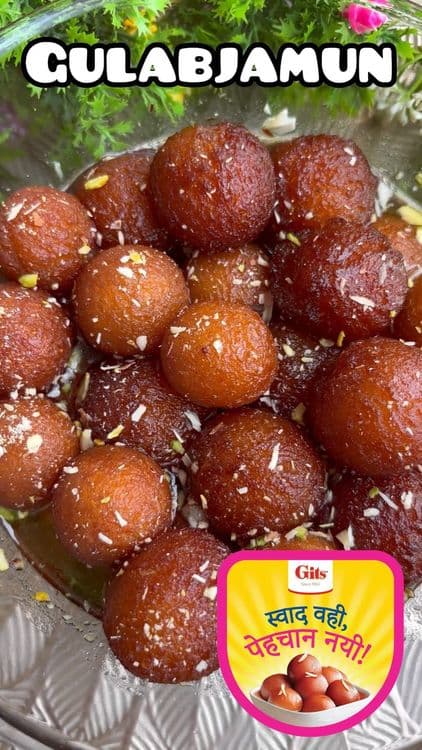
If you have ever bitten into a warm, syrup-heavy sweet at Diwali and wondered how to get that same spongy center at home, this collection of gulab jamun recipes is built for you. I have pulled together 18 versions that home cooks on Chefadora actually make and rate, from the classic khoya method your grandmother swore by to quick milk-powder shortcuts you can pull off on a weeknight. Each one gives you soft, deep-fried dumplings soaked in fragrant sugar syrup, but the routes there differ in time, skill, and pantry demands.
Some lean on semolina for a nutty bite, others turn stale bread into a five-ingredient miracle, and a few go fully modern with cheesecake and cake bakes. Whether you are frying your very first batch or chasing that melt-in-the-mouth texture that always eluded you, there is a version here matched to your kitchen. I have grouped them so you can jump straight to the style you want, and paired the list with the dough, syrup, and frying guidance that decides whether your batch turns out tender or tough.
Classic Khoya Gulab Jamun Recipes
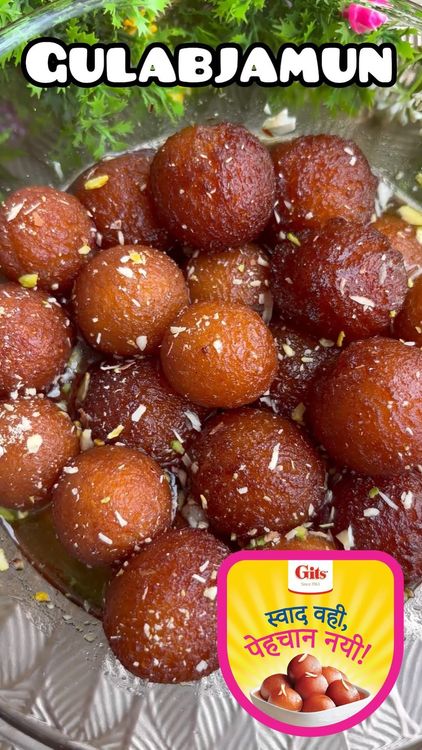
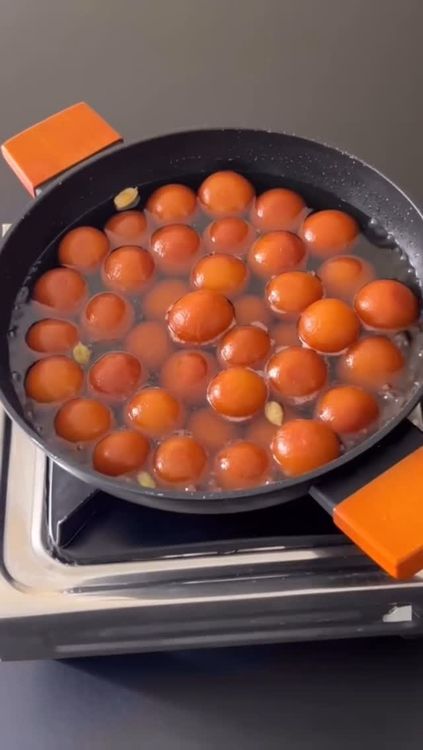
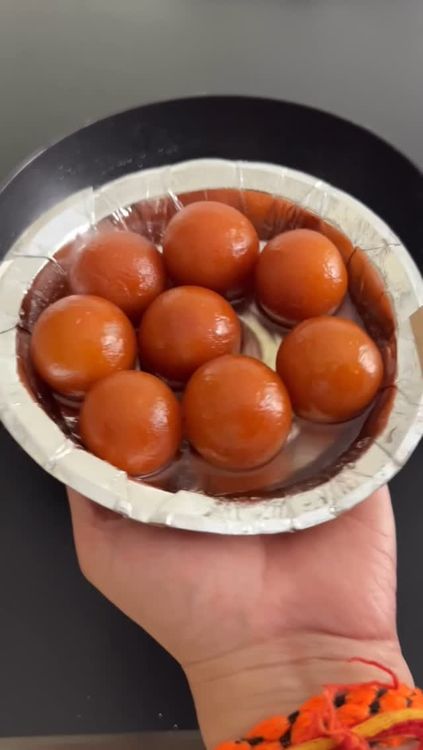
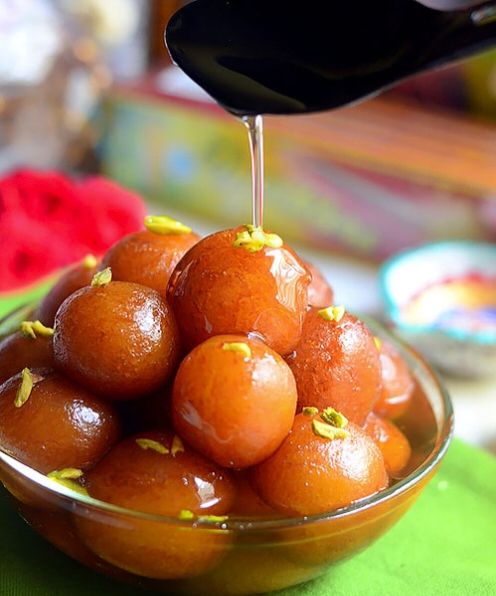
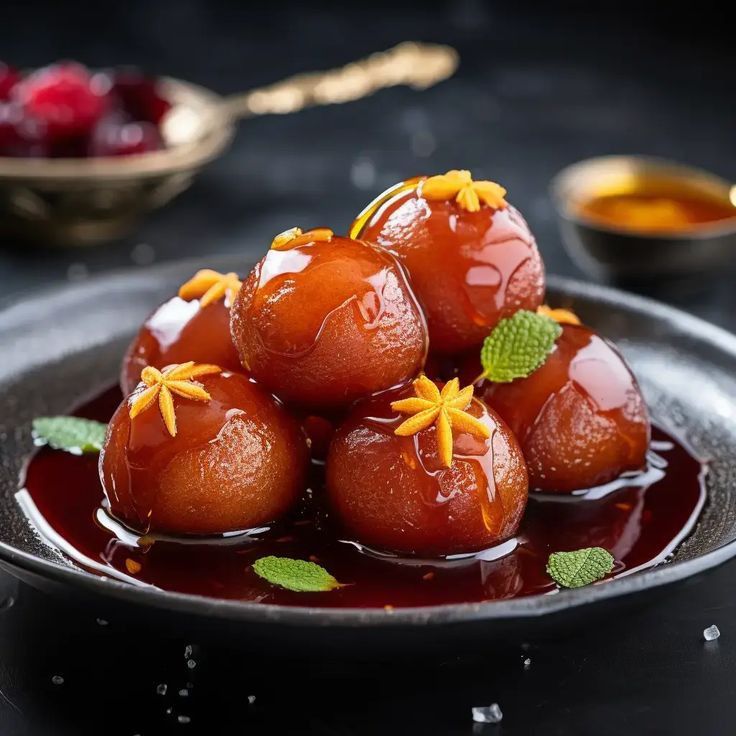
This is the traditional route, built on khoya (also called mawa), the reduced milk solids that give these sweets their rich, dense-yet-tender crumb. A proper khoya gulab jamun takes a little more time and a steadier hand, but the payoff is that authentic, festival-day flavor nothing else quite matches. These Awadhi and Mughlai versions deliver soft centers that drink up cardamom syrup, a golden even crust from slow frying, and a texture that stays plush for days. Beginners can manage the simpler six-ingredient version, while the eleven-component recipes reward anyone ready to fuss a little for a dinner-party-worthy result worth every minute you spend at the stove.

- Indian
- Vegetarian
- Dessert

- Indian
- Vegetarian
- Dessert
- Indian
- Vegetarian
- Dessert

- Indian
- Vegetarian
- Dessert

- Indian
- Vegetarian
- Dessert
Quick Instant & Milk-Powder Versions
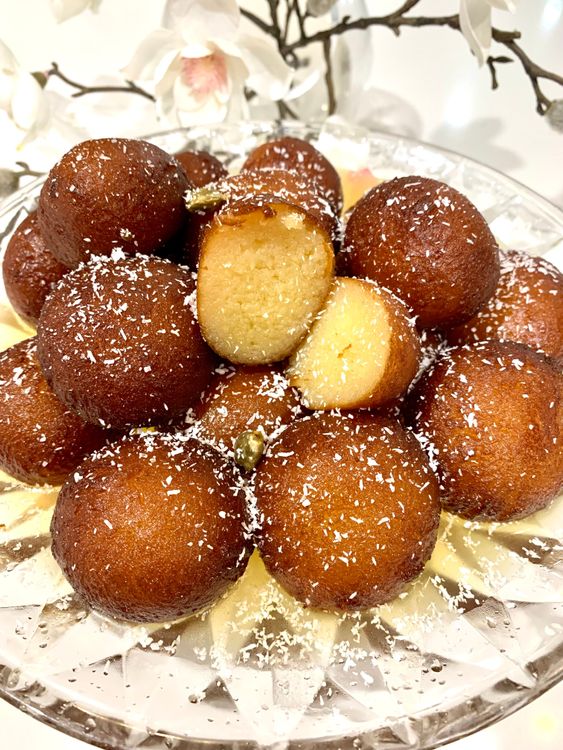
No time to reduce milk into khoya? These shortcuts get you to the same soft, honeyed result with pantry staples. Milk powder is the star substitute here, mixing into a smooth dough in minutes and frying up almost identical to the classic. A ready premix takes an instant gulab jamun even further, cutting your active work down to shaping and frying alone. Both are kid-friendly, forgiving, and perfect for a first attempt or a last-minute festive craving. Keep the dough soft, the oil low, and the syrup thin, and no one at the table will ever guess you skipped the traditional slow method entirely this time.

- Indian
- Vegetarian
- Dessert


- Indian
- Vegetarian
- Dessert
Suji & Rava Semolina Versions
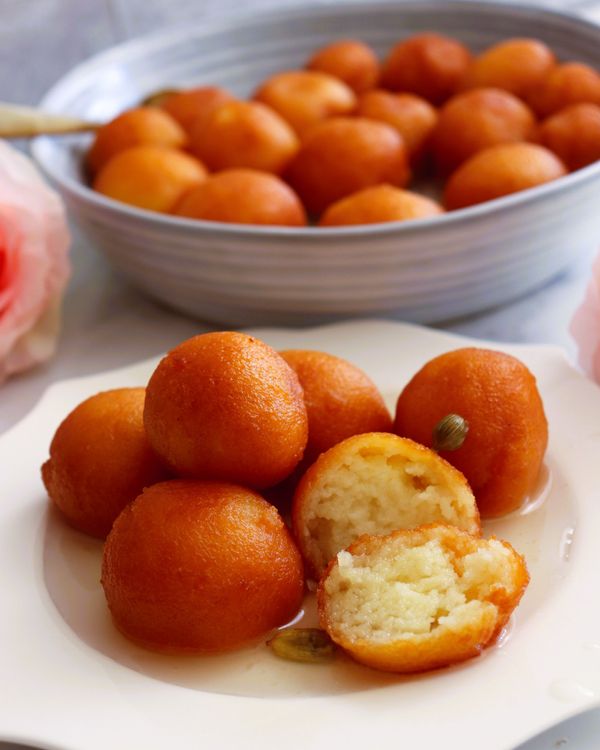
Semolina, known as suji or rava, gives these a subtly grainy, satisfying chew that sets them apart from the melt-away khoya style. The semolina is usually cooked briefly with milk into a soft dough, which fries into spheres that hold their shape and soak syrup without collapsing into mush. That structure makes this style especially good for make-ahead festive trays, since the dumplings stay soft for days and travel well to potlucks and family gatherings. These recipes run a touch longer at 45 to 60 minutes, but the nutty depth and reliable, sturdy texture make them a Navratri and Diwali favorite that is genuinely worth planning your prep around.
- Indian
- Vegetarian
- Dessert

- Indian
- Vegetarian
- Dessert
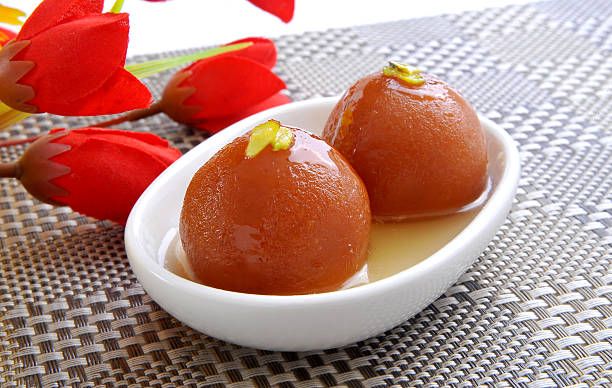
- Indian
- Vegetarian
- Dessert
Bread & Shortcut Sweets in Minutes
When a craving hits and there is no khoya in the fridge, bread is your secret weapon. A bread gulab jamun uses blitzed or soaked stale slices that bind into a soft dough and fry into pillowy dumplings in about 35 minutes, with almost zero waste. This group also folds in a clever wheat-flour version that needs nothing fancier than your baking cupboard, plus a genius sweet paratha that reinvents the whole idea for brunch. Every one here is beginner friendly and fast, proving you do not need special ingredients or hours of patience to put a warm, syrup-soaked treat on the table tonight.
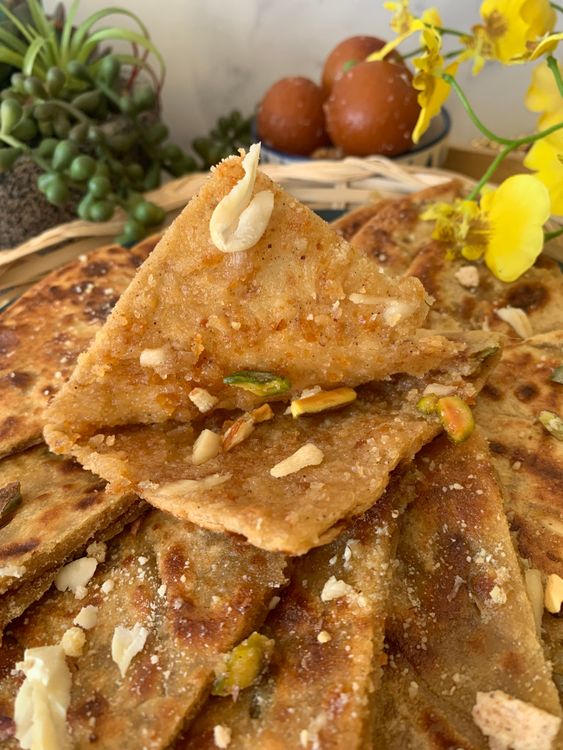
- Indian
- Vegetarian
- Breakfast

- Indian
- Vegetarian
- Dessert
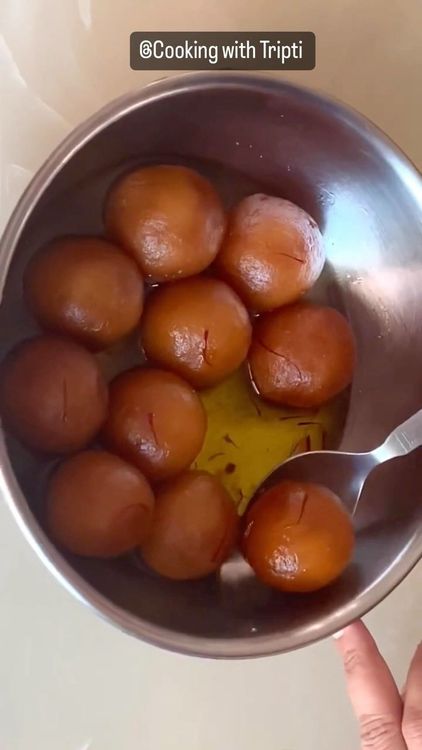
- Indian
- Vegetarian
- Dessert
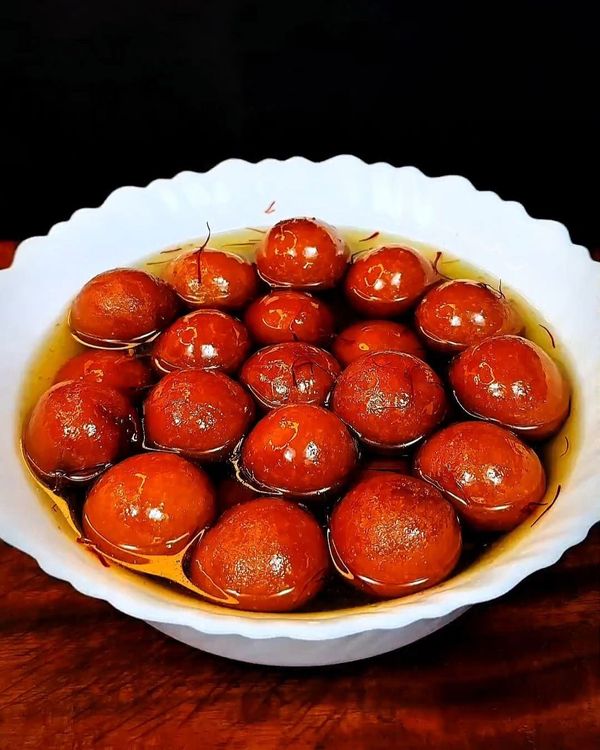
- Indian
- Vegetarian
- Snack
Fusion Desserts, Cakes & Bakes
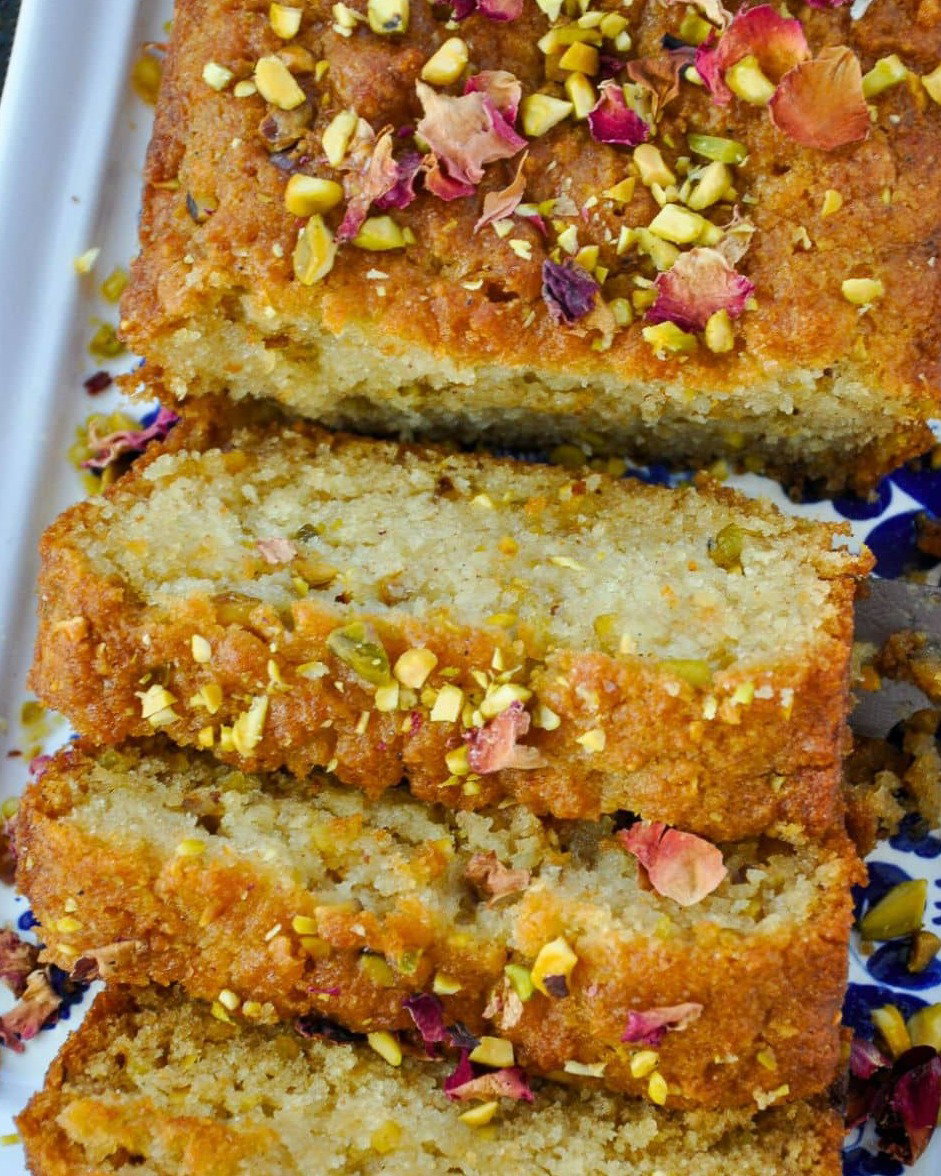
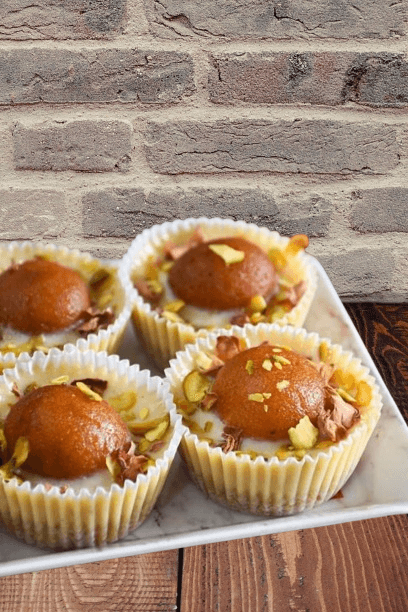
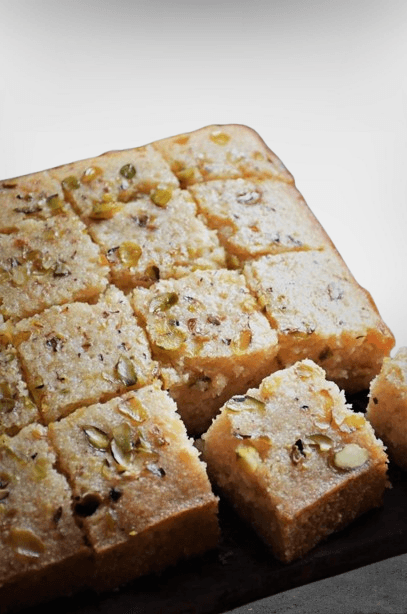
For anyone who wants the flavor in a fresh format, these oven-baked and hybrid creations reimagine the sweet entirely. Think a creamy cheesecake laced with that signature soak, a soft syrup-kissed cake perfect for birthdays, an eggless sooji cake for egg-free tables, and a nutty bread that slices like a loaf. They lean on the same warm cardamom-and-rose notes but trade deep frying for the oven, so they are a smart choice when you want a show-stopping centerpiece or a make-ahead dessert that still nods to tradition without the usual stovetop workout and splatter. They also travel well and slice cleanly for parties where individual portions beat a shared bowl.
- Peanut-Free
- Dessert
- Fusion
- Vegetarian
- Dessert
- Vegetarian
- Dessert
- Indian
- Vegetarian
- Dessert
Soft, Melt-in-the-Mouth Jamun: Dough Tips
The single biggest reason dumplings turn out hard is overworked or dry dough. Whether you use khoya, milk powder, or bread, mix just until it comes together into a smooth, crack-free ball. Knead with the heel of your hand for a minute, no longer; gluten develops fast and toughens the crumb. Rest the dough covered for about ten minutes so the fat and moisture distribute evenly before you shape anything, and do not skip this rest even when you are in a hurry.
Moisture is your friend. The dough should feel soft, slightly tacky, and pliable, closer to playdough than bread dough. If it cracks when you roll a ball, work in a teaspoon of warm milk at a time until smooth. A tiny pinch of baking soda, no more than an eighth of a teaspoon per cup, gives lift and that signature spongy interior, but too much makes the balls disintegrate in the syrup. If your mix feels wet and sticky instead, dust in a spoon of flour to bring it back.
Roll each ball between your palms with light pressure, sealing any surface cracks completely; an open seam lets oil seep in and the center stays raw and greasy. Keep them smaller than you think, roughly the size of a large marble, because they nearly double once soaked. Cover the shaped balls with a damp cloth so they do not dry out while you heat the oil, and shape the whole batch before you start frying so nothing sits waiting in hot fat.
Getting the Sugar Syrup Consistency Right
The syrup makes or breaks the batch. You want a loose, one-string-or-less consistency, thin enough to soak deep into each dumpling. Combine roughly equal parts sugar and water, with a splash extra water, and simmer just until the sugar dissolves and the liquid turns slightly sticky, about five minutes. Do not boil it to a thick, candy-like stage; a heavy syrup sits on the surface and leaves the middle dry and dense while the outside turns unpleasantly sticky.
Flavor the syrup while it is warm. Cardamom is essential, so crush a few pods and drop them in. A saffron thread or two adds color and perfume, while a squeeze of lemon or a splash of rose water keeps it fragrant and stops the sugar from crystallizing later. Keep the syrup warm, not scalding, and ready in a wide bowl or pan when the fried dumplings come out of the oil so they can go straight in.
Temperature matching matters more than people expect. Warm dumplings dropped into warm syrup drink it up best; if either one is cold, absorption stalls and you get stubbornly dense centers. Let them soak for at least two to three hours, ideally overnight, so the syrup travels all the way through. They are ready when they feel heavy and yielding, almost bursting, as you lift one out with a spoon. If some float stubbornly, spoon syrup over them so every side stays coated.
Frying at the Right Temperature
Low and slow is the golden rule. The oil or ghee should sit around 300 to 325 degrees Fahrenheit, noticeably cooler than you would use for pakoras or fritters. Too hot and the outside browns in seconds while the raw center never cooks, giving you a hard shell and a doughy core. Test with a pinch of dough: it should sink, then rise slowly and sizzle gently, taking several seconds to surface rather than browning all at once the moment it hits the oil.
Fry in small batches so the temperature does not crash, and keep the dumplings moving. Gently nudge the oil with a slotted spoon to roll them, rather than poking the fragile balls directly, so they color evenly to a deep, uniform brown all over. Uneven heat leaves pale patches that stay raw inside, and crowding the pan drops the temperature and makes them soak up grease instead of crisping into a clean, even crust.
Patience pays off here: a good batch takes six to eight minutes over a low flame. If they brown too fast, pull the pan off the heat for a moment to bring the temperature back down, then return it. Drain the dumplings briefly on a rack, then slide them straight into the warm syrup while still hot. Let the oil recover fully between batches so every round cooks through the same way, and skim out any loose crumbs so they do not burn and taint the fat.
Serving, Soaking & Storing
These are happiest served warm, when the syrup is loose and the centers are almost molten. Reheat them gently in their syrup on the stove, or microwave for twenty seconds before serving. A scoop of vanilla ice cream alongside, the hot-and-cold contrast is a classic for a reason, or a scatter of slivered pistachios and a few strands of saffron gives them a festive finish that looks far fancier than the small effort actually involved.
For storage, keep them fully submerged in their syrup in an airtight container. They hold beautifully in the fridge for up to a week and actually improve after a day as the flavor deepens and the soak evens out across every dumpling. Bring them back to room temperature or warm them through before serving so the texture softens again and the centers turn plush rather than fridge-firm and tight.
Freezing works too. Freeze the fried, unsoaked dumplings for up to a month, then thaw and soak in fresh warm syrup when you need them. If you end up with leftovers, do not waste a single one: crumble them over kulfi, fold them into a trifle, or blend them into a thick milkshake. Make-ahead cooks can fry a big batch before a festival and soak in stages so every guest gets a fresh, warm serving without a last-minute scramble. A splash of warmed milk or evaporated milk poured over the bowl just before serving turns them into a plated dessert that feels far more elaborate than the effort you actually put in.
Pro Tips for Perfect Results
- Weigh your khoya or milk powder instead of eyeballing it, since the dough-to-fat ratio is what separates tender, melting centers from rubbery, heavy ones.
- If your first ball cracks or falls apart while frying, fix the whole batch before continuing: too dry needs a splash of warm milk, too soft needs a spoon of flour worked in gently.
- Add a pinch of baking soda, not baking powder, and keep it minimal, since an eighth of a teaspoon per cup of dough is plenty for a soft, spongy lift without collapse.
- Always fry a single test dumpling first to check both your oil temperature and your dough before you commit the whole tray to the pan.
- Warm the syrup and the dumplings together, because cold-into-hot or hot-into-cold stalls absorption and leaves you with dense, dry middles that never quite soften.
- Roll the balls smaller than the size you want to serve, as they swell to nearly double once they soak up all that sweet cardamom syrup.
- Rest the shaped balls under a damp cloth and never let the surface dry out, since a dried skin fries into a tough, cracked crust that resists the soak.
Frequently Asked Questions
Why do my gulab jamun turn hard instead of soft?
Hard centers almost always come from overworked dough or oil that runs too hot. Knead just until smooth, keep the mixture soft and slightly tacky, and fry low and slow at 300 to 325 degrees Fahrenheit. A tiny pinch of baking soda helps, but too much flour or too little fat will leave them dense and rubbery every single time you fry a batch.
Can I make gulab jamun without khoya or mawa?
Absolutely. Milk powder is the most popular substitute and gives nearly identical results, while bread, semolina, and even leftover paratha dough all work well. Wheat flour and ready premixes offer easy shortcuts too. Each route changes the texture slightly, but all of them deliver soft, syrup-soaked dumplings without the effort of standing over a pan reducing milk into khoya at home.
What is the right sugar syrup consistency?
Aim for a thin, one-string-or-less syrup, sticky but nowhere near candy stage. Simmer roughly equal parts sugar and water for about five minutes, just until the sugar dissolves and it feels tacky between your fingers. A syrup that is too thick sits on the surface and leaves the centers dry, so keep it loose and warm when you drop the fried dumplings in to soak. If it thickens, stir in a little hot water.
How long should they soak in the syrup?
Give them at least two to three hours, though overnight is even better. The dumplings need time for the warm syrup to travel all the way to the center. They are ready when they feel heavy, plump, and yielding, almost bursting, as you lift one out. Rushing the soak is the most common reason home cooks end up with dry, dense middles. A warmer, thinner syrup speeds a rushed soak, but resting works best.
What is the difference between gulab jamun and kala jamun?
Both share the same base, but kala jamun is fried longer and darker until the outside turns almost black, giving a firmer, caramelized shell and a slightly denser bite. It is often stuffed or rolled in sugar. The versions in this collection focus on the softer, golden style, though you can fry any of them a shade darker for that deeper effect.
Can I bake these instead of deep frying?
Yes, though the texture changes. Baked and air-fried versions come out lighter and less rich, and this collection includes cakes, a cheesecake, and a nut bread that lean fully into the oven. For traditional dumplings, you can bake shaped balls at 350 degrees until golden, then soak, but expect a firmer crumb than the deep-fried originals will ever give you.
How do I store leftovers and how long do they keep?
Keep them fully submerged in their syrup in an airtight container in the fridge, where they last up to a week and taste even better after a day. Warm them gently before serving so the centers soften again. You can also freeze the fried, unsoaked dumplings for up to a month, then thaw and soak them in fresh warm syrup when needed.
Which of these gulab jamun recipes is best for beginners?
If you are frying for the first time, start with a milk-powder or bread-based version, since they are the most forgiving and need no khoya. The wheat-flour and instant-mix options are also beginner friendly and quick. Once you are comfortable shaping and frying, move on to the classic khoya method for the richest, most traditional flavor and softest texture.
Whatever your skill level or pantry, one of these 18 gulab jamun recipes will earn a permanent spot in your festive rotation. Start with a forgiving milk-powder or bread version, master the soft dough and thin warm syrup, then work your way up to the classic khoya batch. Fry in a little patience, and every one turns out tender.
Related
- gulab jamun
- khoya sweets
- diwali desserts
- indian mithai
- milk powder jamun
- festive sweets
Popular Searches
- Best gulab jamun recipes
- Easy gulab jamun recipes
- Quick gulab jamun recipes
- Healthy gulab jamun recipes
- Simple gulab jamun recipes
- Homemade gulab jamun recipes
- Delicious gulab jamun recipes
- Popular gulab jamun recipes
- gulab jamun
- instant gulab jamun
- how to make gulab jamun
- khoya gulab jamun
Marnirni-apinthi Building, Lot Fourteen,
North Terrace, Adelaide, South Australia, 5000
Australia
