
17 Chicken Tikka Recipes for Smoky, Juicy, Restaurant-Style Results
Updated July 7, 2026 · Curated by Chefadora
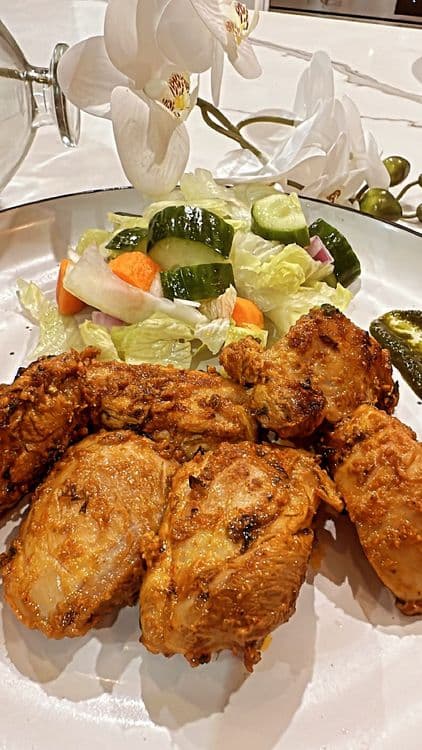
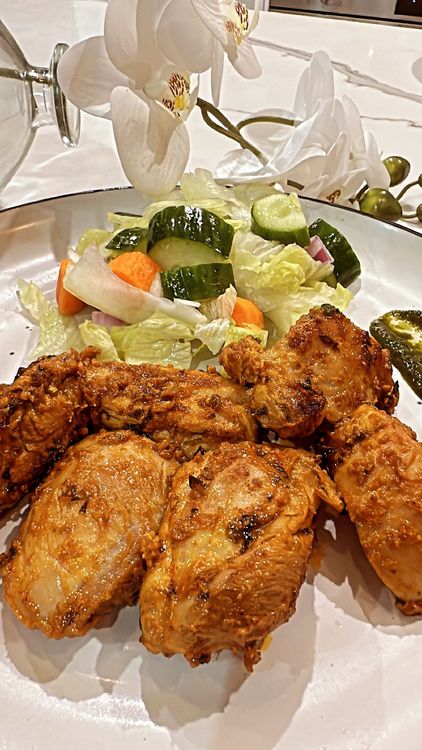
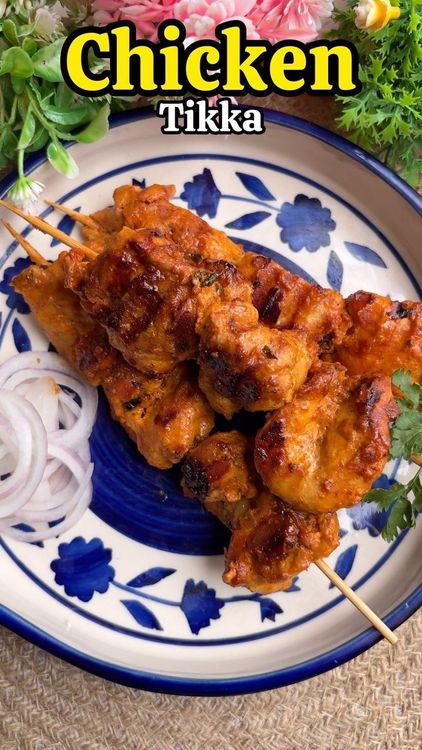
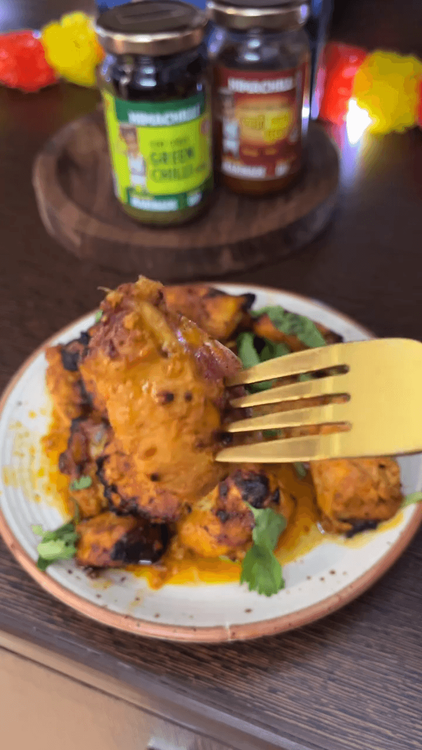
If one dish can turn an ordinary Tuesday into an occasion, it's chicken tikka. This collection of chicken tikka recipes pulls together 17 versions I keep circling back to — smoky charcoal-grilled skewers, creamy restaurant-style curries, and clever leftovers reinvented as tacos, pizza and biryani. They all begin with the same simple idea: bite-sized pieces of chicken bathed in spiced yogurt, then cooked hot and fast until the edges char and the centre stays juicy.
What I love about tikka is how forgiving it is. You can lean on a grill, an oven, an air fryer or a stovetop tawa and still land something delicious. The pieces here range from a 30-minute hariyali plate to a slow-built biryani, and from lean, high-protein skewers to rich, creamy curries — proof that one marinade quietly underpins a whole family of meals. Below you'll find the marinade fundamentals, four method guides, and a blurb for every recipe so you can match the technique to whatever you've got in the kitchen and however much time is on the clock.
Classic Chicken Tikka Recipes & Marinades
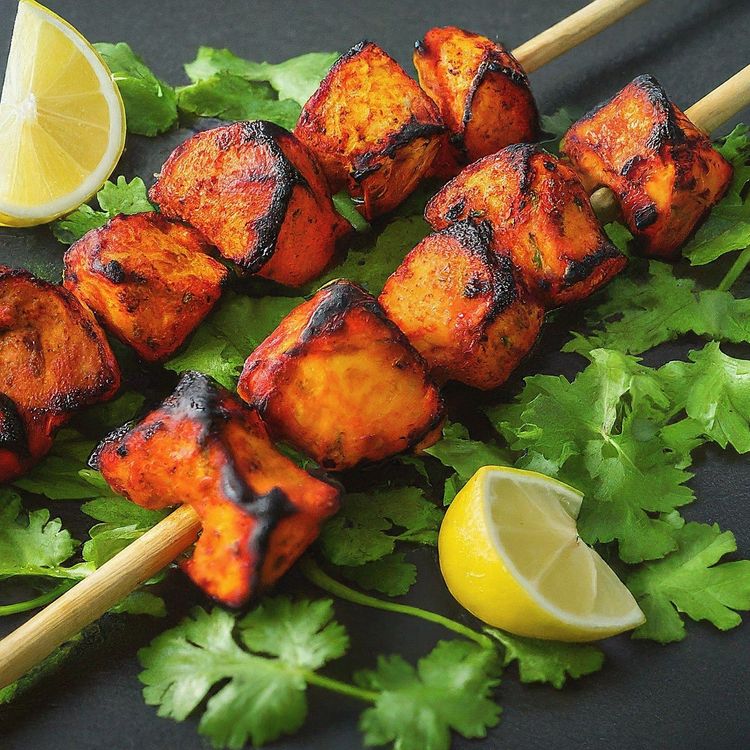
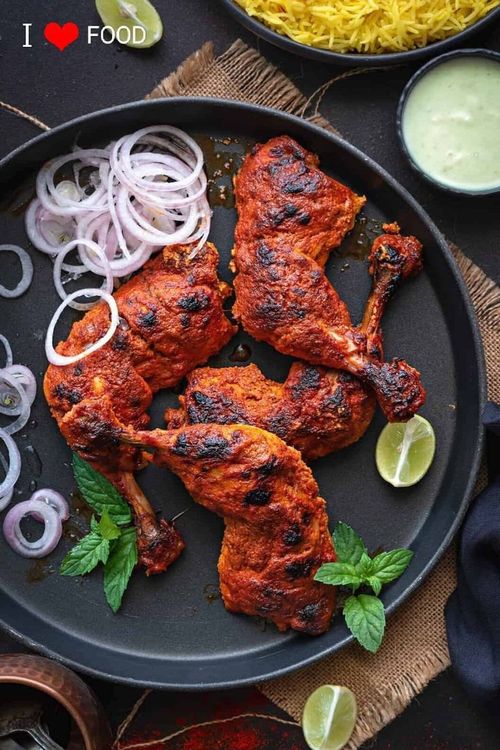
This is the heart of the collection — the straight-up grilled and baked versions that let a good marinade do the talking. Across these five, you'll see the same backbone: thick yogurt to tenderise, ginger-garlic paste for depth, and a hit of Kashmiri chilli for colour without punishing heat. Some keep the ingredient list to nine or ten items; others build in a smoky finish or a double marinade for extra tang. If you're new to the dish, start here. Nail the ratio of yogurt to spice and the right cooking temperature, and everything else becomes easier. These are the recipes I hand to friends first.

- Indian
- Non-Vegetarian
- Dinner

- Indian
- Non-Vegetarian
- Lunch

- Indian
- Non-Vegetarian
- Appetiser

- Indian
- Non-Vegetarian
- Lunch
- Pakistani
- Non-Vegetarian
- Lunch
Chicken Tikka Masala, Kadhai & Curry Nights
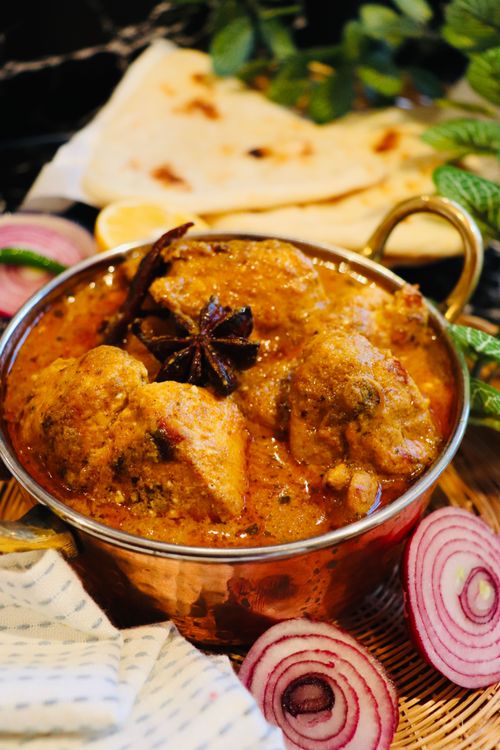
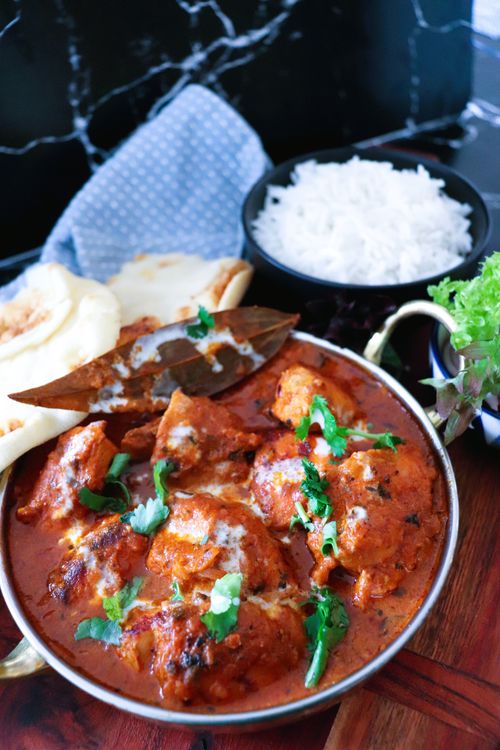
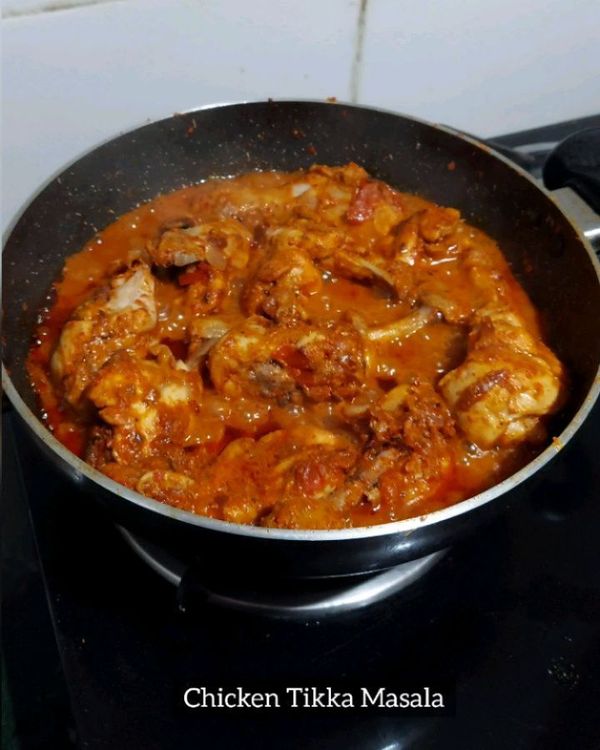
Take those charred cubes, slide them into a sauce, and you've got the dish that arguably made Indian food famous worldwide. This trio spans the spectrum: a rich, creamy restaurant-style masala, a lighter tomato-forward version that skips the heavy cream, and a fiery kadhai preparation loaded with crushed coriander seed and bell pepper. The secret across all three is grilling the chicken before it ever touches the gravy — that bit of char carries through the sauce and stops the meat turning bland. Expect longer cook times here; these reward a slow simmer and a generous hand with the garam masala. Serve with naan or basmati and don't rush the onions.
- Indian
- Non-Vegetarian
- Lunch
- Indian
- Non-Vegetarian
- Lunch
- Indian
- Gluten-Free
- Dinner
Tandoori & Grilled Tikka Without a Tandoor
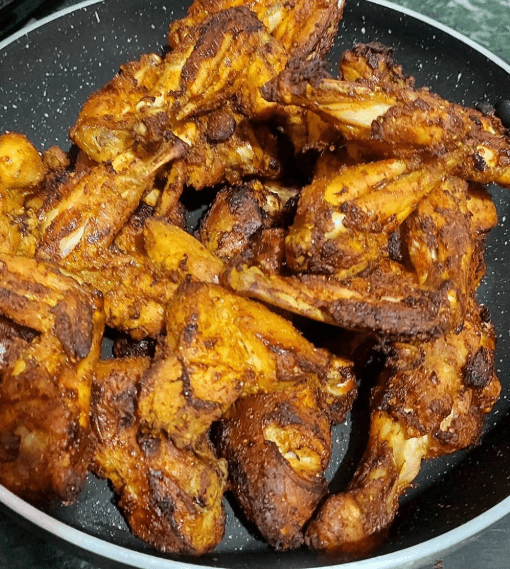
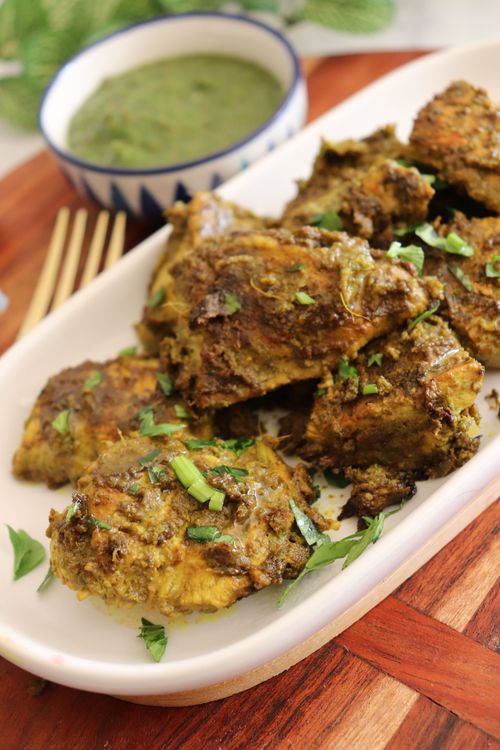
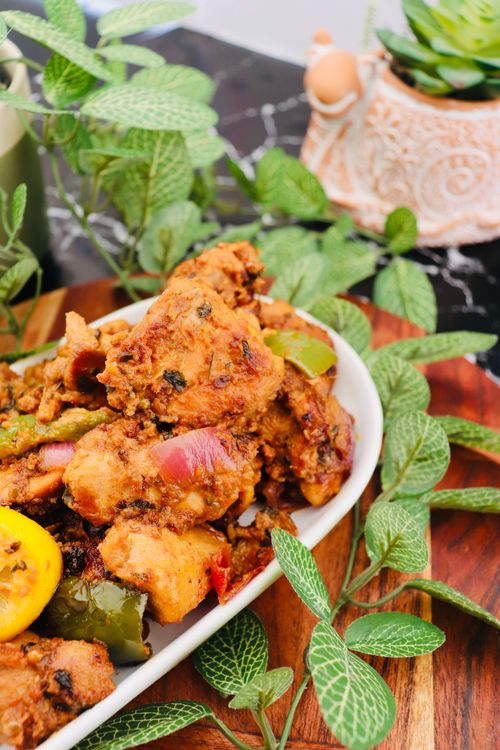
You don't need a clay oven to get that blistered, smoke-kissed finish. These grilled and griddled versions lean on high, dry heat — an air fryer, a screaming-hot tawa, or an outdoor grill — to mimic the tandoor at home. The green, herb-packed hariyali marinade brings freshness; the tawa method delivers a stovetop sear when the weather won't cooperate; and the air-fryer route gives you crisp edges with barely any oil. The common thread is patience with the marinade and confidence with the heat. Get the pan properly hot before the chicken goes down, resist the urge to fiddle, and let a real crust form before you turn each piece.
- Indian
- Non-Vegetarian
- Lunch
- Indian
- Gluten-Free
- Appetiser
- Indian
- Non-Vegetarian
- Lunch
Tikka Wraps, Rolls, Rice Bowls & Starters
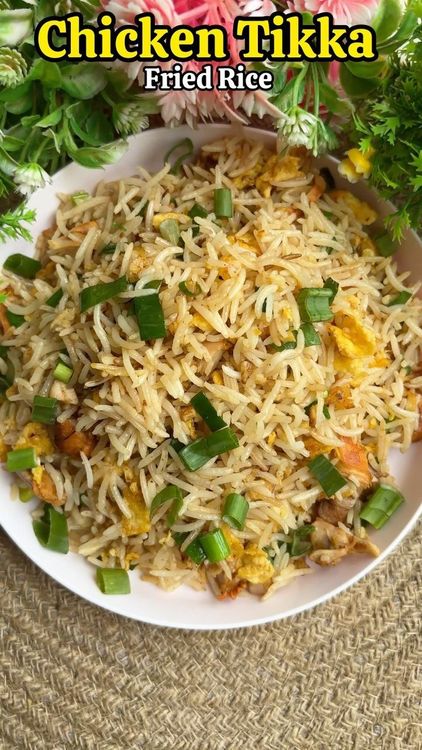
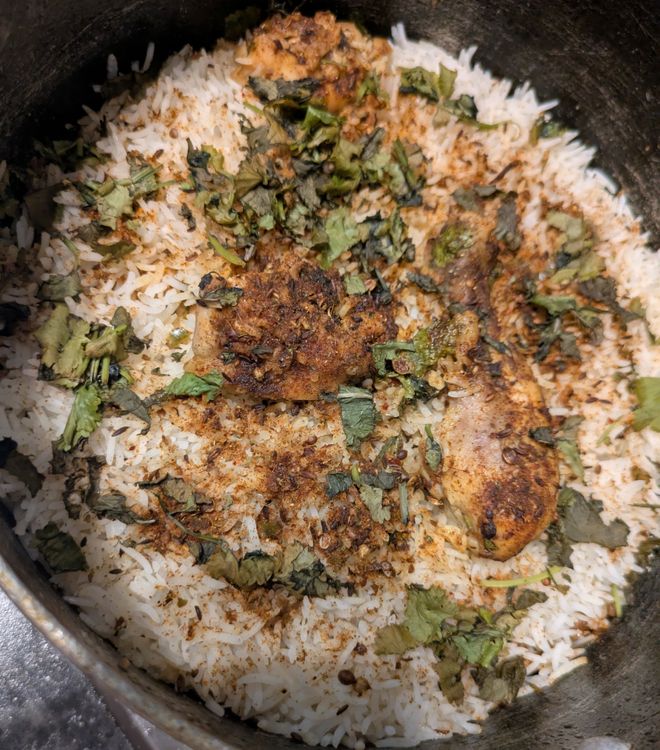
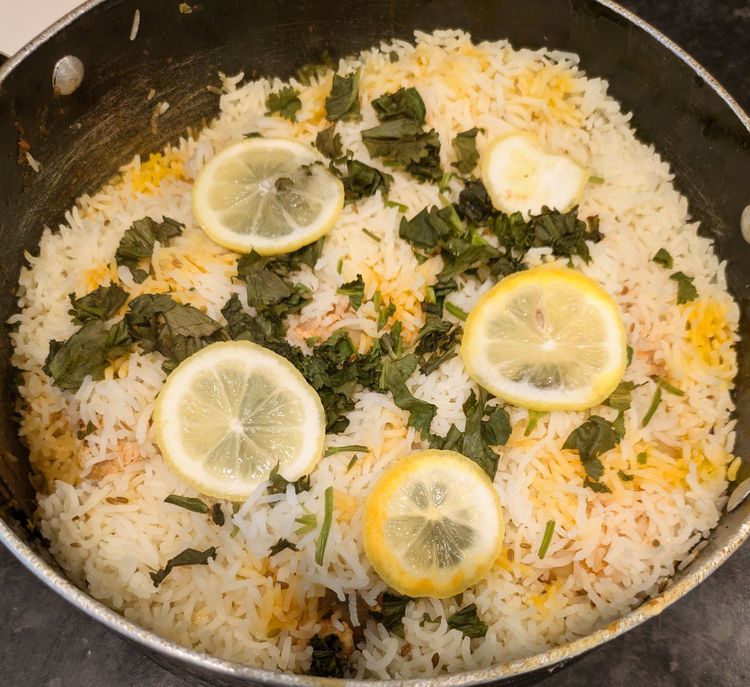
This is where leftovers become the best part of the week. Once you've got spiced chicken on hand, it slots into almost anything — soft tacos with crunchy slaw, a quick fusion pizza, Indo-Chinese fried rice, or a full layered biryani cooked on dum. These six recipes stretch a single marinade across cuisines, from a 27-minute family pizza to a rustic Balochi biryani that fills a weekend. They're the crowd-pleasers I reach for at potlucks and casual dinners, when I want the flavour of the classic dish in a format people can grab and go. Pack the tacos for lunch, plate the biryani for guests — same building block, wildly different meals.

- Fusion
- Non-Vegetarian
- Snack
- Indian
- Non-Vegetarian
- Lunch


- Nut-Free
- Dinner


- Non-Vegetarian
- Main Course
- Pakistani
- Non-Vegetarian
- Dinner
- Indian
- Non-Vegetarian
- Dinner
How to Build the Perfect Tikka Marinade
A great marinade does three jobs at once: it tenderises, it seasons deep into the meat, and it sets up the char you're chasing. I build mine in two stages. The first is a quick coat of lemon juice, salt, and ginger-garlic paste — 15 minutes here starts breaking down the surface and gives the spices something to cling to. The second stage is the flavour layer: thick, hung yogurt (Greek works well) whisked with Kashmiri chilli for colour, garam masala, cumin, turmeric, and a spoon of mustard oil or gram flour to help everything adhere.
Yogurt is non-negotiable. Its lactic acid gently tenderises without turning the meat mushy the way raw citrus can if it's left too long. Hang it in a cloth for 20 minutes first so the excess whey drains away — a watery marinade steams the chicken instead of searing it. For heat, I split the chilli between Kashmiri (mild and red) and a pinch of something hotter, so you get colour and warmth in balance rather than one at the expense of the other.
Time matters more than any single ingredient. Two hours is a decent minimum; overnight is better and lets the salt work all the way through. Bring the bowl out of the fridge 20 minutes before cooking so the chicken isn't fridge-cold when it hits the pan, and always leave a thick coat clinging on — that clinging paste is exactly what blackens into the prized crusty edges everyone reaches for first.
Once you've got the base down, it's endlessly adaptable. Swap in a green hariyali paste of mint, coriander and spinach for a fresher profile, or fold in a spoon of malai and cream cheese for a milder, silkier malai-style version. Whatever you add, don't over-salt early — the yogurt already carries salt deep into the meat, so taste as you build and season the marinade a touch lighter than feels right.
Grill vs Oven vs Air Fryer: Which Method Wins
Each method gets you to tender, spiced chicken, but the texture and effort differ. Live-fire grilling is the gold standard — direct flame gives real smoke and the fastest, deepest char. If you've got a charcoal grill or even a gas one, thread the marinated pieces onto skewers, leave small gaps for air, and cook them hot and close to the coals, turning every couple of minutes. You're after blackened edges and an internal temperature of 74°C / 165°F.
The oven is the most consistent choice for a crowd. Set it to its highest setting, around 220–240°C, use the top rack under the grill or broil element, and sit the pieces on a wire rack over a tray so heat circulates and drips fall away. Halfway through, baste with a little melted butter or oil to keep the surface from drying out. You'll get less smoke this way, but the cooking is very even and forgiving.
The air fryer is my weeknight shortcut. At about 200°C it crisps the edges beautifully with almost no oil, and there's no greasy tray to scrub afterwards. The catch is capacity — crowd the basket and everything steams, so cook in batches and shake it halfway through. Whichever route you choose, don't skip the rest: give the chicken five minutes off the heat so the juices settle before you serve or sauce it.
One more variable worth knowing: piece size and skewer spacing change your timings more than the appliance does. Cut cubes too small and they dry out before they colour; too big and the outside chars while the middle stays pink. Aim for even 4–5 cm pieces, thread them with a little air between each one, and check with a thermometer rather than the clock, since every grill, oven and air fryer runs a little differently.
Tikka vs Tikka Masala vs Tandoori: The Difference
These names get used interchangeably on menus, but they describe genuinely different things. Tikka simply means 'bits' or 'chunks' — boneless pieces of chicken marinated in spiced yogurt and cooked dry over high heat. There's no sauce; it's served as a starter or snack with mint chutney, sliced onion, and a wedge of lemon. That dry, grilled base is the thing every other recipe in this collection is built on top of.
Tandoori refers to the cooking vessel — a clay tandoor — and traditionally means larger, bone-in cuts rubbed with a red marinade and roasted until smoky. In practice, 'tandoori chicken' and plain tikka overlap heavily; the main differences come down to the cut of meat and, sometimes, the depth of the marinade. At home, an oven or air fryer stands in for the tandoor perfectly well, so the line between the two blurs even further.
Tikka masala is the saucy sibling. Here the grilled chunks are simmered into a creamy, tomato-based gravy spiced with garam masala and often finished with cream or butter — the invention widely credited to the British-Indian restaurant scene. So the progression is simple: marinate and grill to make tikka, use bone-in cuts and a tandoor-style roast for tandoori, then bathe those grilled pieces in sauce for masala. Understanding the family tree makes it easy to pivot mid-cook depending on what you're craving.
There are regional cousins worth trying too. Kadhai tikka finishes the grilled pieces in a dry, tomato-and-pepper wok masala rather than a creamy gravy, so it stays punchy and clingy instead of saucy. Hariyali swaps the red marinade for a green herb one, and malai leans mild and creamy. None of them change the core method — grill first, flavour second — which is precisely why learning one good tikka opens the door to a dozen dishes.
Serving, Sides & Storing Your Tikka
Dry tikka wants bright, cooling partners. My default plate is thinly sliced red onion tossed with lemon and a little chaat masala, a bowl of mint-coriander chutney, and warm naan or roti. For something more substantial, jeera rice, a kachumber salad, or a simple cucumber raita rounds it into a full meal. If you've made a masala instead, steamed basmati and buttered naan are the classics — you want something soft to mop up every bit of the sauce.
Tikka is a meal-prep dream. Cooked pieces keep in an airtight container in the fridge for three to four days, and the flavour actually deepens overnight, which is exactly why the wraps, fried rice and pizza in this collection work so well. Reheat gently — a quick blast in a hot pan or the air fryer revives the edges far better than a microwave, which tends to make the meat go rubbery and tight.
For longer storage, freeze either raw marinated chicken or fully cooked pieces for up to three months. Freezing raw in the marinade is my favourite trick: it thaws straight into a ready-to-cook state and the extra time in the spice mix only helps the flavour. Thaw overnight in the fridge, never on the counter. If you're batch-cooking a masala, freeze the sauce and chicken together and add a splash of water or cream when reheating to loosen it back up.
When you're building leftovers into wraps and rolls, warm the chicken separately and assemble at the last minute so the bread or tortilla doesn't go soggy. A quick char of the wrap on a dry pan, a smear of chutney, some pickled onion and a handful of crisp salad turns yesterday's dinner into something that tastes freshly made. That make-and-reuse rhythm is what makes this such a practical dish to keep in regular rotation.
Pro Tips for Better Tikka Every Time
- Use boneless thighs over breast if you can — they stay juicy under high heat and forgive a minute or two of overcooking, which is exactly what you want when you're chasing a proper char.
- Hang your yogurt in a muslin cloth for 20 minutes before mixing the marinade; draining the whey gives you a thick paste that clings and blackens instead of a watery slick that just steams the meat.
- Soak wooden skewers in water for 30 minutes so they don't scorch, and leave small gaps between pieces so hot air can reach every side and crisp the edges evenly rather than sporadically.
- Don't crowd the pan, tray or air-fryer basket — packed-in chicken releases steam and you'll get pale, boiled-looking cubes instead of the blistered crust that defines a really good tikka.
- Add a teaspoon of gram flour (besan) or a little mustard oil to the marinade; both help the spice paste grip the surface and deliver a noticeably deeper, more even sear.
- For homemade smokiness without a tandoor, try the dhungar method: rest a lit piece of charcoal in a small bowl set among the cooked chicken, drizzle it with ghee, and cover for two minutes to trap the smoke.
- Always rest cooked pieces for five minutes before serving or saucing so the juices redistribute — cut in too early and all that moisture you worked so hard for just runs out onto the board.
Frequently Asked Questions
What cut of chicken is best for chicken tikka recipes?
Boneless, skinless thighs are my top pick because their slightly higher fat keeps them tender and juicy under the fierce heat that tikka demands. Breast works too and is leaner, but it dries out fast, so watch it closely and pull it at 74°C. Whichever you use, cut even 4–5 cm cubes so everything cooks at the same rate and finishes together.
How long should I marinate the chicken?
Aim for at least two hours, but overnight is genuinely better. The yogurt and salt need time to penetrate and tenderise, and a longer soak means deeper flavour right through each cube rather than just on the surface. Don't push much beyond about 24 hours, though — the acid can eventually break the meat down too far and leave it soft and mushy once cooked.
Can I make tikka without a grill or tandoor?
Absolutely. A hot oven with the broiler on, an air fryer at 200°C, or a heavy cast-iron tawa on the stovetop all deliver excellent results. You lose a little of the open-flame smoke, but you can add it back with the dhungar charcoal trick or a pinch of smoked paprika. The key with any method is genuinely high, dry heat and not overcrowding the surface.
What's the difference between chicken tikka and tikka masala?
Chicken tikka is the dry, grilled starter — marinated chunks cooked over high heat and served with chutney and onion, with no sauce at all. Tikka masala takes those same grilled pieces and simmers them in a creamy, spiced tomato gravy. So one is the building block and the other is the saucy main course made from it. Same chicken, very different plate.
Why is my tikka turning out dry or tough?
Usually it's one of three things: lean breast meat cooked too long, a marinade that was too watery to protect the surface, or a pan that wasn't hot enough, so the chicken stewed instead of searing. Switch to thighs, hang your yogurt to thicken the paste, get the heat properly high, and pull the chicken at 74°C rather than guessing your way there.
How do I get that smoky restaurant flavour at home?
The dhungar method is the classic answer. Once your chicken is cooked, nestle a small heatproof bowl among the pieces, drop in a piece of glowing charcoal, drizzle a teaspoon of ghee over it, and immediately cover the container. Two minutes of trapped smoke gives a remarkably authentic tandoor aroma. A little Kashmiri chilli and smoked paprika in the marinade help along the way too, and finishing under a hot broiler for the final minute pushes the char even further.
Can I prepare and freeze tikka ahead of time?
Yes, and it's one of the best make-ahead proteins going. Freeze the raw chicken right in its marinade for up to three months — it thaws into a ready-to-cook state and the extra spice contact only improves it. Cooked pieces also freeze well for around three months. Thaw either one overnight in the fridge and reheat cooked tikka in a hot pan, not the microwave.
What should I serve with tikka?
For dry tikka, keep it fresh and cooling: mint-coriander chutney, lemon-dressed onions, and warm naan or roti, with a raita or kachumber salad alongside. If you've turned it into a masala, steamed basmati and buttered naan are the natural match. And don't forget the leftovers — folded into wraps, fried rice, or a quick pizza the next day. A cold beer or a sweet lassi rounds the meal out nicely, depending on the heat in your marinade.
Whichever route you take tonight, these chicken tikka recipes prove how far one humble marinade can travel — from smoky grilled skewers to creamy masala, crisp air-fryer bites, and reinvented wraps and biryani. Master the yogurt-and-spice base, respect the high heat, and you'll have a dish that earns a permanent place in your weekly rotation. Fire up the grill and dig in.
Related
- chicken tikka masala
- tandoori chicken
- chicken marinade
- indian grilled chicken
- tikka kebab
- make ahead chicken
Popular Searches
- Best chicken tikka recipes
- Easy chicken tikka recipes
- Quick chicken tikka recipes
- Healthy chicken tikka recipes
- Simple chicken tikka recipes
- Homemade chicken tikka recipes
- Delicious chicken tikka recipes
- Popular chicken tikka recipes
- chicken tikka
- chicken tikka masala
- tandoori chicken tikka
- chicken tikka marinade
Marnirni-apinthi Building, Lot Fourteen,
North Terrace, Adelaide, South Australia, 5000
Australia
