
14 Best Manchurian Recipes for Restaurant-Style Indo-Chinese at Home
Updated July 7, 2026 · Curated by Chefadora
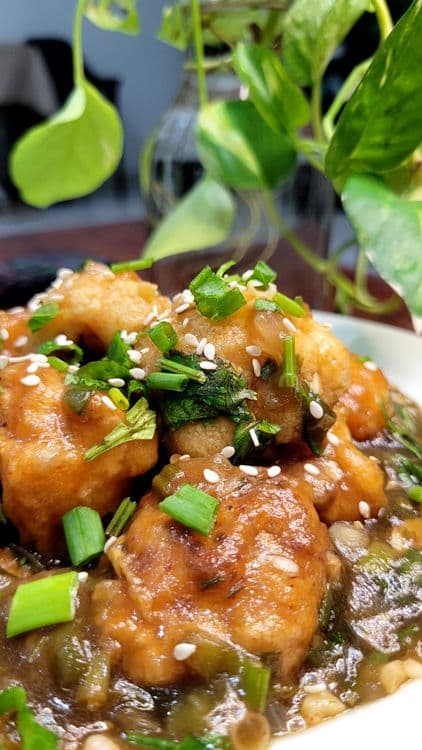
If there is one dish that turned my weeknight cooking into a small event, it is manchurian. These manchurian recipes gather fourteen versions our community actually cooks, from crackly gobi bites to a glossy brown gravy you can ladle over rice. I grew up eating this Indo-Chinese favorite at roadside stalls, where a wok roared and the sauce hit the pan with a hiss you could hear across the street. Recreating that at home is far easier than it looks, and it rewards you fast.
What ties the collection together is balance: crisp fried vegetable balls, a punchy soy-garlic-ginger sauce, and enough chili to wake you up. You will move from a classic veg manchurian to a richer paneer manchurian, then on to soya chunks and a fried-rice spin for bigger plates. Some cooks want a quick stir-fry after work; others want a party platter with a dipping sauce on the side. I have noted timings, textures, and the small fixes that separate soggy from shatteringly crisp, so you can pick a recipe and start tonight, no takeaway menu required.
Crispy Gobi and Cauliflower Bites
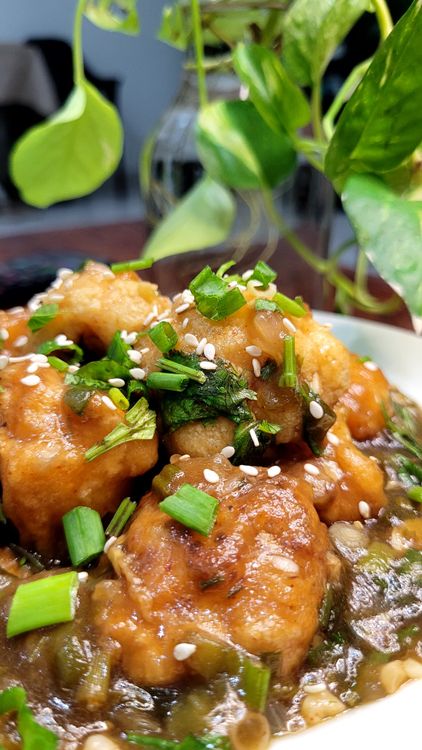
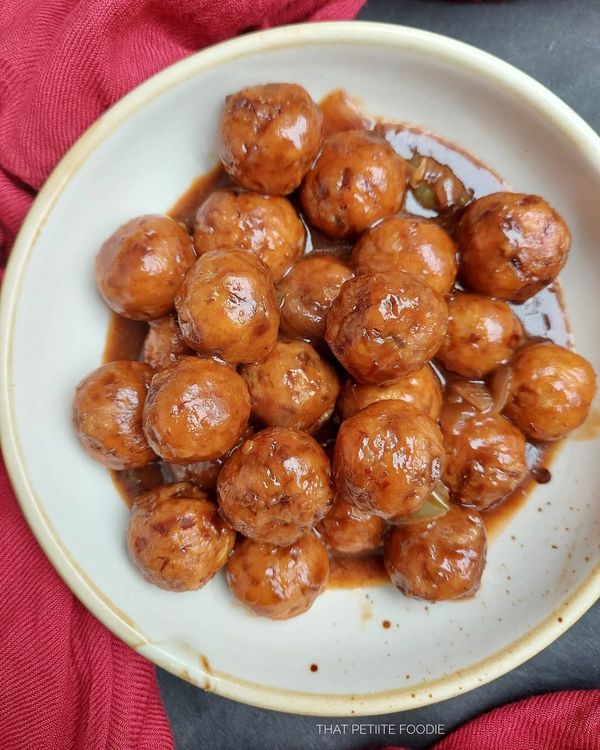
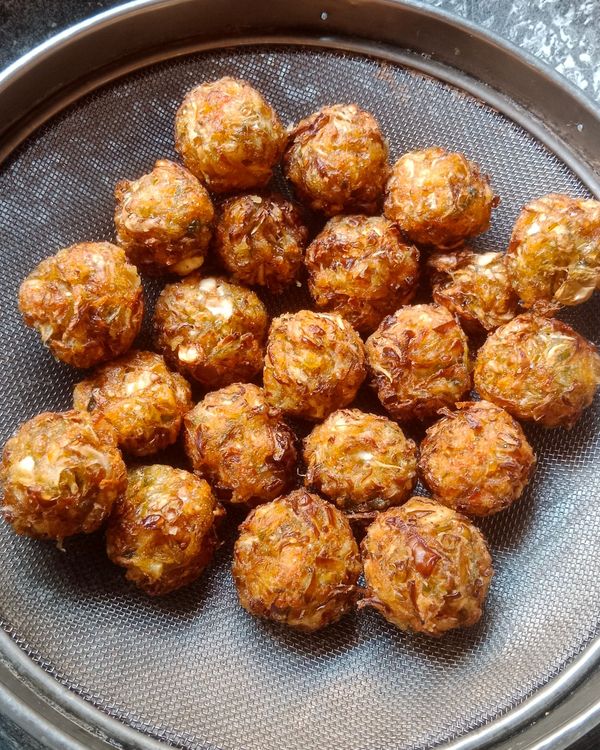
Nothing pulls a crowd like a plate of crispy fried bites, and this is where a good gobi manchurian truly shines. Cauliflower florets, blanched just until tender, get a cornflour-and-maida coating that fries up shatter-crisp, then tumble into a sharp soy-chili toss. The trick is frying twice: once to cook the floret through, once to crisp the shell right before saucing. Vegetable balls work the same way, bound with grated cabbage, carrot, and a little flour so they hold their shape in hot oil. Keep the oil at a steady medium-high, around 350 degrees, and do not crowd the pan. Serve these the moment they are coated, with a squeeze of lime, while the crunch still sings.
- Indian-Chinese
- Vegetarian
- Appetiser
- Indian
- Vegan
- Appetiser

- Indo-Chinese
- Vegan
- Appetiser
Restaurant-Style Veg Manchurian Recipes to Master at Home
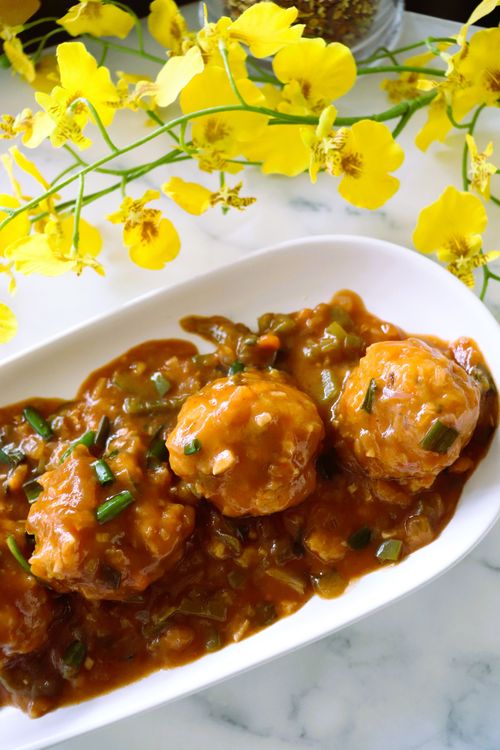
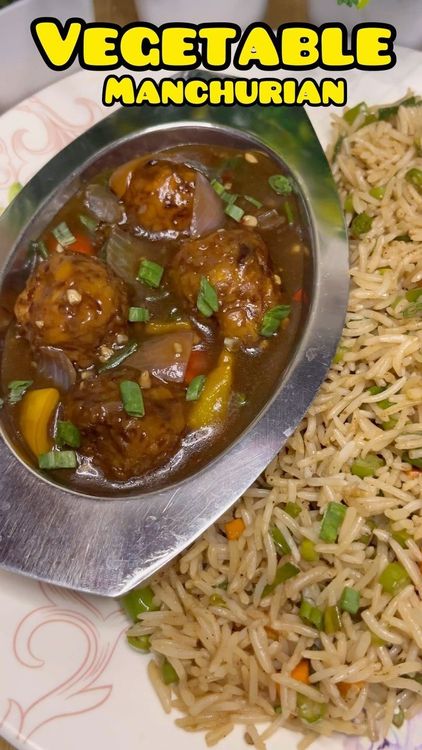
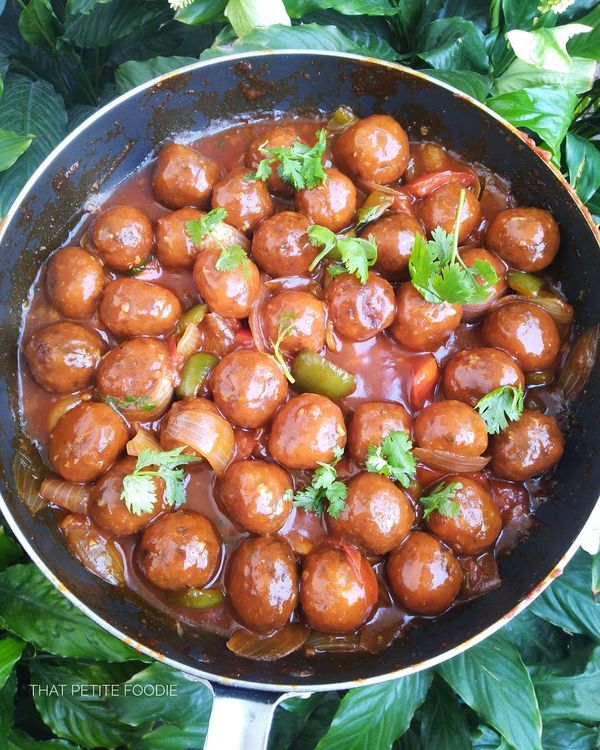
Weeknights call for a version you can throw together without a cart of ingredients, and these four deliver that restaurant taste at home. There is a five-minute cheat that leans on ready sauces for nights you are truly spent, an easy beginner build with forgiving ratios, and a fuller restaurant-style toss that layers spring onion, garlic, and green chili for depth. What they share is a savory, faintly tangy sauce that clings to each ball without turning gummy. I like starting new cooks here because the steps are short, the payoff is loud, and once you nail the base you can push it drier or saucier at will. Nail one and the rest fall into place quickly.

- Indo-Chinese
- Vegan
- Appetiser

- Indo-Chinese
- Vegan
- Lunch
- Indian
- Vegan
- Appetiser
- Indo-Chinese
- Vegan
- Dinner
Gravy or Dry: Two Ways to Sauce It
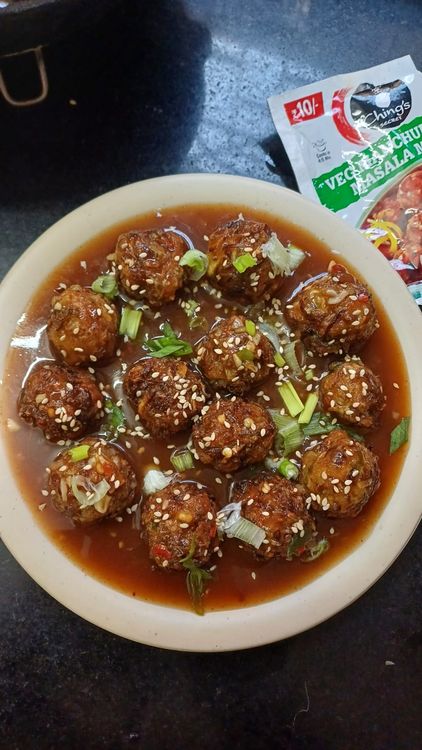
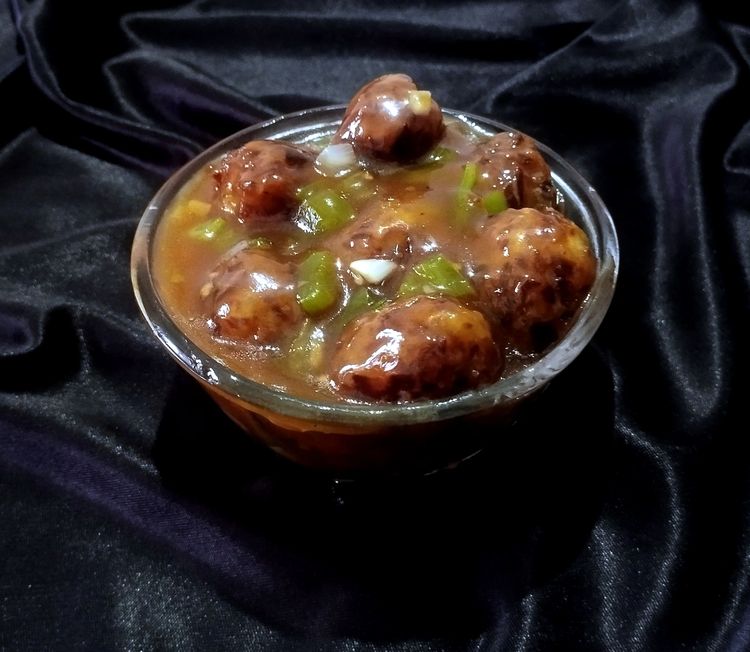
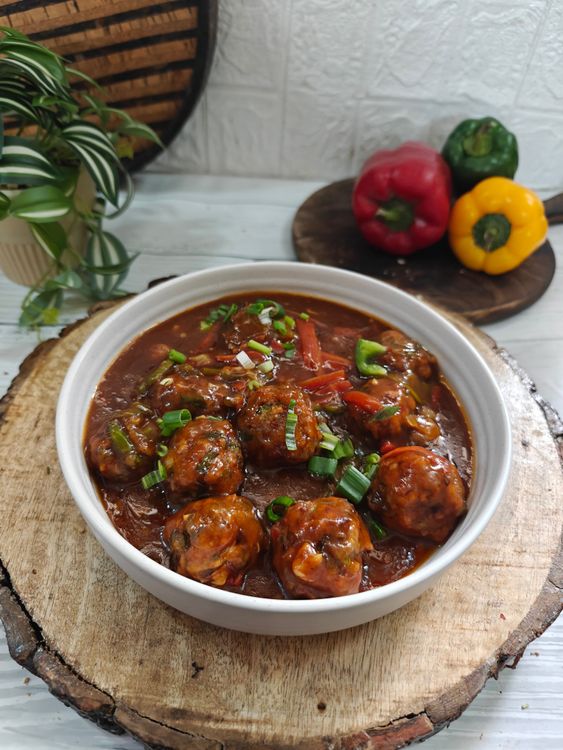
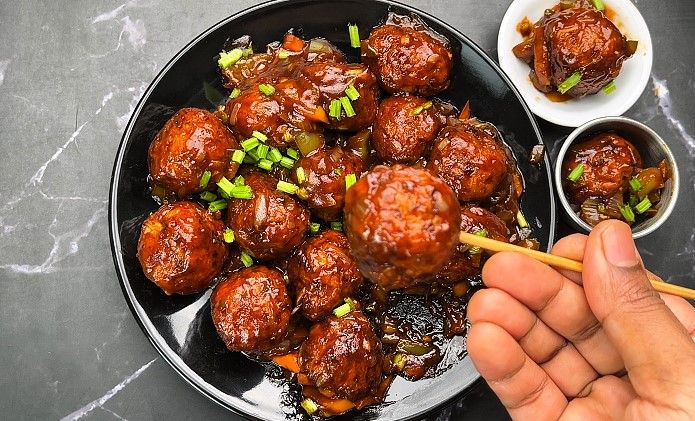
The great debate at every table is gravy versus dry, and this group lets you settle it both ways. A manchurian gravy build thickens stock with a cornflour slurry into a pourable, spoon-coating sauce meant for rice or noodles, glossy and deeply savory. The dry manchurian style keeps the sauce tight and clingy, more of a glaze that leaves the balls standing proud as a starter you eat with your fingers. You will find a quick desi gravy, a classic veg gravy, a rich brown gravy, and one clever recipe that walks you through both finishes from a single base. Master the slurry ratio and you quietly control the exact line between the two.
- Indian-Chinese
- Vegan
- Lunch
- Indo-Chinese
- Vegetarian
- Lunch

- Indo-Chinese
- Vegan
- Lunch

- Indo-Chinese
- Vegetarian
- Appetiser
Fried Rice, Soya and Combo Plates
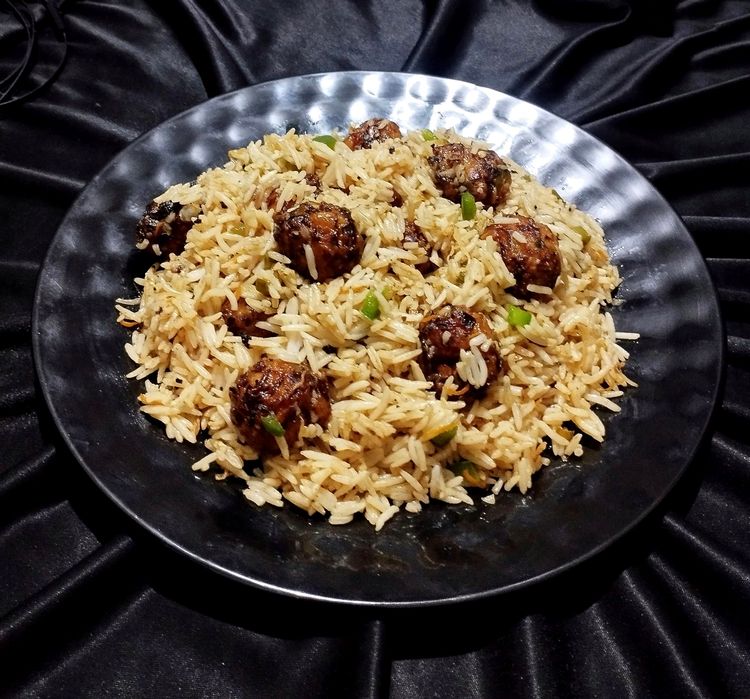
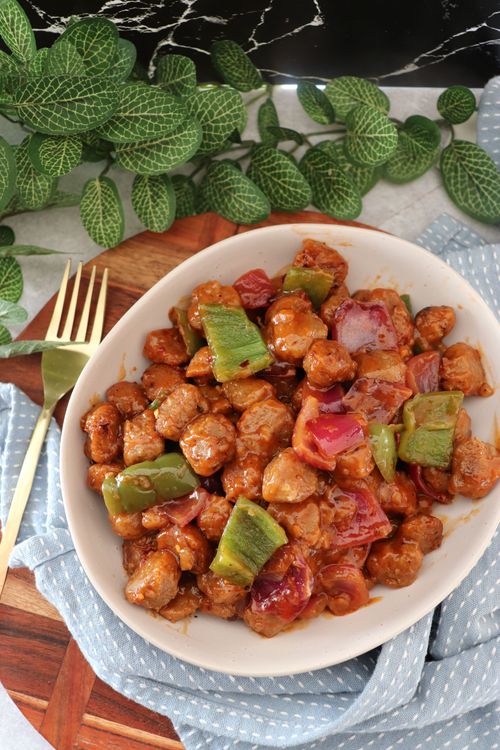
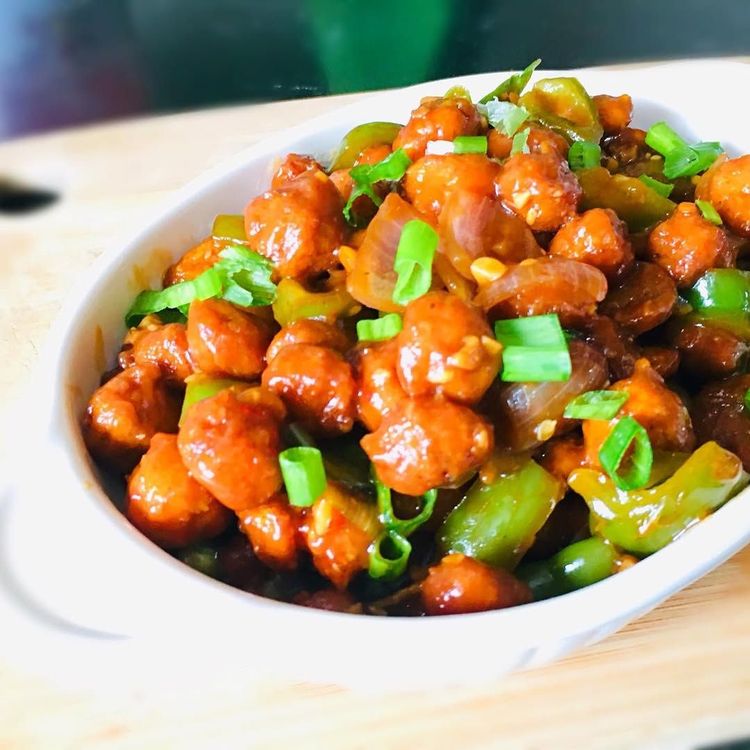
When you want a full meal in one bowl, this is the section to raid. Fried rice folds saucy balls straight into wok-tossed grains so every mouthful carries flavor, ideal for using up leftovers with real purpose. The soya options swap vegetable balls for protein-rich chunks and mince, giving you a chewy, meaty bite that soaks up sauce beautifully and keeps vegetarians full for hours. These plates travel well to potlucks and reheat without falling apart, which is why I batch them on Sundays and stash portions for busy nights. Pair any of them with a simple cucumber salad to cut the richness and you have dinner sorted.
- Indo-Chinese
- Vegetarian
- Lunch
- Indo-Chinese
- Vegan
- Lunch
- Indian-Chinese
- Vegan
- Appetiser
Crispy Manchurian Balls That Stay Crisp
Crispness is the whole point, and it fails for predictable reasons: wet vegetables, a weak coating, oil that is too cool, or saucing too early. Start by squeezing your grated cabbage and carrot hard in a clean towel; the water you wring out is the sogginess you avoid later. Bind with a mix of cornflour and all-purpose flour rather than flour alone, since cornflour is what delivers that glassy shatter. A pinch of rice flour, if you have it, pushes the crunch even further and helps the shell hold up under a wet sauce.
Oil temperature does the heavy lifting. Aim for a steady 340 to 350 degrees; too hot and the outside browns before the center cooks, too cool and the balls drink oil and turn greasy. Fry in small batches so the temperature does not crash when the cold balls hit the pan. For gobi and larger balls, fry twice: once at medium heat to cook them through, then a second, hotter dip right before serving to set a rigid, blistered shell that can take the sauce without collapsing.
Finally, respect the timing between frying and saucing. A finished ball can sit five minutes on a rack, but once it meets the sauce the clock starts ticking fast. Toss over high heat for under a minute, just to coat, then plate immediately while the edges are still crackling. If you need a make-ahead plan, fry early, refrigerate, and re-crisp in a hot oven or air fryer before the final toss. Never sauce cold, limp balls and expect crunch; that single mistake quietly undoes all your careful frying.
The Indo-Chinese Sauce Base
Almost every dish in this collection runs on one adaptable sauce, and learning it once frees you from following recipes forever. The aromatic trio is finely chopped garlic, ginger, and green chili, hit fast in very hot oil so they sizzle without burning. Add chopped onion and the whites of spring onion next, keeping the heat high and the wok moving; you want a fast stir-fry char, not a slow sweat. This first minute is where the street-stall smokiness, the elusive wok hei, actually comes from.
The liquid backbone is soy sauce for salt and color, a splash of vinegar for tang, and a little chili or Schezwan sauce for heat. Many cooks add a spoon of tomato ketchup, which sounds odd but balances the salt with gentle sweetness and rounds the sharp edges. Season with white pepper and a small pinch of sugar. Taste right here and adjust before anything else goes in, because this is the exact flavor you will taste clinging to every single bite of the finished plate.
Cornflour slurry is the switch between styles. Whisk a tablespoon of cornflour into cold water or stock, then stream it into the simmering sauce while stirring constantly so it never turns lumpy. Less slurry and less liquid gives you a tight, clingy glaze for a dry finish; more stock and more slurry builds a pourable gravy. Simmer just until it turns glossy and coats the back of a spoon, then fold in your fried balls off the boil so they stay crisp for as long as they possibly can.
Dry vs Gravy Manchurian
The difference between dry and gravy is not a different recipe so much as a different ending, and knowing when to choose each makes you a more confident cook. Dry is your starter or party platter: the sauce reduces to a sticky glaze that clings to each ball, so they stay pickup-able and keep a little crunch. It is what you want with drinks, as finger food, or heaped on a plate with toothpicks and a scatter of spring onion greens to finish.
Gravy is the main-course move. Here you loosen the same sauce with extra stock and a touch more slurry until it turns pourable and glossy, made to blanket steamed rice, jeera rice, or hakka noodles. The balls go soft as they sit in the sauce, which is exactly the comfort you want on a cold night when a plate of noodles is calling. If you love that saucy pool to spoon over your rice, gravy is your answer; if you crave standing-up texture, stay dry and glaze light.
You do not have to commit early. Build the base, fry your balls, and split the batch: glaze half for a starter and stretch the other half into gravy for mains from the same pan. One recipe in this collection walks through both finishes deliberately, and it is the fastest way to learn the ratios by feel rather than by measuring. Keep extra hot stock nearby, because the sauce thickens as it cools and you will almost always want to loosen it again right before serving.
Serving Ideas and Pairings
Half the joy of this food is the spread around it. For a dry platter, keep things simple: a scatter of sliced spring onion greens, a few extra green chilies for the brave, and lime wedges to cut the richness. Toothpicks turn any bowl into party food, and a quick dip of ketchup whisked with chili sauce and a drop of vinegar gives guests something to swipe through between bites. It looks generous and takes about two minutes to throw together on the counter.
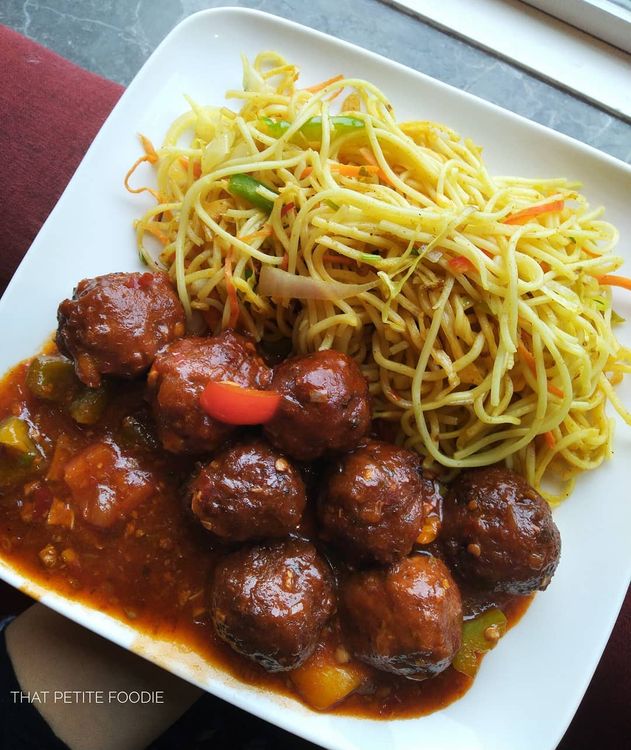
For gravy, think about the carb underneath. Plain steamed rice is the classic bed, but jeera rice, veg fried rice, or hakka noodles all carry the sauce beautifully. I often serve a saucy bowl alongside a dry starter so the table gets both textures, which feels lavish without doubling the work in the kitchen. A cooling cucumber-and-onion salad, lightly salted with a squeeze of lemon, resets the palate between spicy bites and keeps everyone reaching back for more.
Think about drinks and timing too. This food is loud and spicy, so it loves a cold lager, a sweet lassi, or plain iced water with lemon and mint. Fry and sauce at the last minute for the best texture, but if you are feeding a crowd, keep the fried balls warm in a low oven and toss them with hot sauce in batches as plates empty. Leftover gravy reheats gently with a splash of water; leftover dry balls crisp back up in an air fryer in minutes.
Pro Tips for the Best Manchurian
- Wring the grated cabbage and carrot in a towel before mixing; the drier the vegetables, the crisper and sturdier your balls will fry, and the less likely they are to fall apart in the hot oil.
- Keep frying oil between 340 and 350 degrees and work in small batches, so the temperature never crashes when cold balls hit the pan and nothing turns greasy or pale.
- Chop garlic, ginger, and green chili finely and add them to screaming-hot oil, tossing constantly so they perfume the wok in seconds without scorching and turning bitter on you.
- Add a small spoon of tomato ketchup to the sauce; it sounds unusual but it balances the soy's salt and rounds out the tang beautifully with a little gentle background sweetness.
- Control thickness with your cornflour slurry: use less for a clingy dry glaze, and more plus a splash of extra stock for a pourable, spoon-coating gravy you can pour straight over rice.
- Sauce the balls off the boil and over the highest heat for under a minute, then plate them at once, so they never sit and soften into the sauce before anyone gets a bite.
- For make-ahead nights, fry the balls early and re-crisp them in a hot oven or air fryer just before the final toss, so a fresh-tasting dinner comes together in only a few minutes.
Frequently Asked Questions
What exactly is manchurian, and why is it called Indo-Chinese?
It is an Indian-Chinese dish invented in Mumbai, not China, when Chinese-origin cooks adapted their cooking to local tastes. Vegetables or protein are shaped into balls, fried crisp, then tossed in a soy, garlic, ginger, and chili sauce. Indo-Chinese describes that fusion: Chinese technique and sauces reworked with the bold, spicy punch that Indian diners love at home and in busy restaurants alike.
Which of these manchurian recipes is best for a complete beginner?
Start with the easy 35-minute build or the five-minute shortcut version; both use short ingredient lists and forgiving ratios, so a small mistake will not ruin dinner. Once you are comfortable frying the balls and tasting the sauce as you go, move up to the restaurant-style toss or a full gravy. Confidence comes surprisingly fast once that simple soy, garlic, and chili base finally clicks for you.
How do I keep the balls from going soggy?
Soggy balls come from wet vegetables, cool oil, or saucing too early. Squeeze the grated veg bone dry, bind with cornflour as well as flour, and fry at a steady 340 to 350 degrees in small batches. Most importantly, toss them in hot sauce for under a minute right before serving, never minutes ahead, so the crisp coating has no time to absorb moisture and slump on the plate.
Can I bake or air-fry the balls instead of deep-frying?
Yes, though the texture shifts slightly. Brush or spray the balls with oil and air-fry around 380 degrees for twelve to fifteen minutes, shaking the basket once or twice, until golden and firm. A hot oven works too. They will be a touch less shatter-crisp than deep-fried, but far lighter, and once tossed in that punchy sauce most people honestly never notice the difference at the table.
What is the difference between the dry and gravy versions?
It comes down to how much you thicken and loosen the same sauce. Dry reduces to a sticky glaze that clings to each ball, making it a great starter or party snack you can happily eat with toothpicks. A manchurian gravy adds stock and cornflour slurry until it turns pourable and glossy, meant to be spooned generously over steamed rice or hakka noodles as a proper, filling main course.
How long does it keep, and can I make it ahead?
Fried balls keep three to four days refrigerated and re-crisp well in an oven or air fryer. The sauce also stores well, thickening as it cools, so loosen it with a splash of water when reheating on the stove. For the best texture, store the balls and sauce separately and combine only when serving; combined leftovers still taste great but naturally lose most of their prized crunch.
What can I use instead of vegetable balls?
Plenty of things. Cauliflower florets give you a classic gobi manchurian, paneer cubes turn it rich and filling, and soya chunks or mince add chewy, meat-like protein for very little money. Baby corn and mushrooms also shine, coated and fried the same way. Whatever you choose, keep the coating and sauce identical; only the frying time changes with the size and density of the piece you use.
What should I serve alongside it?
For a dry platter, offer lime wedges, sliced spring onion greens, and a ketchup-chili dip; it makes brilliant finger food with drinks before dinner. For gravy, ladle it over steamed rice, jeera rice, veg fried rice, or hakka noodles. A cooling cucumber salad or a sweet lassi balances the heat, and honestly a plate of both dry and saucy versions pleases the widest possible crowd.
Whichever way you like it, crackly and dry or glossy and saucy, these manchurian recipes give you a reliable base and fourteen ways to riff on it. Squeeze your veg dry, keep the oil hot, taste the sauce before it thickens, and serve fast while the crunch lasts. Pick one tonight, and let that street-stall sizzle fill your own kitchen.
Related
- gobi manchurian
- veg manchurian
- indo-chinese
- dry manchurian
- manchurian gravy
- vegetarian
Popular Searches
- Best manchurian recipes
- Easy manchurian recipes
- Quick manchurian recipes
- Healthy manchurian recipes
- Simple manchurian recipes
- Homemade manchurian recipes
- Delicious manchurian recipes
- Popular manchurian recipes
- gobi manchurian
- veg manchurian
- paneer manchurian
- manchurian gravy
Marnirni-apinthi Building, Lot Fourteen,
North Terrace, Adelaide, South Australia, 5000
Australia
