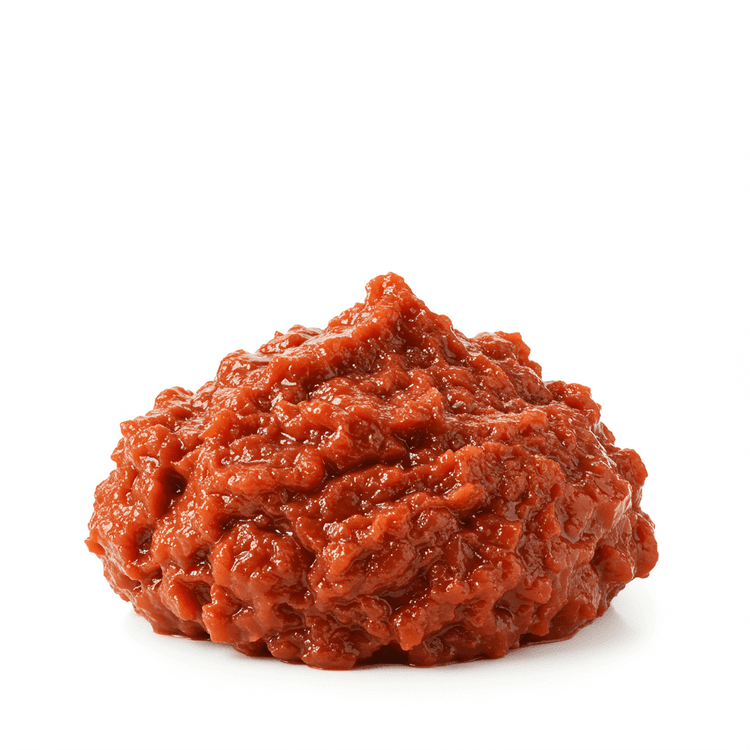
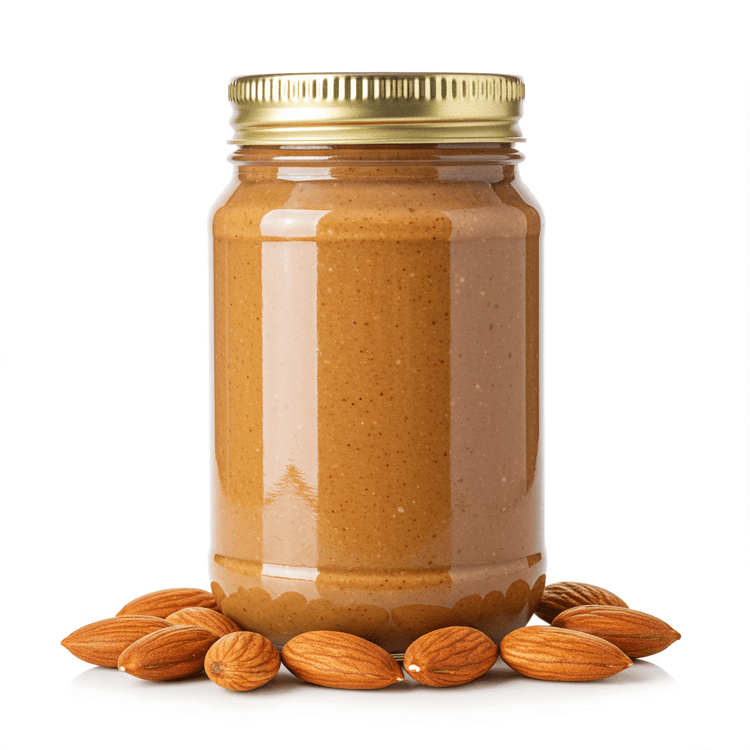
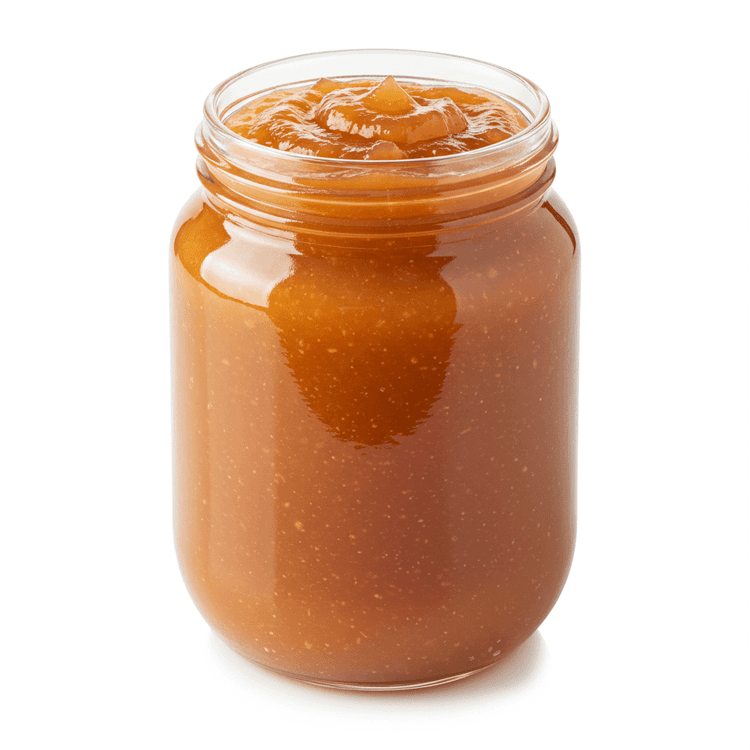
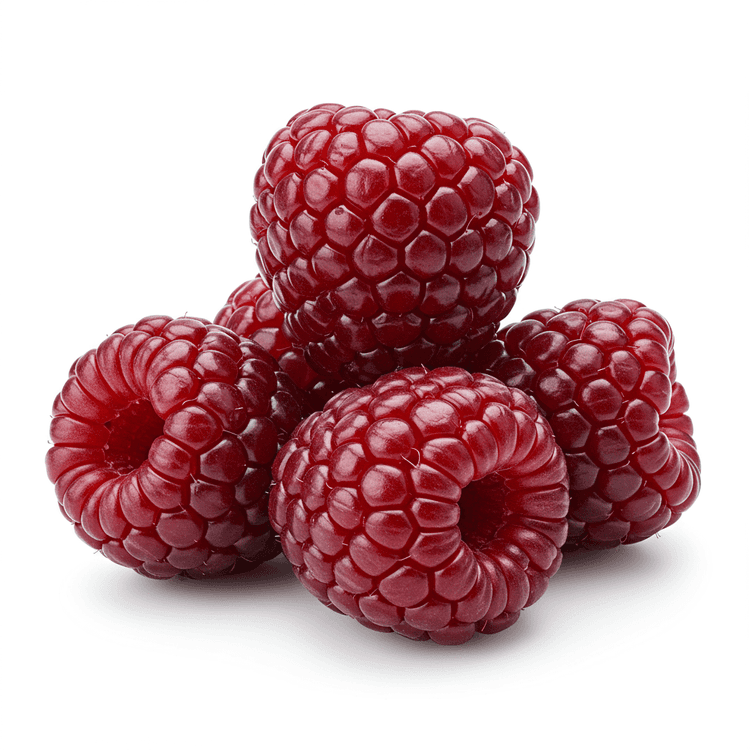
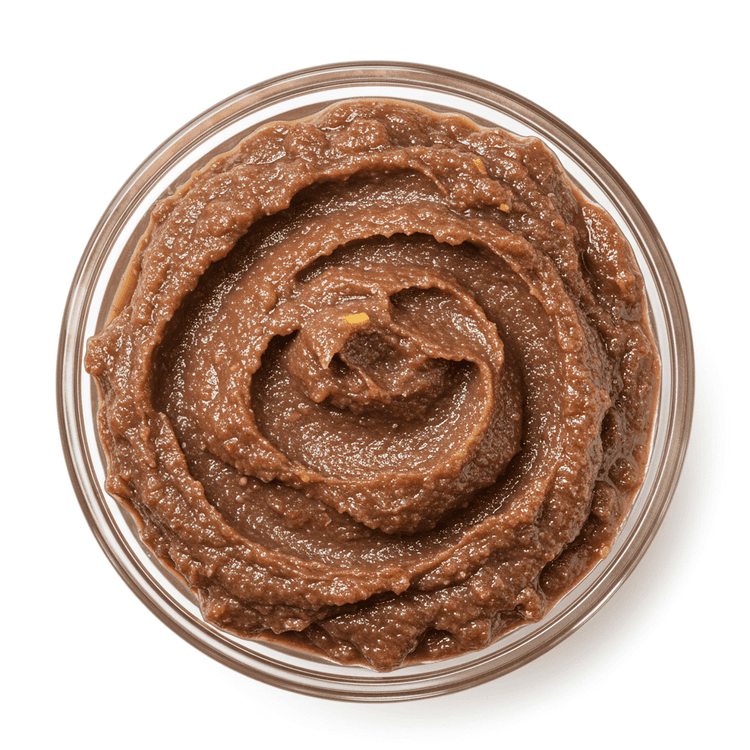
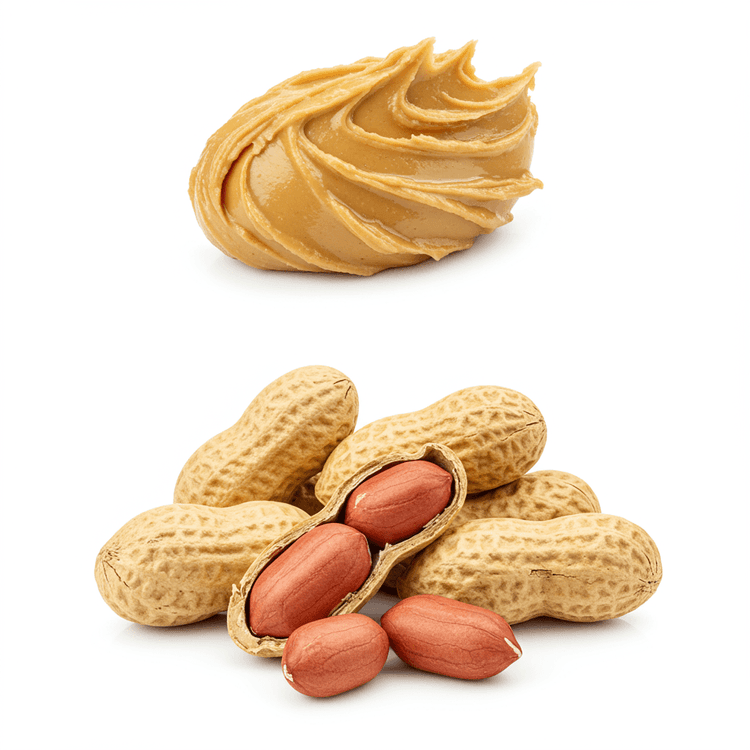
Spreads: From humble beginnings as a simple way to add flavor and texture to bread, spreads have evolved into a diverse and exciting category of foods. They offer a convenient and versatile way to enhance meals and snacks, and many provide significant nutritional benefits. Whether you're reaching for a creamy nut butter, a vibrant fruit preserve, or a savory vegetable-based spread, understanding the health and culinary applications of spreads can elevate your diet and cooking.
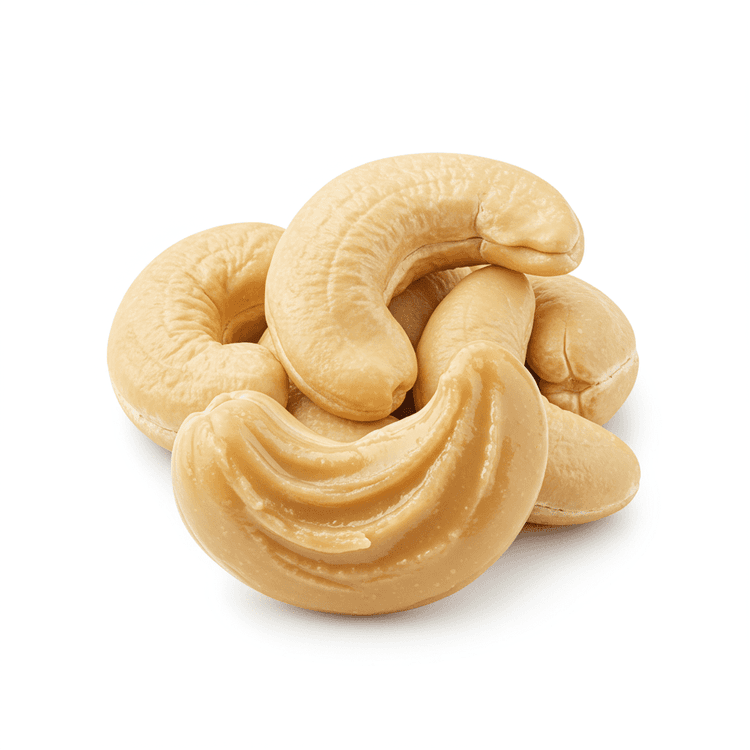
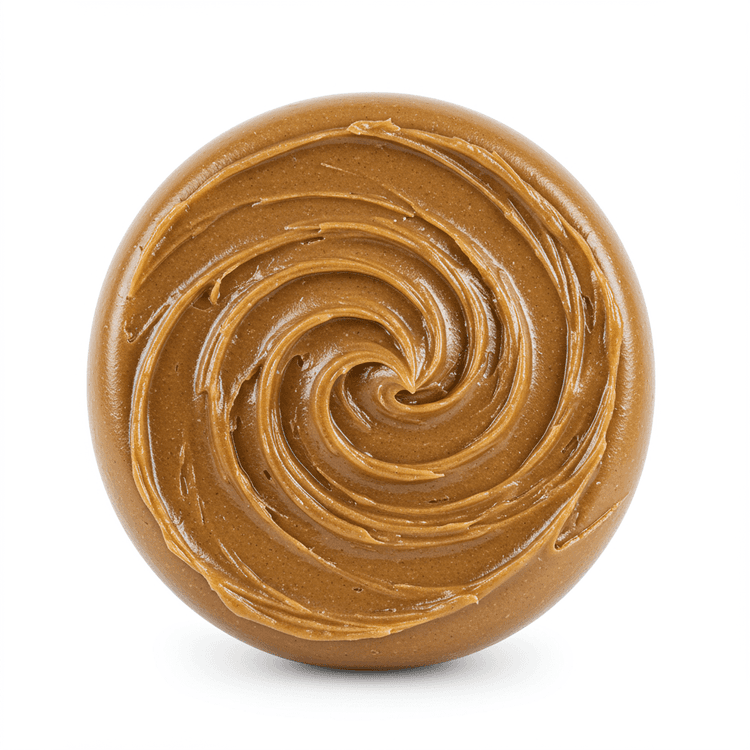
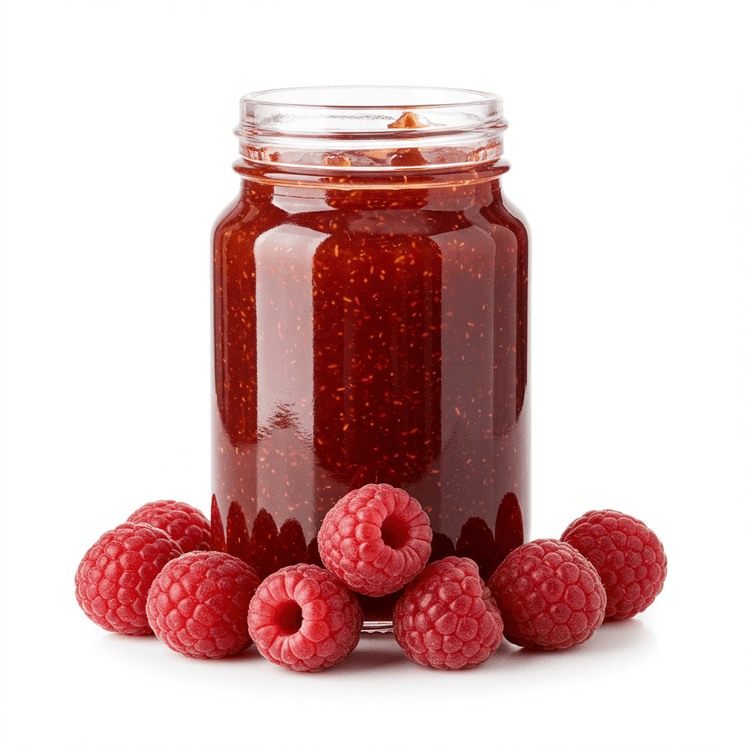
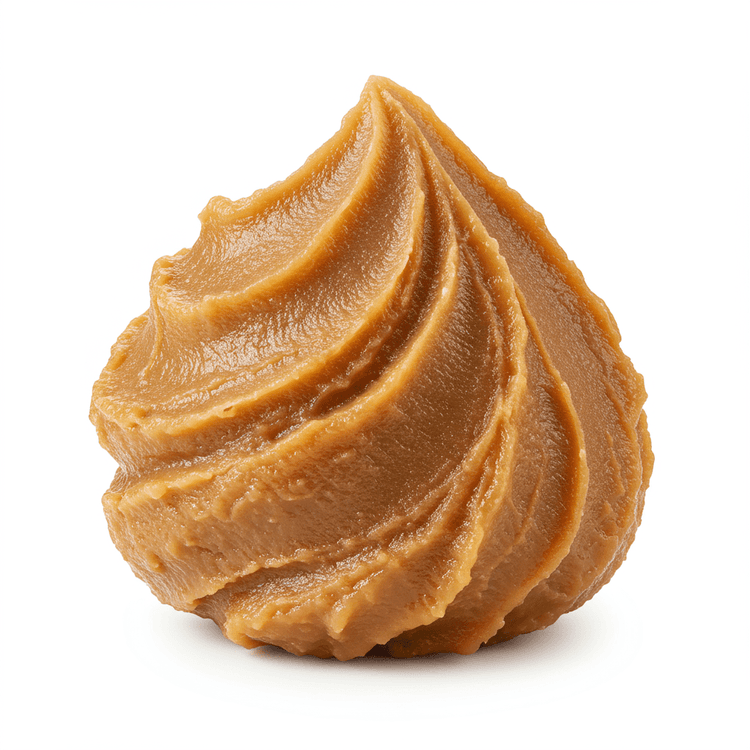
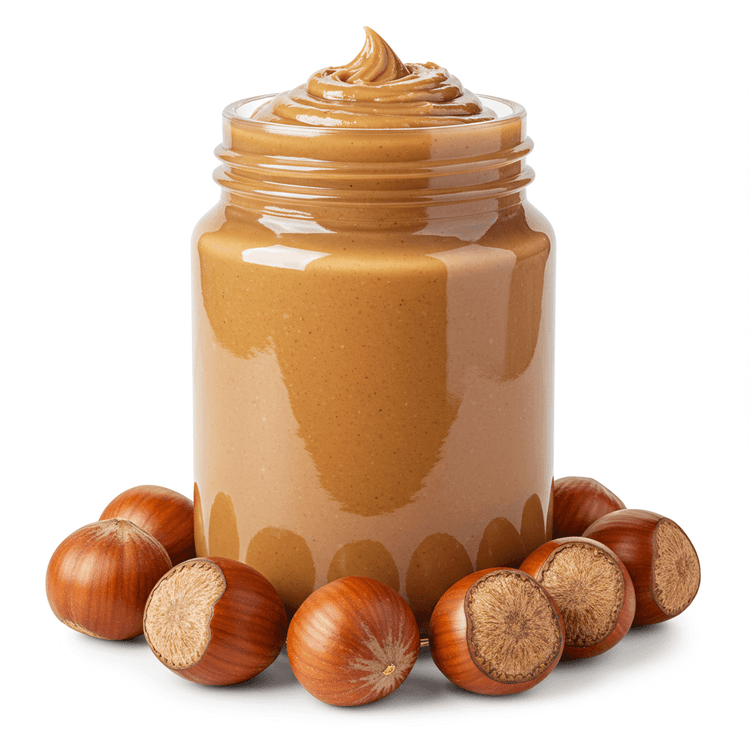
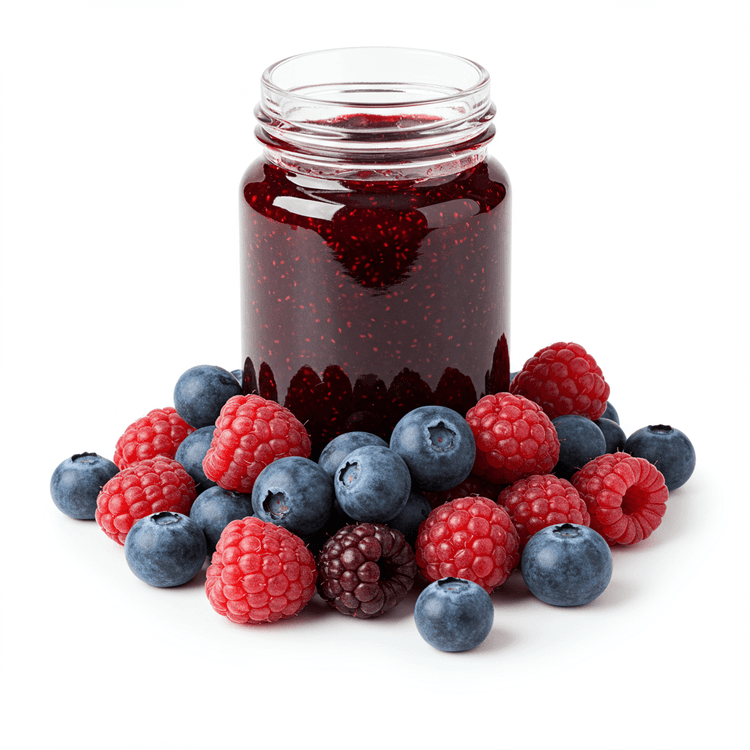
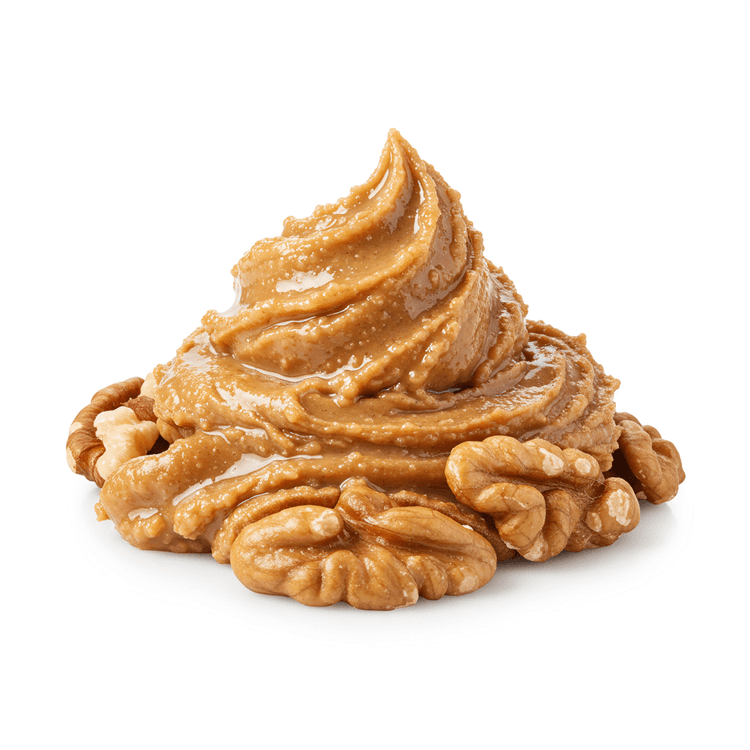
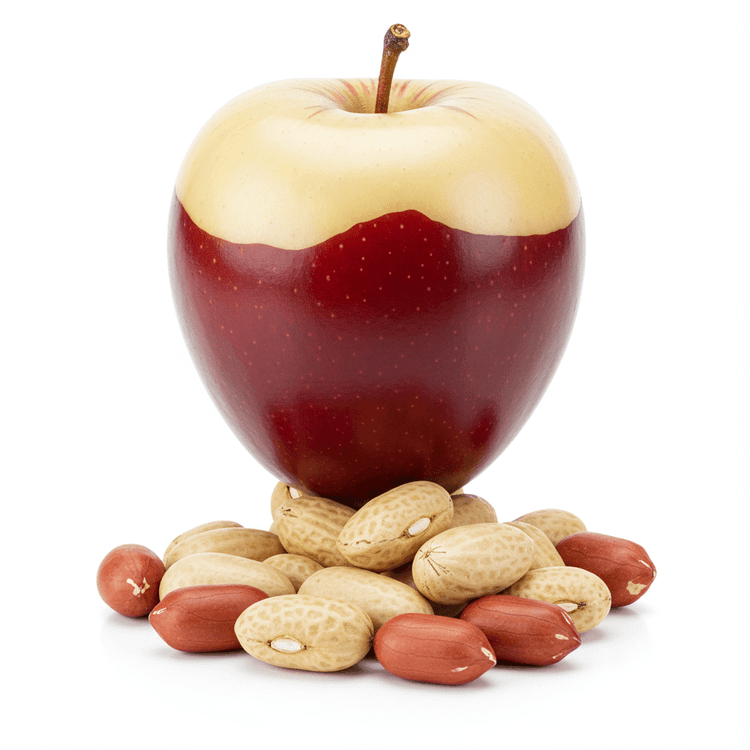
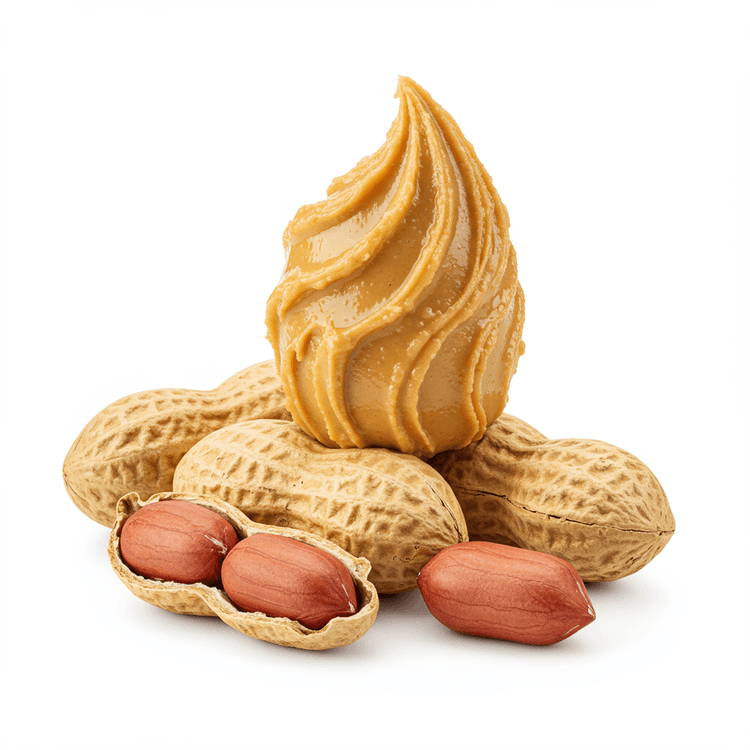
Many spreads boast impressive nutritional profiles. Nut butters, such as peanut butter, almond butter, and cashew butter, are excellent sources of healthy fats, protein, and fiber. They also contain essential vitamins and minerals like vitamin E, magnesium, and potassium. Seed-based spreads like tahini (sesame seed paste) are rich in calcium, iron, and antioxidants. Even fruit preserves, while higher in sugar, can contribute antioxidants and vitamins, particularly if made with whole fruits. Avocado spread offers a boost of monounsaturated fats, known for their heart-healthy benefits, as well as vitamins K and C.
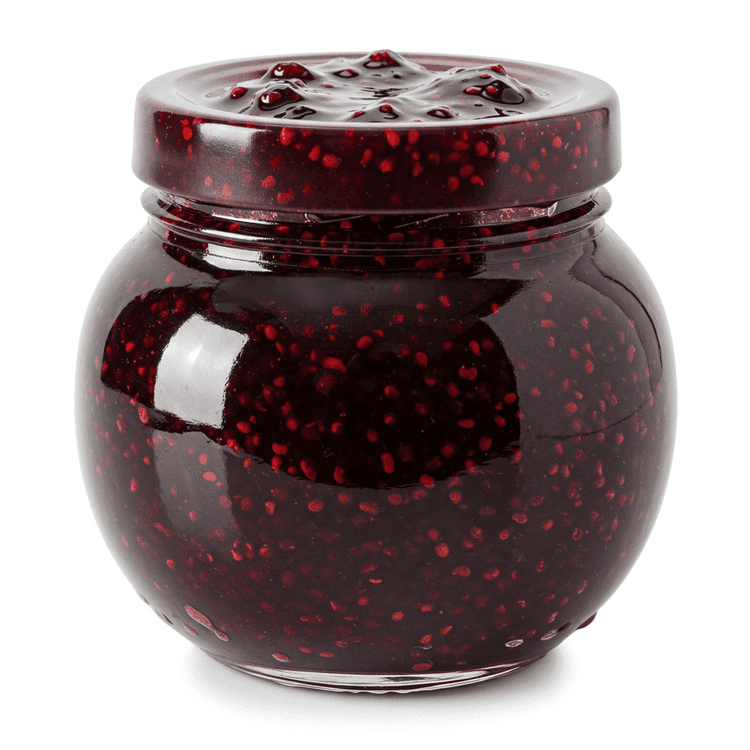
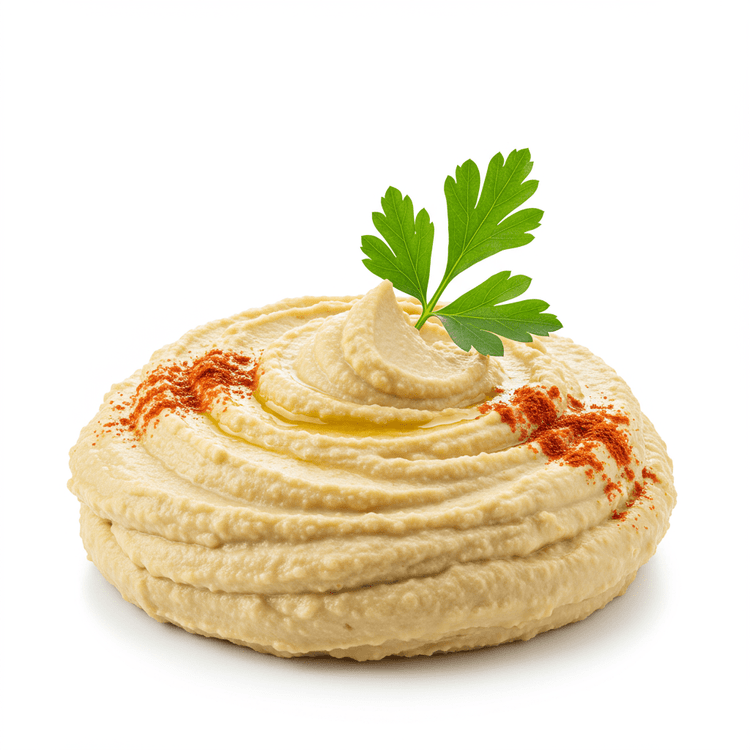
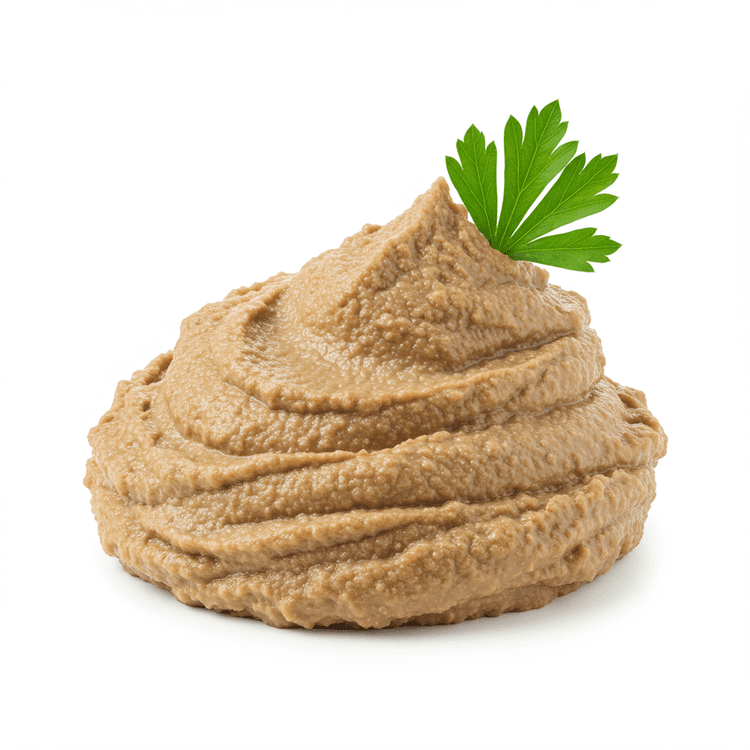
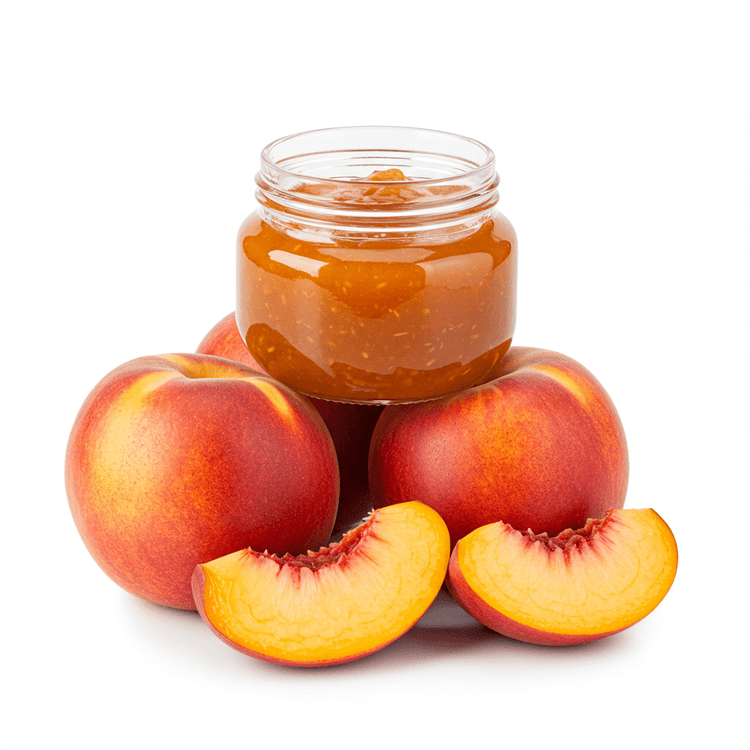
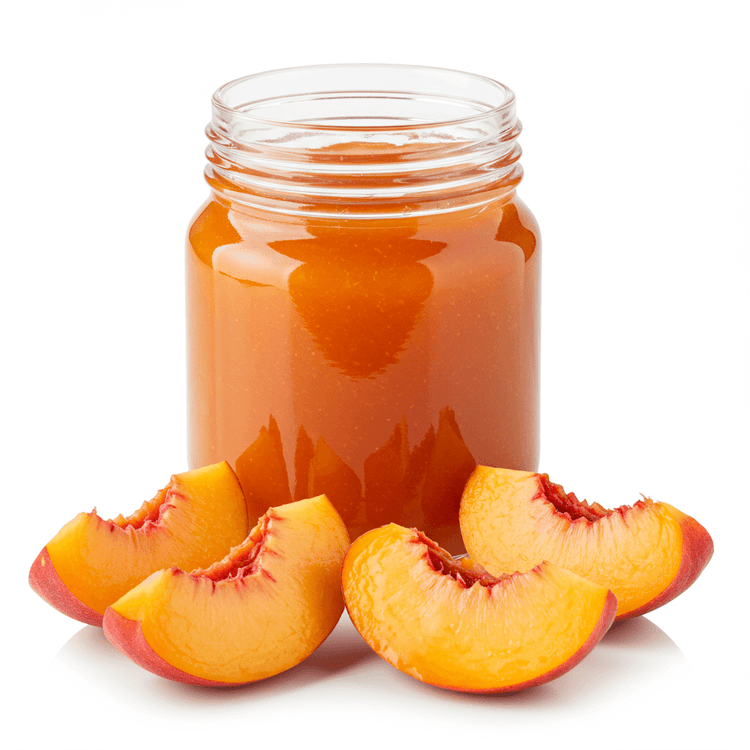
Beyond their health benefits, spreads shine in the kitchen. They're staples for sandwiches and toast, of course, but their versatility extends far beyond. Nut butters are fantastic in smoothies, oatmeal, and baked goods, adding a rich flavor and creamy texture. They can also be used to create flavorful sauces and dressings for salads or noodles. Fruit preserves are perfect for topping yogurt, pancakes, or waffles, and they can also be used to glaze meats or add sweetness to savory dishes. Hummus, a popular chickpea-based spread, is a delicious dip for vegetables, pita bread, or crackers, and can also be spread on wraps or sandwiches as a healthier alternative to mayonnaise. Vegetable-based spreads like pesto add a vibrant burst of flavor to pasta, sandwiches, and pizzas.
Spreads are crucial for a balanced diet because they can provide essential nutrients in a convenient and palatable form. They offer a diverse range of options to suit different dietary needs and preferences, from vegan and vegetarian to gluten-free and low-sugar. For example, nut butters are a vital source of plant-based protein and healthy fats for vegetarians and vegans, while seed-based spreads can help individuals with dairy allergies meet their calcium requirements. Choosing spreads made with whole, unprocessed ingredients can help you maximize their nutritional benefits and minimize added sugars and unhealthy fats. By incorporating a variety of spreads into your diet, you can enhance the flavor and nutritional value of your meals while supporting overall health and well-being. Consider opting for spreads with lower sodium and sugar content whenever possible, and always read nutrition labels carefully to make informed choices that align with your dietary goals.
Ultimately, the world of spreads offers endless possibilities for culinary creativity and nutritional enhancement. Experiment with different flavors and textures to discover your favorites and incorporate them into your daily routine for a delicious and healthy boost. ||
Spread are an essential part of a healthy diet, providing a wide range of nutrients and health benefits. Explore our collection of spread ingredients.