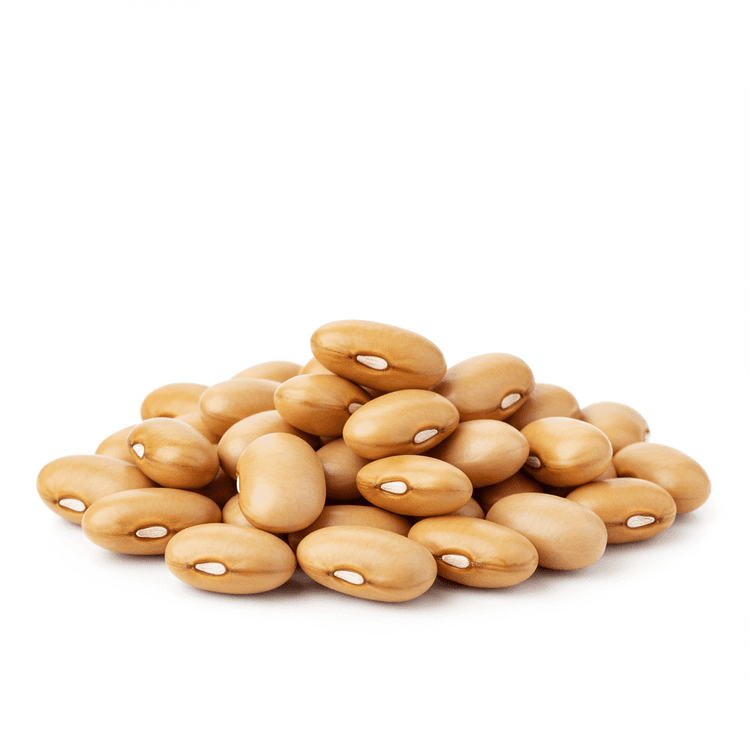
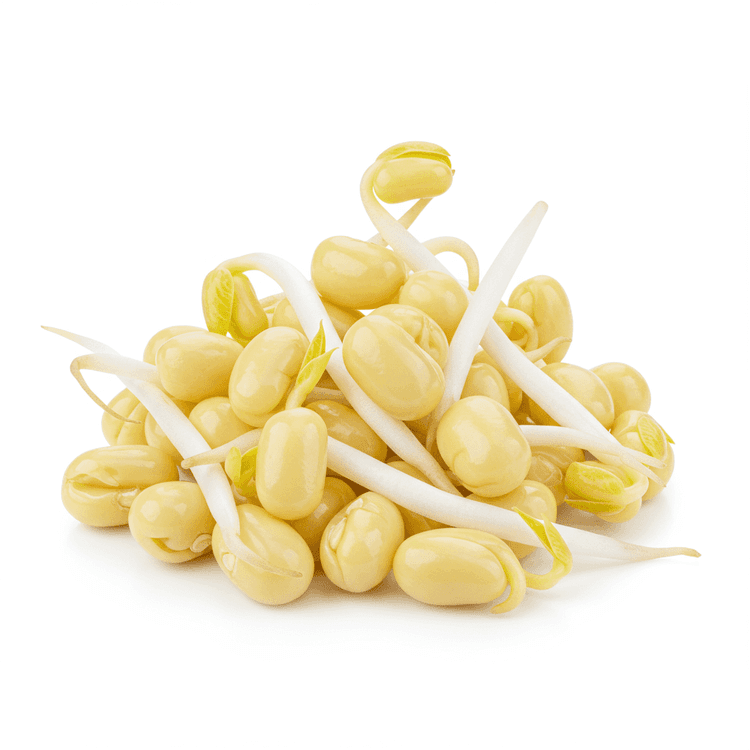
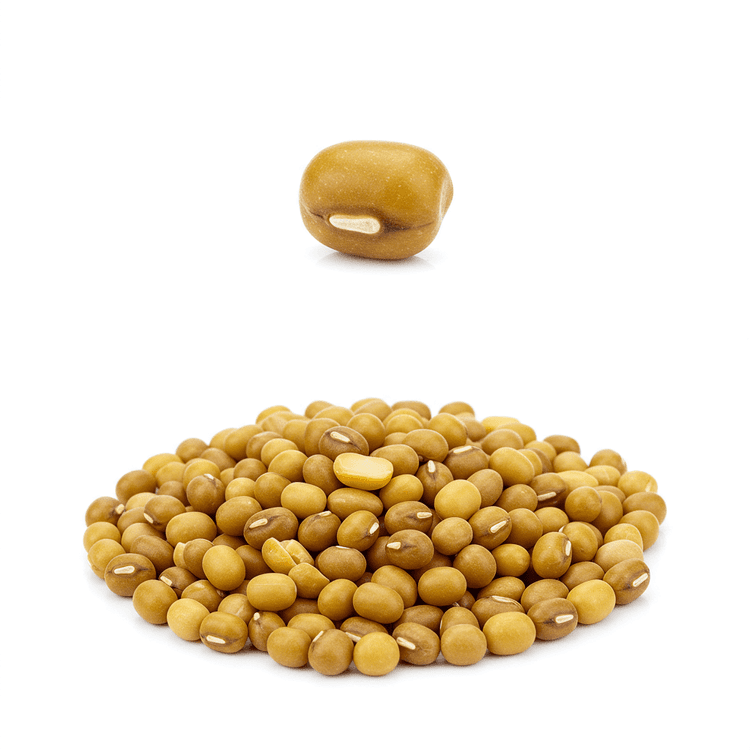
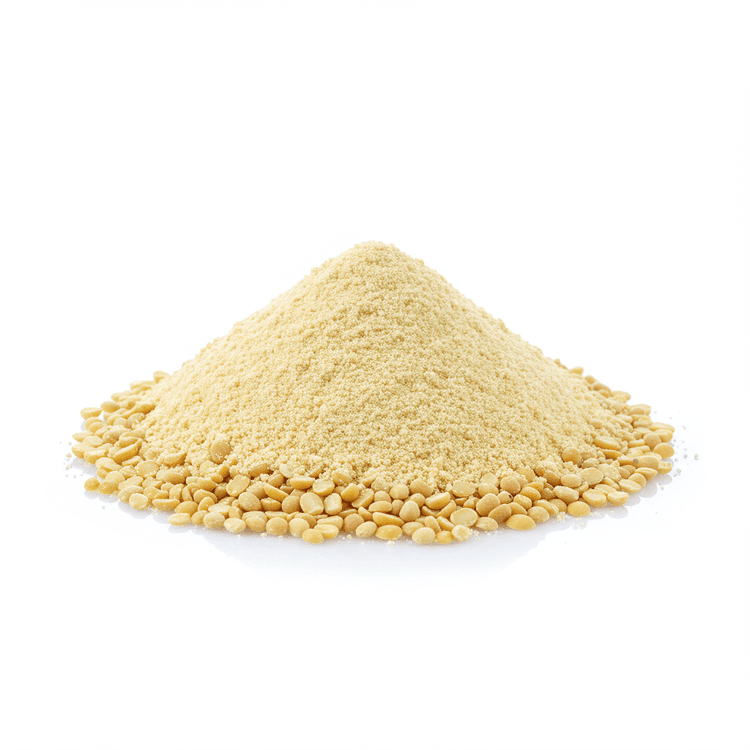
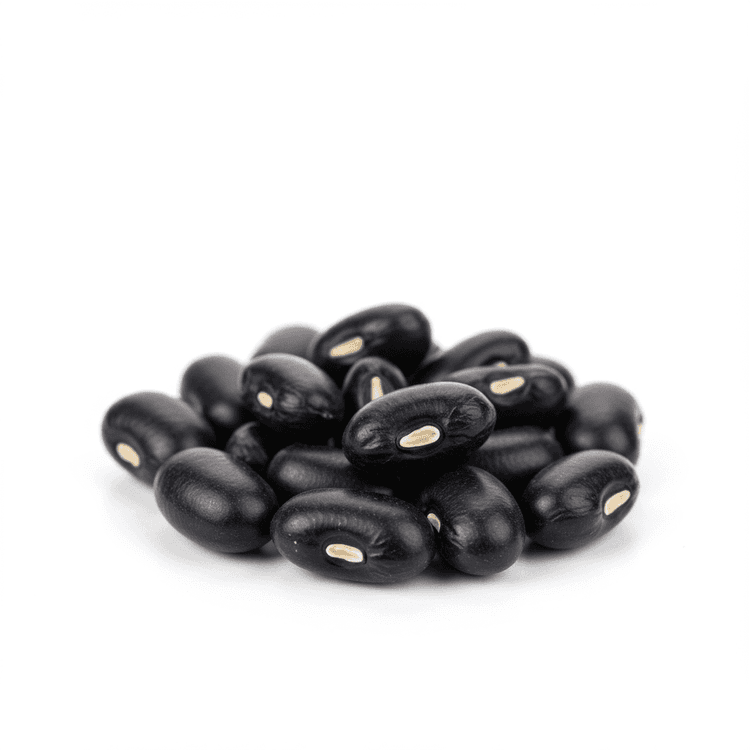
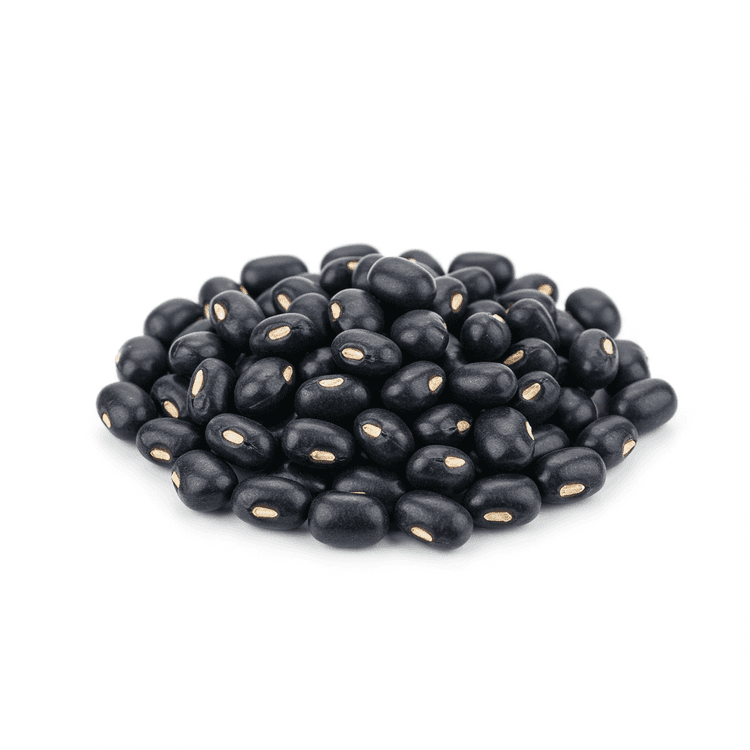
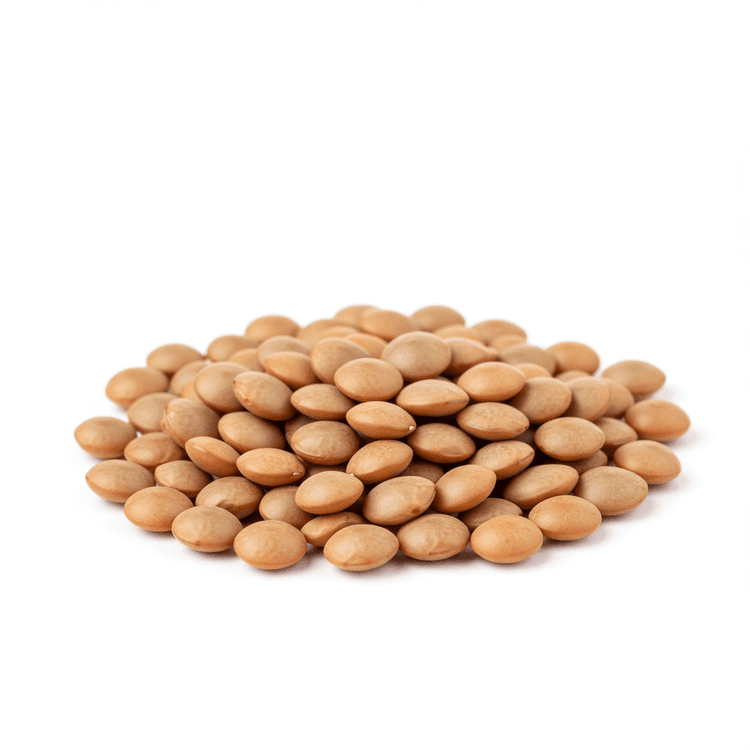
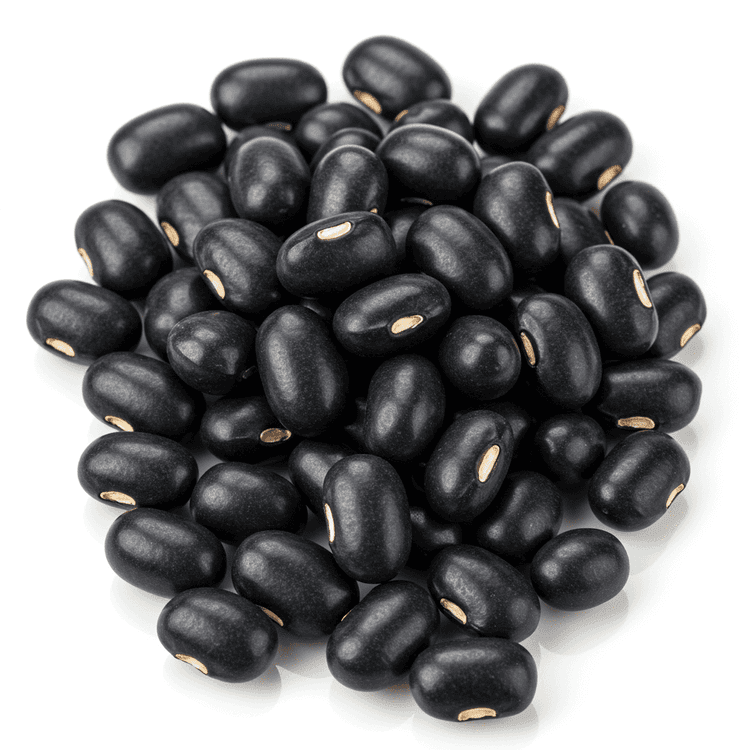
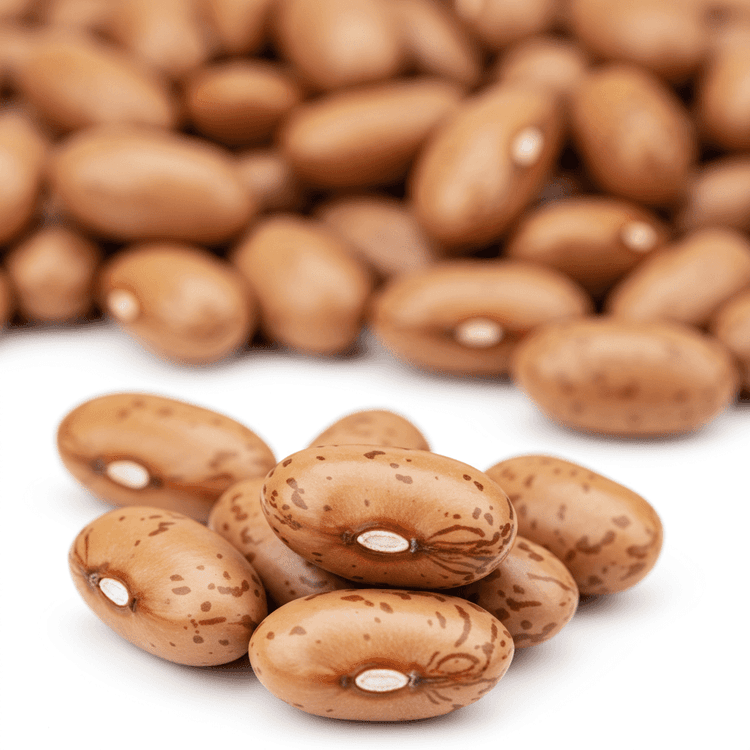
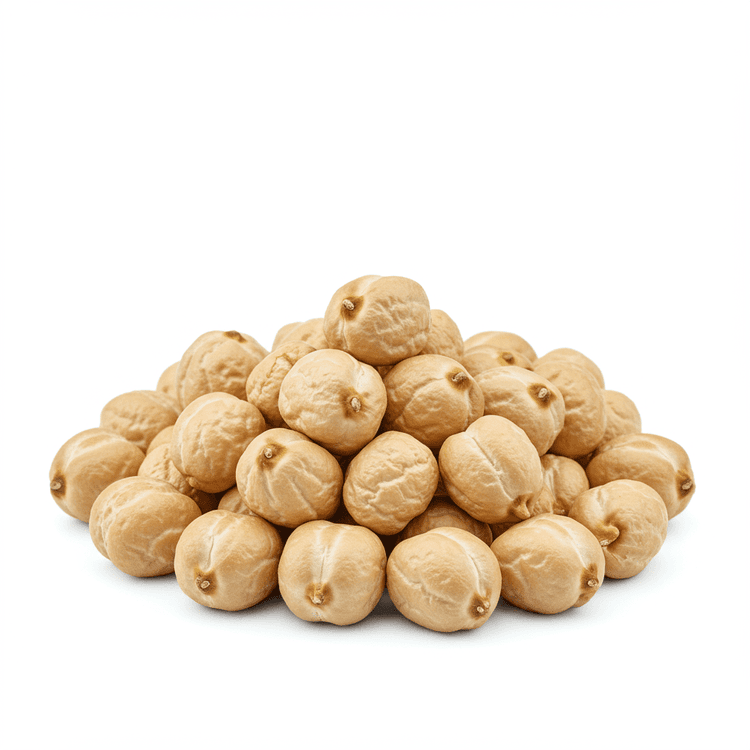
Legumes, a nutritional powerhouse, are edible seeds enclosed in pods. This versatile food category includes beans (kidney, black, pinto, navy), lentils (red, green, brown), peas (chickpeas, split peas, garden peas), and peanuts. Legumes are celebrated for their impressive array of health benefits, making them a cornerstone of a balanced diet.
One of the most significant advantages of legumes is their high protein content. They are an excellent plant-based protein source, essential for building and repairing tissues, supporting immune function, and maintaining overall health. Unlike many other plant-based protein sources, legumes offer a relatively complete amino acid profile, especially when combined with grains. Furthermore, legumes are rich in fiber, both soluble and insoluble. Soluble fiber helps lower cholesterol levels and stabilize blood sugar, while insoluble fiber promotes healthy digestion and prevents constipation. This fiber content also contributes to feelings of fullness, aiding in weight management.
Beyond protein and fiber, legumes are packed with essential vitamins and minerals. They are a good source of iron, crucial for red blood cell production and energy levels, especially important for women and vegetarians. Legumes also provide folate, a B vitamin vital for cell growth and development, making them particularly important during pregnancy. Other key nutrients found in legumes include potassium, magnesium, and zinc, all of which play crucial roles in maintaining healthy blood pressure, nerve function, and immune response. The presence of antioxidants, such as polyphenols, further enhances the health benefits of legumes. These antioxidants help protect the body against cellular damage from free radicals, reducing the risk of chronic diseases.
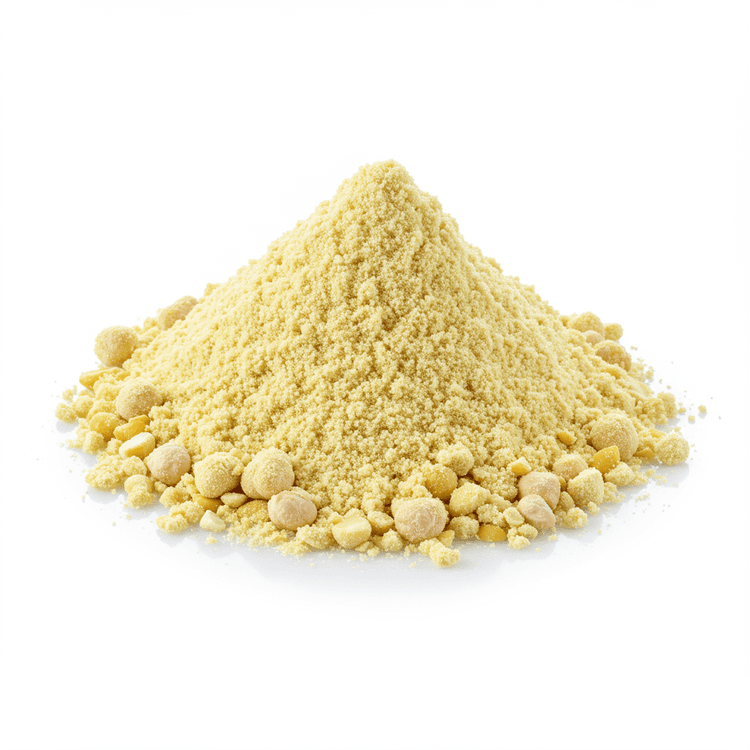
Culinary applications of legumes are vast and diverse. They are a staple in cuisines around the world. In Mediterranean cuisine, lentils are frequently used in soups and stews, while chickpeas are the star ingredient in hummus and falafel. In Indian cuisine, lentils and beans form the base of many delicious curries and dals. Mexican cuisine relies heavily on beans in dishes like refried beans, burritos, and chili. From hearty stews to vibrant salads, legumes can be incorporated into countless dishes. Popular cooking methods include boiling, simmering, pressure cooking, and roasting. They can be seasoned with a variety of herbs and spices to create flavorful and satisfying meals. Legumes are also increasingly used in innovative ways, such as chickpea flour for gluten-free baking and bean-based pastas for a protein boost.
Incorporating legumes into your diet is essential for overall wellness. Their unique combination of high protein, fiber, vitamins, minerals, and antioxidants provides a wide range of health benefits. By including legumes in your meals regularly, you can support heart health, manage blood sugar levels, improve digestion, and boost your immune system. Whether you're a vegetarian, a meat-eater, or simply looking to improve your diet, legumes are a versatile and nutritious food group that should be a staple in every kitchen. They offer a sustainable and affordable way to achieve a balanced and healthy lifestyle, contributing significantly to long-term well-being. ||
Legume are an essential part of a healthy diet, providing a wide range of nutrients and health benefits. Explore our collection of legume ingredients.