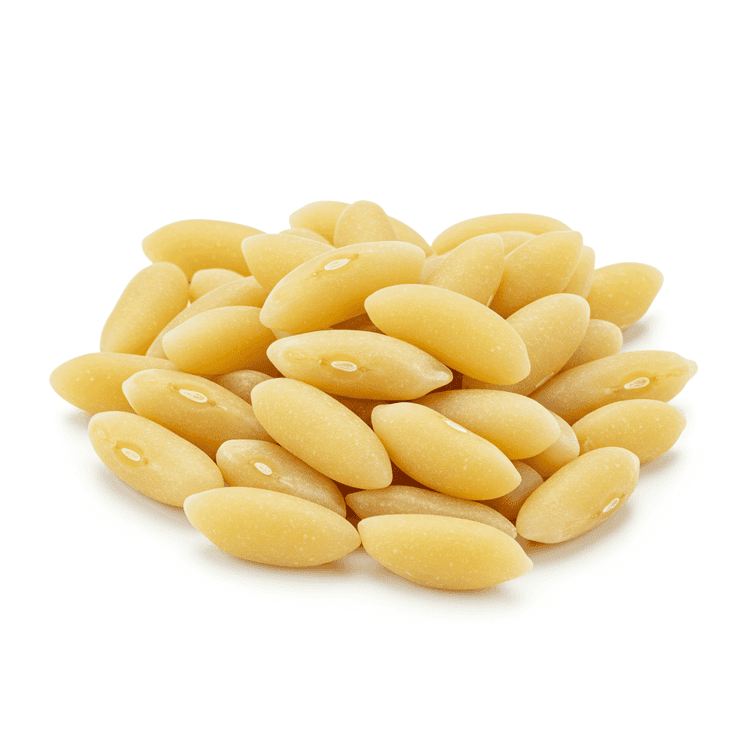
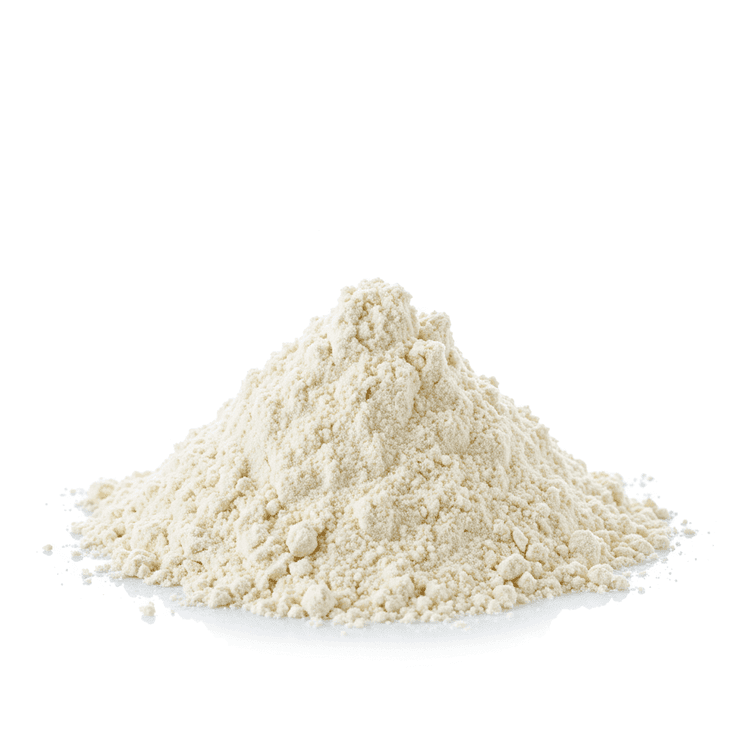
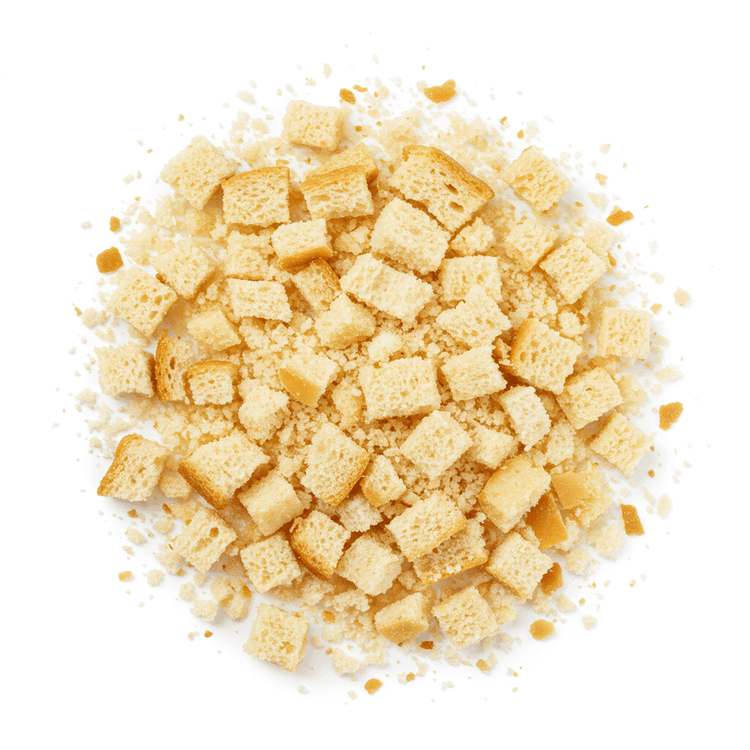
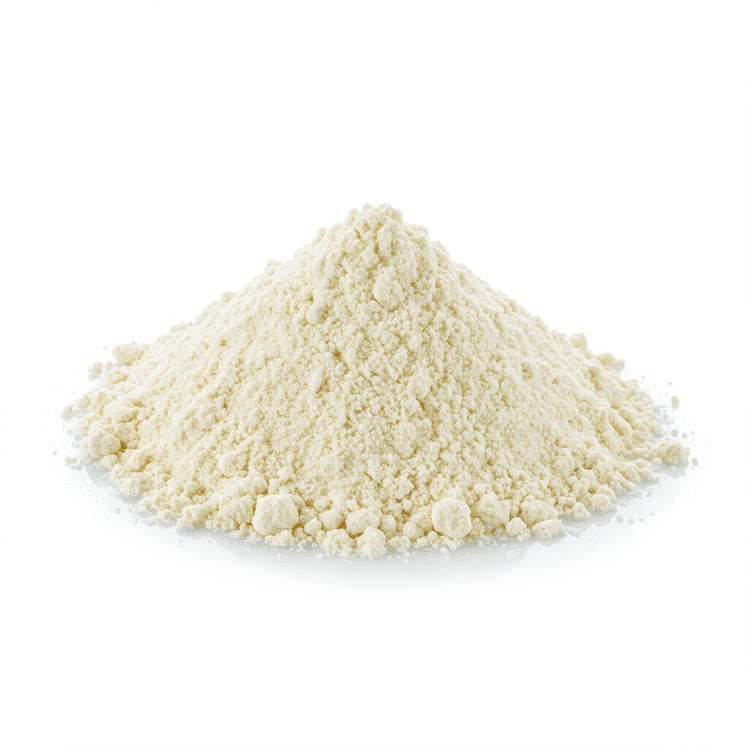
Grains are the seeds of cereal plants like wheat, rice, corn, oats, barley, rye, and quinoa. They form the foundation of many diets worldwide and are a powerhouse of essential nutrients. Choosing whole grains over refined grains offers significant health advantages.
Grains are naturally rich in complex carbohydrates, the body's primary source of energy. They provide sustained energy release, unlike simple sugars which cause rapid spikes and crashes. Whole grains retain the bran, germ, and endosperm, each contributing valuable nutrients. The bran is packed with fiber, crucial for digestive health, promoting regularity, and preventing constipation. Fiber also helps regulate blood sugar levels and can lower cholesterol, reducing the risk of heart disease. The germ is a nutritional goldmine, containing vitamins like vitamin E, B vitamins (thiamin, riboflavin, niacin, folate), and minerals such as magnesium, iron, and zinc. These nutrients play vital roles in cell function, energy metabolism, and immune system support. The endosperm, primarily composed of carbohydrates, also provides protein and some vitamins and minerals.
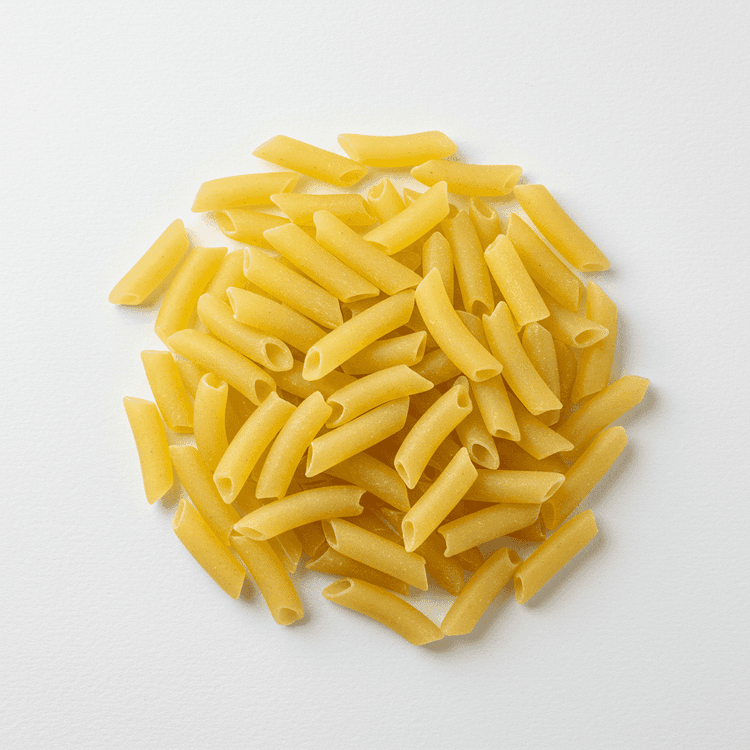
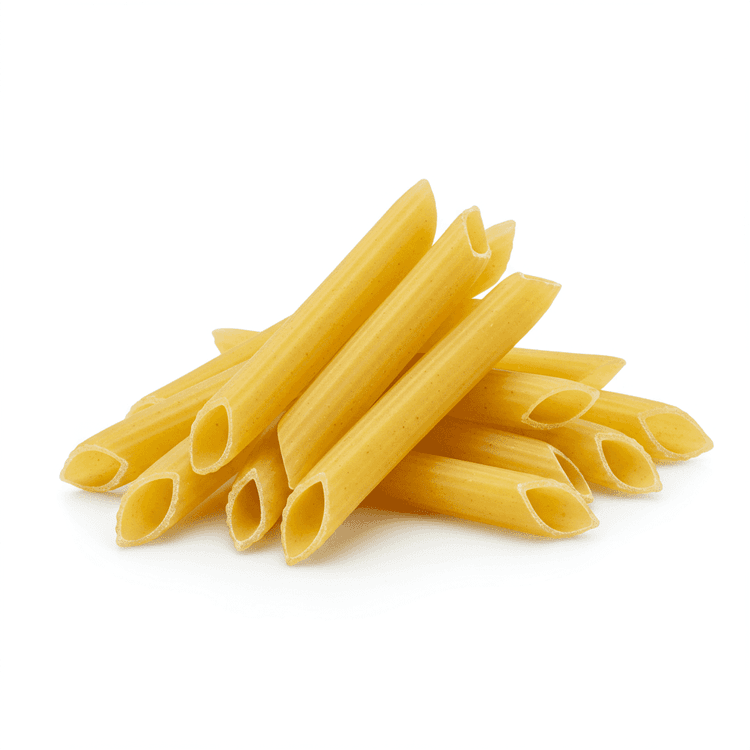
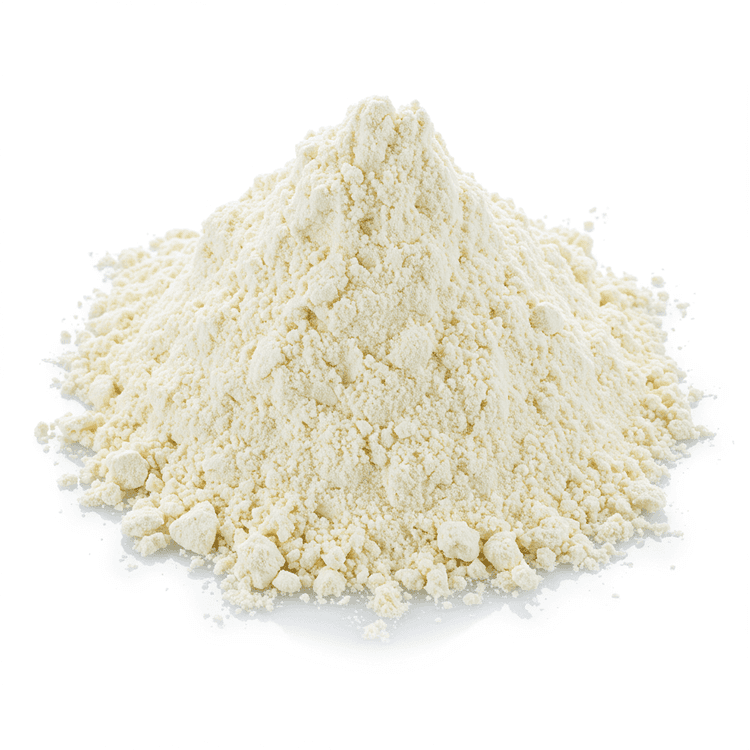
In the culinary world, grains are incredibly versatile. Rice, in its many varieties (white, brown, jasmine, basmati), is a staple in countless cuisines, from Asian stir-fries and curries to Mediterranean pilafs. Wheat is the foundation for bread, pasta, pastries, and countless baked goods. Corn is enjoyed as corn on the cob, popcorn, polenta, tortillas, and is a key ingredient in many processed foods. Oats are a popular choice for breakfast, in the form of oatmeal, granola, or baked goods. Barley adds a nutty flavor to soups and stews, while quinoa provides a complete protein source and a slightly chewy texture to salads and side dishes. Popular dishes featuring grains include risotto, paella, couscous, stir-fries with noodles or rice, breakfast cereals, and a wide array of breads and pastries.
Grains are integral to a balanced diet because they provide essential macronutrients and micronutrients vital for optimal health. Whole grains, in particular, offer a unique combination of fiber, vitamins, and minerals that refined grains lack. The fiber content in whole grains contributes to satiety, helping with weight management and preventing overeating. B vitamins are crucial for energy metabolism, converting food into usable energy. Magnesium plays a role in muscle function, nerve function, and blood sugar control. Iron is essential for oxygen transport in the blood. Including a variety of grains in your diet ensures a broader spectrum of nutrients and supports overall wellness. Choosing whole grains over refined grains can significantly improve your intake of fiber, vitamins, and minerals, leading to better digestive health, improved energy levels, and a reduced risk of chronic diseases. Embrace the versatility of grains and incorporate them into your meals to reap their numerous health benefits. ||
Grain Product are an essential part of a healthy diet, providing a wide range of nutrients and health benefits. Explore our collection of grain product ingredients.