Dough: The Foundation of Countless Culinary Creations
Dough, in its simplest form, is a mixture of flour, water, and often yeast, fat, or other ingredients. It serves as the pliable starting point for an astonishing array of baked goods, from crusty artisan breads to delicate pastries and savory pizzas. But beyond its versatility in the kitchen, dough, particularly when crafted from whole grains or enriched with specific ingredients, offers a surprising range of nutritional benefits that contribute to a balanced diet and overall well-being.
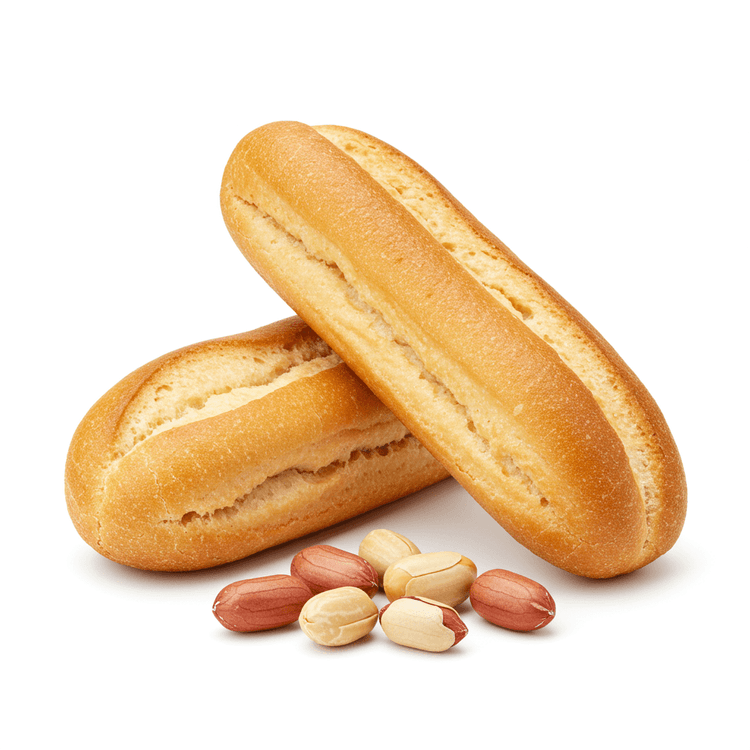
The nutritional profile of dough is heavily influenced by the type of flour used. Whole wheat dough, for example, is an excellent source of dietary fiber, promoting digestive health and aiding in blood sugar regulation. This fiber content helps maintain satiety, preventing overeating and supporting weight management goals. Furthermore, whole grains retain essential vitamins and minerals, including B vitamins like thiamin, riboflavin, and niacin, crucial for energy metabolism and nerve function. These B vitamins also contribute to healthy skin and hair. Iron, another vital mineral found in whole wheat flour, is essential for carrying oxygen throughout the body, preventing fatigue and supporting cognitive function. Complex carbohydrates in whole grains provide sustained energy release, unlike the rapid spikes and crashes associated with refined grains. The use of seeds and nuts in certain dough recipes further enhances the nutritional value, introducing healthy fats, protein, and additional micronutrients like magnesium and zinc.
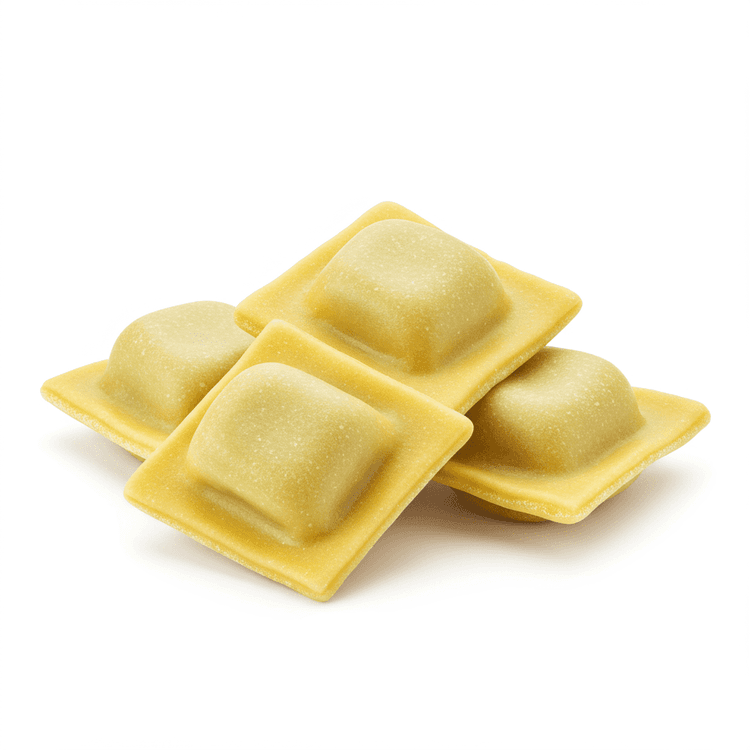
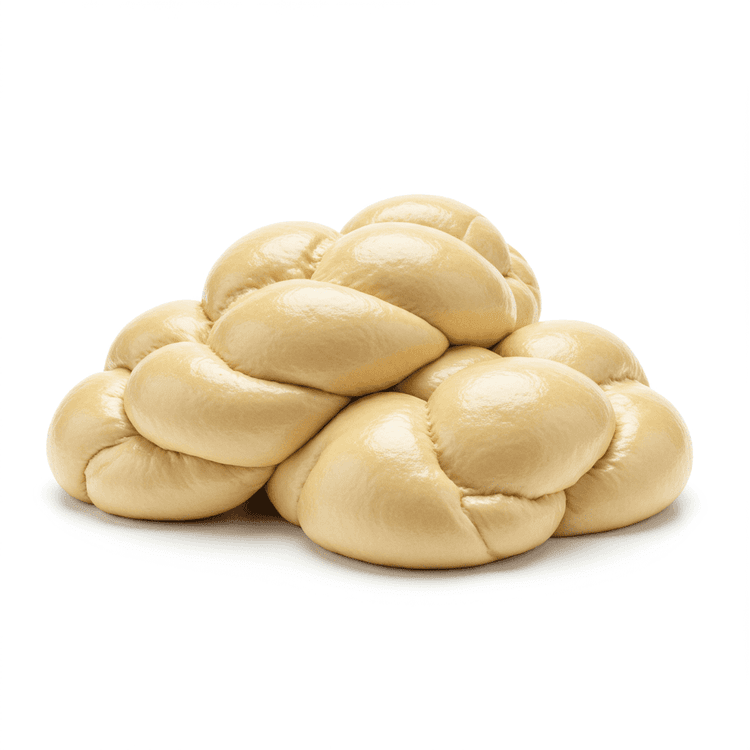
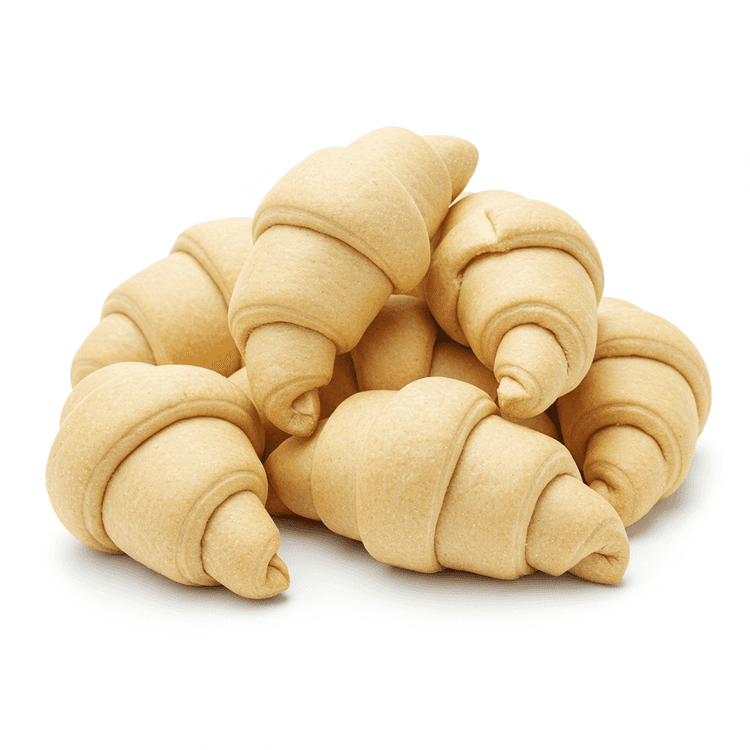
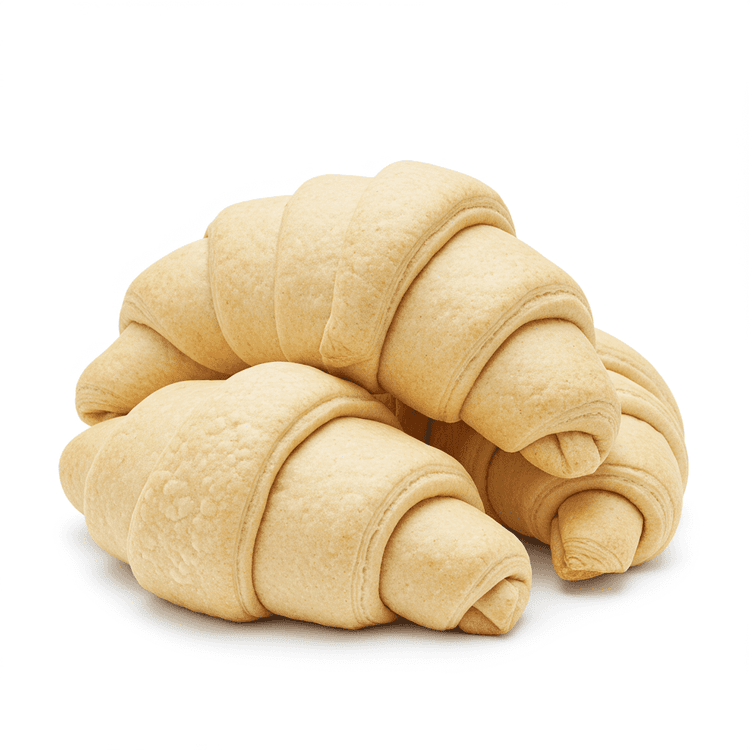
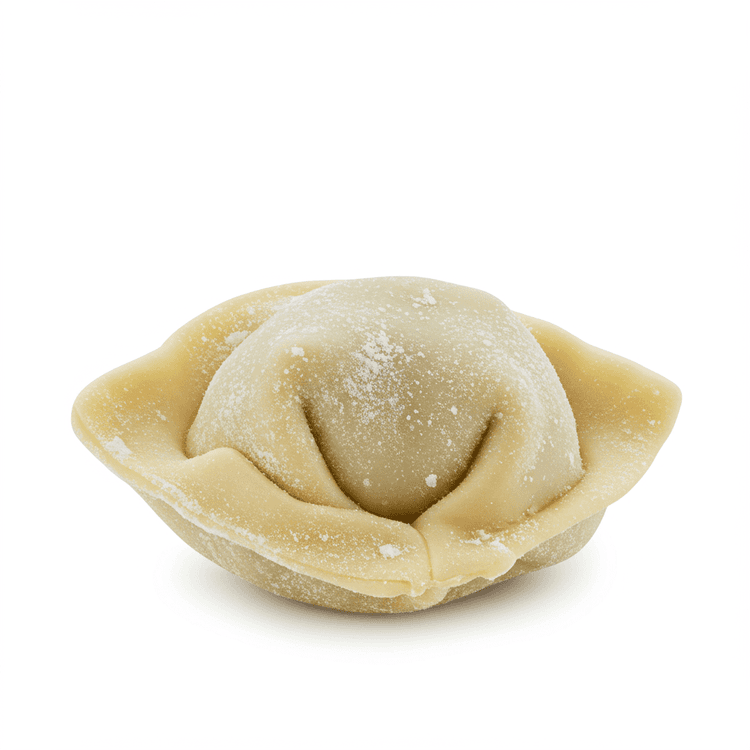
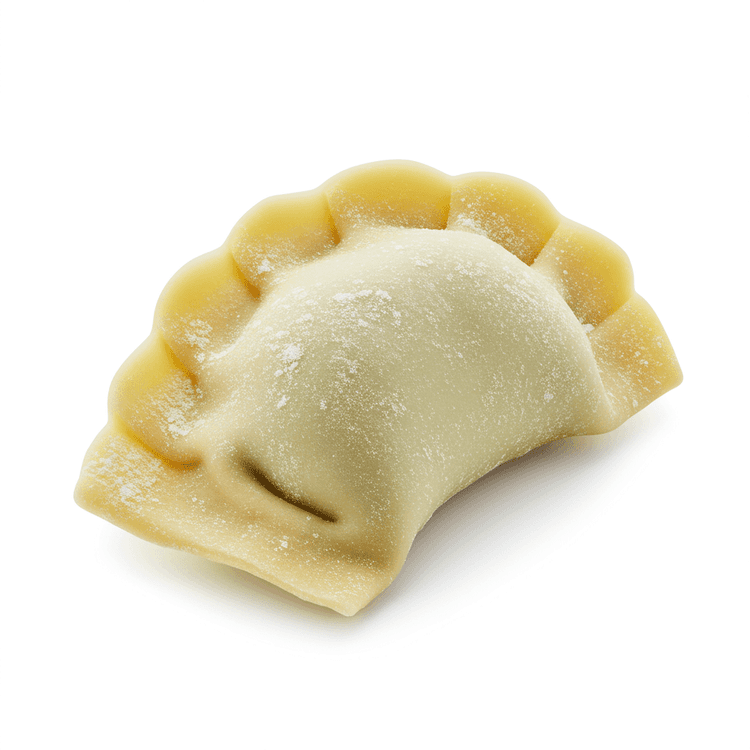
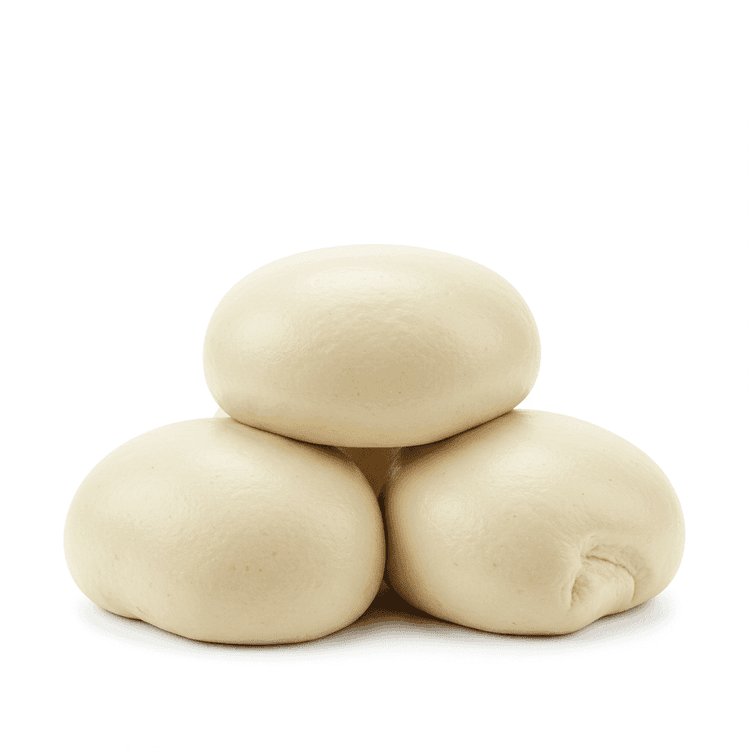
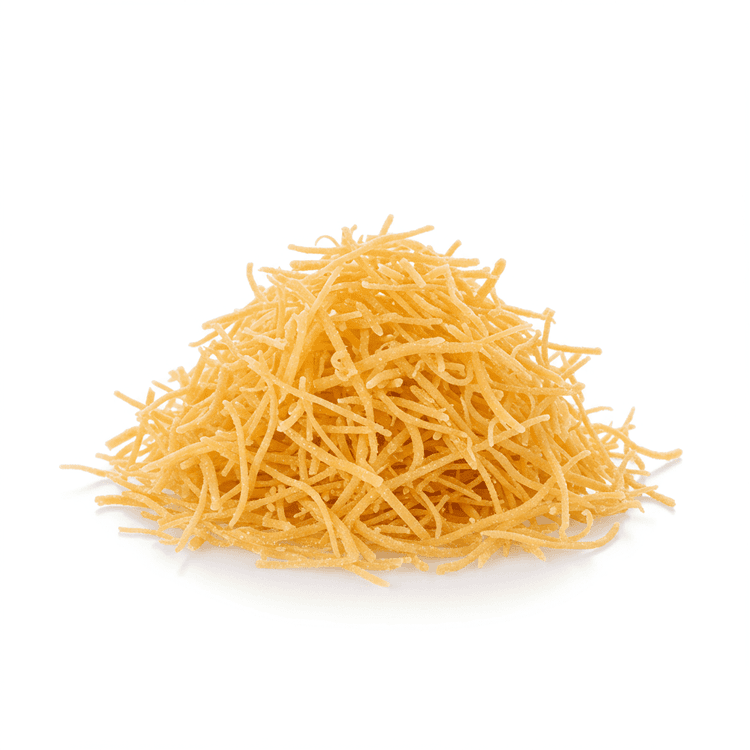
From a culinary perspective, dough is exceptionally adaptable. Pizza dough, a staple in many households, can be customized with whole wheat flour, herbs, and spices to create a healthier and more flavorful base for vegetables, lean proteins, and cheeses. Bread dough forms the heart of countless cultures, ranging from sourdough with its tangy complexity to soft, enriched brioche. Pastry dough, whether flaky puff pastry or tender pie crust, provides the foundation for sweet and savory delights. Pasta dough, kneaded to perfection, yields an endless variety of noodle shapes and textures.
Dough plays a vital role in a balanced diet by providing a canvas for incorporating nutrient-rich ingredients. Whole grain dough, in particular, contributes significantly to daily fiber intake, often a shortfall in modern diets. When used as a base for vegetable-laden pizzas or hearty sandwiches, dough becomes a vehicle for delivering essential vitamins, minerals, and antioxidants. Even enriched white dough, while lower in fiber than its whole grain counterpart, can contribute to overall carbohydrate intake, providing fuel for physical activity and brain function. The key is mindful consumption and selecting doughs made with high-quality ingredients and minimal additives. It offers a unique advantage in its ability to bind other healthy ingredients together. Think of a whole wheat bread loaded with seeds, nuts, and dried fruits, or a pizza dough topped with a colorful array of vegetables and lean protein. Dough acts as the foundation that brings these nutritious elements into a cohesive and enjoyable meal.
In conclusion, dough is more than just a culinary building block; it's a potential source of essential nutrients and a versatile ingredient that can contribute to a balanced and healthy lifestyle. By choosing whole grains, incorporating nutrient-rich toppings and fillings, and practicing mindful portion control, you can enjoy the comforting and delicious qualities of dough while reaping its nutritional benefits. ||
Dough are an essential part of a healthy diet, providing a wide range of nutrients and health benefits. Explore our collection of dough ingredients.