We use cookies on this website to ensure its proper functioning and to improve the quality of our services. Cookie Policy
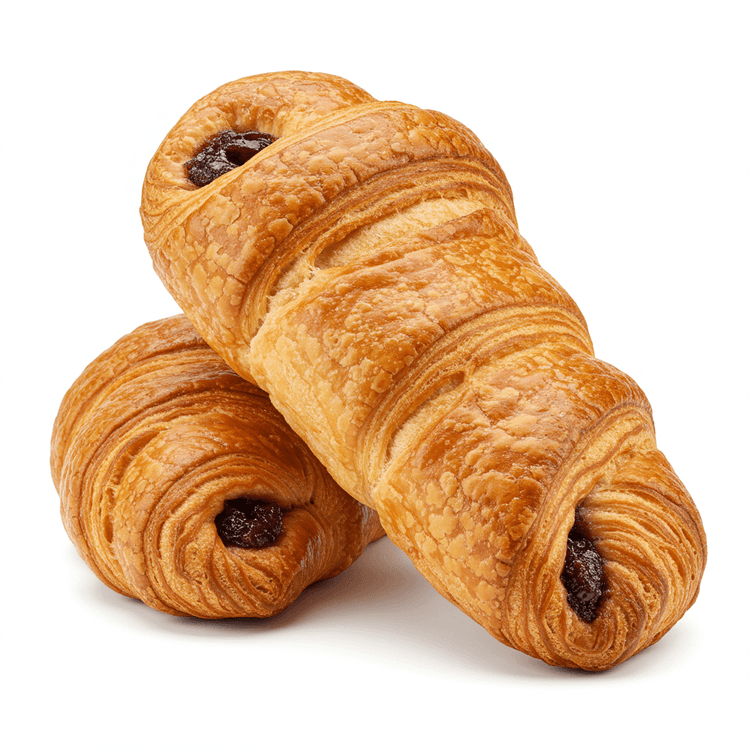
Pastry refers to a broad category of baked goods made from a dough of flour, fat (such as butter, shortening, or lard), and liquid (water, milk, or eggs). Different types of pastry dough yield varying textures, from flaky and tender to crisp and crumbly. The flavor is generally mild, acting as a blank canvas to showcase sweet or savory fillings. Its appearance can range from golden brown and delicately layered to simply browned and uniformly textured, depending on the recipe and preparation technique. Mastering the art of pastry making allows for countless delicious creations, providing the perfect vehicle for showcasing seasonal fruits, rich creams, savory meats, and aromatic spices. Achieve perfect pastry every time by following reliable recipes and using precise measurements and techniques.
Save recipes from anywhere, and get answers, swaps, and help as you cook.
Pastries are best stored according to their type. Generally, store-bought pastries in their original packaging at room temperature if they are meant to be consumed within a day or two. For longer storage, or for pastries containing creamy fillings, refrigerate them in an airtight container to prevent drying and spoilage. Some pastries, like unbaked pie crusts, can be frozen for extended shelf life. Be sure to wrap them tightly in plastic wrap and then in foil to prevent freezer burn.


Available now for early access users.