
Top 24 Spanish Recipes: Paella, Tapas and Classic Comfort Food
Updated July 2, 2026 · Curated by Chefadora
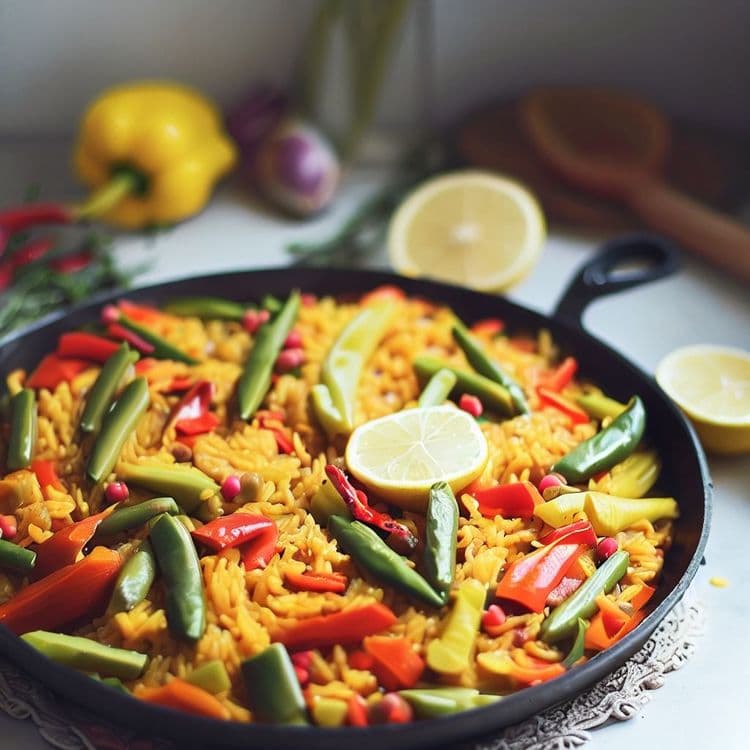
Spanish recipes turn a short list of honest ingredients — olive oil, garlic, tomatoes, rice, good paprika — into some of the most satisfying food in the world. This collection gathers the dishes people search for most: bubbling pans of paella, chilled bowls of gazpacho, plates of crisp patatas bravas, and the fried-dough sweetness of churros. Nothing here is fussy. Spanish cooking leans on technique and patience more than long ingredient lists, which is exactly what makes it so rewarding to cook at home.
What ties Spanish food together is a respect for produce and a willingness to let a handful of components do the work. A good sofrito, a properly toasted rice, a well-rested tortilla — these are the small disciplines that separate a flat version of a dish from one that tastes like it came from a tiled bar in Seville. The recipes below span coastal seafood, rustic stews, market-vegetable starters and the sweet fried classics that end almost every celebration.
You will find four groupings here: paella and rice dishes, the fried and grilled small plates known as tapas, the sweet churros and desserts that close out a Spanish meal, and the soups, stews and everyday mains that fill out a weeknight table. Together they cover the range of Spanish cooking, from a quick gazpacho blitzed in a blender to a proper seafood paella built slowly in one wide pan.
Treat this page as a working reference rather than a one-time read. Each recipe links through to full ingredients and step-by-step instructions on Chefadora, and the four guides below cover the techniques that decide whether a dish tastes properly Spanish — building rice for paella, frying tapas without greasy results, getting gazpacho's balance right, and shaping a tortilla that holds together when you flip it.
Paella & Spanish Rice
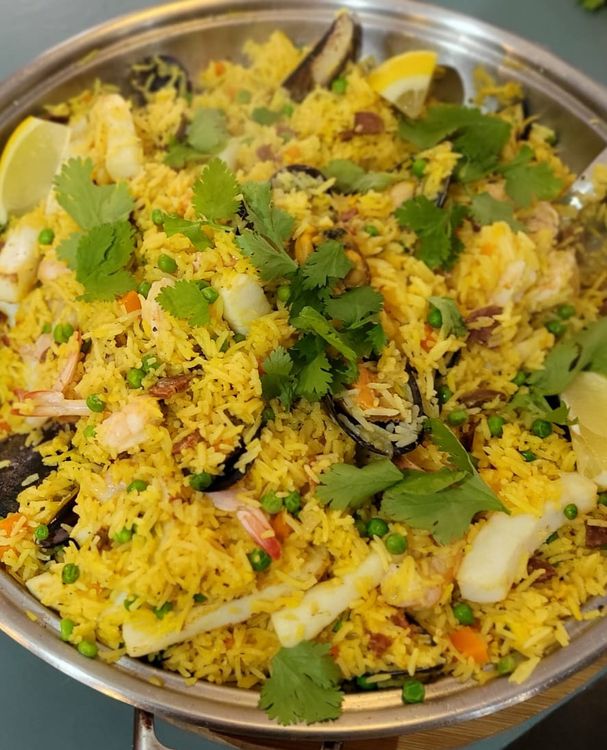
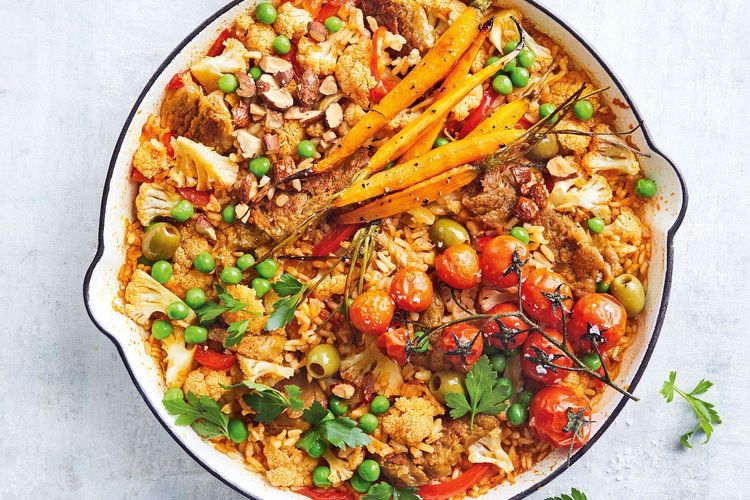
Paella is the dish most people picture when they think of Spanish food, and for good reason — it turns rice, stock and a handful of proteins or vegetables into a genuinely spectacular centerpiece with almost no equipment beyond a wide, shallow pan. The name refers to the pan itself in old Valencian, which tells you everything about how central the cooking vessel is to the result: paella needs surface area so liquid can evaporate evenly and the rice can cook in a thin, even layer rather than steaming in a deep pot. Seafood paella, chicken paella and vegetarian versions all follow the same core discipline once the sofrito is built — hot stock added all at once, no stirring, and a patient final few minutes to develop the crackling socarrat crust at the bottom. Bomba and calasparra rice, both short-to-medium grain varieties bred to absorb liquid without breaking down, make the difference between a paella that stays separate and toothsome and one that turns to mush. Get the rice and the hands-off cooking right, and almost any combination of ingredients on top will taste like a proper paella. Standouts here include Vegetarian Paella and Delicious and Easy One-Pot Chicken Paella, plus Easy Weeknight Paella .
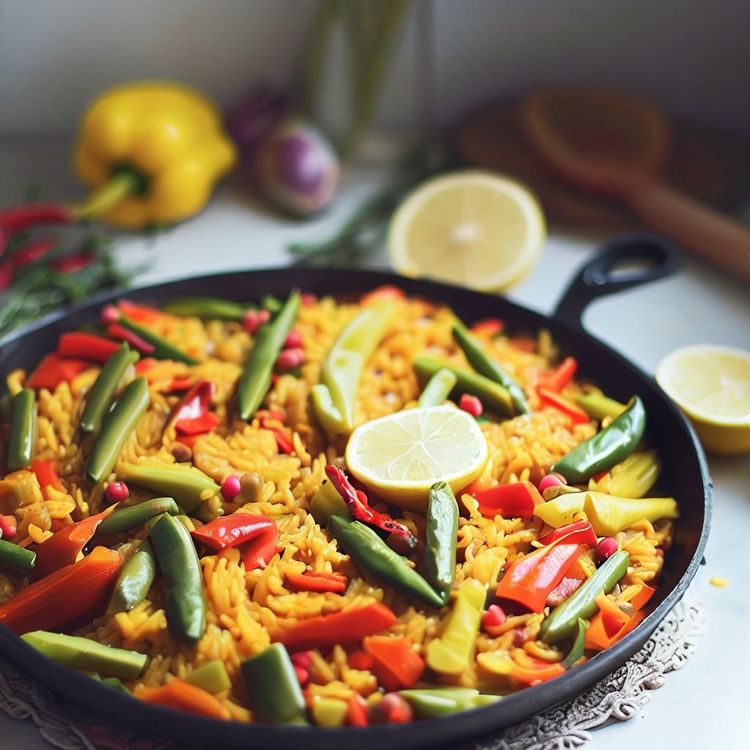

- Spanish
- Vegan
- Lunch
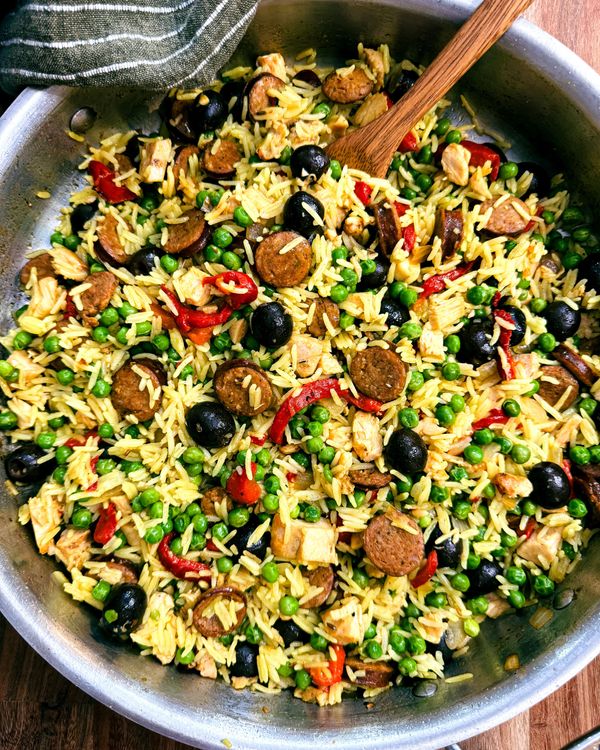

- American
- Non-Vegetarian
- Dinner
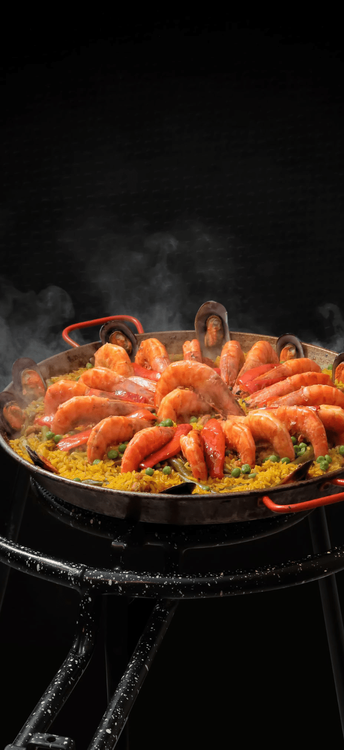

- Spanish
- Pescatarian
- Lunch

- Spanish
- Non-Vegetarian
- Dinner
- Spanish
- Vegan
- Lunch
Churros & Spanish Sweets
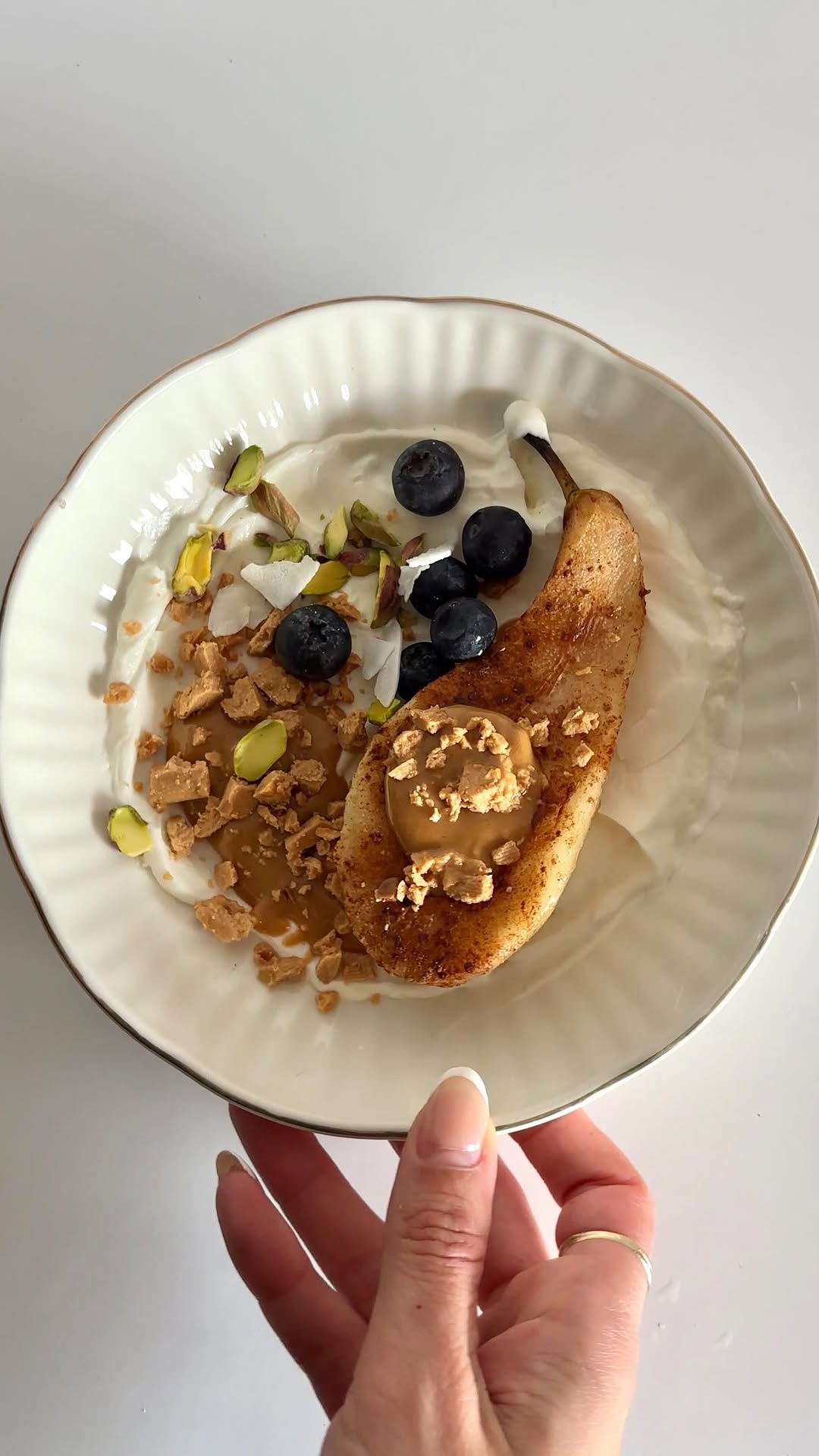
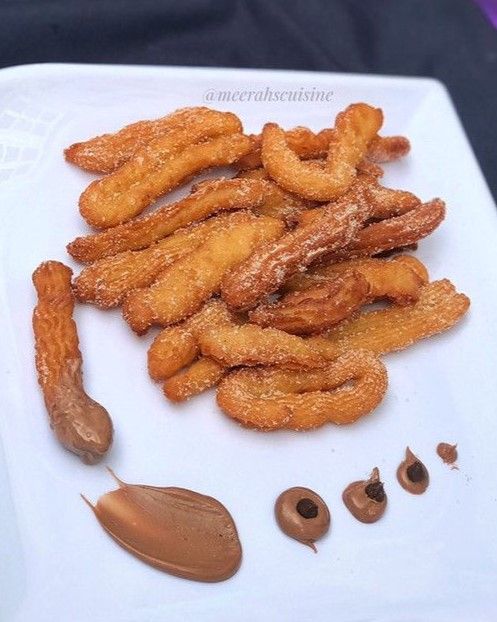
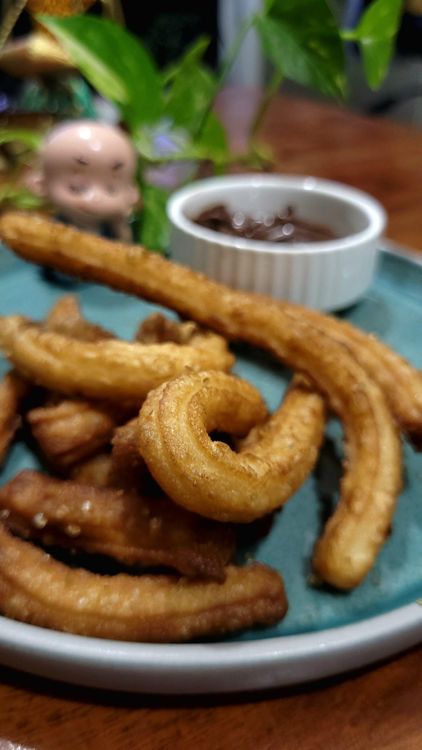
Fried dough sweetened with sugar and cinnamon shows up across Spanish celebrations, and churros are the most recognizable version — ridged batons piped straight from a pastry bag into hot oil, then rolled in sugar and served for dunking in thick hot chocolate or a rich caramel. The dough itself is simple, closer to choux pastry than a yeasted dough, made by cooking flour into boiling water and butter before piping and frying, which is why churros crisp on the outside while staying tender within rather than doughy. Getting the oil temperature right, around 180 to 190C, matters more than any other variable: too cool and the churros soak up oil and turn greasy before they crisp; too hot and the outside colors before the inside cooks through. Spanish sweets more broadly lean on the same handful of ideas — fried or baked dough, caramel, almonds, citrus and a light hand with sugar rather than the dense richness of many other European pastry traditions. These recipes range from classic dunking churros to a few creative spins on the same fried, comforting theme, all built to be made and eaten the same day. Standouts here include Greek Yogurt Bowl with Caramelised Pear & Spanish Nougat and Air-Fried Churros with Cinnamon-Date Caramel, plus Churros.

- Vegetarian
- Breakfast

- Spanish
- Eggetarian
- Snack
- Spanish
- Vegetarian
- Snack
Tapas & Spanish Starters
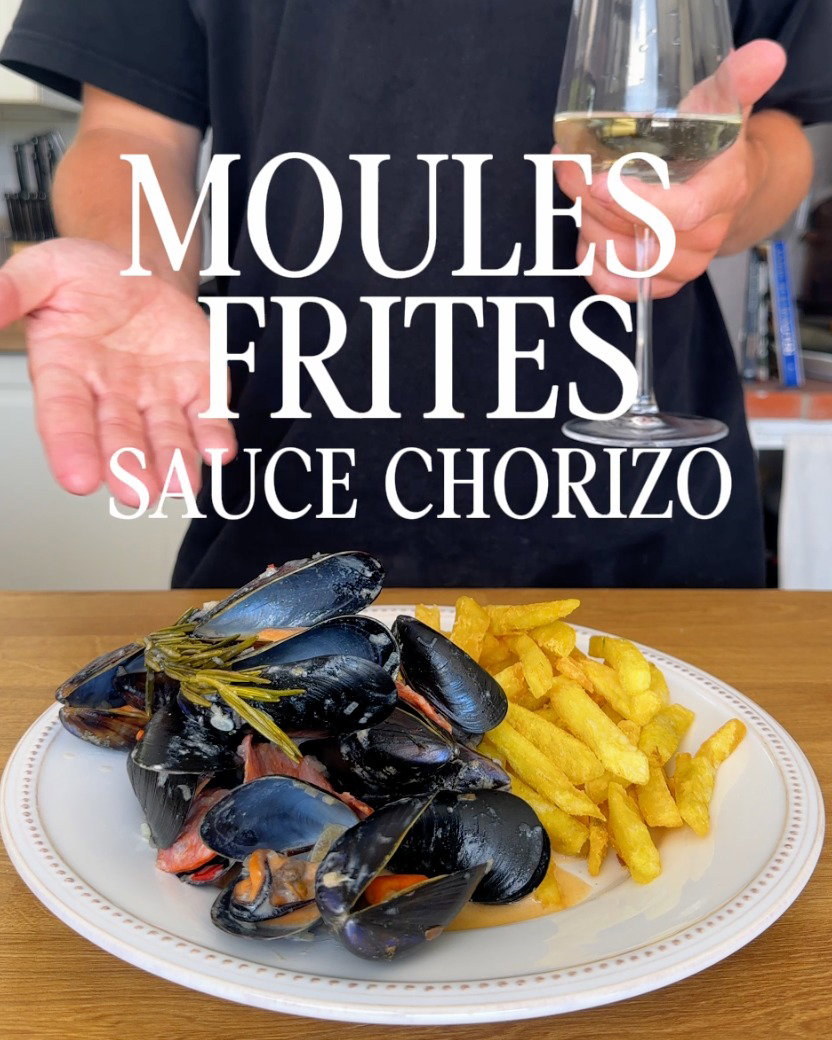
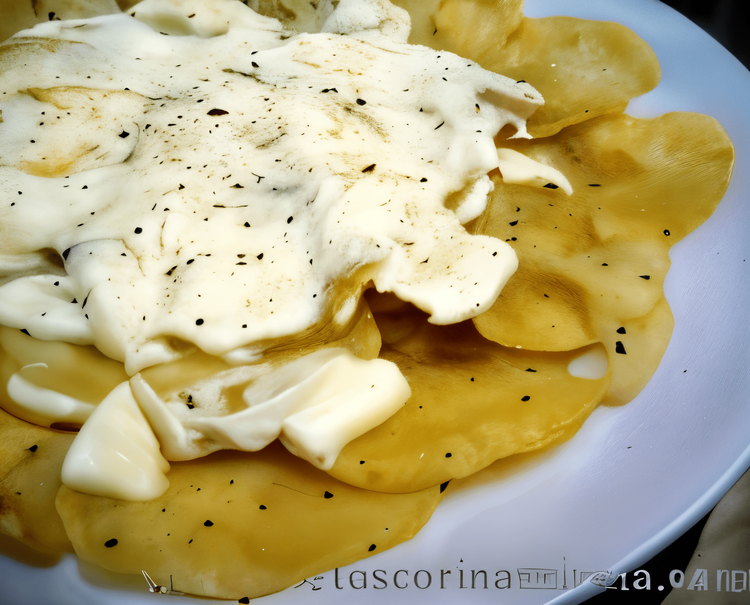
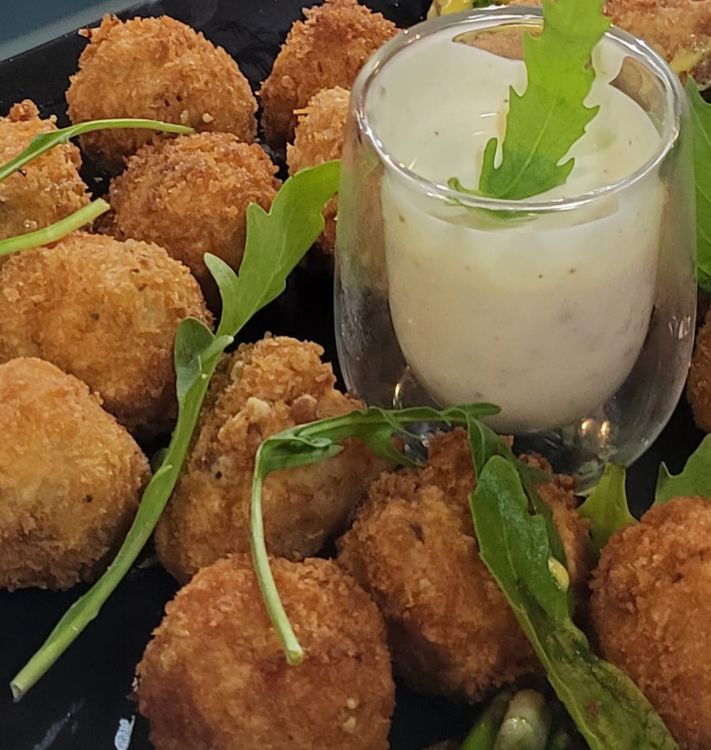
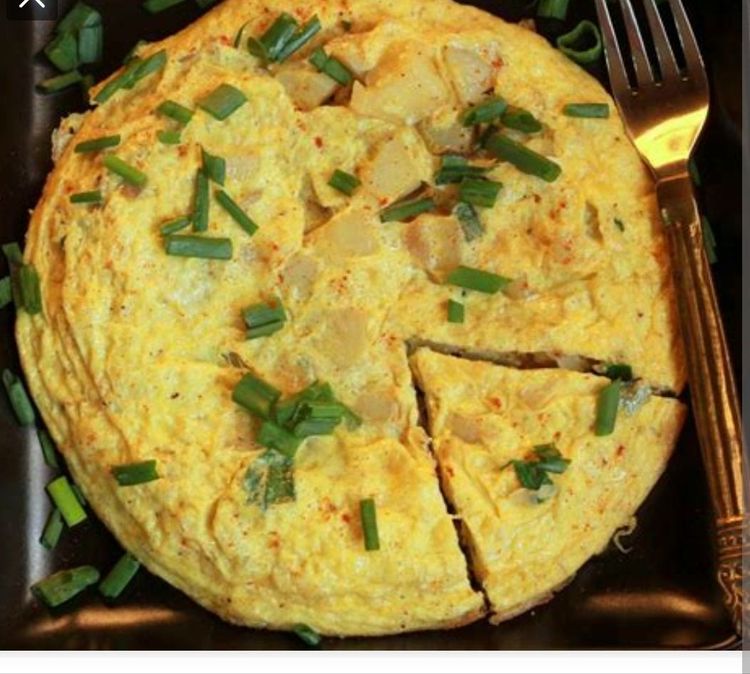
Tapas culture is built around small, intensely flavored plates meant for sharing across a table rather than one dish eaten alone, and the recipes in this group show why that format works so well — crisp fried potatoes doused in a smoky sauce, plump mussels steamed in wine and chorizo, delicate rings of octopus, and a golden Spanish tortilla cut into wedges. Most of these dishes depend on high, confident heat and precise timing rather than long ingredient lists: patatas bravas wants a genuine double fry, mussels want a quick steam so they do not overcook and toughen, and octopus wants a long gentle simmer before a fast hot sear. Chorizo appears throughout this cluster not just as an ingredient but as a flavoring device — rendering its paprika-stained oil and cooking other ingredients in it is a shortcut to real depth with almost no effort. Serve two or three of these together with good bread and a cold drink and you have a proper Spanish spread, built the way these dishes are actually eaten at a tapas bar rather than as a single main course. Standouts here include Mussels with Chorizo and Creamy White Wine Sauce and Stuffed Potato Roll with Chorizo, plus Patatas Bravas with Ibérico.

- Non-Vegetarian
- Main Course

- Non-Vegetarian
- Lunch
- Spanish
- Vegetarian
- Appetiser
- Spanish
- Pescatarian
- Appetiser
- Italian
- Non-Vegetarian
- Appetiser
- Spanish
- Eggetarian
- Breakfast
Spanish Soups, Stews & Mains
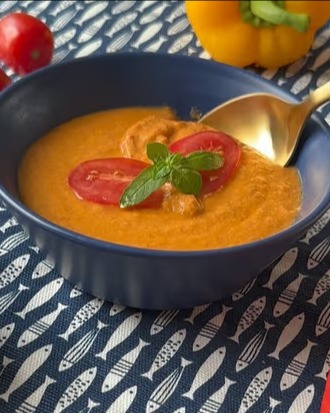
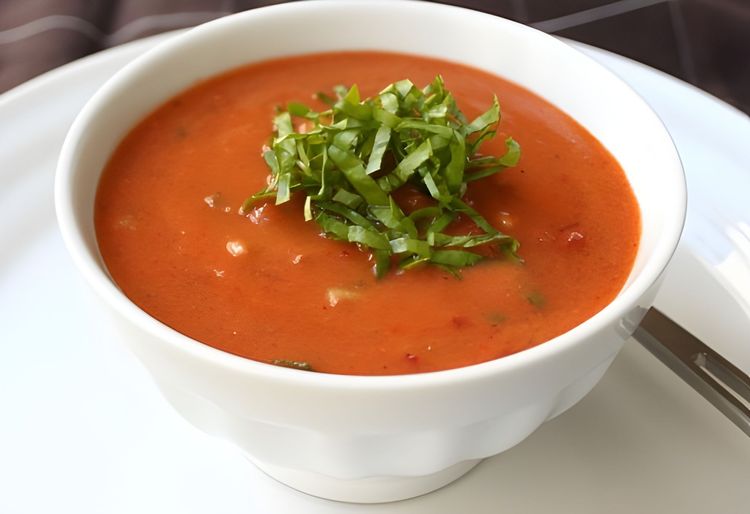
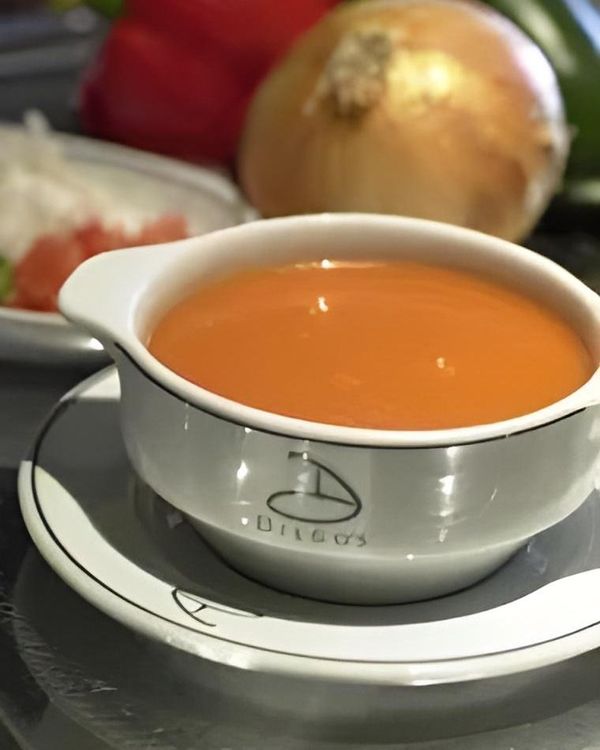
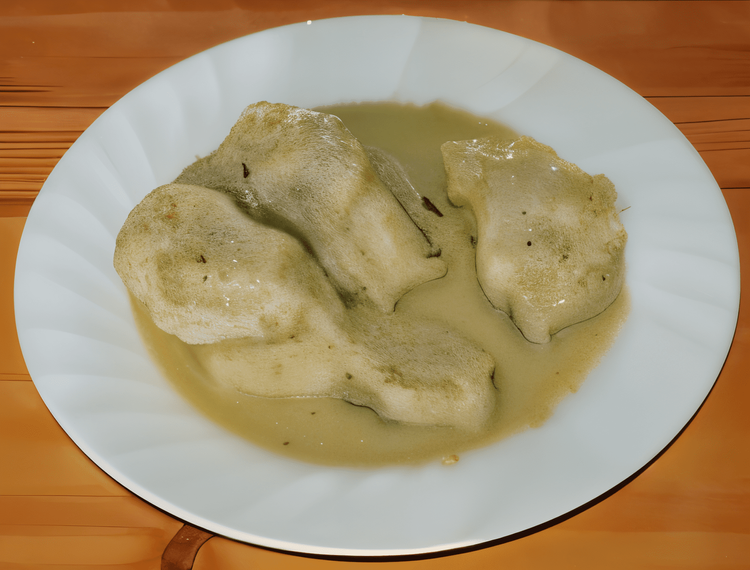
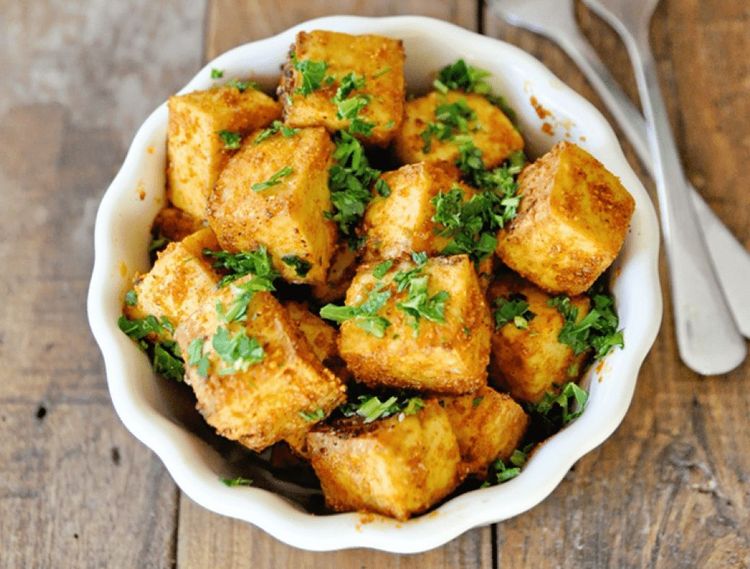
This is the everyday backbone of Spanish cooking: chilled gazpacho for a hot afternoon, a properly built chicken dish finished with almonds or paprika, and the slow-simmered fish and seafood stews that turn modest ingredients into something substantial. Gazpacho is deceptively simple — ripe tomatoes, cucumber, pepper, garlic, vinegar, oil and stale bread blended smooth — but it lives or dies on the quality of the tomatoes and a properly balanced finish of acid, salt and oil, which is why the best versions taste completely different from a thin, watery version made with out-of-season fruit. The stews and chicken dishes in this group build on the same sofrito base found throughout Spanish cooking: onion, garlic and tomato cooked down slowly until sweet and deep, then built up with stock, wine, saffron or paprika depending on the dish. These are the recipes worth learning first if you are new to Spanish cooking, since the techniques — a good sofrito, a properly reduced sauce, careful seasoning at the end — carry directly into the more elaborate paella and tapas dishes elsewhere on this page. Standouts here include Spanish Chicken and Potatoes and Gazpacho, plus Gazpacho Andaluz.
- Spanish
- Vegan
- Appetiser
- Spanish
- Vegan
- Lunch
- Spanish
- Vegan
- Lunch
- Spanish
- Non-Vegetarian
- Lunch

- Spanish
- Pescatarian
- Dinner
- Spanish
- Vegan
- Lunch
Building Paella Rice the Right Way
Paella lives or dies by the rice. Reach for a short-to-medium grain Spanish variety such as bomba or calasparra rather than long-grain or risotto rice — bomba in particular absorbs liquid without turning starchy, so it stays separate and firm even when it has taken on a full measure of stock. Toast the rice briefly in the hot, oil-slicked pan after the sofrito is cooked, so every grain is coated before any liquid goes in.
Add hot stock, not cold, so the pan never drops in temperature, and resist the urge to stir once the liquid is in. Stirring paella releases starch and pushes it toward risotto territory, which is the opposite of what you want. Instead, shake the pan gently to settle the rice into an even layer, add saffron steeped in a little warm stock or water for color and aroma, and let it cook undisturbed over even heat.
The prize at the bottom of the pan is the socarrat, a thin caramelized crust of rice that forms in the last few minutes over slightly higher heat — listen for a faint crackle rather than watching for color, since paella pans are wide and shallow enough that it is easy to misjudge. Pull the pan off the heat, rest it loosely covered with a cloth for five minutes, and serve straight from the pan with lemon wedges.
Frying Tapas Without Greasy Results
Most fried tapas benefit from a two-stage approach. For patatas bravas, cook the cubed potatoes first at a moderate oil temperature, around 150C/300F, until they are tender all the way through, then lift them out and rest for a few minutes while the oil climbs to a hotter 190C/375F for a second fry that crisps the outside without drying the middle. Skipping the first, gentler fry is the most common reason home-fried potatoes turn out hard-shelled but raw inside.
For anything battered or breaded — croquetas, calamari, arancini — keep the oil temperature steady by frying in small batches; dropping too much cold food in at once drops the oil below crisping temperature and the food soaks up grease instead of sealing quickly. A thermometer is worth owning for this, since guessing by eye tends to run cool. Drain fried tapas on a wire rack rather than paper towels, which trap steam underneath and soften the crust.
Chorizo needs almost no help: render it in a dry pan over medium heat so its own paprika-red oil renders out, then use that oil to cook whatever it is paired with, whether that is mussels, potatoes or rice for an arancini filling. Octopus is the exception to fast frying — it wants a long, gentle simmer first, an hour or more, until a knife slides in easily, before a hot sear finishes it with color and char.
Getting Gazpacho and Cold Soups Right
A good gazpacho starts with ripe, in-season tomatoes — this is not a dish that forgives pale winter fruit. Blend tomatoes with cucumber, green pepper, garlic, sherry vinegar, good olive oil and stale bread, which gives the soup its characteristic body and silkiness, until completely smooth, then pass it through a sieve for a refined, restaurant-style texture, or leave it slightly coarse for a rustic version.
Balance is everything: taste after blending and adjust with more vinegar for brightness, salt to bring out the tomato, and a slow stream of olive oil whisked or blended in at the end for richness and the traditional pale-orange sheen. Chill the finished soup for at least two hours, ideally overnight — the flavors round out and the texture thickens slightly as it sits, so gazpacho always tastes better the next day.
Serve very cold, in chilled bowls or glasses, with a scattering of diced cucumber, pepper and onion on top for texture and a drizzle of good oil to finish. If the soup separates or thickens too much in the fridge, whisk in a splash of cold water before serving. The same balancing principles apply to other Spanish cold soups like salmorejo, which uses more bread for an even thicker, spreadable result.
Shaping and Flipping a Spanish Tortilla
A proper tortilla española starts with potatoes cooked low and slow in a generous amount of olive oil — more a gentle poach than a fry — until they are tender and slightly golden at the edges, about fifteen to twenty minutes over medium-low heat. This confit-style cooking is what gives the potatoes their creamy, almost custardy interior once the tortilla sets, and it is worth not rushing.
Drain the potatoes well, reserving the oil, and fold them gently into well-beaten eggs with a generous pinch of salt; let the mixture sit for a few minutes so the potatoes season the eggs. Cook in a small non-stick pan in a little of the reserved oil over medium heat, easing the edges in with a spatula so the tortilla holds a tall, domed shape rather than spreading thin.
The flip is the famous hurdle: once the bottom is set but the top is still loose, place a plate over the pan, invert confidently in one motion, then slide the tortilla back in to set the other side. Cook briefly for a still-runny center or longer for fully set — both are correct depending on preference. Rest for a few minutes before slicing; tortilla is traditionally served warm or at room temperature, never straight off the heat.
Pro Tips from the Test Kitchen
- Use bomba or calasparra rice for paella — it absorbs stock without going starchy, unlike risotto rice.
- Never stir paella once the stock is in; shake the pan instead to keep the rice from turning gluey.
- Double-fry potatoes for patatas bravas: a gentle 150C first fry to cook through, then a hot 190C fry to crisp.
- Chill gazpacho for at least two hours before serving — the flavors round out dramatically overnight.
- Add olive oil to gazpacho in a slow stream at the end for the classic silky, pale finish.
- Cook tortilla potatoes low and slow in oil rather than frying hot — you want them tender, not browned.
- Render chorizo in a dry pan first so its paprika oil comes out, then cook other ingredients in that oil.
- Give octopus a long gentle simmer before searing it hot — skipping the simmer leaves it tough.
- Steep saffron in a little warm stock before adding it to paella for better color and aroma distribution.
- Fry churros in oil around 190C and pipe them straight into the pot for the classic ridged shape.
Frequently Asked Questions
What is the difference between paella and Spanish rice?
Paella is a specific dish cooked in a wide, shallow pan, traditionally over an open flame, that develops a crisp bottom crust called socarrat and is never stirred once the liquid goes in. Generic "Spanish rice" can refer to any rice dish flavored with Spanish ingredients like saffron, paprika or sofrito, but paella follows stricter rules around the pan shape, rice variety and hands-off cooking method. Not every rice dish from Spain is technically a paella.
Can you make paella without saffron?
Yes — saffron adds color and a distinct aroma but is not essential to the technique. A pinch of good sweet paprika or a small amount of turmeric will give a similar golden color, though the flavor will be milder and less complex. If you do use saffron, steep the threads in a little warm liquid first to draw out more color and aroma before adding it to the pan.
Why is my tortilla española falling apart when I flip it?
This usually means the eggs were not given enough time to season and bind with the potatoes before cooking, or the pan was too hot so the bottom set before the eggs fully coated everything. Let the potato-and-egg mixture rest a few minutes before cooking, use a well-seasoned or non-stick pan, and ease the edges in gently rather than pouring everything in at once. A confident, quick flip also helps — hesitating mid-flip is often what causes a split.
What is socarrat and how do you get it?
Socarrat is the thin, caramelized layer of rice that forms at the bottom of a paella pan in the final minutes of cooking. To achieve it, raise the heat slightly once most of the liquid has absorbed and listen for a faint crackling sound rather than watching for color, since the wide, shallow pan makes it hard to judge visually. A minute or two is usually enough — go too far and it burns rather than caramelizes.
What's the difference between chorizo used in Spanish cooking and Mexican chorizo?
Spanish chorizo is a cured, smoked sausage seasoned with smoked paprika, sliceable and ready to eat or cook straight from the package. Mexican chorizo is typically fresh and uncured, made with fresh chiles and vinegar, and must be cooked and crumbled like ground meat before eating. They are not interchangeable in recipes — Spanish chorizo firm texture and rendered paprika oil are what flavor dishes like paella and patatas bravas.
How do you keep gazpacho from tasting watery?
Watery gazpacho is usually a sign of underripe tomatoes or too little bread and oil for body. Use the ripest, most flavorful tomatoes available, include stale bread soaked and blended in for thickness, and finish with a proper stream of good olive oil, which emulsifies into the soup and gives it richness rather than diluting it. Chilling and resting also help the texture thicken slightly before serving.
What oil should I use for Spanish cooking?
Good Spanish olive oil is worth using generously — it is not just a cooking fat here but a flavoring ingredient, especially in gazpacho, tortilla and anything finished with a drizzle at the table. For high-heat frying, a mild olive oil or a mix of olive oil and a neutral oil keeps costs down without losing the character that a really cheap vegetable oil would give.
Are churros supposed to be hollow inside?
A good churro should be crisp outside and light but fully cooked inside, not hollow like a pastry puff. Hollowness usually means the dough was piped too thin, the oil was too hot so the outside set before steam could escape evenly, or the dough itself had too much water relative to flour. A slightly thicker piping nozzle and a steady 180-190C oil temperature usually fix it.
What's a good vegetarian option in this collection?
Vegetarian paella is a genuine main course, not a compromise — built on a proper sofrito and good rice with vegetables like artichoke, green beans and roasted red pepper standing in for seafood or meat. Gazpacho, patatas bravas and Spanish tortilla are all naturally vegetarian too, which makes this cuisine an easy one to cook a full vegetarian spread from without anyone feeling like something is missing.
What is sofrito and why does it matter so much in Spanish cooking?
Sofrito is the slow-cooked base of onion, garlic, tomato and often pepper that underpins most Spanish stews, rices and sauces. Cooked properly — low heat, twenty minutes or more, until it turns jammy and deep in color — it builds a foundational sweetness and depth that no amount of seasoning added later can replicate. Rushing the sofrito is the single most common reason a homemade Spanish dish tastes thin.
Spanish cooking rewards patience more than complexity: a properly built sofrito, rice that is never stirred, potatoes confited low and slow, tomatoes given time to chill and round out. Master those handful of techniques and paella, tortilla, gazpacho and tapas all become dishes you can cook confidently rather than follow nervously.
Start with whichever dish you are most drawn to — a weeknight paella, a pitcher of chilled gazpacho for a hot evening, or a plate of patatas bravas for a weekend gathering — and save your favorites to a Chefadora cookbook as you go. This page is built to be the Spanish recipe reference you return to each time.
Related
- Spanish
- Tapas
- Paella
- Mediterranean
- European
- Dinner
- Seafood
Popular Searches
- Best spanish recipes
- Easy spanish recipes
- Quick spanish recipes
- Healthy spanish recipes
- Simple spanish recipes
- Homemade spanish recipes
- Delicious spanish recipes
- Popular spanish recipes
- spanish food
- tapas recipes
- paella recipe
Marnirni-apinthi Building, Lot Fourteen,
North Terrace, Adelaide, South Australia, 5000
Australia
