
Top 24 Rice Recipes: Fried Rice, Pulao, Bowls and Puddings
Updated June 24, 2026 · Curated by Chefadora
Rice recipes are the quiet backbone of cooking across half the world — cheap, filling and endlessly adaptable from a quick weeknight plate to a festive centrepiece. The collection below shows the full range, from smoky fried rice and stir-fries to fragrant pulao and pilaf, hearty rice bowls and one-pot comforts, and the milky kheer and puddings that round off a meal. One grain, cooked a dozen ways, carrying every cuisine and every course.
What decides whether rice turns out perfectly is mostly grain choice and water. Long-grain basmati stays separate and fluffy for pulao and fried rice; short and medium grains release starch and turn creamy for risotto, congee and pudding. Rinsing washes away surface starch so grains do not clump, and a measured liquid ratio (roughly 1:1.5 for basmati by volume) plus a covered rest off the heat lets every grain finish evenly. Match the grain to the job and the rest follows.
You will find the collection grouped into clusters — fried rice and stir-fries, pulao, pilaf and spiced rice, rice bowls, mains and one-pot dishes, and rice pudding, kheer and sweet rice. Standout dishes range from a smoky Schezwan Fried Rice and a fragrant Jeera Pulao to a comforting Khichdi and a slow-simmered Rice Kheer, each built on the fundamentals the guides below lay out.
Treat this as a working reference. Each recipe links to full ingredients and steps on Chefadora, and the guides below cover what actually decides whether rice is fluffy or sticky, separate or creamy — choosing the right grain, washing and soaking it well, and cooking it so fried rice, pulao, bowls and puddings all turn out exactly right.
Fried Rice & Stir-Fried Rice
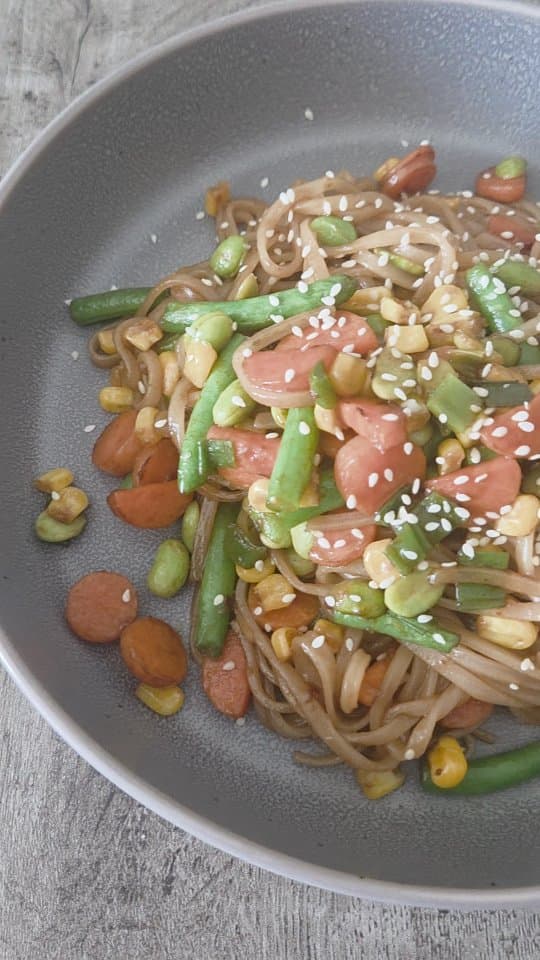
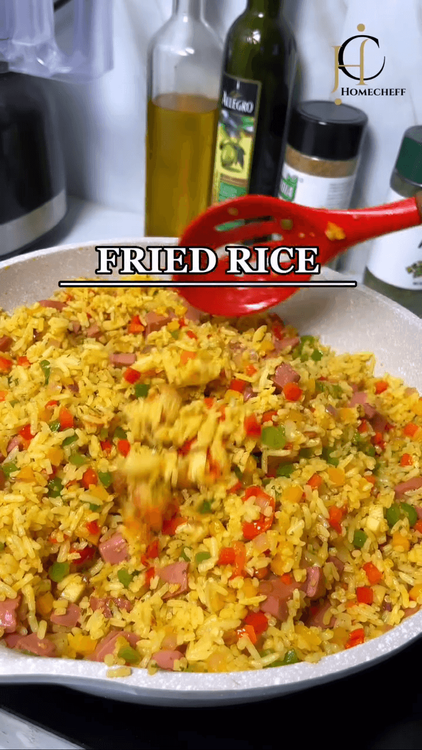
Fried rice lives and dies on two things: cold day-old rice and a genuinely hot pan. Freshly cooked rice is too moist and clumps the moment it hits oil, so cook it the night before, chill it uncovered in the fridge so the surface dries out, and the grains will fry up separate and toothsome instead of collapsing into a soft, grey mush. If you only have fresh rice, spread it thin on a tray and cool it for an hour first. Beyond that, get the wok or your widest pan ripping hot before anything goes in, because you want the grains to char and toss, not stew. Scramble the egg first and set it aside, blast your aromatics, garlic and any vegetables, then add the rice and press it against the hot metal so it picks up that faint toasty edge. Season at the very end with a splash of soy, vinegar or a punchy Schezwan paste, tossing hard so every grain gets coated rather than drowned. The most common mistake across egg fried, burnt garlic, Indo-Chinese and Schezwan styles is dumping in cold rice with a flood of sauce all at once, which crashes the heat and turns everything soggy. Add liquids sparingly, keep things moving the whole time, and work in batches if your burner is weak. Standouts here include Quick Rice Noodle Stir-Fry and Fried Rice, plus Tomato Rice (Thakkali Sadam).


- Vegan
- Lunch

- Asian
- Non-Vegetarian
- Dinner
- Indian
- Vegan
- Lunch
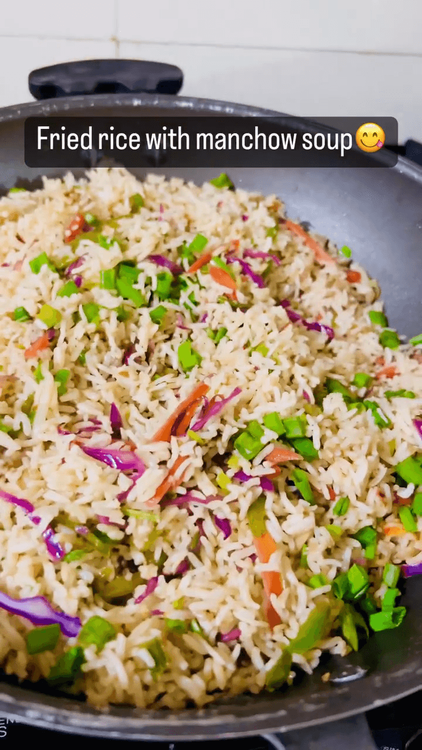
- Chinese
- Eggetarian
- Dinner
Pulao, Pilaf & Spiced Rice
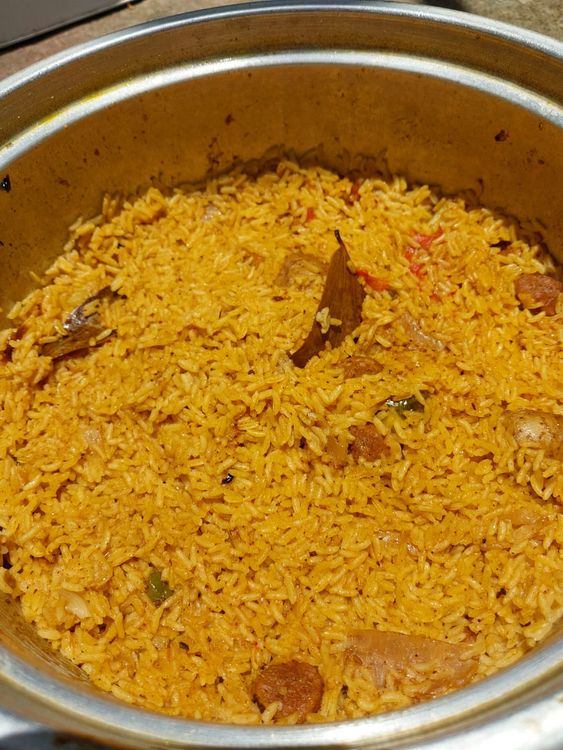
A good pulao is built on fragrance and restraint, and the technique is the same whether you are making jeera, peas, lemon, coconut or a simple ghee rice. Start by rinsing and soaking long-grain basmati so the grains hydrate and lengthen, then drain them well. Bloom whole spices — cumin, cardamom, cloves, cinnamon and bay — in hot ghee or oil until they sizzle and smell cooked rather than raw, soften your onions and aromatics, then add the drained rice and toast it gently for a minute so each grain gets coated in fat. That coating is what keeps the grains separate and stops them clumping as they cook. Pour in hot, well-salted water or stock at a measured ratio, roughly one-and-a-half parts liquid to one part soaked rice, bring it to a brisk boil, then clamp on a tight lid and drop to the lowest heat to absorb undisturbed. The single biggest error is stirring once the liquid is in, which knocks the grains about and releases starch, leaving you with a sticky, broken pot instead of a light, fluffy one. Let it rest covered off the heat for ten minutes before fluffing with a fork. For tomato, tamarind or coconut versions, balance the acidity or richness against the salt and finish with fresh coriander, fried onions or a squeeze of lime. Standouts here include Rice Potato Rolls with Mint-Coriander Chutney and Rice Pakoda with Tomato Chutney, plus Coconut Rice .
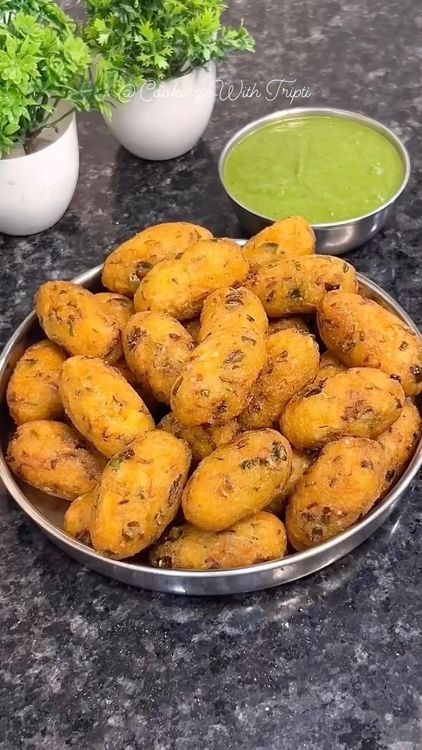

- Indian
- Vegan
- Side Dish
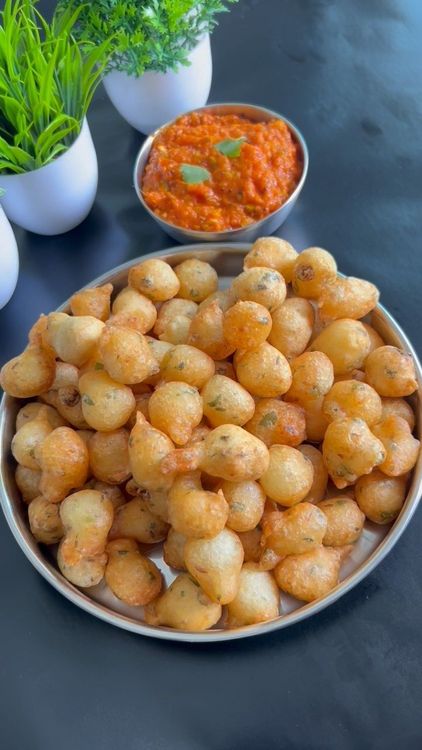
- Indian
- Vegan
- Snack
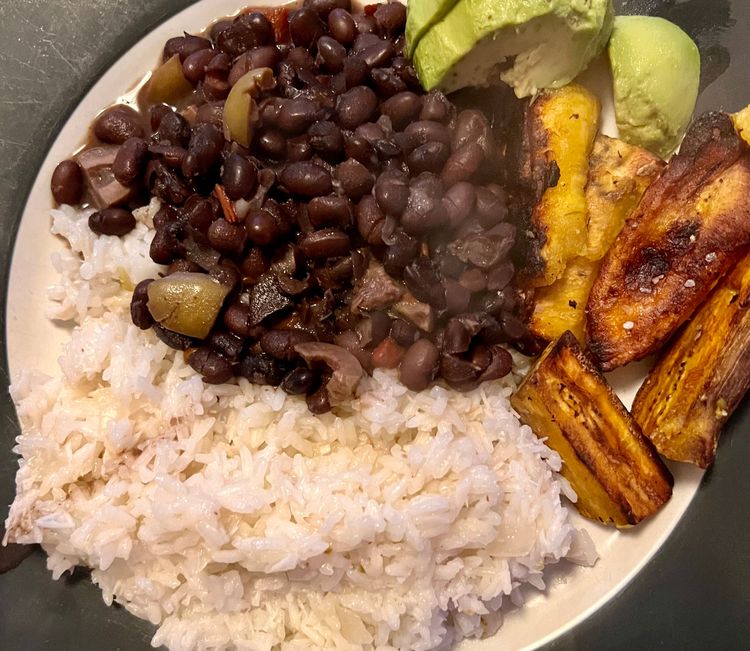

- Caribbean
- Vegan
- Side Dish
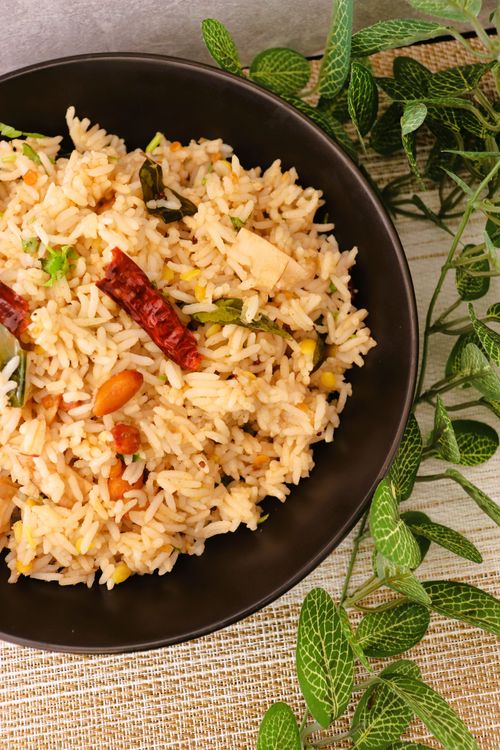

- Indian
- Vegan
- Lunch
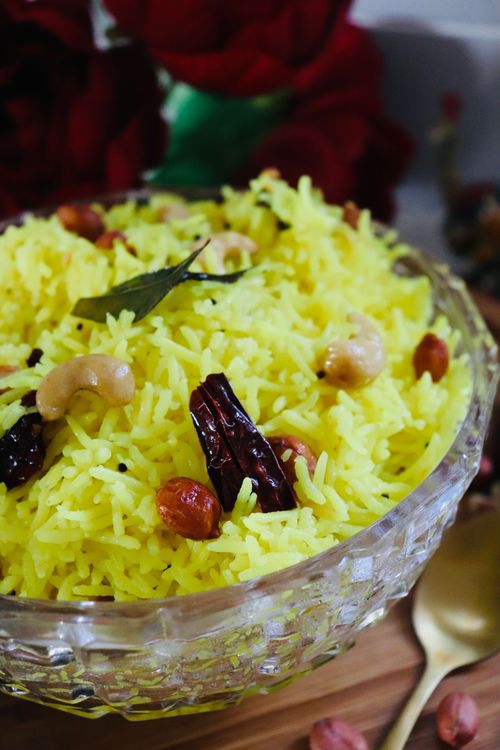
- Indian
- Vegan
- Lunch
Rice Bowls, Mains & One-Pot
When rice stops being a side and becomes the meal, you get some of the most satisfying one-dish cooking around — khichdi, curd rice, risotto, paella, congee, baked casseroles and the loaded rice bowls that pile everything over a base of fluffy grains. The principle across all of them is to cook the rice to the right doneness for the dish rather than treating it as an afterthought. For a comforting khichdi, you actually want the rice and dal to break down soft and porridge-like, simmered with turmeric and finished with a ghee tempering. For risotto and congee you coax the starch out with patient stirring so the grains turn creamy. For paella and baked rice you build a flavoured liquid and let the rice drink it in, often without stirring, so a prized crust forms on the base. And for fresh, fast rice bowls you keep the grains separate and fluffy, then crown them with a punchy protein, something crunchy and a bright sauce so each bite has contrast. The frequent mistake is boiling the rice to mush or letting it dry out in the name of one-pot convenience; give the grains the attention the particular dish asks for. A squeeze of acid, a scatter of fresh herbs or a spoon of pickle at the end lifts the whole bowl from filling to genuinely craveable. Standouts here include Rice Casserole and Rice Bowl with Omelette and Chilli Oil, plus Curd Rice with Red Rice.
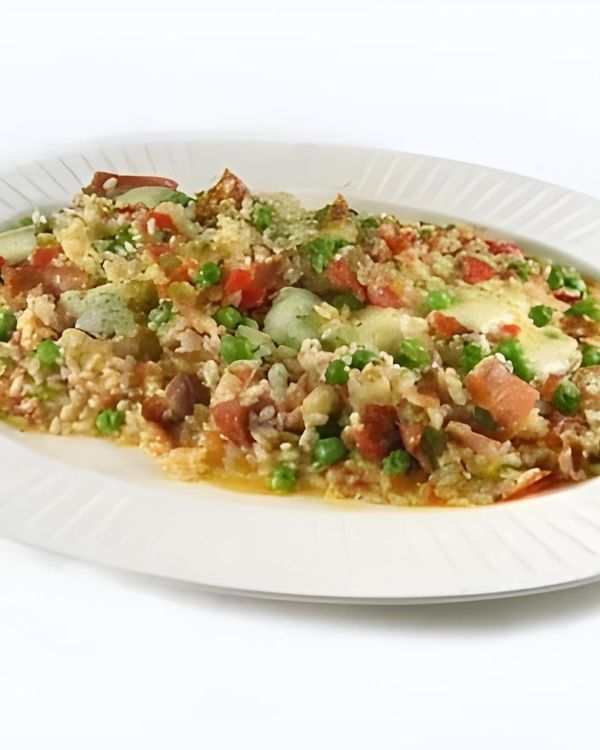
- International
- Vegetarian
- Lunch
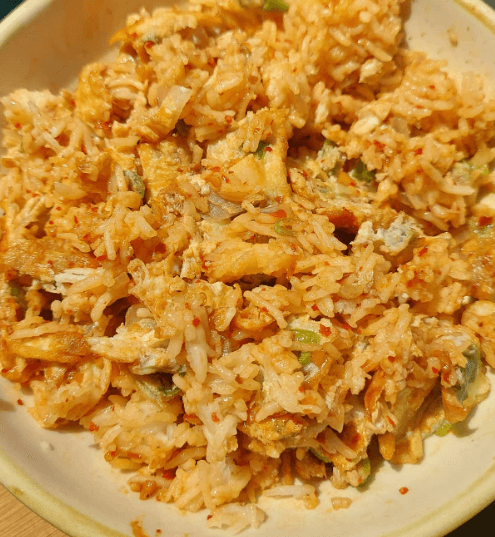
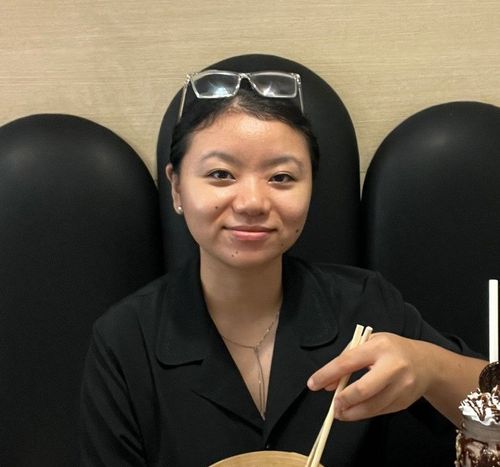
- Asian
- Eggetarian
- Breakfast


- Indian
- Vegetarian
- Lunch
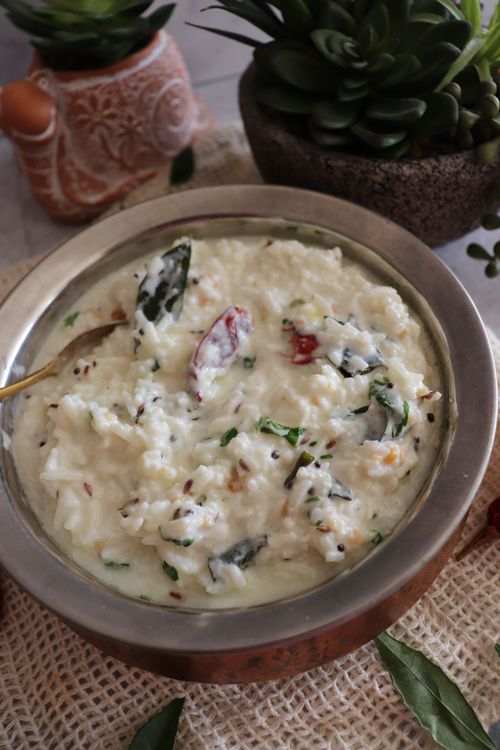
- South Indian
- Vegetarian
- Side Dish
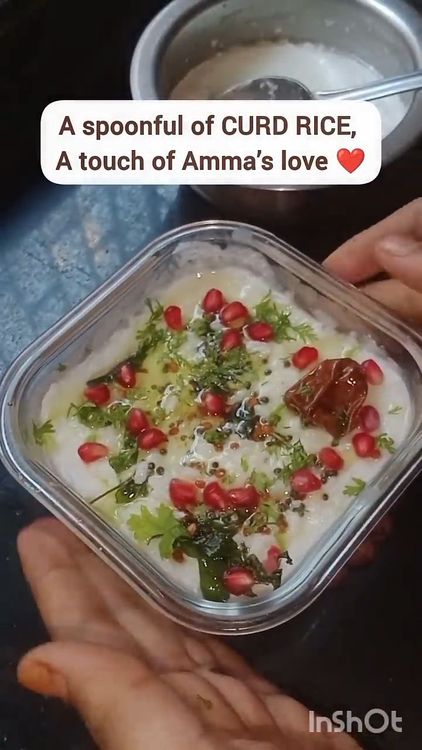

- Indian
- Vegetarian
- Lunch
Rice Pudding, Kheer & Sweet Rice
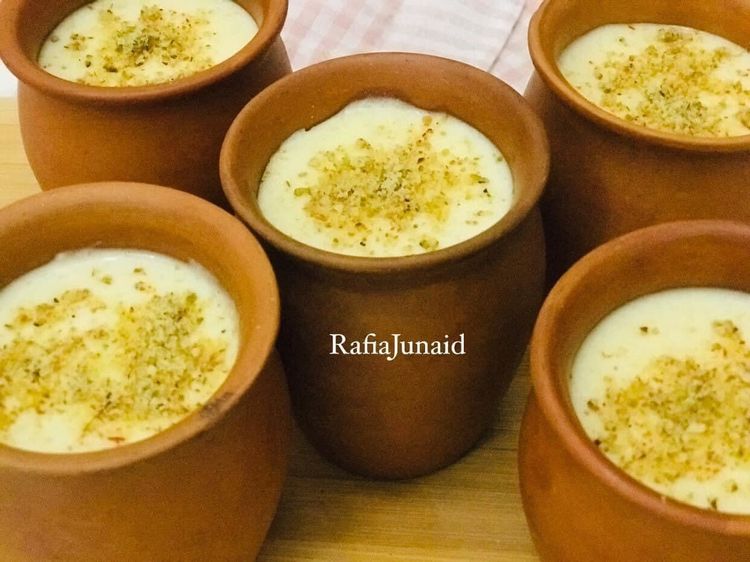
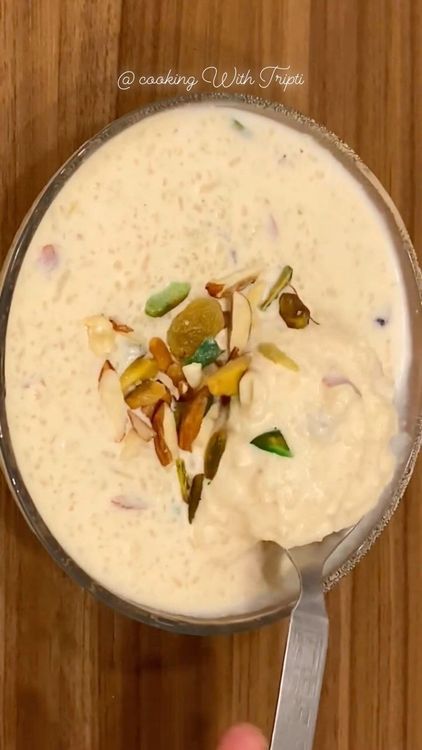
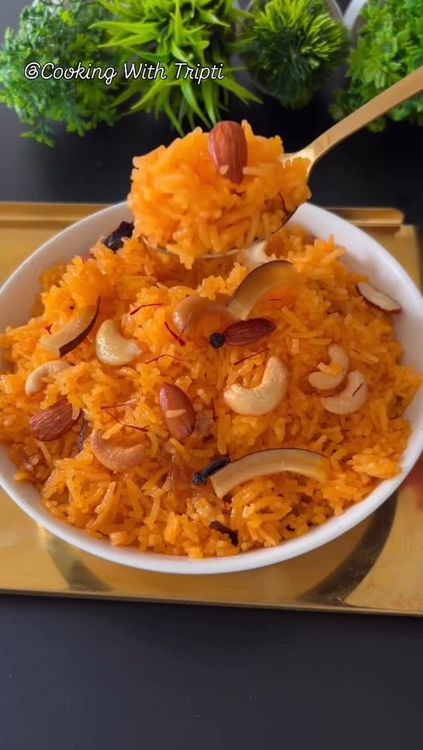
Sweet rice is where the humble grain turns into dessert, and it rewards patience above all. Kheer, payasam, phirni, zarda, kesari and milk-based puddings all rely on slow, gentle simmering to coax the starch out of the rice so it thickens the milk naturally into something silky and rich. For a classic kheer, simmer rice in full-fat milk over low heat, stirring often so it does not catch and scorch on the base of the pan, and let the grains soften and partly break down over thirty to forty minutes until the milk reduces and turns creamy. For phirni you grind the soaked rice to a coarse paste first, which gives a smoother, set-custard texture. The key with all of them is to add sugar only toward the end, because adding it early stops the rice from softening and can leave a grainy pudding. Flavour with green cardamom, a thread of saffron steeped in warm milk, and a handful of toasted nuts and raisins fried in ghee. Coconut-milk versions like payasam swap dairy for coconut and often jaggery for sugar, simmered just as gently. Remember that every one of these thickens further as it cools, so pull it off the heat while it still looks a touch loose, and let it set into a thick, barely-sweet spoonful. Standouts here include Rice Kheer with Malpude (Indian Pancakes) and Rice Kheer, plus Creamy Rice Kheer.
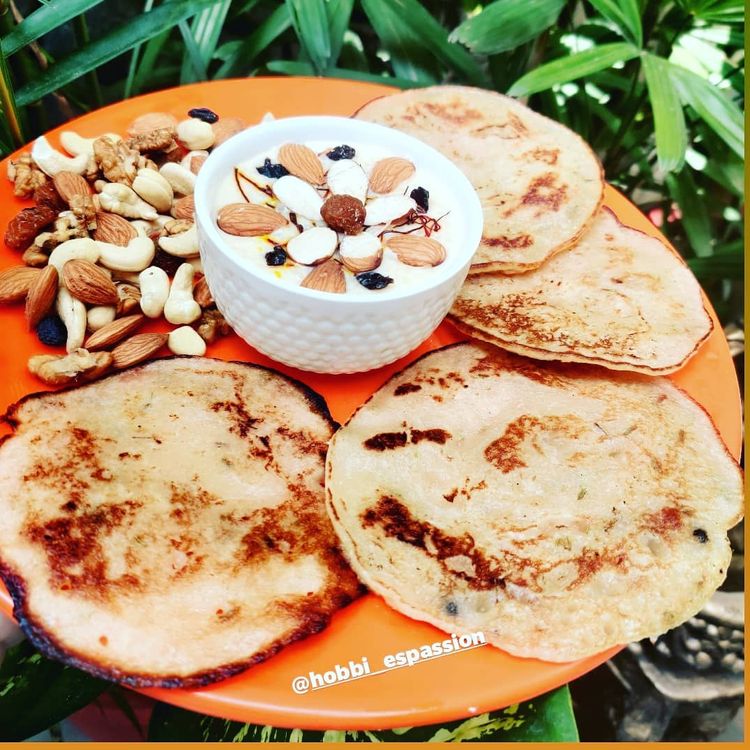

- Indian
- Vegetarian
- Dessert

- Indian
- Vegetarian
- Dessert
- Indian
- Vegetarian
- Dessert
- Indian
- Vegetarian
- Dessert
- Kerala
- Vegetarian
- Dessert
More Rice Favourites
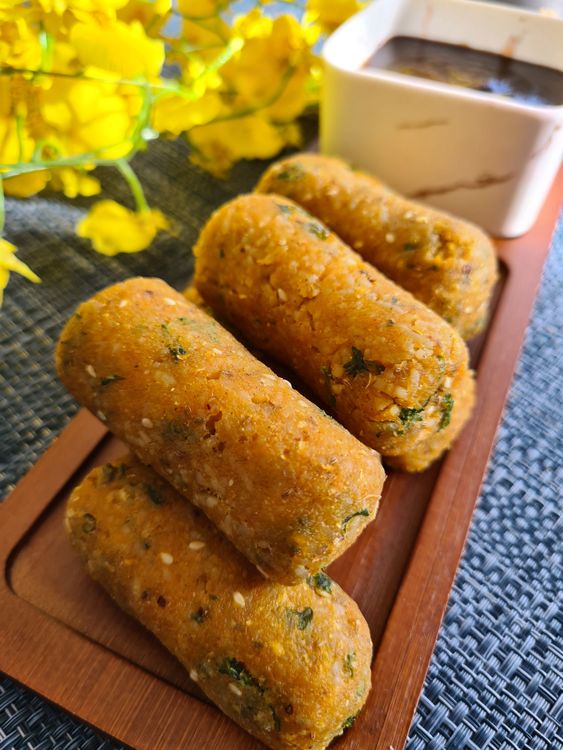
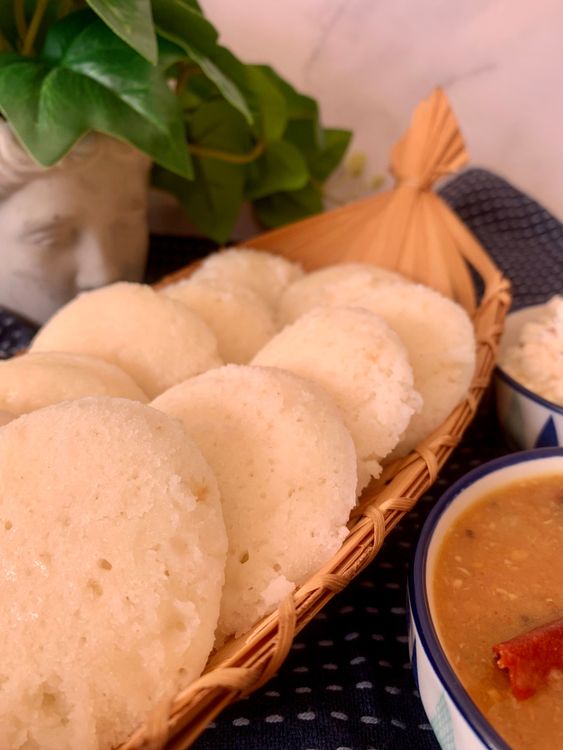
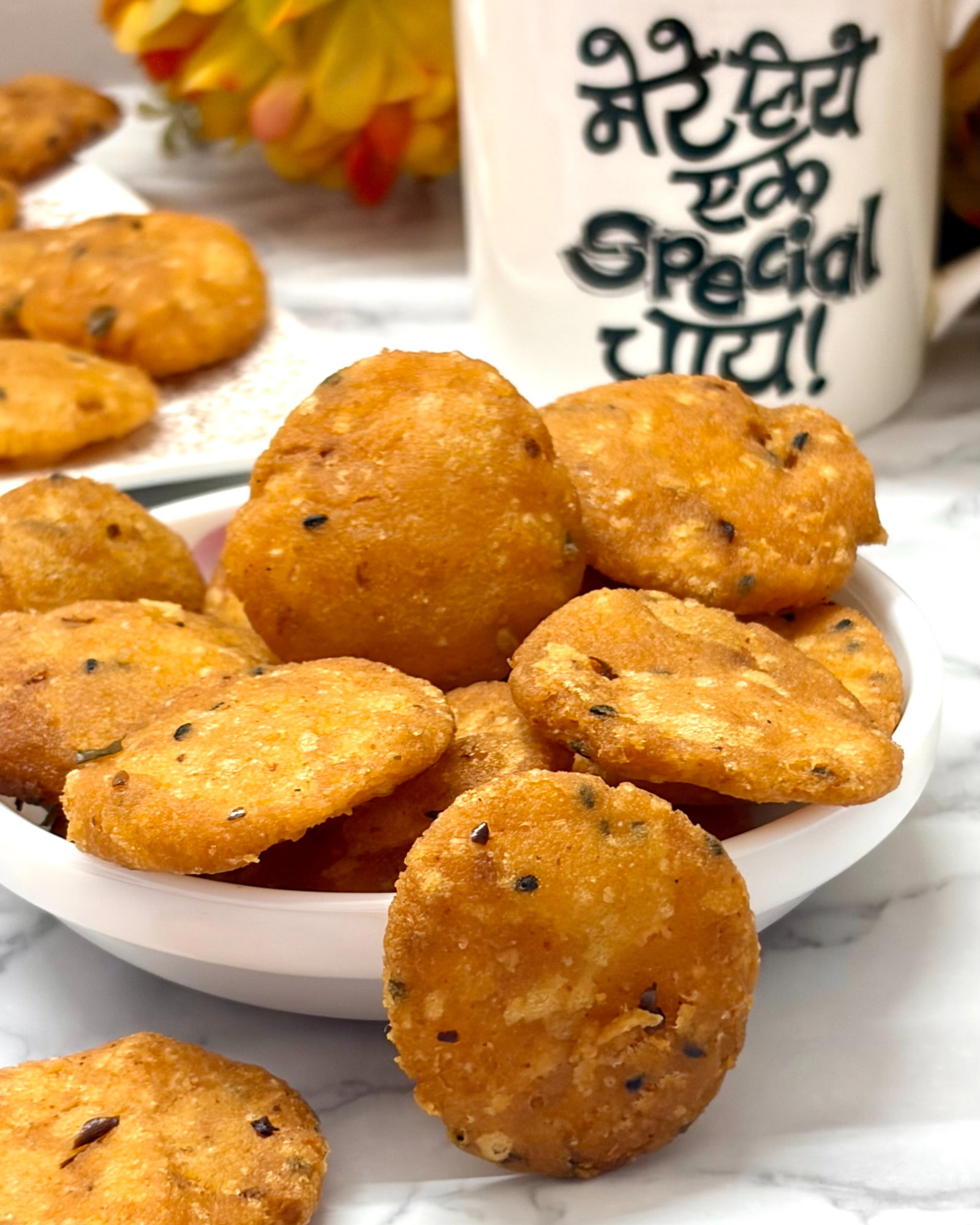
A few rice dishes never quite fit a single category, and these are the ones worth keeping in your back pocket once the staples feel routine. They lean on the same handful of techniques you already know — washing and soaking for separate grains, a measured liquid ratio and a covered rest, or patient stirring for creaminess — but steer them toward different textures, cuisines and occasions, so rice never tastes the same twice. Picking your next one is mostly about matching effort to mood: reach for a quick fried rice or a one-pot pulao on a busy weeknight when you want dinner done in one pan, and save the slow risottos, paellas and milk puddings for a weekend when you can give them the attention they ask for. Pay attention to the grain, too, since long-grain rice wants to stay dry and separate while short grains are happiest turning creamy, and using the wrong one is why a dish sometimes misses. Think of this group as the natural next step after the classics — the recipes that quietly earn a regular spot in the rotation once you have tried them, and that prove a single grain can carry you from breakfast through to the last sweet spoonful of the meal. Standouts here include Rice Fritters (Chawal ke Pakode) and Akki Roti (Rice Flour Flatbread), plus Instant Rice Idli .
- Indian
- Vegan
- Appetiser

- Indian
- Vegetarian
- Main Course
- Indian
- Vegetarian
- Breakfast
- Vegetarian
- Snack
- Fusion
- Vegan
- Lunch
Choosing and Washing Your Rice
Rice splits broadly by grain length, and matching it to the dish is half the battle. Long-grain rice like basmati is low in the sticky starch amylopectin, so it cooks up dry, separate and fluffy — ideal for pulao, fried rice and anything you want loose and grainy. Short and medium grains (arborio, sushi rice, pudding rice) are high in that same starch, so they turn creamy and clingy, which is exactly what you want for risotto, congee, sushi and rice pudding.
Washing matters more than most people think. Rinsing rice under cold water until it runs clear removes loose surface starch, the stuff that otherwise glues grains together into a sticky mass. For basmati and other long grains, rinse three or four changes of water, then soak for twenty to thirty minutes so the grains hydrate and cook evenly and lengthen rather than snapping. The exception is risotto and paella, where you want that surface starch left on to build creaminess, so those grains go in unwashed.
Store rice somewhere cool and dry in an airtight container, away from damp and strong smells, since it readily picks up moisture and odours. Brown and red rices keep their bran and so have natural oils that can turn rancid over months — use them up faster or keep them in the fridge. A little care in choosing the right grain and prepping it well does as much for the final plate as anything you do at the stove.
Cooking Fluffy, Separate Rice
Fluffy rice comes down to the right ratio and gentle steam. For basmati, the absorption method works beautifully: rinse and soak, then cook in a measured amount of water (around one-and-a-half cups water to one cup soaked rice) with a tight lid on low heat until the water is gone, roughly ten to twelve minutes. Resist lifting the lid and stirring, which knocks the grains about and releases starch — let it steam undisturbed, then rest it off the heat.
That rest is the step people skip. After the heat goes off, leave the pot covered for five to ten minutes so the steam redistributes and the grains firm up; only then lift the lid and fluff gently with a fork, lifting and separating rather than stirring, which would mash them. If you prefer the foolproof route, boil the rice in plenty of salted water like pasta and drain it once just tender, which gives reliably separate grains and forgives slightly off ratios.
For fried rice and pulao especially, day-old, fridge-cold rice is the secret. Freshly cooked rice is moist and clumps when tossed in a hot pan; chilling it overnight dries the surface so the grains fry up distinct and toothsome with proper colour. No time to wait? Spread freshly cooked rice in a thin layer on a tray and cool it uncovered in the fridge for an hour. Either way you want grains that are cold, dry and separate before they ever hit the wok.
Pilafs, Risotto and Slow-Cooked Rice
The pilaf or pulao method builds flavour into every grain. Bloom whole spices (cumin, cardamom, cinnamon, bay) in hot ghee or oil, soften onions and aromatics, then add the drained soaked rice and toast it for a minute so each grain gets coated in fat — this seals the surface and keeps the grains separate as they cook. Pour in hot, well-salted stock or water at the measured ratio, bring to a boil, then cover and drop to the lowest heat to absorb gently. The toasting and the measured liquid are what set a pilaf apart from plain boiled rice.
Risotto and creamy rices work the opposite way: you want the starch out, not sealed in. Use a short grain like arborio, do not wash it, and add hot stock a ladle at a time while stirring, so the constant agitation coaxes the starch into a silky sauce around grains that stay just al dente. It takes eighteen to twenty minutes of patient stirring; rushing with all the liquid at once gives you boiled rice in stock rather than that glossy, oozing texture. Finish off the heat with butter and cheese beaten in hard for the final gloss.
For rice pudding and kheer, slow and low is everything. Simmer rice in milk over gentle heat, stirring often so it does not catch and scorch on the base, and let the grains break down and release their starch to thicken the milk naturally over thirty to forty minutes. Add sugar only toward the end, since adding it early slows the rice from softening. The reward for patience is a pudding that thickens further as it cools into something rich, creamy and barely sweet.
Pro Tips from the Test Kitchen
- Match the grain: long-grain basmati for fluffy pulao and fried rice; short grains like arborio for creamy risotto, congee and pudding.
- Rinse rice until the water runs clear to wash off surface starch and stop grains clumping.
- Soak basmati 20 to 30 minutes before cooking so the grains hydrate and lengthen instead of snapping.
- Use roughly 1.5 cups water to 1 cup soaked basmati, and cook covered on low without stirring.
- Rest cooked rice covered off the heat for 5 to 10 minutes, then fluff gently with a fork.
- Use day-old, fridge-cold rice for fried rice so the grains fry up separate instead of mushy.
- Get the wok or pan genuinely hot and add the sauce sparingly at the end so fried rice does not go soggy.
- Toast soaked rice in fat with whole spices before adding liquid for a fragrant, separate pulao.
- For risotto, leave the rice unwashed and add hot stock a ladle at a time, stirring to release the starch.
- For kheer and rice pudding, simmer low, stir often, and add sugar only near the end.
Frequently Asked Questions
What are the best rice recipes for beginners?
Start with the forgiving ones: a simple jeera pulao, an egg fried rice using day-old cold rice, a one-pot khichdi, or a basic milk rice pudding. These teach the fundamentals — washing and soaking, the right water ratio, and gentle covered cooking — without much risk. From there, branch into pilafs with whole spices, a stir-fried Schezwan rice, or a slow kheer. Plain absorption-cooked basmati is the single most useful skill, since almost every other rice dish builds on it.
What are some easy rice recipes to make on a weeknight?
Fried rice is the classic quick win — cook extra rice the night before, then toss cold grains in a hot pan with vegetables, egg and a splash of soy in under ten minutes. A jeera or peas pulao cooks largely unattended in one pot, khichdi needs nothing more than rice, dal and a tempering, and a rice bowl lets you pile leftovers over fluffy rice with a punchy sauce. Keeping cooked rice in the fridge makes most of these almost instant.
How do you make fluffy rice that is not sticky?
Rinse the rice under cold water until it runs clear to wash off surface starch, then soak basmati for twenty to thirty minutes. Cook it in a measured amount of water — about one-and-a-half cups to one cup of soaked rice — covered on low heat, and do not stir or lift the lid while it absorbs. Once the water is gone, rest it covered off the heat for five to ten minutes, then fluff gently with a fork, lifting rather than mashing the grains.
Why is my fried rice mushy?
The usual culprits are fresh warm rice and a pan that is not hot enough. Freshly cooked rice is moist and clumps when it hits oil, so use day-old, fridge-cold rice (or spread fresh rice on a tray and chill it for an hour). Get the wok or widest pan genuinely hot before the rice goes in, work in batches if your burner is weak, and add only a little sauce right at the end, tossing constantly so it coats the grains rather than pooling and steaming them soft.
What kind of rice is best for which dish?
Match grain length to the result you want. Long-grain basmati stays dry and separate, so it is right for pulao, fried rice and plates where you want loose, fluffy grains. Short and medium grains such as arborio, sushi and pudding rice are high in sticky starch and turn creamy, making them ideal for risotto, congee, sushi and rice pudding. Brown and red rices add nuttiness and fibre but need more water and longer cooking, so allow extra time.
Do you need to soak rice before cooking?
For basmati and other long grains, soaking for twenty to thirty minutes is worth it — the grains hydrate, cook more evenly, and lengthen rather than breaking, giving you that prized separate, fluffy texture. Always rinse first to remove surface starch. Short-grain rices for risotto and paella are the exception: you skip both the wash and the soak because you want that starch on the grain to build creaminess. For everyday boiled rice, a quick rinse is enough.
How do you make pulao or pilaf with separate grains?
Bloom whole spices in hot ghee or oil, soften your aromatics, then add the rinsed, soaked and drained rice and toast it for a minute so every grain gets coated in fat. Add hot, well-salted stock or water at a measured ratio, bring to a boil, then cover and cook on the lowest heat until absorbed. Toasting seals the grain surface, the measured liquid stops it going soggy, and a covered rest off the heat lets everything finish separate and fragrant.
How do you make creamy rice pudding or kheer?
Simmer rice slowly in milk over gentle heat, stirring often so it does not catch and scorch on the base of the pan. Let the grains soften and break down over thirty to forty minutes, releasing their starch to thicken the milk naturally rather than relying on cornflour. Add sugar only toward the end, since adding it early stops the rice from softening. Flavour with cardamom, saffron or nuts, and remember the pudding thickens further as it cools, so pull it while still a touch loose.
Can you store and reheat cooked rice safely?
Yes, with care. Cool cooked rice quickly — within about an hour — and refrigerate it promptly, because cooked rice left warm can grow bacteria that survive reheating. Keep it covered in the fridge and use it within a day or two; day-old rice is actually ideal for fried rice. Reheat it thoroughly until piping hot all the way through, adding a splash of water to loosen, and only reheat it once. Rice also freezes well in portions for quick future meals.
How do you stop rice from sticking to the pan or burning?
Use a heavy-based pan with a tight lid so heat spreads evenly, and keep the flame low once the rice is absorbing. For absorption cooking, do not stir after the boil, which disturbs the grains and can break them down onto the base. For milk-based puddings, stir often and keep the heat gentle, since milk and sugar scorch easily. A quick smear of ghee or oil in the pan and a measured liquid ratio both help prevent sticking and catching.
The thread through every rice recipe here is the same: match the grain to the dish, rinse and soak so the grains cook clean and separate, and use a measured ratio with gentle steam and a proper rest. Want it creamy instead? Leave the starch on and stir. Master those and fried rice, pulao, bowls and puddings all turn out fluffy, separate or silky exactly as intended.
Pick a few rice recipes to cook this week — a smoky fried rice from last night's leftovers, a fragrant jeera pulao, and a slow milk kheer — and save your favourites to a Chefadora cookbook. There is a rice dish for every meal, mood and course; this page is built to be the rice reference you keep coming back to.
Related
- Rice
- Vegetarian
- One-pot
- Indian
- Asian
- Comfort food
- Budget
- Dessert
Popular Searches
- Best rice recipes
- Easy rice recipes
- Quick rice recipes
- Healthy rice recipes
- Simple rice recipes
- Homemade rice recipes
- Delicious rice recipes
- Popular rice recipes
- fried rice
- pulao
- rice bowl
- rice pudding
Marnirni-apinthi Building, Lot Fourteen,
North Terrace, Adelaide, South Australia, 5000
Australia
