
Top 22 Tart Recipes: Fruit, Chocolate, Savoury and Mini
Updated June 25, 2026 · Curated by Chefadora
Tart recipes cover a huge, satisfying range, all built on one idea: a crisp pastry shell holding a filling that can go almost anywhere. The collection below runs from glossy fresh fruit tarts and silky chocolate and custard fillings to classic egg tarts, savoury cheese and vegetable bakes, and bite-size tartlets for a crowd. One shell, a hundred fillings, sweet through savoury and breakfast through dessert.
What decides whether a tart works is mostly the pastry and how you bake it. A short, buttery crust stays crisp only if you keep the dough cold, rest it so it does not shrink, and blind-bake it before a wet filling goes in. Cold butter and minimal handling give you flake rather than toughness, and a fully baked, cooled shell is what stops the base turning soggy under fruit or custard. Get the pastry right and the filling is the easy part.
You will find the collection grouped into clusters — fresh fruit tarts, cream, custard and chocolate tarts, savoury tarts and quiches, and mini tarts and tartlets. Standout bakes range from a classic glazed Strawberry Fruit Tart and a silky Chocolate Ganache Tart to a Hong Kong-style Egg Tart, a Tomato and Cheese Quiche, and a tray of jam-filled Bakewell tartlets, each built on the fundamentals the guides below lay out.
Treat this as a working reference. Each recipe links to full ingredients and steps on Chefadora, and the guides below cover what actually decides whether a tart turns out crisp or soggy, set or weepy — making and blind-baking a reliable pastry shell, getting custards and ganache to set just right, and matching fruit, cream and savoury fillings to the shell so every slice holds together.
Fruit Tarts
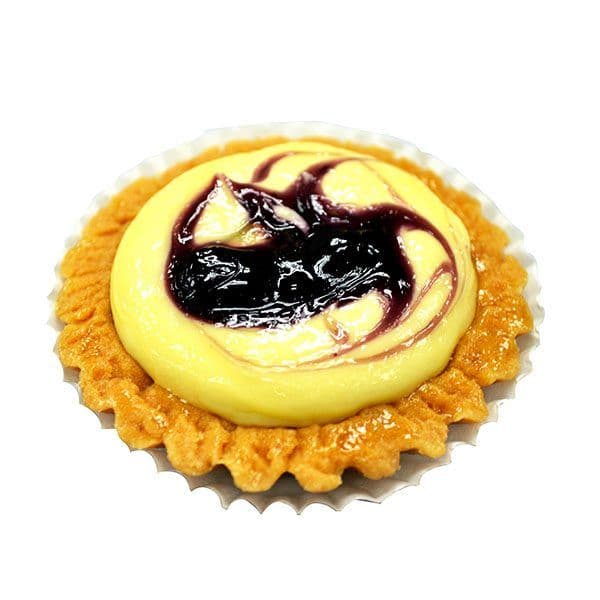
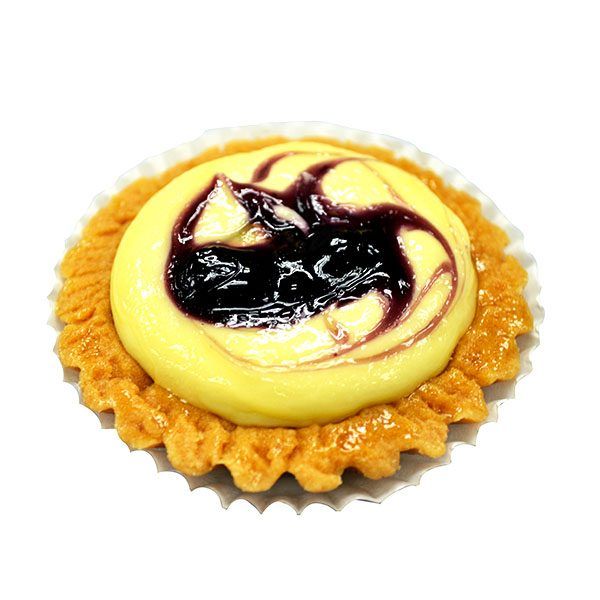
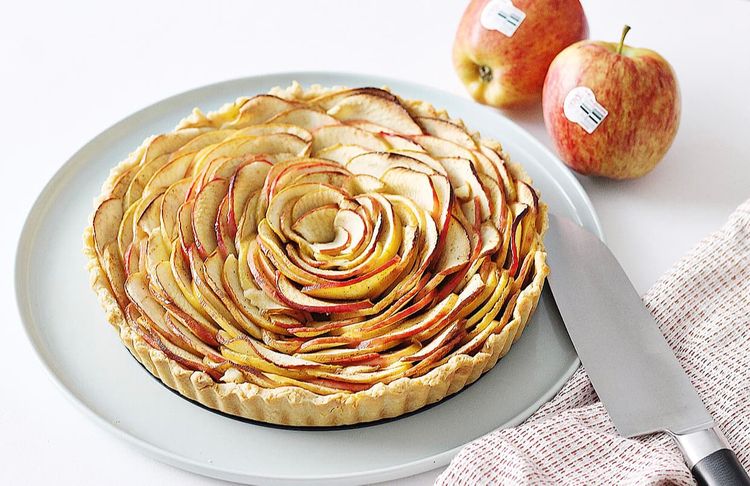
Fruit tarts are the brightest, most photogenic corner of the tart world, and they are almost always an assembly job rather than a bake-it-all-together one. The shell goes in fully blind-baked and cooled, the filling is a thick pastry cream or set custard chilled until firm, and the fruit goes on raw and ripe at the very end. Spread the cool cream into the cool shell, then arrange strawberries, berries, mango, peach, apple slices or citrus segments in a single neat layer, packing them close so each slice carries fruit. The finishing move that separates a home tart from a patisserie one is the glaze: a warm, sieved apricot or redcurrant jam brushed over the fruit makes it glossy and stops it drying or oxidising. Timing is everything here — because pastry cream slowly softens the base, assemble fruit tarts close to serving rather than hours ahead, or the crisp bottom you worked for goes soft. For cooked-fruit styles like a French apple tart, slice the fruit thin and even so it bakes through, and glaze it the same way for shine. Standouts here include C03 : Blueberry Cream Cheese Tart and C02 : Baked Fruit Tart, plus Baked Brie & Apricot Phyllo Tart.
- Western
- Eggetarian
- Dessert
- Dessert
- Vegetarian
- Dessert

- Non-Vegetarian
- Appetiser
- Western
- Vegetarian
- Dessert
- French
- Eggetarian
- Dessert
Cream, Custard & Chocolate Tarts
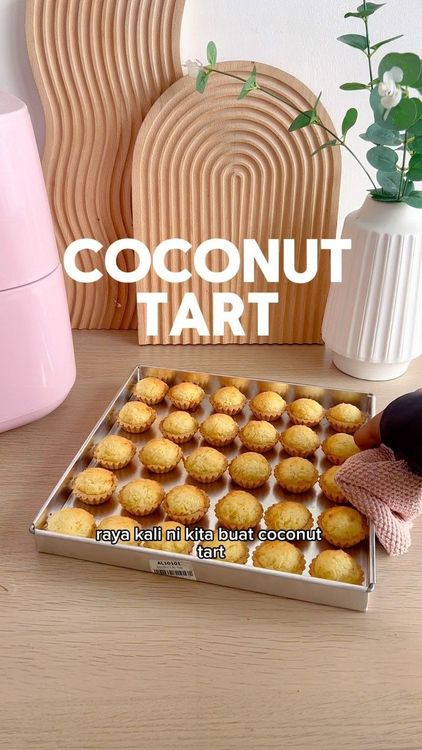
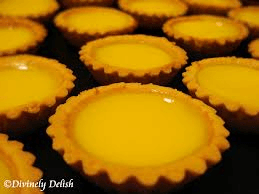
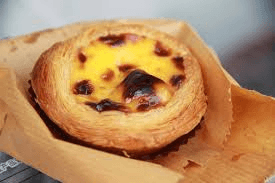
This is the rich, silky heart of the collection, where the filling does the talking — set custards, smooth chocolate ganache, caramel, coconut and treacle. The two main techniques pull in opposite directions and it helps to know which you are doing. Baked custards, including egg tarts, treacle tarts and creme-based fillings, want gentle, even heat: bake low, around 150 to 160C, and pull the tart while the centre still has a slight wobble, because it sets as it cools and high heat only curdles or cracks it. Strain the custard before pouring for a glass-smooth finish. No-bake chocolate tarts, by contrast, set by ratio: pour hot cream over chopped dark chocolate in roughly equal weights, stir into a glossy ganache, add a knob of butter for shine, then chill in a pre-baked shell until just firm. Caramel and banoffee fillings sit between the two, cooked to a deep amber and the right firmness so they hold a clean edge. Whichever you make, cool and set the filling fully before slicing with a hot, dry knife. Standouts here include Coconut Tart and C03 : EGG TART FILLING, plus C03 : PORTUGESE EGG TART FILLING.
- Malaysian
- Eggetarian
- Snack
- Asian
- Eggetarian
- Snack
- English
- Eggetarian
- Snack
- International
- Eggetarian
- Dessert
- Latin American
- Eggetarian
- Dessert
Savoury Tarts & Quiches
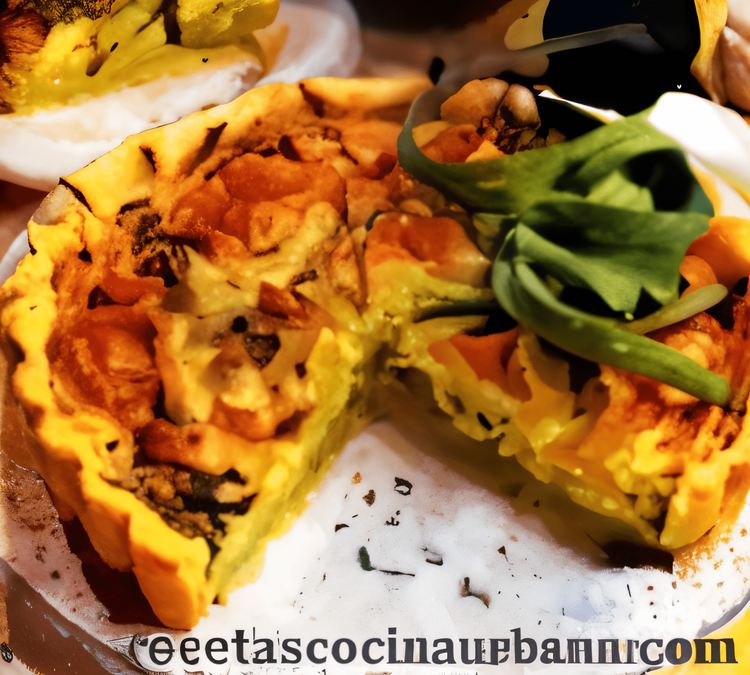
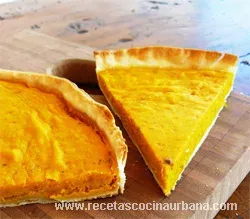
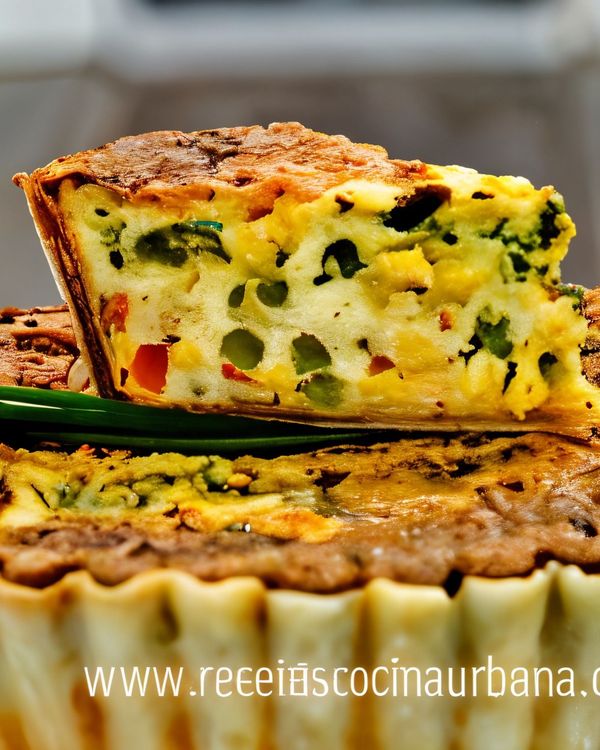
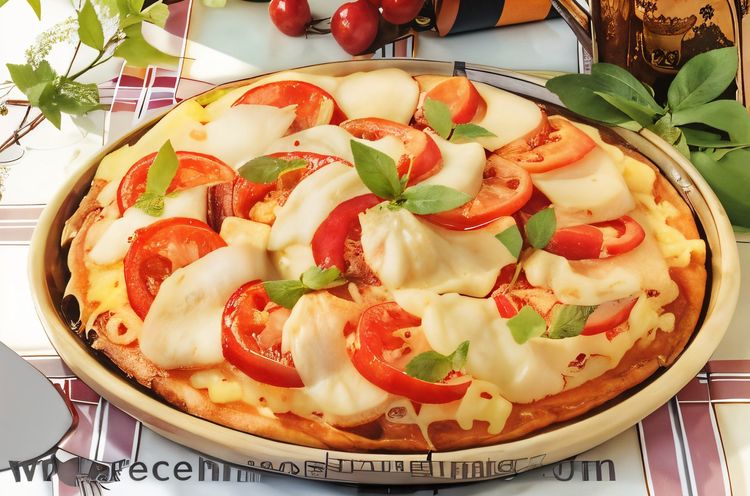
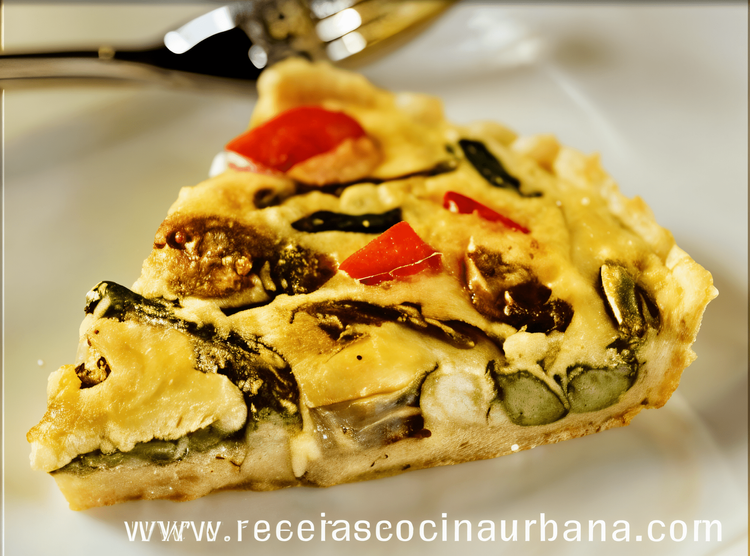
Savoury tarts and quiches prove the tart shell is just as happy holding a meal as a dessert, and they follow the custard rules with a couple of important additions. The base is the same crisp, blind-baked shortcrust — bake it fully first, because a savoury custard is wet and will sog an unbaked base. The filling is eggs whisked with cream or milk, seasoned more boldly than you think you need, and poured over cheese, herbs and cooked vegetables. The single biggest mistake is adding wet vegetables raw: mushrooms, spinach, tomatoes, onions and leeks all release a lot of water, so cook them down first to drive off moisture, or the quiche weeps and the pastry turns soggy underneath. Do not overfill the shell; the custard should sit just below the rim so it sets evenly without spilling. Bake at a moderate heat until the centre is just set with a faint wobble, then let the tart rest for ten minutes so it firms up and slices cleanly. Served warm or cold, these carry a lunch, a picnic or a light supper. Standouts here include Leek and Ham Tart and Pumpkin and Cheese Tart, plus Easy Vegetable Tart.
- French
- Non-Vegetarian
- Lunch
- European
- Eggetarian
- Snack
- International
- Eggetarian
- Lunch
- Mediterranean
- Pescatarian
- Lunch
- International
- Eggetarian
- Lunch
Mini Tarts & Tartlets
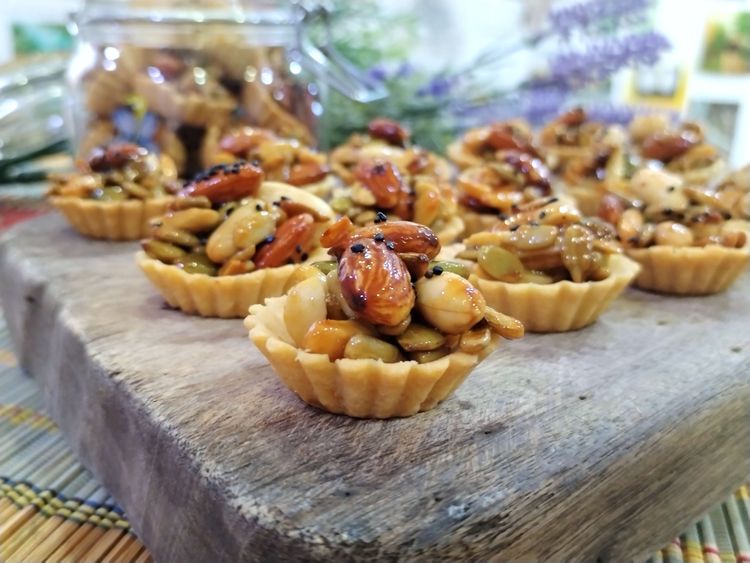
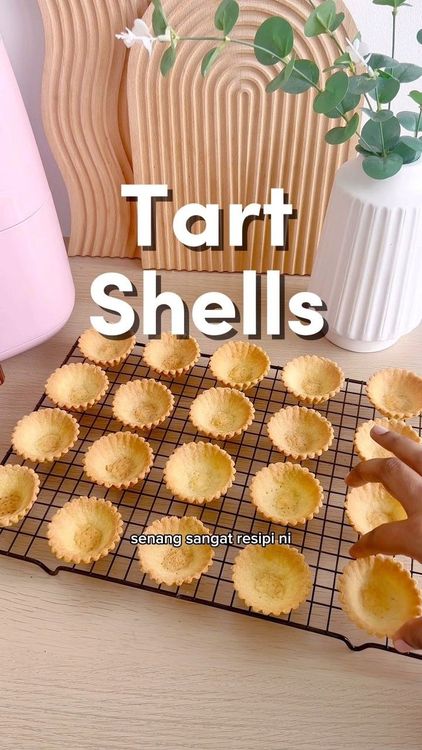
Mini tarts and tartlets are where tart-making turns playful and party-ready, and they reward a slightly firmer, sweeter pastry that holds its shape in small tins. Press or line the chilled dough into individual cups or a tartlet tray, then blind-bake exactly as you would a large shell but for noticeably less time, watching closely because small shells colour from pale to too-dark in a minute. From there the fillings span the whole collection in miniature: spoonfuls of jam for classic jam tarts, almond frangipane that bakes from raw alongside the pastry into a Bakewell, ganache or nutella for a rich bite, lemon curd, or pastry cream topped with a single berry. The rule to remember is which fillings bake and which do not — frangipane and jam go into a raw or part-baked shell and bake together, while ganache, curd and fresh fruit go into a fully baked, cooled shell. Their small size makes them fast to bake, easy to portion and simple to gift or pass around, which is why tartlets are the natural choice whenever you are feeding a crowd. Standouts here include Mini Tart Perfection and Mini nuts tart.


- Eggetarian
- Dessert
- Chinese
- Eggetarian
- Appetiser
More Tart Favourites
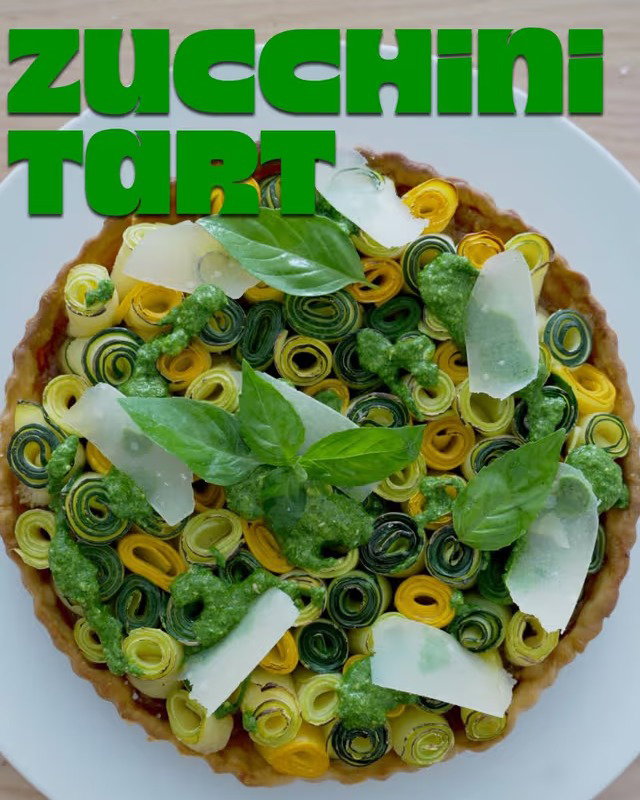
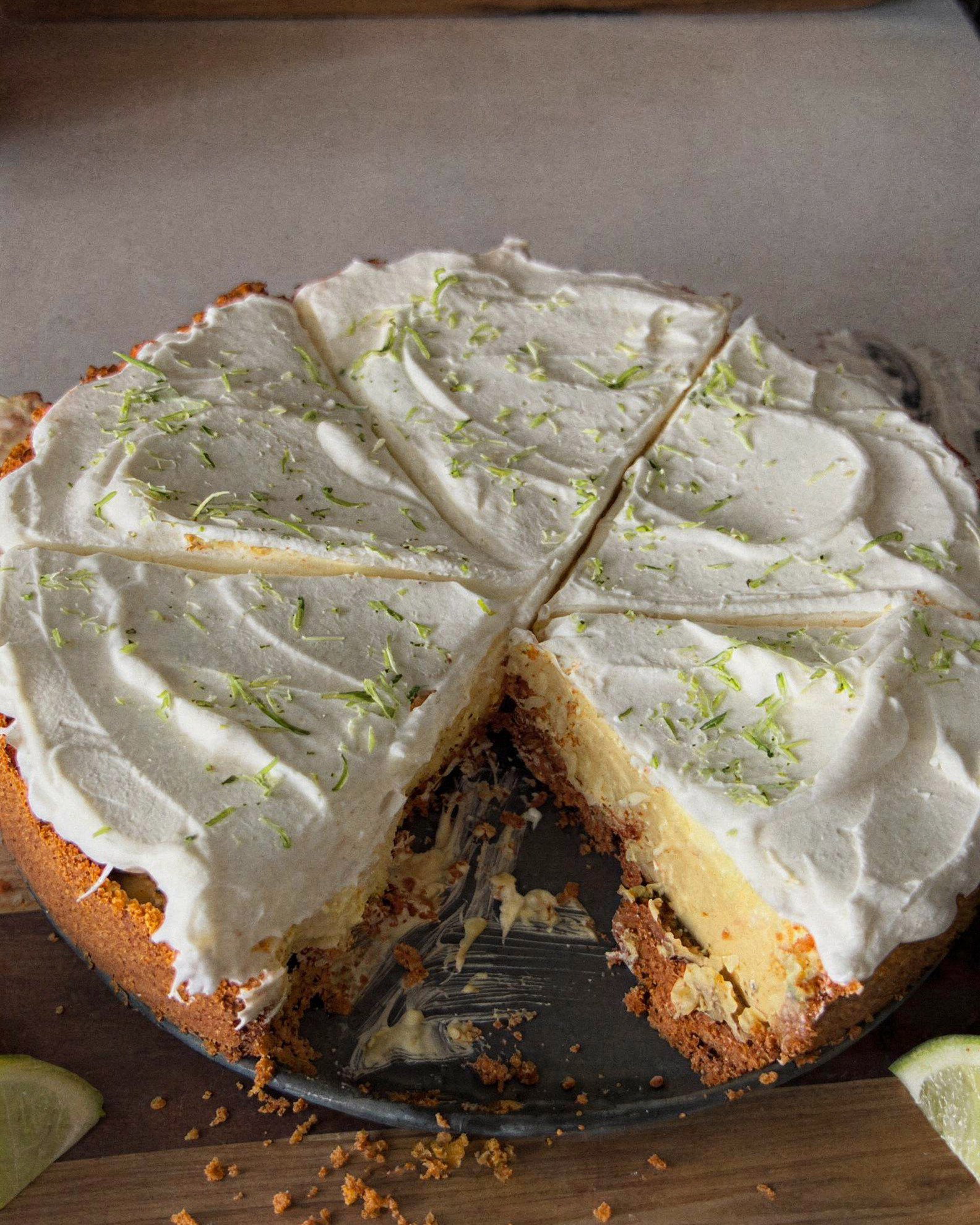
Beyond the headline categories sit the tarts that refuse to be filed neatly — rustic free-form galettes, no-bake biscuit-based numbers, custard-and-fruit hybrids, and the showpieces that borrow a technique from each cluster. They all lean on the same fundamentals you have already met: a crisp, properly baked or chilled base, a filling cooled and set before slicing, and an honest respect for moisture so nothing turns the pastry soggy. Choosing your next one is mostly about matching effort to the occasion. Reach for a quick jam tartlet, a no-bake ganache tart or a rustic fruit galette on a busy day, and save the multi-component builds — blind-baked shell, homemade pastry cream, glazed fresh fruit — for a weekend when you can give each stage its time. Pay attention to how the filling sets, since a softer custard wants a shallower shell and a firm ganache slices best slightly chilled. Think of this group as the natural next step once the classics feel automatic, the recipes that quietly earn a regular place in your baking once you have tried them. Standouts here include Camembert and Red Cabbage Tart and Zucchini Tart with Homemade Pesto, plus Lime Tart Pie.

- Peanut-Free
- Appetiser
- Eggetarian
- Lunch
- American
- Eggetarian
- Dessert
- Peanut-Free
- Appetiser
- European
- Eggetarian
- Snack
Making and Blind-Baking the Pastry Shell
Almost every tart starts with shortcrust or a sweet pate sucree, and the rules are the same: keep everything cold and handle it as little as possible. Rub or pulse cold butter into the flour until it looks like coarse crumbs, bind with just enough cold water or egg yolk to bring it together, then chill the dough for at least thirty minutes before rolling. Cold butter steams in the oven and creates flake, while overworked, warm dough turns tough and shrinks. Roll evenly to about three millimetres and ease it into the tin without stretching.
Blind-baking is the step that keeps a tart crisp under a wet filling, and skipping it is the most common reason for a soggy bottom. Line the chilled shell with parchment, fill it with baking beans or rice to hold the sides up, and bake at around 190C until the edges are set and pale gold. Remove the beans, then return the shell to the oven for another five to ten minutes to dry and colour the base. For very wet fillings, brush the hot base with a little beaten egg, which seals any cracks and waterproofs the pastry.
Resting and trimming matter as much as the bake. Chill the lined tin again before it goes in the oven so the pastry holds its shape rather than slumping down the sides, and leave a little overhang to trim flush once baked, since pastry always shrinks slightly. If the edges brown too fast, shield them with foil. Let the shell cool completely before adding any cold filling, and cool fillings before they meet a baked shell, so the pastry stays crisp instead of softening from trapped steam.
Custards, Ganache and Getting the Set Right
Baked custard tarts — egg tarts, quiches, lemon and treacle tarts — are really about gentle heat and the right egg ratio. Too hot and the custard curdles, splits or puffs and then sinks, leaving a grainy, weepy filling. Bake at a moderate temperature, around 150 to 160C, until the custard is set at the edges but still has a slight wobble in the centre; it firms as it cools. Strain the custard before pouring to catch any cooked egg, and fill the shell at the oven so you do not have to carry a brimming tart across the kitchen.
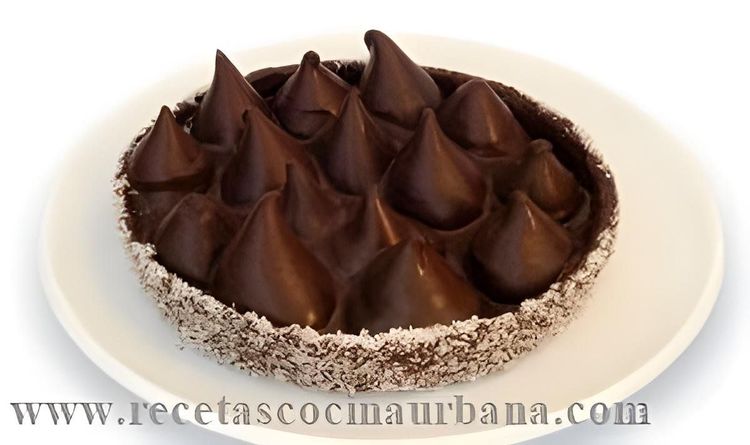
No-bake chocolate tarts rely on a ganache that sets by ratio rather than heat. For a sliceable filling, use roughly equal weights of good dark chocolate and hot cream, or a touch more chocolate for a firmer set; pour the hot cream over the chopped chocolate, wait a minute, then stir from the centre out into a glossy emulsion. A knob of butter adds shine and a cleaner snap. Pour it into a cooled, baked shell and chill until just set — over-chilling makes ganache hard and dull, so bring slices back toward room temperature before serving.
Caramel and curd fillings sit between the two. A lemon or passionfruit curd is a stovetop custard thickened gently with egg and butter over low heat, stirred until it coats the back of a spoon, then cooled before it fills the shell. Caramel for a banoffee or salted-caramel tart needs to be cooked to a deep amber for flavour and to the right firmness so it does not run when sliced. In every case, let the filling cool and set fully before you cut, and use a hot, dry knife wiped between slices for clean edges.
Fruit, Savoury and Mini Tarts
Fresh fruit tarts are an assembly job built on three cooled components: a fully baked shell, a thick pastry cream or set custard, and ripe fruit. Spread the cool pastry cream into the cool shell, arrange the fruit in a single neat layer, then brush a warm apricot or redcurrant glaze over the top to make it glossy and to stop the fruit drying out. Do the final assembly close to serving, since pastry cream slowly softens the base; a tart built hours ahead and chilled will lose its crispness at the bottom.
Savoury tarts and quiches follow the custard rules but lean on seasoning and drainage. Cook wet vegetables — mushrooms, spinach, tomatoes, onions — first to drive off moisture, or a watery filling will weep and leave the pastry soggy. Whisk eggs with cream or milk, season well, and do not overfill; the custard should just reach below the rim so it sets evenly without spilling. Scatter cheese and aromatics through the filling, bake at a moderate heat until just set with a faint wobble, and let it rest so it slices cleanly rather than collapsing.
Mini tarts and tartlets reward a slightly firmer, sweeter pastry that holds its shape in small tins. Press or line the dough into the cups, chill and blind-bake as you would a large shell but for less time, watching closely because small shells colour fast. Fill with jam, frangipane, ganache, lemon curd or pastry cream and fruit, depending on the style; frangipane bakes from raw with the shell, while ganache and fruit fillings go into a pre-baked shell. Their size makes them quick to bake and easy to serve, which is why they are the natural choice for parties and gifting.
Pro Tips from the Test Kitchen
- Keep butter and dough cold and handle the pastry as little as possible so the crust stays short and flaky, not tough.
- Chill the lined tart shell before baking so the pastry holds its shape instead of slumping down the sides.
- Always blind-bake with beans or rice before a wet filling — it is the main defence against a soggy bottom.
- Brush the hot baked base with beaten egg to seal cracks and waterproof it before pouring in a runny filling.
- Bake custard and egg tarts low and slow (about 150 to 160C) and pull them while the centre still has a slight wobble.
- Strain custard before pouring to catch any cooked egg and give a perfectly smooth set.
- For a sliceable chocolate tart, use roughly equal weights of dark chocolate and hot cream, with a knob of butter for shine.
- Cook wet vegetables before they go into a quiche so the filling sets instead of weeping into the pastry.
- Assemble fresh fruit tarts close to serving and brush the fruit with a warm glaze so it stays glossy and the base stays crisp.
- Cut tarts with a hot, dry knife wiped clean between slices for neat edges, especially on ganache and custard.
Frequently Asked Questions
What are the best tart recipes for beginners?
Start with forgiving styles that lean on one reliable pastry shell. A no-bake chocolate ganache tart sets by ratio rather than timing, a jam or frangipane tartlet bakes straight from raw, and a simple fruit tart is mostly assembly over cooled pastry cream. Master one blind-baked shell and you can rotate fillings freely. From there, move on to baked custards like egg tarts and quiches, which only ask for gentle, even heat. Plain shortcrust is the most flexible starting point.
What are some easy tart recipes that do not need much baking?
No-bake and low-effort tarts are a great entry point. A chocolate ganache tart needs only a pre-baked shell and a chilled filling of chocolate and hot cream, while banoffee sets in the fridge over a biscuit or pastry base. Jam tarts and lemon curd tartlets reuse fillings you can buy or make ahead, and a fresh fruit tart is assembled from cooled components with no extra bake. Keep the pastry crisp by adding wet fillings only to a fully cooled, baked shell.
How do you stop a tart having a soggy bottom?
Blind-bake the shell fully before any wet filling goes in: line it with parchment and baking beans, bake until set, then remove the beans and dry the base out for another five to ten minutes. Brush the hot base with beaten egg to seal it, cool both shell and filling before assembling, and avoid overfilling. For fresh fruit tarts, do the final assembly close to serving so the pastry cream does not soften the pastry from underneath.
What pastry is best for tarts?
Shortcrust is the workhorse — a short, crumbly pastry of flour and cold butter that suits both sweet and savoury tarts. For dessert tarts, a sweet pate sucree adds sugar and egg yolk for a firmer, biscuit-like shell that holds its shape and slices cleanly. Keep the butter cold, handle the dough lightly, and rest it before and after rolling. Puff or filo can work for rustic or layered tarts, but classic tarts rely on a crisp, blind-baked shortcrust base.
How do you make a chocolate tart that sets firmly?
A no-bake chocolate tart sets on ratio. Use roughly equal weights of good dark chocolate and hot cream for a soft slice, or tip toward more chocolate for a firmer set. Pour the hot cream over chopped chocolate, rest a minute, then stir from the centre into a glossy ganache and add a knob of butter for shine. Pour into a cooled, baked shell and chill until just set. Avoid over-chilling, which makes it hard and dull; serve closer to room temperature.
What is the difference between a tart and a pie?
A tart usually has a single, crisp pastry base with shallow, straight sides and an open top, often baked in a loose-bottomed tin and served unmoulded so the filling is on show. A pie tends to be deeper, frequently has a top crust or lid, and is served in its dish. Tarts lean on a thin, blind-baked shell and a showcased filling — fruit, custard, ganache or savoury — while pies are usually heartier and fully enclosed.
How do you make a classic egg tart?
Egg tarts pair a crisp or flaky shell with a smooth, just-set egg custard. Whisk eggs with sugar dissolved in warm water or milk, strain the mixture to keep it silky, then pour it into a blind-baked or part-baked shell. Bake at a moderate heat, around 160C, until the custard is set at the edges but still wobbles slightly in the centre, since it firms as it cools. Avoid high heat, which puffs the custard and then collapses it, leaving a grainy, cracked top.
How do you make a good savoury tart or quiche?
Blind-bake the shortcrust shell first so it stays crisp, then build a custard of eggs whisked with cream or milk and seasoned generously. Cook any wet vegetables beforehand to drive off moisture, or the filling weeps and the base goes soggy. Scatter cheese and aromatics through, do not overfill, and bake at a moderate heat until the custard is just set with a slight wobble. Let it rest before slicing so it firms up and cuts cleanly rather than collapsing.
Can you make tarts ahead of time?
Many components keep well. Blind-baked shells store airtight for a day or two, pastry cream and curds chill for several days, and ganache, caramel and frangipane tarts hold their texture once set. Quiches reheat gently and are good cold for a picnic. The exception is fresh fruit tarts, which are best assembled close to serving so the pastry stays crisp under the cream. As a rule, prepare the parts ahead and do the final assembly and glaze near serving time.
The thread through every tart recipe here is the same: build a crisp, well-baked pastry shell, blind-bake it before any wet filling, and let custards, ganache and curds set fully before you slice. Match the filling to the shell — cooled cream and fruit, gently baked custard, or chilled ganache — and you get tarts that hold together, stay crisp underneath, and cut into clean, glossy slices every time.
Pick a few tarts to bake this week — a fresh fruit tart, a silky chocolate one, and a savoury quiche for lunch — and save your favourites to a Chefadora cookbook. With one reliable pastry shell you can swing from breakfast to dessert and from everyday to celebration; this page is built to be the tart reference you keep coming back to.
Related
- Tart
- Baking
- Dessert
- Pastry
- Vegetarian
- Fruit
- Chocolate
- Quiche
Popular Searches
- Best tart recipes
- Easy tart recipes
- Quick tart recipes
- Healthy tart recipes
- Simple tart recipes
- Homemade tart recipes
- Delicious tart recipes
- Popular tart recipes
- fruit tart
- chocolate tart
- egg tart
- lemon tart
Marnirni-apinthi Building, Lot Fourteen,
North Terrace, Adelaide, South Australia, 5000
Australia
