
Top 20 Halwa Recipes: Sooji, Gajar, Besan and Festive Sweets
Updated June 25, 2026 · Curated by Chefadora
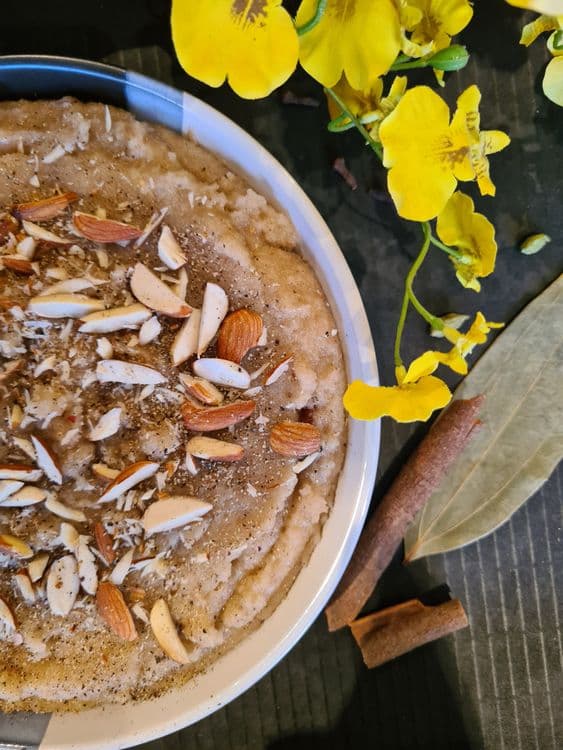
Halwa recipes are the warm, glossy heart of the Indian sweet table — a single family of puddings that stretches from a five-minute temple sheera to a wedding-grade gajar halwa simmered for an hour. The collection below shows the full range: nutty sooji, atta and besan halwas, jammy carrot, lauki and fruit versions, rich badam, kaju and festive sweets, and the quick microwave and instant takes for when a craving strikes. One method, ghee plus sweetness plus patience, in a dozen directions.
What decides whether a halwa is silky or grainy, rich or greasy, is almost always the roasting and the order you add things. Flour-based halwas need their sooji, atta or besan toasted slowly in ghee until it smells nutty and deepens in colour, which cooks out the raw taste and lets each grain swell. Vegetable halwas need their moisture cooked off fully before the sugar goes in, since sugar loosens everything and a wet base will never thicken. Get those two habits right and the rest is rhythm.
You will find the collection grouped into clusters — sooji, atta and besan halwa, carrot, lauki and fruit halwa, badam, kaju and festive halwa, and quick and special halwa. Standout dishes range from a classic Sooji Halwa and a slow-cooked Gajar Halwa to a rich Moong Dal Halwa, a Besan Halwa and a fragrant Badam Halwa, each built on the fundamentals the guides below lay out.
Treat this as a working reference. Each recipe links to full ingredients and steps on Chefadora, and the guides below cover what actually decides whether a halwa turns out smooth or lumpy, rich or oily — roasting the flour and nuts properly, getting the ghee, liquid and sugar ratios right, and cooking vegetables and lentils down so every spoonful is glossy, fragrant and exactly as sweet as you want.
Sooji, Atta & Besan Halwa
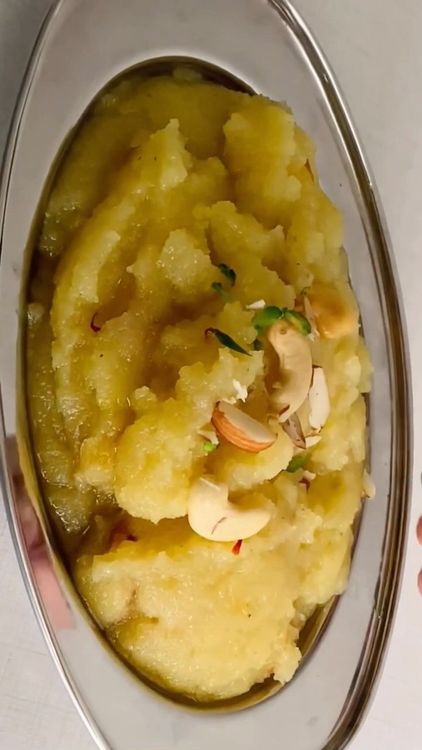
Flour halwas are where everyone should begin, because they teach the single technique the whole family depends on: a slow, patient roast. Whether you are making sooji (rava) sheera, atta halwa or besan halwa, heat ghee over a medium-low flame and stir the flour almost constantly until it shades a couple of tones darker and gives off a distinctly nutty, biscuity smell — eight to twelve minutes, and never rushed. Besan in particular turns bitter the moment it scorches, so keep the heat gentle and the spoon moving across the whole base of the pan. Under-roasted flour tastes raw and pasty; properly roasted flour is what gives these halwas their toasty depth and loose, grain-by-grain texture. Once the roast is right, heat your water or milk separately and add it slowly while stirring hard, because cold liquid hitting hot flour is exactly how lumps form. Let the grains swell and drink the liquid, then stir in sugar and cook until the ghee beads at the edges. Moong dal halwa belongs here too, asking for the longest, most patient roast of all. Standouts here include Spiced Suji Halwa and One Pot Suji ka Halwa, plus Atta Halwa (Wheat flour Pudding).
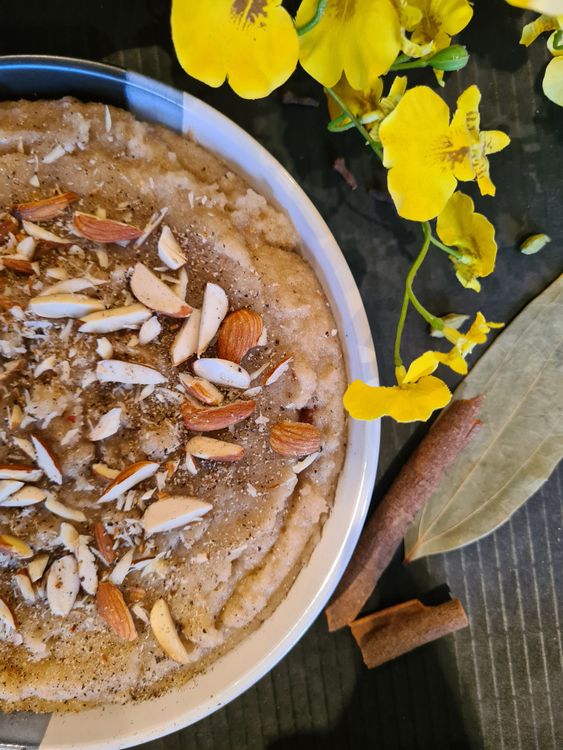

- Indian
- Vegetarian
- Dessert
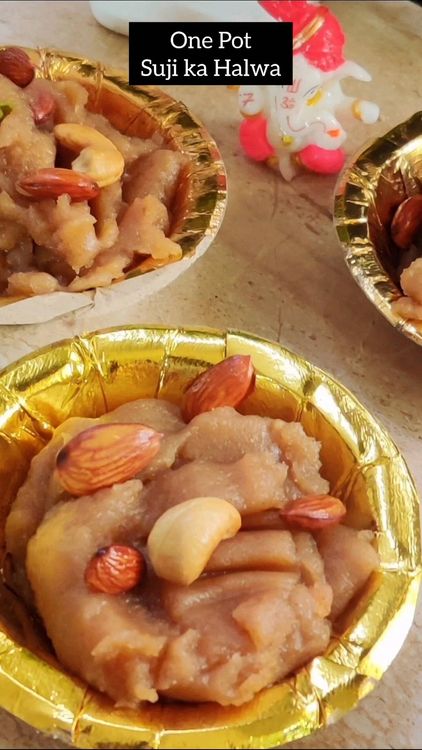

- Indian
- Vegetarian
- Dessert
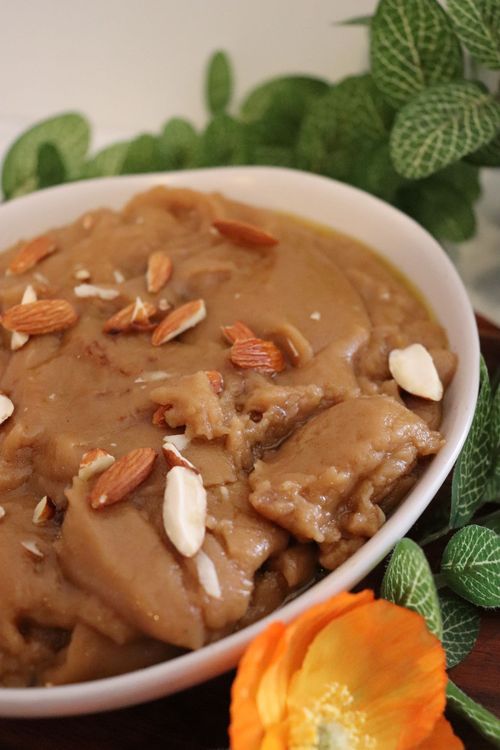
- Indian
- Vegetarian
- Dessert

- Indian
- Vegetarian
- Dessert
- Indian
- Vegetarian
- Dessert
Carrot, Lauki & Fruit Halwa
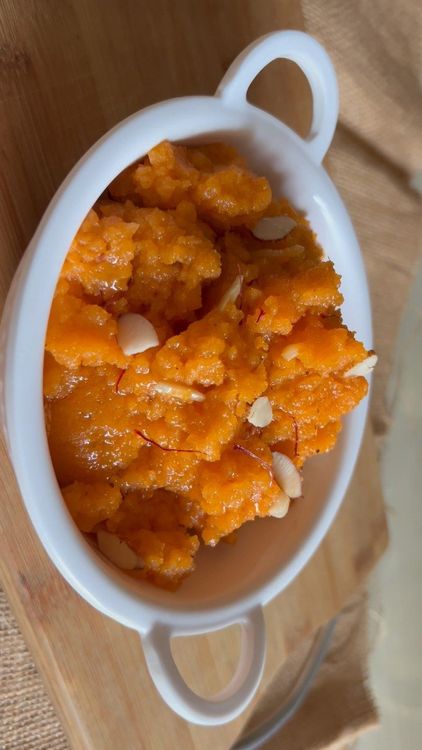
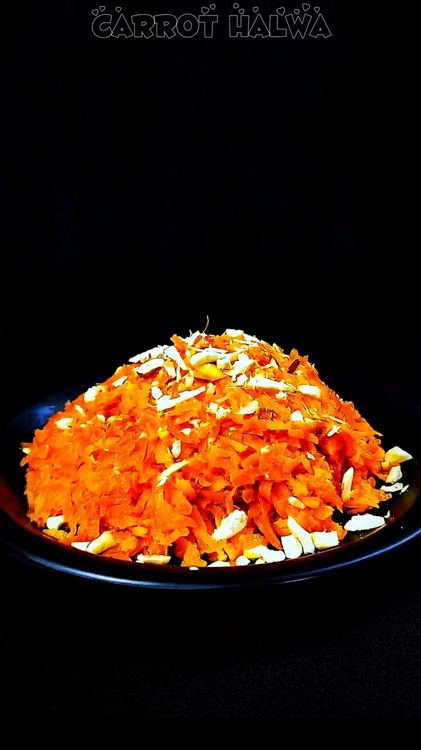
Vegetable and fruit halwas trade the quick roast for a long, patient reduction, and that is the skill that separates a deep, jammy gajar halwa from a watery, dull one. Grate the carrot, lauki, beetroot or pumpkin finely so it melts into the halwa rather than staying in stringy shreds, then cook it down in milk or ghee until almost every trace of moisture has gone before any sugar joins the pot. This is the step people rush, and it cannot be skipped: sugar loosens everything it touches, so a base that is still wet will never thicken back up. Slow evaporation is also what concentrates the vegetable's natural colour and sweetness into something rich. Choose your produce with the dish in mind — sweet red carrots make the best gajar halwa, while watery lauki needs squeezing out and a little khoya to carry it. Fruit halwas from apple or banana cook fast and can collapse into sauce, so keep the heat lively and stop the moment they hold their shape. A spoon of khoya or milk powder at the end thickens and enriches any of them. Standouts here include Delicious Carrot Halwa and Mava Gajar Halwa Using Leftover Ghee Residue (Ghee Khoya), plus Gajar Ka Halwa (Gajrela) .
- Indian
- Vegetarian
- Dessert


- Indian
- Vegetarian
- Dessert
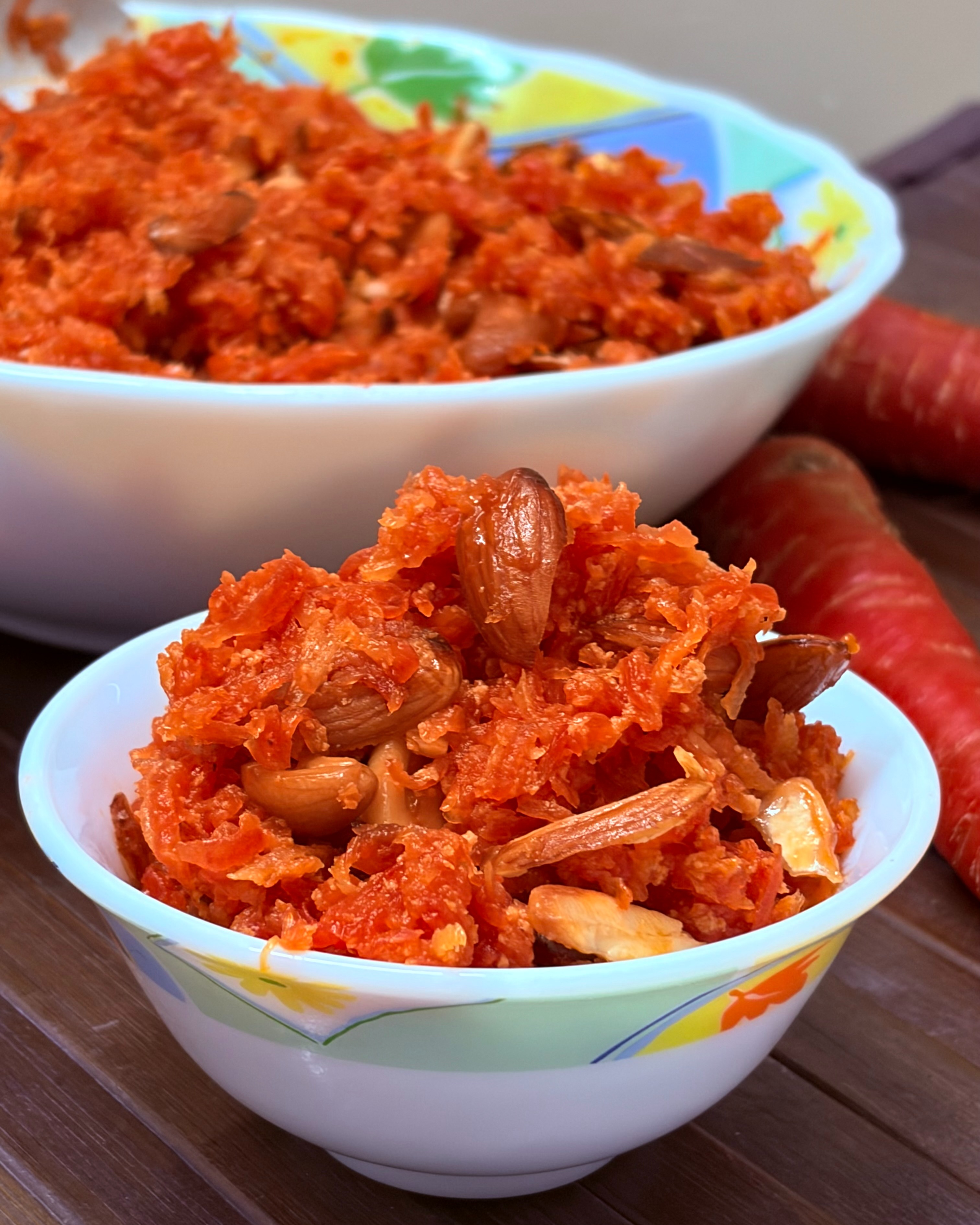
- Indian
- Vegetarian
- Dessert
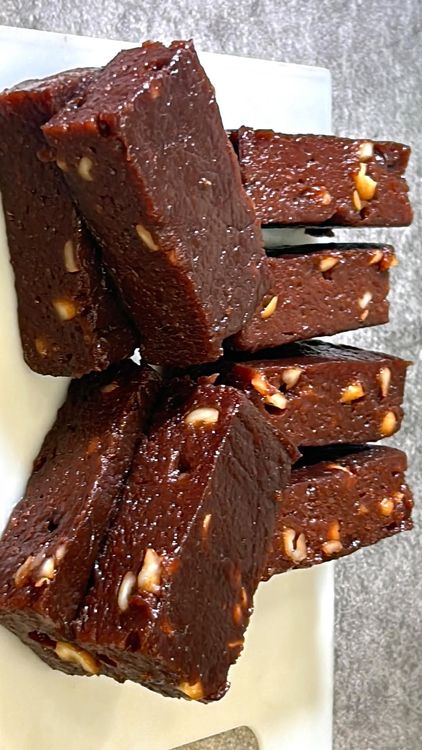
- Indian
- Vegetarian
- Snack
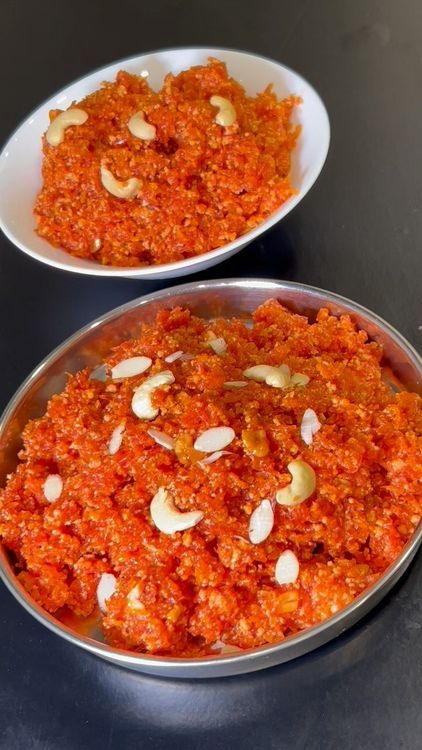
- Indian
- Vegetarian
- Dessert
Badam, Kaju & Festive Halwa
These are the showpiece halwas, the ones that appear at weddings, Diwali and Holi thick with nuts, saffron and ghee. Badam, kaju, coconut and dry-fruit halwas depend less on roasting flour and more on a smooth grind and a slow, watchful cook. For badam halwa, soak almonds in hot water for thirty minutes, slip off the skins, and grind them to a fine paste with a little milk so the finished halwa is velvety rather than gritty. Then cook that paste gently in ghee, stirring often, because the high fat and protein in nuts catch and brown fast at the bottom of the pan — a heavy-based kadhai and a low flame are your insurance against a scorched, bitter batch. Saffron steeped in warm milk, freshly crushed cardamom and a generous hand with ghee are what make these feel celebratory, and a thread of richness from khoya or condensed milk gives them real body. Garnish lavishly with slivered pistachios, almonds and a few strands of saffron. Made a day ahead and gently reheated with a splash of milk, these are the halwas a festive table is built around. Standouts here include BADAM HALWA and Badam Ka Halwa (Almond Halwa), plus Coconut Halwa ( Thengai Therattipal ).
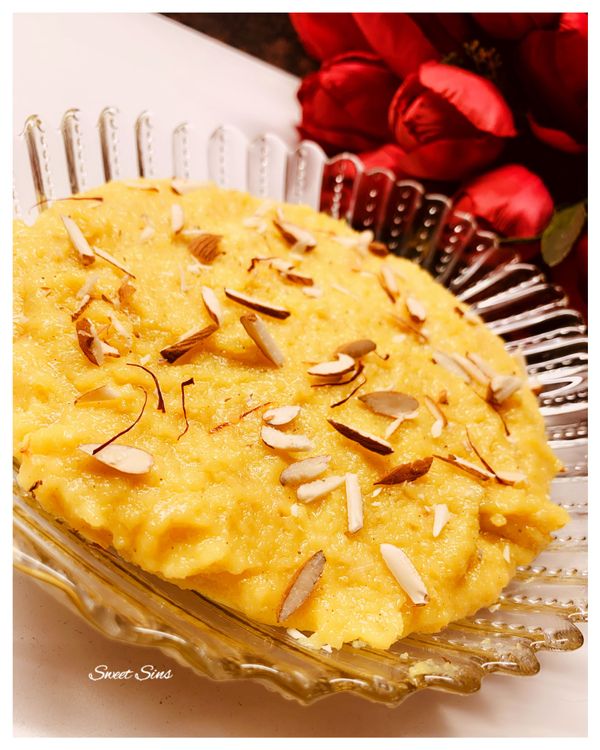

- Indian
- Vegetarian
- Dessert
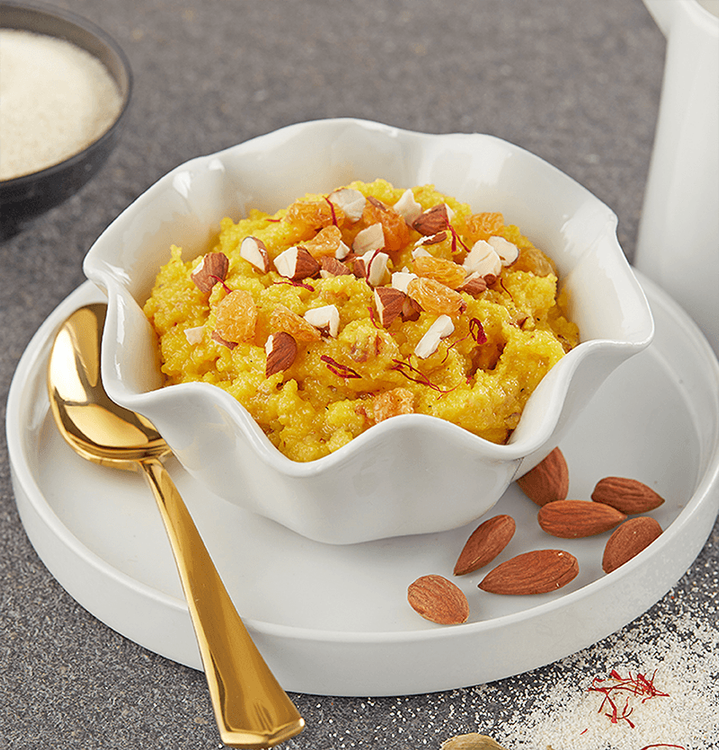
- Indian
- Vegetarian
- Dessert

- South Indian
- Vegetarian
- Dessert
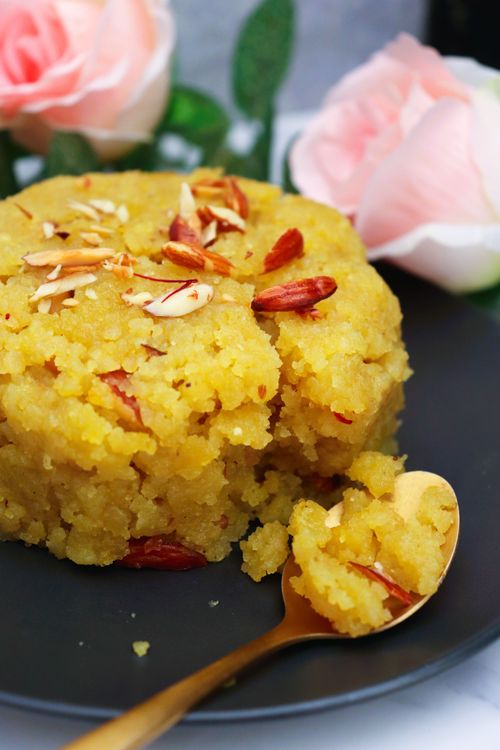
- Indian
- Vegetarian
- Dessert
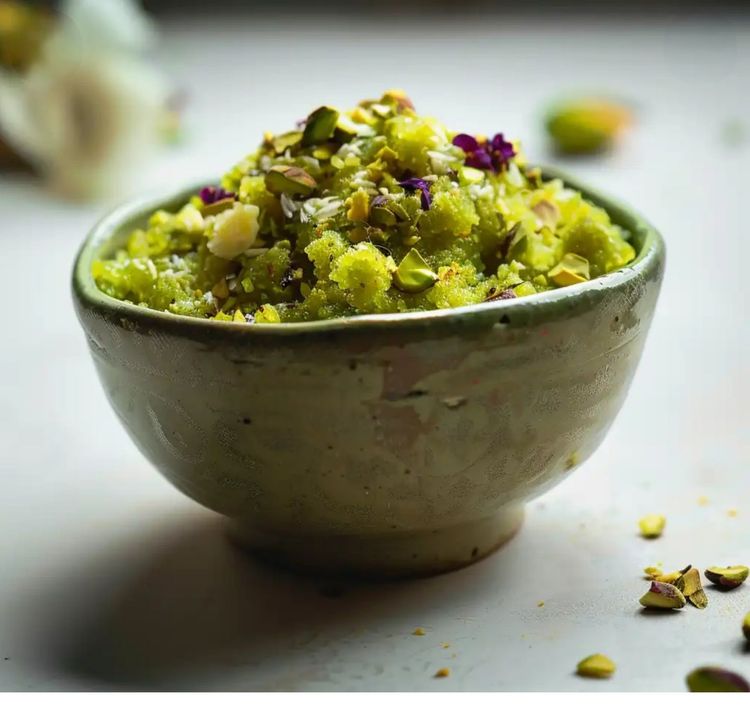

- Indian
- Vegetarian
- Dessert
More Halwa Favourites
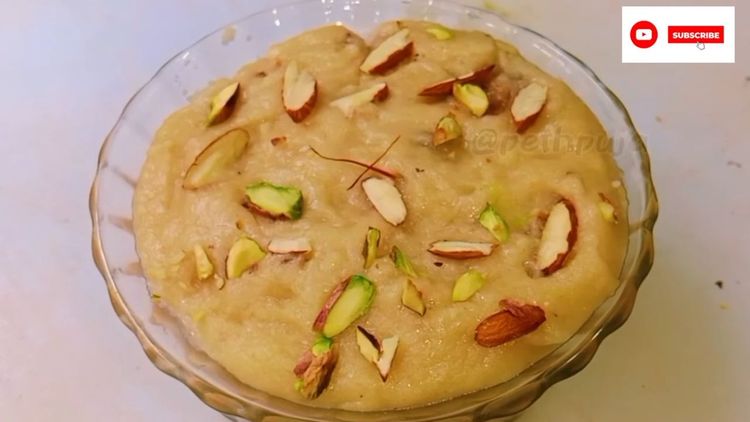
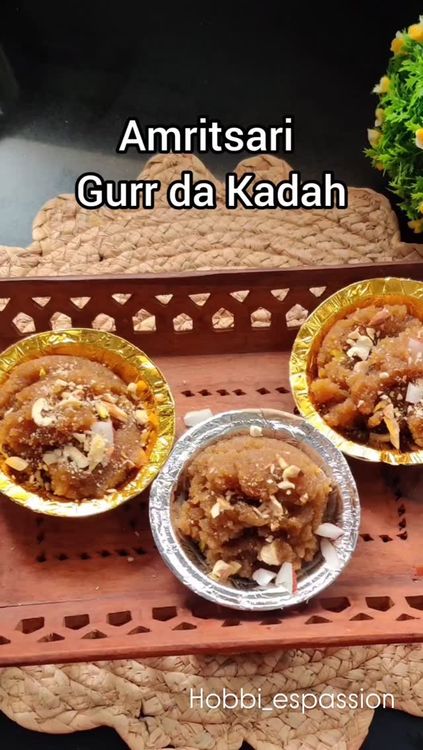
A few halwas never sit neatly inside one category, and these are the ones worth keeping in your back pocket once the staples feel routine. They lean on the same handful of techniques you already know — a patient roast, a slow reduction, hot liquid added carefully, sugar held back until the base is cooked — but steer them toward different textures, flours and flavours, so no two taste quite alike. Picking your next one is mostly about matching effort to mood: reach for a quick sooji or microwave halwa on a busy evening when you want something sweet in fifteen minutes, and save the slow-simmered gajar, moong dal or badam numbers for a weekend or a festival when you can let the ghee and spices do their work properly. Pay attention to how finely you grate or grind, since that decides whether the halwa is smooth or coarse, and keep a little warm milk on hand to loosen anything that stiffens as it sits. Think of this group as the natural next step after the classics — the halwas that quietly earn a regular spot in the rotation once you have tried them. Standouts here include Healthy Halwa Using 9 in 1 Flour Mix and Rajgira Halwa | Amaranth Pudding, plus Gudd da Kadah (Jaggery Halwa).
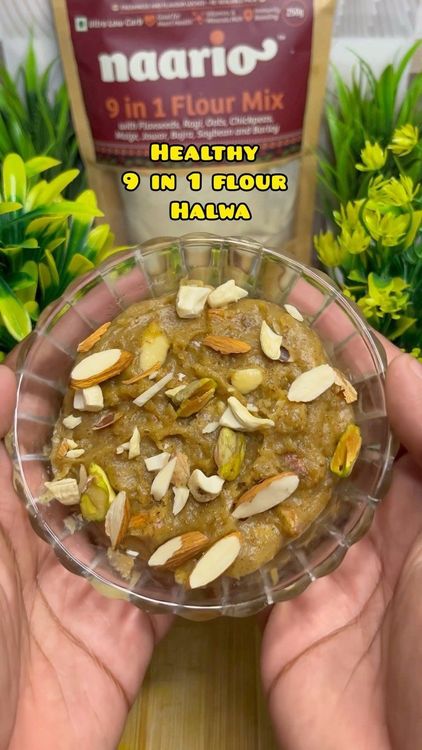

- Indian
- Vegetarian
- Snack
- Indian
- Vegetarian
- Dessert
- Indian
- Vegetarian
- Dessert

- Indian
- Vegetarian
- Snack
- Indian
- Pescatarian
- Lunch
Roasting Flour and Nuts the Right Way
For flour halwas the roast is everything. Heat ghee over a medium-low flame, add the sooji, atta or besan, and stir almost constantly as it cooks — you are looking for a shade or two of golden and a distinctly nutty, biscuity smell, which can take eight to twelve minutes and should never be rushed. Besan especially turns bitter if it scorches, so keep the heat gentle and the spoon moving. Under-roasted flour tastes raw and pasty; properly roasted flour is what gives halwa its toasty depth and that loose, grain-by-grain texture.
Nut halwas like badam and kaju depend on a smooth grind rather than a roast. Soak almonds in hot water for thirty minutes and slip off the skins, then grind to a fine paste with a little milk so the halwa turns velvety rather than gritty. Cashews can be ground dry or soaked. Cook the paste gently in ghee, stirring often, because the high fat and protein in nuts catch and brown fast at the bottom of the pan. A heavy-based kadhai and a patient low flame are your best insurance against a scorched, bitter batch of an otherwise expensive sweet.
Moong dal halwa sits between the two and is the real test of patience. Soak the dal, grind it coarse, then roast that wet paste in ghee for a long stretch — often thirty to forty minutes — stirring without pause as it goes from pale and sticky to fragrant, sandy and deep gold. This is where most attempts fail, pulled too early while still raw and pasty. Keep the heat moderate, add the ghee in stages as the paste drinks it up, and trust the colour and aroma rather than the clock to tell you it is ready.
Ghee, Liquid and Sugar Ratios
A reliable sooji halwa runs on roughly equal parts sooji, ghee, sugar and a little more liquid — a common temple-style ratio is one cup sooji to three-quarters cup ghee, one cup sugar and two to three cups water or milk. More liquid gives a softer, spoonable halwa; less gives a firmer one you can set and cut. Always heat the liquid separately and add it to the roasted flour off or low on the heat, pouring slowly while stirring hard, because cold liquid hitting hot sooji is exactly how you end up with lumps.
Sugar goes in after the flour has absorbed the liquid and swelled, not before. Add it too early and it dissolves into a syrup that stops the grains cooking; add it at the right moment and it melts in, loosens the halwa briefly, then cooks back to a glossy, ghee-released finish. Watch for that moment when the ghee separates and beads at the edges — that visual cue means the halwa is done and properly enriched. Taste and adjust sweetness then, since you can stir in a little more sugar but cannot easily take it back out once it is in.
Milk versus water changes the character entirely. Water keeps a sooji halwa light and lets the ghee and cardamom lead, which suits the prasad style; milk makes it richer, creamier and a touch heavier, closer to a pudding. Vegetable and nut halwas almost always use milk (and often khoya or condensed milk) for body and richness. Whichever you use, keep a little extra hot liquid on hand — halwa firms up as it sits, and a splash of warm milk loosens a stiff batch right back to a soft, scoopable texture.
Cooking Vegetables, Fruit and Lentils Down
Carrot, lauki and other vegetable halwas live or die on grating and reducing. Grate the vegetable finely so it cooks evenly and melts into the halwa rather than staying in stringy shreds, then cook it down in milk or ghee until almost all the moisture has gone before you add any sugar. This is the step people rush: a watery base will never thicken once sugar loosens it again, leaving you with a runny, dull halwa instead of a deep, jammy one. Slow evaporation is also what concentrates the natural sweetness and colour into something rich.
Choose the produce with the dish in mind. Sweet, red Delhi carrots make the richest gajar halwa; ordinary carrots work but benefit from a little extra cooking and sometimes a pinch more sugar. Lauki (bottle gourd) is watery and mild, so squeeze out some liquid after grating and lean on khoya and cardamom for flavour. Fruit halwas from apple or banana cook fast and can turn to sauce, so keep the heat lively to drive off moisture and stop the moment they hold their shape. A spoon of khoya or milk powder near the end thickens and enriches any of them.
Lentil and grain halwas need full hydration and a long, low cook. Soak moong dal or sooji-style grains so they soften evenly, then roast and simmer with milk until the starch swells and the mixture turns thick and glossy rather than gritty. Add sugar only once the base is fully cooked, because sugar firms up undercooked grains and locks in any raw, pasty taste. Finish every halwa off the heat with crushed cardamom, a pinch of saffron steeped in warm milk, and a scatter of ghee-fried nuts for aroma, colour and crunch.
Pro Tips from the Test Kitchen
- Roast sooji, atta or besan in ghee over medium-low heat until nutty and a shade darker — never rush it, especially besan, which scorches fast.
- Heat the liquid separately and add it to the roasted flour slowly while stirring hard, so the halwa stays smooth instead of lumping.
- Add sugar only after the flour or vegetables have swelled and absorbed the liquid, never at the start.
- Watch for the ghee separating and beading at the edges — that visual cue means the halwa is properly cooked.
- Grate carrots, lauki and other vegetables finely and cook off all the moisture before adding sugar so the halwa turns jammy, not watery.
- Soak and skin almonds, then grind to a fine paste with a little milk for a velvety badam halwa.
- Roast moong dal paste long and patiently (30 to 40 minutes) until sandy and deep gold — pulling it early leaves it raw and pasty.
- Use water for a light, ghee-forward prasad-style sooji halwa and milk for a richer, pudding-like one.
- Keep extra hot milk on hand to loosen a halwa that has stiffened as it cooled.
- Finish off the heat with crushed cardamom, saffron steeped in warm milk, and ghee-fried nuts and raisins.
Frequently Asked Questions
What are the best halwa recipes for beginners?
Start with sooji halwa (rava sheera): it is forgiving, ready in fifteen minutes, and teaches the core rhythm of roasting flour in ghee and adding hot liquid carefully. From there, try a besan halwa for nutty richness or an easy gajar halwa using grated carrots and milk. These three cover the main techniques — roasting flour, balancing ghee and sugar, and reducing a vegetable down — so once they feel natural, every other halwa becomes far more straightforward.
What are the best halwa recipes for festivals and special occasions?
For festivals, lean on the rich, slow-cooked halwas: gajar halwa with khoya and nuts, moong dal halwa, and badam or kaju halwa scented with saffron and cardamom. These feel celebratory because of their deep colour, generous ghee and nut garnishes. Sooji halwa (sheera) is the classic prasad for pujas and Satyanarayan vrat. Make richer halwas a day ahead — most reheat beautifully with a splash of warm milk — so you are free to enjoy the day itself.
How do you make sooji halwa without lumps?
Two things prevent lumps: a proper roast and the right liquid temperature. Roast the sooji in ghee over medium-low heat until it smells nutty and turns golden, stirring constantly. Then heat your water or milk separately and add it slowly to the roasted sooji while stirring hard and continuously — cold liquid poured fast into hot sooji is the main cause of lumps. Keep the flame low as you pour it in, and the grains swell evenly into a smooth, fluffy halwa.
Why is my halwa oily or greasy?
Usually too much ghee for the amount of flour, or sugar added at the wrong time. Stick to a balanced ratio (roughly equal parts flour and sugar, with a little less ghee) and add the sugar only after the flour has absorbed the liquid and swelled. A well-made halwa releases a little ghee at the edges as a sign of doneness, but it should not sit in a pool. If it looks greasy, it often firms up and absorbs the ghee again as it rests off the heat.
How do you make gajar halwa thick and rich?
Grate the carrots finely and cook them down fully in milk until almost all the liquid has evaporated before adding sugar — this is the step that makes or breaks it, since sugar loosens everything and a watery base will never thicken. Use sweet red carrots, stir in khoya or milk powder for body, and be generous with ghee. Add sugar near the end, cook until it releases ghee, and finish with cardamom and fried nuts for a deep, festive result.
Can you make halwa with less sugar or healthier?
Yes. Vegetable and fruit halwas like gajar, lauki, apple and banana carry natural sweetness, so you can cut added sugar significantly, especially if you reduce the base well to concentrate it. Swap white sugar for jaggery or dates for a deeper, less refined sweetness (add jaggery off the heat so it does not curdle the milk). You can also reduce the ghee moderately, though some is needed for flavour and texture. Milk powder or khoya adds richness without extra sugar.
What is the difference between halwa, sheera and kesari?
They are closely related and often the same thing under regional names. Sheera is the Maharashtrian and western Indian name for sooji (rava) halwa, often made with milk and offered as prasad. Kesari (or kesari bath) is the South Indian version, typically water-based, brightly coloured and flavoured with saffron or a pinch of colour. Halwa is the broad umbrella term covering all of these plus vegetable, lentil and nut versions. The core method — roast, add liquid, sweeten — stays the same throughout.
How do you store and reheat halwa?
Most halwas keep well. Cool fully, then refrigerate in an airtight container for three to five days; milk- and khoya-heavy ones like gajar and moong dal halwa are best kept chilled. Reheat gently on the stove or in the microwave with a splash of warm milk or water, since halwa firms up as it cools and the liquid brings back its soft, glossy texture. Gajar and moong dal halwa also freeze well for up to a month — thaw and reheat with a little milk.
Can you make halwa quickly or in the microwave?
Yes — quick and microwave halwas are great when a craving strikes. A small batch of sooji or besan halwa cooks in minutes on the stove, and microwave versions work by roasting the flour with ghee in short bursts, stirring between each, then adding hot liquid and sugar and cooking until thick. Instant atta and besan halwas, and ones built on pre-cooked bases like bread or sweet potato, get a warm bowl on the table in well under fifteen minutes.
The thread through every halwa recipe here is the same: roast the flour or nuts patiently until nutty and deep, cook vegetables and lentils down before sweetening, and add hot liquid and sugar at the right moments so the halwa turns out smooth, glossy and never greasy. Master those habits and sooji, gajar, besan, badam and moong dal halwa all come together exactly as rich and fragrant as you intend.
Pick a few halwa recipes to make this week — a quick sooji sheera for an everyday treat, a slow gajar halwa for the weekend, and a festive badam or moong dal halwa for a celebration — and save your favourites to a Chefadora cookbook. There is a halwa for every mood and occasion; this page is built to be the halwa reference you keep coming back to.
Related
- Halwa
- Indian sweets
- Dessert
- Vegetarian
- Festive
- Ghee
- Prasad
- Cardamom
Popular Searches
- Best halwa recipes
- Easy halwa recipes
- Quick halwa recipes
- Healthy halwa recipes
- Simple halwa recipes
- Homemade halwa recipes
- Delicious halwa recipes
- Popular halwa recipes
- sooji halwa
- gajar halwa
- moong dal halwa
- atta halwa
Marnirni-apinthi Building, Lot Fourteen,
North Terrace, Adelaide, South Australia, 5000
Australia
