
Top 15 Homemade Ice Cream Recipes: Custard, No-Churn, Sorbet and Kulfi
Updated June 24, 2026 · Curated by Chefadora
Homemade ice cream recipes give you something the freezer aisle rarely manages: real cream, real fruit, the flavour you actually want, and not a stabiliser in sight. The collection below runs the full range, from silky custard-based classics like vanilla and chocolate, to easy no-churn batches whipped together in minutes, bright fruit ice creams and sorbets, and the dense, aromatic kulfi and falooda of the Indian sweet shop. One cold, creamy idea, taken in every direction.
What separates a smooth scoop from an icy, grainy one is the same across every style: controlling water and fat so the ice crystals stay tiny. Sugar lowers the freezing point and keeps things soft, fat coats the crystals so they never clump, and churning (or vigorous beating) whips in the air that makes ice cream light. Get those three working together and even a no-machine batch turns out creamy rather than rock-hard. Most failures are simply too much water and not enough movement while it freezes.
You will find the collection grouped into clusters — classic and custard ice creams, no-churn and easy batches, fruit ice creams and sorbets, and kulfi and Indian frozen treats. Standout dishes range from a proper Vanilla Custard Ice Cream and a No-Churn Chocolate to a creamy Mango Ice Cream, a sharp Lemon Sorbet and a saffron-and-pistachio Kulfi, each built on the fundamentals the guides below lay out.
Treat this as a working reference. Each recipe links to full ingredients and steps on Chefadora, and the guides below cover what actually decides whether ice cream turns out smooth or icy — building a custard base that will not split, getting creamy results without a machine, and freezing fruit ices and kulfi so they stay soft and scoopable rather than turning into a solid block.
Classic & Custard Ice Creams
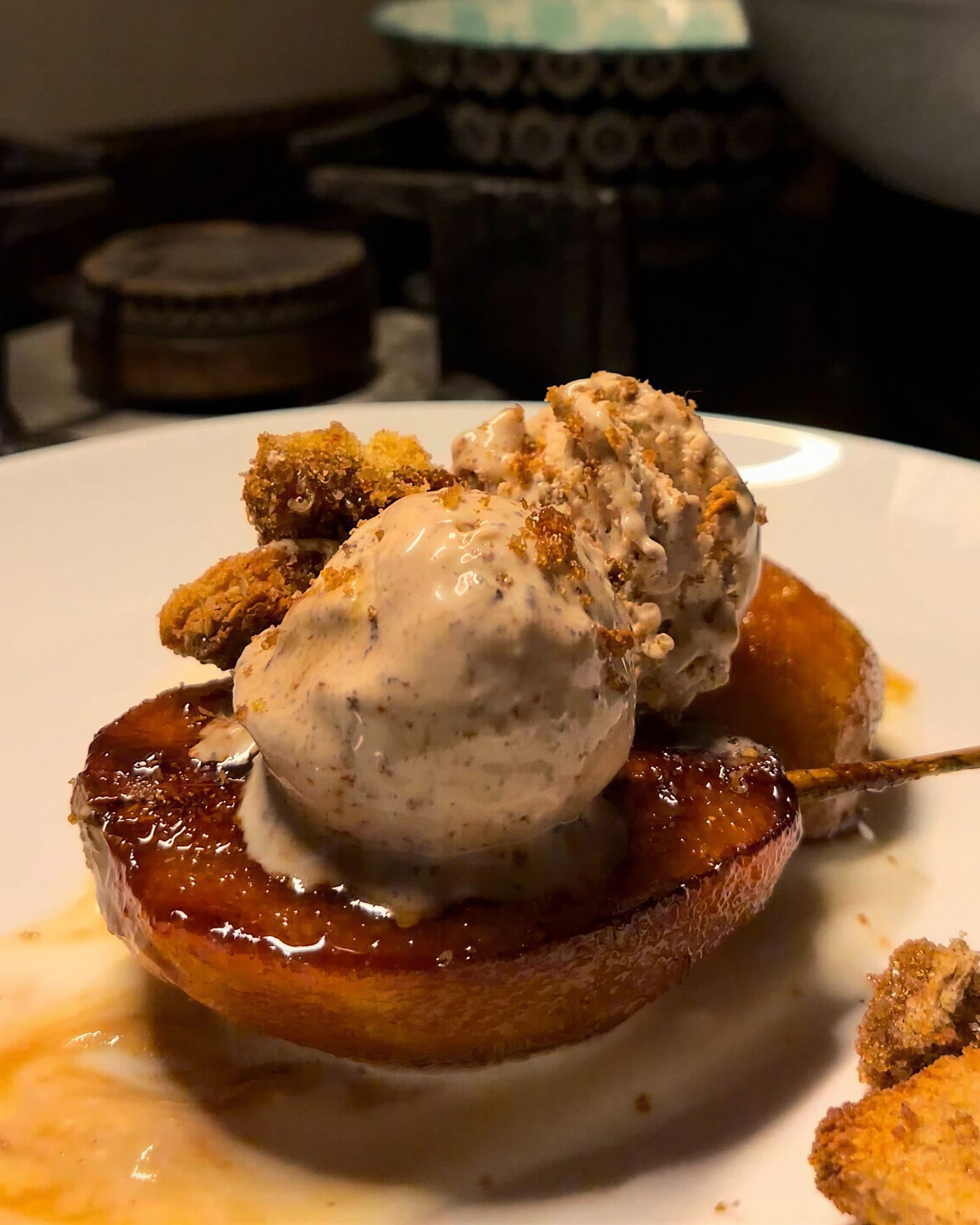
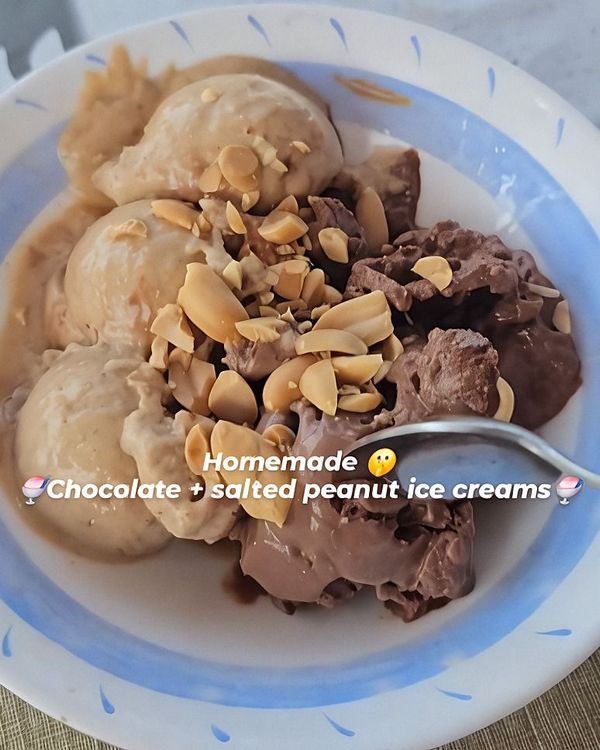
Classic ice creams are the ones worth slowing down for, because a properly made custard base is the difference between a scoop that tastes of cream and vanilla and one that just tastes sweet and cold. The method asks for care: warm your cream and milk, whisk egg yolks with sugar until pale, then temper the two together so the eggs come up to heat gently rather than scrambling the second they hit the pan. Cook it low and slow, stirring without stopping, until the custard thickens enough to coat the back of a spoon at around 82C, then pull it off the heat immediately and strain it smooth. The single biggest mistake here is rushing the cook or letting it boil, which curdles the yolks into grainy specks no amount of churning will fix. Chill the base thoroughly, ideally overnight, before it goes anywhere near the freezer, because a cold mix freezes fast and small ice crystals are the whole secret to a silky texture. Vanilla, chocolate, coffee, butterscotch, caramel and cookies-and-cream all start from this same rich foundation, so master the custard once and a dozen classic flavours open up. Standouts here include Caramelized Pears with Cinnamon Croutons and Hazelnut Ice Cream and Chocolate Protein Ice Cream, plus Homemade Custard Ice Cream.

- Vegetarian
- Dessert

- Vegetarian
- Dessert

- Indian
- Vegetarian
- Dessert
- International
- Vegan
- Snack


- Vegetarian
- Dessert
Fruit Ice Creams & Sorbets
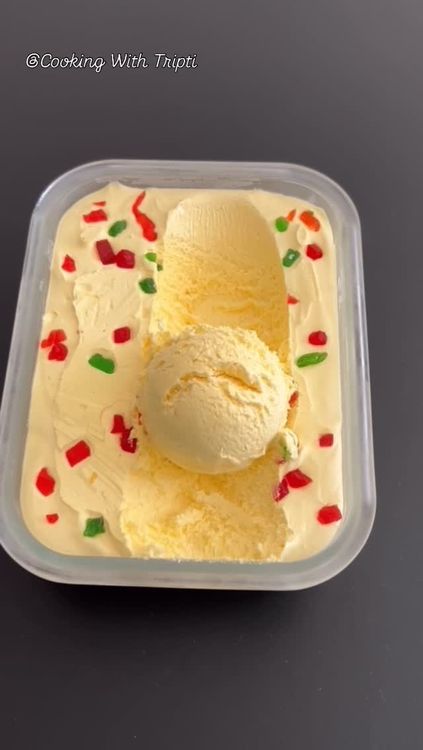
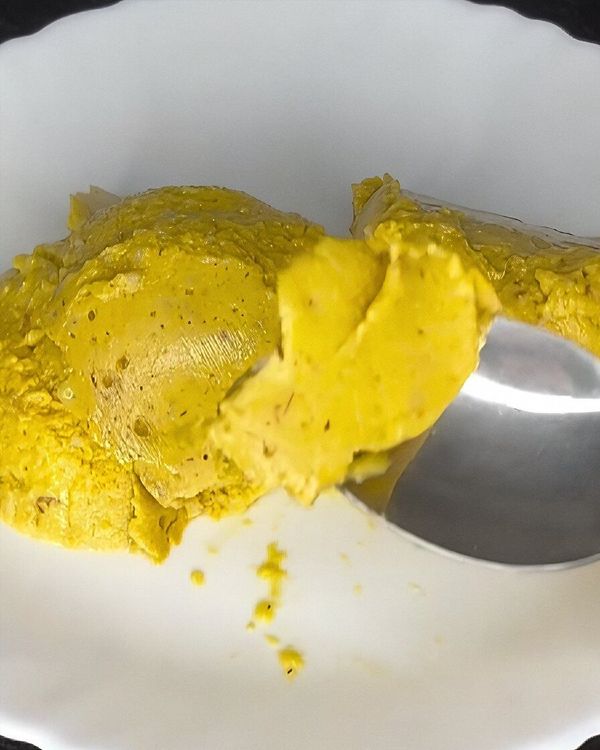
Fruit ice creams and sorbets are where ripe produce does almost all the work, so the quality of the fruit matters more than any technique. Because freezing dulls sweetness and flavour, always taste the mix before it goes into the freezer and push it slightly sweeter and more intense than feels right at room temperature, or the frozen result will read flat. For creamy fruit ice creams, blend mango, strawberry, banana or fig with cream and condensed milk for a soft, scoopable richness; for lighter, dairy-free sorbets, blend the fruit with a sugar syrup and a squeeze of lemon, keeping the balance close to one part sugar to four parts purée so it sets soft rather than rock-hard or slushy. Sugar is structural in a sorbet as much as it is flavour, and a spoon of glucose or that hit of lemon keeps the texture smooth and stops it crystallising into shards. Coconut, watermelon, berry and tender-coconut versions all follow the same logic. Frozen banana deserves a special mention: blended on its own it whips into an instant, creamy soft-serve with no sugar, dairy or churning required at all. Standouts here include Vegan Coconut Ice Cream and Under 10 Minutes Sweet Recipe - Mixed Fruit Ice Cream, plus Mango Ice Cream.
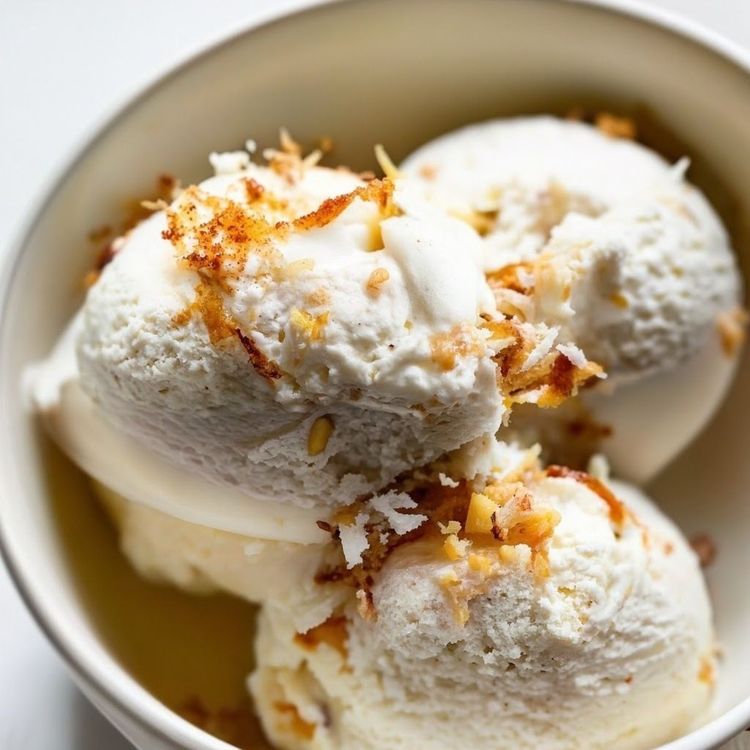

- Thai
- Vegan
- Dessert
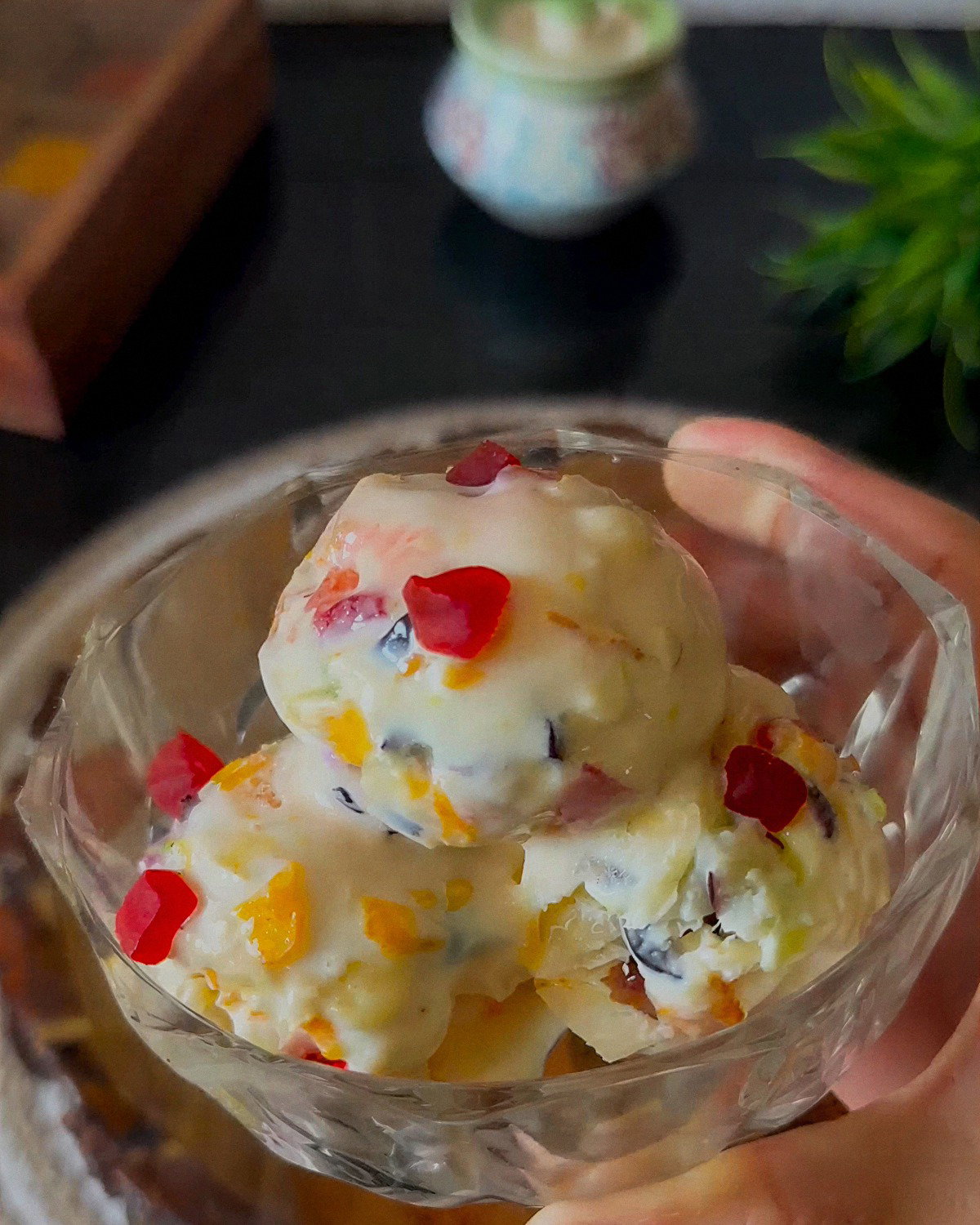
- Vegetarian
- Dessert
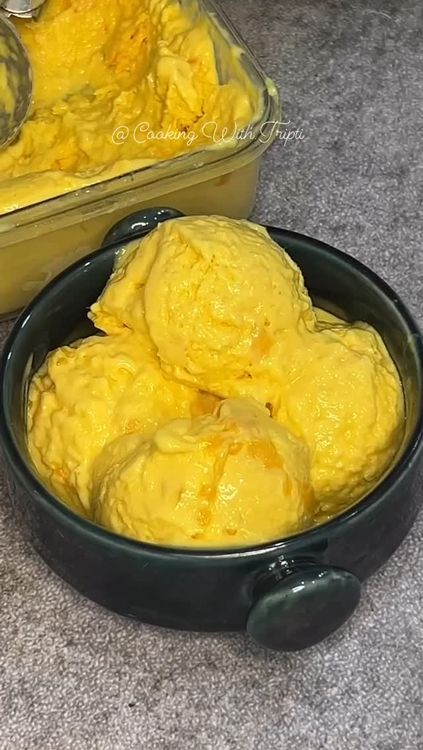
- Indian
- Vegetarian
- Snack
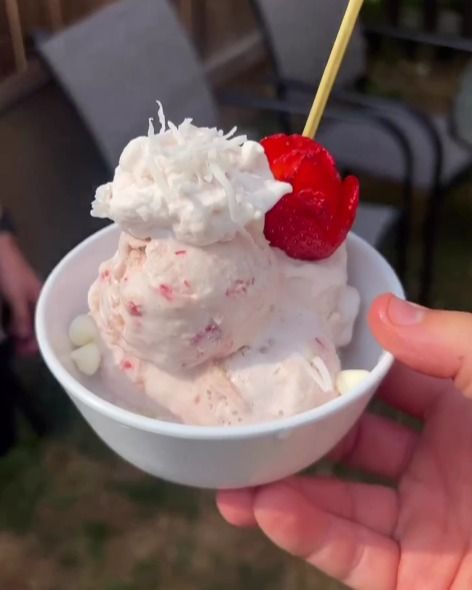
- American
- Vegetarian
- Snack

- Indian
- Vegetarian
- Snack
More Ice Cream Favourites
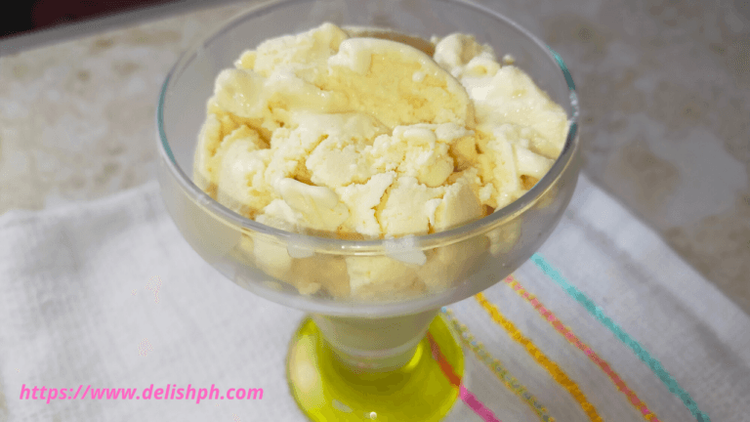
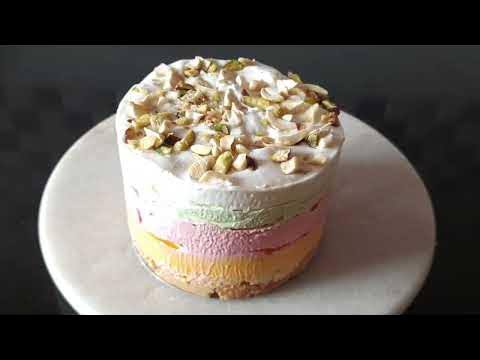
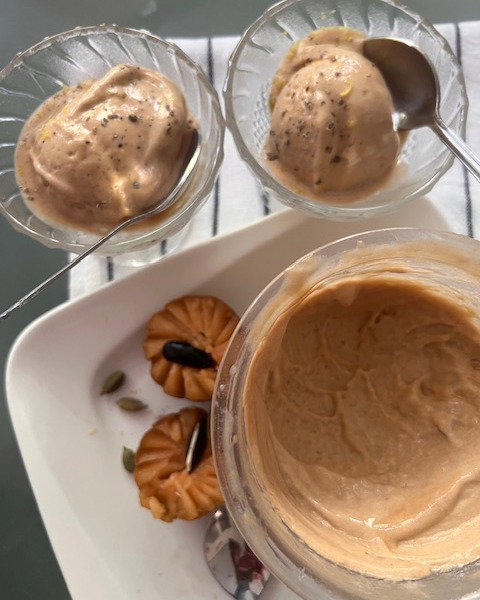
A handful of frozen treats never quite settle into a single category, and these are the ones worth keeping in your back pocket once the staples feel routine. They lean on the same fundamentals you already know — control the water and the sugar, chill the base well, freeze it fast and keep the ice crystals small — but steer them toward different textures and formats, whether that is a layered ice cream cake, an ice lolly, a semifreddo that needs no churning, an affogato or a frozen yogurt that sits lighter than cream. Choosing your next one is mostly about matching effort to mood and weather: reach for a quick no-churn batch or a blended fruit ice on a hot, impatient afternoon, and save the slow, custard-based or milk-reduced numbers for a day when you can give them the time they ask for. Pay attention to your freezer too, since a colder setting and a shallow container freeze everything faster and smoother. Think of this group as the natural next step after the classics — the frozen odds and ends that quietly earn a regular spot once summer properly arrives. Standouts here include 5-Minute Ice Cream (No Freezing Required) and Cassata ice cream 🍦 , plus Ninja Creami Gelato-Style Chikoo (Sapota) Ice Cream.
- Philippine
- Vegetarian
- Dessert
- Vegetarian
- Dessert

- Vegetarian
- Dessert

- European
- Eggetarian
- Dessert
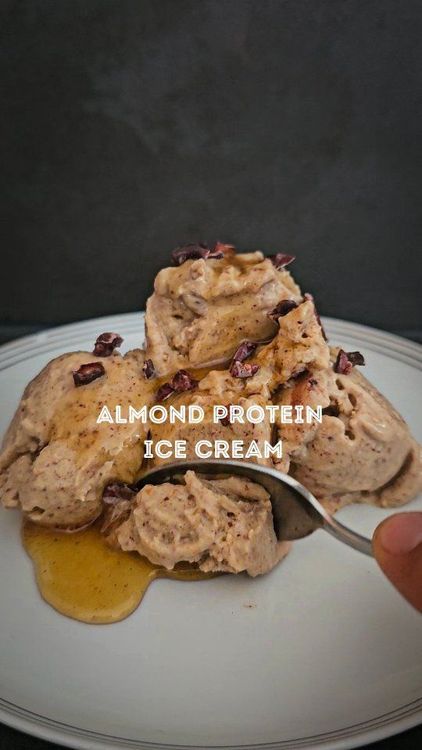
- International
- Vegetarian
- Snack
Building a Custard Base That Stays Smooth
A cooked custard is the richest foundation for ice cream, but egg yolks curdle the moment they overheat, so the technique matters. Warm your cream and milk gently, whisk the yolks with the sugar until pale, then temper: dribble a little hot cream into the yolks while whisking to bring them up to temperature slowly, then return everything to the pan. Cook over low-to-medium heat, stirring constantly, until it coats the back of a spoon at around 82C/180F. Go past 85C and the eggs scramble.
If you do not trust the eyeball test, use a thermometer and pull the pan off the heat the instant it hits 82C, then strain the custard through a sieve to catch any stray cooked bits. Chill it thoroughly — ideally overnight — before churning, because a cold base freezes faster and freezing fast is what keeps the crystals small. A warm base churned straight away turns coarse and grainy. Resting overnight also lets the flavours deepen and the mixture hydrate, which gives a noticeably smoother scoop.
For an eggless custard, cornflour does the thickening instead of yolks: whisk a tablespoon or two into cold milk, then cook it with the cream and sugar until it thickens and just bubbles, stirring so it does not catch. The result is a little less rich than a yolk custard but far more forgiving, with no risk of scrambling, and it is the backbone of most Indian-style and vegetarian ice creams. A pinch of salt in any base sharpens the flavour and stops it tasting flat or merely sweet.
Creamy Ice Cream Without a Machine
No-churn ice cream skips the custard and the machine entirely, and the magic is in the structure. Whip cold double cream to soft peaks so you fold air in, then fold in sweetened condensed milk, which is loaded with sugar and milk solids that keep the mix soft and stop big ice crystals forming. That sugar is doing the same job an ice cream machine usually does — lowering the freezing point so the mixture stays scoopable straight from the freezer rather than setting like a brick.
Fold gently and stop the moment it is combined, because overmixing knocks out the air you just whipped in and gives a denser, heavier scoop. Flavour it however you like — a swirl of melted chocolate, crushed cookies, fruit purée, coffee or salted caramel rippled through — and add solid mix-ins after the base is in the tin so they do not sink. Press a sheet of cling film or baking paper directly onto the surface before freezing to keep ice from forming on top.
If you have no condensed milk, you can still cheat a churn: freeze the sweetened cream mixture in a shallow tray and beat it hard with a fork or whisk every 30 to 45 minutes for the first few hours, breaking up crystals as they form. It is more work, but that repeated beating mimics churning and keeps the texture smooth. Either way, freeze the mixture in a shallow, wide container rather than a deep one, since it freezes faster and more evenly with more surface area exposed to the cold.
Fruit Ices, Sorbets and Kulfi
Fruit ice creams and sorbets live or die on the fruit and the sugar balance. Use ripe, fragrant fruit and taste the mix before freezing, because cold dulls sweetness — a purée that tastes perfect at room temperature will seem flat once frozen, so it should taste slightly too sweet going in. For sorbets, sugar is structural as well as flavour: too little and you get an icy block, too much and it never sets firm. A good rule is roughly one part sugar to four parts fruit purée, adjusted to the fruit.
For mango, strawberry and banana ice creams, blending the fruit with cream or condensed milk gives a soft, creamy scoop, while a pure-fruit-and-water sorbet stays lighter and dairy-free. A spoon of glucose or a squeeze of lemon helps sorbets stay smooth and stops them crystallising, and freezing the purée fast in a shallow tray keeps the texture fine. Frozen banana is a cheat ingredient in its own right — blended on its own it whips into a soft-serve with no churning, sugar or cream needed at all.
Kulfi works on the opposite principle to airy ice cream: it is meant to be dense and fudgy, not light. Traditionally the milk is simmered down for a long time until it thickens and the milk solids concentrate, which is exactly what gives kulfi its characteristic chew and rich, almost caramelised flavour. Because it is not churned, no air is whipped in, so it freezes harder and slower than ice cream. Pour it into small moulds or matka pots, freeze until solid, and flavour it the classic way with cardamom, saffron and chopped pistachios.
Pro Tips from the Test Kitchen
- Cook custard bases low and slow to 82C/180F and pull them off the heat before the eggs scramble.
- Chill the base thoroughly, ideally overnight, before churning — cold mix freezes fast and stays smooth.
- Sugar keeps ice cream soft, so do not cut it too far or the scoop turns rock-hard and icy.
- For no-churn, whip cream to soft peaks then fold in condensed milk gently to keep the air in.
- No machine? Beat the freezing mix every 30 to 45 minutes to break up crystals and mimic churning.
- Freeze in a shallow, wide container rather than a deep tub so it freezes faster and more evenly.
- Taste fruit purées before freezing — they should be slightly too sweet, as cold dulls sweetness.
- Add a squeeze of lemon or a spoon of glucose to sorbets to keep them smooth and stop crystallising.
- Simmer the milk right down for kulfi — reduced milk solids give it that dense, fudgy chew.
- Press cling film onto the surface before freezing to stop ice crystals forming on top.
Frequently Asked Questions
What are the best homemade ice cream recipes for beginners?
Start with no-churn: whip cold double cream to soft peaks, fold in a tin of sweetened condensed milk and any flavour you like, then freeze. It needs no machine, no custard and no eggs, yet sets soft and scoopable. From there, a simple eggless cornflour-custard vanilla or a blended mango ice cream are easy next steps. Once you are comfortable, a proper cooked custard base gives the richest, silkiest results.
How do you make ice cream without an ice cream machine?
You have two reliable routes. The easiest is no-churn: fold whipped cream into sweetened condensed milk, which keeps it soft without churning, then freeze. The other is to freeze a sweetened cream base in a shallow tray and beat it hard with a fork or whisk every 30 to 45 minutes for the first few hours, breaking up ice crystals as they form. Both keep the texture smooth; a shallow, wide container helps it freeze evenly.
Why is my homemade ice cream icy or grainy instead of creamy?
Iciness comes from large ice crystals, which form when there is too much water and not enough movement, fat or sugar. Chill the base fully before freezing so it sets fast, do not cut the sugar (it keeps things soft), and churn or beat enough air in. Freezing in a shallow container and pressing film onto the surface both help. A grainy custard usually means the eggs overheated, so cook the base gently and strain it.
What are good no-churn homemade ice cream recipes to try?
No-churn flavours are endless because the base — whipped cream and condensed milk — carries almost anything. Swirl in melted dark chocolate, ripple through salted caramel or fruit purée, fold in crushed biscuits and cookies, or stir in coffee, mango or strawberry. Add solid mix-ins after the base is in the tin so they do not sink. The method stays the same every time: whip, fold gently, flavour, then freeze with film pressed onto the surface.
How do you make eggless ice cream?
Skip the yolks and thicken with cornflour instead: whisk a tablespoon or two into cold milk, then cook it with cream and sugar until it thickens and just bubbles, stirring so it does not catch. Chill it, then churn or beat as usual. No-churn ice cream is also naturally eggless, since it relies on whipped cream and condensed milk. Both give a creamy, scoopable result with no risk of scrambled eggs, which makes them ideal for vegetarian kitchens.
How do you make kulfi at home?
Kulfi is denser and richer than churned ice cream. Simmer full-fat milk down slowly, stirring often, until it reduces and thickens — this concentrates the milk solids and gives kulfi its signature fudgy chew. Sweeten it, flavour with cardamom, saffron and chopped pistachios, then pour into small moulds or matka pots and freeze until solid. Because it is not churned, no air is whipped in, so it freezes firm; let it sit a minute before unmoulding and slicing.
How do you make mango ice cream?
For a creamy mango ice cream, blend ripe mango purée with cream and condensed milk (or a chilled custard base) until smooth, then freeze, beating once or twice if you have no machine. Use sweet, fragrant mangoes and taste before freezing, as cold mutes the flavour. For a lighter, dairy-free version, blend mango with a little sugar syrup and lemon for a sorbet. Alphonso or other aromatic varieties give the deepest colour and flavour.
What is the difference between ice cream, kulfi and sorbet?
Ice cream is a churned, aerated mix of cream, milk and sugar (often with eggs), which makes it light and smooth. Kulfi is Indian frozen milk reduced until thick and set without churning, so it is denser, chewier and more aromatic. Sorbet has no dairy at all — just fruit, sugar and water — so it is lighter, sharper and dairy-free. Sherbet sits in between, with a little milk or cream added to a fruit base for a softer texture.
How long does homemade ice cream keep, and how should you store it?
Homemade ice cream is best within one to two weeks, since it lacks the stabilisers that keep shop-bought tubs smooth for months. Store it in a shallow, airtight container with cling film or baking paper pressed onto the surface to block ice crystals and freezer smells, and keep it at the back of the freezer where the temperature is steadiest. If it sets too hard, let it soften on the counter for five to ten minutes before scooping.
The thread through every recipe here is the same: keep the ice crystals small. Chill your base well, do not skimp on the sugar and fat that keep things soft, churn or beat air in, and freeze fast in a shallow container. Whether you are cooking a custard, folding a no-churn batch, blending fruit or reducing milk for kulfi, those fundamentals are what turn out a smooth, creamy scoop instead of an icy block.
Pick a few homemade ice cream recipes to make this week — an easy no-churn batch, a creamy mango ice cream and a saffron kulfi — and save your favourites to a Chefadora cookbook. With nothing but cream, sugar and fruit you can match anything from the shop and flavour it exactly to taste; this page is built to be the ice cream reference you reach for all summer long.
Related
- Ice cream
- Kulfi
- No churn
- Dessert
- Frozen
- Summer
- Eggless
- Vegetarian
Popular Searches
- Best homemade ice cream recipes
- Easy homemade ice cream recipes
- Quick homemade ice cream recipes
- Healthy homemade ice cream recipes
- Simple homemade ice cream recipes
- Homemade homemade ice cream recipes
- Delicious homemade ice cream recipes
- Popular homemade ice cream recipes
- ice cream recipe
- no churn ice cream
- kulfi recipe
- mango ice cream
Marnirni-apinthi Building, Lot Fourteen,
North Terrace, Adelaide, South Australia, 5000
Australia
