
Top 13 French Toast Recipes: Classic, Stuffed, Savoury and Sticks
Updated June 25, 2026 · Curated by Chefadora
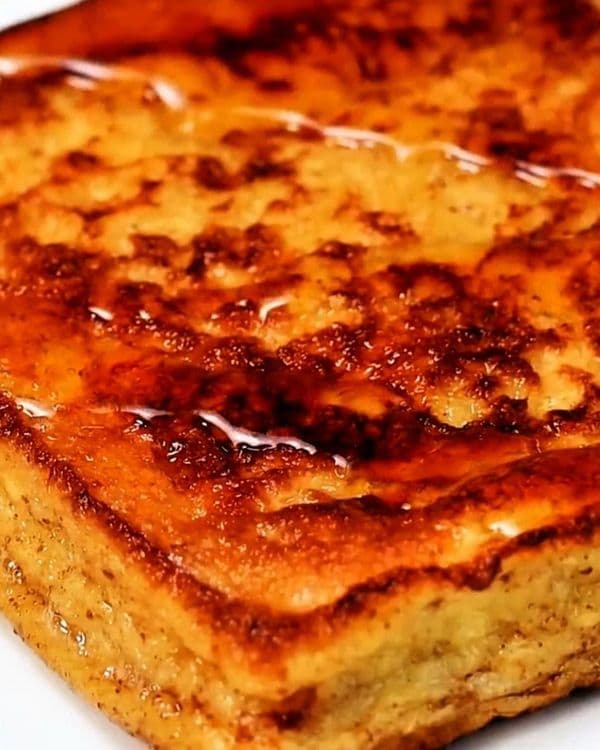
French toast recipes turn a few slices of bread and a simple custard into one of the most comforting breakfasts there is — soft and eggy inside, golden and lightly crisp outside. The collection below shows the full range, from the fluffy classic and brioche versions to sweet stuffed sandwiches and make-ahead baked casseroles, spiced savoury and eggless takes, and the dippable sticks and special twists that turn breakfast into a treat.
What actually decides whether French toast turns out perfectly is the bread and the soak. Slightly stale, sturdy bread drinks up a custard of egg, milk and a little sugar without falling apart, while fresh, flimsy slices turn to mush. The science is gentle: the egg sets as it cooks, so you want a medium heat that lets the centre firm up before the surface scorches, and enough soaking time for the custard to reach the middle of each slice.
You will find the collection grouped into clusters — classic French toast, stuffed and baked versions, savoury and eggless takes, and French toast sticks and special twists. Standout dishes range from a fluffy Classic French Toast and a Brioche French Toast to a Cream Cheese Stuffed French Toast, a spiced Masala French Toast, and crisp cinnamon-sugar French Toast Sticks, each built on the fundamentals the guides below lay out.
Treat this as a working reference. Each recipe links to full ingredients and steps on Chefadora, and the guides below cover what actually decides whether French toast is custardy or soggy, golden or pale — choosing and prepping the right bread, mixing and soaking the custard so it cooks through, and adapting the method for stuffed, baked, savoury and eggless versions.
Classic French Toast
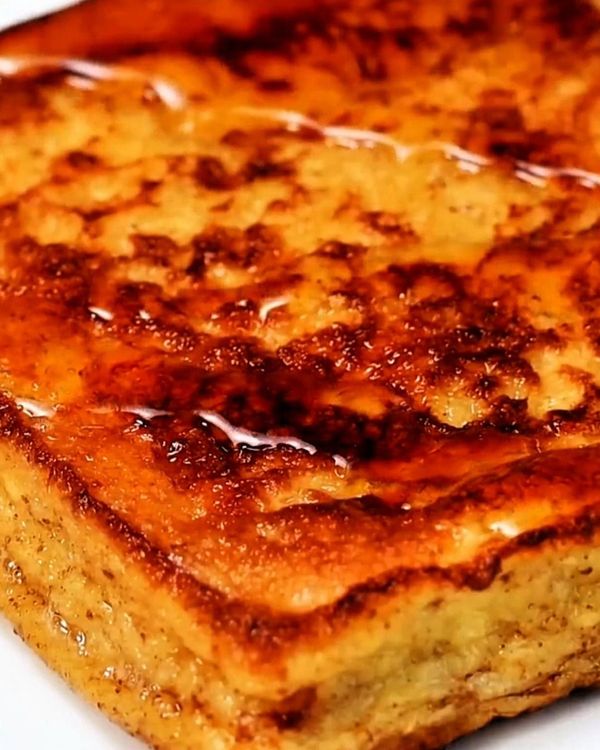
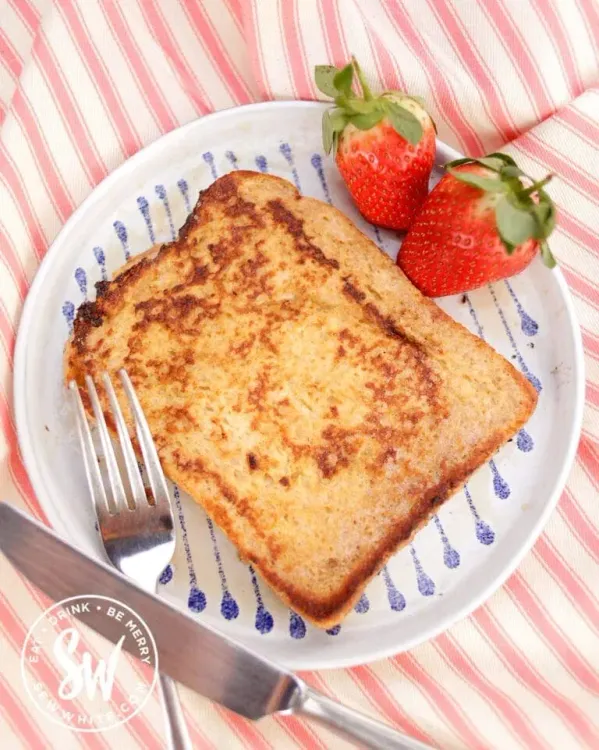
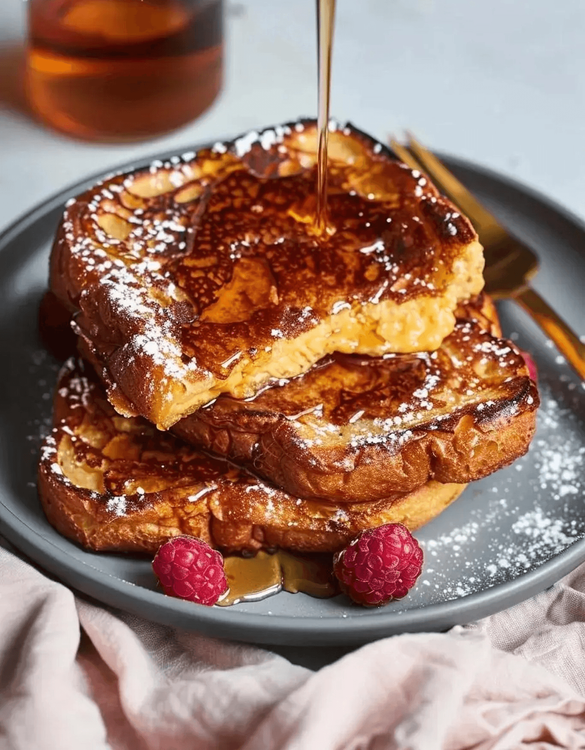
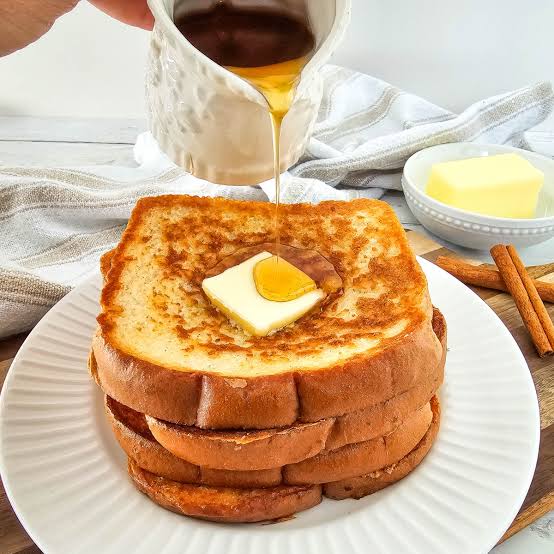
Classic French toast is the version worth nailing before anything fancier, and it rewards a little patience over speed. The whole game is the bread and the soak: reach for slightly stale brioche, challah or a thick white loaf, because day-old slices have dried just enough to drink up the custard while still holding their shape, where fresh flimsy bread simply collapses. Whisk your eggs with milk, a little sugar, vanilla and a pinch of salt until perfectly smooth, then dip each slice twenty to thirty seconds a side so the custard reaches the centre without waterlogging it. The pan should sit at a steady medium with a mix of butter and a little oil, hot enough to brown but gentle enough that the eggy middle sets before the surface scorches. Cook two to three minutes a side until deep golden and just firm to the touch, and resist crowding the pan, which drops the heat and steams the toast pale. Finish with maple syrup, a dusting of icing sugar, or fresh fruit while everything is still hot. Cinnamon and a splash more vanilla turn the plainest slices into something special. Standouts here include Fluffy French Toast and Easy French Toast.
- French
- Eggetarian
- Breakfast
- French
- Eggetarian
- Breakfast
Stuffed & Baked French Toast
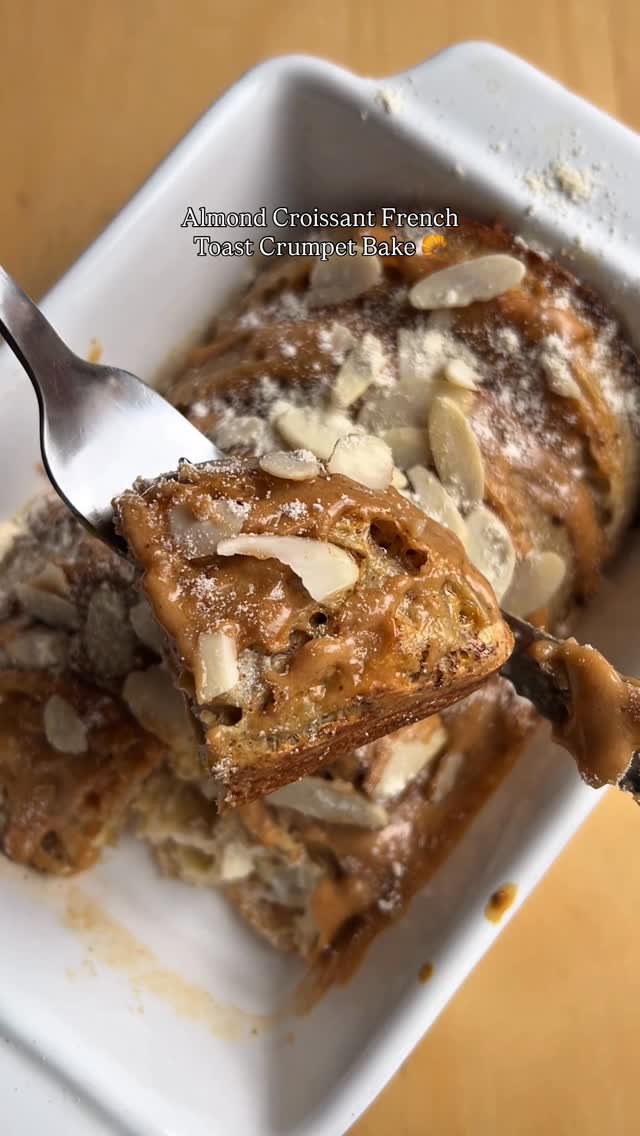
Stuffed and baked French toast take the same custard idea and turn it into either an indulgent treat or an effortless make-ahead centrepiece. For stuffed versions, sandwich two slices around a firm-ish filling — sweetened cream cheese, mashed banana, a smear of Nutella, or jam and berries — press the edges to seal, then soak and cook the whole parcel as one, a touch more gently so the centre warms through and the filling oozes rather than leaking into the pan. Baked French toast is the genuine hands-off hero: layer or cube day-old bread in a dish, pour over a generous custard enriched with a little cream, and let it soak overnight in the fridge so every piece drinks it in. In the morning it bakes into a soft, pudding-like casserole with crisp golden edges and no standing at the stove. Bake it covered first so it steams tender, then uncover to brown the top, and rest it a few minutes before serving so it sets enough to slice. A streusel crumb, a scatter of berries, or a handful of toasted nuts lifts a bake from good to special-occasion. Standouts here include Almond Croissant French Toast Bake and Caramel French Toast Bake.

- Gluten-Free
- Breakfast
- French
- Eggetarian
- Breakfast
Savoury & Eggless French Toast
Savoury and eggless French toast prove the dish is far more versatile than a sweet breakfast plate. The most loved savoury version is Indian masala toast, where the egg — or an eggless besan batter — is whisked with finely chopped onion, green chilli, fresh coriander, turmeric and red chilli powder, then the bread is soaked and fried on a hot tava until golden and crisp at the edges. Grated cheese, cracked black pepper and herbs push any version in the same savoury direction, and a side of ketchup or green chutney finishes it perfectly. For eggless and vegan cooks, the trick is a batter that sets the way egg custard does: besan (gram flour) whisked with milk or a plant milk, a pinch of cornflour or turmeric to bind, and sugar and vanilla for sweet versions or salt and spice for savoury ones. The bread soaks in this batter just as it would in egg and fries to the same custardy interior and golden crust, no eggs required. Keep the heat at a steady medium so the besan cooks through without catching, and you would never miss the egg at all. Standouts here include Eggless French Toast and Spiced French Toast with Cheese Grillers and Tomatoes, plus Eggless Chocolate French Toast.
- American
- Vegetarian
- Breakfast
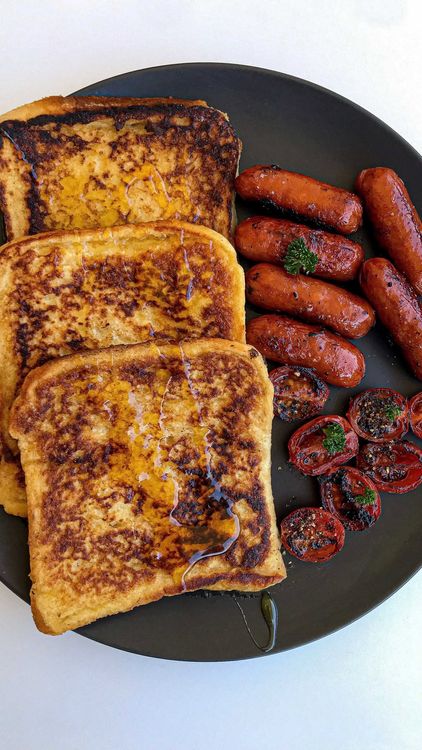
- American
- Eggetarian
- Breakfast
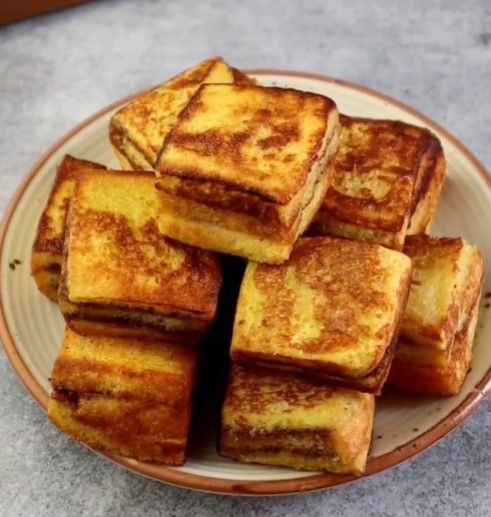

- American
- Vegetarian
- Snack
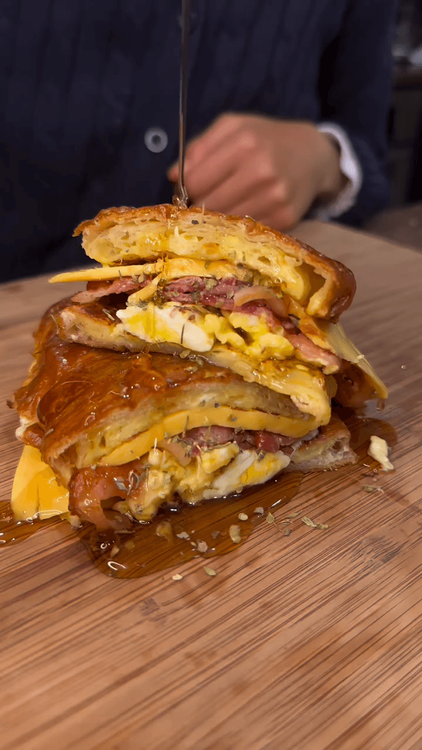

- American
- Non-Vegetarian
- Breakfast
More French Toast Favourites
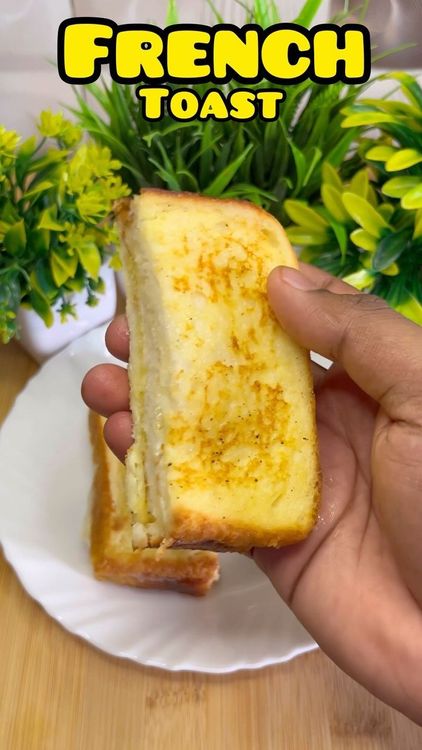
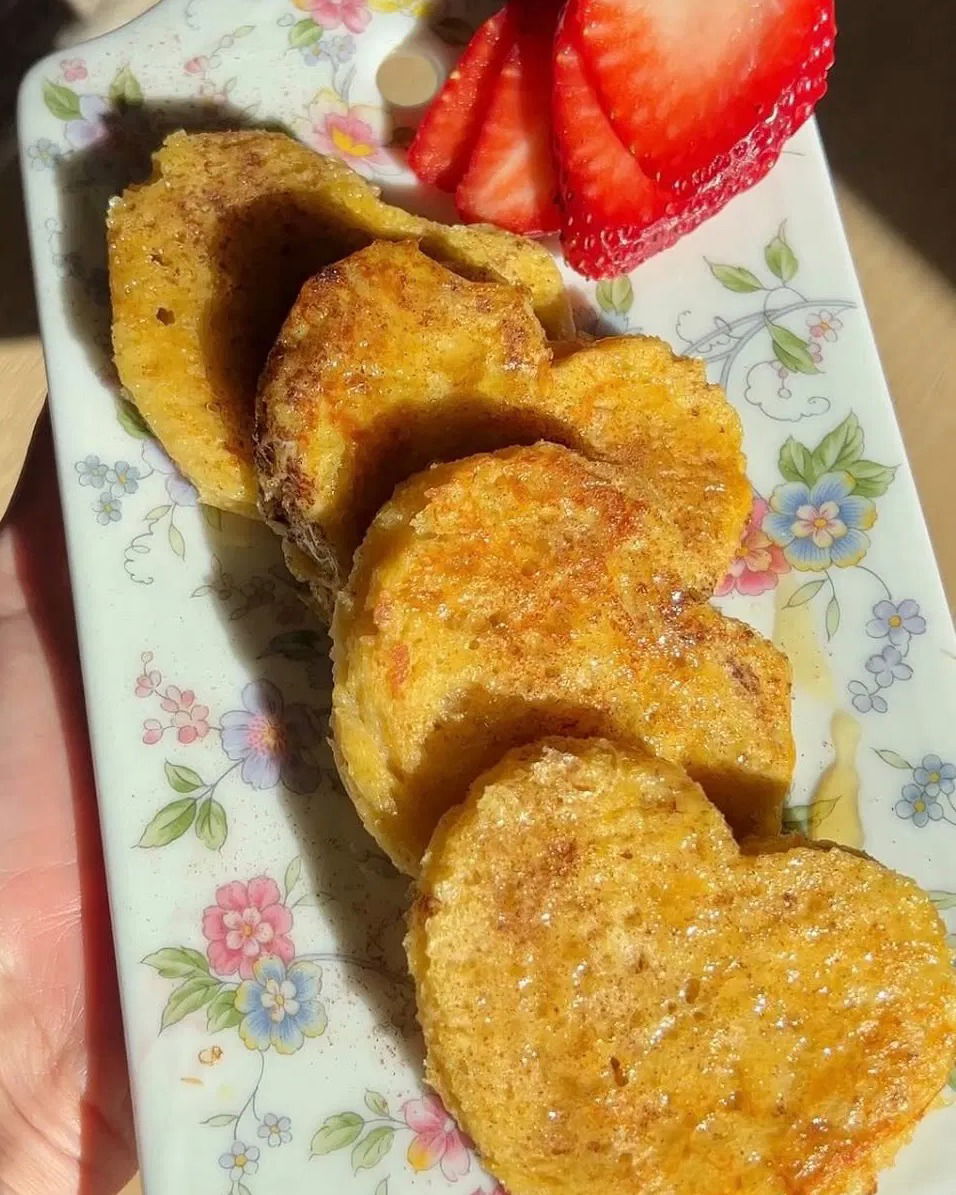
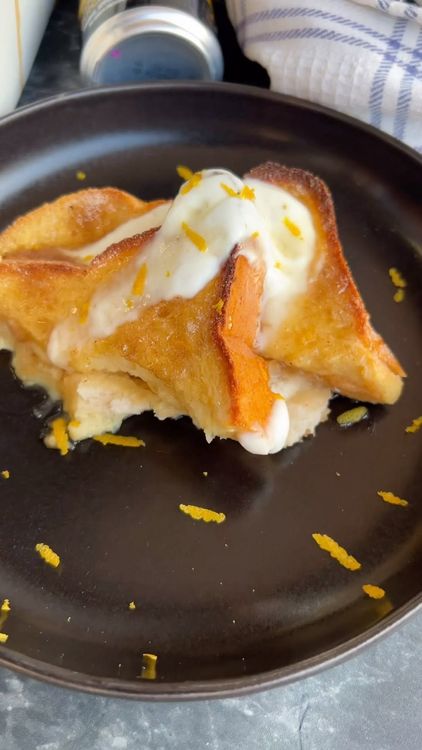
A few French toast ideas never quite fit a single bucket, and these are the ones worth keeping once the classics feel automatic. They lean on the same handful of techniques you already know — sturdy, slightly stale bread, a smooth custard in a sensible egg-to-milk ratio, an unhurried soak and steady medium heat — but steer them toward different breads, fillings and finishes so breakfast never tastes the same twice. Picking your next one is mostly about matching effort to the morning: reach for a quick stovetop slice or a tray of sticks on a busy weekday, and save the stuffed, baked or layered numbers for a weekend when you can let a casserole soak overnight or fuss over a filling. Pay attention to thickness, too, since chunkier slices stay custardy in the middle while thinner ones crisp up fast. Whatever you try, let the toast brown properly and set before you flip it, and keep finished pieces warm on a rack rather than stacked on a plate. Think of this group as the natural next step after the staples — the variations that quietly earn a regular spot in the weekend rotation. Standouts here include French Toast with Orange Marmalade Whipped Cream and French Toast, plus Unique French Toast Recipe.
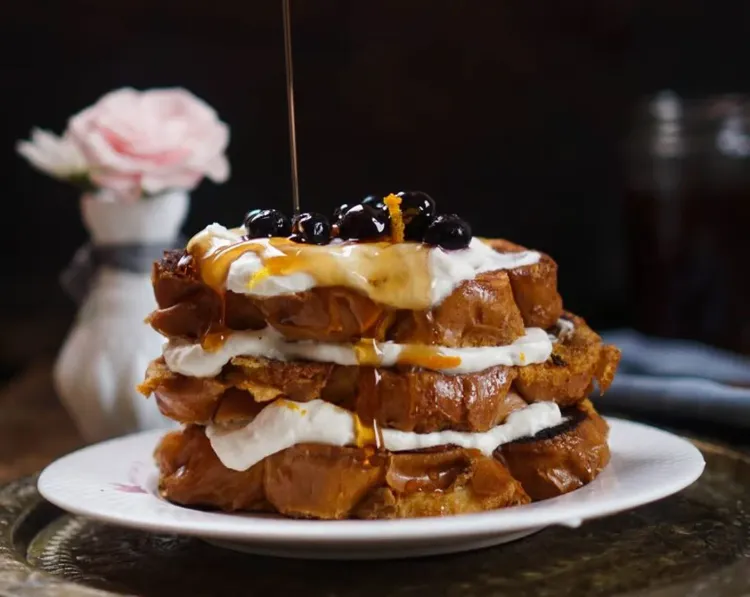
- French
- Eggetarian
- Breakfast


- Eggetarian
- Breakfast

- French
- Eggetarian
- Breakfast

- French
- Eggetarian
- Breakfast
- French
- Eggetarian
- Breakfast
Choosing and Prepping the Bread
The bread does more for French toast than anything else. You want something sturdy and slightly stale, because day-old bread has dried out just enough to soak up custard greedily while still holding its shape. Brioche and challah are the gold standard — rich, eggy and a little sweet, they turn meltingly soft inside — but a thick white sandwich loaf, sourdough or even a baguette cut on the bias all work. Thin, fresh, flimsy slices are the one thing to avoid, since they collapse the moment they hit the custard.
Thickness matters as much as the loaf. Cut slices around two to three centimetres thick so each one has a soft, custardy centre with a crisp exterior; too thin and they go leathery, too thick and the middle stays raw and wet. If your bread is fresh, dry the slices out first — leave them uncovered overnight, or toast them lightly in a low oven for ten minutes — so they behave like stale bread and absorb the custard evenly rather than skidding across the surface.
Match the bread to the dish. For a plush classic, reach for brioche or challah; for stuffed French toast, use a sturdy loaf you can sandwich without it tearing; for a baked casserole, cubed or torn day-old bread soaks up a deep custard beautifully; and for savoury masala toast, ordinary white sandwich bread is the traditional, perfect choice. Whatever you use, a firm crumb and a little staleness are what separate French toast that is silky and set from a soggy, falling-apart mess.
Mixing and Soaking the Custard
The custard is just egg and dairy, but the ratio decides everything. A reliable starting point is one egg to about a quarter cup (60ml) of milk per couple of slices, whisked until completely smooth with no streaks of white left — unbeaten egg cooks into rubbery ribbons on the surface. Add a little sugar, a good splash of vanilla, and a pinch of salt to season; cinnamon, nutmeg or cardamom bring warmth. For a richer, more custardy result, swap some of the milk for cream and lean on extra yolks.
Soaking is a balance. The custard needs long enough to reach the centre of each slice, but not so long that the bread disintegrates. For standard slices, dip each side for around twenty to thirty seconds — you want it saturated through but still holding together when you lift it. Thicker brioche can take a minute or more per side. Let any excess drip off before the bread goes in the pan, since a slice dripping with raw custard steams and stays soggy in the middle rather than setting cleanly.
Cook it gently. Use a non-stick or well-buttered pan over medium heat — a mix of butter and a little oil gives you flavour without the butter burning. Too hot and the outside browns before the eggy centre sets; too cool and the toast turns greasy and pale. Cook two to three minutes a side until deep golden and just firm to the touch, then keep finished slices warm in a low oven (around 100C) on a rack so they stay crisp rather than sweating soft on a plate.
Stuffed, Baked, Savoury and Eggless
Stuffed French toast turns the dish into dessert for breakfast. Sandwich two slices around a filling — sweetened cream cheese, mashed banana, a smear of Nutella, or jam and berries — then soak and cook the whole parcel as one, a touch more gently so the centre warms through without the outside burning. Keep the filling on the firmer side and seal the edges by pressing them together, so it melts and oozes rather than leaking out into the pan as everything cooks.
Baked French toast is the make-ahead hero. Layer or cube day-old bread in a dish, pour over a generous custard, and let it soak overnight in the fridge so every piece drinks it in; in the morning it bakes into a soft, pudding-like casserole with crisp, golden edges, no standing at the stove required. A streusel topping or a scatter of berries and nuts lifts it further. Bake covered first so it steams tender, then uncover to brown the top, and let it rest a few minutes before serving so it sets enough to slice.
Savoury and eggless versions widen the dish well beyond sweet breakfast. Indian masala French toast whisks chopped onion, green chilli, coriander and spices into the egg for a savoury tava toast, while cheese and herbs push any version in a savoury direction. For eggless or vegan French toast, a batter of besan (gram flour), milk or a plant milk, and a pinch of turmeric or cornflour soaks and sets much like egg, giving you the same custardy interior and golden crust without any eggs at all.
Pro Tips from the Test Kitchen
- Use slightly stale, sturdy bread — brioche or challah are ideal; fresh flimsy slices turn to mush.
- Cut slices two to three centimetres thick so they stay custardy inside and crisp outside.
- Whisk the custard completely smooth so no egg white cooks into rubbery streaks.
- Aim for roughly one egg to a quarter cup (60ml) of milk per couple of slices.
- Soak each side twenty to thirty seconds — saturated through but still holding together.
- Let excess custard drip off before frying so the toast sets cleanly instead of steaming soggy.
- Cook over medium heat in butter and a little oil so the centre sets before the outside burns.
- Keep finished slices warm on a rack in a low oven so they stay crisp, not sweaty.
- For baked French toast, soak cubed day-old bread overnight, then bake covered before browning the top.
- For eggless toast, use a besan-and-milk batter — it soaks and sets much like egg.
Frequently Asked Questions
What are the best french toast recipes to start with?
Begin with a fluffy classic French toast on brioche or thick white bread — it teaches the custard-and-soak rhythm everything else builds on. From there, try cinnamon French toast sticks for dipping, a cream cheese stuffed version, or an overnight baked casserole for a crowd. If you avoid eggs, an eggless besan French toast gives the same custardy result, and Indian masala toast swings the whole idea savoury. Master the basic soak first and every variation becomes easy.
What bread is best for french toast?
Sturdy, slightly stale bread is best, because day-old slices soak up custard greedily while still holding their shape. Brioche and challah are the gold standard — rich, eggy and a little sweet — but a thick white sandwich loaf, sourdough or a baguette cut on the bias all work well. Avoid thin, fresh, flimsy slices, which collapse the moment they meet the custard. If your bread is fresh, dry it out in a low oven first so it behaves like stale bread.
How do you keep french toast from going soggy?
Soggy French toast comes from too much custard, too little cooking, or flimsy bread. Use sturdy, slightly stale slices, soak each side only twenty to thirty seconds so the custard reaches the centre without drowning it, and let the excess drip off before frying. Cook over steady medium heat for two to three minutes a side until deep golden and just firm, and keep finished slices warm on a rack rather than stacked on a plate, where trapped steam softens the crust.
What is the right egg-to-milk ratio for french toast?
A reliable starting point is one egg to about a quarter cup (60ml) of milk for every couple of slices. Whisk it completely smooth, with no streaks of white, and season with sugar, vanilla, a pinch of salt and warm spices like cinnamon. For a richer, more custardy result, replace some of the milk with cream or add an extra yolk. Too much milk makes the toast wet and pale; too much egg makes it taste omelette-like rather than custardy.
How do you make easy french toast recipes ahead of time?
Baked French toast is built for making ahead: layer cubed day-old bread in a dish, pour over the custard, and refrigerate overnight so it soaks fully, then simply bake in the morning. For stovetop toast, you can cook it fully, cool it, and reheat in a hot oven or toaster so it crisps back up rather than going limp in the microwave. Cooked French toast also freezes well — reheat from frozen in a toaster or oven for a quick weekday breakfast.
How do you make eggless french toast?
Replace the egg custard with a batter that sets the same way. A common Indian-style mix is besan (gram flour) whisked with milk or a plant milk, a pinch of turmeric or cornflour for binding, sugar and vanilla for sweet versions, or salt and spices for savoury. The bread soaks in this batter just as it would in egg, then fries to a golden, custardy finish. Cornflour or a mashed banana also helps the batter cling and set without any eggs at all.
What is savoury french toast and how do you make it?
Savoury French toast swaps the sugar and vanilla for salt, spice and aromatics. The best-known version is Indian masala toast, where the egg (or an eggless besan batter) is whisked with chopped onion, green chilli, coriander, and spices like turmeric and red chilli powder, then the bread is soaked and fried on a tava. Grated cheese, black pepper and herbs push any version savoury. Serve it with ketchup or green chutney for a quick, satisfying breakfast or snack rather than a sweet one.
How do you make french toast sticks?
Cut thick slices of sturdy bread into strips about two centimetres wide, soak them briefly in the custard, then pan-fry or bake until golden on all sides. Because they are smaller, they soak fast and cook quickly, so keep the heat at medium and turn them to crisp every face. Roll the hot sticks in cinnamon sugar for a churro-style finish, and serve with maple syrup, chocolate sauce or fruit for dipping. They bake and freeze well, making them an easy grab-and-go breakfast.
Why does my french toast taste eggy?
An eggy taste usually means too much egg relative to the milk, or custard that was not whisked smooth, leaving cooked egg white on the surface. Loosen the ratio toward more milk, beat the eggs thoroughly until no streaks remain, and add vanilla, sugar and a little cinnamon to round out the flavour. Cooking at a steady medium heat so the toast browns and sets evenly, rather than scrambling on the surface, also keeps it tasting like custard rather than fried egg.
The thread through every French toast recipe here is the same: start with sturdy, slightly stale bread, whisk a smooth custard in the right egg-to-milk ratio, soak just enough to saturate without drowning, and cook gently over medium heat so the centre sets before the outside browns. Master those and the classic, stuffed, baked, savoury and eggless versions all turn out custardy inside and golden outside, exactly as intended.
Pick a few French toast recipes to make this week — a fluffy classic, a stuffed weekend treat, and a tray of cinnamon sticks for dipping — and save your favourites to a Chefadora cookbook. From a quick savoury masala toast to a make-ahead baked casserole, there is a French toast for every morning and mood; this page is built to be the French toast reference you keep coming back to.
Related
- French toast
- Breakfast
- Brunch
- Eggless
- Vegetarian
- Sweet
- Make ahead
- Comfort food
Popular Searches
- Best french toast recipes
- Easy french toast recipes
- Quick french toast recipes
- Healthy french toast recipes
- Simple french toast recipes
- Homemade french toast recipes
- Delicious french toast recipes
- Popular french toast recipes
- classic french toast
- stuffed french toast
- eggless french toast
- french toast sticks
Marnirni-apinthi Building, Lot Fourteen,
North Terrace, Adelaide, South Australia, 5000
Australia
