
31 Soya Chunks Recipes for Curry, Biryani, Fry & High-Protein Meals
Updated July 7, 2026 · Curated by Chefadora
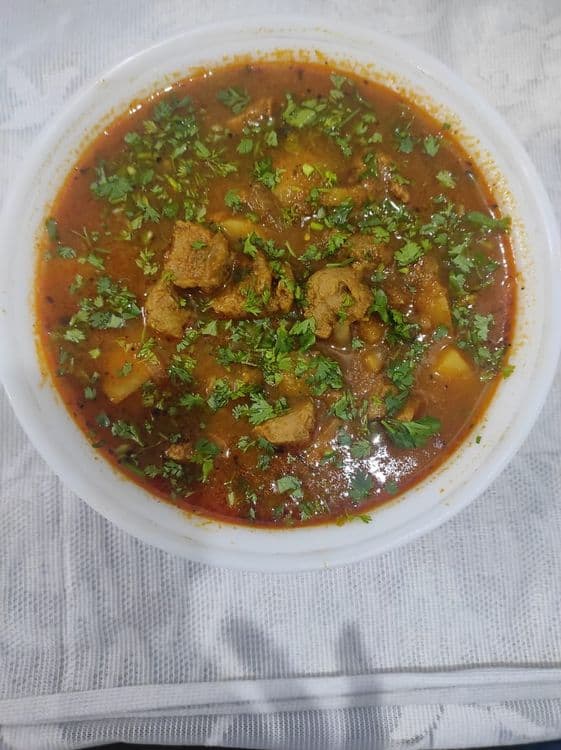
If you keep a bag of meal maker in the pantry and never quite know what to do with it, this collection of soya chunks recipes is built for you. I have cooked these little nuggets for years, spongy things that soak up whatever masala you throw at them, and I have gathered 31 dishes that show just how far they stretch. Below you will find slow-simmered gravies, one-pot pulaos, crisp cutlets, fiery Indo-Chinese plates, and light salads that lean on soya for protein without weighing you down.
Every dish here comes from a real home or restaurant kitchen, so the timings and textures are honest. Cooking for a hungry family on a weeknight? Chasing a higher-protein plate after the gym? There is something practical for you further down. The rhythm is always the same: soak, squeeze, season, and cook. Scroll through the clusters, tap any recipe that catches your eye, and start with the one that matches tonight's mood and the time you have on the clock.
Easy Soya Chunks Recipes: Curry & Gravy
This is where meal maker earns its keep. A good gravy clings to each chunk and turns a cheap pantry staple into something you happily mop up with roti or spoon over rice. The dishes below run from a homey potato-and-meal maker combo to a rich, restaurant-style chaap masala. Cook the onions down properly, let the tomatoes break, and give the chunks a few minutes to drink in the sauce before you serve. A knob of butter or a spoonful of cream stirred in at the very end rounds off the sharper spices beautifully.
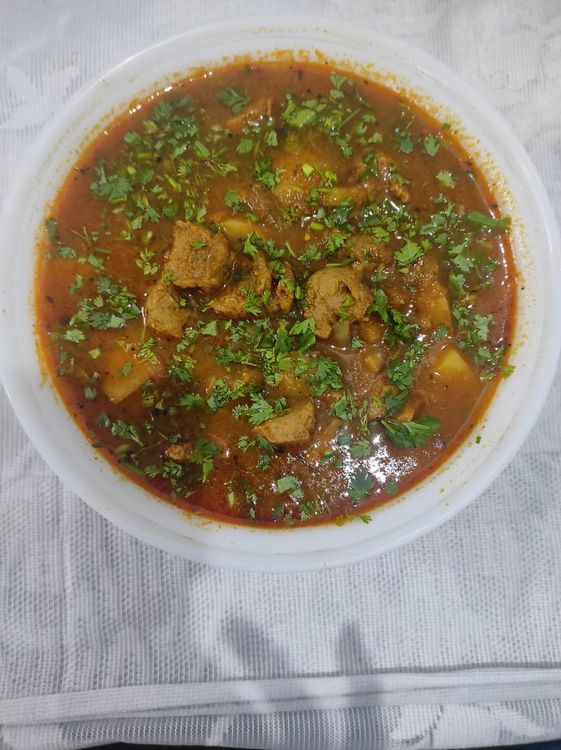

- Indian
- Vegan
- Lunch
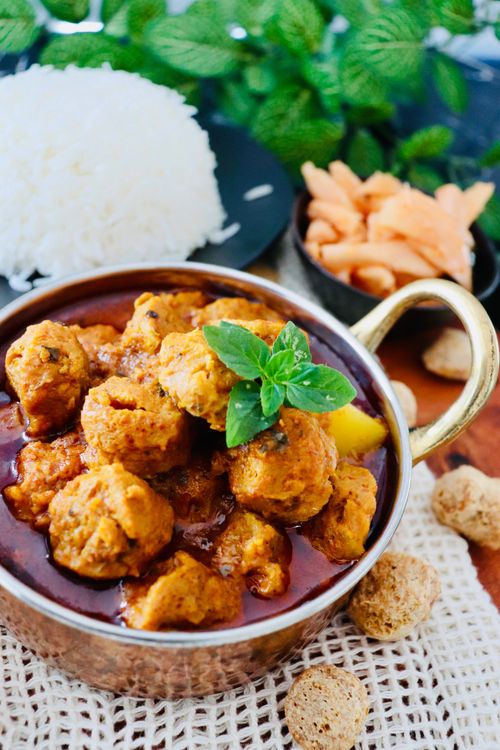

- Indian
- Vegan
- Lunch
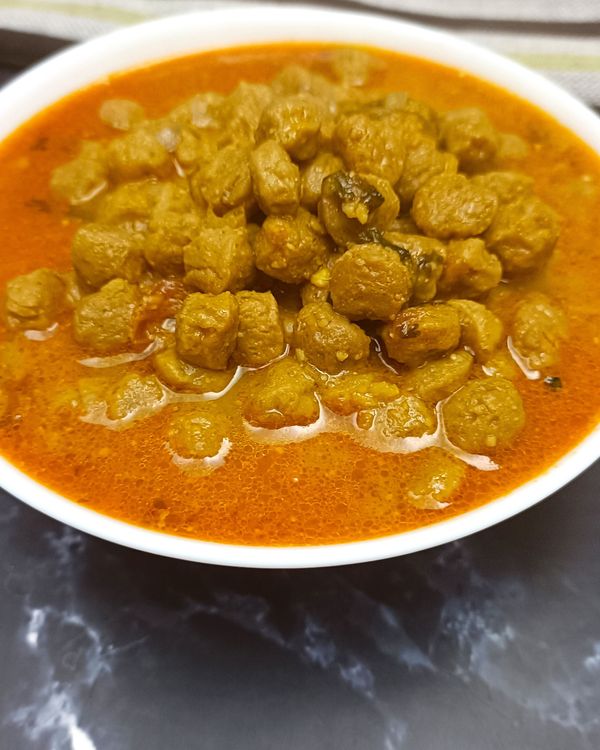

- South Indian
- Vegetarian
- Lunch
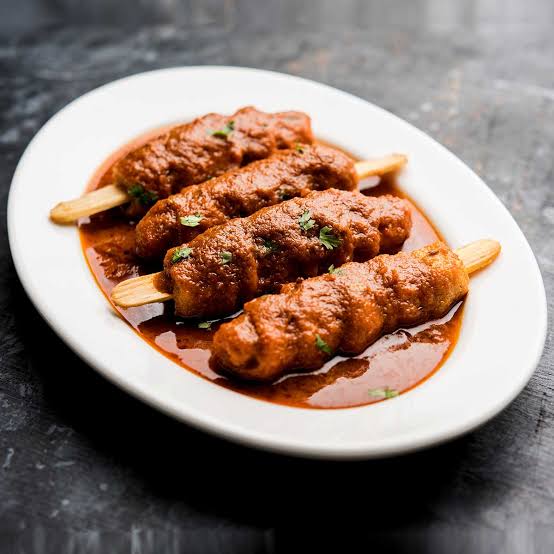
- Indian
- Vegetarian
- Lunch
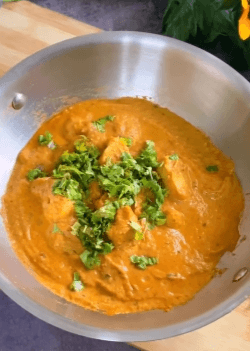
- Indian
- Vegetarian
- Lunch
Biryani, Pulao & Rice
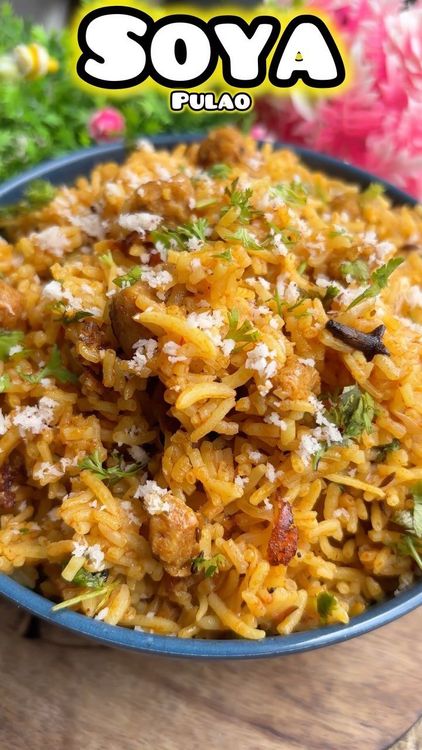
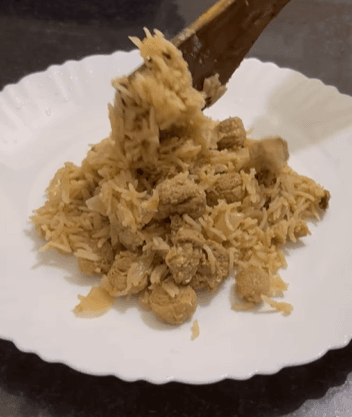
One-pot meal maker rice is the fastest way to feed a crowd without dirtying every pan you own. Because the chunks are pre-soaked and porous, they take on the whole garam-masala perfume of a pulao far quicker than meat would. I have grouped the lighter weight-loss versions here alongside richer masala pulavs and everyday meal maker rice, so you can match the pot to your appetite and the clock in front of you. Fry the whole spices in ghee first, and finish with fried onions for a pulao that tastes like far more effort than it took.
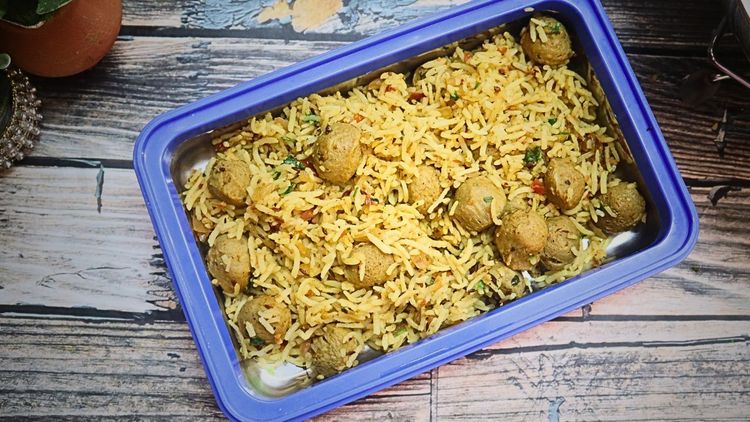

- Indian
- Non-Vegetarian
- Lunch
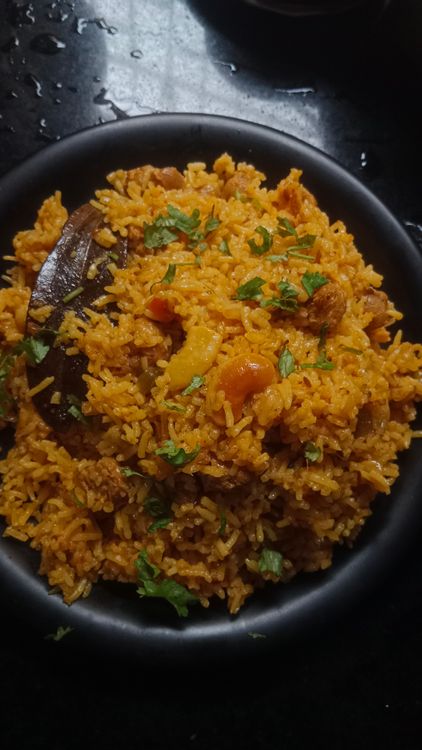

- Indian
- Vegetarian
- Lunch
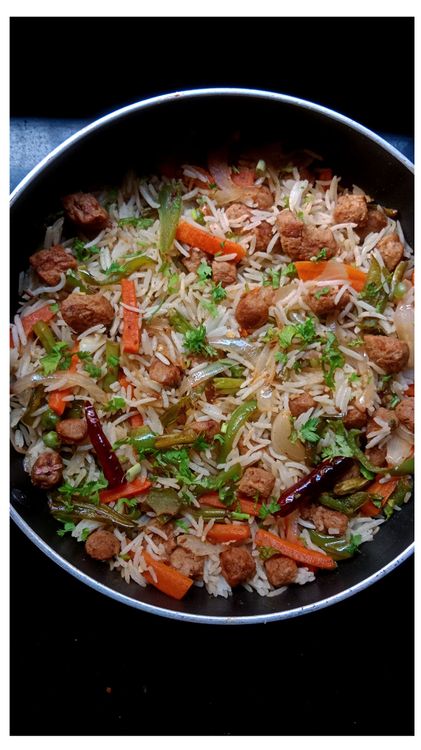
- Asian
- Vegetarian
- Lunch
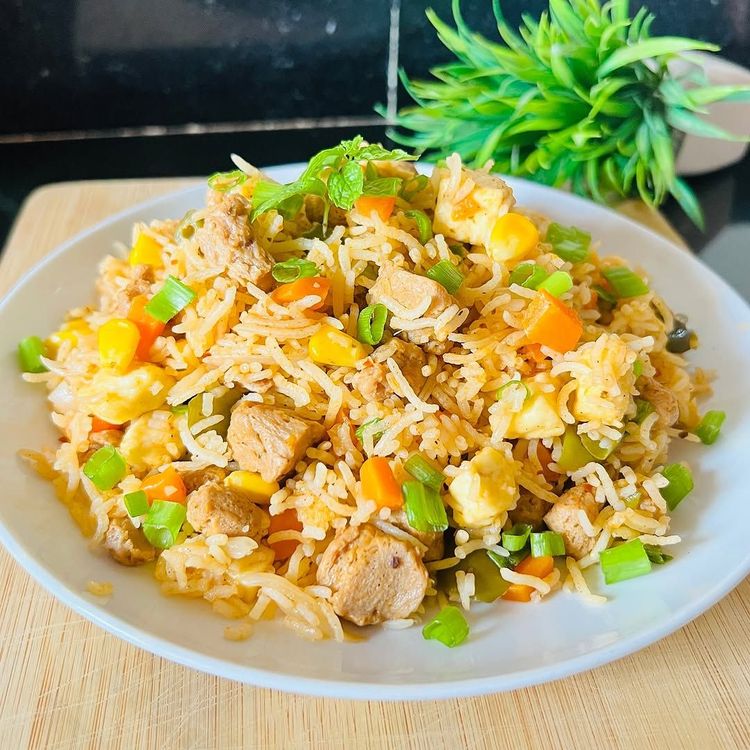
- Indian
- Vegetarian
- Dinner
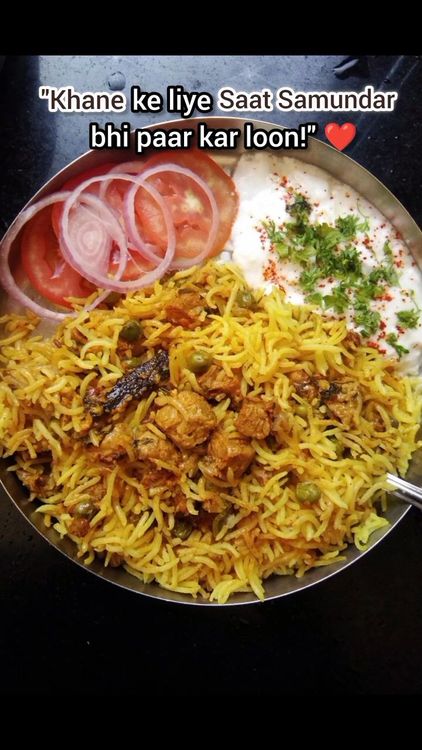
- Indian
- Vegan
- Lunch
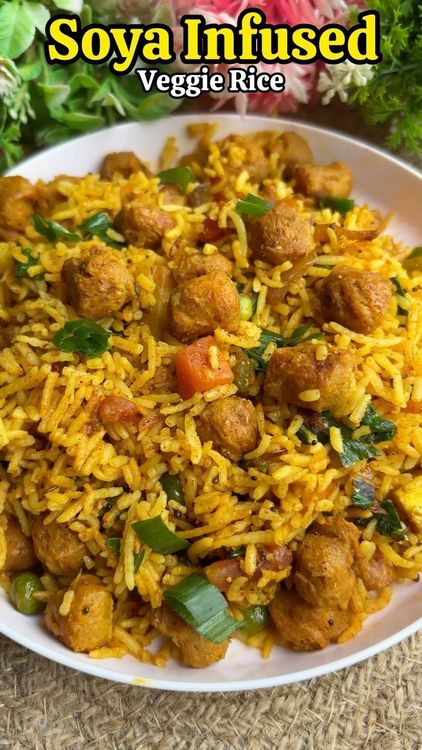

- Indian
- Vegetarian
- Lunch
- Indian
- Vegetarian
- Lunch
Dry Fry, Cutlets & Snacks
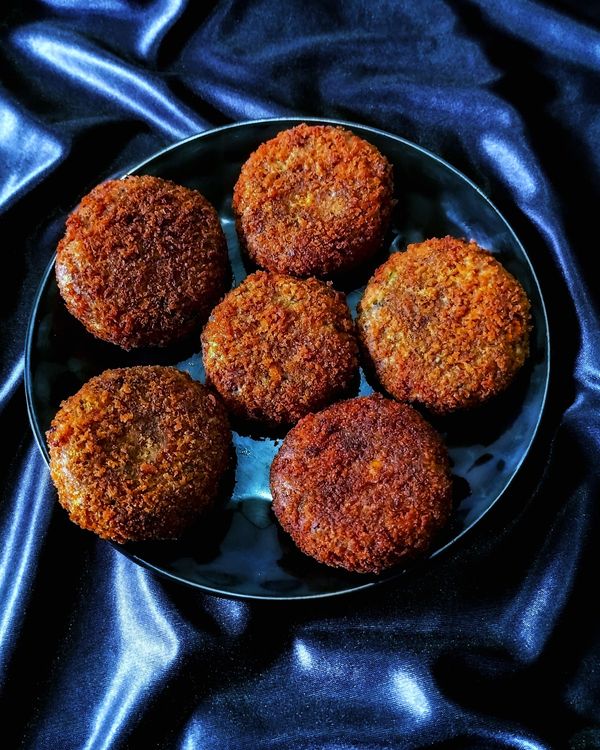
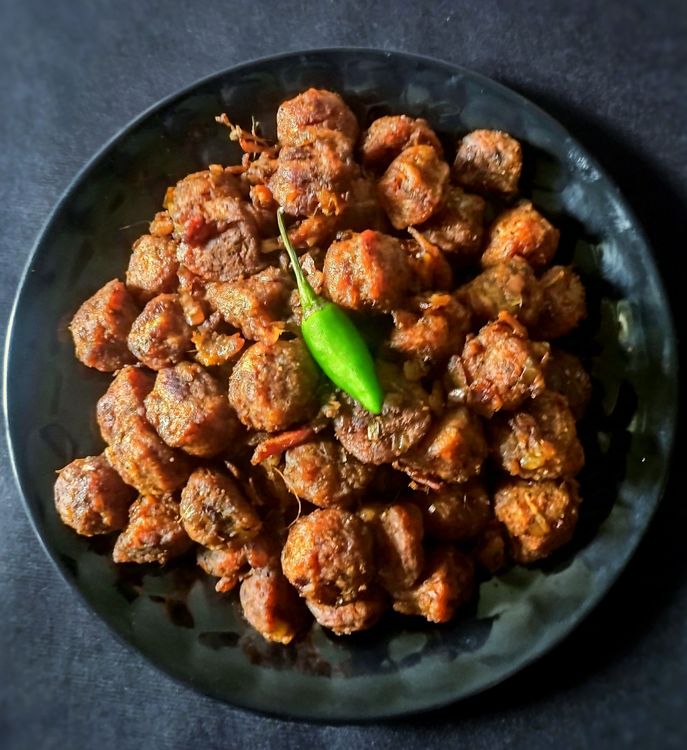
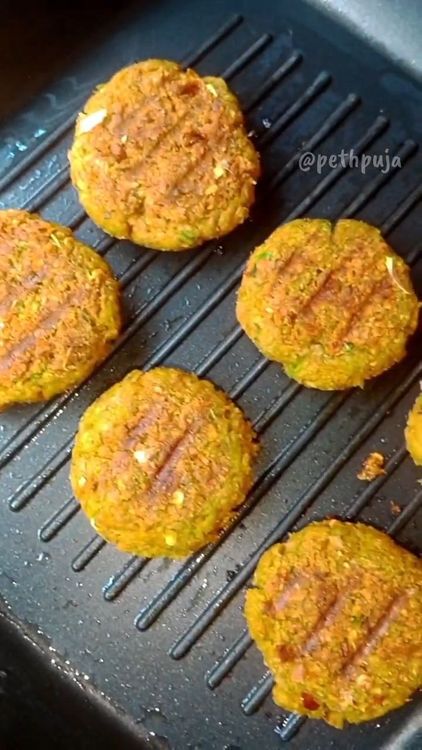
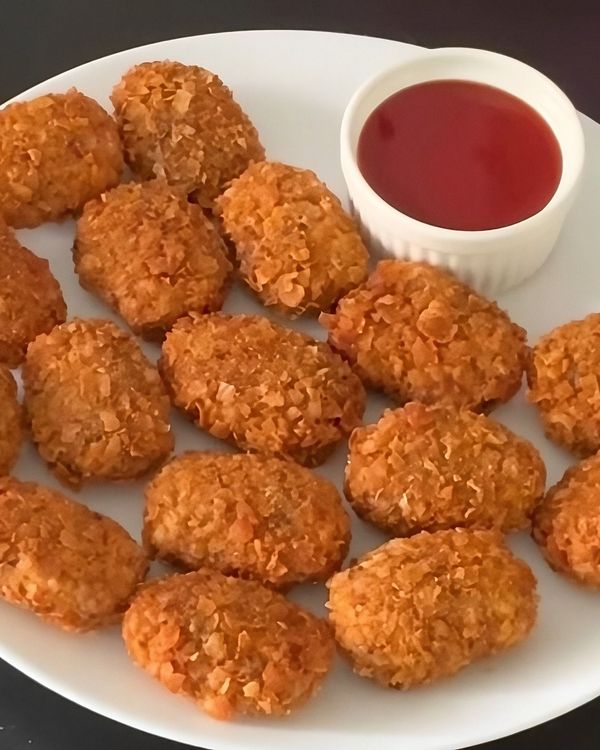
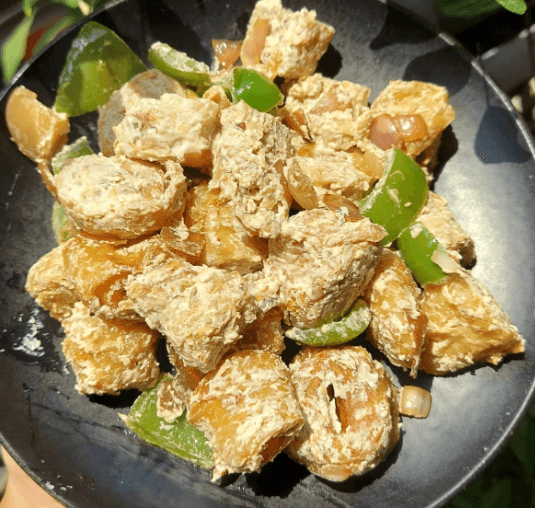
Squeezed dry and fried hard, meal maker turns crisp at the edges and chewy in the middle, the texture that wins over the skeptics at your table. These are the frankie rolls, cutlets, patties and roasts you reach for at tea time or pack into a lunchbox. Bind the mince well, keep the oil properly hot, and do not crowd the pan so each piece browns instead of steaming in its own moisture. A final squeeze of lemon and a dusting of chaat masala lifts every one of them just before they hit the plate.

- Indian
- Vegetarian
- Snack
- Indian
- Vegetarian
- Appetiser
- Indian
- Eggetarian
- Appetiser

- Indian
- Vegetarian
- Lunch
- Indian
- Vegan
- Lunch

- Indian
- Vegan
- Appetiser
- Indian
- Vegetarian
- Snack
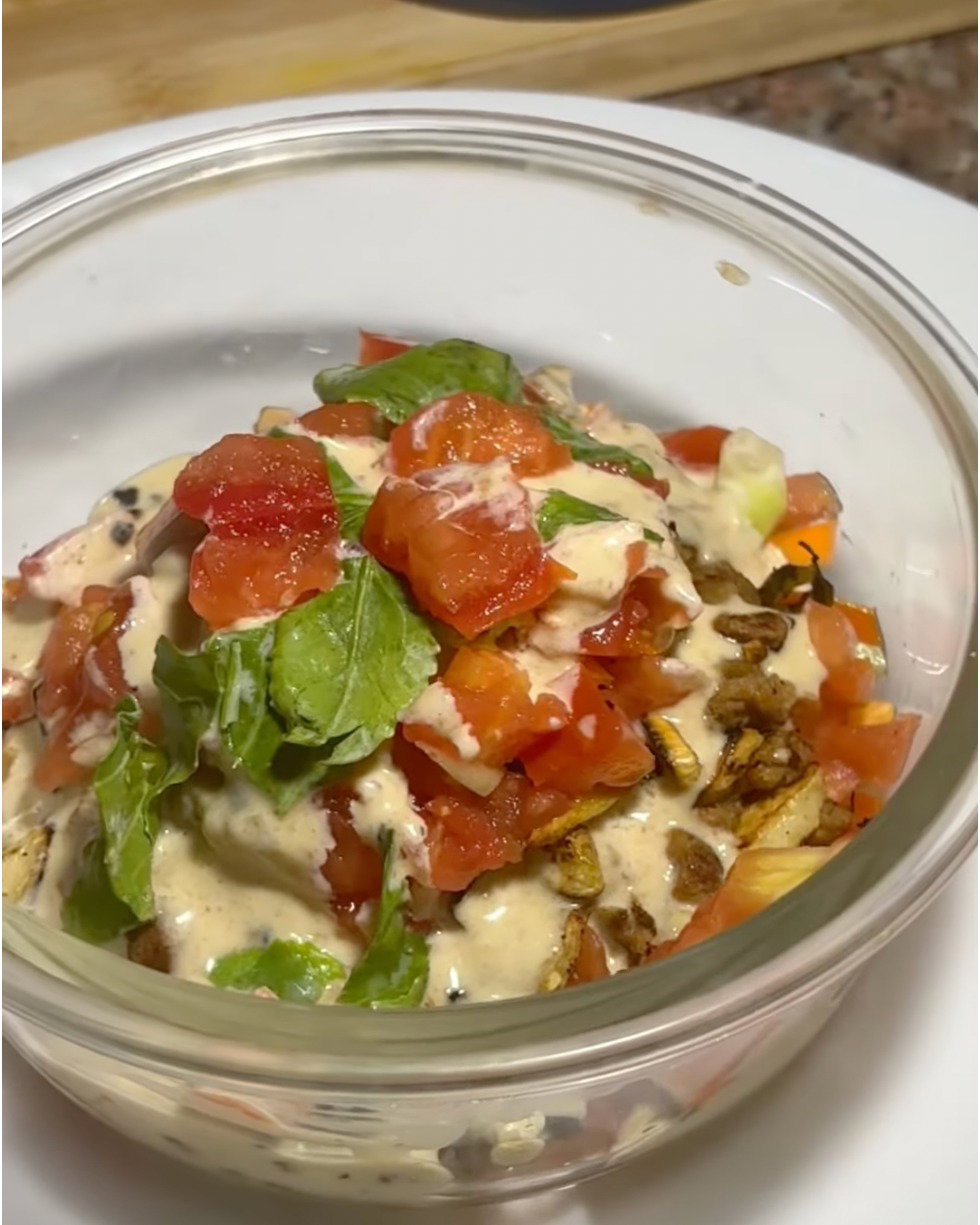
High-Protein Salads & Light Meals
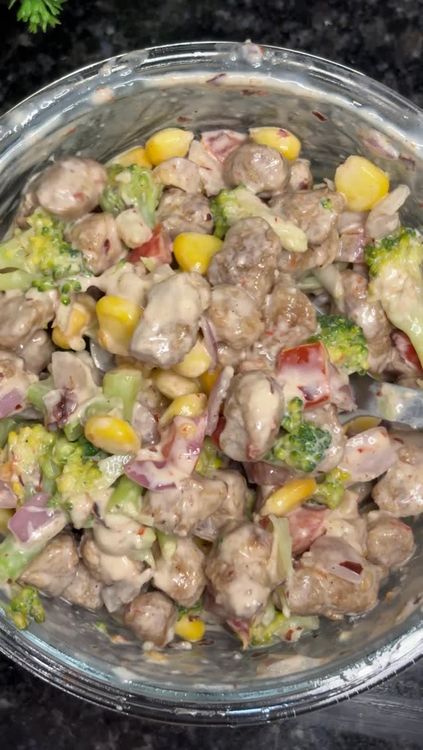
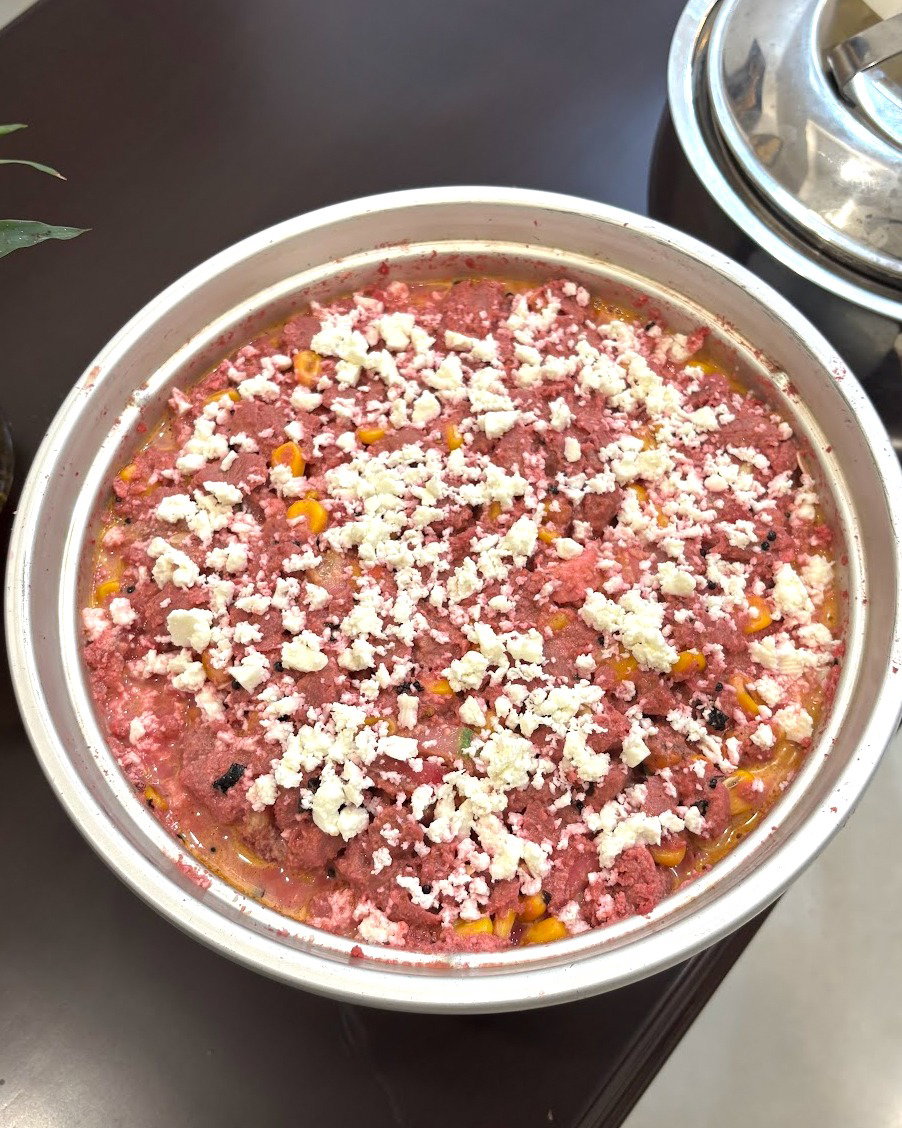
When you want the protein without the heavy gravy, these are the plates to cook. Boiled and cooled meal maker holds its shape in a salad, soaking up lemon, chaat masala and fresh herbs the way chickpeas do. I have added a couple of creamier, roasted numbers here too, plus a homemade meal maker milk, so the section covers everything from a quick desk lunch to a light, gut-friendly dinner. Dress and toss them just before serving so nothing sits and turns soggy in the bowl.

- Indian
- Vegetarian
- Lunch
- Indian
- Vegetarian
- Salad

- Vegetarian
- Salad
- Vegetarian
- Salad

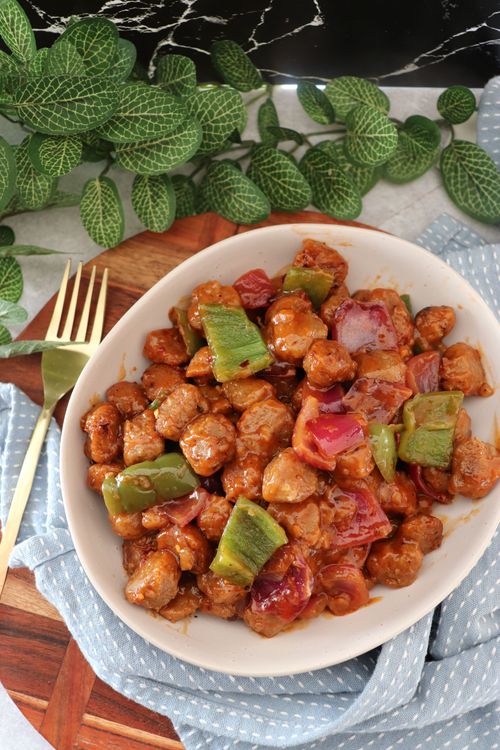
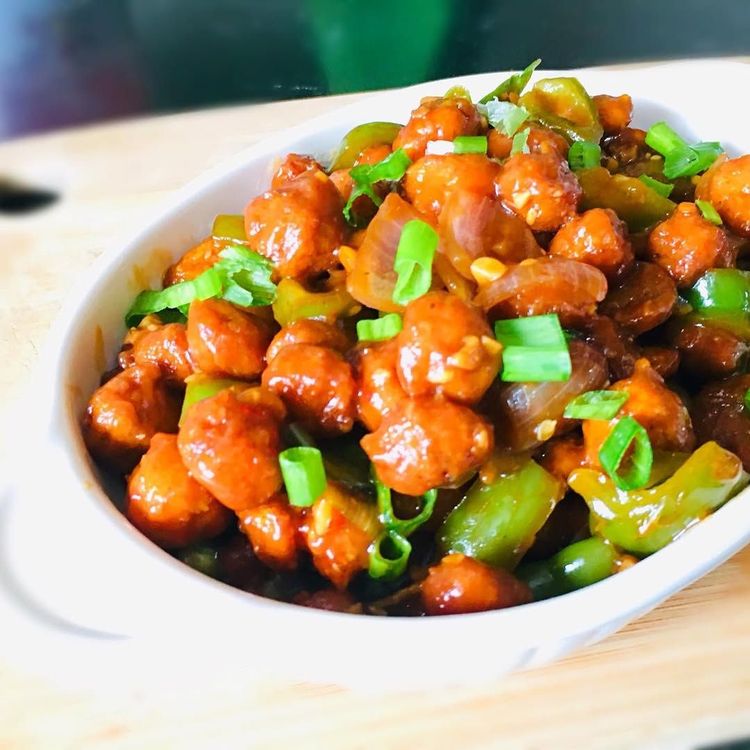
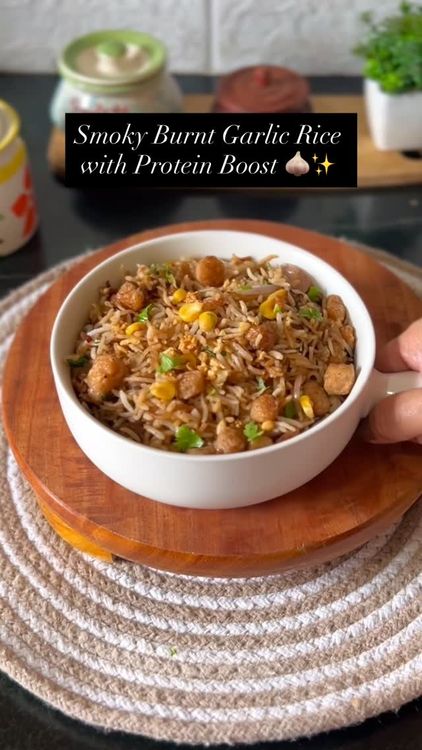
Manchurian & Indo-Chinese Favourites
meal maker was made for the wok. The chunks act like little sponges for soy, vinegar and chilli, then crisp up nicely when you fry them before tossing. From saucy chilli Manchurian to smoky burnt-garlic fried rice, this cluster brings the Indo-Chinese heat. Get your sauces mixed and your aromatics chopped before the flame goes on, because once it does, these dishes come together in a matter of minutes. A final splash of vinegar and a scatter of spring onion keeps everything bright and sharp.
- Indo-Chinese
- Vegan
- Lunch
- Indian-Chinese
- Vegan
- Appetiser
- Chinese-Indian Fusion
- Vegetarian
- Dinner
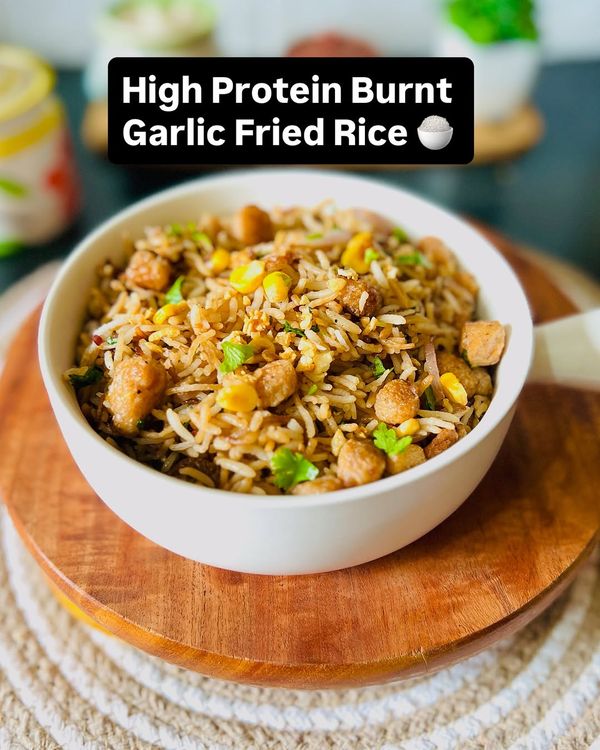
- Chinese
- Vegetarian
- Lunch
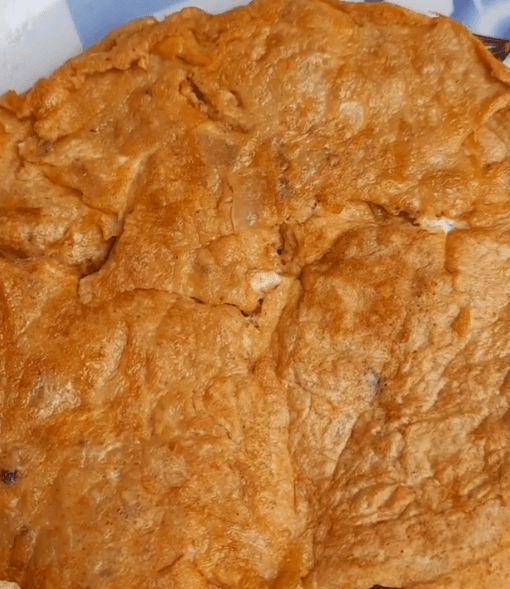
- Asian
- Eggetarian
- Breakfast
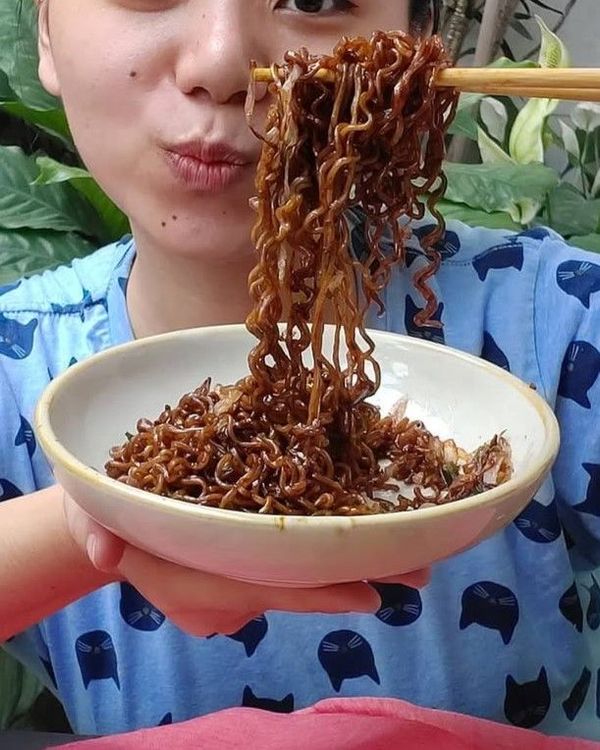
- Asian
- Vegan
- Main Course
Preparing Them: Soaking & Squeezing
Dry the chunks are rock hard straight from the packet, so every recipe starts by rehydrating them. The quickest method is to pour boiling water over the chunks, enough to cover them by an inch or two, add a pinch of salt, and let them sit for eight to ten minutes. They will roughly double in size and turn soft and spongy. If you prefer, you can simmer them in water for four or five minutes instead, which I do when I want them extra tender for a gravy.
Once they are plump, drain them into a colander and rinse under cool running water. Now comes the step people skip and then wonder why their dish tastes flat: squeezing. Press the chunks firmly between your palms, or bunch them in a clean cloth and wring, to force out the cloudy soaking water. That water carries the beany, slightly bitter notes you do not want in the finished dish. Give them a second rinse and a second squeeze for good measure.
Squeezed chunks act like a dry sponge, so they drink up masala and stock beautifully. For salads or dry fries, squeeze them almost bone-dry; for curries, leave a little moisture so they stay juicy. Big chunks can be halved after soaking, and you can even pulse them in a blender for a mince-style keema. Whatever the use, never tip the chunks into the pan straight from the soak while still wet, because that trapped water dilutes your masala and stops them from browning.
Why They Are So High in Protein
the chunks, the granular product sold as meal maker or nutri nuggets, are made from defatted soy flour, the material left after soybean oil is extracted. That flour is cooked under pressure and extruded, which concentrates the protein and gives the chunks their fibrous, meat-like bite. Because most of the fat and carbohydrate has been stripped away during processing, what remains is largely protein.
The numbers are genuinely impressive. Dry meal maker carries roughly 50 to 52 grams of protein per 100 grams, more, gram for gram, than paneer, eggs, chicken or most lentils. Soy is also one of the few plant foods that supplies all nine essential amino acids, so it counts as a complete protein, which matters a great deal if you eat little or no meat.
They bring more than protein, too: useful fibre, iron, calcium and almost no cholesterol, all at a price that undercuts nearly every other protein you can buy. A small handful of dry chunks swells into a filling portion, so a cheap bag stretches a long way. That combination of high protein, low cost and long shelf life is exactly why gym-goers, students and budget cooks lean on them. Pair them with rice, roti or any grain and you have built a balanced, satisfying plate for very little money. Just be sure to soak and cook them properly rather than eating them raw or half-hydrated, as thoroughly cooked meal maker is far gentler on digestion.
How to Remove the Raw Smell
Straight from the packet, meal maker has a distinct beany, raw aroma that puts some people off. It is easy to tame, and it comes down to how you soak and season. Start with the boiling-water soak rather than a cold one, because heat drives off much of that raw note immediately. Adding a pinch of salt, and some cooks add a splash of milk, to the soaking water helps neutralise the smell further.
After soaking, the squeeze matters as much for aroma as it does for texture. That cloudy water you wring out is where most of the beany flavour lives, so squeeze, rinse, and squeeze again until the chunks smell clean. If any odour still lingers, blanch them for two minutes in fresh water with a bay leaf or a slit green chilli, then drain thoroughly.
The final defence is the pan. Always saute the drained chunks for a couple of minutes in a little oil with ginger-garlic before you build the dish, or let them simmer long enough in a spiced gravy to take on those flavours. Strong aromatics like garam masala, cumin, garlic and a squeeze of lemon at the end cover any last trace. Do these small things and no one will guess your high-protein dinner started as a bag of dry nuggets. One last habit worth keeping: never reuse the murky soaking water in the dish itself, however tempting it is to save that step, because it carries straight back the very odour you worked to remove.
Buying & Storing
Dry packets last for months in a cool cupboard, so they are a brilliant pantry staple to keep on hand for last-minute high-protein dinners. Once opened, transfer them to an airtight jar to keep them from turning stale or absorbing moisture.
Cooked dishes refrigerate well for up to three days and the flavour deepens overnight as the gravy soaks in. Reheat gently with a splash of water to loosen the sauce. You can also freeze cooked gravies for up to a month — thaw overnight and warm through before serving.
Pro Tips for Cooking with Soya
- Always squeeze soaked chunks twice, once after the hot soak and again after a cold rinse. Skipping this leaves a beany aftertaste and a soggy texture that no amount of masala can rescue. Bunch them in a clean kitchen cloth and really wring, because your palms alone rarely get them dry enough for a proper fry or a salad that will not turn watery on the plate.
- For a keema-style mince, pulse squeezed chunks in a blender for just a few seconds rather than chopping them. Stop while the texture is still coarse and grainy, or you will end up with a wet paste instead of distinct grains. This mince makes a brilliant high-protein filling for pav bhaji, parathas, samosas or a quick stir-fry when you are short on time.
- Give the chunks a hard sear in hot oil before they go into any gravy. That browning builds a savoury, almost meaty crust that helps them hold their shape instead of turning mushy in the sauce. It is the same principle as browning meat, and it adds a depth of flavour that soaking and simmering alone will never quite deliver on their own.
- Soya is bland on its own, so salt the soaking water and the cooking liquid at every stage. Because the chunks are so porous, they absorb seasoning deep into the centre rather than leaving it on the surface. Taste as you go and be a touch more generous with spice than you think you need, since the sponge-like texture soaks up and softens strong flavours.
- Store dry chunks in an airtight jar away from heat and light, and they will keep for many months without any trouble. Cooked dishes freeze well too, so make a double batch and portion them flat in freezer bags. A weeknight meal maker curry or pulao then reheats in minutes with just a splash of water to loosen the sauce back up.
- If you are cooking for kids or nervous first-timers, start with cutlets, frankies or fried rice rather than a plain curry. The crisp textures and familiar flavours win people over before they even realise they are eating soya. Once they are hooked on the snacks, you can gradually introduce the gravies and salads without anyone grumbling about health food.
Frequently Asked Questions
Which soya chunks recipes are best for beginners?
Start with the one-pot dishes and snacks. A quick soya pulao, a meal maker fried rice, or a batch of crisp cutlets are all hard to get wrong. They forgive rough measuring, cook in under 40 minutes, and use everyday pantry spices. Once you are comfortable soaking and squeezing the chunks, move on to layered gravies and Indo-Chinese sauces.
How much protein is in soya chunks?
Dry soya chunks pack roughly 50 to 52 grams of protein per 100 grams, which is higher than paneer, eggs or chicken by weight. Once rehydrated they swell to two or three times their size, so a modest 50-gram scoop of dry chunks turns into a genuinely filling, protein-rich portion for one person.
Do I need to boil soya chunks before cooking?
You need to rehydrate them, and boiling water is the easiest way. Pour boiling water over the chunks with a pinch of salt, rest for eight to ten minutes, then drain and squeeze them well. For extra-tender chunks in a rich gravy, simmer them for four to five minutes rather than just soaking them.
Why do my soya chunks smell raw?
That beany aroma comes mostly from the soaking water. Use hot water rather than cold, add a pinch of salt or a splash of milk, and squeeze the chunks hard after rinsing to wring out the cloudy liquid. Sauteing them with ginger-garlic before you add any gravy removes almost any smell that remains.
Are soya chunks good for weight loss?
They can be. Soya is high in protein and fibre and very low in fat, so it keeps you full on relatively few calories. Choose lighter preparations like salads, a weight-loss pulao, or grilled patties, and go easy on oil and cream. The protein also helps preserve muscle while you are eating in a calorie deficit.
Can I make soya keema or mince?
Yes, and it is one of the best uses for them. Soak and squeeze the chunks, then pulse them briefly in a blender until they resemble coarse mince. Cook that just like any keema, with onions, tomatoes and garam masala, for a high-protein filling for pav, parathas or a simple bowl of rice.
Is meal maker the same as soya chunks?
Yes. Meal maker is simply a common Indian brand name that became a generic term, also sold as nutri nuggets or soya nuggets. They are all the same defatted-soy product in different sizes. Any recipe labelled meal maker curry or pulao works identically with whichever packet of chunks you happen to have.
How long do cooked soya dishes keep?
Refrigerated in an airtight box, most cooked soya curries and rice keep for three to four days, and the flavour often deepens overnight. They also freeze well for up to a month; cool the dish completely, portion it flat in bags, and reheat with a splash of water to loosen the sauce.
That is 31 soya chunks recipes to take you from a fast weeknight pulao to a slow, saucy Sunday gravy. Keep a bag of meal maker in the cupboard, master the soak-and-squeeze, and you always have a cheap, high-protein dinner within reach. Pick a dish, cook it once, and it will earn a regular spot on your table. Work through a cluster at a time, and you will never look at that pantry bag the same way again.
Related
- soya chunks curry
- meal maker recipe
- high protein vegetarian
- soya biryani
- indo-chinese
- budget dinners
Popular Searches
- Best soya chunks recipes
- Easy soya chunks recipes
- Quick soya chunks recipes
- Healthy soya chunks recipes
- Simple soya chunks recipes
- Homemade soya chunks recipes
- Delicious soya chunks recipes
- Popular soya chunks recipes
- soya chunks curry
- soya chunks biryani
- soya keema
- meal maker recipe
Marnirni-apinthi Building, Lot Fourteen,
North Terrace, Adelaide, South Australia, 5000
Australia
