
24 Momos Recipes to Steam, Fry, and Devour at Home
Updated July 7, 2026 · Curated by Chefadora
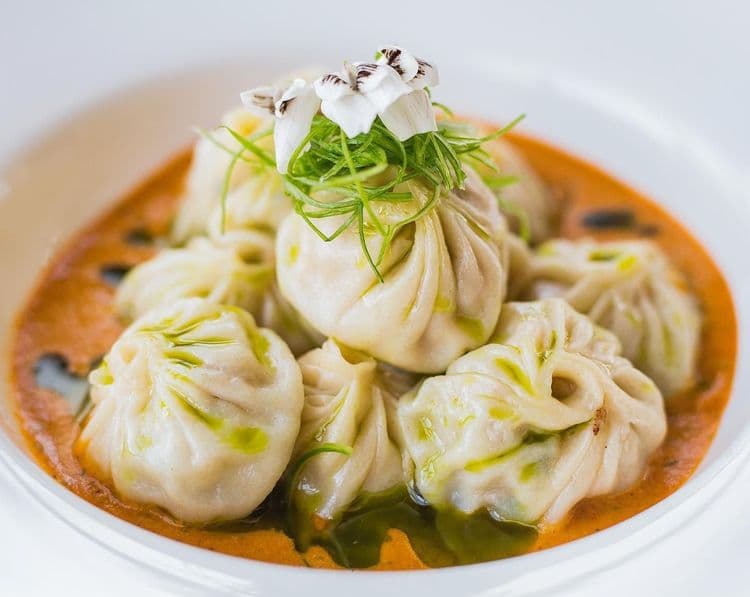
There is nothing quite like a tray of hot momos landing on the table, the pleats still glistening from the steamer. This collection of 24 momos recipes pulls together everything I reach for when a craving hits: soft steamed parcels, crackly pan-fried edges, juicy chicken fillings, and a chutney hot enough to make your eyes water in the best possible way. Whether you learned to fold these from a street vendor in Kathmandu or you are shaping your very first dumpling tonight, there is a version here waiting for you.
I have cooked my way through bamboo steamers, non-stick pans, and more collapsed pleats than I care to admit, so these pages are built around what actually works in a home kitchen. You will find veg and paneer fillings, protein-packed chicken options, fusion twists like Japanese curry momo, and the sauces that tie the whole spread together. Pick a filling, master the fold, and you may never queue at a momo cart again. Everything here is written for a normal home kitchen, with no specialist gear required beyond a pot and a basket that fits inside it.
Veg Momos for Every Craving
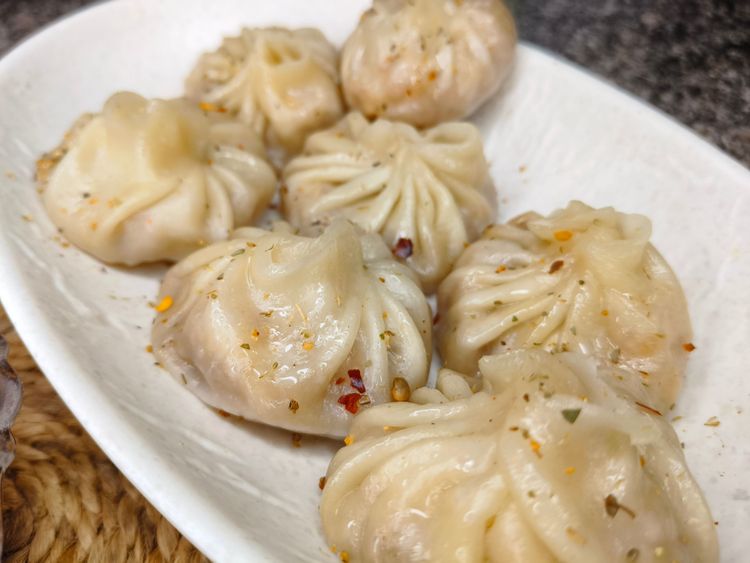
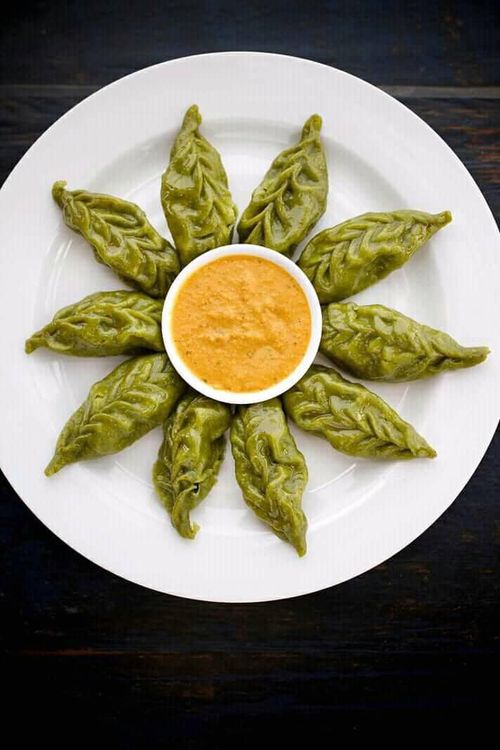
Vegetarian parcels are where most of us begin, and this batch shows just how far a bag of cabbage can go. The trick with any veg filling is moisture control: shred your cabbage, carrot, and beans fine, salt them, and wring out every drop before it hits the wrapper. From classic Nepali-style bundles to paneer-spinach and nutty whole-wheat atta versions, these seven give you a filling for every mood, whether you want something light, protein-packed, or indulgent. Fry a pinch of the raw filling to taste before folding the batch.

- Nepalese
- Non-Vegetarian
- Appetiser

- Asian
- Vegetarian
- Appetiser
- Nepalese
- Vegetarian
- Lunch

- Vegetarian
- Appetiser

- Nepalese
- Vegan
- Appetiser



- Indian
- Vegetarian
- Appetiser
Juicy Chicken and Non-Veg Momos
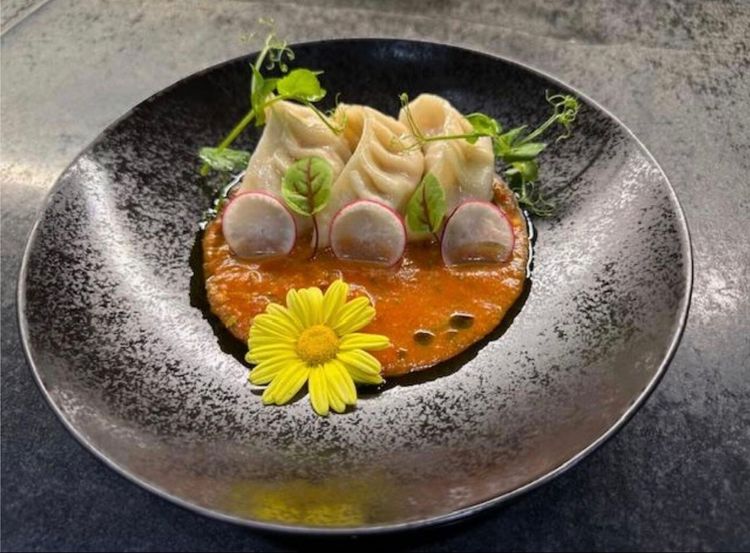
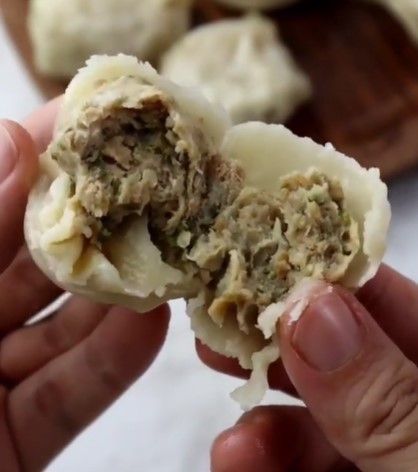
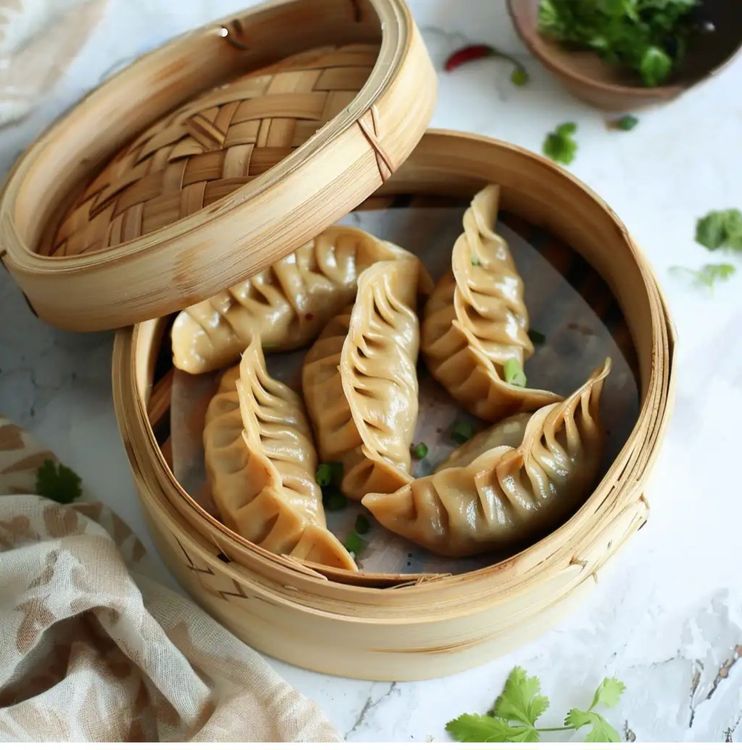
For meat lovers, a well-made chicken parcel is genuinely hard to beat. The secret to a juicy centre is fat and moisture: use mince that is not too lean, and fold in finely chopped onion, ginger, garlic, and a little oil so the filling bastes itself as it steams. These three range from a ten-minute cheat for when you keep cooked filling on hand to a proper Northeastern-style steamed platter built to feed a hungry crowd. Chill the seasoned mince first; a cold filling is far easier to fold.
- Nepalese
- Non-Vegetarian
- Appetiser

- Indian
- Non-Vegetarian
- Snack

- Indian
- Non-Vegetarian
- Appetiser
Steamed and Pan-Fried Momos Recipes
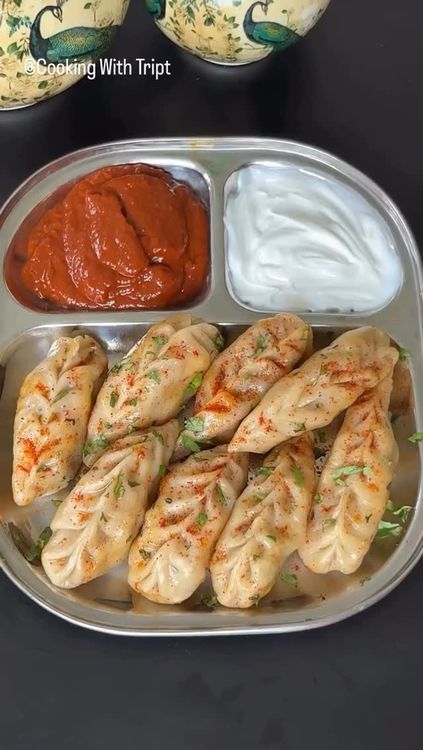
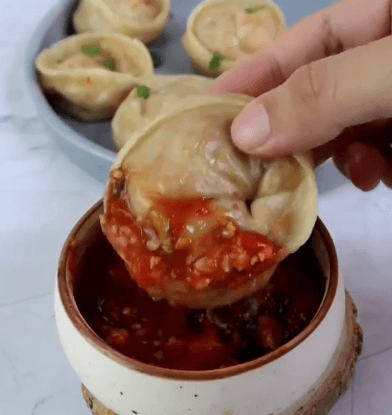
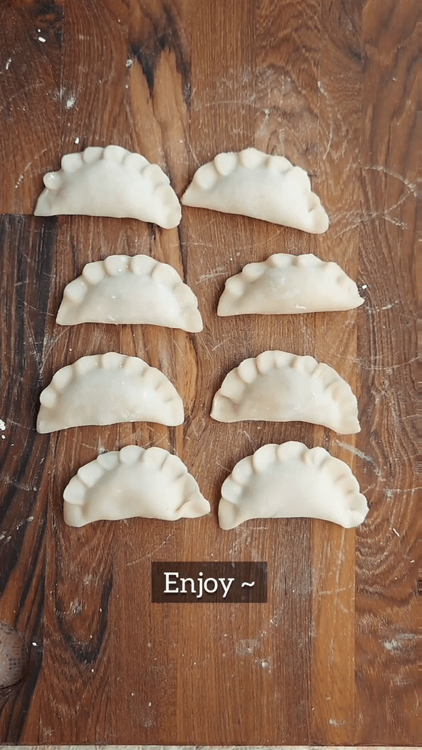
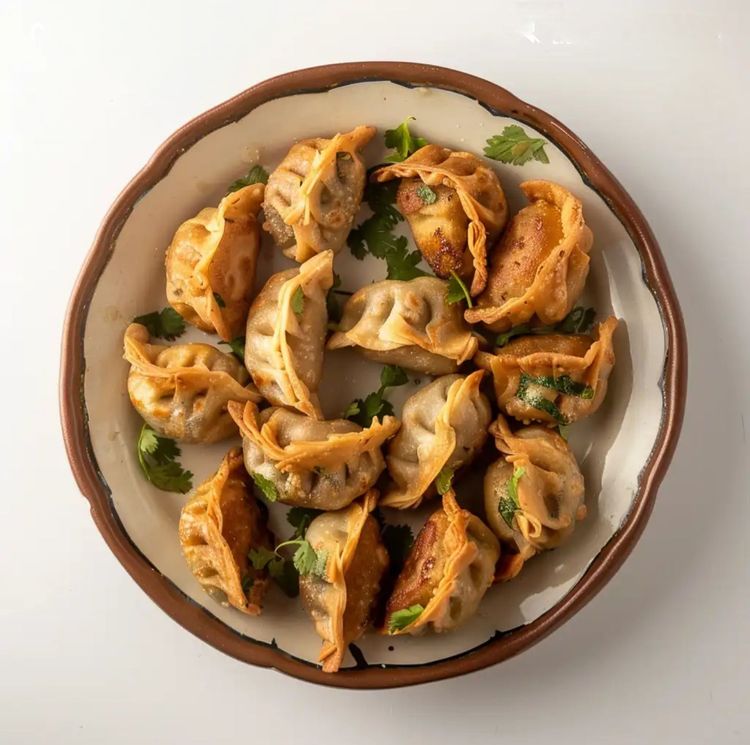
This is the heart of the collection, where technique matters far more than any single ingredient. Steaming gives you the soft, glossy classic; pan-frying adds a lacy, crisp base; deep-frying delivers full-on crunch. Master the dough and the fold here and every other filling becomes easy. From a three-ingredient mandu-style base to pillowy bazar-soft parcels and shatteringly crisp fried versions, these seven teach you the core methods every home cook needs. Whichever route you choose, the same folded parcel is always your starting point.

- Indian
- Vegetarian
- Appetiser

- Asian
- Vegan
- Appetiser
- Asian
- Vegetarian
- Appetiser
- Korean
- Vegan
- Snack

- Indian
- Vegetarian
- Snack
- Indian
- Vegan
- Appetiser
Fusion and Global Momo Twists
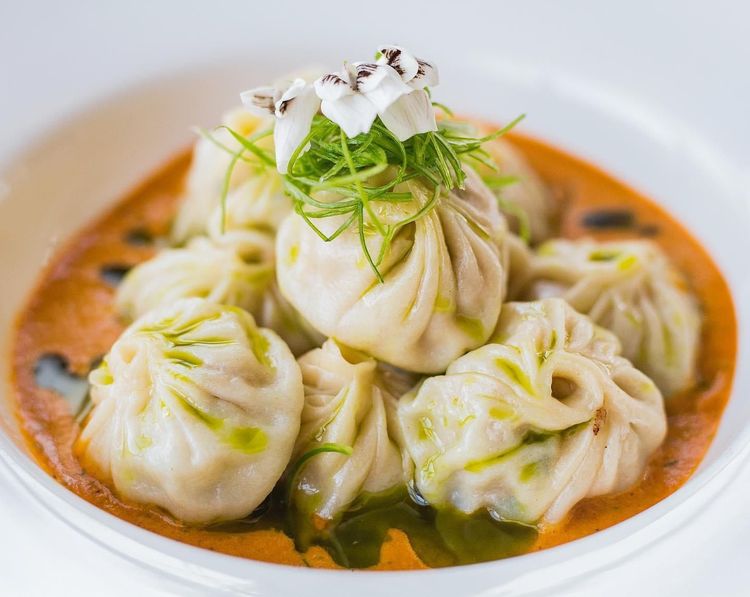
Once you have the basics down, the humble parcel becomes a blank canvas. This trio happily pushes past tradition: soupy Nepali jhol momo swimming in a sesame-tomato broth, a rich Japanese curry filling, and a cheeky riff that turns the whole thing into crunchy nuggets. They are proof that a good dumpling borrows shamelessly from any kitchen it likes, and they make brilliant conversation starters at any party or game-day spread. Treat them as a licence to experiment with whatever spices your fridge already holds.
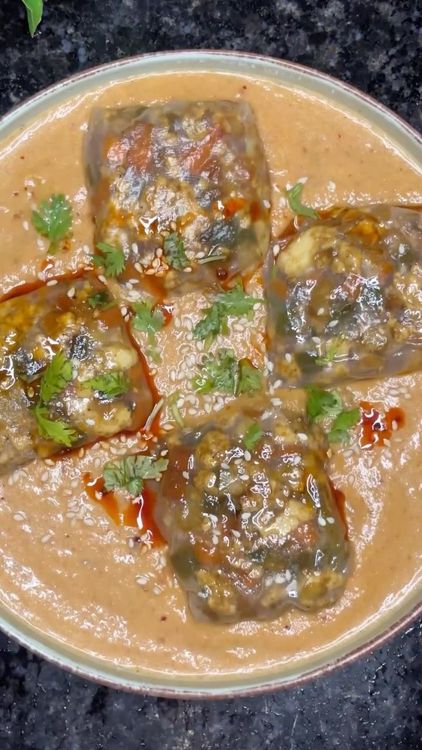

- Nepali
- Vegetarian
- Appetiser

- Asian
- Non-Vegetarian
- Appetiser
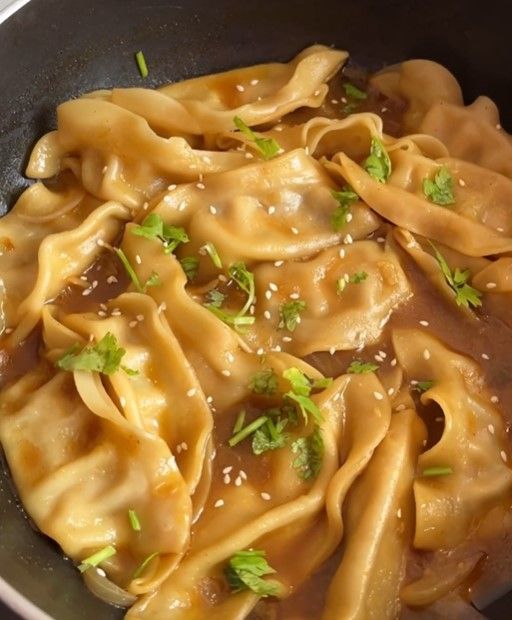
- Japanese
- Non-Vegetarian
- Lunch
Momo Chutney and Dipping Sauces
No parcel is ever truly complete without its dip, and for many of us the sauce is quietly the main event. This set gathers the fiery tomato-and-chilli chutneys that define the street-cart experience, from a fifteen-minute express blend to a slow-roasted version with real smoky depth. Make a batch ahead of time; a good chutney keeps for a week and turns even shop-bought parcels into something worth queuing for. Always taste the finished sauce on an actual parcel, not straight off the spoon.

- Indian
- Vegan
- Sauce & Condiment

- Indian
- Vegetarian
- Appetiser
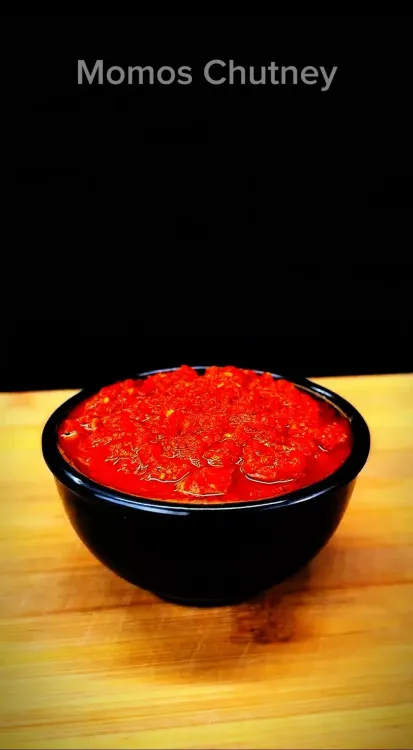
- Tibetan
- Vegan
- Sauce & Condiment
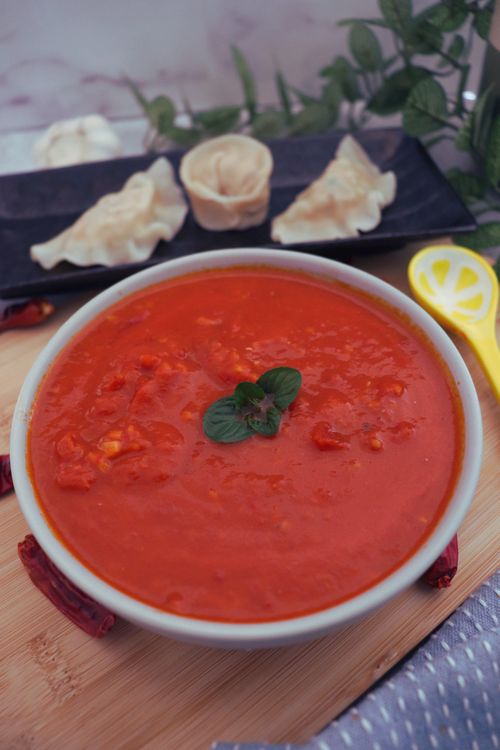

- Indian
- Vegetarian
- Appetiser
Making Momos Dough and Wrappers
Great dumplings start with the wrapper, and the good news is that it needs only flour, water, and a pinch of salt. Use plain maida for the classic silky bite, or swap in whole wheat for a nuttier, higher-fibre parcel. Add the water gradually, mixing with your fingers until the shaggy mass just comes together, then knead for a solid eight to ten minutes. This is where the gluten develops, and it is the difference between a wrapper that stretches thin without tearing and one that splits the moment you pleat it. The dough should feel firm but smooth, like your earlobe, and never sticky or wet.
Cover the dough and let it rest for at least thirty minutes; skipping this makes it spring back and fight you at the rolling stage. When you are ready, roll a rope, cut small equal pieces, and press each into a disc. Roll from the edges inward, turning as you go, so the centre stays slightly thicker than the rim. That thicker middle cradles the juicy filling while the thin edges pleat cleanly and cook through without going gummy. Keep the discs under a damp cloth so they do not dry out, and dust with just enough flour to stop sticking without drying the surface. Aim for three-inch rounds, roughly the width of your palm, and roll a practice disc first to calibrate your touch. A kitchen scale helps here, since equal pieces cook at the same rate and pleat more predictably.
Pleating and Shaping Momos
Pleating looks intimidating, but it is really just repetition. Hold a wrapper flat in your palm and spoon a generous teaspoon of filling into the centre, leaving a clear border all the way around. Overfilling is the single most common mistake; a bulging parcel will burst in the steamer and leak its precious juices everywhere. For the simplest shape, fold the wrapper into a half-moon and press the edges firmly together, chasing out any trapped air as you seal. Press hard and mean it, because a weak, lazy seam is exactly where every leak and failure begins.
For the classic round potli, or money-bag shape, gather the edge in small, overlapping folds while slowly rotating the parcel, then twist the top to close and pinch off any excess dough. It genuinely takes a dozen attempts before your fingers find the rhythm, so do not judge your very first tray. A half-moon crimped along one edge gives you the crescent, or jhol-style, that cradles sauce beautifully. Whatever shape you choose, keep the sealed parcels under a damp cloth and steam them on a lightly oiled rack so they release cleanly. Leave a little space between each one; they swell as they cook and will fuse into one giant lump if you crowd them together. Keep a small bowl of water beside you to dab any edge that has dried out, and it will seal like new.
The Fiery Momos Chutney
The dip is never an afterthought; for many of us it is the whole reason to make the parcels in the first place. The backbone is ripe tomato, softened until sweet, blended with dried red chillies for colour and slow-building heat. Roast or boil the tomatoes first to concentrate their flavour and loosen the skins, then char a few whole chillies and a fat clove of garlic in a dry pan until they blister and smell smoky. That quick, patient toasting is what separates a flat, watery sauce from one with real, lingering depth.
Blend the tomatoes, chillies, garlic, and a knob of ginger into a coarse paste, then loosen with a little water and season with salt, a splash of vinegar or lime, and a small pinch of sugar to balance the acidity. For a Nepali sesame version, toast a spoon of sesame seeds and grind them in; they add nuttiness and body that clings to each parcel. Taste and adjust as you go, because chillies vary wildly in their heat. Some cooks temper a spoonful of hot oil with garlic and pour it over the top for a final burst of aroma. The chutney keeps in the fridge for up to a week and honestly tastes even better on day two. If it ever tastes flat, a little more salt or a squeeze of acid almost always fixes it faster than reaching for more chilli.
Pro Tips for Perfect Momos
- Squeeze your vegetable filling hard, then squeeze it again. Shredded cabbage and carrot hold a shocking amount of water, and if you skip salting and wringing them dry in a clean cloth or muslin, that trapped moisture steams out inside the wrapper and turns your parcels into soggy, split, disappointing pockets. Salt the shredded veg, let it sit for ten minutes so the water beads out, then wring it firmly over the sink. Those extra thirty seconds genuinely save the whole batch from a watery, leaky, deeply frustrating fate.
- Do not overfill, however tempting it always is. A heaping mound of filling stops the edges from sealing properly and bursts messily through the seam in the steamer. A rounded teaspoon for a three-inch round is plenty, and it leaves you enough clean, dry border to pleat a secure, confident seam every single time. If you find them splitting no matter how carefully you fold, scale the filling back before you blame your technique; nine times out of ten, a little greed is the real culprit behind every leak.
- Oil the steamer rack, or line it with cabbage leaves, lettuce, or parchment punched with a few small holes. Freshly folded dough is tacky and will weld itself to bare metal, tearing every pleat the moment you try to lift it free. A light brush of neutral oil, or a natural leafy liner, guarantees the parcels release intact with their shape and precious juices fully preserved. It also makes cleaning up afterwards far quicker, which matters a great deal once you have patiently folded fifty of them by hand.
- Steam over rolling water, never a lazy simmer. You want a strong, steady cloud of steam for about ten to twelve minutes so the wrappers turn glossy, tight, and translucent. Lift the lid too often out of curiosity and the temperature drops, leaving you with pale, doughy, stubbornly undercooked centres. Get the water boiling hard before the tray ever goes in, keep the heat high throughout, and resist peeking until the final couple of minutes, when one quick check confirms the wrappers have turned shiny and done.
- Freeze raw parcels on a tray first, then bag them once solid. Space them well apart on a lightly floured tray and freeze them completely through before transferring to a container or zip bag, so they never clump into one frozen lump. Cook them straight from the freezer, adding just a couple of extra minutes to the steaming time; there is no need to thaw them and court a sticky, misshapen mess. A well-stocked freezer means a hot, fresh snack is only fifteen minutes away on any given night.
- Rest the dough and keep absolutely everything covered as you work. A dry wrapper cracks stubbornly and refuses to pleat, while a well-rested, relaxed dough rolls thin without snapping back at you. Keep the cut discs, the filled parcels, and any spare dough under a damp cloth throughout, and roll only a few rounds at a time so nothing dries out while your hands are busy folding. Working in small, calm batches always beats racing through and ending up with a pile of brittle, unusable wrappers.
Frequently Asked Questions
What is the difference between momos and dumplings?
Momos are the Himalayan branch of the huge global dumpling family, hugely popular across Nepal, Tibet, Bhutan, and northern India. Like Chinese jiaozi or Japanese gyoza, they wrap a seasoned filling inside a thin dough skin, but momos lean on ginger, garlic, and warming spices, and they are almost always served with a fiery tomato-and-chilli chutney rather than a plain soy dipping sauce.
How do I keep my momos from turning out hard or rubbery?
Hardness usually comes from overworked or under-rested dough and from rolling the wrappers far too thick. Knead the dough until it is smooth and elastic, rest it for at least thirty minutes, and roll each disc thin while leaving the centre slightly thicker. Steam over strong, rolling heat for ten to twelve minutes and serve straight away, because parcels toughen noticeably as they cool and sit around.
Can I make these momos recipes without a traditional steamer?
Absolutely. Every one of these momos recipes works with a simple metal colander set over a pot of boiling water, a bamboo basket, an idli stand, or even a heatproof plate resting on a trivet. Line whatever you use with oiled parchment or cabbage leaves, cover it tightly to trap the steam, and keep the water at a strong, steady boil throughout.
What is the best momo filling for beginners?
Start with a simple vegetable filling of finely chopped cabbage, carrot, and onion, bound with garlic, ginger, and a little soy sauce or salt. It is forgiving, cheap, and cooks quickly, so you can pour all of your attention into mastering the fold. Once your pleating feels confident and secure, graduate to paneer, minced chicken, or a more adventurous fusion filling. Keeping the vegetables finely and evenly chopped also helps them cook through fully in the short steaming time.
How long do I steam momos for?
Most parcels need ten to twelve minutes over rapidly boiling water. They are done when the wrapper looks glossy and slightly translucent and no longer feels raw or doughy to the touch. Chicken and other meat fillings sit at the longer end so they cook through safely; a filling that is piping hot right in the very centre is your most reliable signal.
Can I fry momos instead of steaming them?
Yes, and it is genuinely delicious. For the crispiest result, steam the parcels first, then either deep-fry them to a golden crust or pan-fry them potsticker-style: brown the base in a little hot oil, add a splash of water, and cover so the tops finish steaming gently. Frying raw parcels risks a burnt outside wrapped around a stubbornly undercooked filling.
How do I store and reheat leftover momos?
Cooked parcels keep in the fridge for two to three days. Reheat them in a steamer or in the microwave under a damp paper towel to bring back their softness, since dry heat quickly turns them leathery. Raw, uncooked parcels actually freeze best; lay them on a floured tray until solid, then bag them and cook straight from frozen whenever you like.
What makes a good momo chutney?
Balance is everything: ripe tomato for body, dried red chilli for heat and colour, plenty of garlic and ginger for punch, and a splash of vinegar or lime to keep it bright. Roasting or charring the tomatoes and chillies first adds smoky depth, and some cooks grind in a spoon of toasted sesame seeds for a nuttier, distinctly Nepali-style dip. Blend it coarse rather than perfectly smooth, since a little texture clings far better to each hot parcel.
With 24 momos recipes spanning steamed, fried, veg, chicken, and fusion parcels, plus the chutneys that finish them, you have everything you need to turn a passing craving into a proper feast. Pick a filling, put on some music, and fold a batch; the first tray may look a little rustic, but by the second you will be hooked for good.
Related
- veg momos
- chicken momos
- steamed momos
- fried momos
- momo chutney
- dumplings
Popular Searches
- Best momos recipes
- Easy momos recipes
- Quick momos recipes
- Healthy momos recipes
- Simple momos recipes
- Homemade momos recipes
- Delicious momos recipes
- Popular momos recipes
- veg momos
- chicken momos
- steamed momos
- momos chutney
Marnirni-apinthi Building, Lot Fourteen,
North Terrace, Adelaide, South Australia, 5000
Australia
